-
-
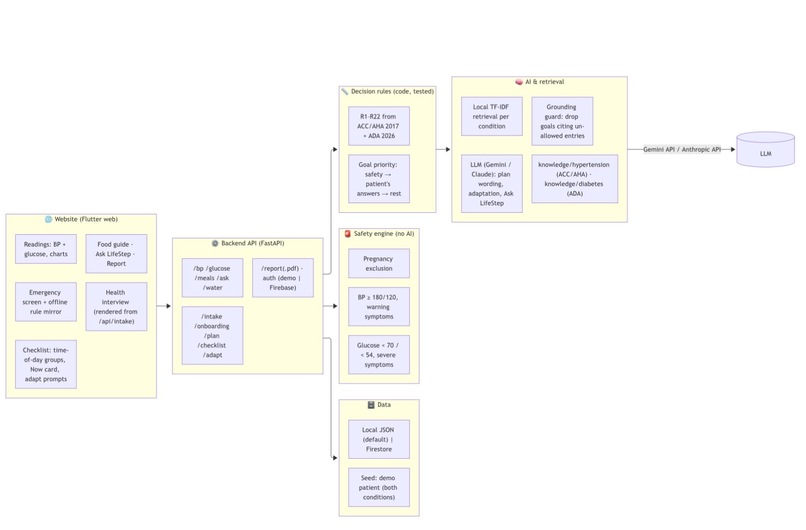
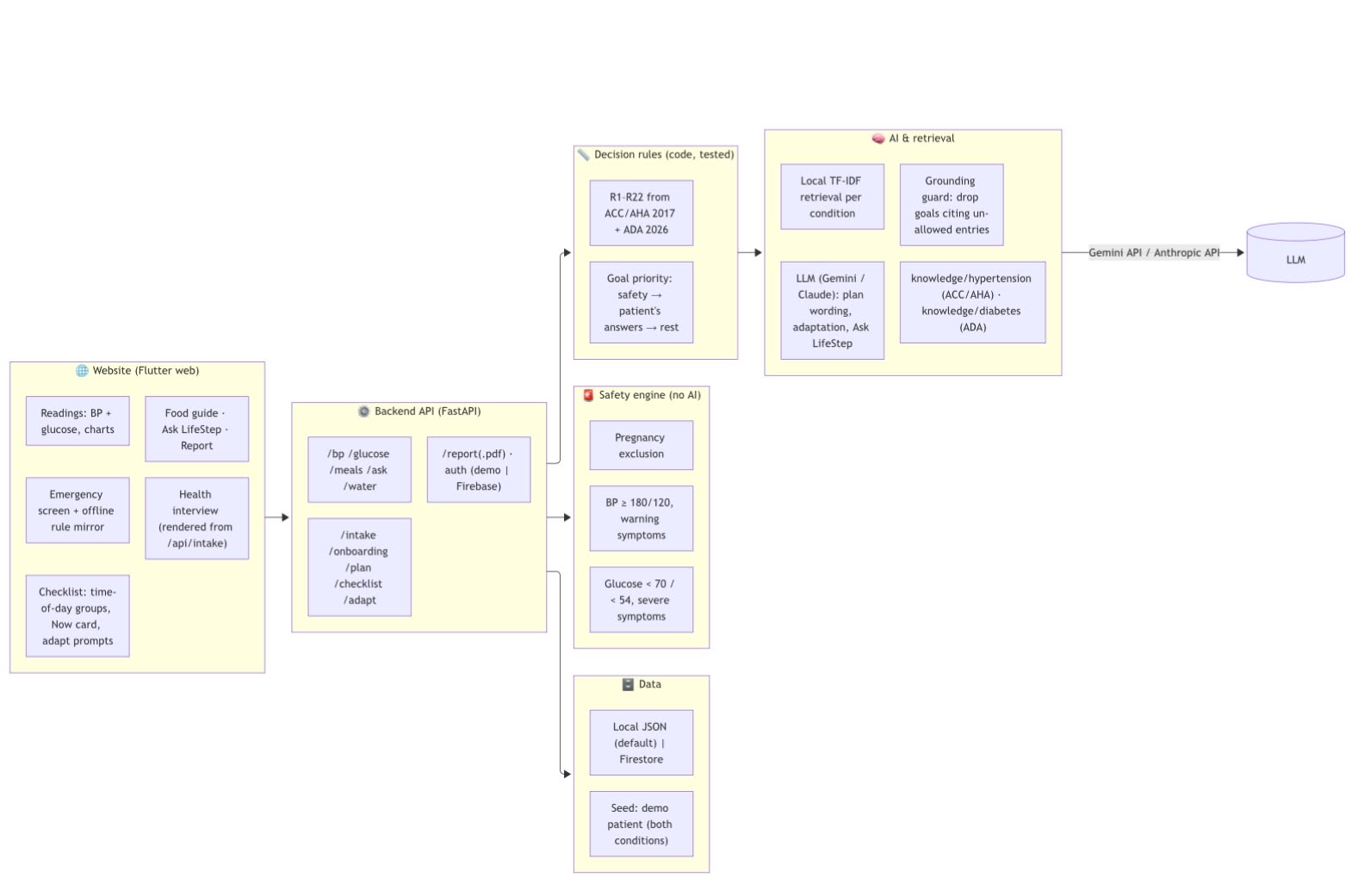
The Architecture diagram
-
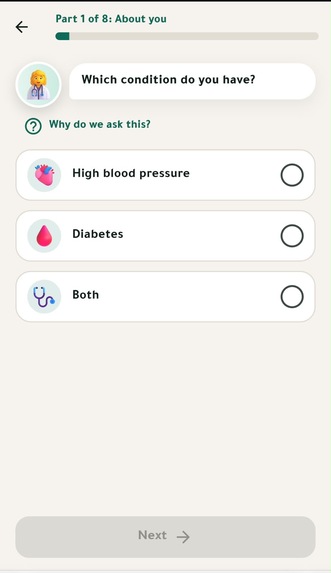
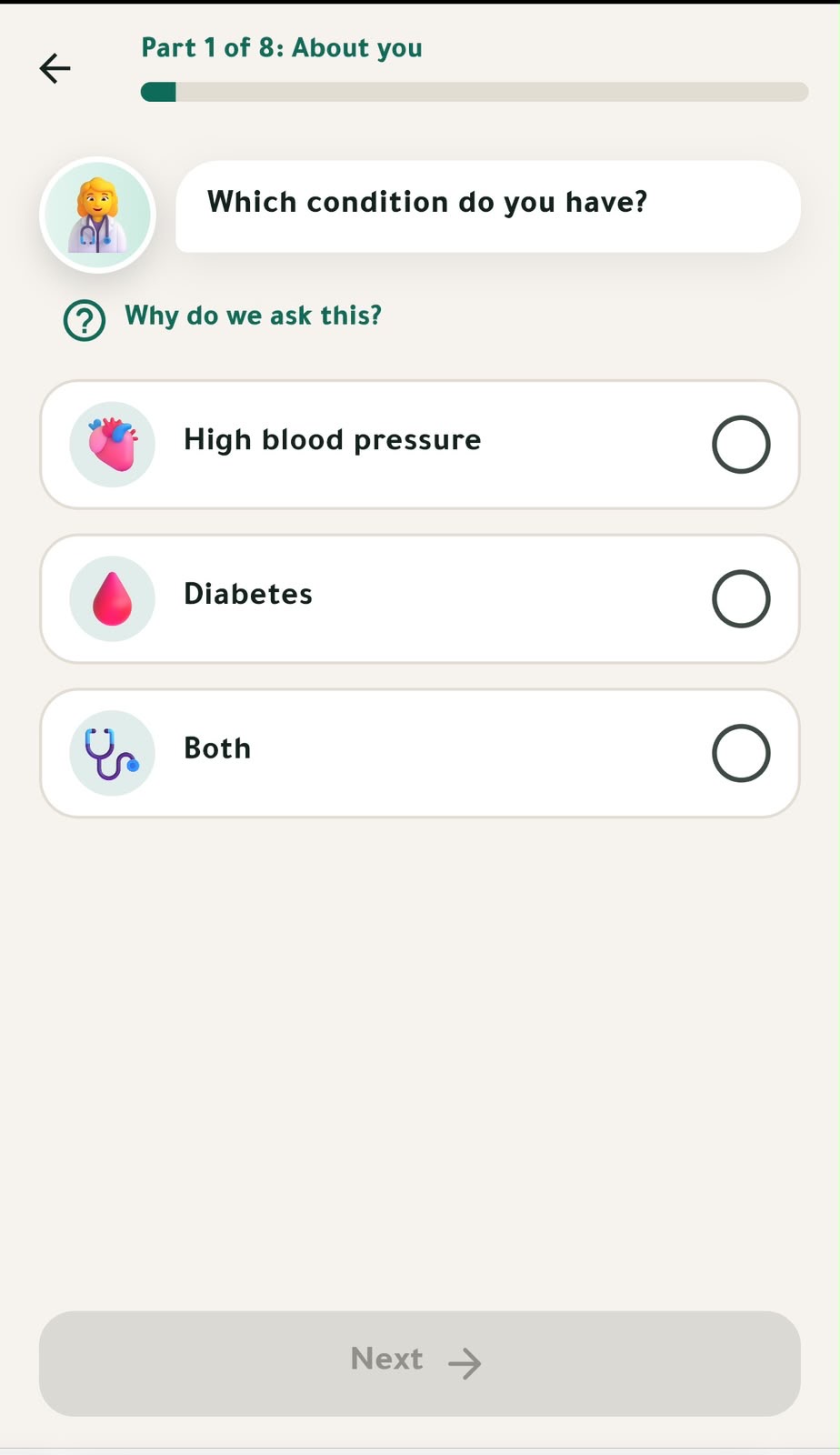
Question for the condition
-
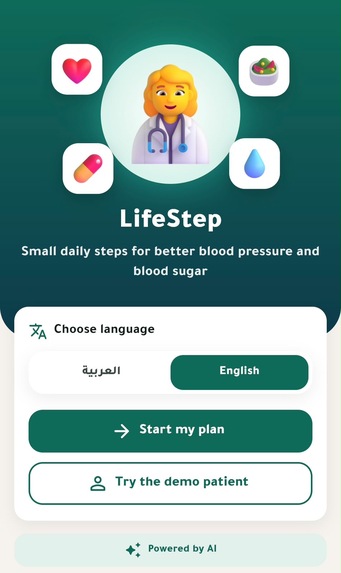
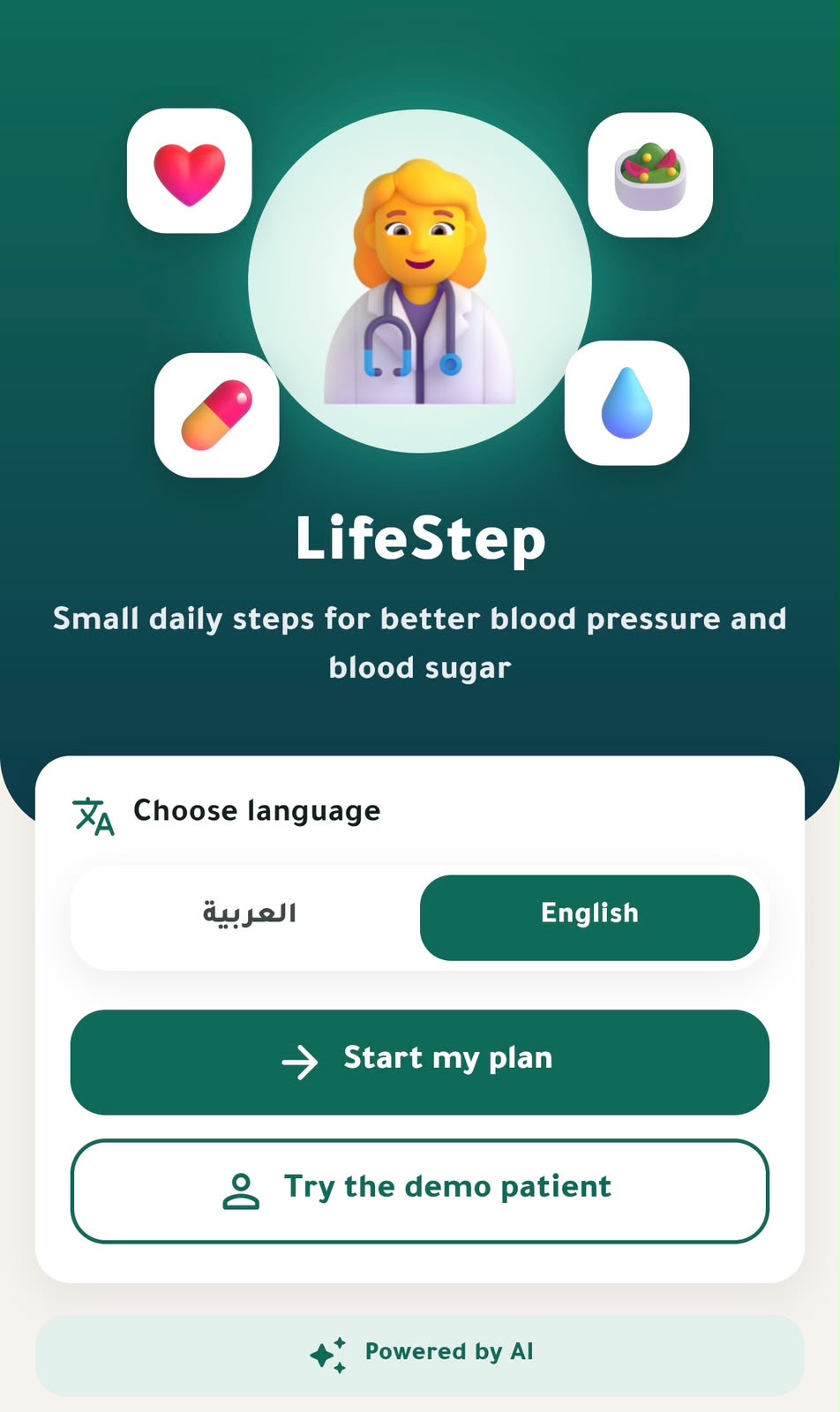
The website
-
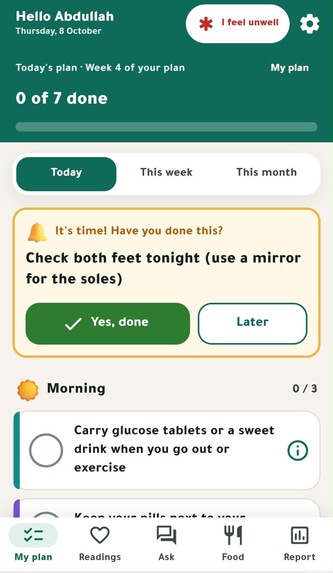
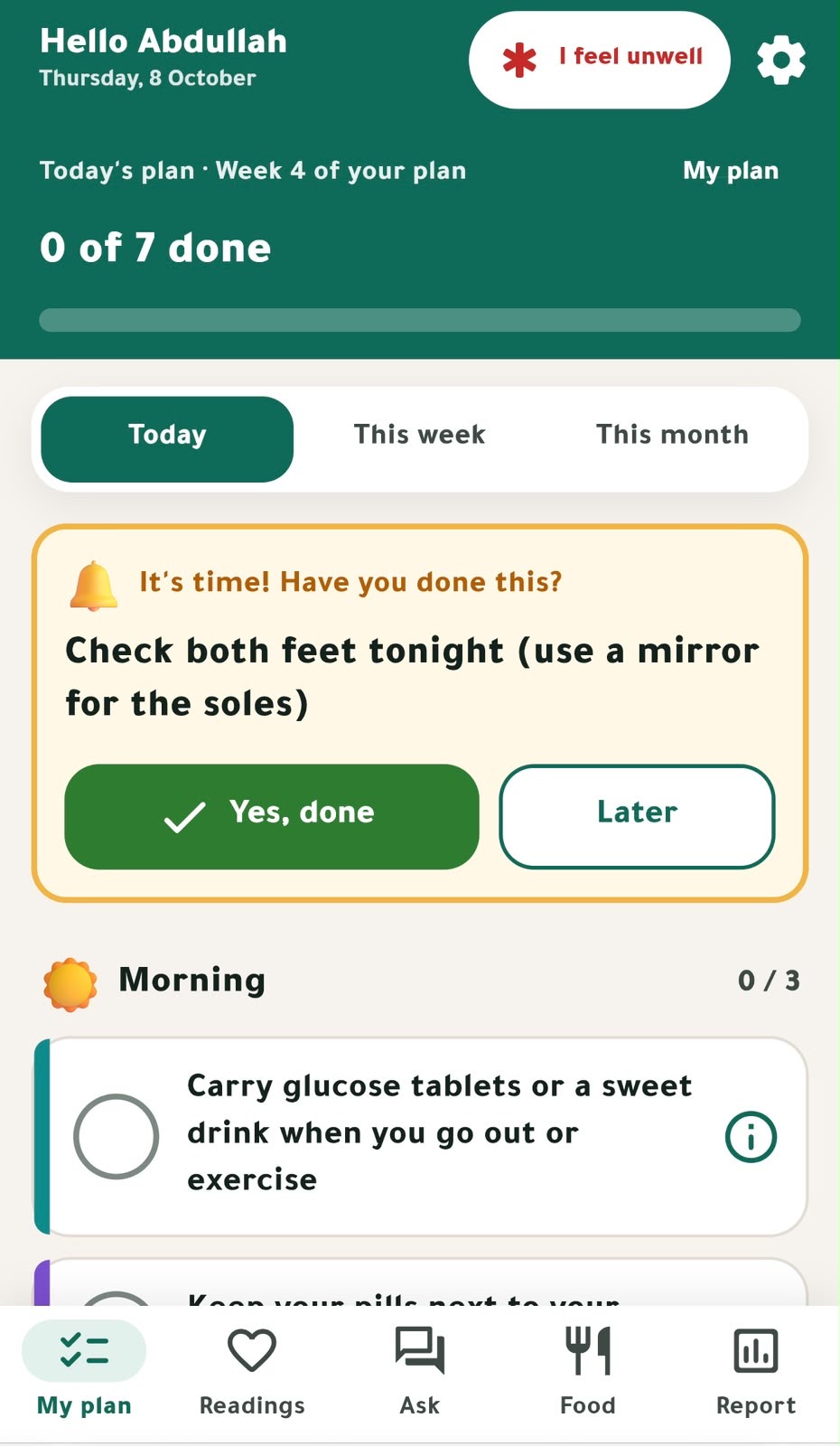
Daily & Weekly & Monthly Goals
-
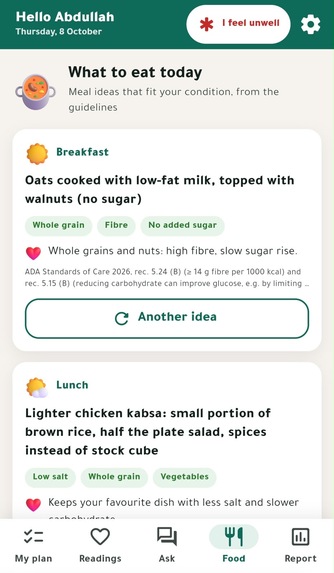
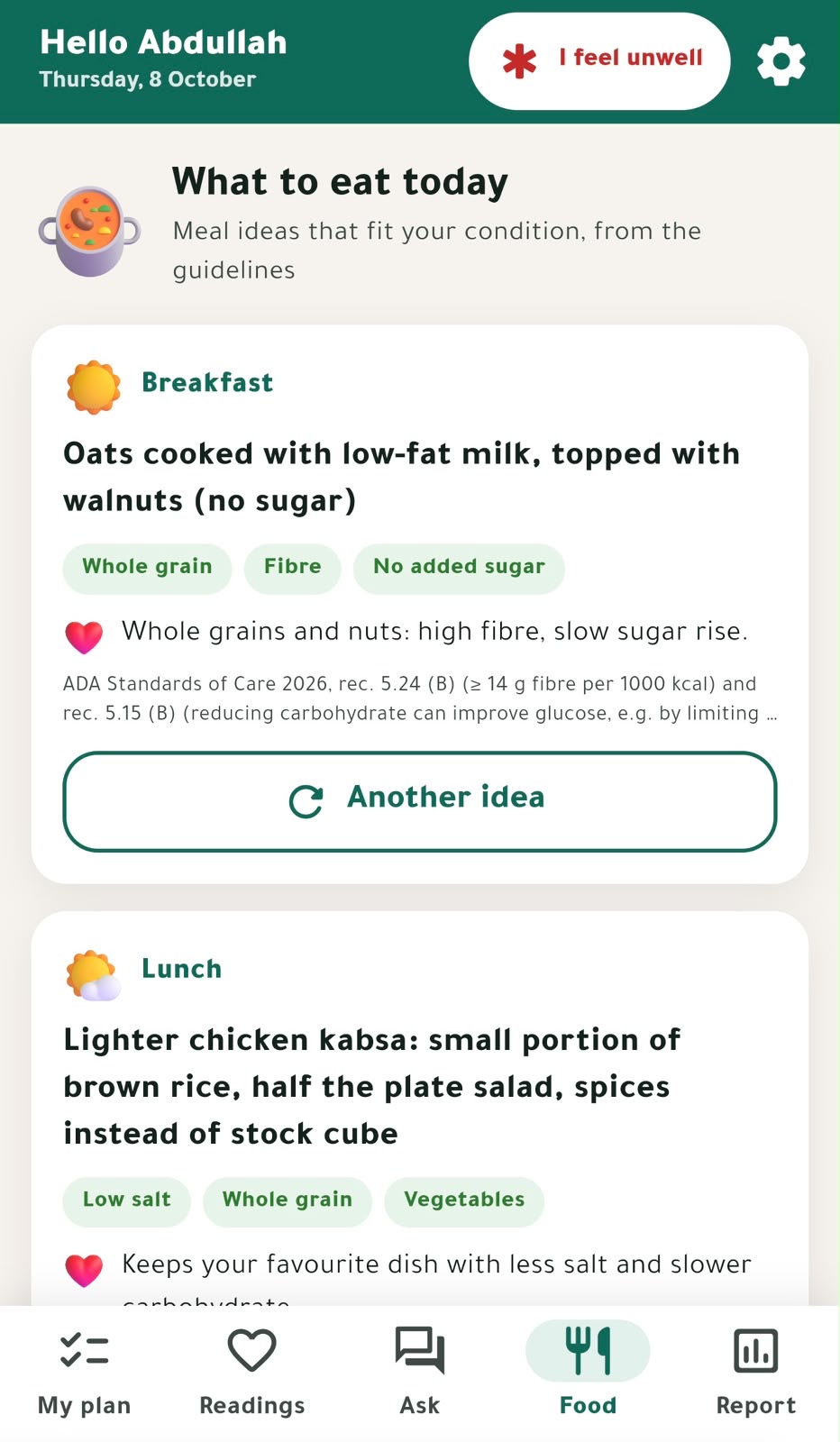
Plan Meals
-
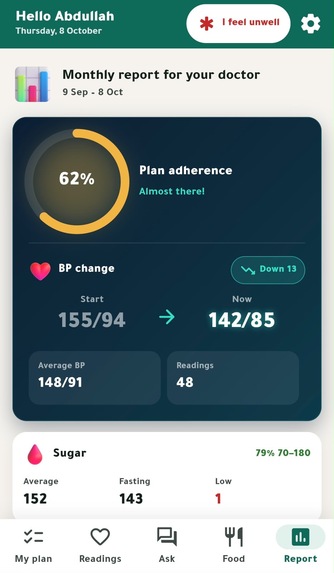
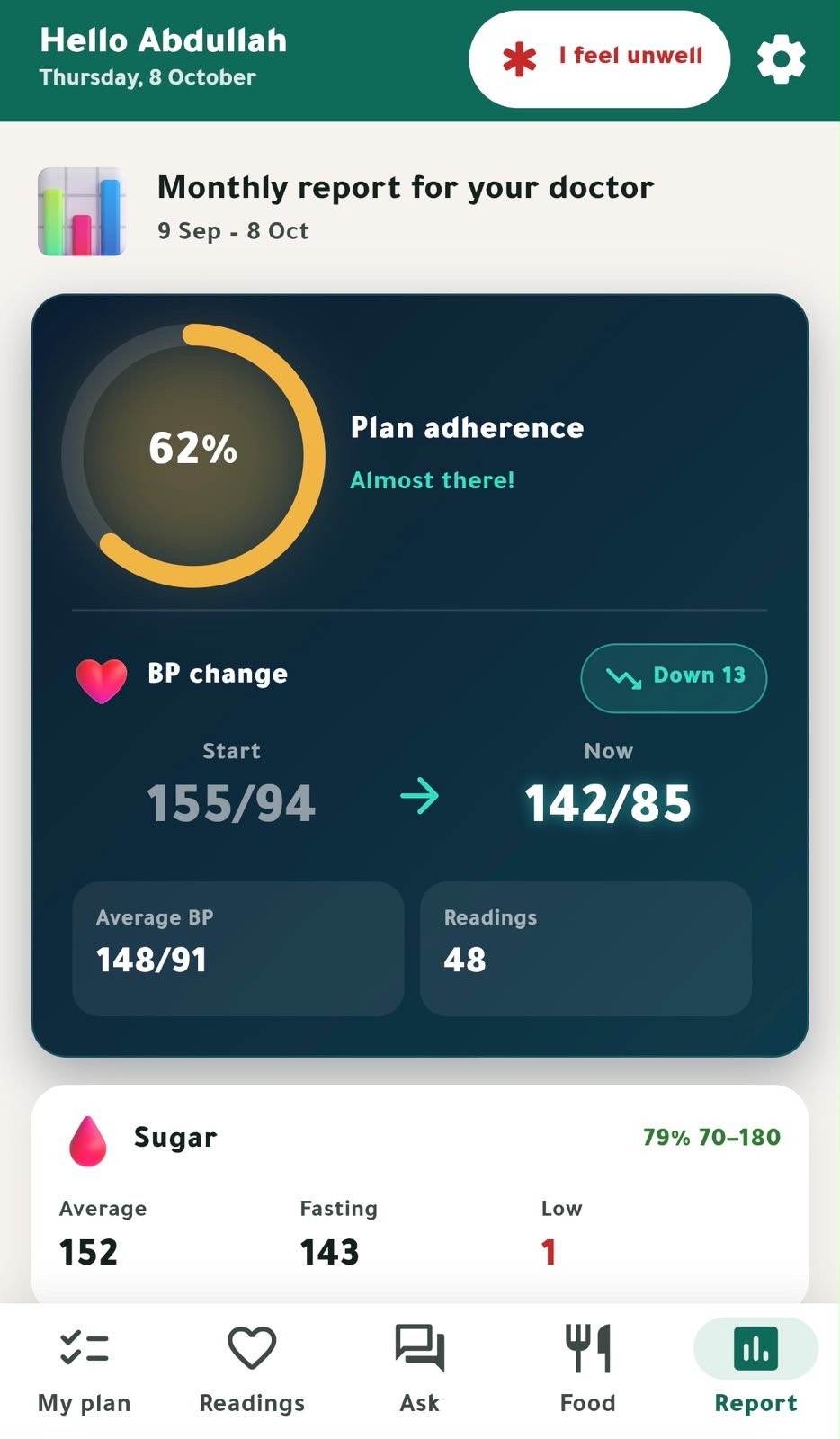
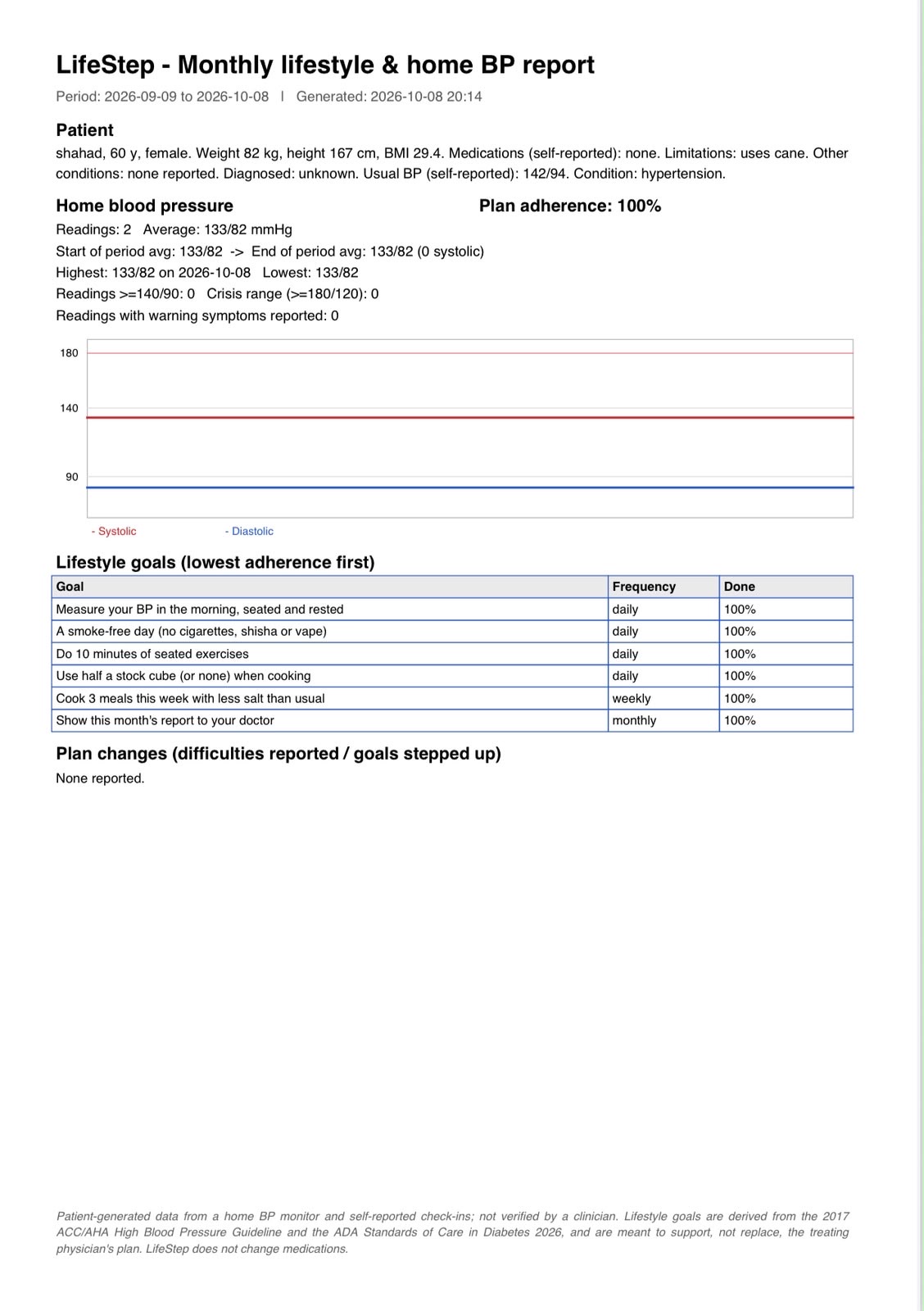
Monthly Report
-
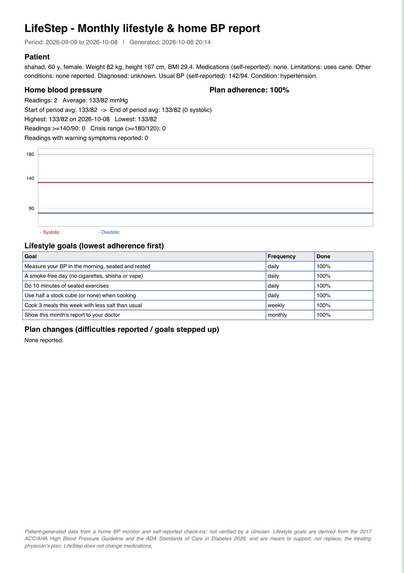
Example For the report
Inspiration
It’s a story we hear all the time. Everyone knows that changing your lifestyle is the biggest part of managing a chronic disease, but nobody actually shows patients how to do it. When you're sitting in a clinic for a quick 10-minute visit, doctors simply don't have the time to sit down and map out a personalized diet and exercise routine for you. Patients end up going home feeling completely overwhelmed, staring at their fridge with a ton of unanswered questions about what they can actually eat or how they can safely move. We realized we had to fix that.
What it does
Think of LifeStep as a personal lifestyle coach right in your pocket. We built it specifically for adults in Saudi Arabia who are living with high blood pressure, type 2 diabetes, or both. Here’s how it actually works in the real world:
- Asks first: We start off with a friendly, conversational health interview. We ask about the patient's condition, their daily habits, their meds, and if they have any physical limits.
- Builds a plan: Based on those answers, the app puts together a custom daily, weekly, and monthly checklist. Every goal clearly explains why it matters and links straight back to a trusted medical source.
- Follows up: It checks in to see how things are going day-to-day. If a patient is struggling with a goal, the app realizes it and actually adapts to make it easier. On the flip side, if they're crushing it, it safely bumps them up to the next step.
- Keeps them safe: We are constantly monitoring for dangerous readings. If something looks off, it triggers an immediate alert to keep them safe. Plus, it suggests healthy local Saudi meals, chats in naturally flowing Arabic or English, and puts together a clean, one-page monthly report that the patient can just hand right to their doctor.
How we built it
Guideline-based rules: We wrote 22 rules from the two main references: the 2017 ACC/AHA guideline for high blood pressure and the ADA Standards of Care in Diabetes 2026. These rules decide what is safe for each patient. For example, someone at risk of falling gets chair exercises, and someone on certain blood pressure medicines doesn't get potassium advice. AI: Google Gemini (with optional Claude support) writes the plan in plain Arabic or English, adapts goals to the patient's progress, and answers questions in "Ask LifeStep". Grounded answers (RAG): The AI only uses our summaries of the two guidelines. Any goal that doesn't cite a source is removed by the code. Safety without AI: Emergency checks use fixed medical thresholds, not AI: blood pressure of 180/120 or higher, blood sugar below 70, or warning symptoms. Tech stack: Flutter web (Arabic right-to-left and English, designed for older users), Python FastAPI, hosted on Render.
Challenges we ran into
Ensuring Medical Accuracy: Honestly, our biggest nightmare was the AI deciding to "play doctor" and generating unverified advice. We tackled this head-on by trapping the AI in a RAG architecture that only feeds it the official ADA and ACC/AHA guidelines. We even had to write custom code to instantly delete any generated recommendation that forgot to cite its source. Focusing on High-Prevalence Diseases: Figuring out where to start to make the biggest impact was surprisingly tough. We intentionally chose to tackle diabetes and high blood pressure because they are the most common chronic conditions in our community. But that meant we had to figure out how to design an app that specifically caters to older adults, who might not be as comfortable with technology, rather than just building a standard flashy app for younger users.
Accomplishments that we're proud of
We're incredibly proud of how LifeStep takes something scary and makes it totally doable: Making lifestyle change doable: We took that vague "eat healthier" advice doctors give and turned it into bite-sized, crystal-clear daily steps in the patient's native language. Building trust: Showing the exact clinical source for every single recommendation builds a massive amount of trust with our users. Staying with the patient: The app isn't just a boring, static list. It actually breathes and evolves dynamically based on how the patient is really doing. Helping the doctor: That monthly report turns a rushed, stressful clinic visit into a highly effective consultation backed by real data from the patient's home.
What we learned
We learned a huge lesson about where medical advice should actually come from. We realized how crucial it is to pull information directly from official, accredited medical sources. We learned firsthand that these real-world clinical guidelines are the only things we can truly rely on to keep patients safe, rather than just blindly trusting whatever generic advice an AI decides to spit out..
What's next for LifeStep
Our big vision is to scale this to cover way more conditions so we can help a much larger chunk of society. Because we built LifeStep to be totally modular, our next move is to just plug in new disease modules with their own specific guidelines and rules. But honestly, before we even think about a public launch, our immediate next step is putting our clinical rules through rigorous peer review by doctors and running hands-on tests directly with older patients to make sure we get it exactly right.


Log in or sign up for Devpost to join the conversation.