-
-
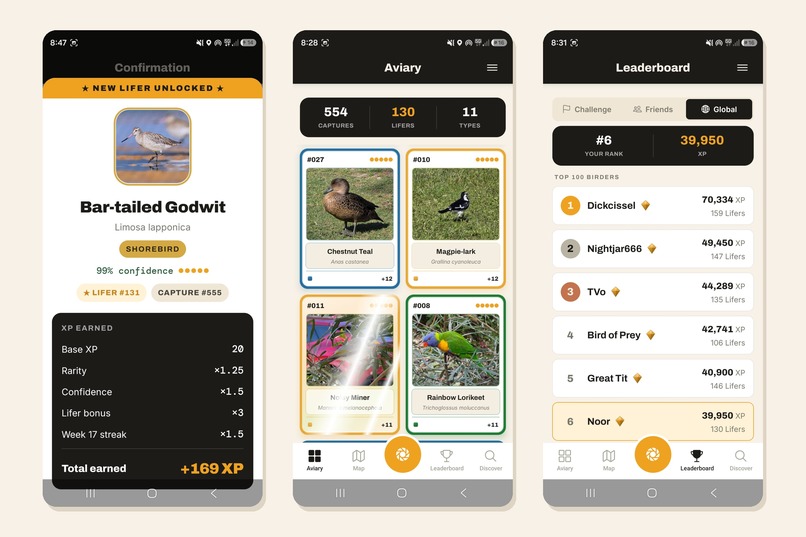
Hero: Capture, collect, compete: a birding game built on real birds.
-
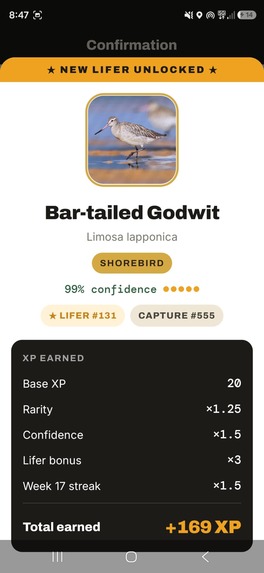
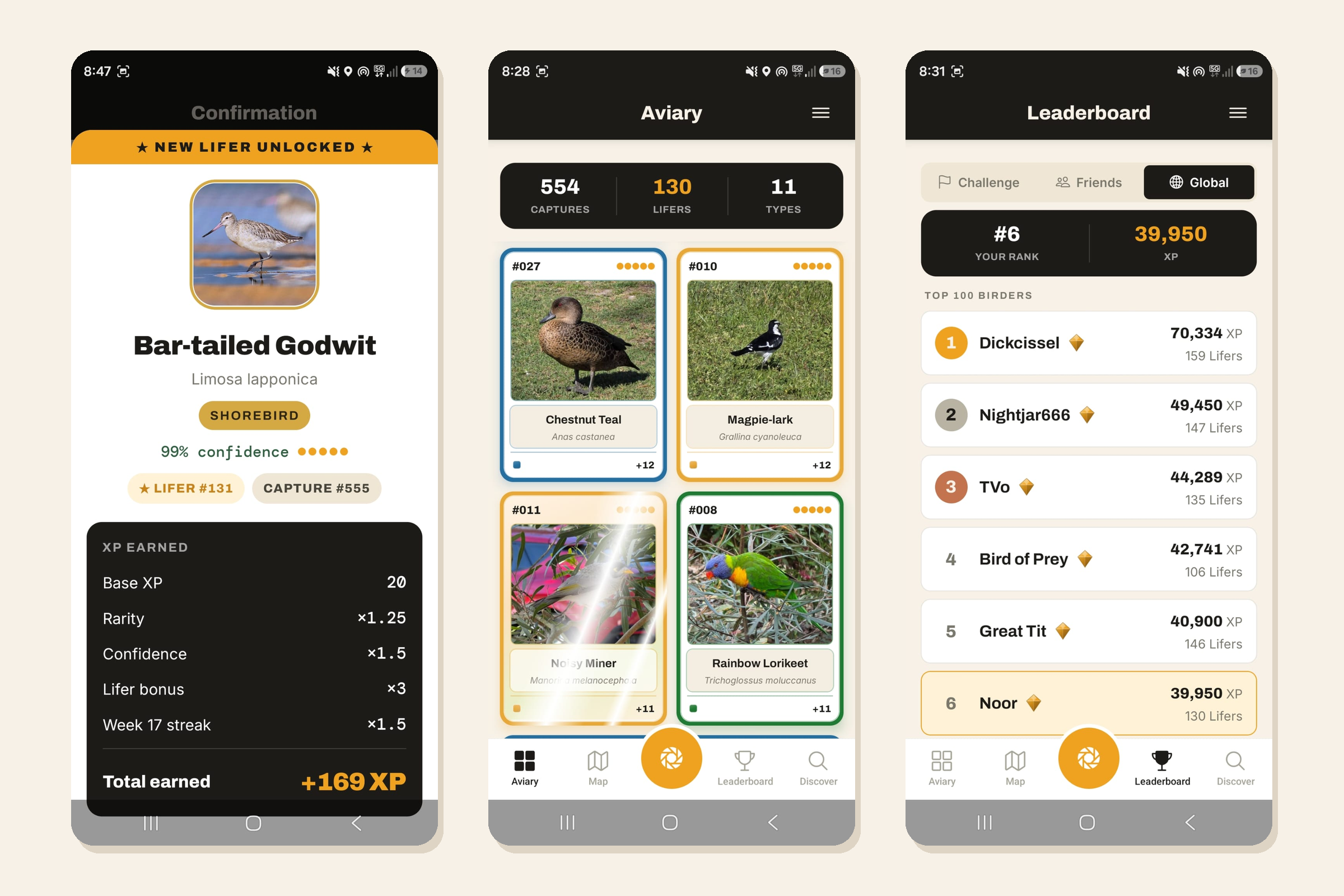
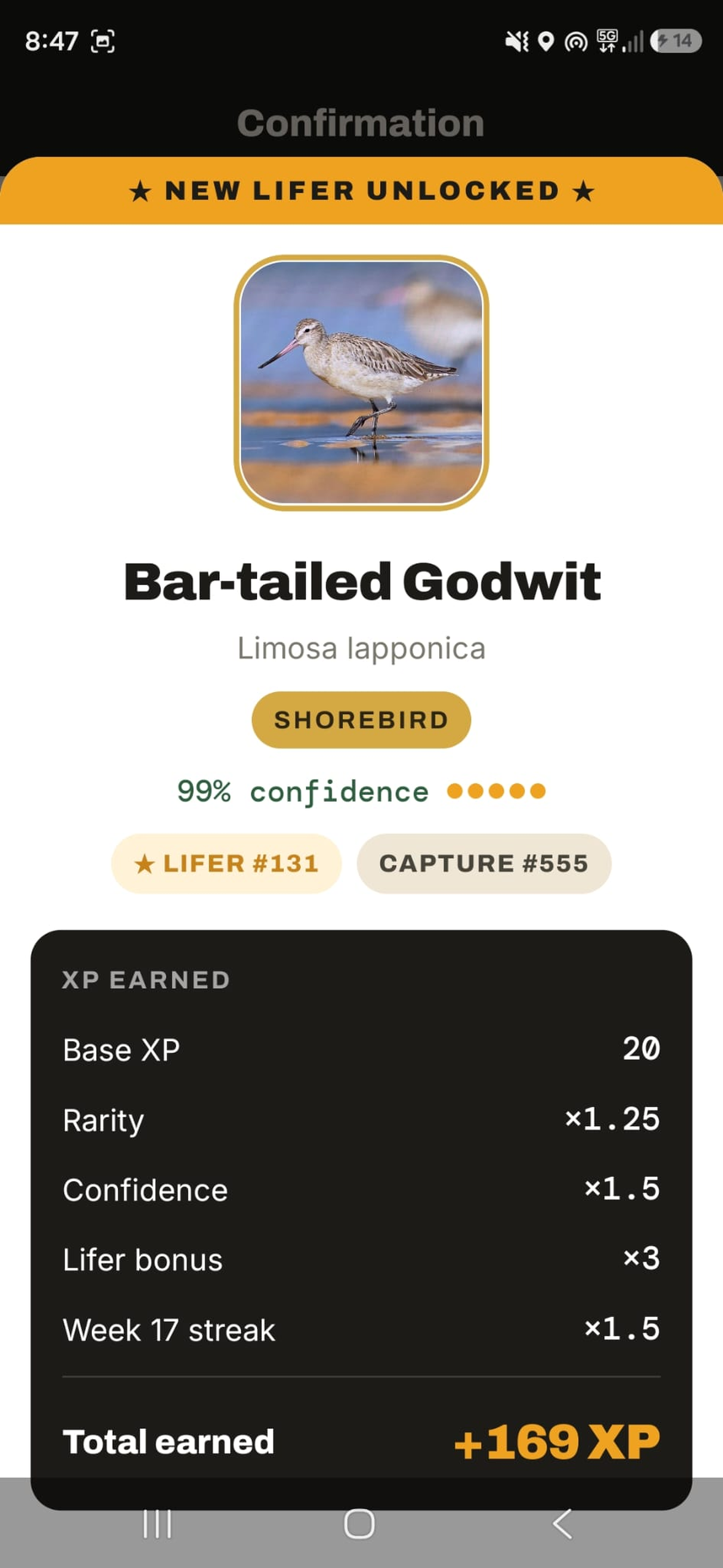
XP earned: Every capture scores. Rarity, lifers, clear photos and weekly streaks stack the XP.
-
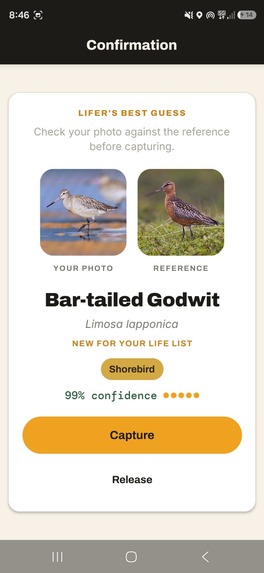
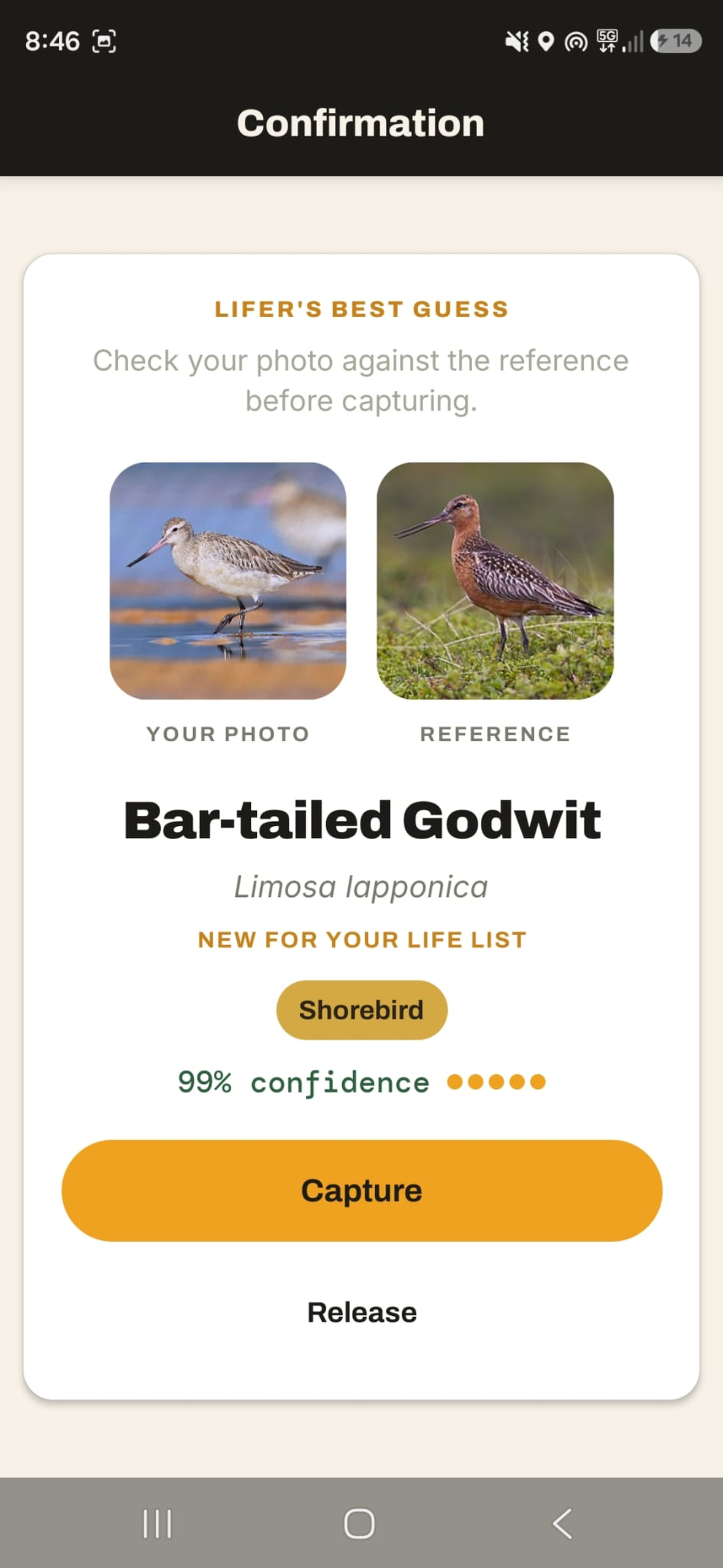
Confirmation: Lifer identifies the bird and shows a reference photo to check against before you capture.
-
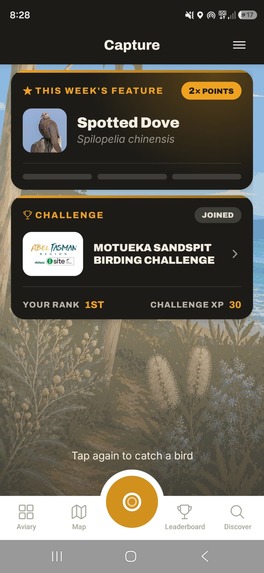
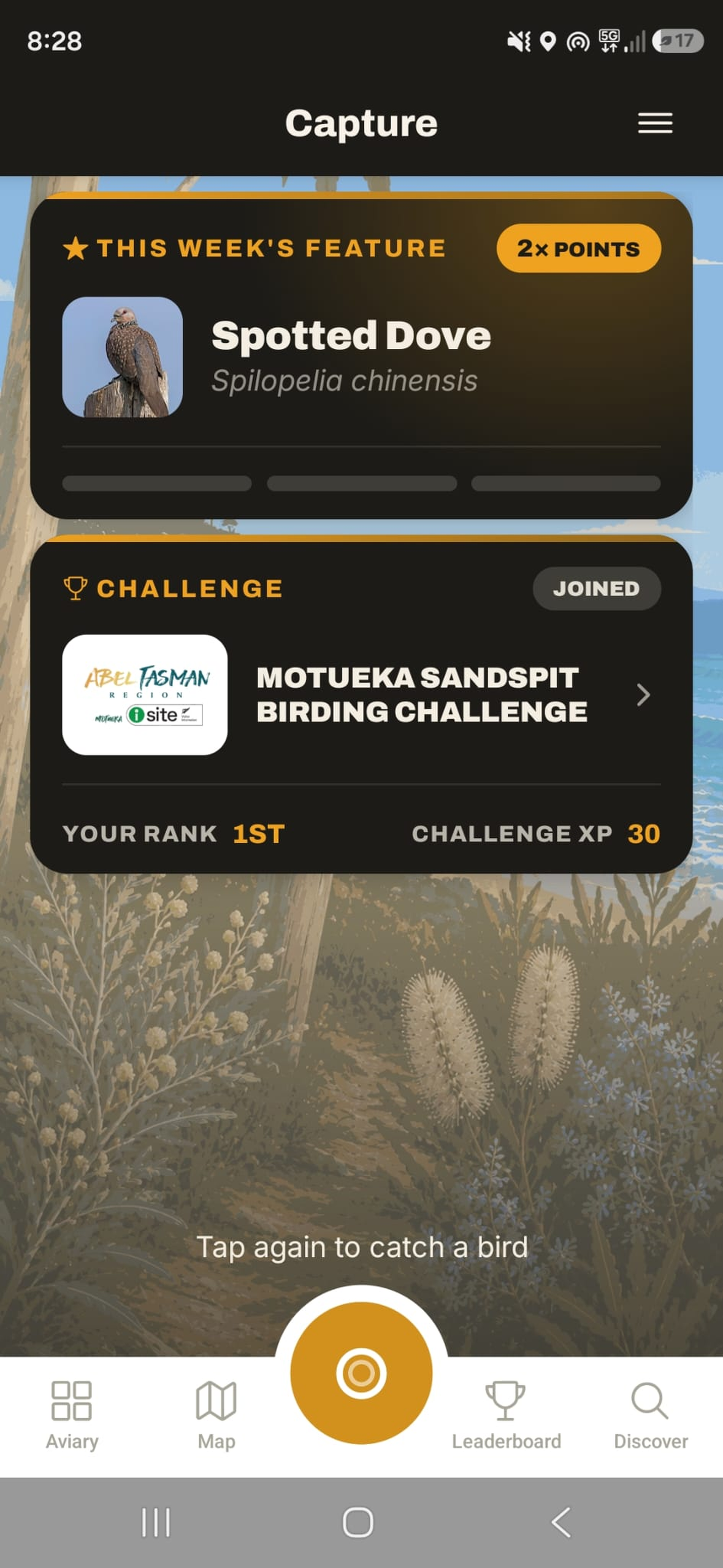
Capture: This week's featured species is worth double points, and partner challenges sit right on the capture screen.
-
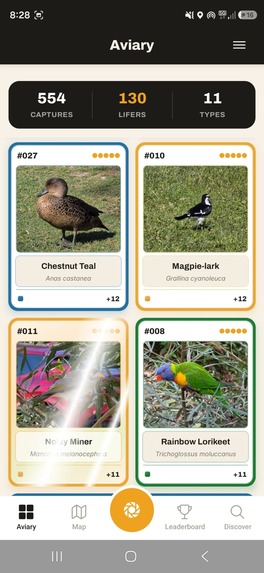
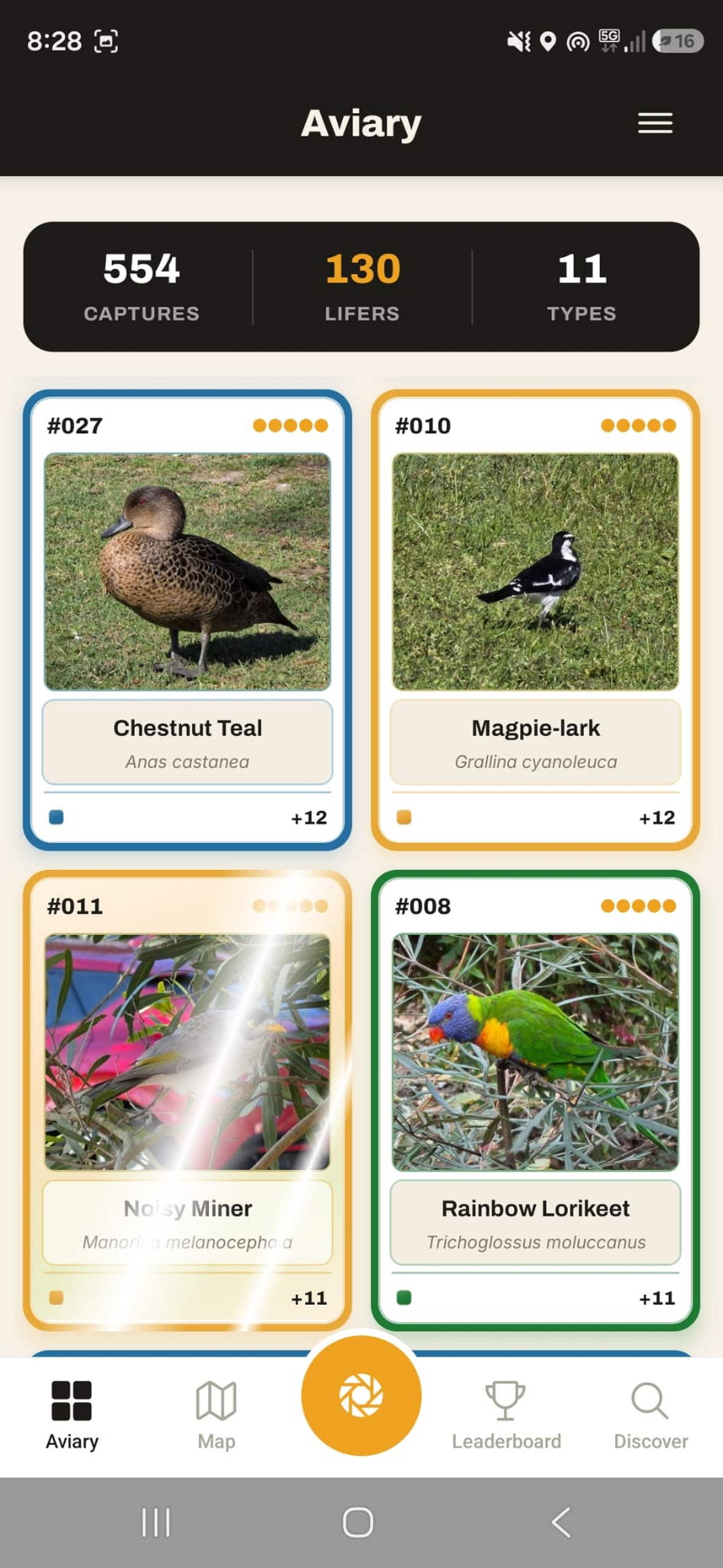
Aviary: Your collection. One capture in fifty is a holographic Shiny.
-
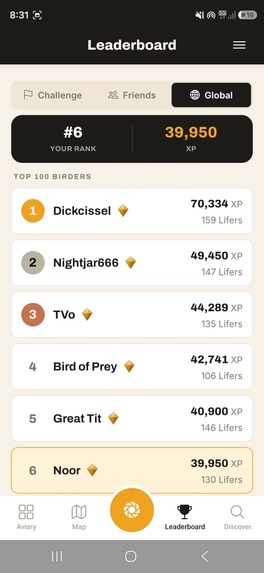
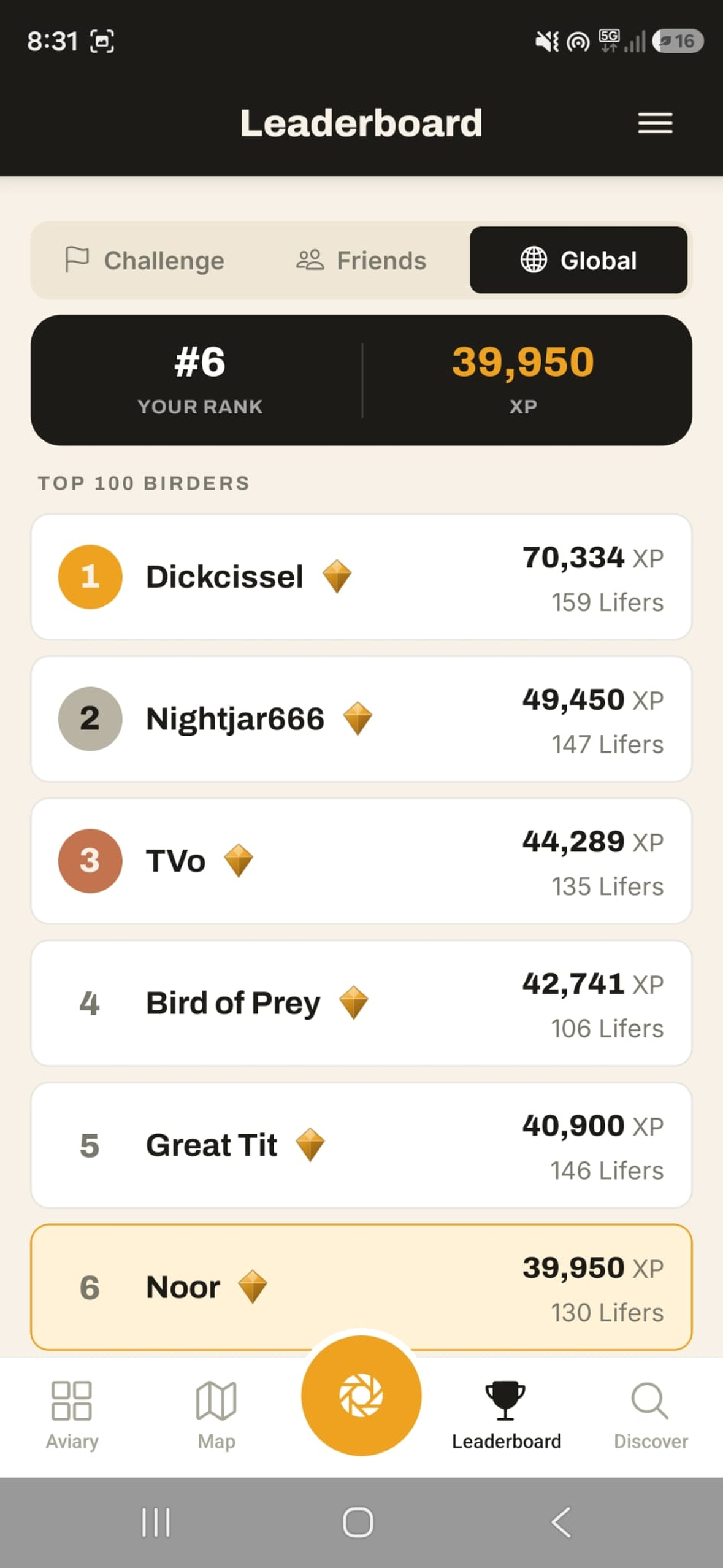
Leaderboard: Compete with friends, on the global board, or in a partner challenge.
-
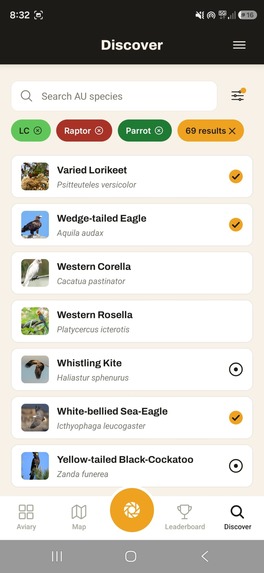
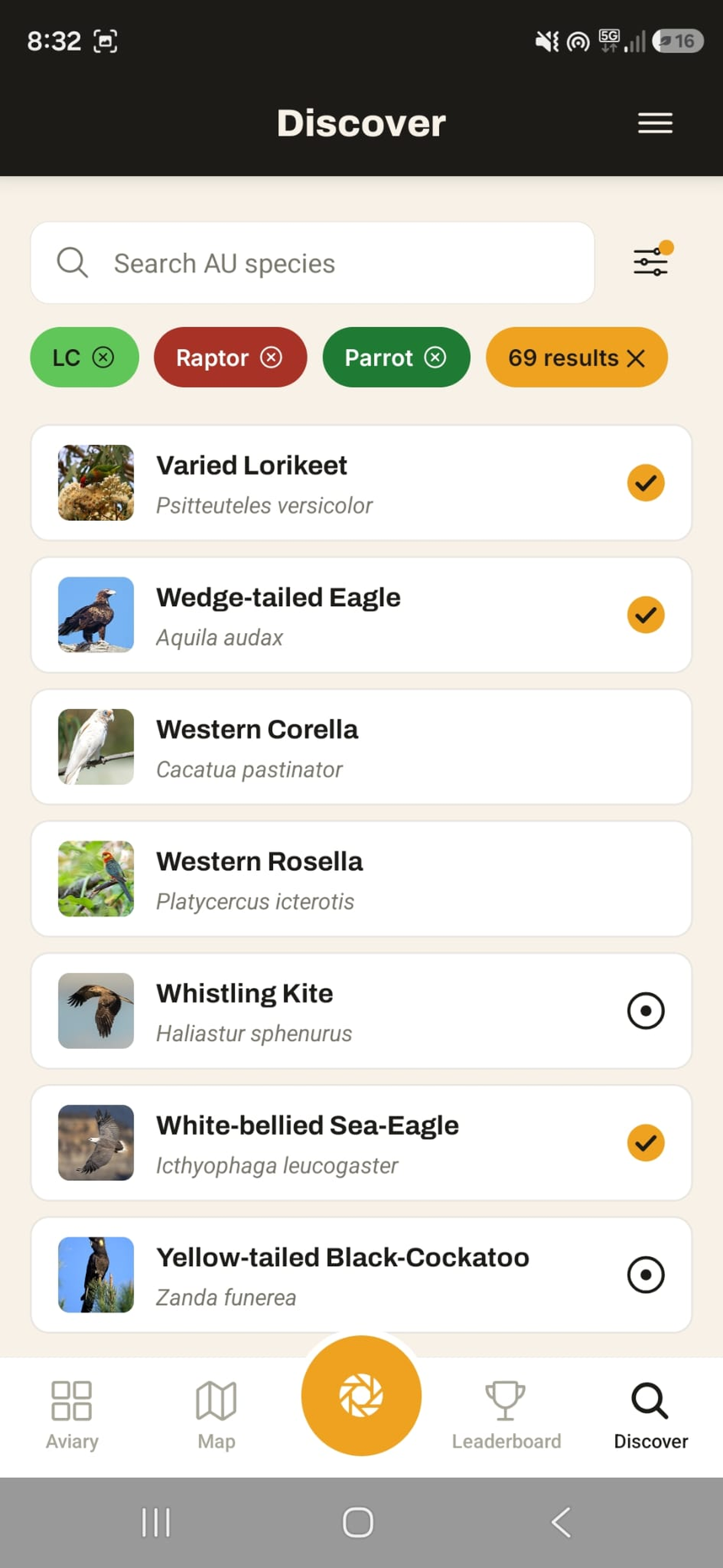
Discover: Learn about every bird, filtered by type, conservation status, life list and targets.
-
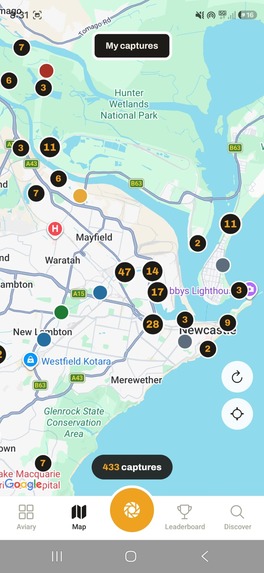
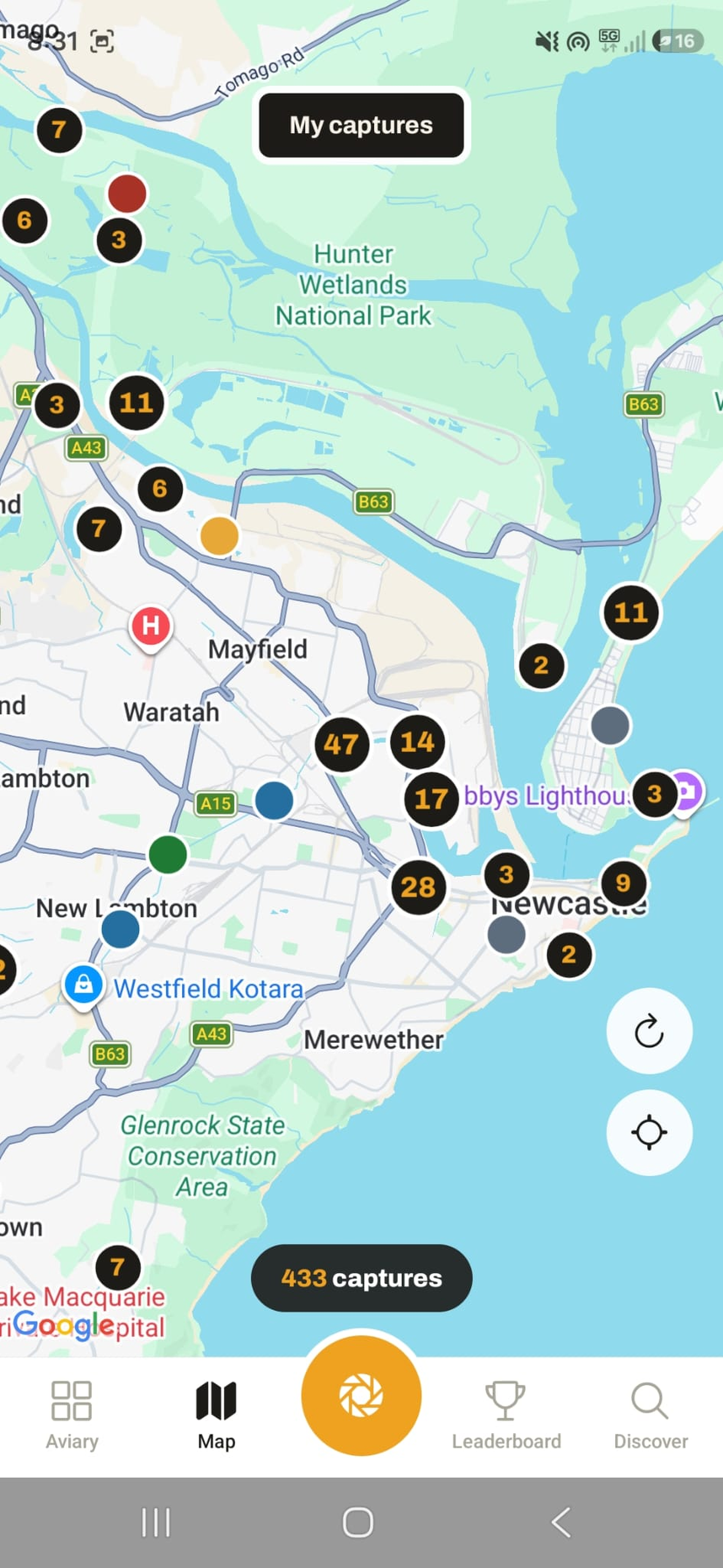
Map: Every capture on the map, clustered so thousands of pins stay readable.
-

Icon: Lifer - The Birding Game.

Inspiration
I started birding a couple of years ago and loved the thrill of finding a species I hadn't seen before (known as a lifer). Every birding app I tried felt quite scientific, and I wished something existed that leaned into how fun and exciting the hobby actually is. So I built Lifer - The Birding Game. The first version was pretty basic. I used it with a few friends to see who could score the most points during our birding sessions. That was followed by almost a year of improvements, redesigns and new features. When I heard about Shipaton 2026, it was the push I needed to finally launch it.
What it does
Lifer identifies each bird you photograph. You can capture it and add it to your aviary. You get points for every bird collected, with bonuses for things like clear photos, rare species, weekly streaks and lifers. There's a different featured species every week to capture for double points. There's a 1/50 chance on every capture of getting a shiny card in your aviary, with 3 tiers of shiny cards to collect. You can check out what others have in their aviaries. Compete with others on the friends and global leaderboards. A map shows where all of your captures were made. The discovery page lets you learn about every bird, with filters for bird types, conservation status, your life list and your target list.
The game is free. Lifer Pro (US$2.99 a month or US$19.99 a year) adds 1.5× Shiny odds, unlimited offline captures, a Lifer Pro gem on the leaderboards, custom aviary cards and discounts at partner venues. The website includes a directory of birding hotspots across the four launch countries and partner Lifer Pro venues offering perks for subscribers.
Entered for: Best Game, Design, Keep Them Coming Back (OneSignal) and Most Viral App (Noise).
How I built it
I built it solo in NSW Australia, with little coding experience, a lot of ambition and AI to help. It runs on React Native and Expo, Firebase with Cloud Functions, AI bird identification scoped to the species in your country, RevenueCat for Lifer Pro and OneSignal for game driven pushes. I also built an ops dashboard to monitor and control every app feature and manage the identification engines.
Challenges I ran into
- Learning on my own. I started with very little coding experience, and there isn't much of an app-building community in Newcastle. Most of the learning happened alone, at night after work. In hindsight I'd have taken up the option to host a Shipaton event, just to meet other people on the same journey and share challenges.
- The science of what a species is. There's no single official bird list. Authorities split and name species differently. For example Purple Swamphen became six separate species in 2015, and a "Grey" bird in Australia is "Gray" in the US. Then there's which birds live where. I built curated species lists for each of the 4 launch countries plus a catalogue of alternative names. This is continuously being monitored and improved, one New Guinea parrot wrongly tagged as Australian was being awarded instead of the correct Australian species on 74 captures before I caught it.
- Getting identification right. Early accuracy wasn't good enough for a game where you compete for points. I improved it slowly with weeks of testing through camera settings and photo quality, then balancing quality against storage cost. After exhausting that avenue, the next step came from considering the geographic spread of the species. In plain terms, the app also asks "which birds are actually found near where this photo was taken?" A grey bird photographed in Newcastle is far more likely to be a local species than a lookalike from the other side of the country. Identification now works surprisingly well, even from a distance, and the app is still quick.
- Still unsolved: the community map. It's built and it works: a heatmap of where the community has found birds, searchable by species and showing how recently each was spotted in an area. Twitchers can use it to find the next target species on their list. Sensitive species are hidden to protect from poaching. It works, but after multiple attempts I couldn't make it look consistently right on both Android and iOS, so I've pulled it from the app until I can fix the visuals.
Accomplishments that I'm proud of
- A partner challenge, live now. The Motueka Sandspit Birding Challenge with the Motueka i-SITE in New Zealand runs to the end of November, with a weekly leaderboard and prizes. The sandspit is one of the country's best shorebird sites, and the challenge was timed for the bar-tailed godwits arriving from Alaska after the longest non-stop flight of any bird. Species statistics from the app are provided to the partner and we worked with New Zealand's Department of Conservation to ensure protection of nesting shorebirds.
- Respecting the place and its people. Lifer shows te reo Māori names for 169 New Zealand birds. For the Motueka challenge, we worked with the i-SITE and its local marae on a mana whenua acknowledgement for the challenge page, recognising local iwi and hapū and their enduring connection to the land, waterways and manu (birds).
- Teachers are using it in class. Positive feedback from teachers who are using it as an educational tool. Also an App Store review: "The kids in my class are often calling on me to capture a new bird... They have become fascinated with migratory birds."
What I learned
Building an app has been one of the most challenging projects I've taken on, and also one of the most rewarding. With little coding knowledge, I took Lifer from an idea to a live app in four countries, something that wouldn't have been realistic for me a few years ago. Advances in AI made that possible. It's incredible at coding and can move fast, but it still gets things wrong, so the direction, ideas, testing and judgement calls remained with me. The bigger lesson was that launching isn't the finish line. What happens after launch decides whether an app grows, and that meant learning a whole new set of skills:
- Socials: Instagram, Facebook and TikTok, built around community capture cards that turn players' own captures into posts.
- Creator content through Noise: three playbooks (capture-card slideshows, hook-and-demo videos and custom posts) run as campaigns with UGC creators.
- Partnerships: a partner program that creates new reasons to play and new demand for the app.
- Continuous improvement: the build never really stops. The app gets optimised, the design improves and work continues to drop new features.
What's next for Lifer
More partner challenges, getting the community map back in action, Aussie Bird Count week in October, ongoing optimisation and a very long list of new features to drop. Beyond that, there's something in the works that will change how you play. Keep collecting and stay tuned...
Built With
- expo.io
- firebase
- google-cloud
- javascript
- modal
- noise
- onesignal
- react-native
- revenuecat
- sentry

Log in or sign up for Devpost to join the conversation.