Inspiration
What it does
How we built it
Inspiration
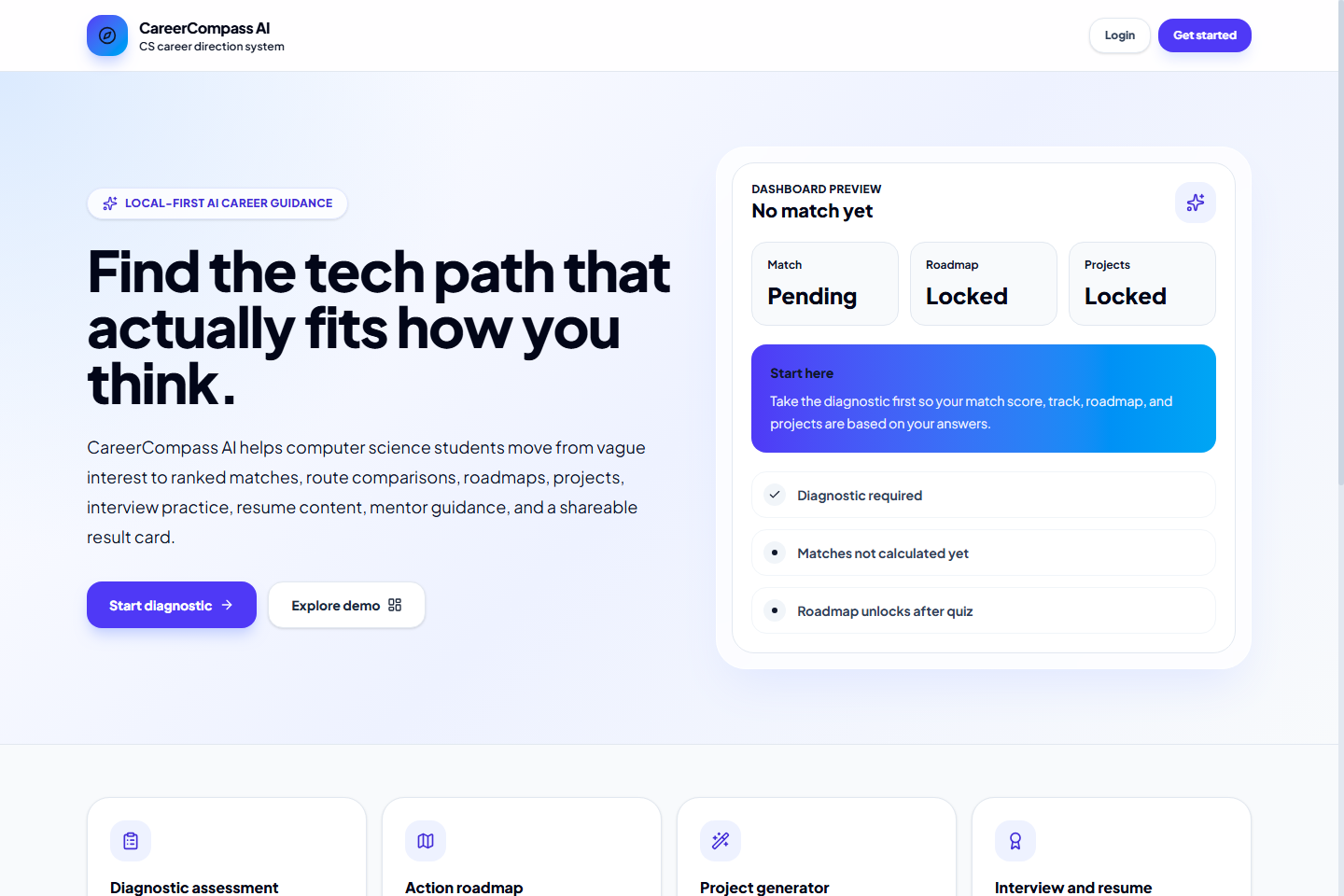
Choosing a career path can feel confusing, especially for students who are interested in technology but do not know which direction fits them best. I was inspired to build LifePath_A because many students need more than generic advice. They need a tool that can help them understand their strengths, compare options, and turn uncertainty into a real action plan.
What it does
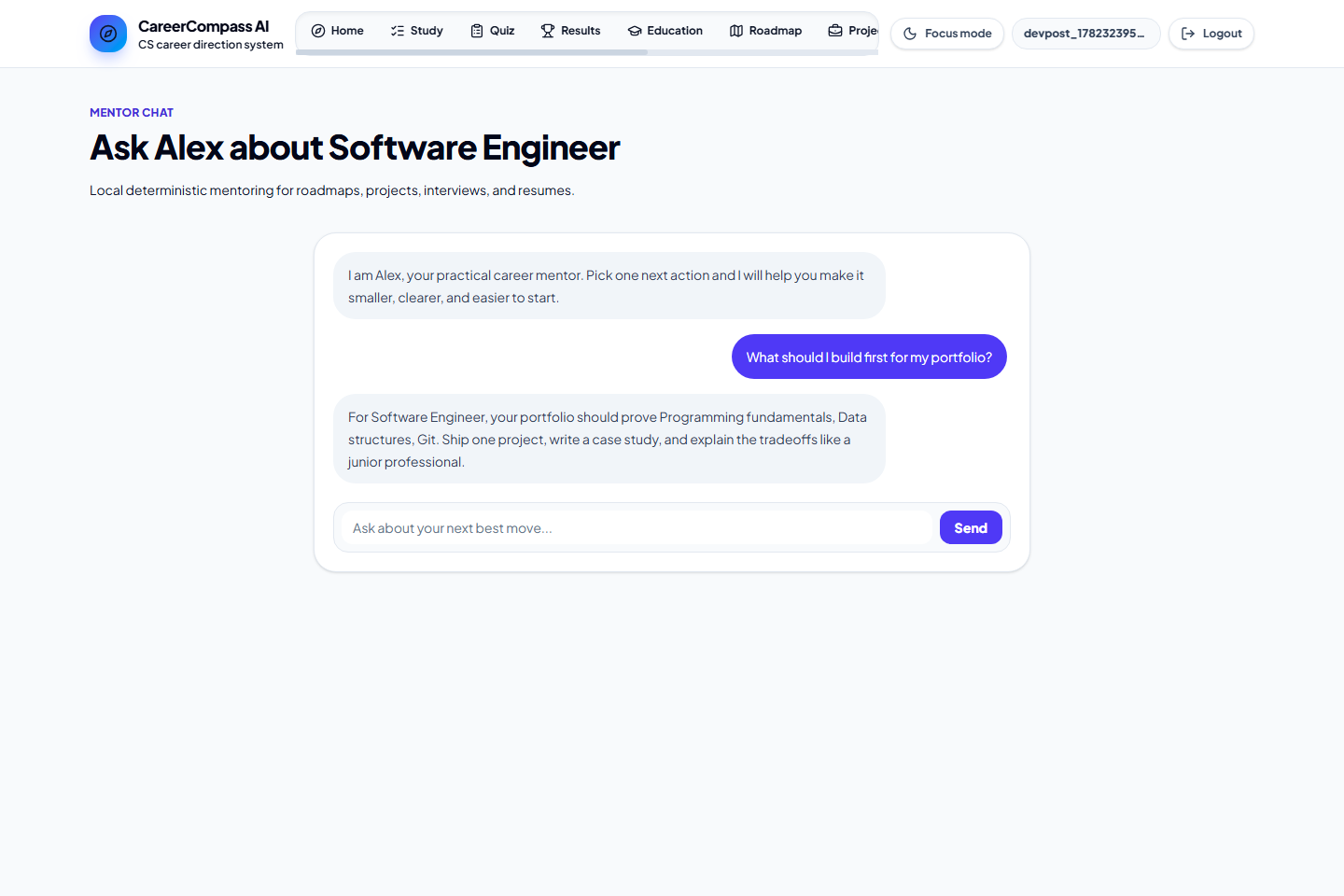
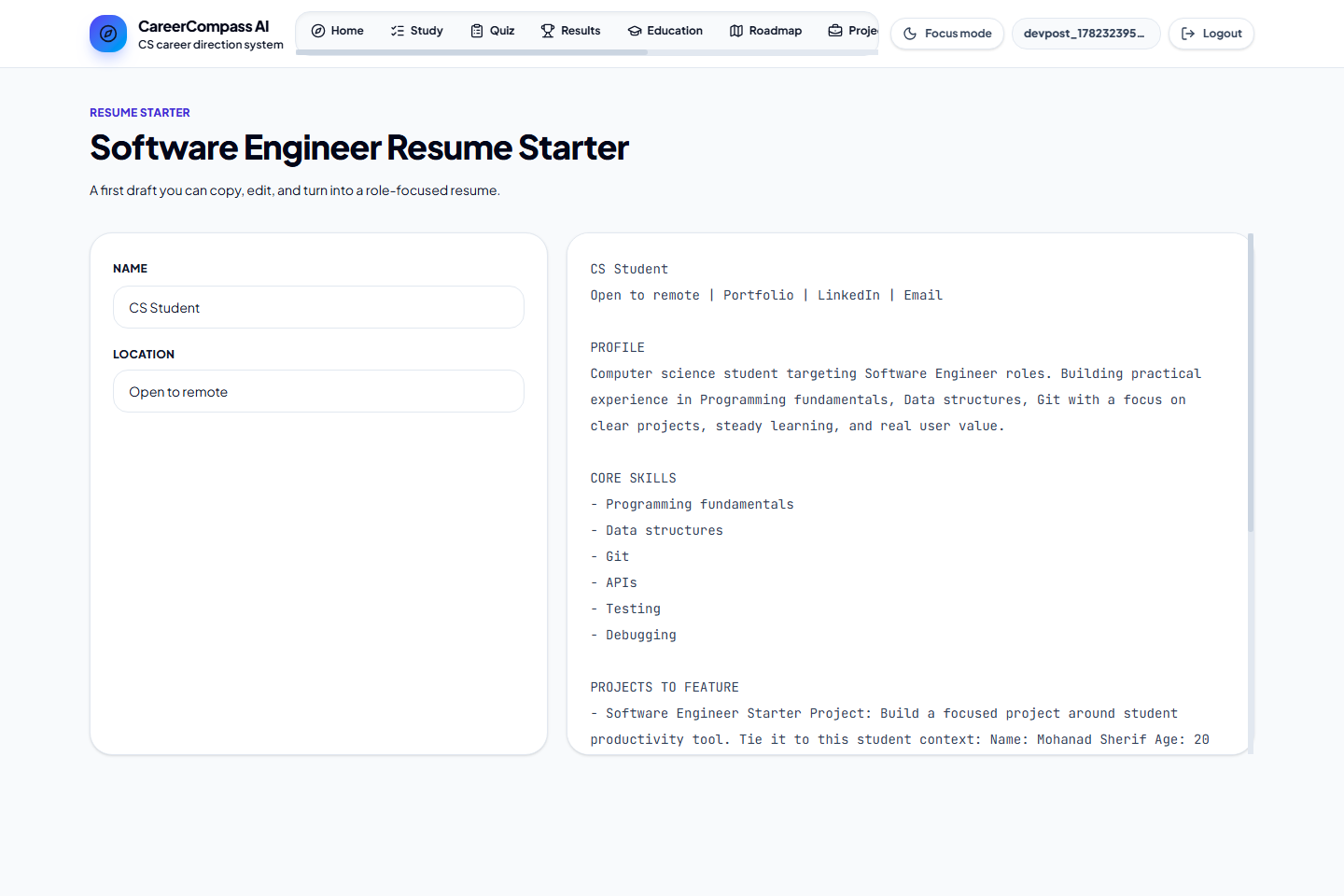
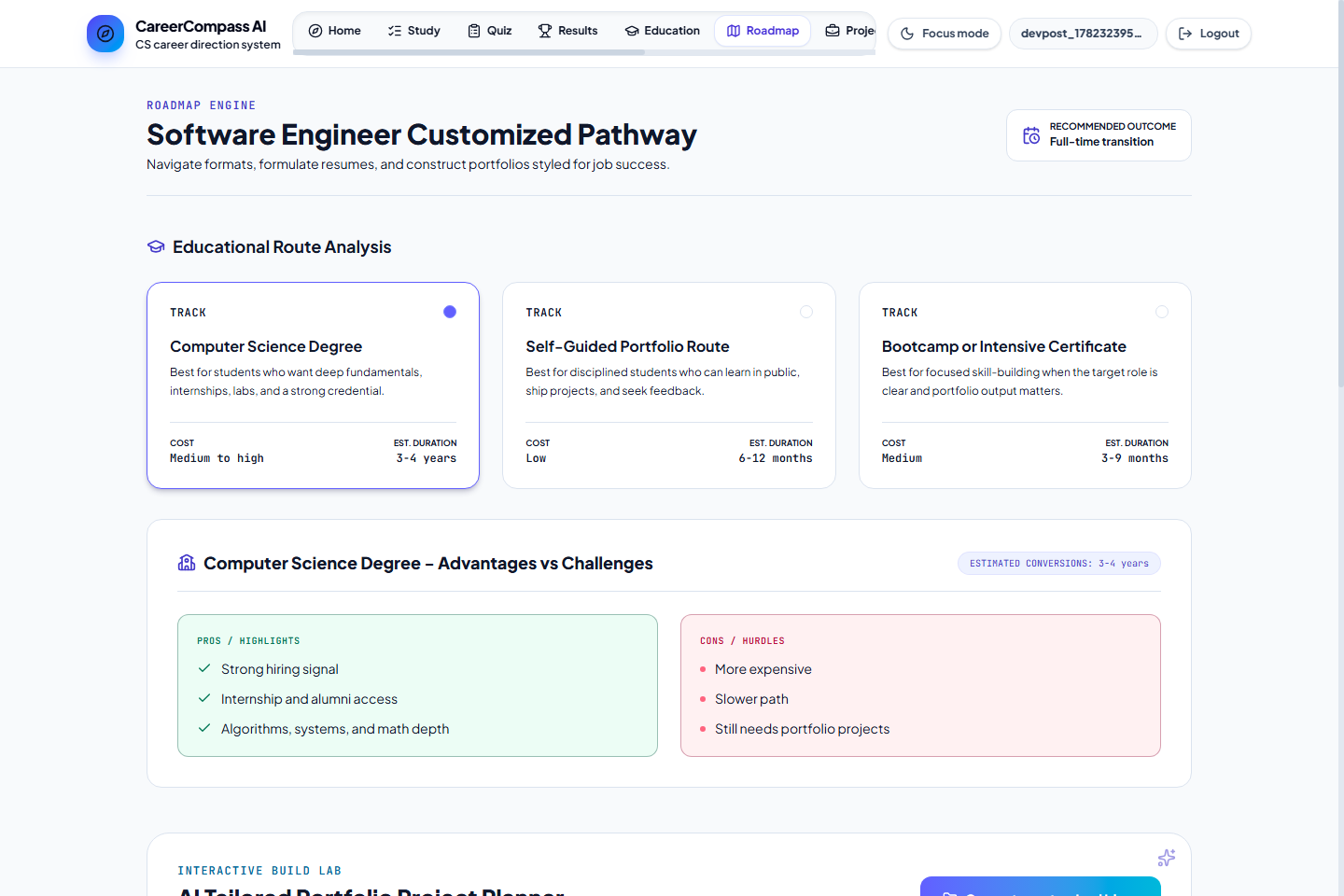
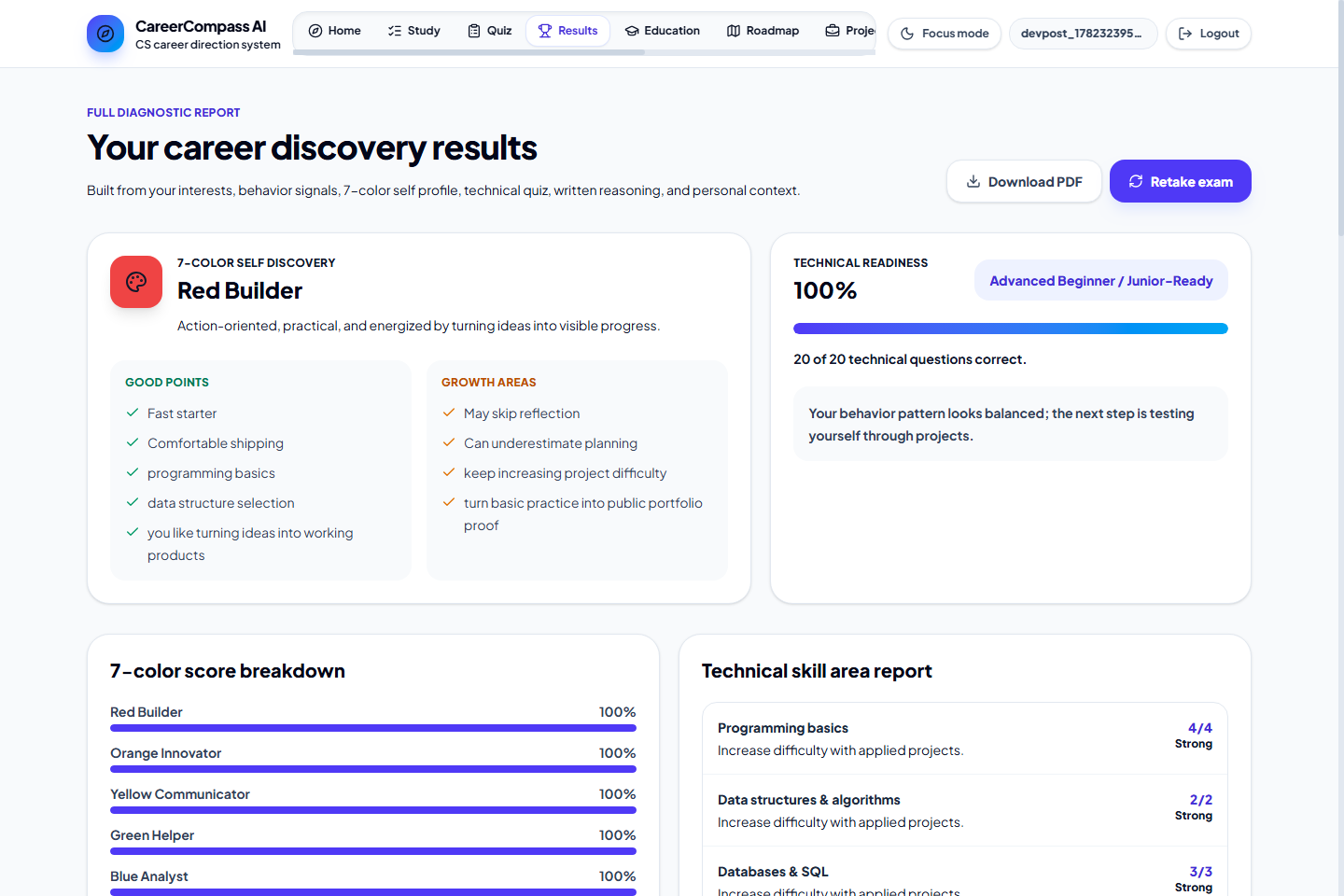
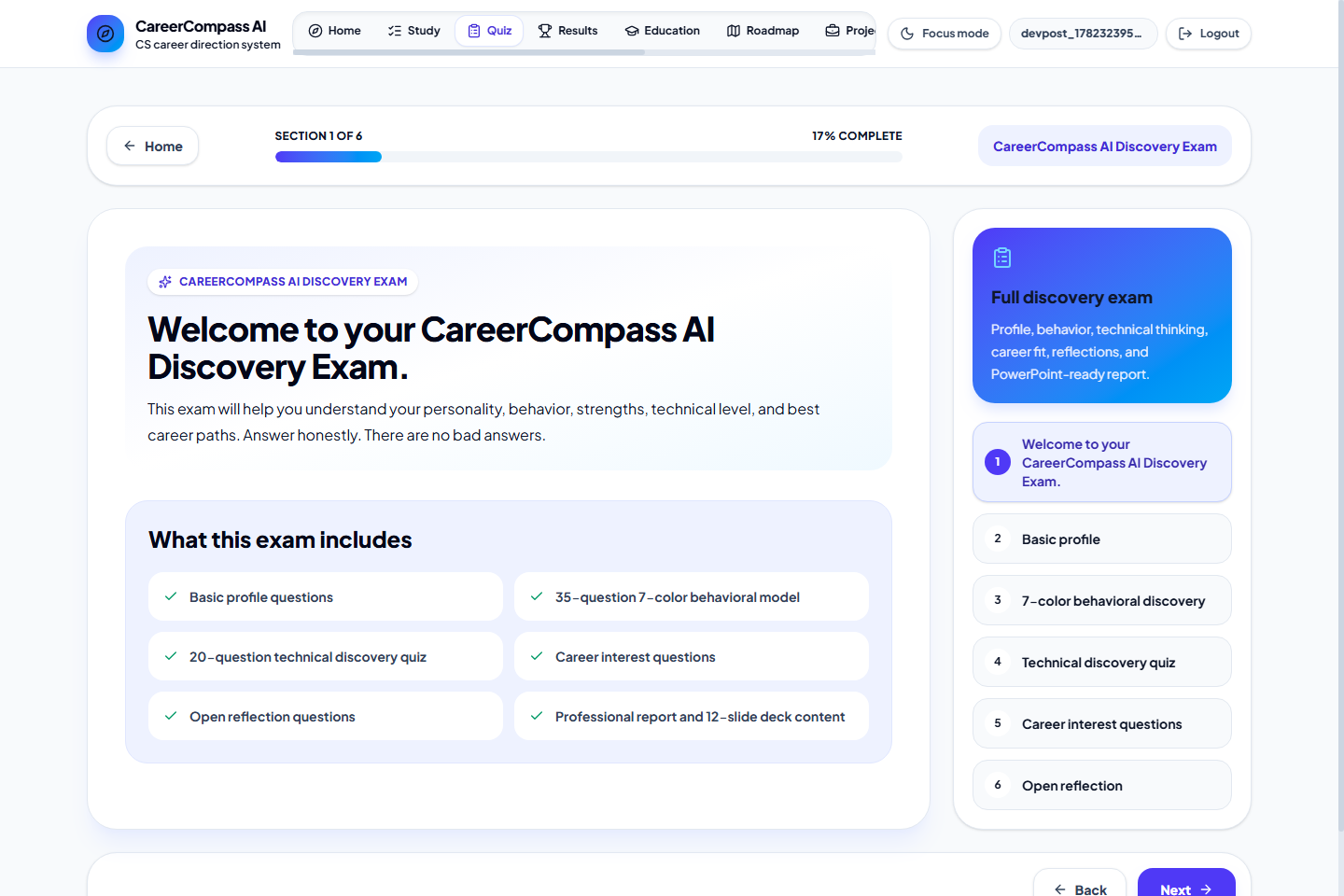
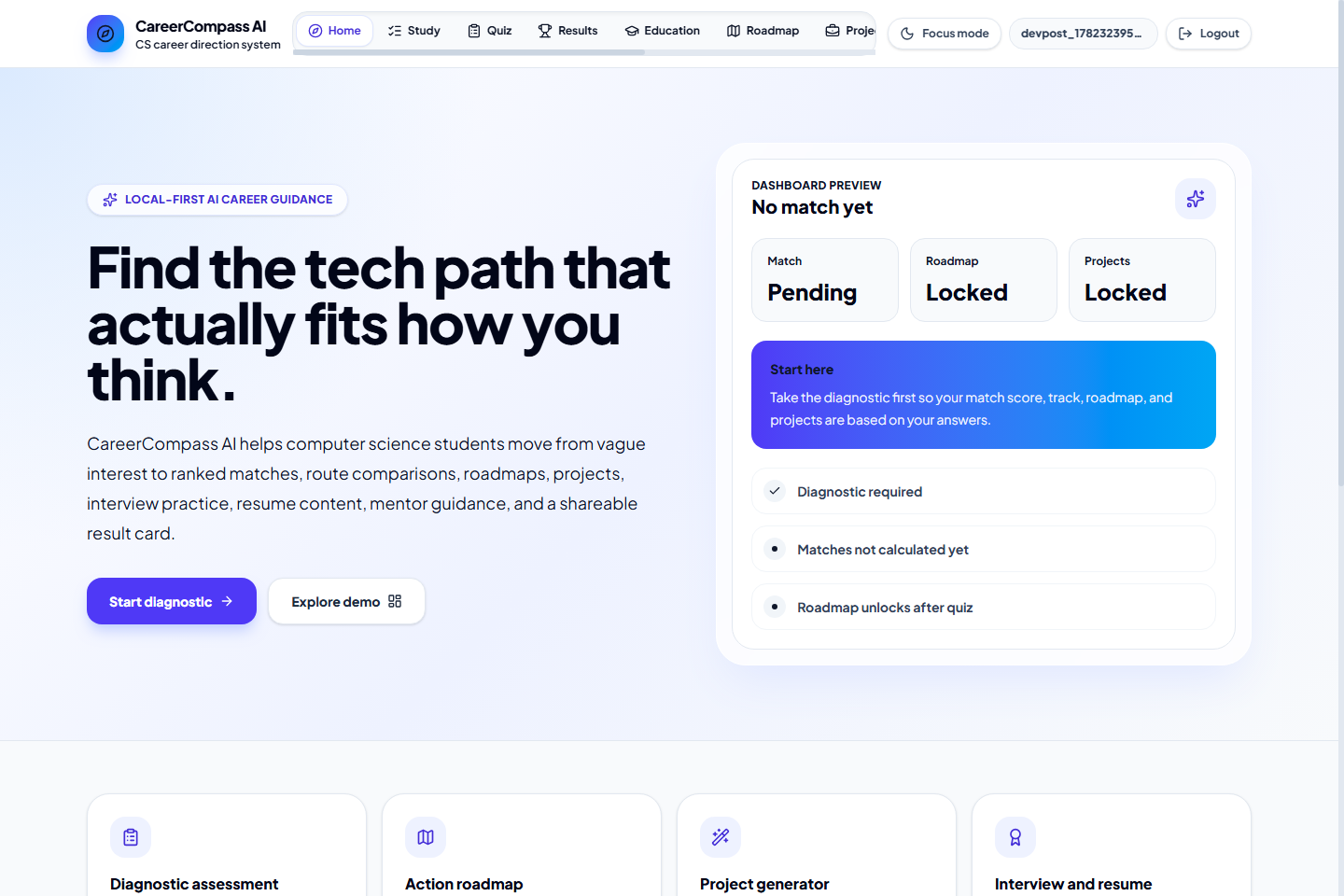
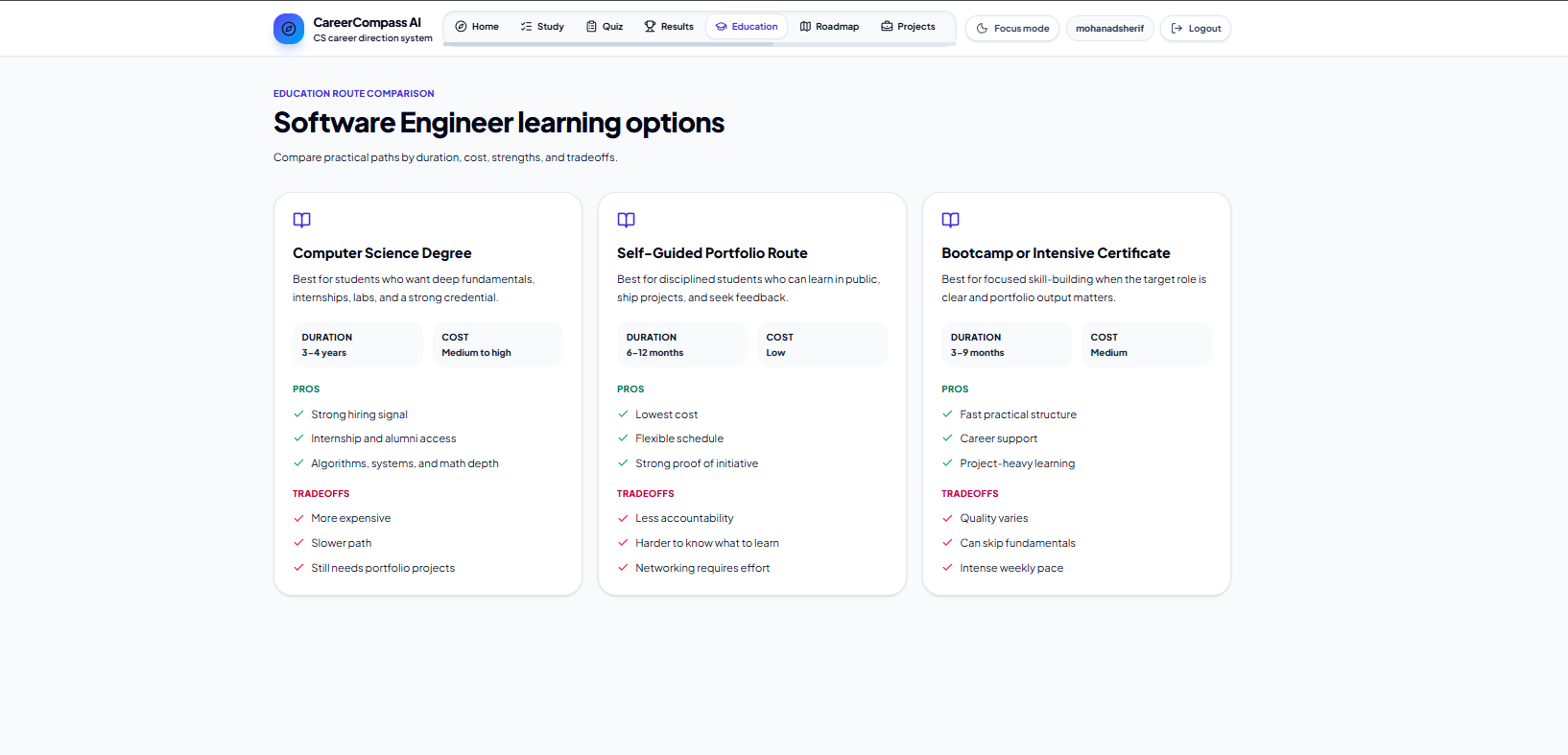
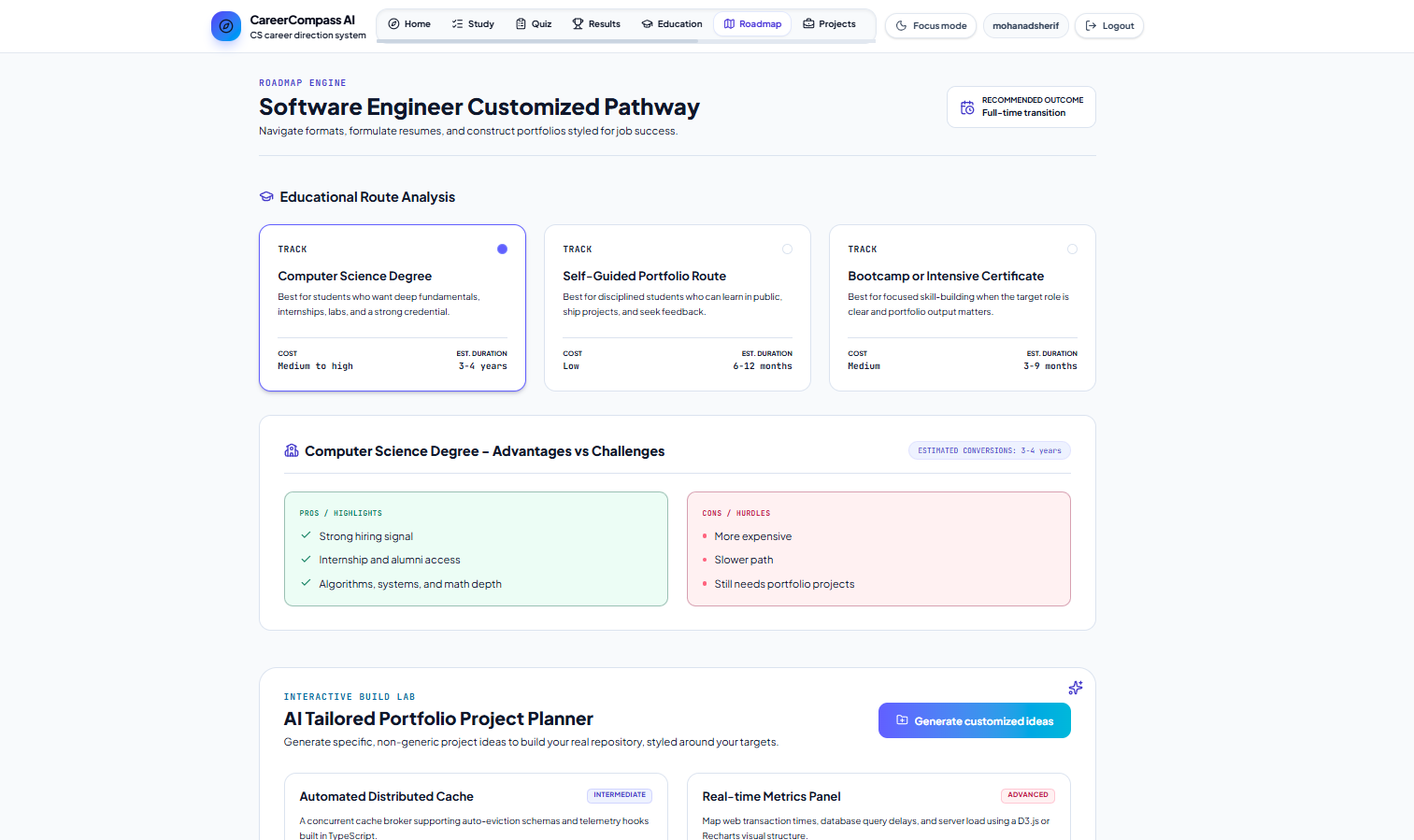
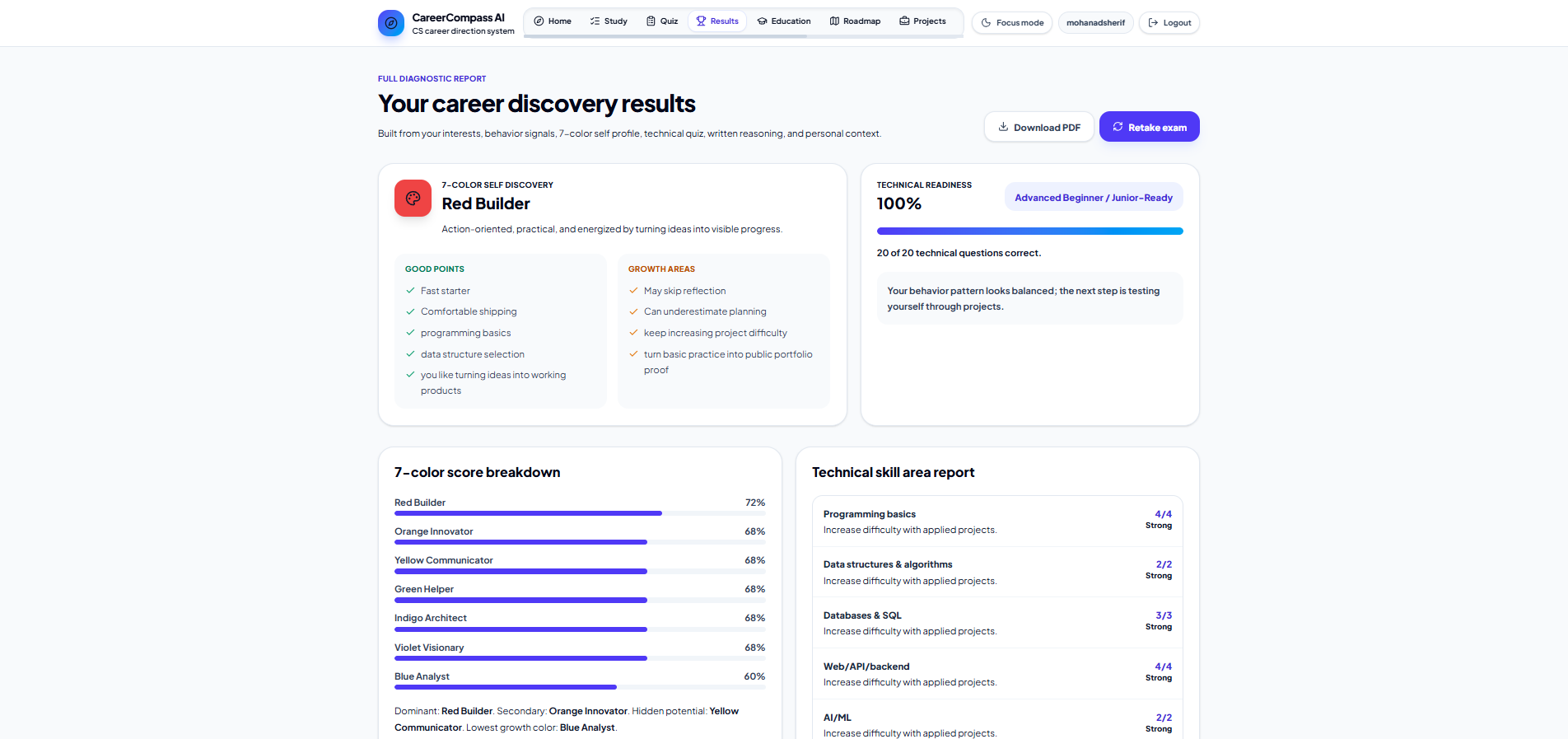
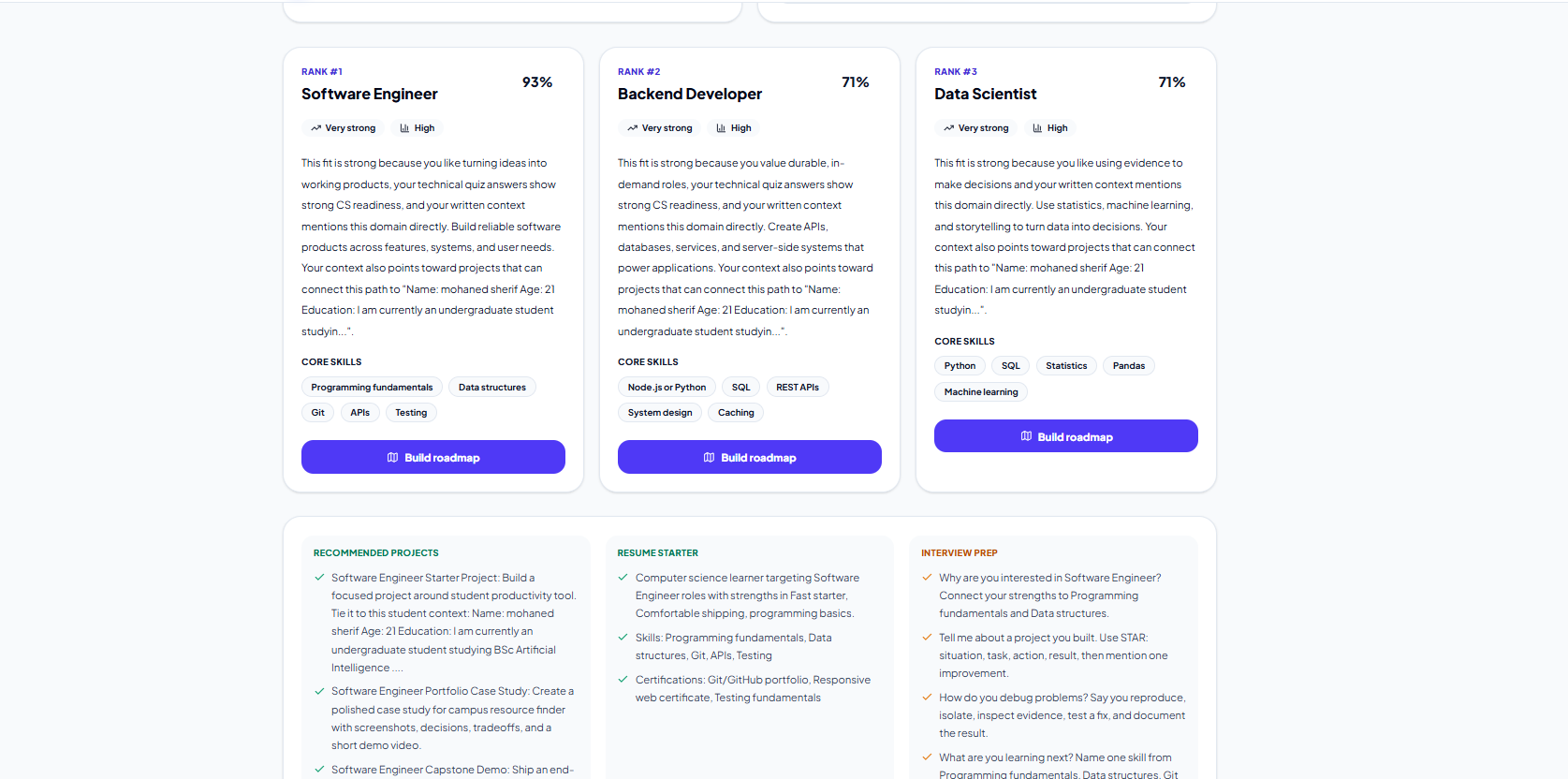
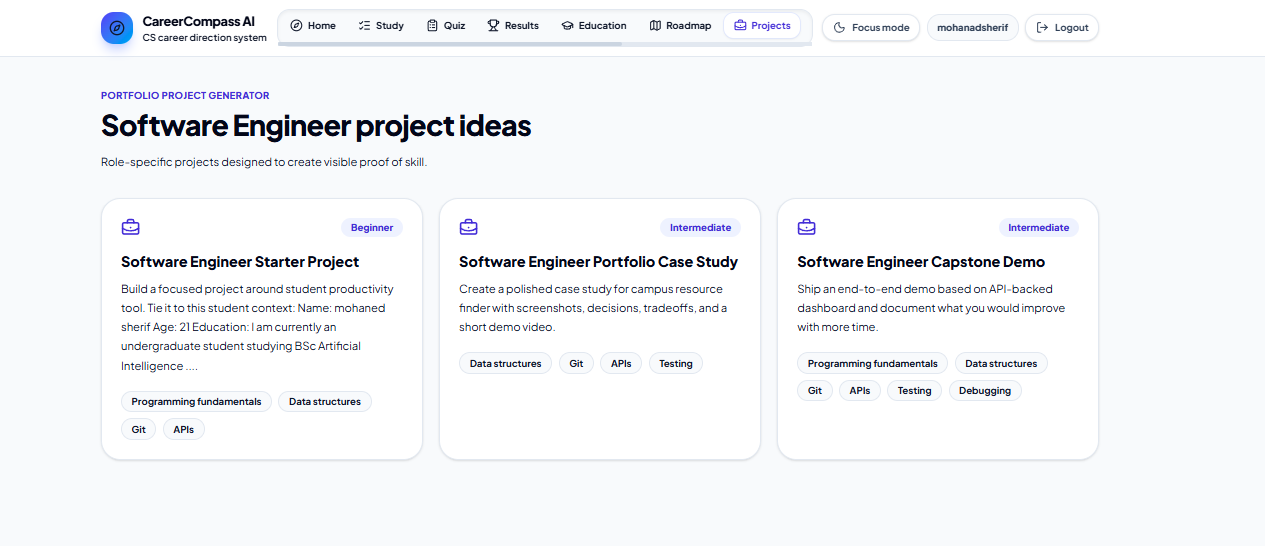
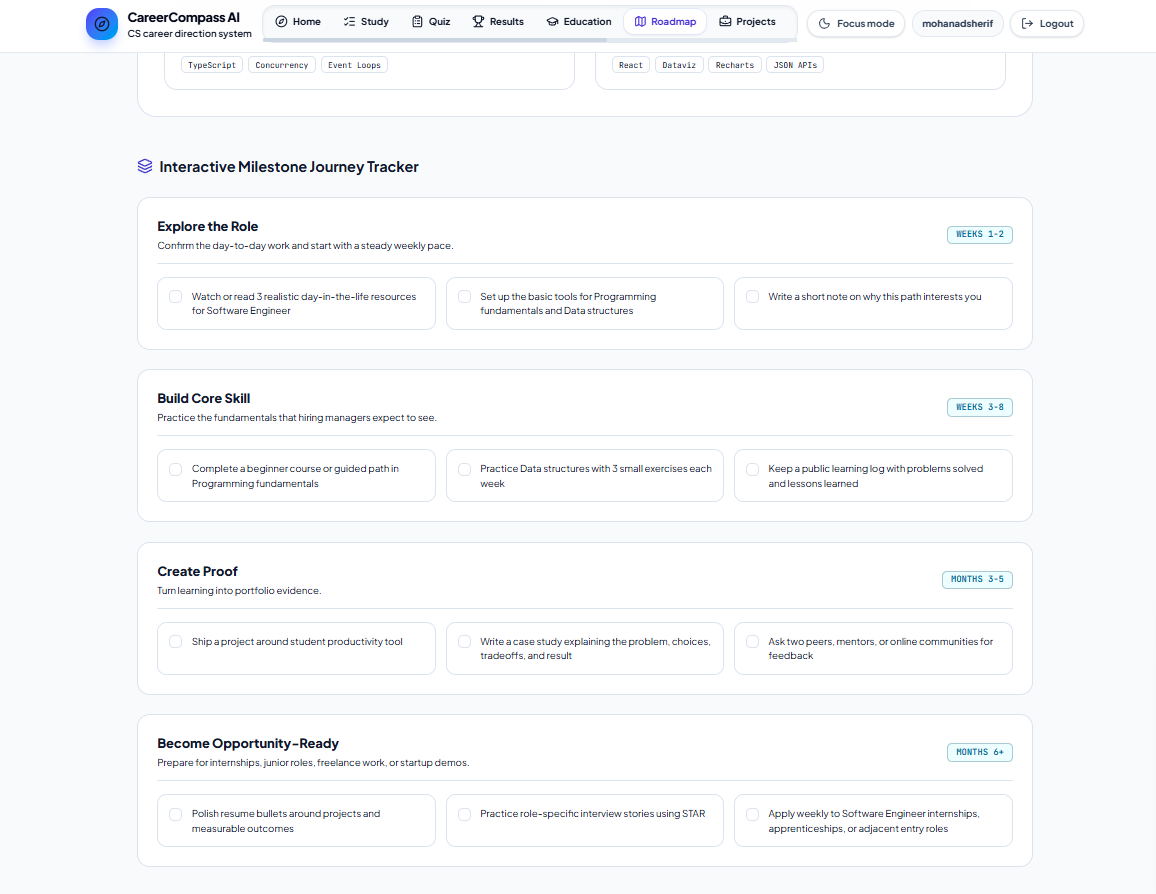
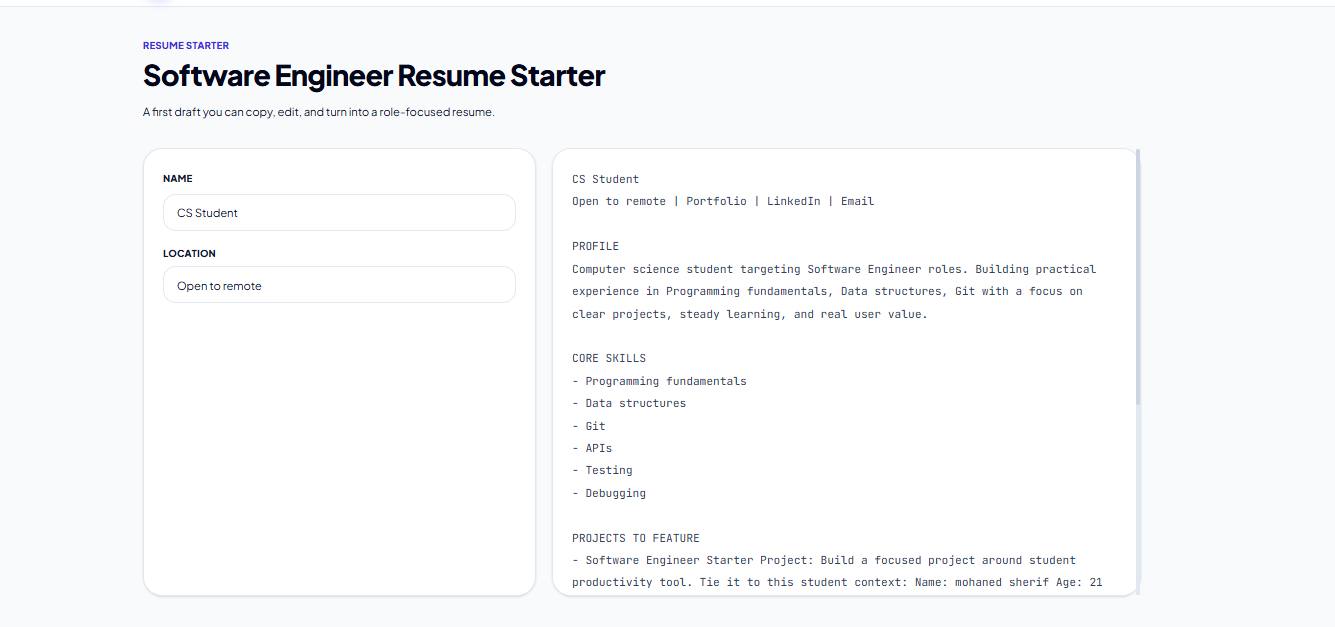
LifePath_A is an AI-powered career planning assistant for students and early-career learners. Users complete a guided diagnostic quiz about their interests, skills, technical background, work style, and goals. The app then generates ranked career matches, personalized roadmaps, education route comparisons, portfolio project ideas, interview practice, resume starter content, and AI mentor guidance.
Instead of only saying “you might like this career,” LifePath_A helps users answer: What should I do next?
How we built it
We built LifePath_A as a full-stack web application using React, TypeScript, Vite, Tailwind CSS, Node.js, Express.js, and PostgreSQL. The app includes authentication, a student-friendly dashboard, a diagnostic quiz flow, career matching logic, roadmap generation, resume tools, and an AI mentor experience.
We also used the Google Gemini API as an optional AI enhancement layer. The core experience is supported by structured local logic, so the project can still provide useful recommendations even when an AI API key is not available.
Challenges we ran into
One of the biggest challenges was making the recommendations feel practical instead of generic. Career advice can easily become vague, so we focused on structured outputs: match scores, roadmap phases, project ideas, interview feedback, and resume sections.
Another challenge was balancing AI with reliability. We wanted AI-generated guidance, but we also wanted the app to work consistently during a hackathon demo. To solve this, we built deterministic local career logic first, then used Gemini to enhance the experience when available.
We also worked through challenges around authentication, session handling, UI flow, and making the product feel complete enough for a real user journey.
Accomplishments that we're proud of
We are proud that LifePath_A feels like more than a simple chatbot. It is a complete career planning workspace where a student can go from confusion to a clear plan.
We are also proud of building multiple connected tools in one experience: the diagnostic quiz, ranked career results, roadmaps, project generator, interview coach, resume starter, and AI mentor. Each feature supports the same goal: helping students take their next step with confidence.
What we learned
We learned how important structure is when building AI products. AI is most useful when it is connected to a clear workflow, not just a blank chat box. We also learned more about prompt design, full-stack development, authentication, frontend UX, and how to turn broad user goals into specific product features.
Most importantly, we learned that helpful AI should not only give answers. It should help users make decisions and take action.
What's next for LifePath_A
Next, we want to add deeper personalization, saved progress, better analytics, more career paths, and stronger AI mentor memory. We also want to add integrations for learning resources, job boards, portfolio tracking, and progress milestones.
The long-term goal is to make LifePath_A a career companion that grows with the user from their first career question to their first real opportunity.
Challenges we ran into
Accomplishments that we're proud of
What we learned
What's next for LifePath_A
Built With
- bcryptjs
- express-session
- express.js
- google-gemini-api
- lucide-react
- motion
- node.js
- postgresql
- react
- tailwind-css
- typescript
- vercel
- vite

Log in or sign up for Devpost to join the conversation.