-
-
home
-
sos
Inspiration
In disaster-struck or low-connectivity areas, people often lose access to life-saving information. Whether it’s a flood, warzone, or remote village, the lack of internet makes it nearly impossible to get help, advice, or guidance. This inspired us to build LifeNet an offline AI assistant that provides critical survival information when people need it most.
What it does
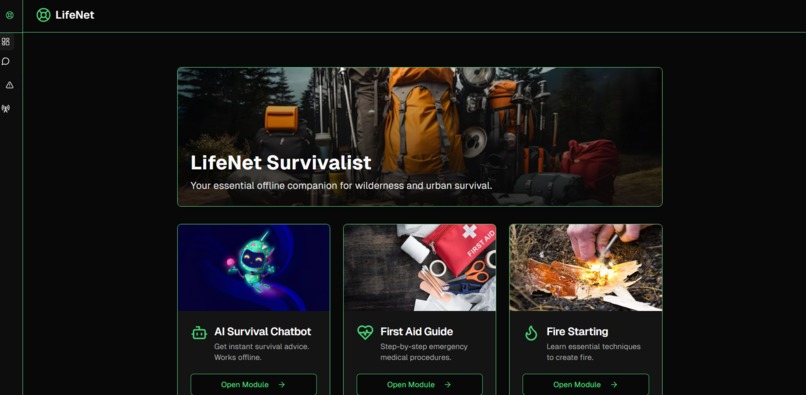
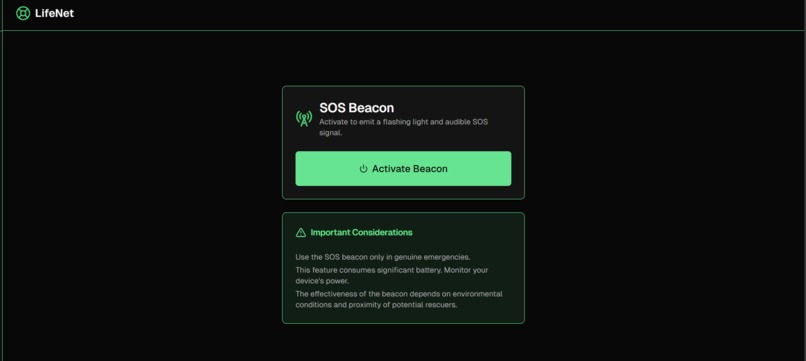
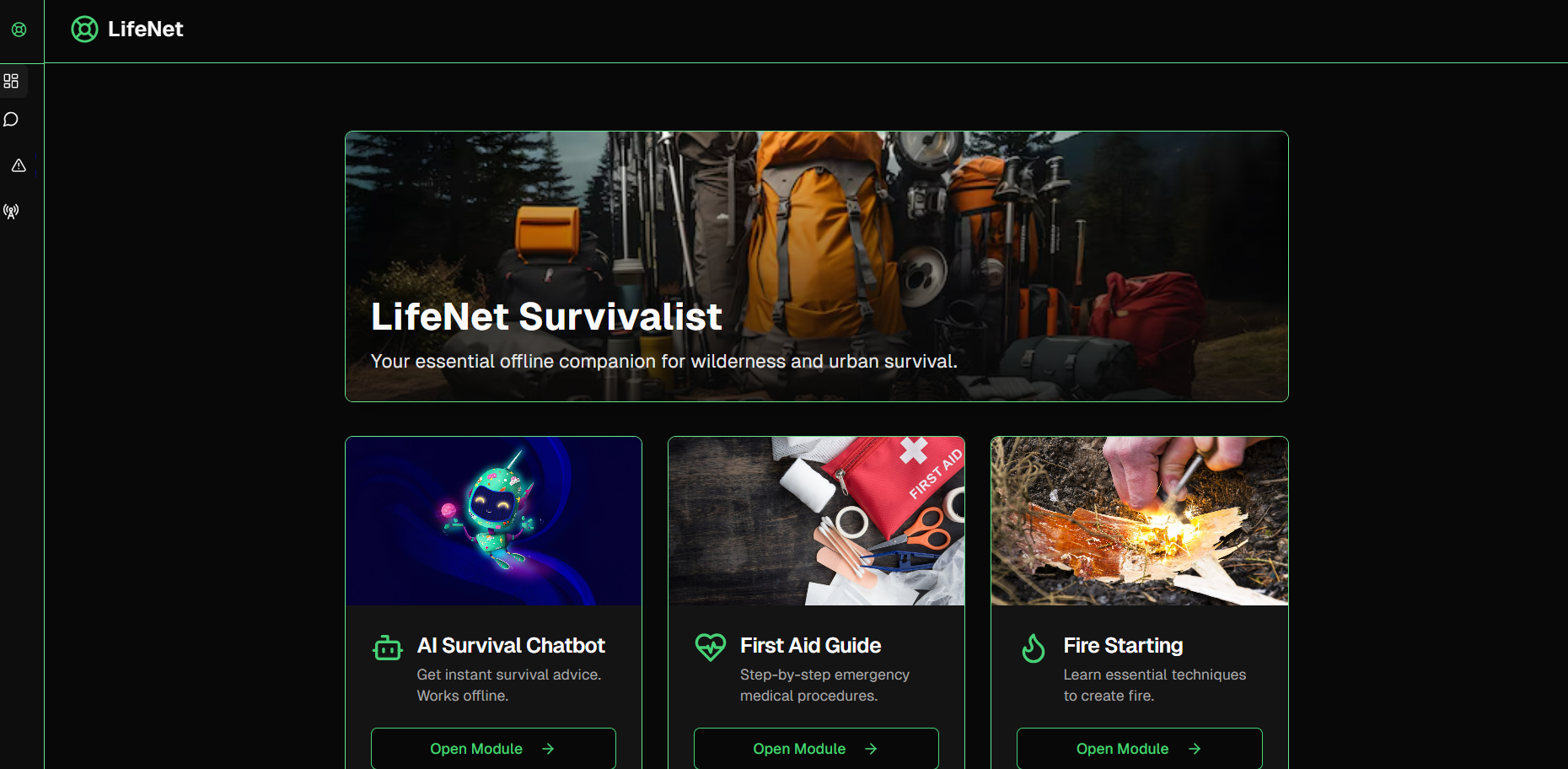
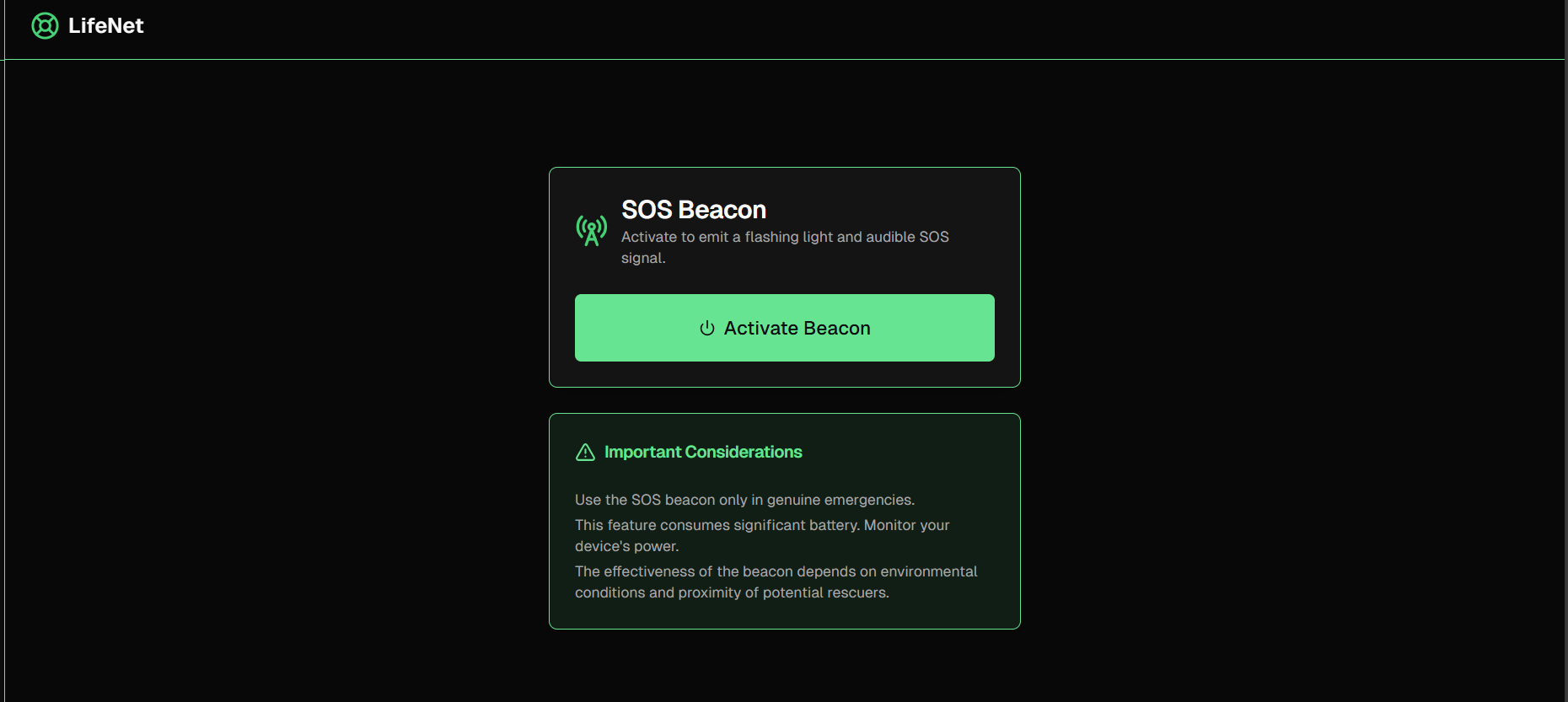
LifeNet is a lightweight, offline-first AI tool that delivers accurate, situation-specific survival guidance. It works in low or no internet conditions and supports both voice and text input. It helps users with: -> First aid & CPR -> Clean water finding techniques ->Wound care, shelter building ->Offline navigation ->SOS signaling via Bluetooth mesh
How we built it
We started by understanding real emergency situations and what kind of information or help people might need when they’re offline or have poor connectivity. Then, we focused on keeping everything lightweight and fast.
We used a local AI model (Mistral or LLaMA) that runs directly on the device without needing the internet. We added survival guides and health tips from trusted sources like the Red Cross and UN. For the user interface, we built a mobile app using Flutter to make sure it works smoothly on most phones.
To help in areas with no signal, we included Bluetooth-based communication so people can still send SOS alerts to nearby devices.
Challenges we ran into
One of the biggest challenges was making sure our AI could run offline and still be useful. We also had to carefully manage the app’s size and performance since it's meant for low-end devices and emergency situations. Integrating offline communication through Bluetooth was also tricky and took a lot of testing.
Accomplishments that we're proud of
We’re proud that we created something that can actually help people during critical moments even without internet. The app runs smoothly, gives reliable guidance, and even supports offline alerts, which wasn’t easy to pull off.
What we learned
We learned a lot about working with offline AI models and optimizing apps for low-resource environments. We also gained experience with Flutter, Bluetooth mesh networking, and how to design for real-world emergency use cases.
What's next for LifeNet
Next, we want to make the app smarter by training it on more local languages and adding voice support. We’re also planning to test it in real communities and work with disaster response teams to make it even more useful.


Log in or sign up for Devpost to join the conversation.