-
Our LifeMap
Inspiration
LifeMap was inspired when one of us was asked a friend how she was doing. She is a Turkish student at Stanford and explained how she felt greatly overwhelmed with messages on WhatsApp and Twitter following the recent earthquakes back home. Her communication lines were overloadded with thousands of messages of people trying to share and ask for resources on the ground. With all the aid coming in, things became confusing, overwhelming, and difficult to navigate. She did what she could, responding to friends and acquaintances with what information she knew but she had to step away to avoid burnout. The explained to me that she wishes there would be a way for all this aid to reach people in a centralized, connected way.
What it does
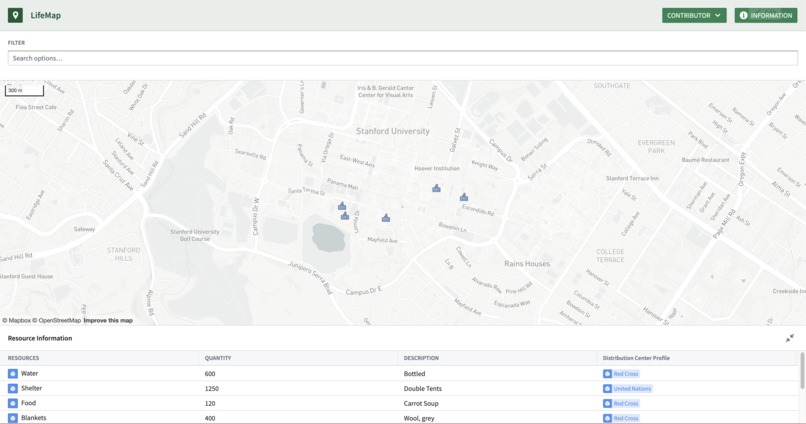
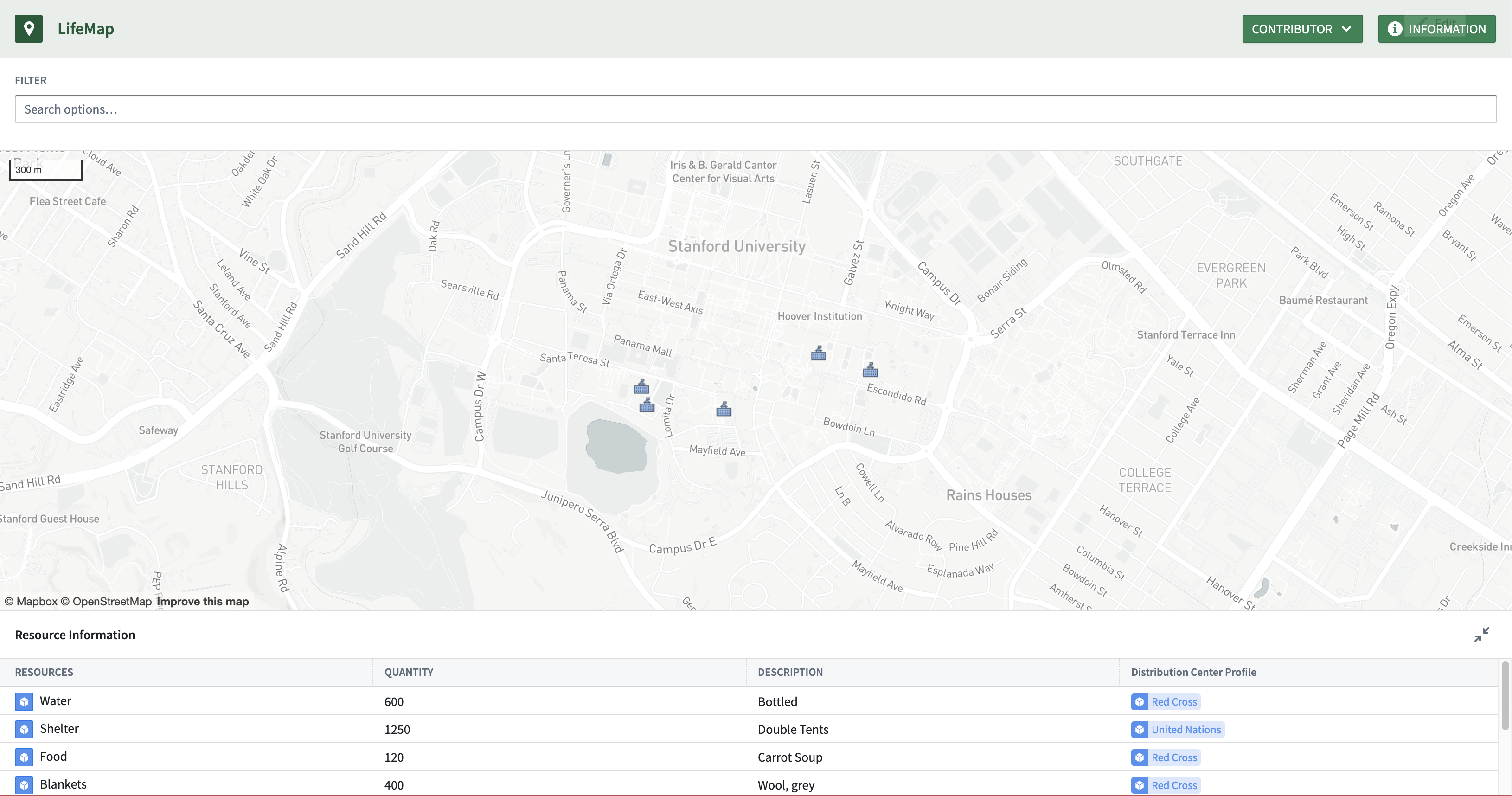
LifeMap aims to serve as a logitical tool between aid givers, such as non-profits, NGOs, and other relief efforts, and connect them to aid recipients by providing up-to-date maps showing where people could come get emergency resources.
How we built it
We leveraged the Palantir Foundry data management platform to connect databases of distribution centers, resources, and overlayed them onto a map that could be utlized by organizers to provide relevant information and an accessible map that could be used by anyone to find the nearest resource centers to them.
Challenges we ran into
The learning curve of the Palantir Foundry platform took a long time and the scoping and prioritization of our efforts in the limited time we have were our biggest challenges.
Accomplishments that we're proud of
We identified what segment of the crisis relief vertical does not have many centralized resources and responded in term by building a tool for social good that one of the weakest links in the system.
What we learned
Apart from the knowledge of building on Palantir Foundry, we learned a lot about how to hone in on the specific needs and weak links in a larger system, how to continuously work on three hours of sleep, and how to manage team dynamics on crunchtime.
What's next for LifeMap
LifeMap is just beginning. Right now, only established organizations can host and provide resources, but it would be great to involve other community members that have the means to help. Expanding means of accessbility to non-visual ways to interact with LifeMap would allow users in zones with limited data access to find resources. We are potentially looking to expand the scope of LifeMap by including a marketplace for large relief requests and fulfillment contracts and eventually even find ways to automatically identify needs and actionable resource requests from the ground.
Built With
- mapbox-api
- palantir-foundry


Log in or sign up for Devpost to join the conversation.