🚑LifeLink AI – Project Story
Inspiration
Every second matters during a medical emergency. Yet, in many situations, precious time is lost searching for an available hospital, waiting for an ambulance, finding a specialist, or arranging blood donations. Existing healthcare services often operate independently, forcing patients and caregivers to coordinate everything manually during critical moments.
Medical emergencies often become critical because valuable time is lost searching for an available ambulance, hospital, ICU bed, oxygen cylinder, blood donor, or specialist doctor. During emergencies, patients and their families are forced to coordinate multiple healthcare services manually, which delays treatment when every second matters.
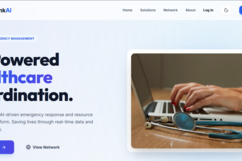
This inspired us to build LifeLink AI, an AI-powered emergency healthcare coordination platform that brings together patients, hospitals, doctors, ambulances, blood donors, and emergency administrators into one intelligent ecosystem. Our vision is to make emergency healthcare faster, smarter, and more connected through Artificial Intelligence.
What it does
LifeLink AI provides a centralized platform for emergency healthcare coordination with intelligent decision-making.
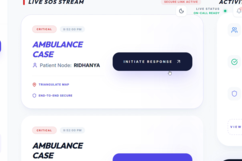
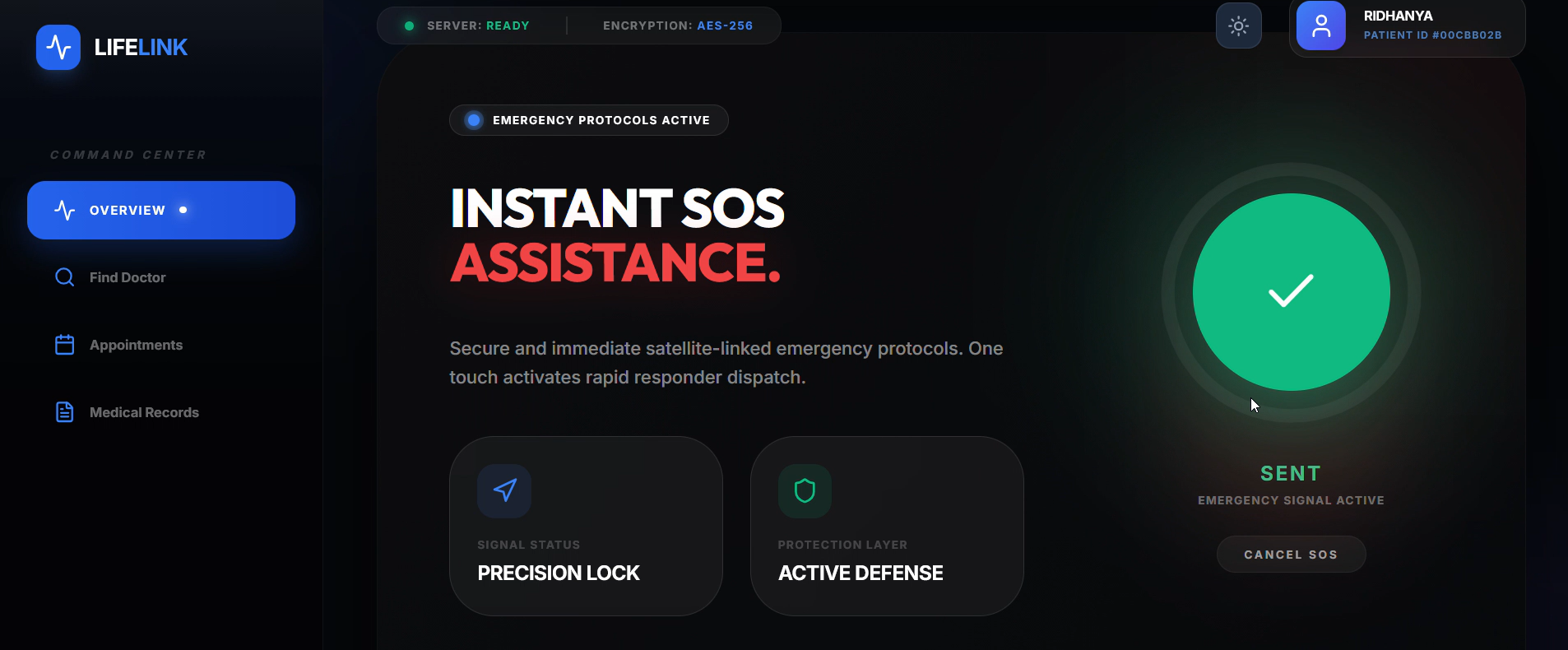
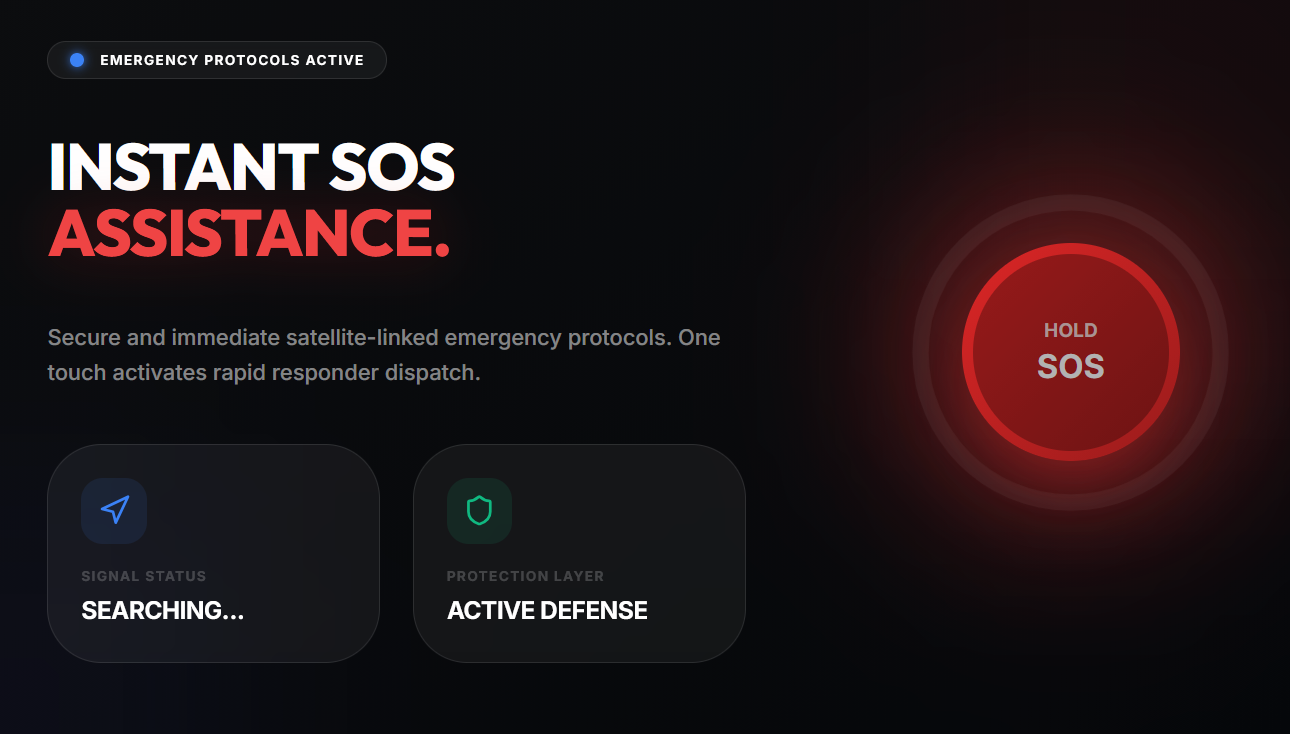
Smart SOS System
- One-tap emergency SOS
- Live GPS location sharing
- AI-based emergency severity prediction
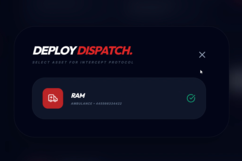
- Automatic alerts to nearby hospitals and ambulances
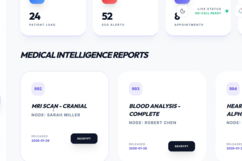
- Real-time emergency tracking
🚑Intelligent Ambulance Coordination
- Finds the nearest available ambulance
- Optimizes routes using live traffic data
- Tracks ambulance location in real time
Hospital Resource Management
Hospitals can manage and share the availability of:
- ICU beds
- General beds
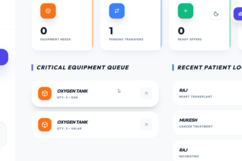
- Oxygen cylinders
- Ventilators
- Wheelchairs
- Emergency medical equipment
The system recommends the most suitable hospital based on available resources and distance.
Medical Equipment Sharing
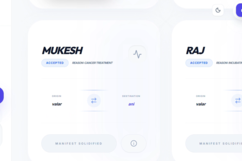
Hospitals can borrow and lend emergency equipment such as oxygen cylinders, ventilators, wheelchairs, and other critical medical devices, ensuring better resource utilization during shortages.
Doctor Discovery
- Search doctors by specialty
- Book appointments
- View ratings and reviews
- AI-powered doctor recommendations
Blood & Organ Emergency Network
- Blood donor registration
- Emergency blood request alerts
- AI-based donor matching
- Organ emergency coordination
AI Health Assistant
- Symptom checker
- Basic medical guidance
- Emergency risk prediction
- Personalized healthcare recommendations
How we built it
LifeLink AI is designed as a modern full-stack application with an AI-powered architecture.
Frontend
- React.js
- TypeScript
- Tailwind CSS
Backend
- Node.js
- Express.js
- JWT Authentication
- Socket.IO
Artificial Intelligence
- Python
- FastAPI
- Scikit-learn
- NLP-based symptom analysis
- Recommendation algorithms
Database
- MongoDB
- Redis for real-time caching
Additional Services
- Google Maps API for GPS tracking
- Cloud storage
- REST APIs
- Real-time communication using WebSockets
Challenges we ran into
Building a healthcare coordination platform involved several technical and design challenges:
- Designing an efficient one-tap SOS workflow
- Coordinating ambulances, hospitals, and emergency services in real time
- Managing live hospital resource availability
- Creating a hospital equipment borrowing and lending system
- Integrating AI models for emergency prediction and doctor recommendations
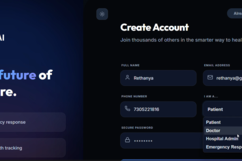
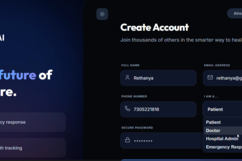
- Implementing secure role-based authentication
- Planning a scalable architecture capable of supporting multiple healthcare stakeholders
Accomplishments that we're proud of
- Developed a comprehensive AI-powered emergency healthcare platform concept.
- Designed a smart SOS system with automated emergency coordination.
- Introduced a hospital equipment-sharing feature for oxygen cylinders, ventilators, and other critical resources.
- Integrated AI-based doctor recommendations and emergency severity prediction.
- Combined multiple healthcare services into a single connected platform instead of isolated applications.
- Created a scalable architecture suitable for future smart city and government healthcare integration.
What we learned
Working on LifeLink AI strengthened our understanding of:
- Full-stack web application development
- AI integration in healthcare systems
- Real-time communication using WebSockets
- Healthcare workflow analysis
- System architecture and scalability
- Secure authentication and authorization
- Resource management during medical emergencies
- Designing technology solutions that can create real-world social impact
What's next for LifeLink AI
Our vision is to evolve LifeLink AI from a prototype into a comprehensive smart healthcare ecosystem.
Our future roadmap includes:
- 🚑 Integrating with government emergency services (108/911) for real-time ambulance dispatch.
- 🏥 Partnering with hospitals to provide live ICU bed, oxygen cylinder, ventilator, and equipment availability.
- 📱 Developing Android and iOS mobile applications for instant emergency access.
- ⌚ Integrating wearable devices and IoT sensors to automatically detect medical emergencies such as heart attacks or falls.
- 🤖 Enhancing AI models for disease risk prediction, emergency prioritization, and personalized healthcare recommendations.
- 🩸 Expanding the blood and organ donation network with verified donors and real-time compatibility matching.
- 🌍 Supporting multilingual interfaces to improve accessibility across different regions.
- ☁️ Deploying the platform on cloud infrastructure for scalability, reliability, and high availability.
- 📊 Providing analytics dashboards for hospitals and government agencies to improve emergency response planning.
- 🌐 Building a nationwide healthcare coordination network that connects patients, healthcare providers, ambulances, and emergency services into one intelligent platform.
This project showed us how Artificial Intelligence and modern web technologies can work together to improve emergency response, optimize healthcare resources, and ultimately help save lives.
Built With
- artificialintelligence
- bcrypt
- css3
- emergencyresponse
- express.js
- git
- github
- google-maps
- gpsapi
- healthcare
- html5
- machine-learning
- mongodb
- node.js
- npm
- react
- restapi
- tailwindcss
- typescript

Log in or sign up for Devpost to join the conversation.