Inspiration
The hazardous conditions faced by industrial and sanitation workers inspired us to develop Lifeline. The alarming number of accidents and fatalities due to toxic gases in confined spaces like sewers and septic tanks, combined with the lack of real-time monitoring systems, highlighted the urgent need for an affordable, reliable safety solution. We were driven by the vision to protect workers’ lives and prevent tragic incidents through innovation and technology.
What it does
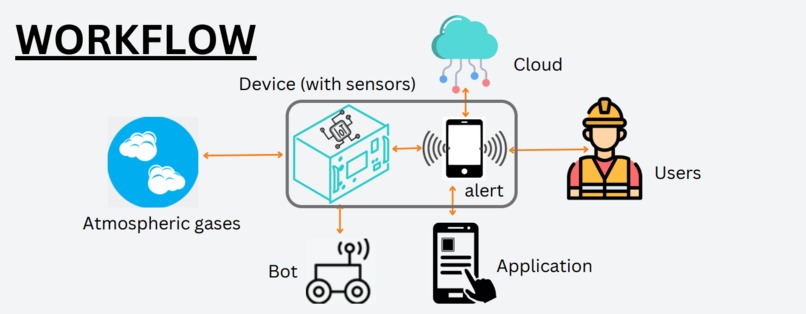
"Lifeline" is an innovative project dedicated to enhancing worker safety in industrial environments. By integrating sensor-equipped devices with cloudbased infrastructure, Lifeline offers real-time monitoring and alerting systems for toxic conditions. Its user-friendly app provides workers with instant updates and alerts about toxicity levels, empowering them to take immediate action to protect themselves and others.The project leverages machine learning to analyze data patterns and predict potential hazards, further enhancing its capability to protect workers by providing advanced warning of possible dangers. Anchored in the principles of sustainability, Lifeline embodies a proactive approach towards workplace safety, contributing to safer and healthier industrial environments.
How we built it
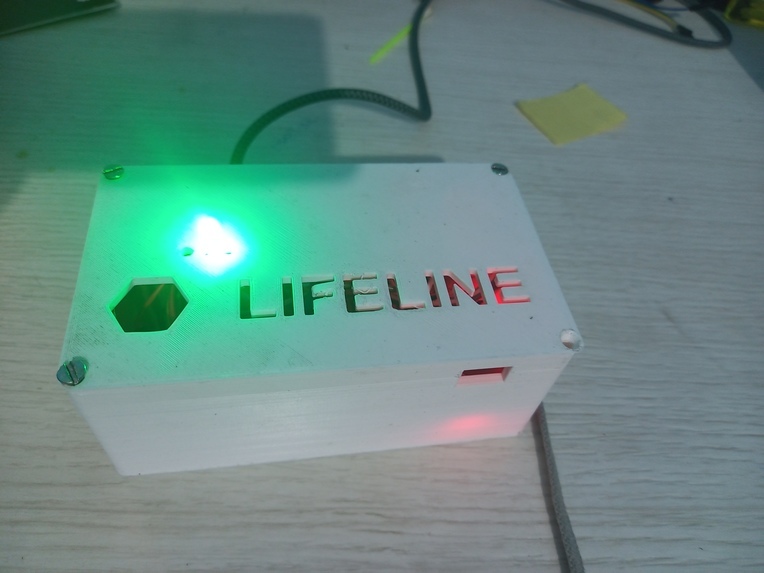
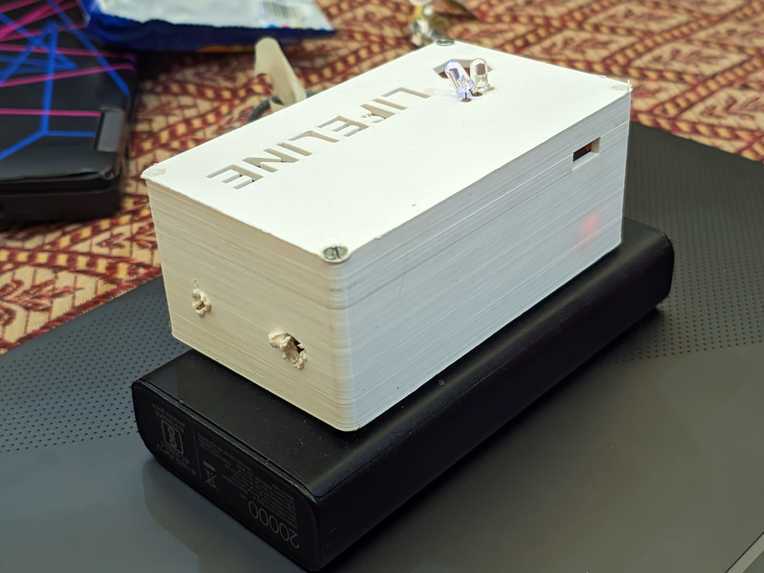
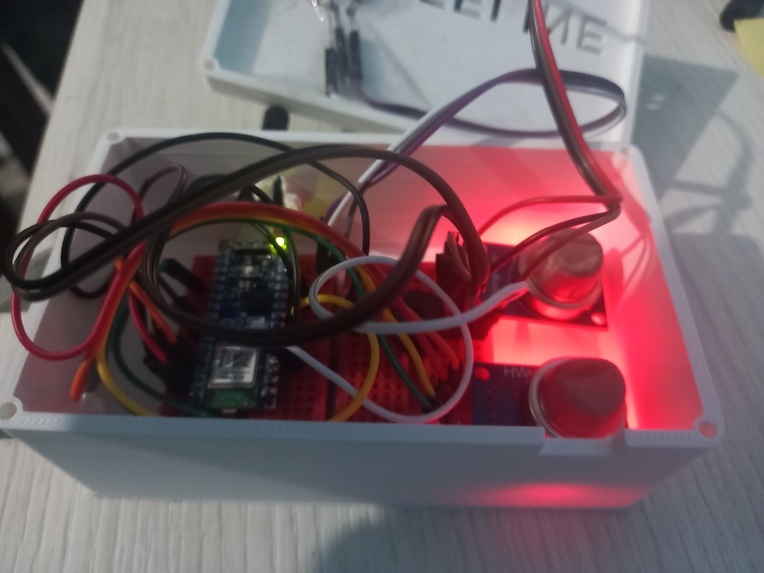
We built Lifeline using a combination of gas sensors, microcontrollers, and wireless communication modules. The data is processed and sent to a cloud-based platform, which powers the real-time monitoring and alert system. A mobile app was developed to allow users to access data, receive alerts, and track historical information remotely. The design prioritizes durability and ease of use for industrial workers in harsh conditions.
Challenges we ran into
The major challenge was achieving reliable wireless communication in confined, underground spaces. Ensuring accurate, real-time data transmission without signal loss was critical. Additionally, developing an intuitive user interface for both workers on-site and remote supervisors required balancing simplicity with functionality. Lastly, we needed to ensure that the device remains affordable while maintaining high safety standards.
Accomplishments that we're proud of
We are proud of successfully developing a functional prototype that provides real-time alerts and remote monitoring, significantly enhancing worker safety. Overcoming the technical challenges of communication and designing a scalable, cloud-based system were key accomplishments. Additionally, creating a user-friendly mobile app that allows for real-time remote access and historical data tracking was a milestone.
What we learned
Through this project, we learned the importance of integrating advanced sensor technology with real-time data analytics to create impactful safety solutions. We also gained insight into the unique challenges of developing technology for industrial environments and how to optimize systems for scalability and affordability. Collaboration between hardware and software development was key to ensuring seamless functionality.
What's next for LifeLine
Moving forward, we plan to incorporate AI-driven predictive analytics into Lifeline to foresee potential hazardous conditions based on historical data trends. We also aim to expand its applicability to other industries, such as mining and chemical plants, where toxic gas exposure is a threat. Additionally, we hope to establish partnerships with regulatory bodies to promote Lifeline as a standard safety solution across industries.

Log in or sign up for Devpost to join the conversation.