-
-
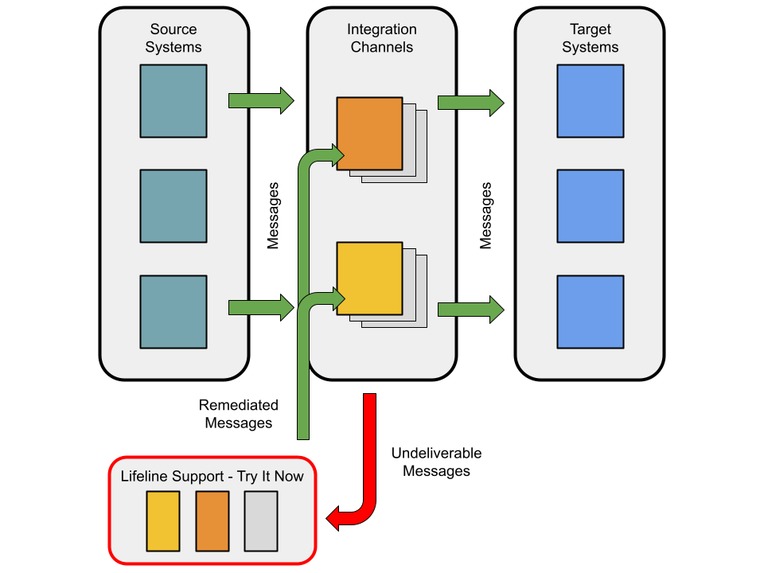
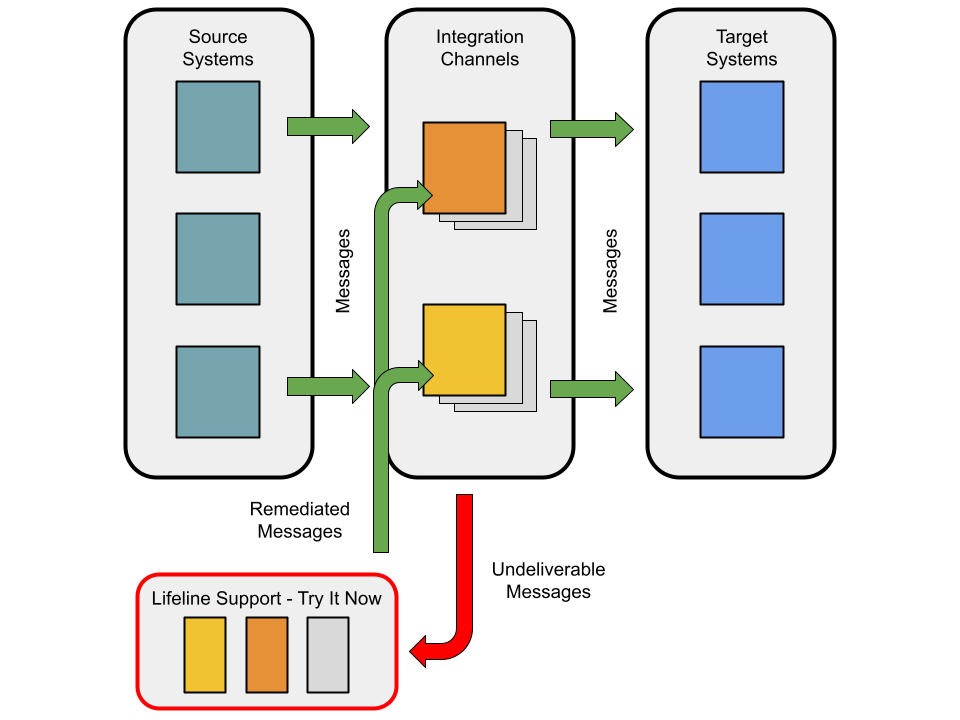
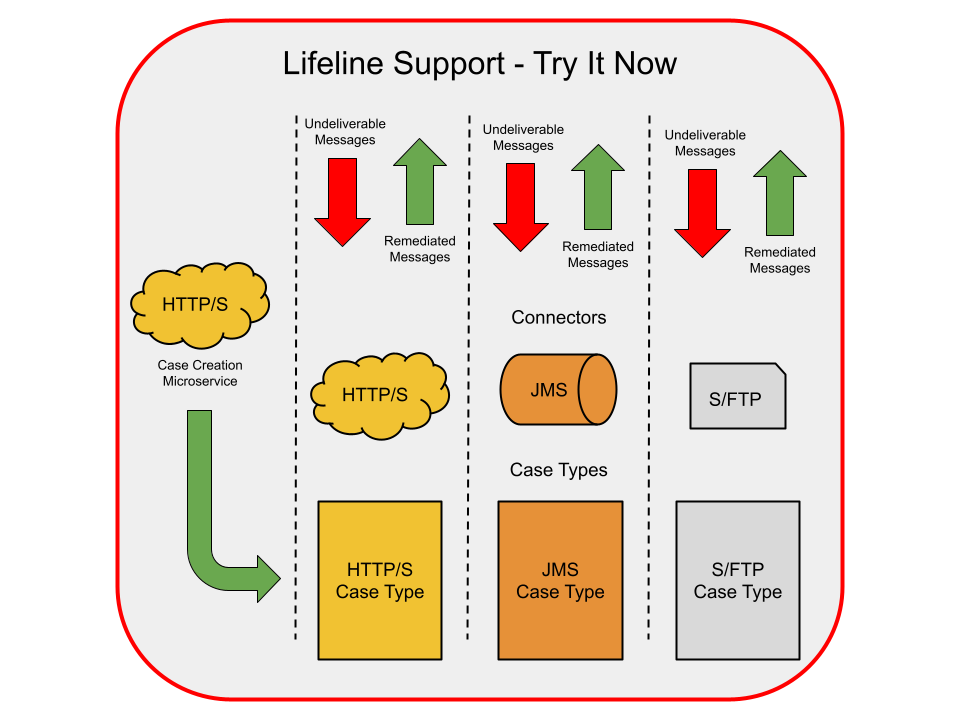
2021 Try It Now System Context Diagram
-
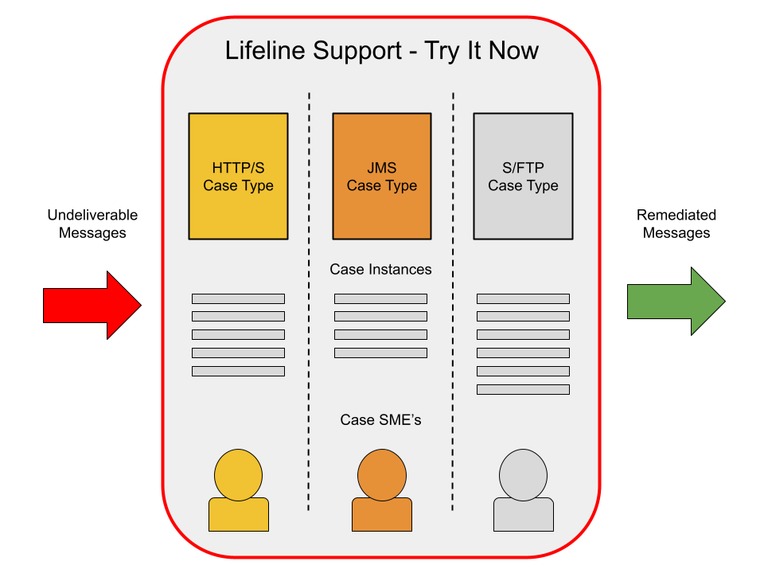
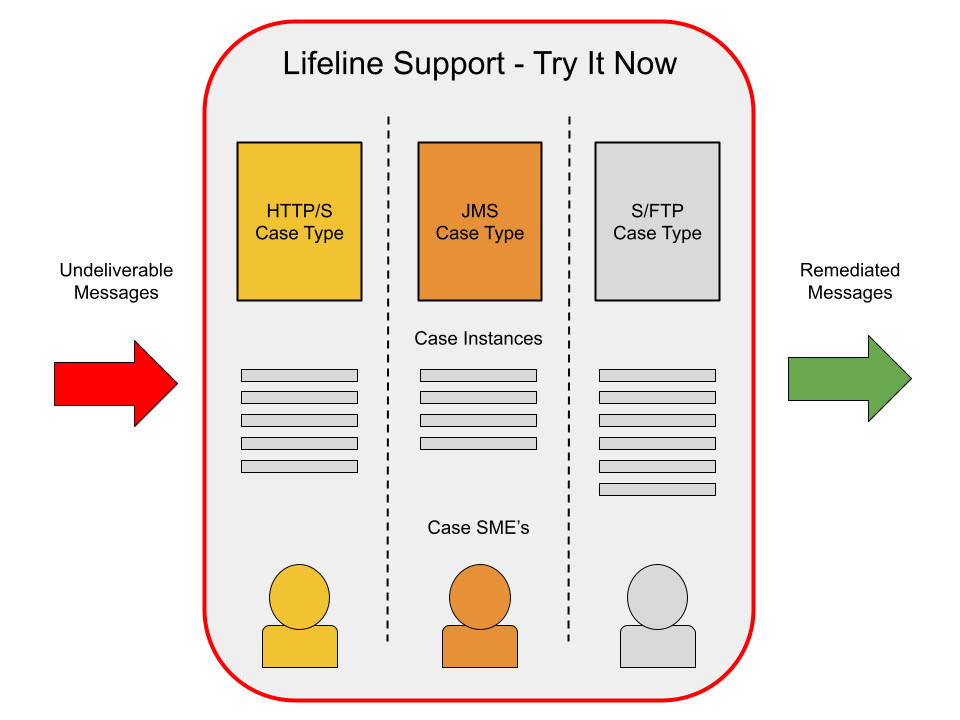
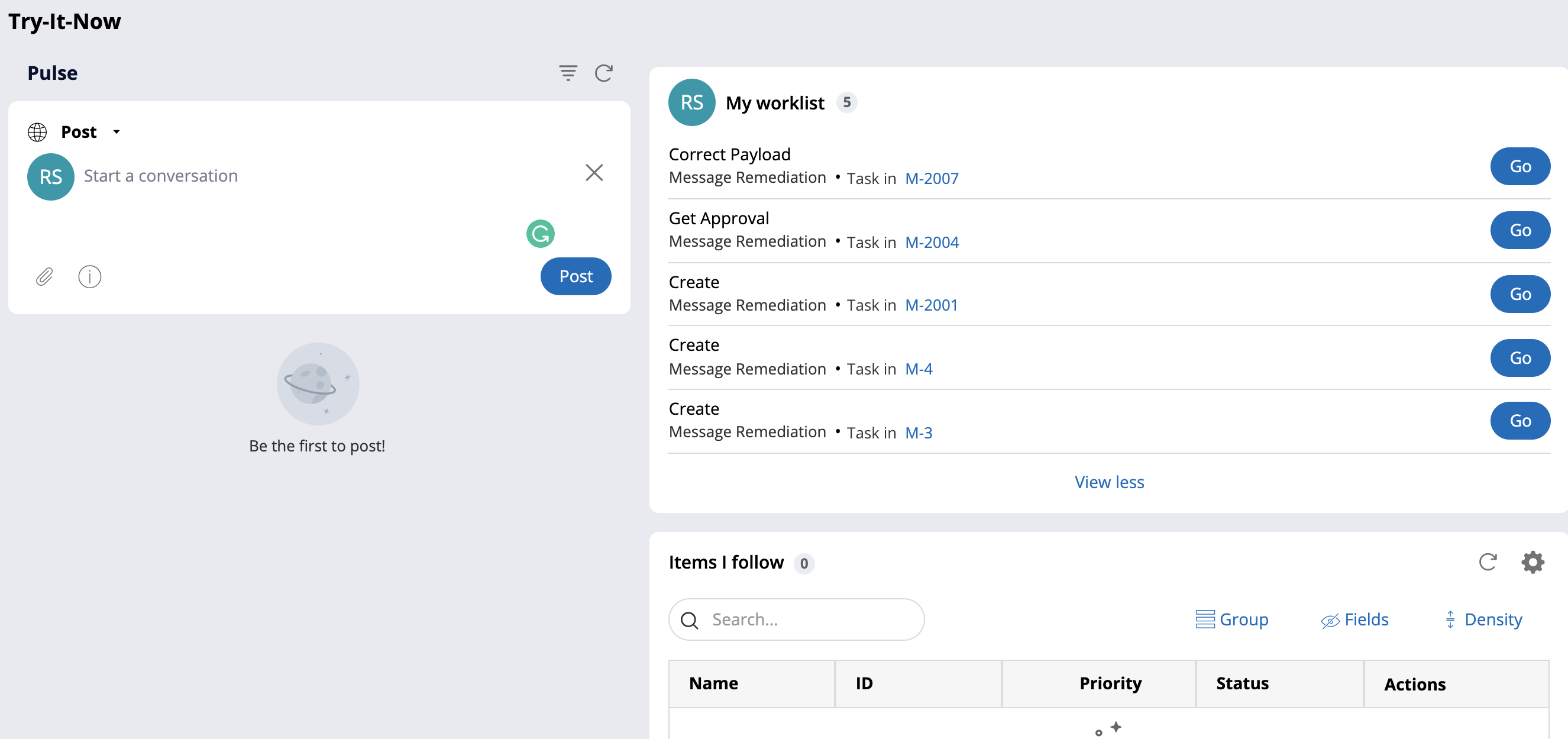
2021 Try It Now Detailed Context Diagram
-
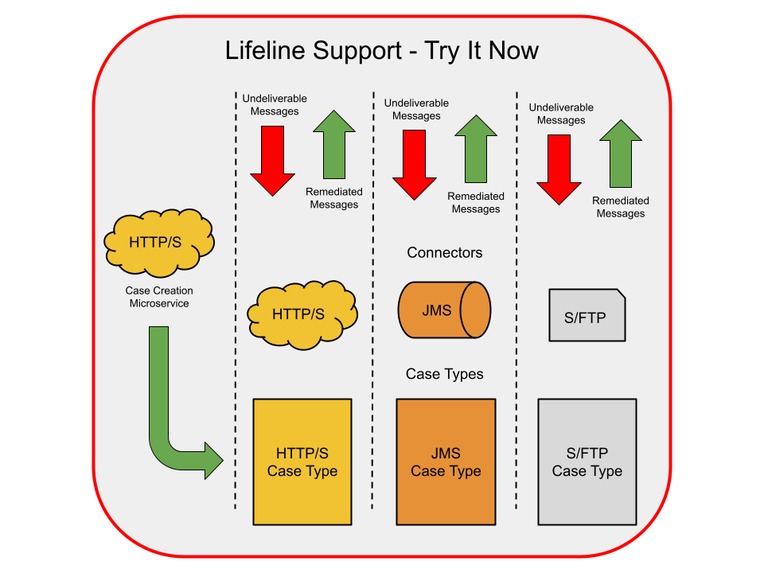
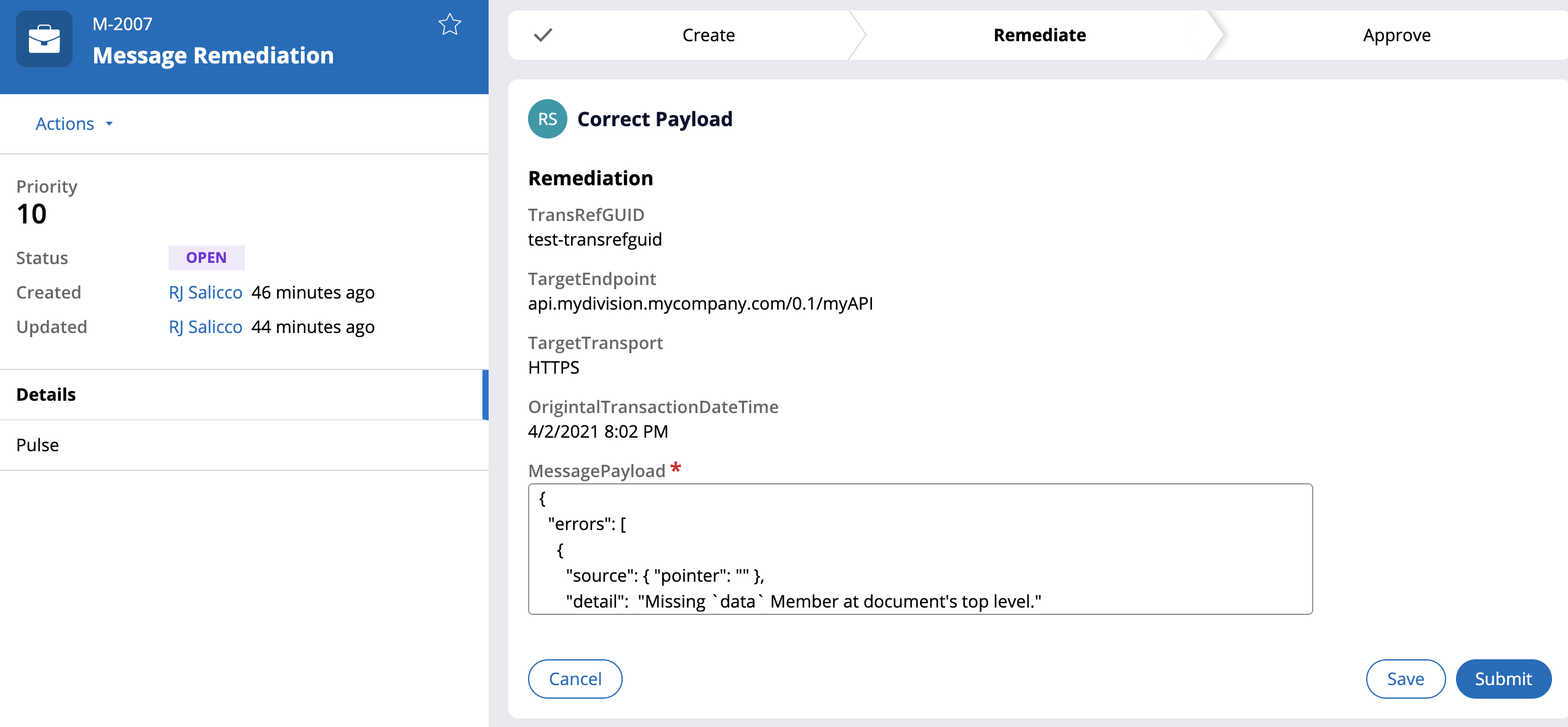
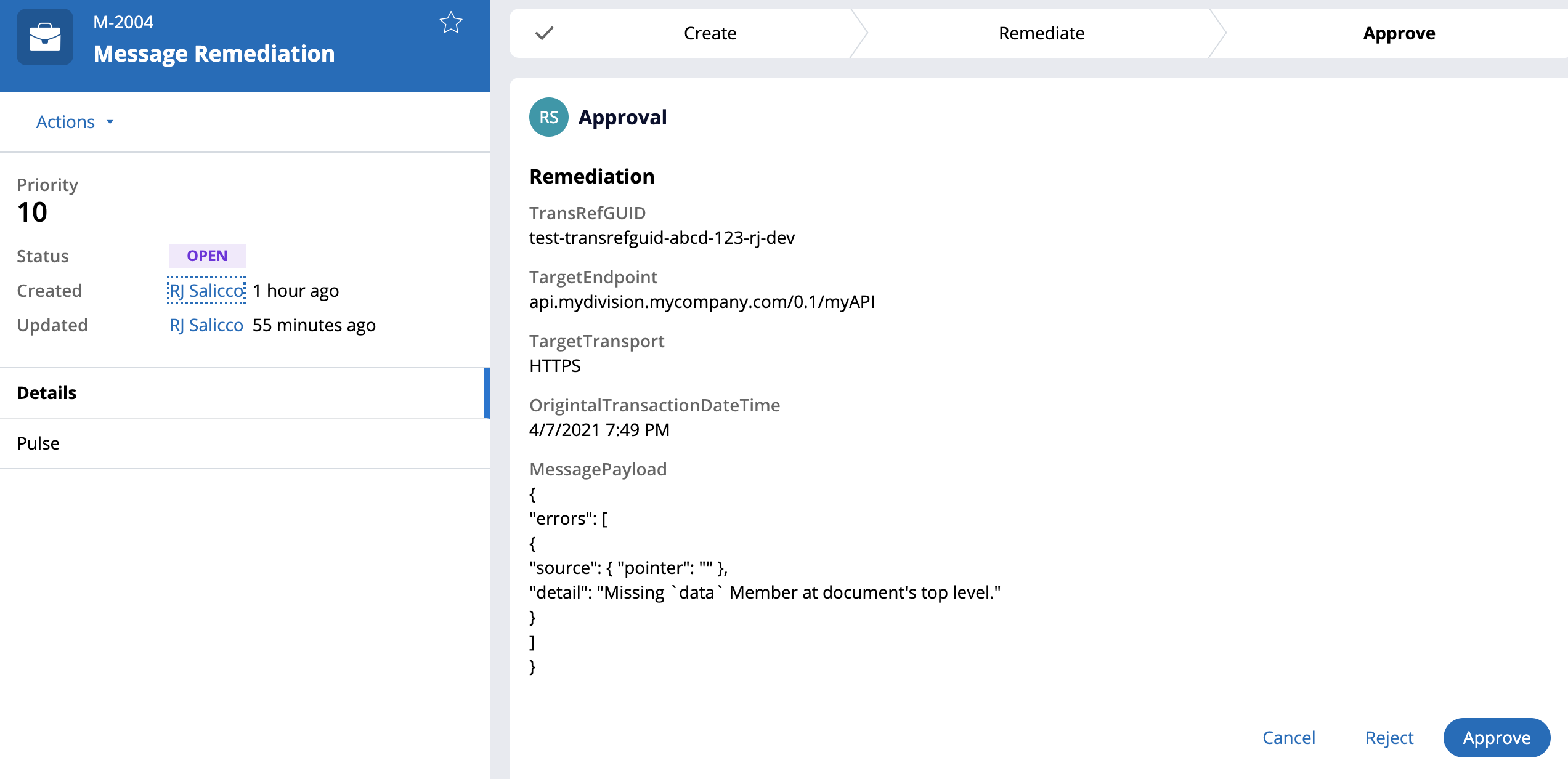
2021 Try It Now Component Context Diagram
-
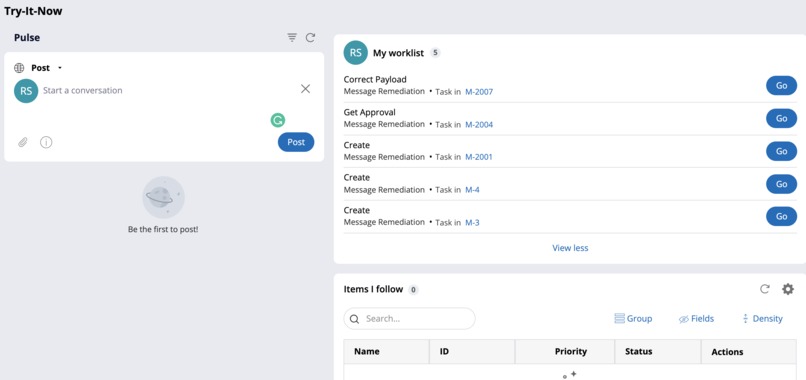
Remediation cases are created via API calls into the Pega platform. Case creation could also be triggered from a JMS queue as well.
-
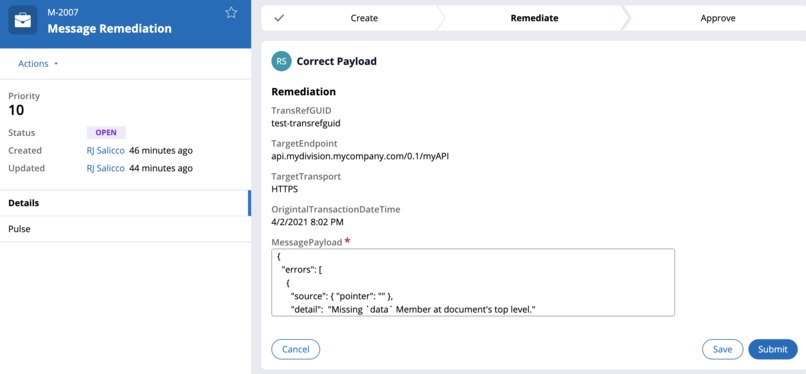
After a Remediation case is created, a user would inspect the payload field for errors and possibly correct the payload before submitting.
-
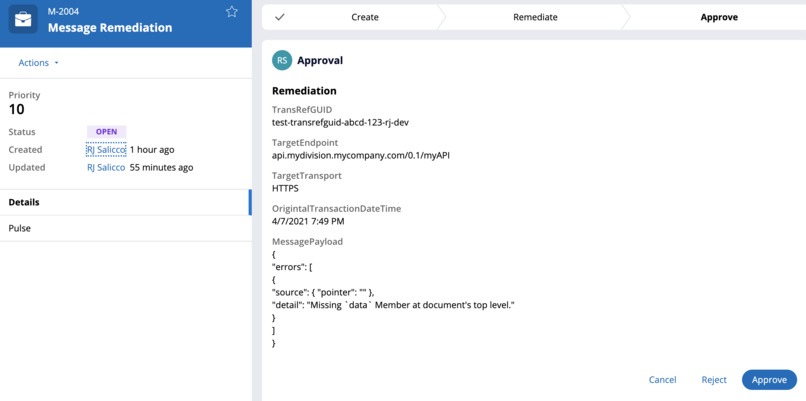
Finally, after a payload has been corrected a supervisor or senior user would be able to approve the correction for re-submission.
Inspiration
In Production, things fail. Support needs to be a first-class item on the table when a solution is being designed and supportability is a characteristic that pays dividends through the life of solution.
What it does
API's, microservices, and other transmission mechanisms (S/FTP, text, email) are built with support utilities that, in some cases, end up being one-off solutions and live in separate silos. Some solutions will retry transactions a certain number of times over a period of time and then place the undeliverable message(s) into a dead letter queue (DLQ). Another system may send an alert email to a group about an FTP transmission that failed. Try It Now is designed to be a gateway for those alerts which can then be triaged and remediated by teams (of all types) that support the specific case types. The application could exist on its own or as part of a chain of support products (like PagerDuty). Try It Now would play an important role in the remediation of issues, replaying transactions, or retrying transmissions. As a future feature, the learned behavior in the system could drive AI support of remediation and also incorporate automation when needed as well.
How we built it
The core functional application is built on Pega 8.5 focusing on utilizing the low-code features in App Studio.
Challenges we ran into
The problem space has some interesting considerations that need to be understood as the complexity can vary based on the type and number of systems supported and the complexity of the domain.
Accomplishments that we're proud of
The demo is mostly a shell of the application with an example of how an application of this type may work but I think it demonstrates the simplicity of Pega when solving common IT operations issues. The low-code features in Pega 8.x open up the possibilities of enabling citizen development and/or a distributed development model in a multi-tenant platform like Pega.
What we learned
Definitely not a solution that can be completely tackled by one person during a hackathon (maybe someone with more experience) but this solution could be built fairly quickly to support the simple use cases which may be all that is needed in most organizations. For example, when an HTTP transaction fails and is dropped into a DLQ, Try It Now can be used to inspect the transaction payload to either be re-submitted or corrected and re-submitted with a few button clicks.
What's next for Lifeline Support - Try It Now
Machine Learning and Artificial Intelligence could be leveraged as a future feature to remediate issues with fewer user interactions. Imagine collecting key data points during all remediation cases, along with user-supplied metadata, to better understand hotspots in enterprise processes and either a) solve the root cause of the problem or b) reduce the meantime to resolution (MTTR) for administrator, support, and triage teams.
Built With
- low-code
- pega





Log in or sign up for Devpost to join the conversation.