Inspiration
There are 4.2B people in the world who are still not connected to the internet and this phone will allow them a cheap alternative to get connected.
How it is supposed to work
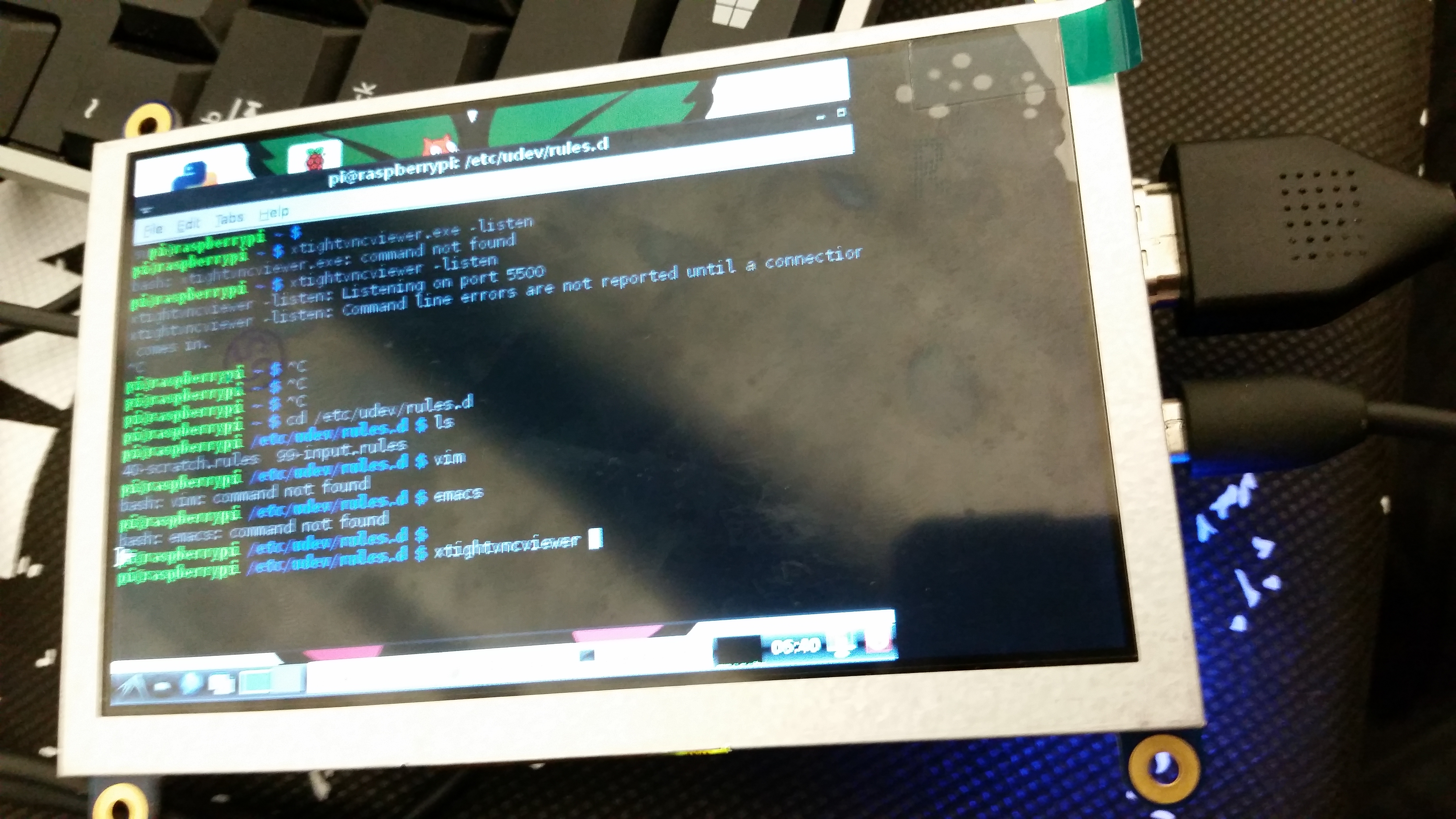
We host an Android OS in the cloud with AWS and connect to it via VNC on an arduino board and output the video with VGA to a display screen. Unfortunately, due to network issues, hardware issues, and time issues, we were not able to accomplish a fully functioning model so we attempted to use a raspberry pi instead.
Challenges I ran into
Network issues would not allow our VM's to download proper OS and libraries faster than 4-5 hours a piece which slowed us down significantly. We did not bring all the hardware we needed (we forgot some cables and pieces to connect arduino wirelessly). We lost a ton of time waiting for downloads and updating outdated libraries. (For example, arduino hasn't had a VNC viewer client pushed for 4 years and there is no support in the community with it)
Accomplishments that I'm proud of
Uploading an Android OS in the cloud. VNC from the cloud to a client.
What I learned
Always test localhost first
What's next for LifeLine Phone
Figure out how to get arduino a functioning VNC Viewer client that functions properly. After, figure out how to get arduino to not load images pixel by pixel.

Log in or sign up for Devpost to join the conversation.