-
-
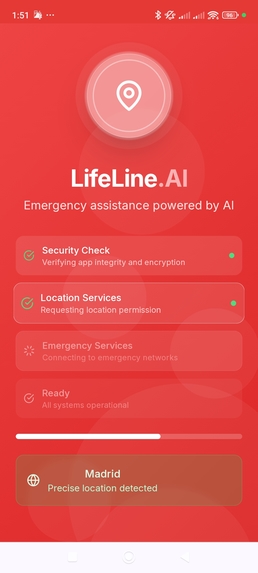
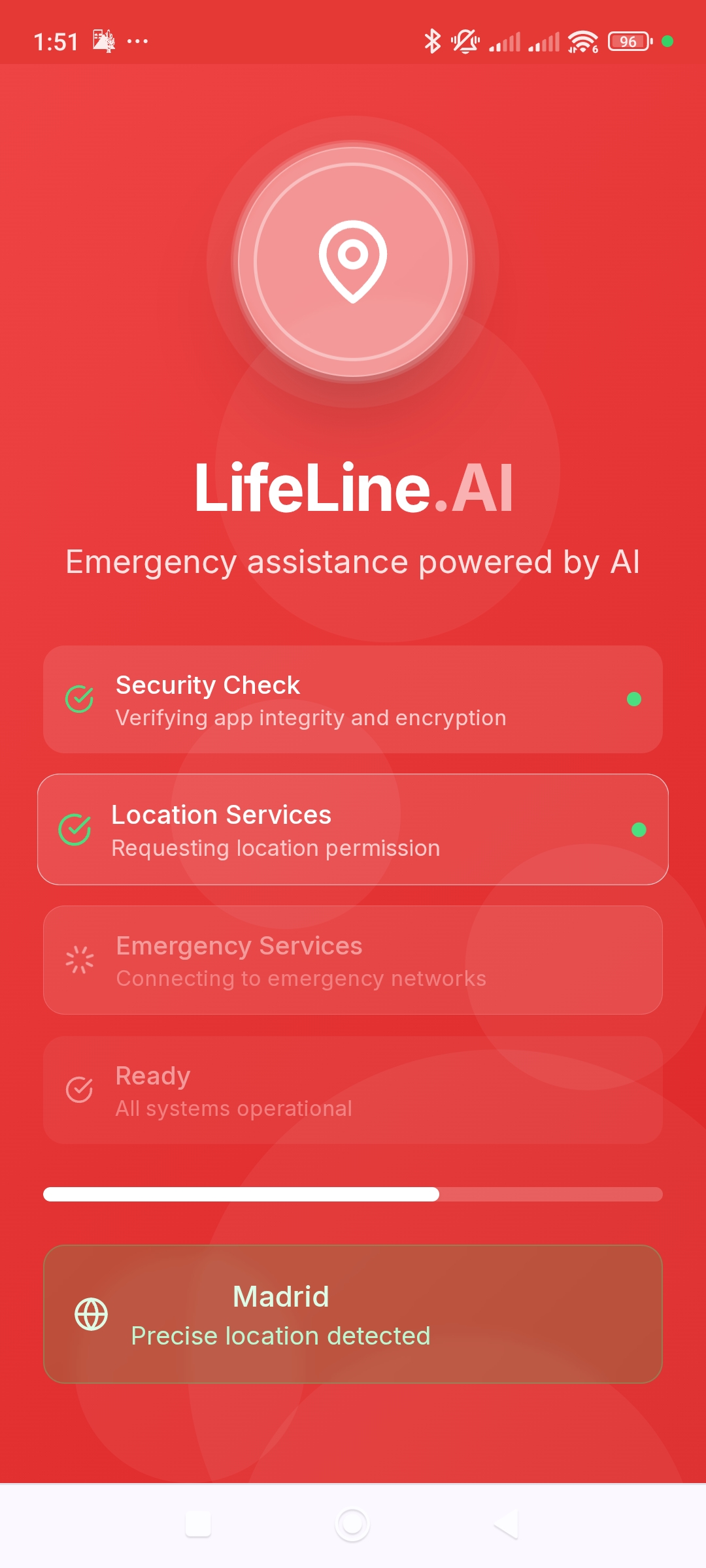
Splash Screen
-
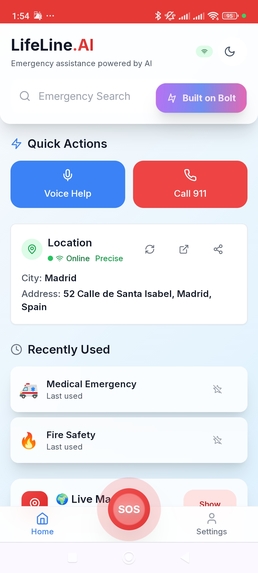
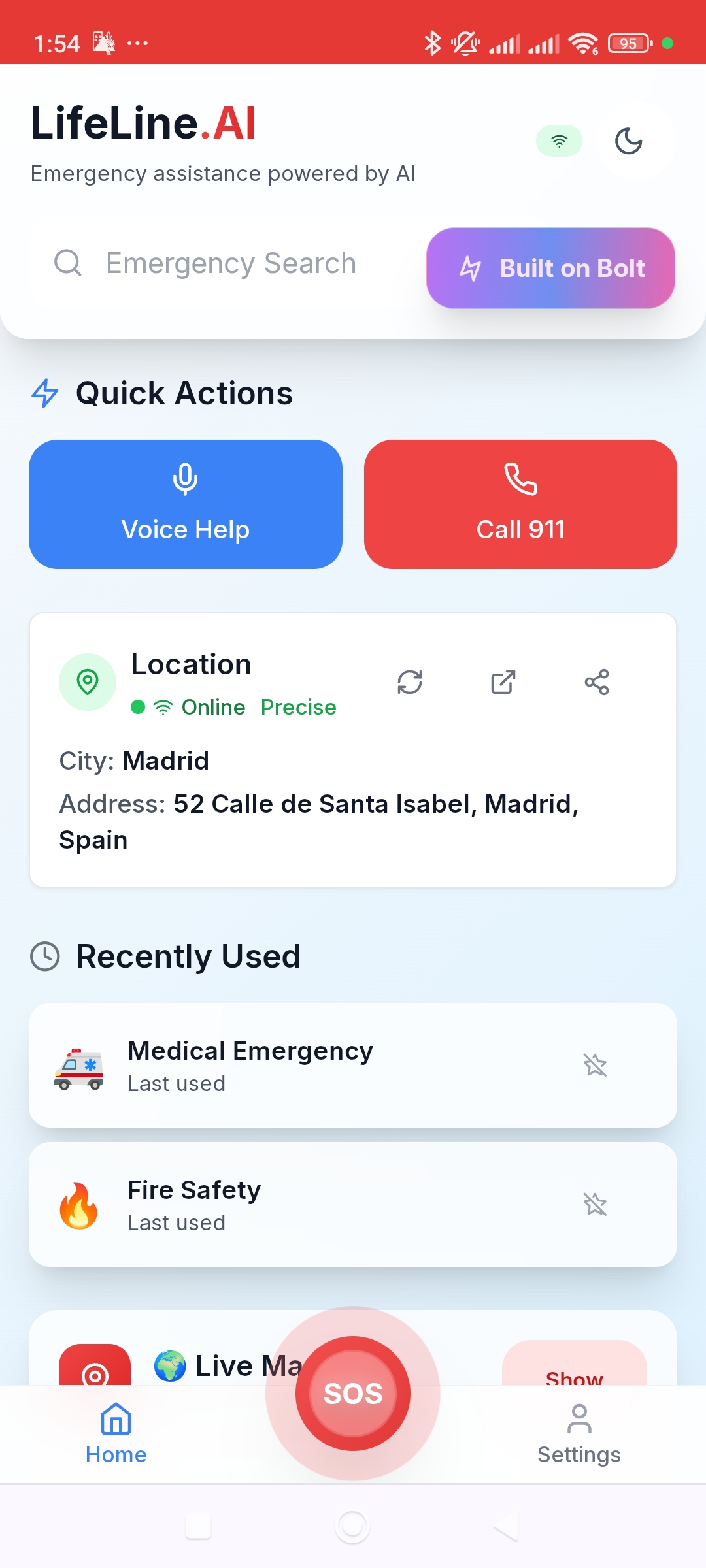
Main Screen
-
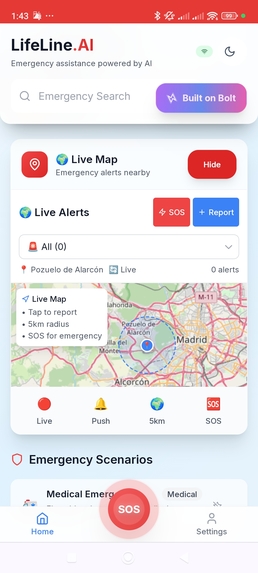
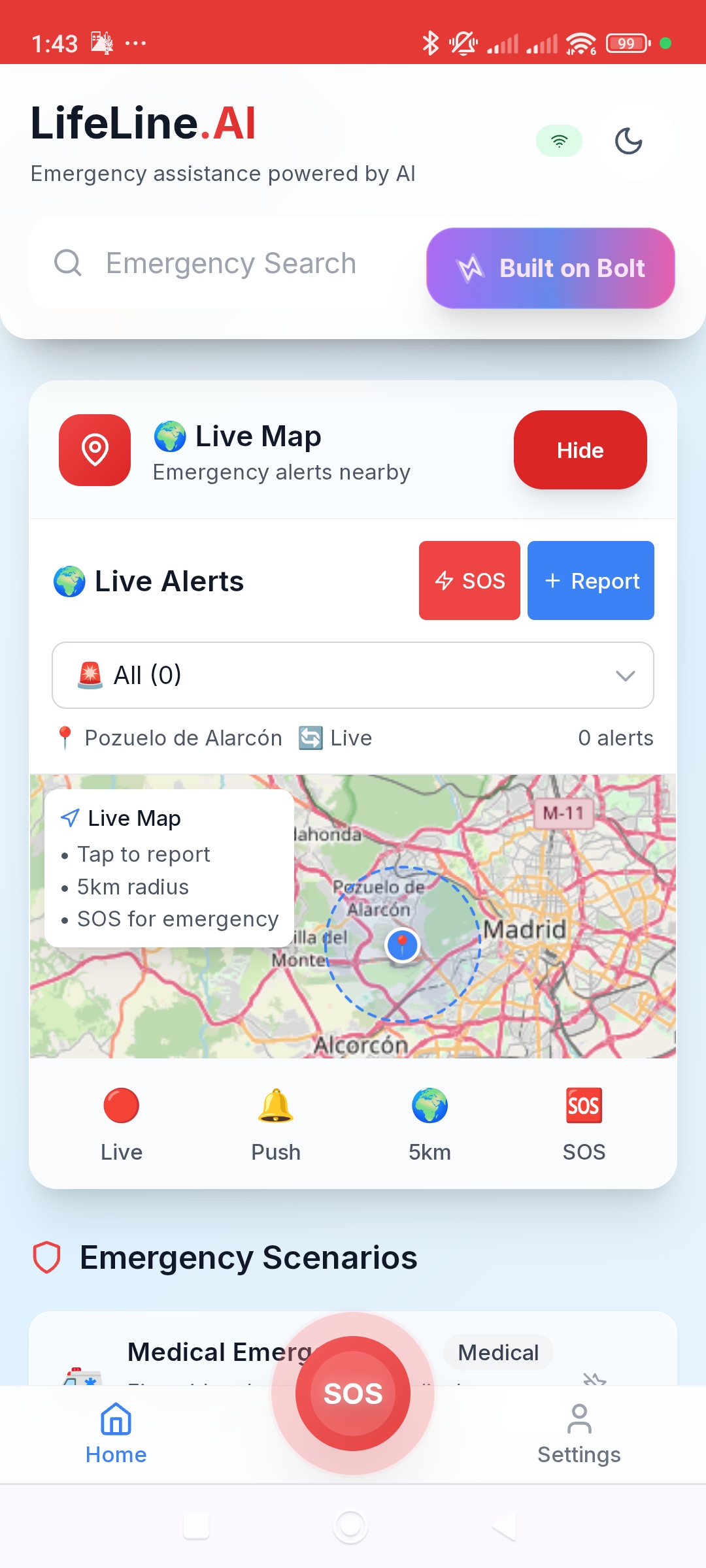
Emergency Map
-
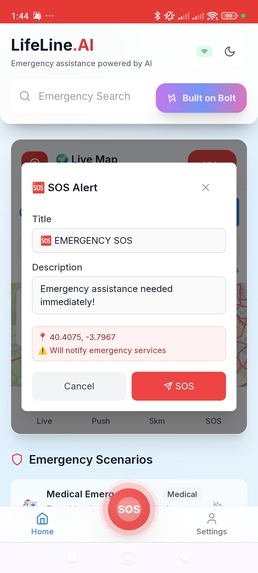
Send SOS to Volunteer Network Community
-
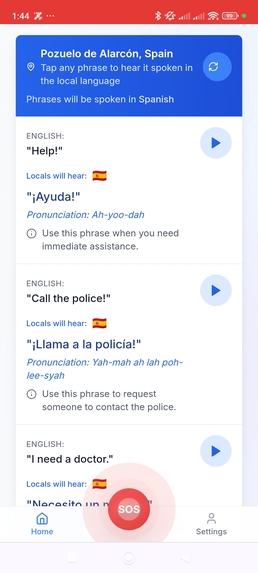
Multilingual Emergency Voice Synthesis Phrases On Local Language
-
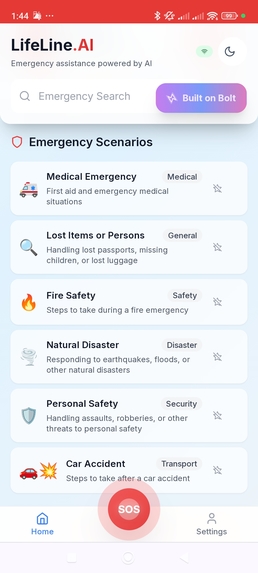
Emergency Scenarios
-
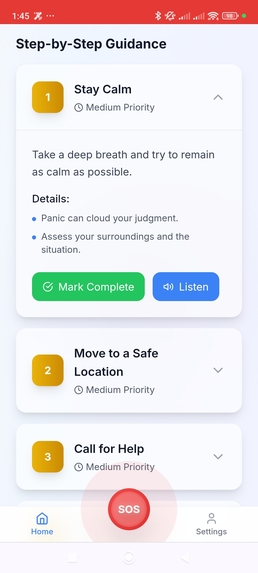
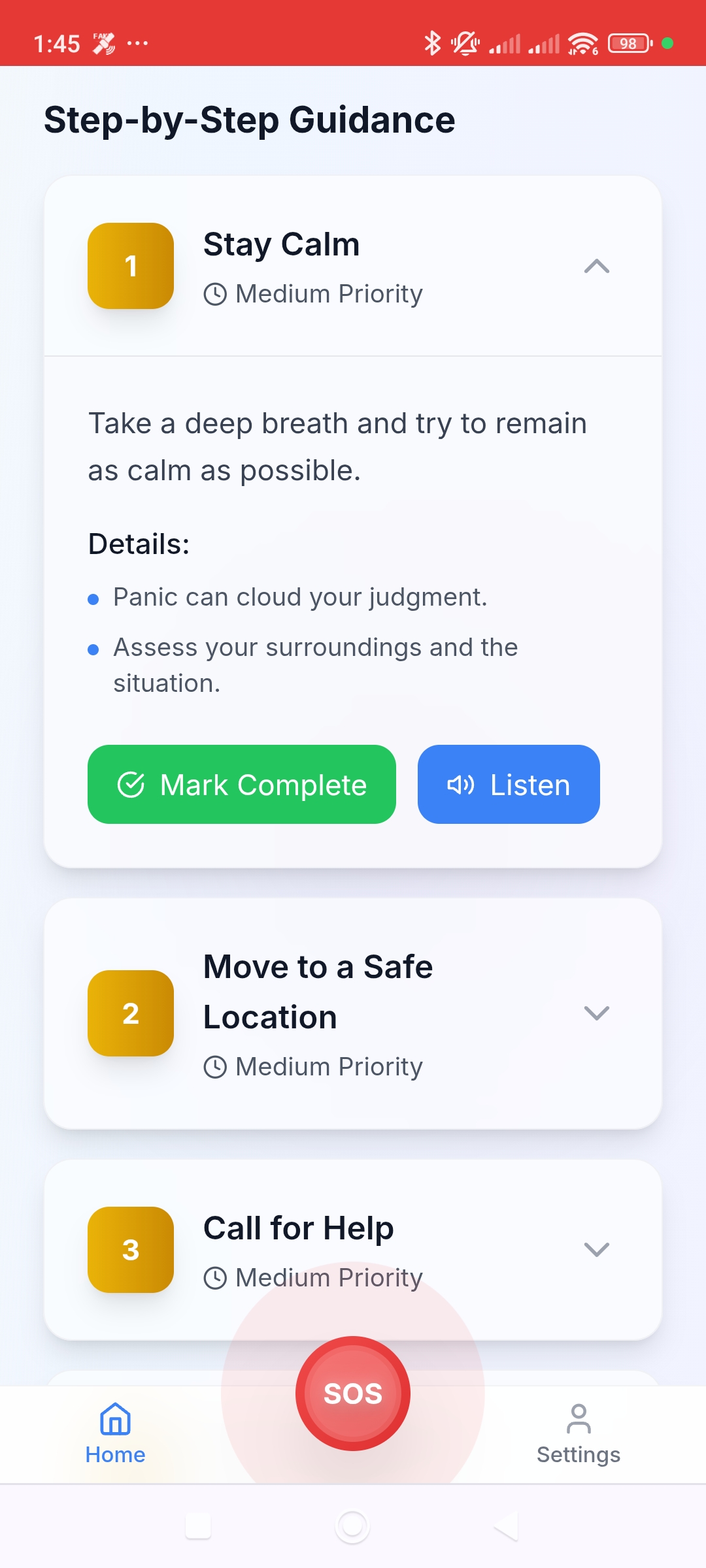
Example of the Emergency Step By Step Guidance
-
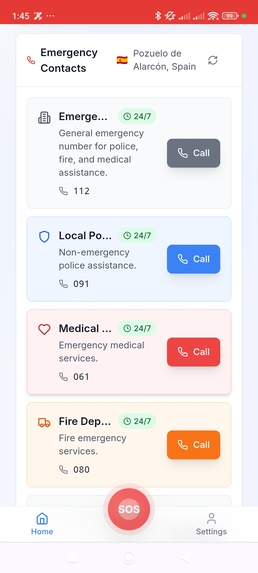
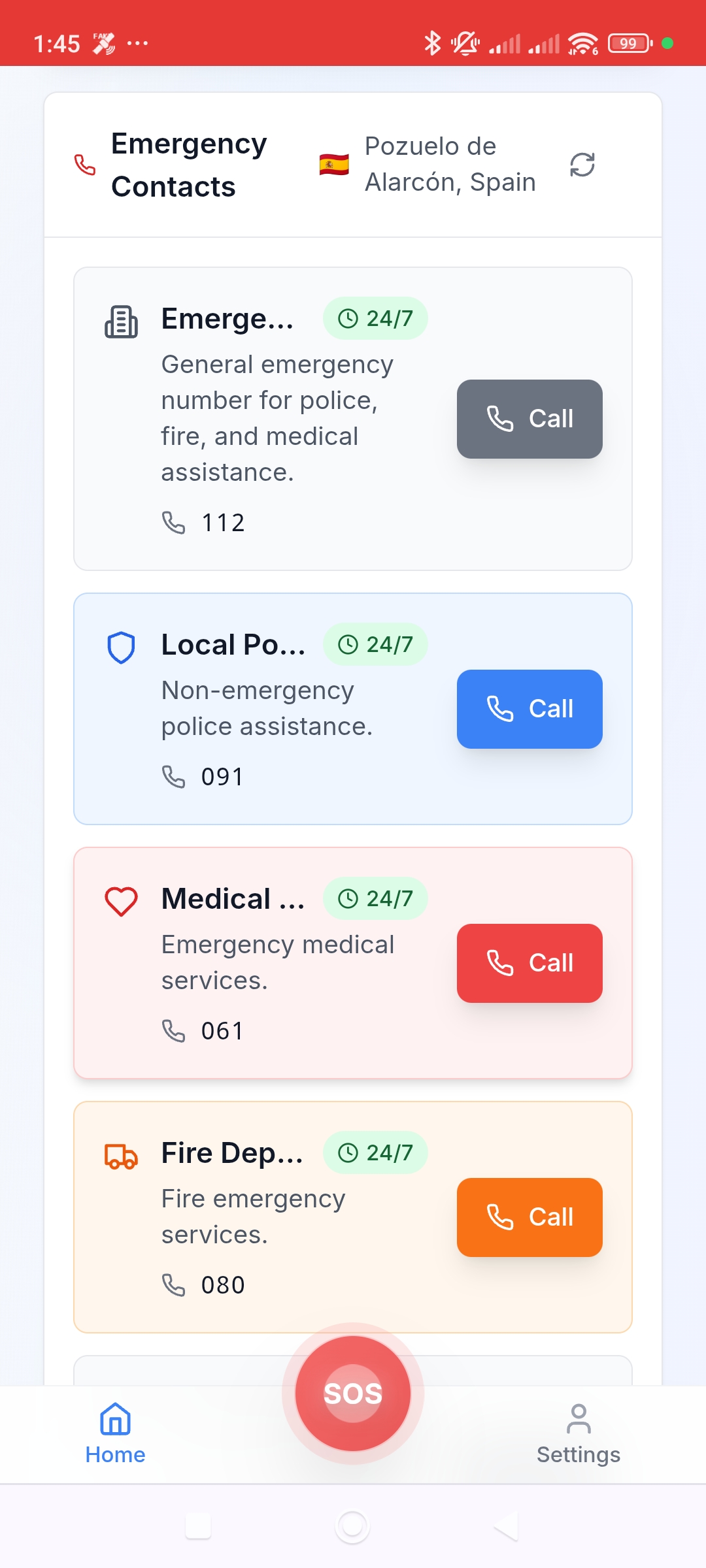
Location Based Emergency Contacts
-
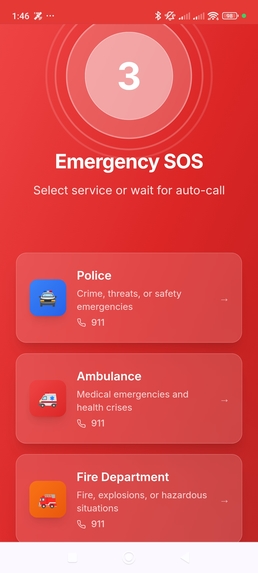
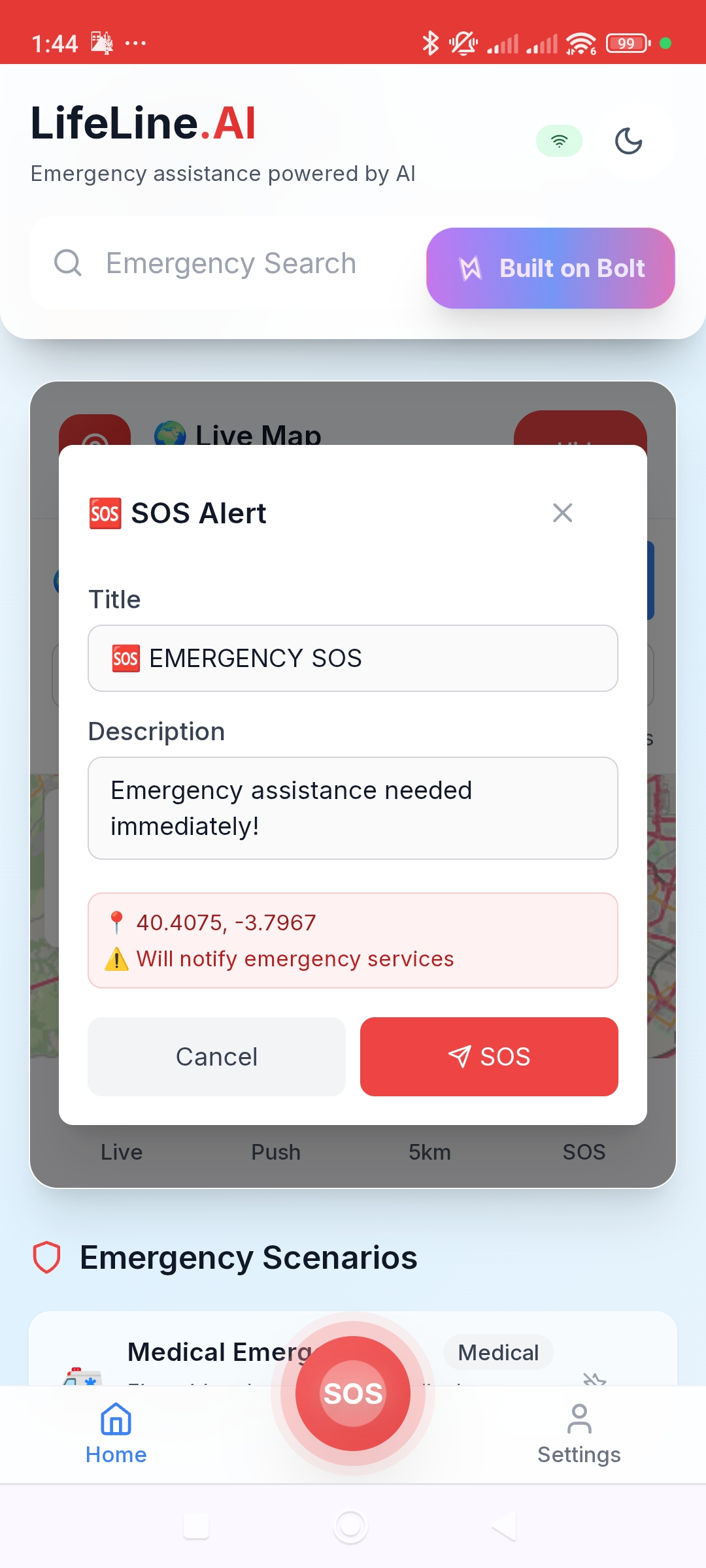
Emergency SOS Options
-
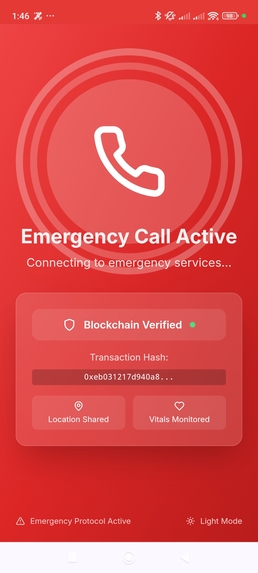
Emergency Active Call Example
-
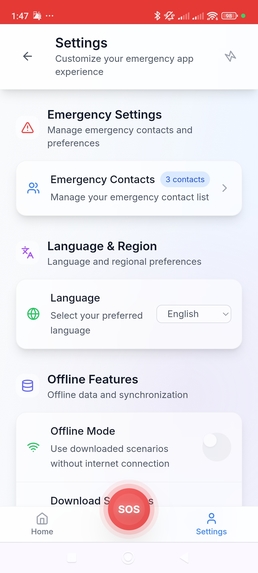
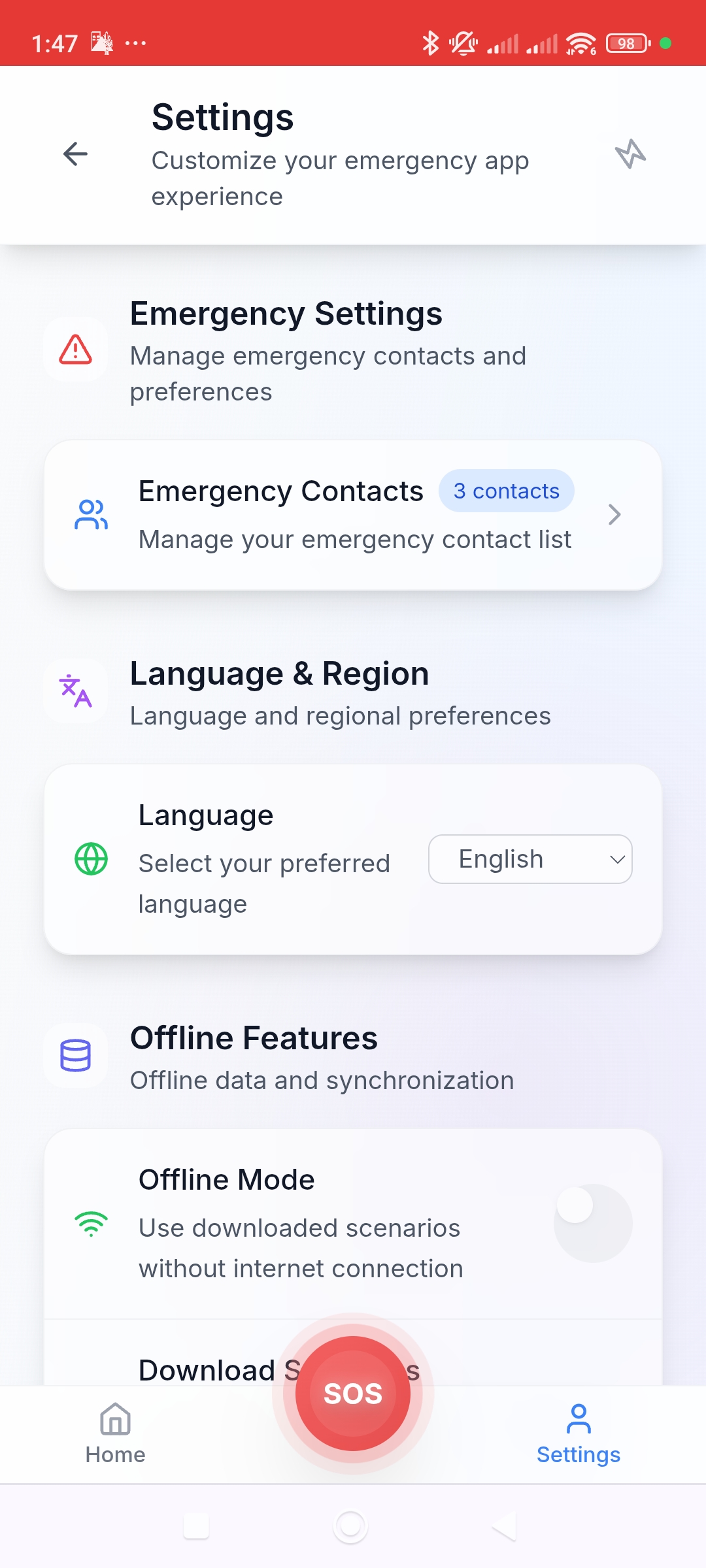
Settings Screen




🧠 Inspiration
While traveling abroad, we realized how terrifying emergencies can be when you're alone, don't speak the local language, or have no internet connection. Traditional safety apps often require connectivity and assume the user knows what to do. We wanted to create something truly intelligent and accessible—an AI-powered assistant that calmly walks you through emergencies like a guardian angel in your pocket.
The moment of inspiration came during a medical emergency in a foreign country where language barriers and panic created dangerous delays. We knew technology could solve this universal human problem.
🛟 What LifeLine AI Does
LifeLine AI is an intelligent emergency assistant that delivers instant, step-by-step guidance when you need it most:
Core Features:
- 🤖 AI-Powered Guidance: Real-time emergency instructions using OpenAI GPT-4, contextually aware of your location and situation
- 🌐 True Offline Functionality: Complete emergency protocols downloaded locally - works without internet or cell signal
- 🗣️ Multilingual Support: 10+ major world languages with both text and audio guidance using ElevenLabs TTS
- 🎤 Voice Control: Hands-free operation with natural voice commands for emergency scenario navigation
- 📍 Location-Aware: Automatically provides local emergency contacts, cultural guidance, and language-specific phrases
- ⚡ Emergency-First Design: Color-coded urgency levels, panic-friendly UI, and instant access to critical actions
- 🔊 Audio Guidance: ElevenLabs TTS integration for multilingual emergency phrase pronunciation
Supported Emergency Scenarios:
- Medical emergencies
- Personal safety threats
- Car accidents
- Lost passports/documents
- Fire safety
- Natural disasters
🛠️ How We Built It
Technology Stack:
- Frontend: React + TypeScript with Vite for ultra-fast development
- Mobile: Progressive Web App (PWA) with native-like features
- UI/UX: Tailwind CSS with Framer Motion for smooth, panic-friendly animations
- AI Integration:
- OpenAI GPT-4 API for intelligent emergency guidance generation
- ElevenLabs API for multilingual voice synthesis
- Offline Storage: Structured JSON with IndexedDB for emergency scenarios and audio caching
- Location Services: IPInfo API + browser geolocation for precise location context
- Voice Recognition: Web Speech API with natural language processing for emergency scenario navigation
- Audio Synthesis: ElevenLabs API for multilingual emergency phrase pronunciation (implemented in LocationAwarePhrases component)
Technical Architecture:
┌─ React App (PWA) ─┐
│  ├─ Voice Commands │
│  ├─ Gesture Detection │
│  ├─ Offline Context │
│  └─ Location Services │
├─ AI Services ─────┤
│  ├─ OpenAI GPT-4  │
│  └─ ElevenLabs TTS │
├─ Offline Storage ─┤
│  ├─ Scenarios JSON │
│  ├─ Audio Cache   │
│  └─ Emergency Data │
└─ Emergency APIs ──┤
   ├─ Firebase (Future) │
   └─ Local Services │
Development Process:
We used Bolt.new for rapid prototyping, allowing us to iterate quickly on the UI/UX while integrating complex AI services. The offline-first architecture was designed from day one to ensure reliability when connectivity fails.
🚧 Challenges We Overcame
1. Offline-First AI Integration
- Challenge: How to provide intelligent guidance without internet
- Solution: Created a hybrid system with AI-generated content cached locally and structured fallback scenarios
2. Multilingual Voice Synthesis
- Challenge: Generating natural-sounding emergency phrases in 10+ languages
- Solution: Integrated ElevenLabs multilingual models with phonetic pronunciation guides
3. Panic-Friendly UX Design
- Challenge: Creating interfaces usable during high-stress situations
- Solution: Implemented large touch targets, color-coded urgency levels, and voice-first interaction patterns
4. Audio Synthesis Implementation
- Challenge: Generating natural-sounding emergency phrases in 10+ languages
- Solution: Integrated ElevenLabs multilingual models in the PhrasePlayer component with phonetic pronunciation guides
5. Voice Recognition for Navigation
- Challenge: Creating hands-free emergency scenario access during stress
- Solution: Implemented Web Speech API with emergency-specific voice commands in Voice Commands Modal
🏆 What We're Proud Of
Technical Achievements:
- Sub-3-second emergency activation via voice commands from main screen
- 100% offline compatibility for core emergency scenarios
- Audio pronunciation guides using ElevenLabs TTS for 10+ languages
- Cultural context awareness - AI adapts advice based on local customs and procedures
- Progressive enhancement - works on any device from basic smartphones to modern flagships
- Voice-first navigation - hands-free emergency scenario access during stress situations
User Experience Wins:
- Universal accessibility - no emergency training required
- Language barrier elimination - works in countries where you don't speak the language
- Panic-state optimization - tested UI during simulated stress scenarios
- Cross-cultural validation - emergency protocols verified for multiple regions
Innovation Highlights:
- First emergency app with true offline AI guidance
- Revolutionary context-aware emergency phrase generation with audio synthesis
- Voice-controlled emergency navigation optimized for stress situations
- Industry-first multilingual emergency voice synthesis for pronunciation guidance
📚 What We Learned
Technical Insights:
- Offline-first architecture requires fundamentally different design patterns than traditional web apps
- AI prompt engineering for emergency scenarios demands extreme precision and cultural sensitivity
- Voice recognition reliability varies dramatically across languages and accents
- PWA capabilities now rival native apps for emergency use cases
User Experience Discovery:
- Simplicity trumps features in emergency situations - cognitive load must be minimized
- Visual hierarchy becomes critical when users are panicked or disoriented
- Multi-modal interaction (voice + touch + [gesture* in the next release]) provides crucial redundancy
- Cultural context can be life-or-death important in emergency scenarios
Development Process:
- Rapid prototyping tools like Bolt.new enable incredibly fast validation cycles
- AI-first development requires new testing methodologies for prompt reliability
- Offline-capable apps need sophisticated caching strategies from the architecture phase
🚀 Future Roadmap: LifeLine.AI - Sentinel Edition
Phase 1: Enhanced Emergency Features (Q3 2025)
- Complete Gesture Integration: Finalize shake-to-activate SOS with configurable sensitivity
- Emotion Detection: Real-time stress analysis through voice patterns
- Computer Vision: Emergency scene analysis via camera feed
- Predictive Alerts: AI-powered risk assessment based on location and behavior patterns
Phase 2: Community & Professional Integration (Q4 2025)
- Web3 Volunteer Network: Blockchain-verified responder community with reputation systems
- Emergency Services API: Direct integration with 911 dispatch systems
- Medical Professional Partnerships: Verified medical guidance for complex scenarios
Phase 3: Global Expansion (2026)
- Embassy Integration: Official partnerships with diplomatic services worldwide
- Insurance Provider APIs: Real-time claim initiation and travel assistance
- NGO Collaboration: Humanitarian organization partnerships for crisis zones
Advanced Features Pipeline:
- Complete Gesture System: Full shake-to-activate emergency protocols
- Stealth Mode: Covert activation during threatening situations
- Group Emergency Coordination: Multi-user emergency scenarios
- IoT Integration: Smart device emergency triggers (wearables, car systems)
- AR Emergency Overlay: Real-world guidance through phone camera
🌟 Call to Action
LifeLine AI isn't just an app—it's a safety net for humanity.
In a world where travel and global mobility are increasing, language barriers and emergency preparedness gaps put millions at risk daily. LifeLine AI bridges that gap with intelligent, accessible, offline-capable emergency assistance.
Try LifeLine AI:
- Web App: https://safe4travel.com (PWA - install directly to phone)
Impact Potential:
- 200M+ travelers could benefit from cultural context and language support
- Emergency response time reduction by an estimated 40-60% in foreign countries
- Universal emergency preparedness regardless of language, location, or connectivity
"When seconds count and panic sets in, LifeLine AI delivers the guidance that saves lives."
Built with ❤️ for global safety
Appendix: Technical Specifications
API Integrations:
- OpenAI GPT-4: Emergency scenario analysis and step generation
- ElevenLabs: Multilingual voice synthesis (10 languages)
- IPInfo: Precision geolocation and cultural context
- Web Speech API: Voice recognition and command processing
Browser Compatibility:
- Chrome/Edge 90+, Safari 14+, Firefox 88+
- iOS Safari 14+, Android Chrome 90+
- PWA installation supported on all major platforms
Performance Metrics:
- Initial Load: <2s on 3G connection
- Offline Activation: <500ms
- Voice Response: <1s average latency
- Emergency Trigger: <3s from any gesture/voice command
Security & Privacy:
- Local Data Storage: All personal data stays on device
- Encrypted Communications: All API calls use HTTPS/TLS 1.3
- No Location Tracking: GPS only used for current emergency context
- GDPR Compliant: Optional data sharing with explicit consent only
Built With
- bolt.new
- elevenlabs
- indexeddb
- json
- openai
- pwa
- react
- tailwind
- typescript

Log in or sign up for Devpost to join the conversation.