-
-
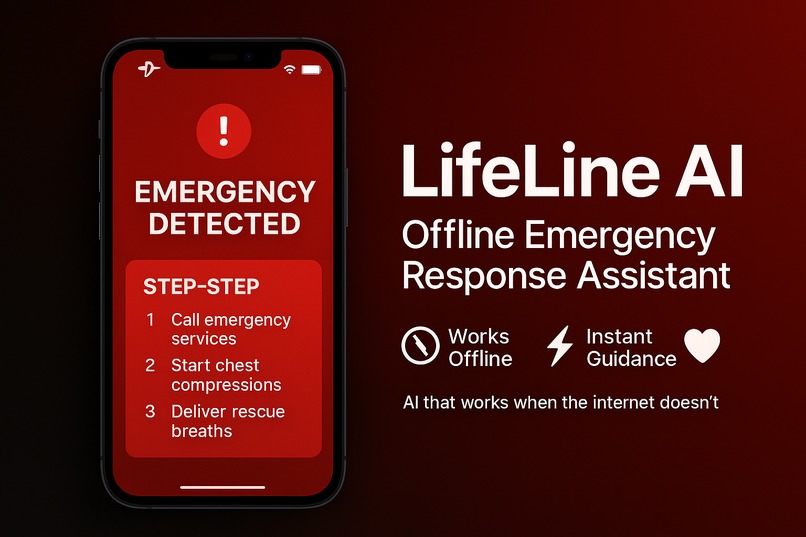
LifeLine AI: Offline Emergency Response Assistant
-
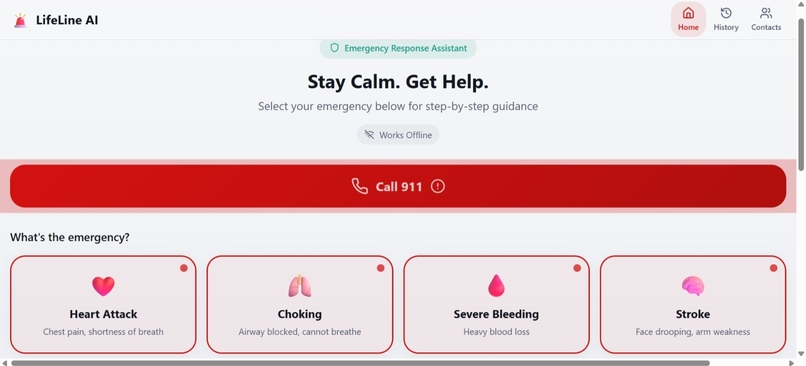
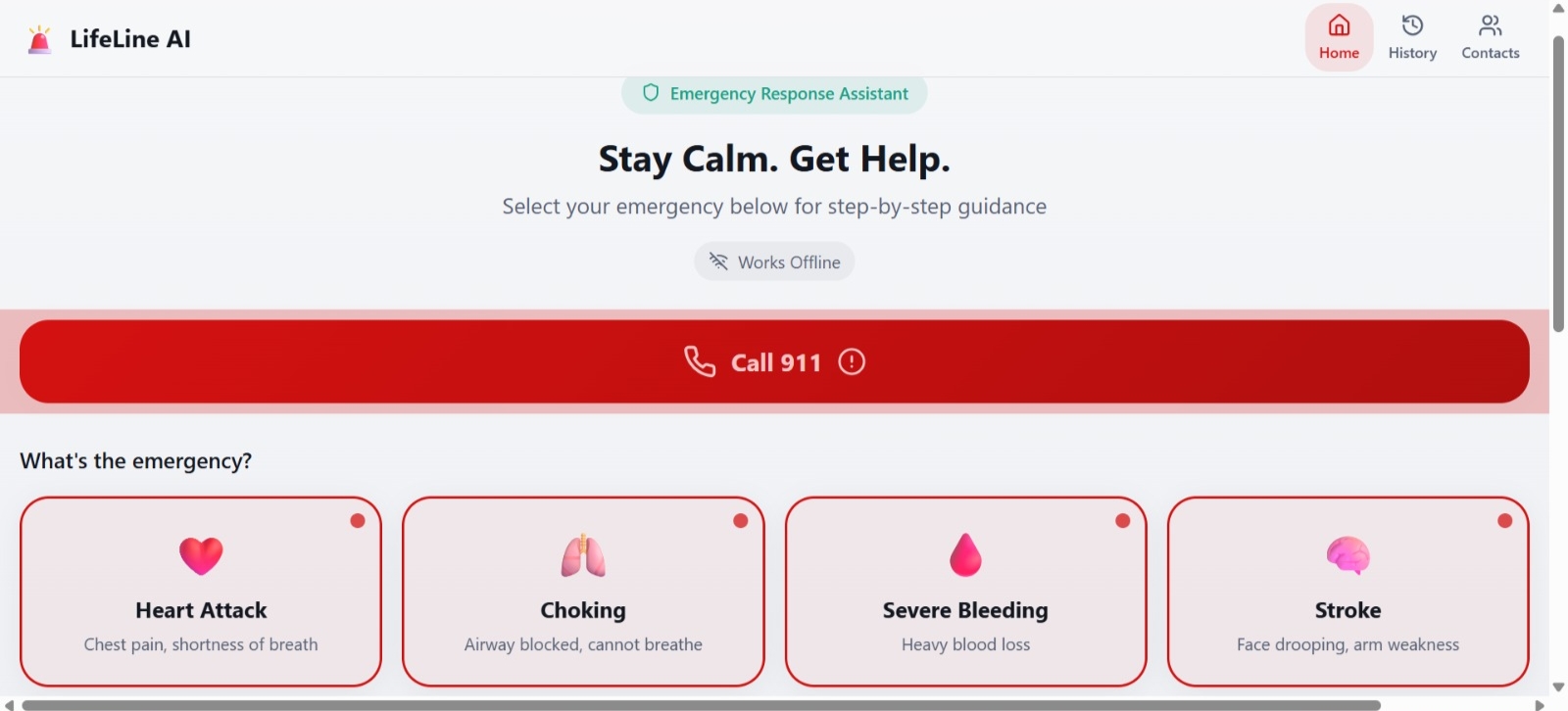
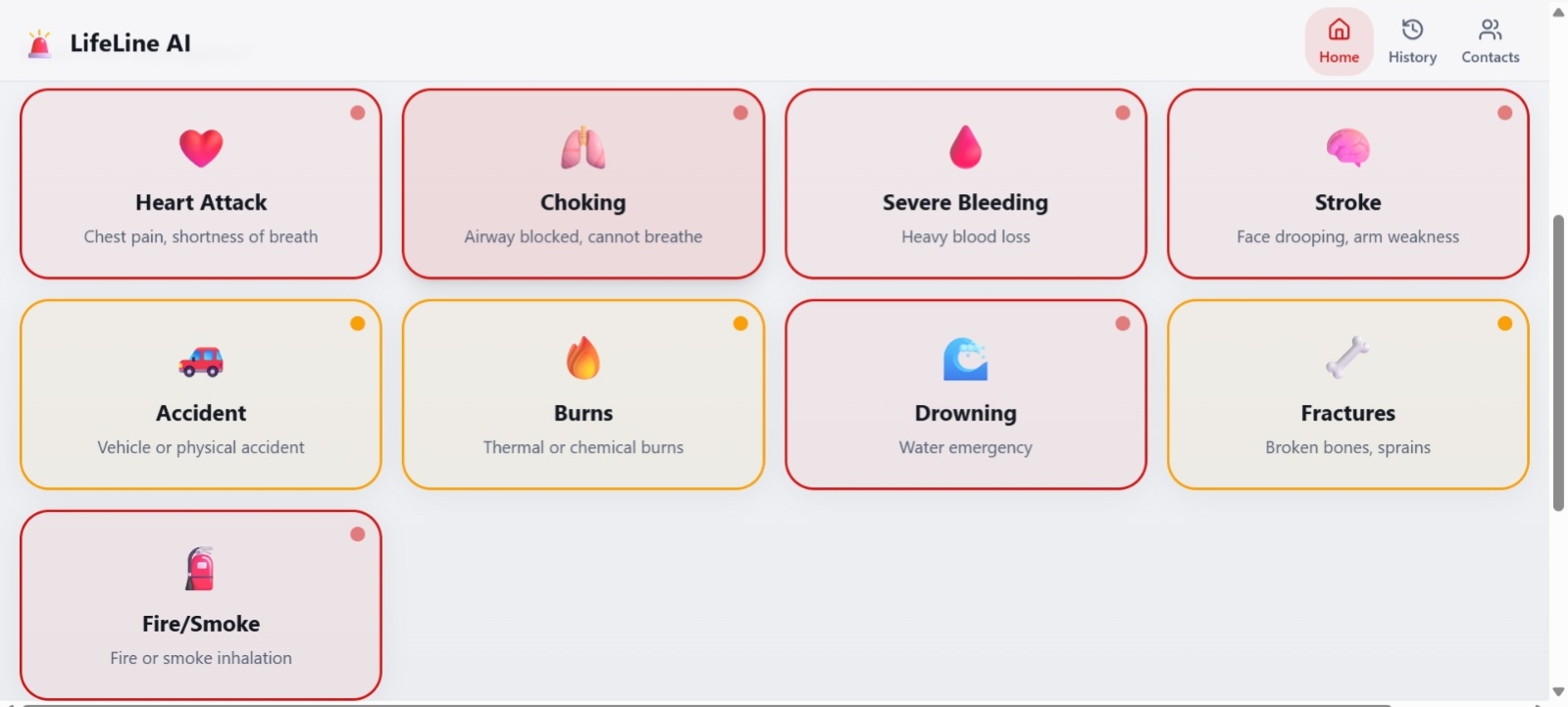
Home Pge
-
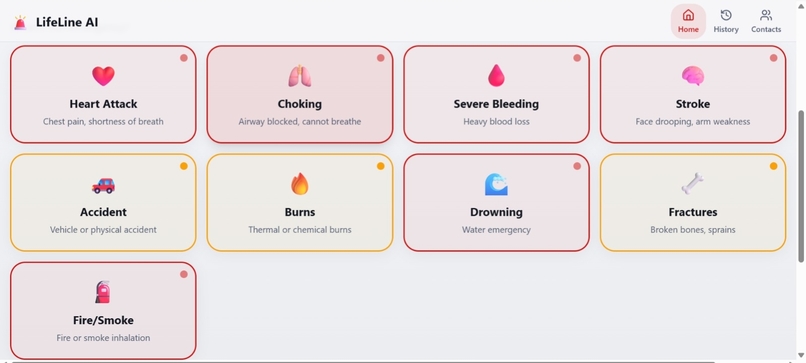
Home Page
-
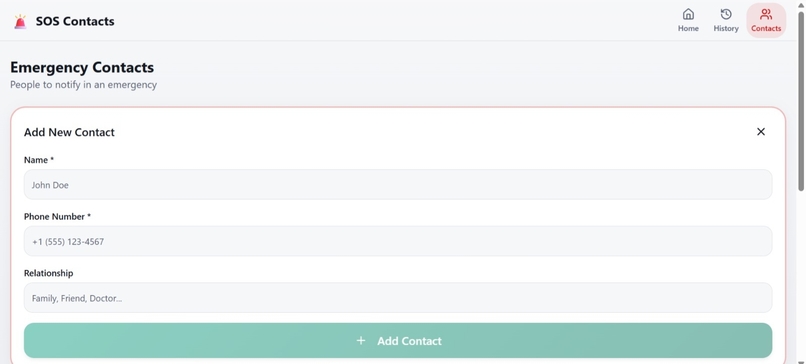
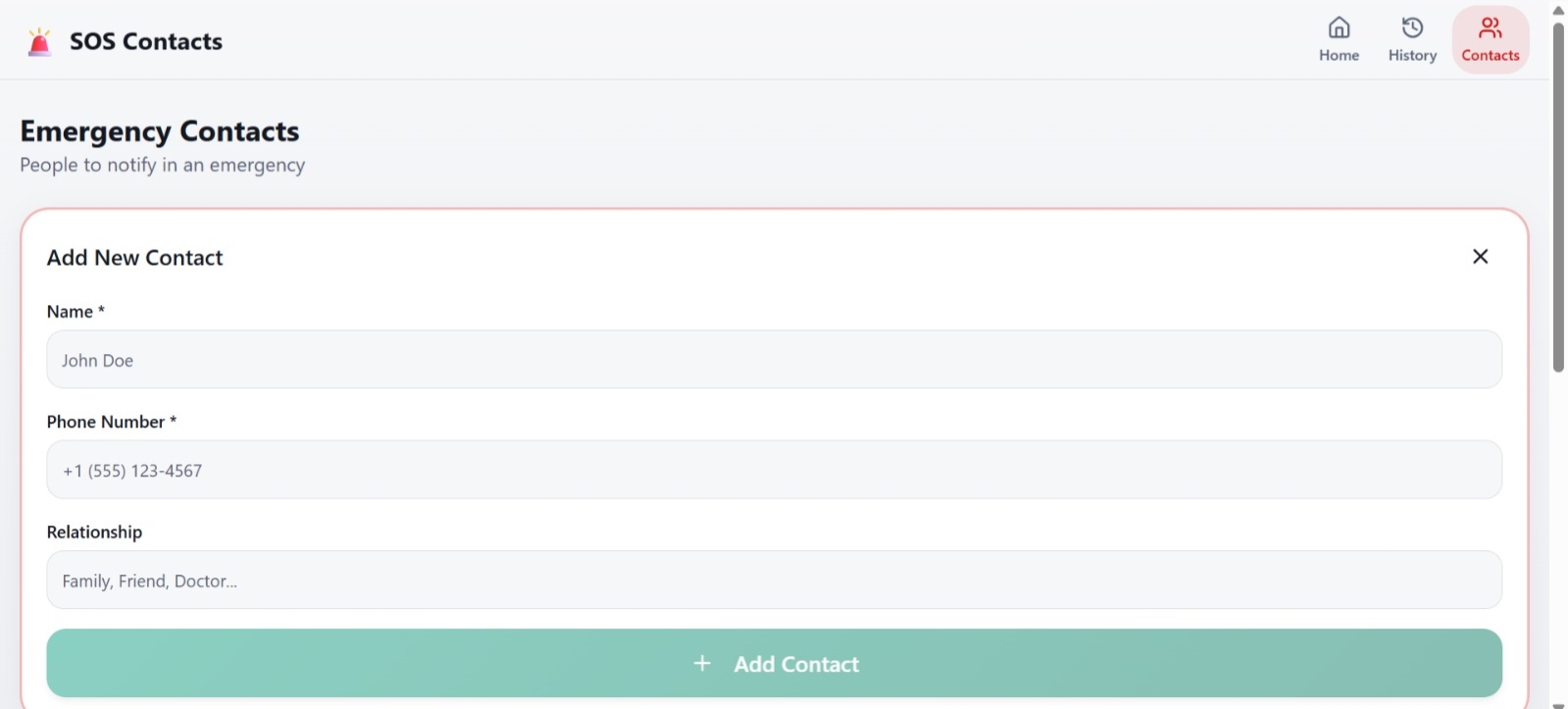
Emergency Contacts Page
-
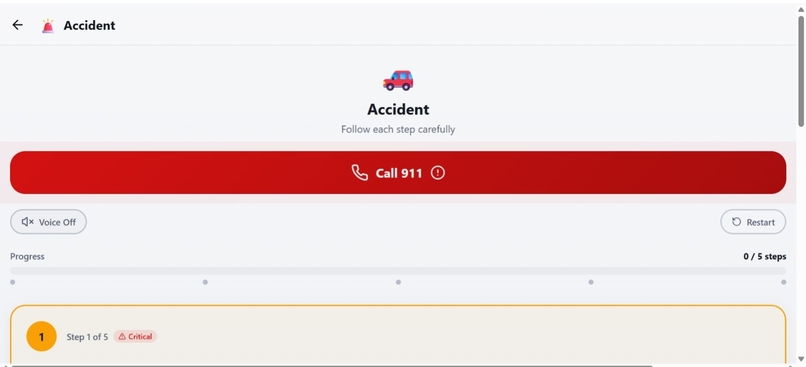
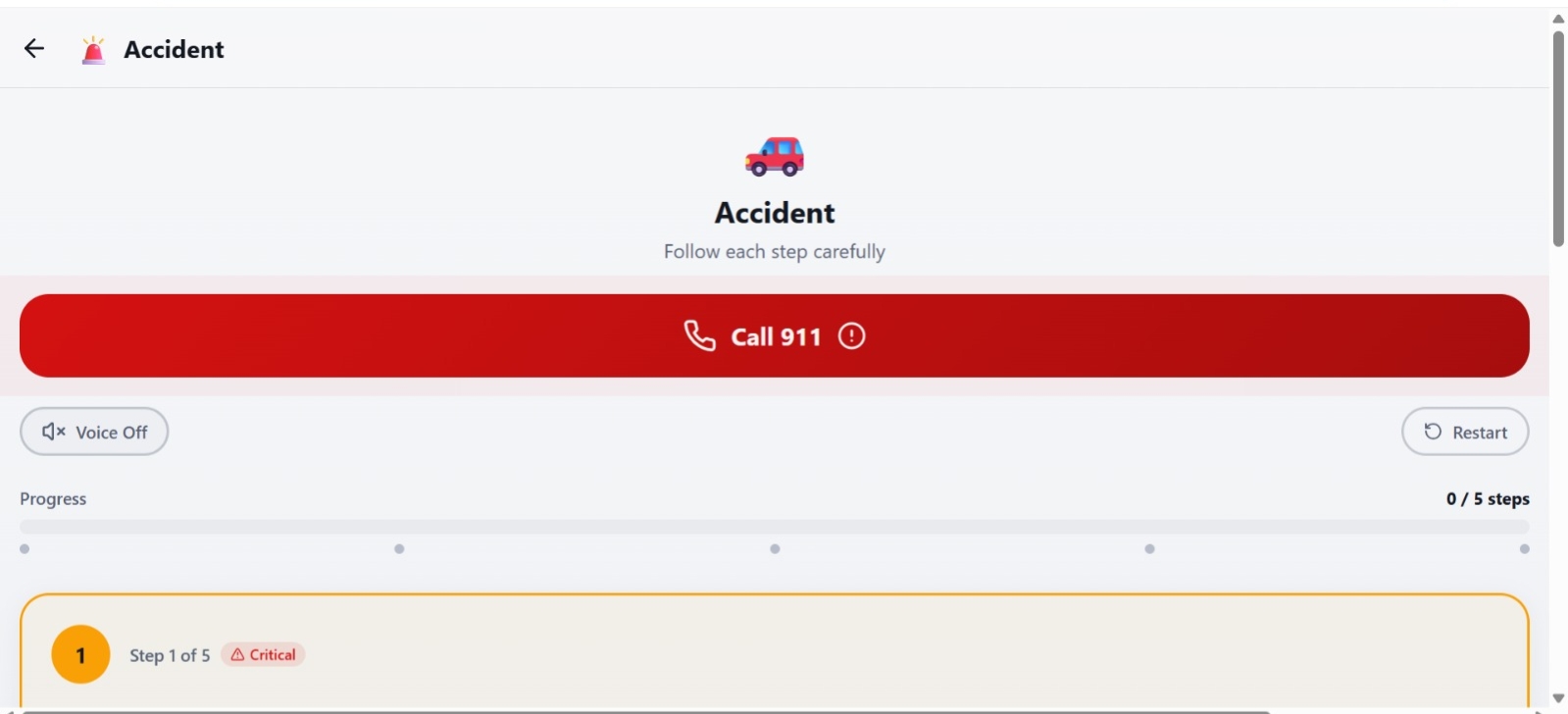
Accident Page
-
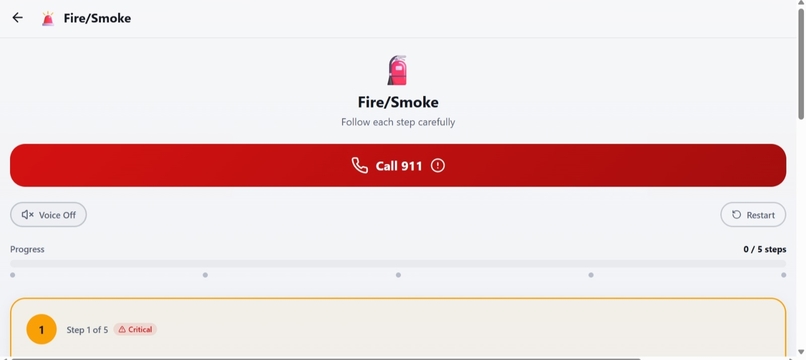
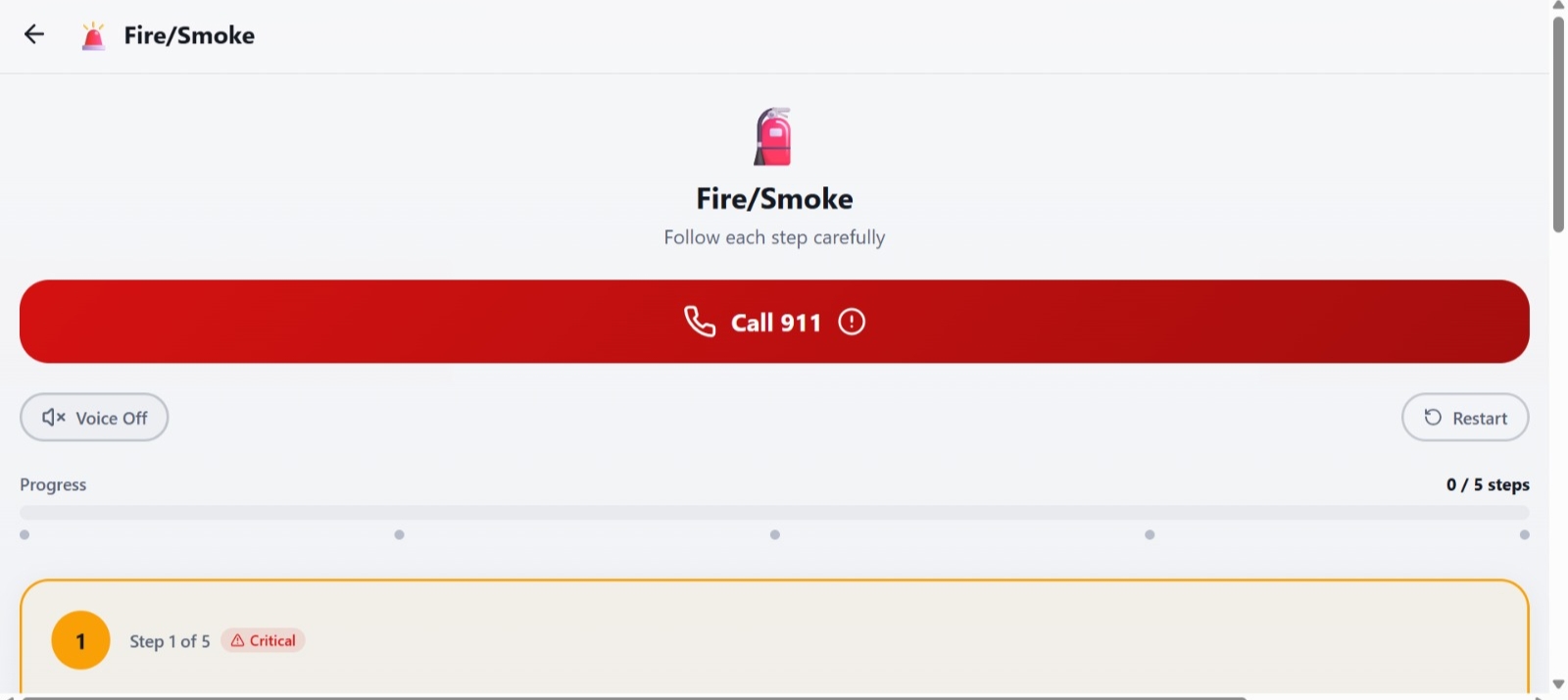
Fire/Smoke Page
-
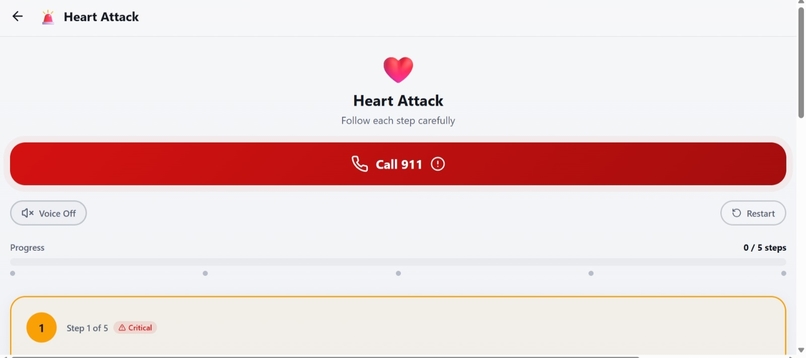
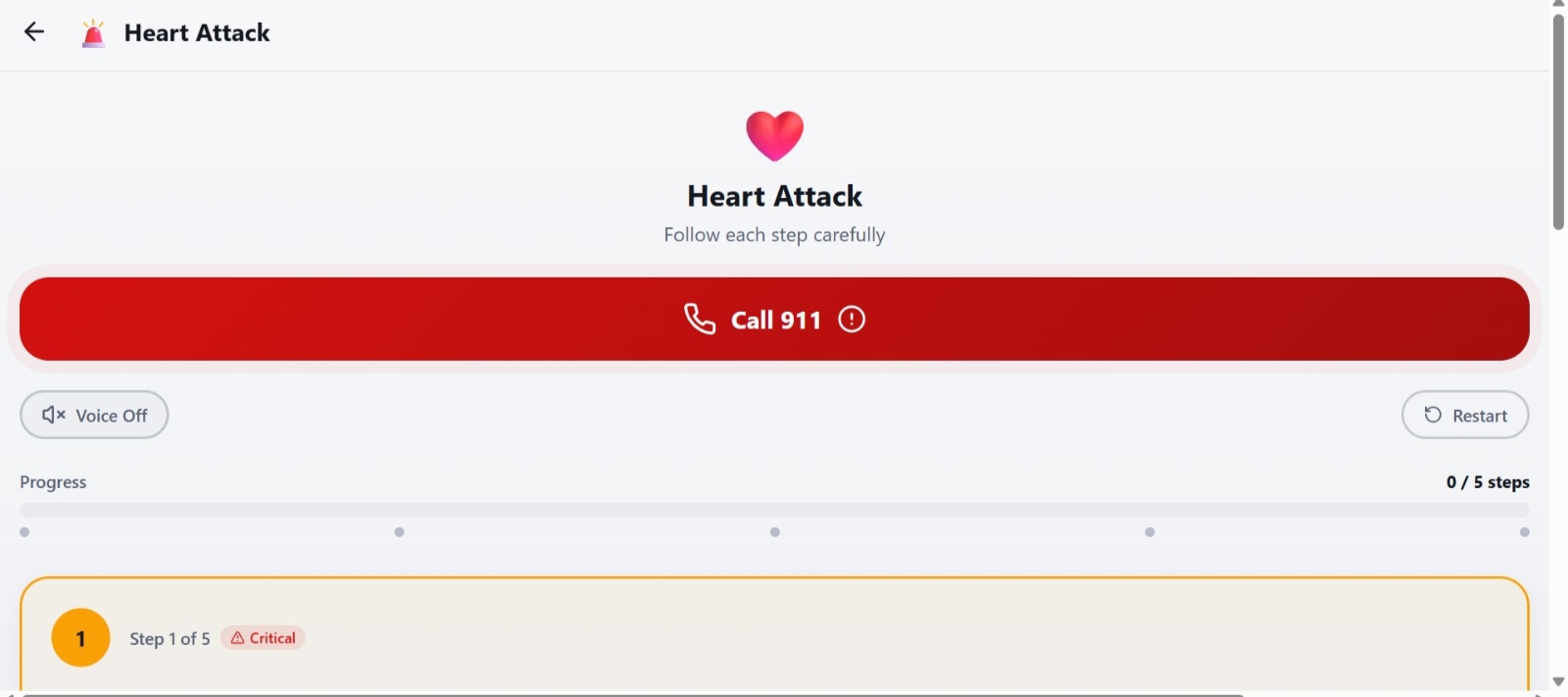
Heart Attack Page
Inspiration
In emergencies, time is the most critical resource. While researching existing emergency and AI-based solutions, we noticed a common and dangerous assumption: reliable internet access. In real-world scenarios—rural areas, disasters, travel accidents, or power outages—connectivity often fails. This gap inspired us to build LifeLine AI, an assistant that works when everything else doesn’t.
What It Does
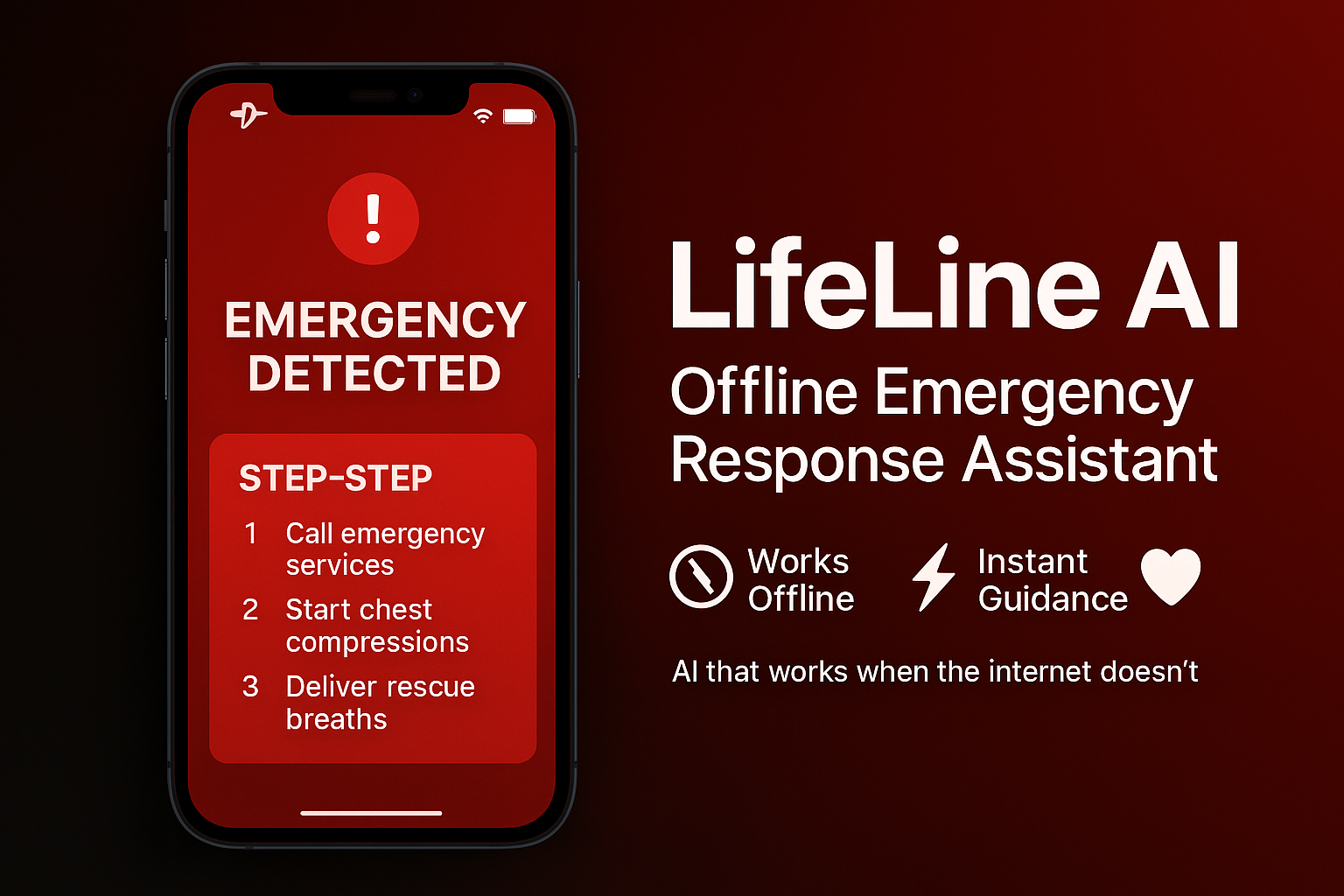
LifeLine AI is an offline-first emergency response assistant that helps users act immediately during critical situations. It detects the type of emergency and provides clear, step-by-step life-saving instructions in real time.
The system is designed to function entirely without internet access, while optionally enabling SOS alerts if connectivity becomes available.
How We Built It
We built LifeLine AI with a strong focus on reliability, simplicity, and speed:
A lightweight on-device ML model classifies emergency scenarios locally
All core logic runs offline, ensuring zero dependency on cloud services
The UI is panic-friendly, featuring large buttons, minimal text, and guided steps
Emergency instructions follow structured decision flows rather than long explanations
To optimize performance, we minimized model size and inference time so guidance appears instantly. Conceptually, the goal was to reduce response delay:
Response Time = Detection Time + Instruction Delivery Time
Our design minimizes both components by running locally and avoiding network calls.
Challenges We Faced
One major challenge was balancing AI accuracy with offline performance. Larger models improved classification but increased latency, so we had to carefully optimize and test lightweight alternatives.
Another challenge was designing instructions that are medically meaningful yet simple enough to follow under stress. We solved this by breaking actions into short, sequential steps supported by visual cues instead of dense text.
What We Learned
This project taught us that impactful AI is not about complexity, but reliability and responsibility. We learned how offline-first design, performance optimization, and user-centered thinking are essential when building systems for high-stakes environments.
Most importantly, we learned that technology can create real value when it is designed for the worst-case scenario, not the ideal one.
What’s Next for LifeLine AI
Our next steps include expanding emergency categories, adding multilingual support, integrating wearable sensor inputs, and collaborating with medical professionals to further validate protocols. Our long-term vision is to make LifeLine AI a globally accessible safety companion.


Log in or sign up for Devpost to join the conversation.