
Inspiration
The alarming number of health risks and fatalities caused by toxic gas exposure in confined spaces like sewers, septic tanks, and industrial plants inspired us to create Lifeline. These incidents highlighted the urgent need for an affordable, real-time safety solution that combines biotechnology and advanced technology to protect workers. Our goal was to merge innovation with compassion to prevent occupational hazards and save lives.
What it does
Overview:
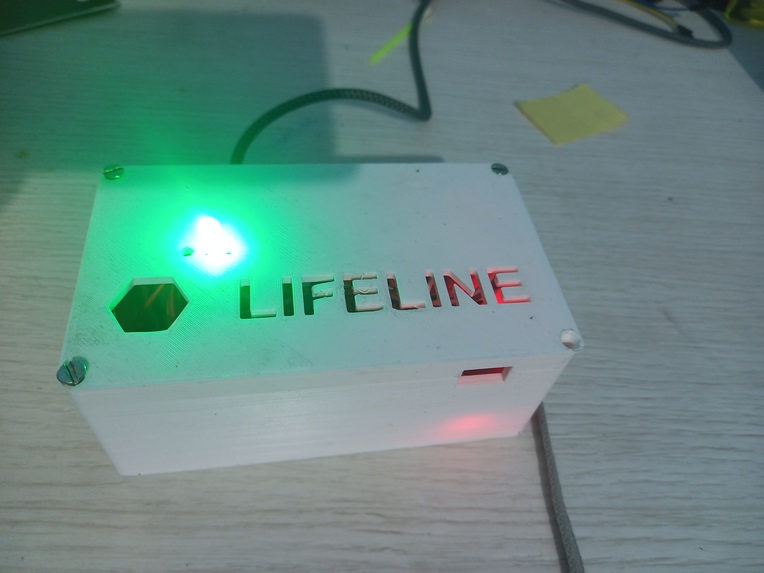
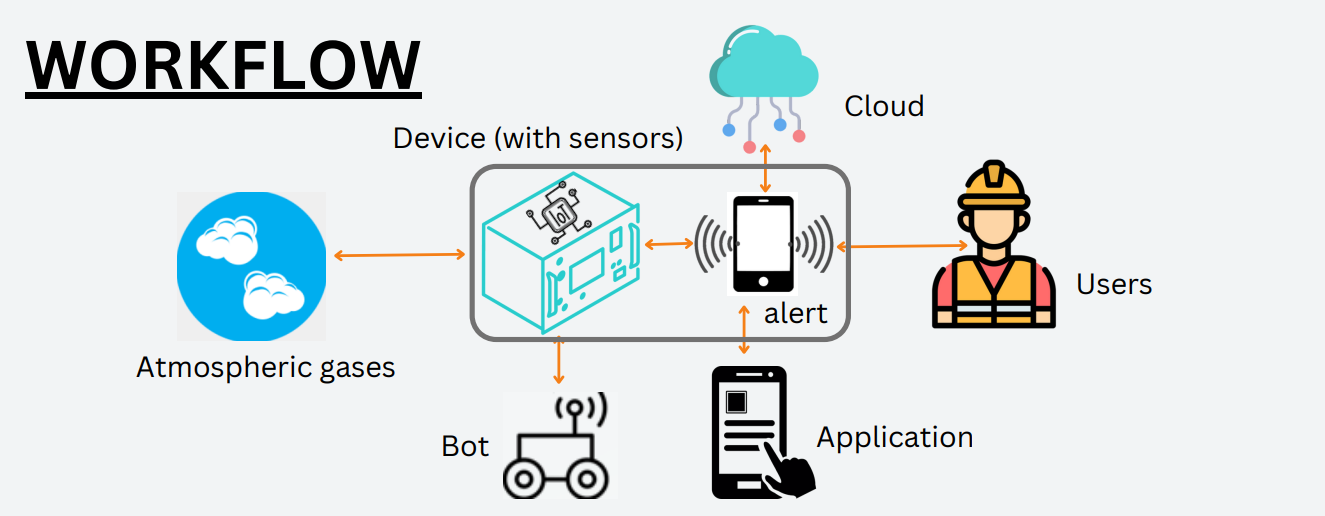
Lifeline is an innovative health tech solution designed to safeguard workers from the dangers of toxic gas exposure in industrial environments. By integrating cutting-edge sensor technology, real-time monitoring, and machine learning, Lifeline provides workers and supervisors with actionable insights that can prevent life-threatening accidents. The system uses IoT-based gas detection devices connected to a cloud platform, offering workers instant alerts and predictive insights that empower them to take immediate action. Lifeline aims to revolutionize workplace safety by preventing exposure to harmful gases and improving overall health and safety standards across industries.
Key Features:
- Real-Time Toxic Gas Detection: Uses gas sensors to monitor air quality and detect harmful gases such as carbon monoxide, hydrogen sulfide, and methane.
- Mobile Alerts: A mobile app alerts workers and supervisors in real time when dangerous levels of gas are detected, allowing for prompt action.
- Machine Learning Analytics: Lifeline’s machine learning algorithms analyze historical data to predict potential hazards, offering advanced warnings of impending dangers.
- Cloud-Based Platform: All sensor data is transmitted to a cloud platform, enabling remote monitoring and real-time insights for managers and safety teams.
- User-Friendly Interface: The mobile app is designed for ease of use by industrial workers in harsh environments, with clear alerts and simple navigation.
Impact:
Lifeline is designed to enhance worker safety, especially in confined spaces like sewers, septic tanks, and industrial plants, where gas exposure is a significant risk. The system can dramatically reduce health-related accidents and fatalities, offering a proactive approach to workplace safety by predicting and preventing hazards before they occur.
How we built it
We developed Lifeline using a multidisciplinary approach:
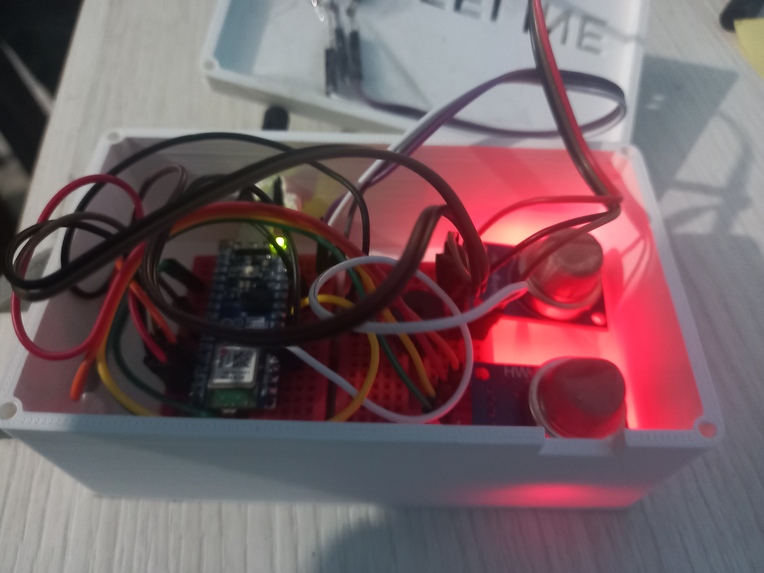
- Hardware: Gas sensors, microcontrollers, and wireless communication modules form the backbone of the detection system.
- Software: A cloud-based platform processes and stores data, enabling real-time monitoring.
- Mobile App: A user-friendly app provides alerts, historical data, and predictive insights to workers and supervisors.
- Machine Learning: AI models analyze historical data to predict potential hazards and optimize safety measures.
Challenges we ran into
- Reliable Communication: Ensuring uninterrupted data transmission in confined, signal-restricted spaces like sewers and tanks was a significant hurdle.
- Hardware Durability: Designing sensors to withstand harsh industrial environments while maintaining accuracy was challenging.
- Affordability: Balancing cost-effectiveness with the reliability of the system was critical to making it accessible to industries with limited resources.
Accomplishments that we're proud of
- Developed a fully functional prototype capable of real-time gas detection, monitoring, and alerts.
- Successfully implemented machine learning algorithms to predict potential hazards based on historical data trends.
- Designed a robust and intuitive mobile app that empowers workers and supervisors with actionable insights.
- Addressed signal loss issues by optimizing wireless communication in underground environments.
What we learned
- Interdisciplinary Collaboration: Integrating sensor technology, cloud computing, and machine learning requires close teamwork across disciplines.
- Biological Impact Awareness: Understanding how toxic gases affect human health guided our system design and safety priorities.
- Design Optimization: Building for industrial environments taught us to prioritize durability, usability, and scalability.
What's next for Lifeline
- AI-Driven Insights: Incorporate more advanced predictive analytics to foresee hazards and optimize safety responses.
- Industry Expansion: Adapt Lifeline for use in mining, chemical plants, and other hazardous environments.
- Integration with Regulations: Partner with regulatory bodies to promote Lifeline as a standard occupational safety solution.
- Enhanced Features: Add wearable devices for workers, integrating heart rate and oxygen saturation monitoring to provide comprehensive health safety insights.
