Inspiration
We're surrounded by things we can't quite name. A gadget on a shelf with no price tag, a plant that's slowly dying, a plate of food with unknown calories, a document in a language we don't read. The knowledge exists online ? but the gap between seeing something and understanding it is a dozen taps: unlock, search, type a clumsy description, sift results.
I wanted to close that gap to a single gesture: point your camera at anything, and know everything. The Qwen Cloud hackathon's EdgeAgent track was the perfect fit ? a device that perceives the world through its sensors, reasons in the cloud, and acts locally. That's exactly the loop LifeLens runs.
What it does
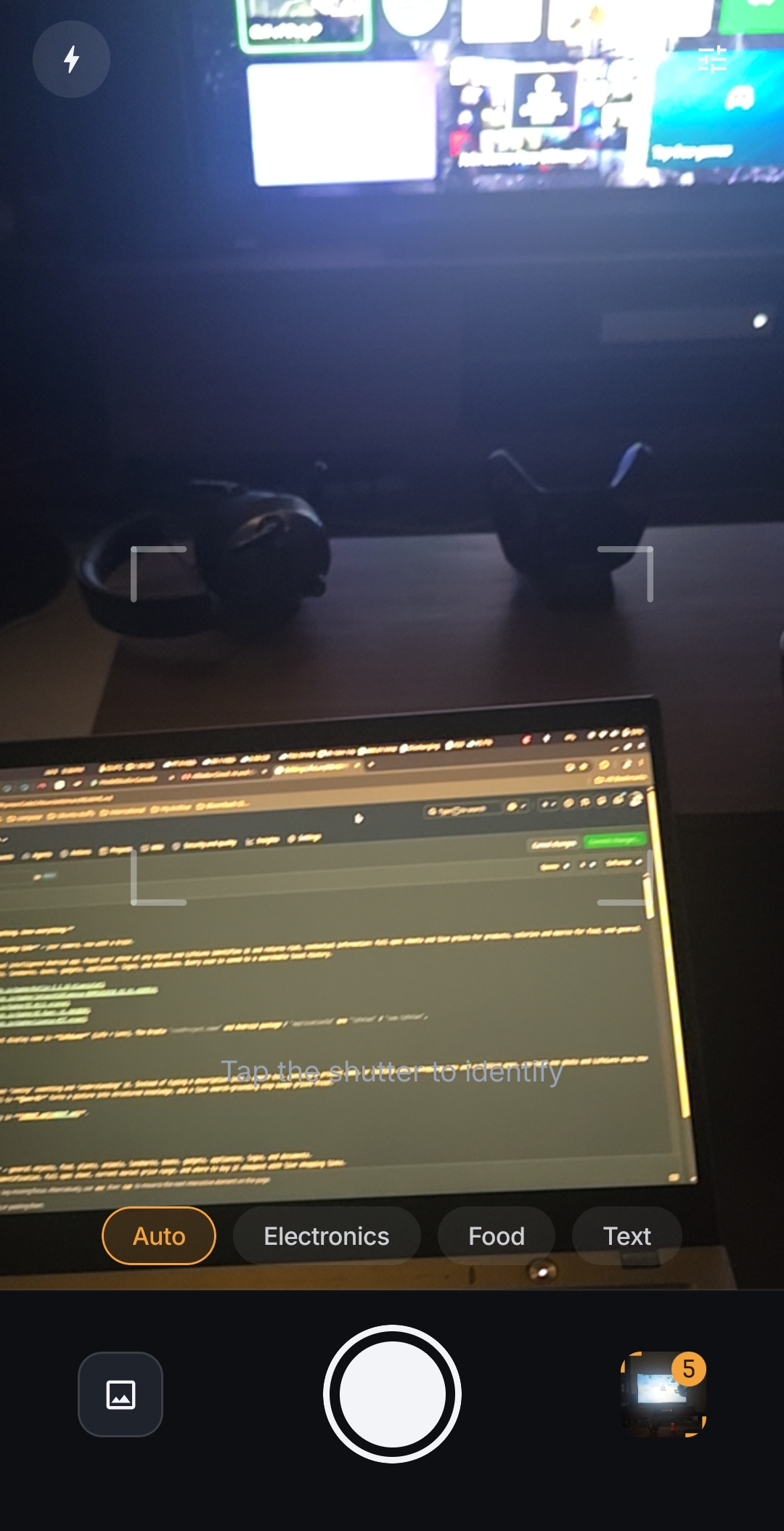
LifeLens turns your phone camera into a universal "what is this?" agent. You point, and it:
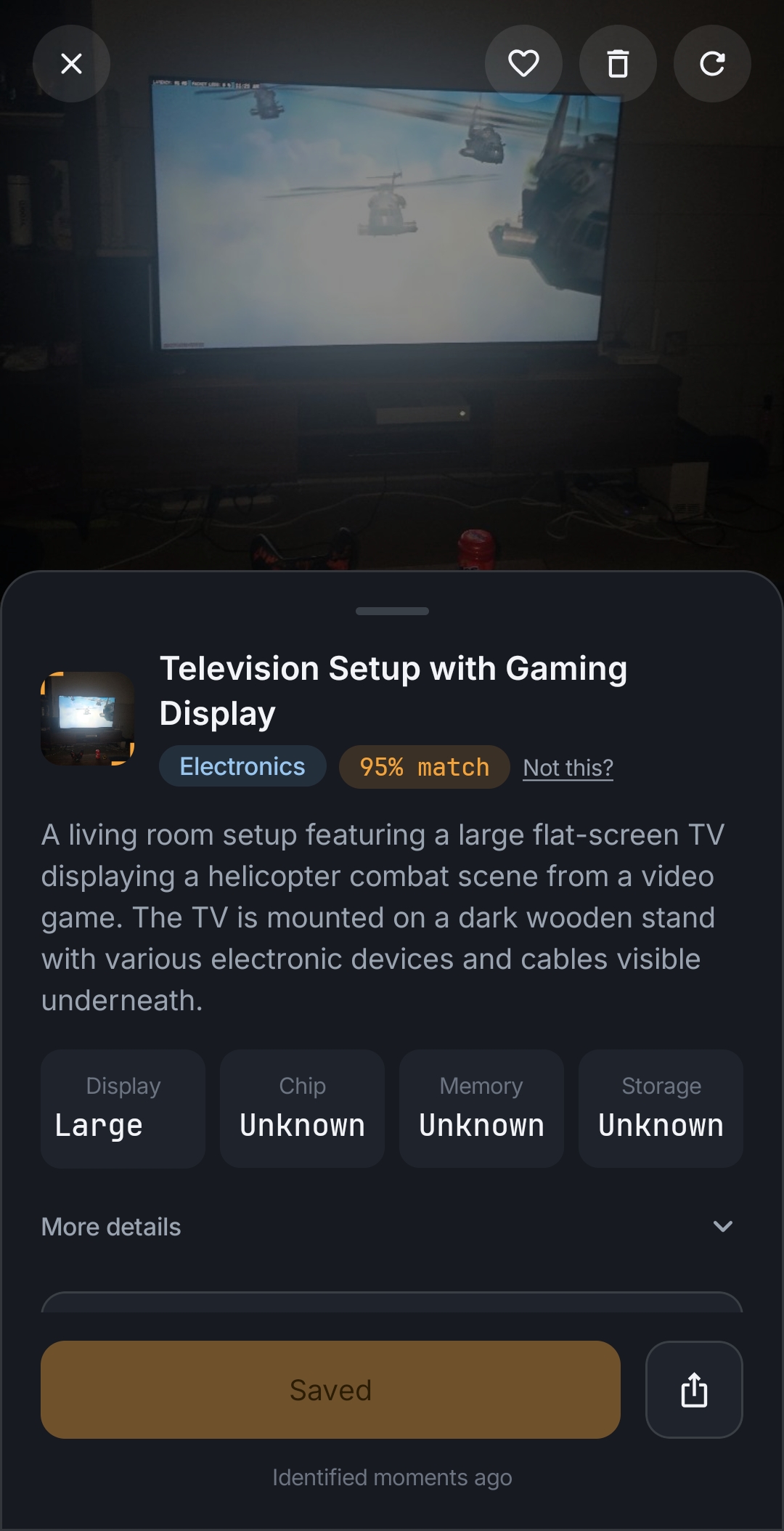
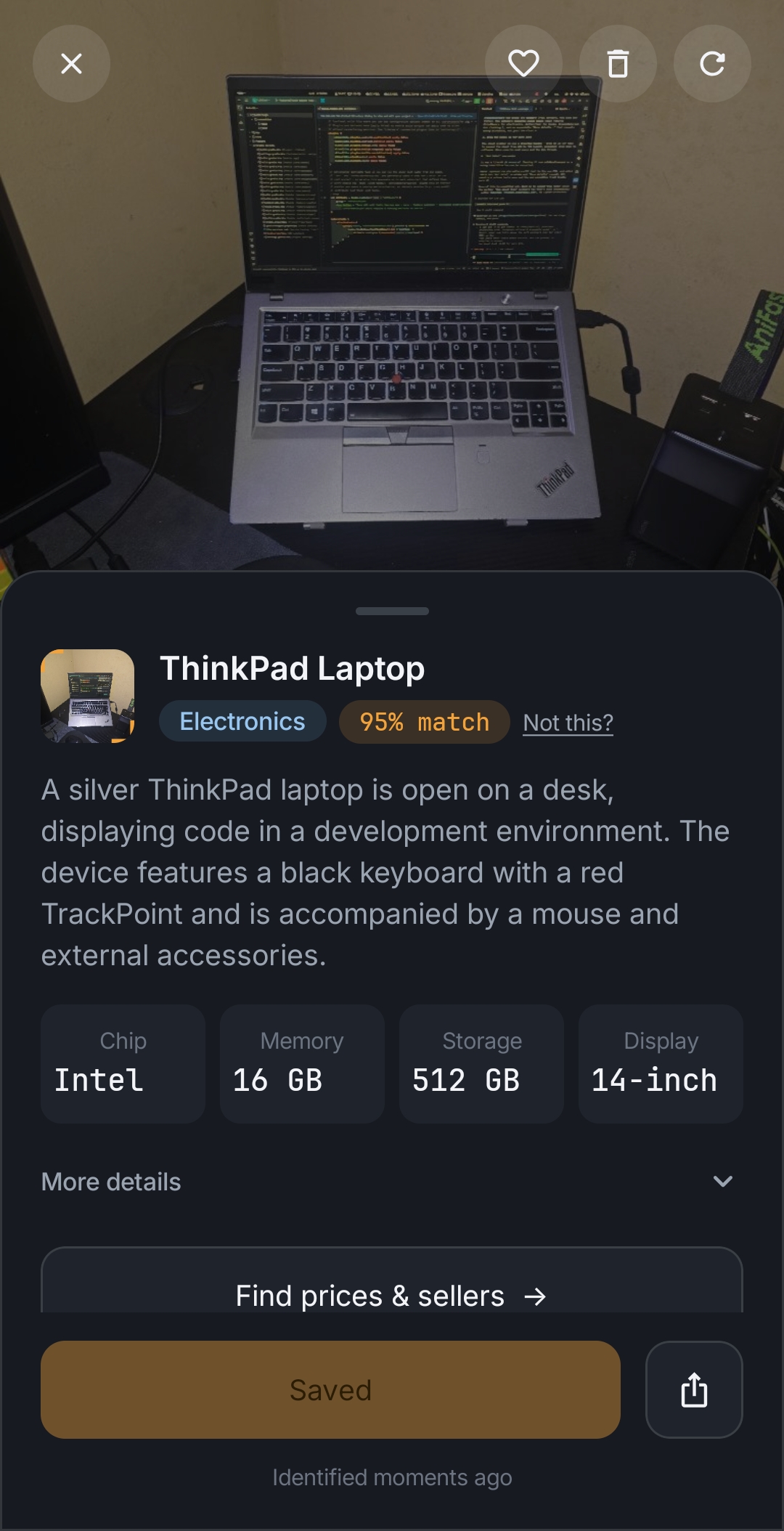
- Identifies the subject with Qwen-VL and returns a structured result ? title, category, confidence, and salient attributes.
- Adapts the result to what you scanned. A
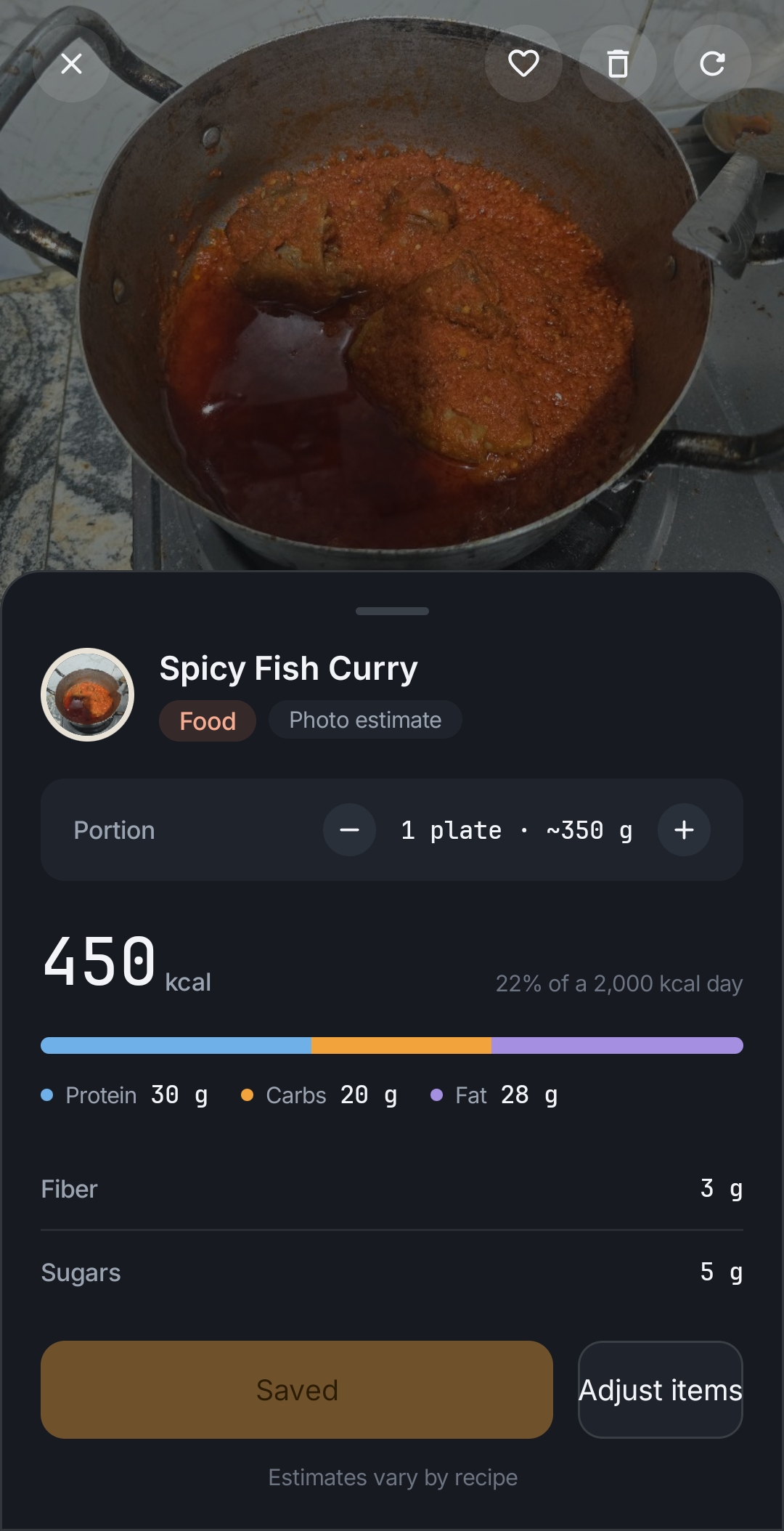
CategoryHandlerpolicy routes each object type to its own view:- ? Food ? nutrition & macros with a portion stepper
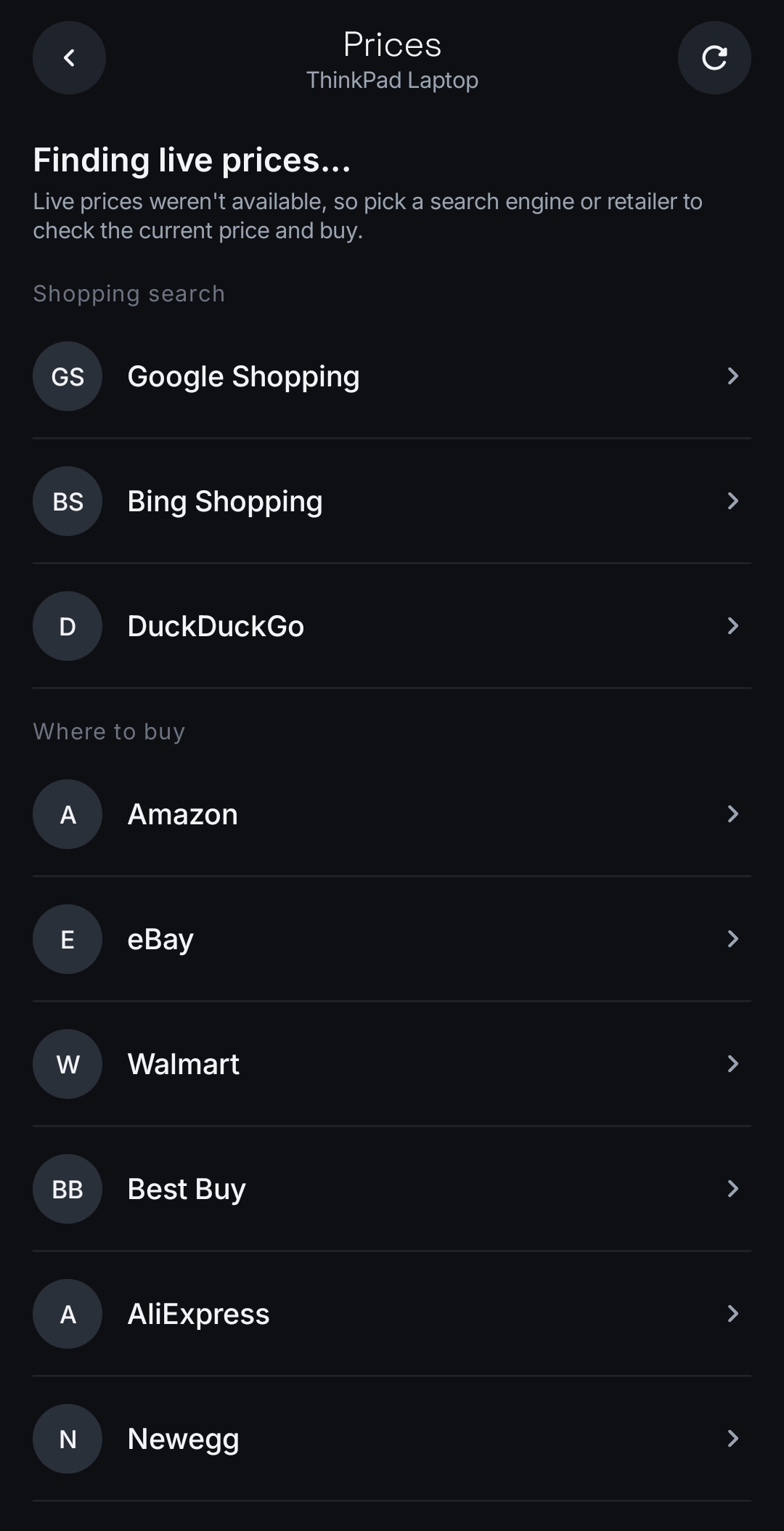
- ? Electronics / products ? spec sheet + a live price range and where to buy
- ? Plants ? a care card (light, water, pet-safety)
- ? Documents ? transcribed text
- ? Books / ? clothing ? tailored details
- Grounds prices in real listings by querying several search engines and always surfaces a "Where to buy" list (Google/Bing/DuckDuckGo Shopping + Amazon, eBay, Walmart, Best Buy, and more) ? localized to your currency when you share location.
- Runs autonomously with an Auto-scan mode that identifies a steady subject with no shutter tap.
- Lets you interrogate the object. An "Ask about this" thread seeds a Qwen chat with the identification context, so you can ask follow-ups conversationally.
- Keeps working when the network doesn't ? an offline last-result fallback and graceful degradation instead of dead-ends.
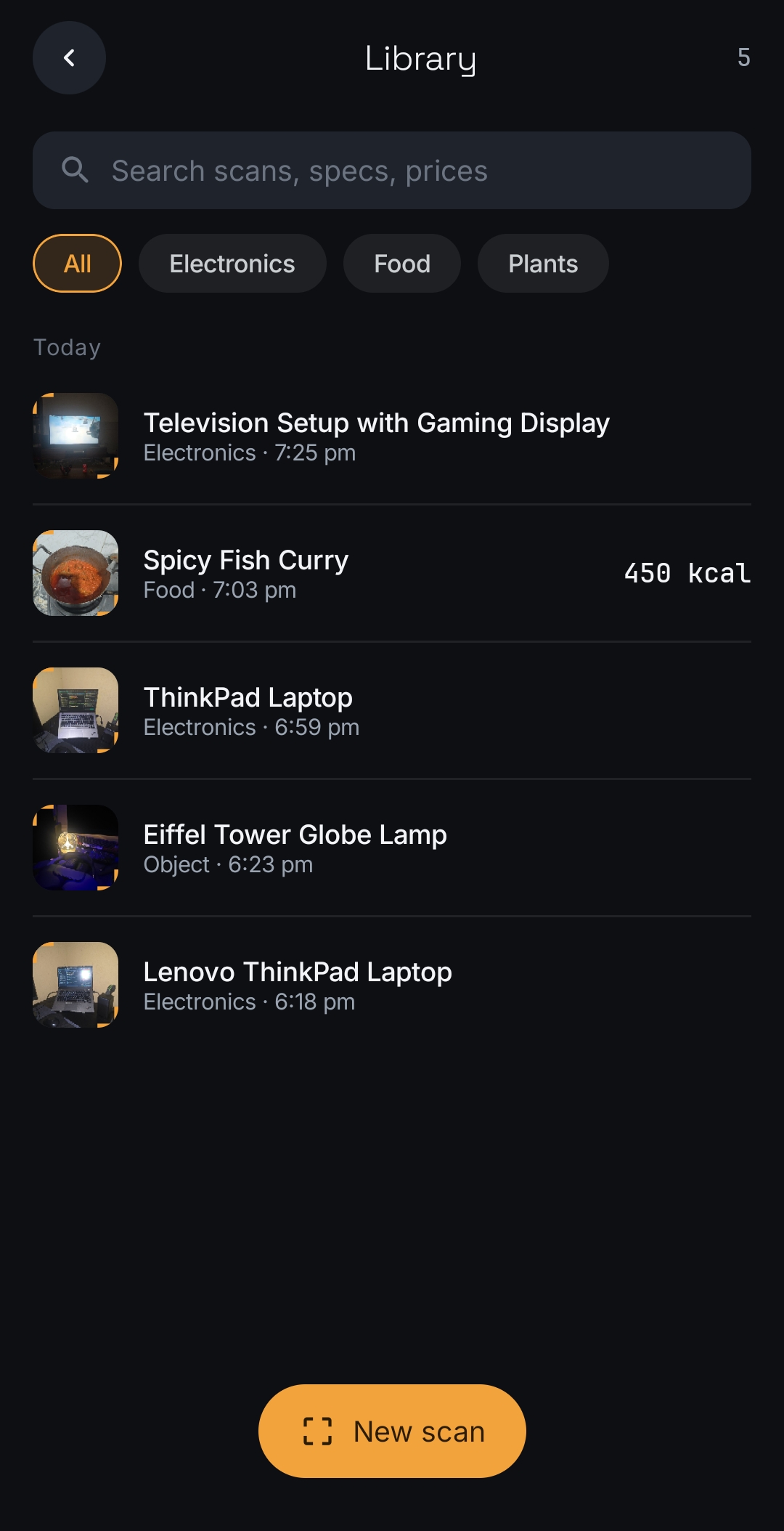
Everything is saved to a private, on-device library you can search, favorite, and revisit.
How we built it
Qwen is the single brain. One multimodal model ? qwen-vl-max, served by Alibaba Cloud Model Studio (Qwen Cloud / DashScope) through its OpenAI-compatible endpoint ? does both the vision understanding and the natural-language synthesis of grounded search results and follow-up answers. The agent's control loop is perceive ? reason ? route ? act ? (optionally) converse.
The app is a 15-module Android codebase built on modern Android:
- Jetpack Compose + Material 3 for a fully custom, edge-to-edge UI
- Hilt for DI, Coroutines + Flow with a
StateFlowunidirectional data flow - CameraX for capture and live framing
- Retrofit + OkHttp + kotlinx.serialization for the Qwen calls, with defensive JSON parsing
- Room (history) + DataStore (settings/keys), Coil for images
- build-logic convention plugins and a Gradle version catalog to keep modules consistent
- 150+ unit & Compose tests that run entirely on the JVM via Robolectric, so the whole thing is verifiable without a device
Search grounding is an AggregatingSearchClient that fans out to multiple providers concurrently and merges the results, so pricing survives any single engine failing.
Challenges we ran into
- Getting strict JSON out of an LLM. Qwen occasionally returns values the schema didn't expect ? an array where a string was declared (
"Ingredients": ["rice","water"]), numbers as strings, extra prose around the JSON. I built a tolerant parser that extracts the JSON object and coerces every attribute value to a display string instead of crashing. - "No price found" was unacceptable. Keyless search scraping is inherently flaky (rate limits, shifting markup, consent walls). Instead of dead-ending, I made the buy screen always generate a deterministic list of search engines and retailers to open ? so there's guaranteed a path to buy, with live scraped prices layered on top when available.
- Edge-to-edge polish. Handling the status bar, navigation bar, and the soft keyboard correctly across a draggable result sheet and text inputs took real inset work (nav-bar ? IME) so nothing ever hides behind the keyboard.
- Edge-cloud orchestration. Designing graceful degradation ? offline fallback, location-optional currency, and a default key that works out of the box without ever being exposed ? so the agent is robust in the messy real world.
Accomplishments that we're proud of
- A genuine EdgeAgent loop where a single Qwen-VL model powers perception and reasoning and conversation ? not a bolt-on.
- The category-adaptive result modal: the same camera gesture yields nutrition, specs, plant care, or a transcription depending on what you point at.
- It just works ? a bundled default key and keyless search mean you can install and scan immediately, yet everything degrades gracefully offline.
- A fully JVM-testable multi-module architecture with a large, green test suite.
What we learned
- Treat LLM output as untrusted input: parse defensively and design for the model surprising you.
- Reliability beats cleverness for grounding ? a guaranteed set of buy links serves the user better than a fragile scraper that sometimes returns a perfect price and often returns nothing.
- One capable multimodal model can collapse what used to be several services (vision, NLP, synthesis) into one clean agent loop.
What's next for LifeLens
- Barcode & label reading and multi-item scenes in a single frame.
- Live translation of signs and menus (OCR + translate) as another
CategoryHandler. - Price tracking & alerts on saved items, powered by the existing refresh pipeline.
- On-device history intelligence ? ask questions across everything you've ever scanned.
Built with Qwen-VL on Alibaba Cloud Model Studio, Kotlin, Jetpack Compose, Hilt, CameraX, and Room.
link to download the app: https://drive.google.com/file/d/1rQUHAEhdUZattOlfVl0koNiHNpeJ7Olj/view?usp=sharing
Built With
- android
- kotlin


Log in or sign up for Devpost to join the conversation.