-
-
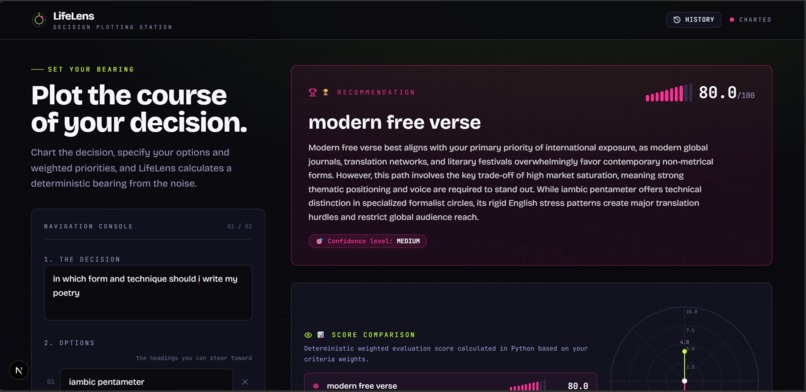
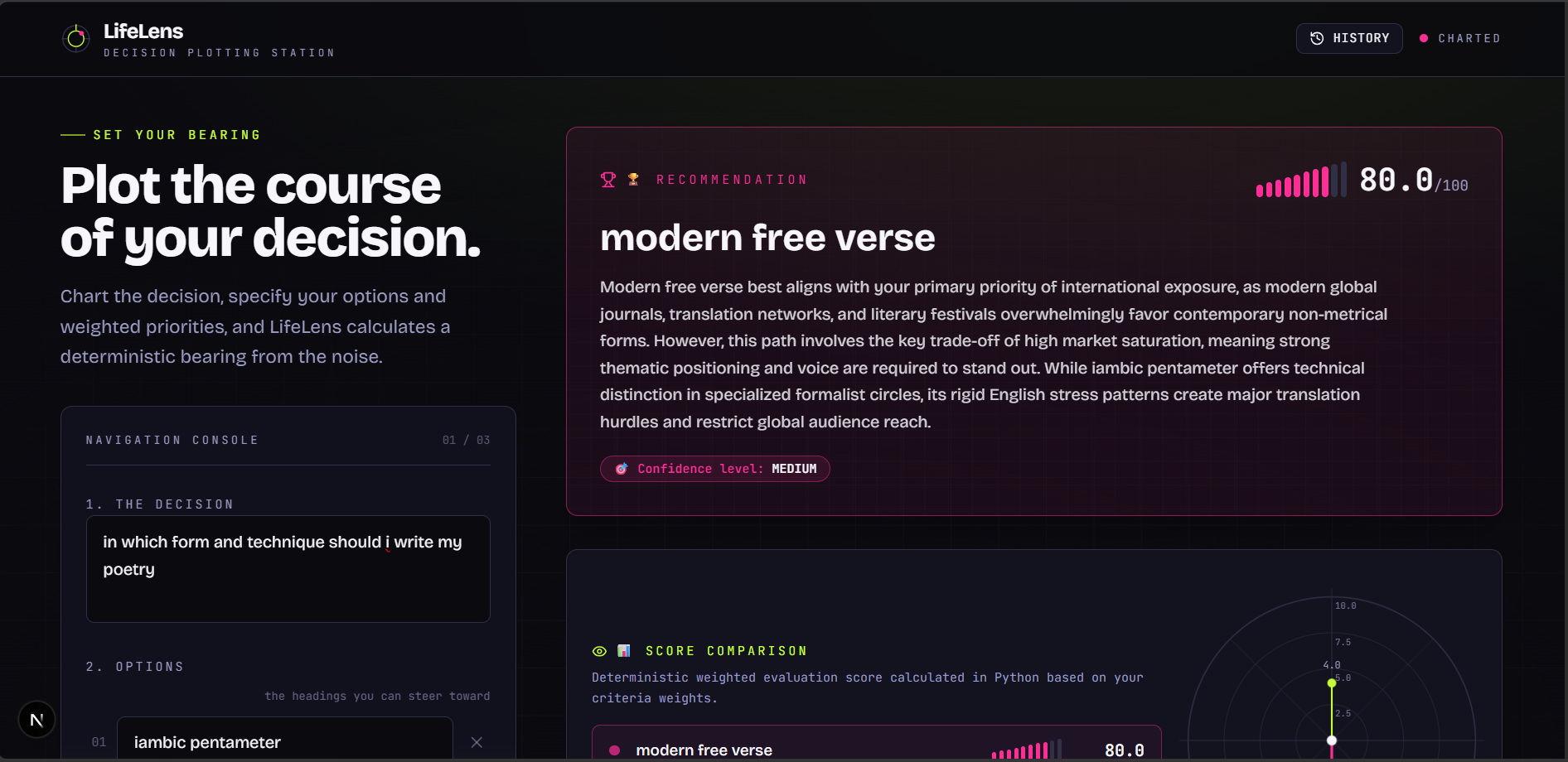
Dashboard after plot bearing
-
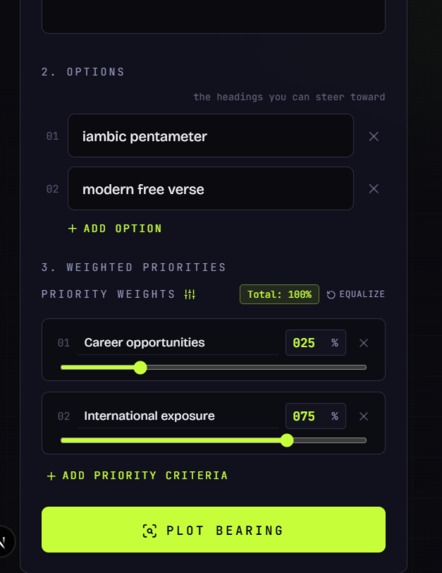
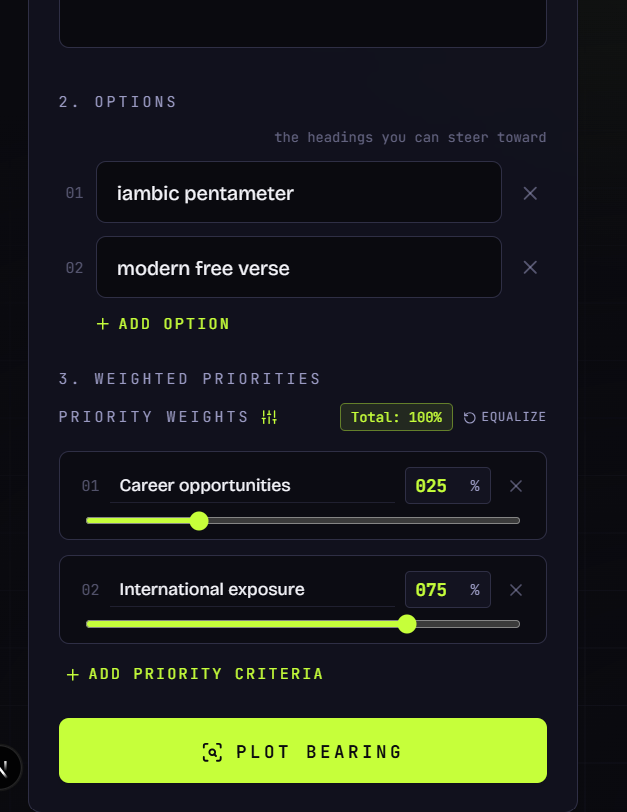
Our Decision, Available options, Priorities
-
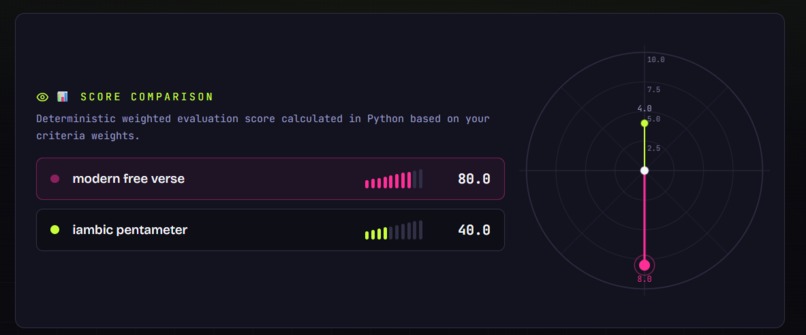
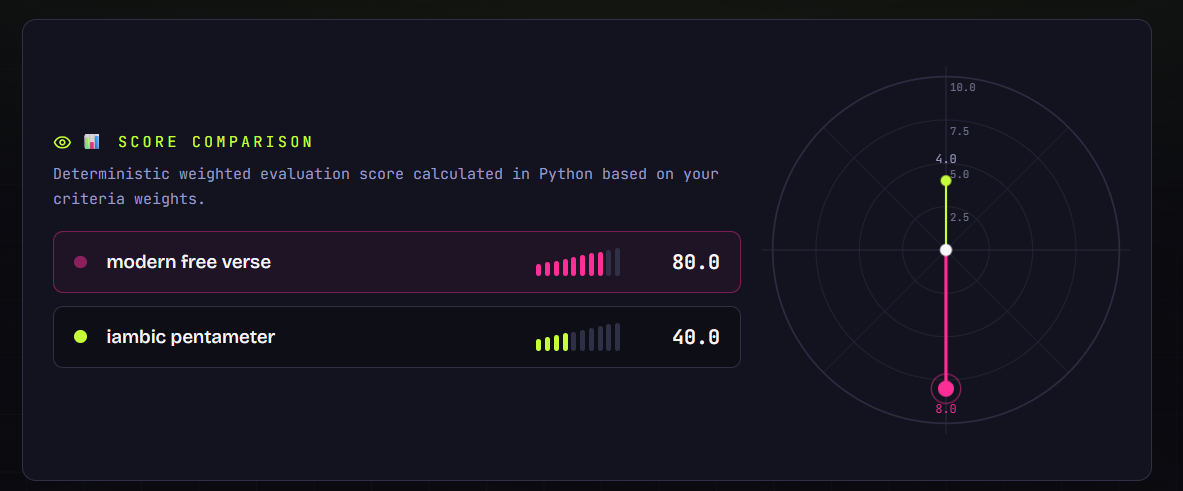
Models score calculation
-
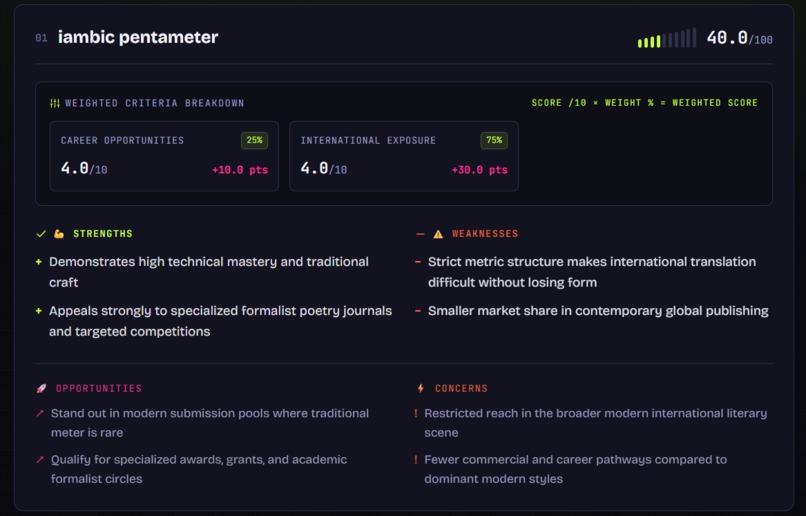
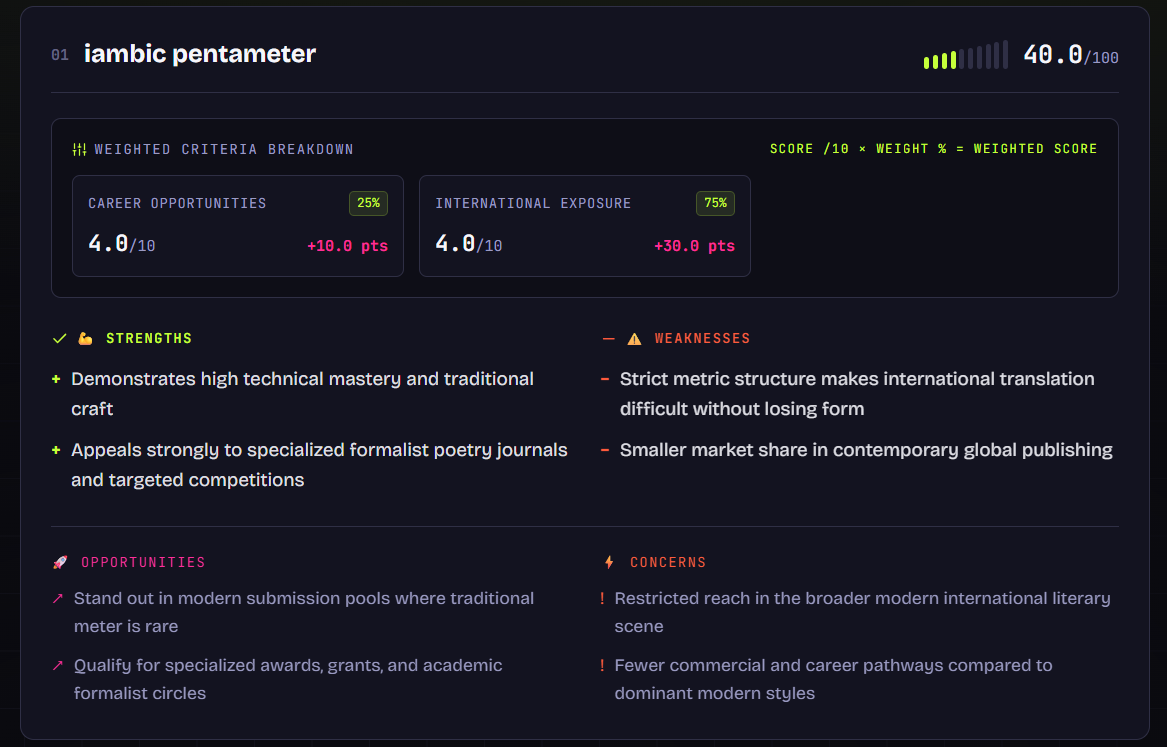
Evaluation of the option 1
-
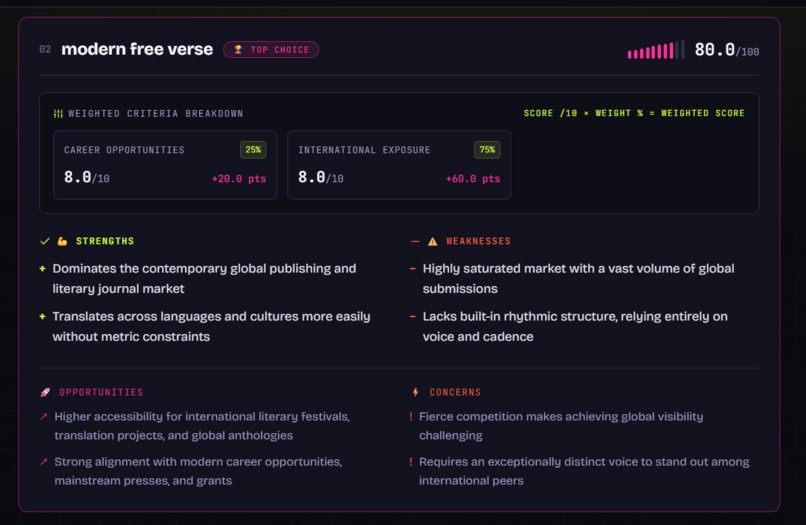
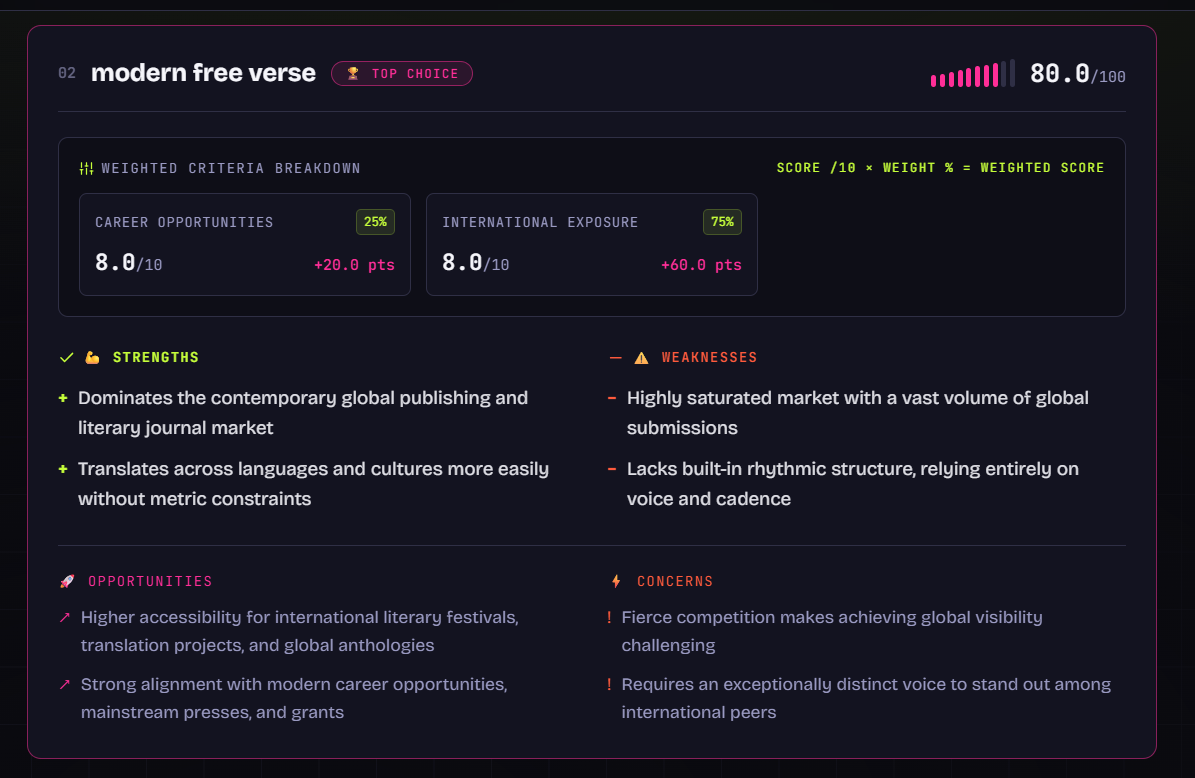
Evaluation of option 2
-
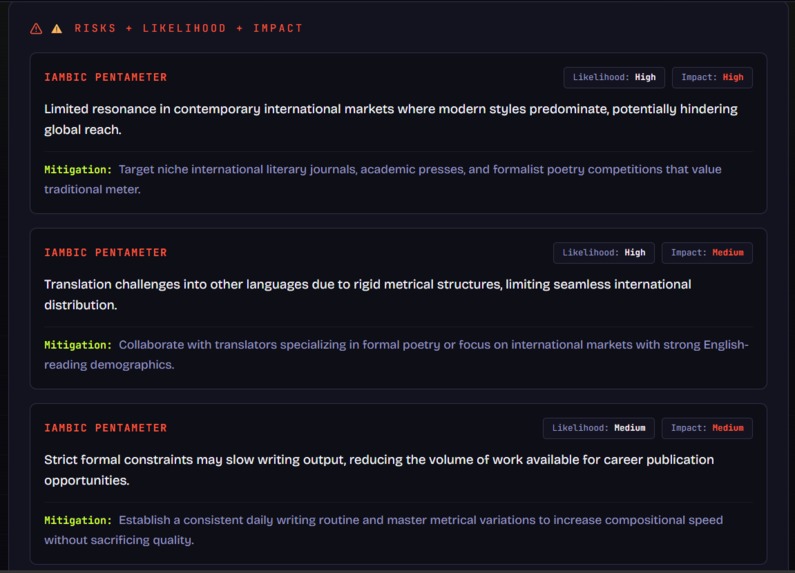
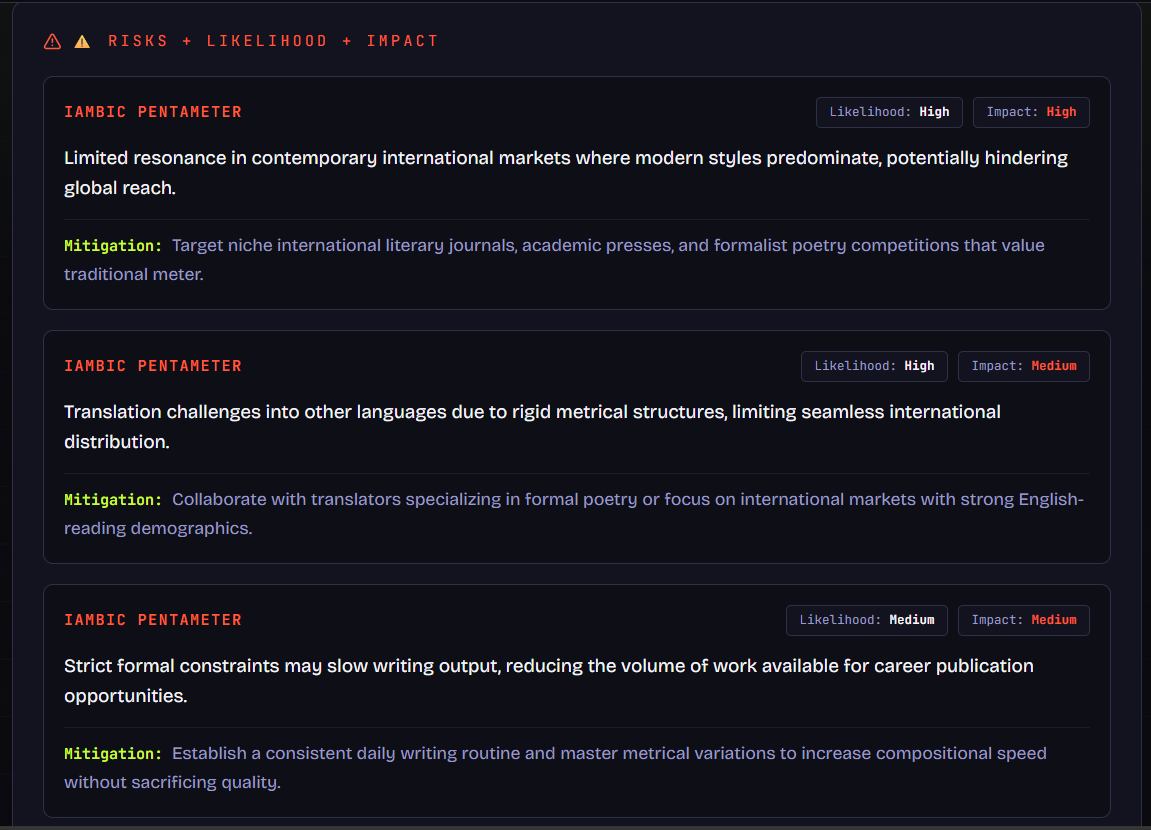
Risks involved in option 1
-
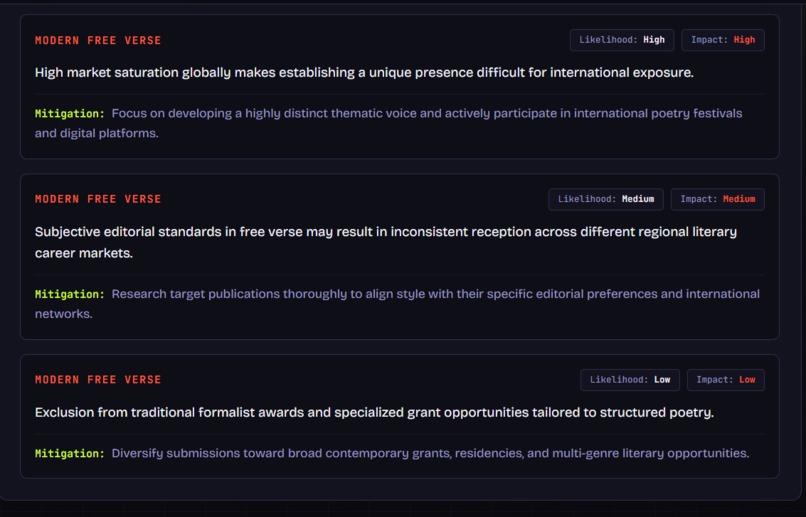
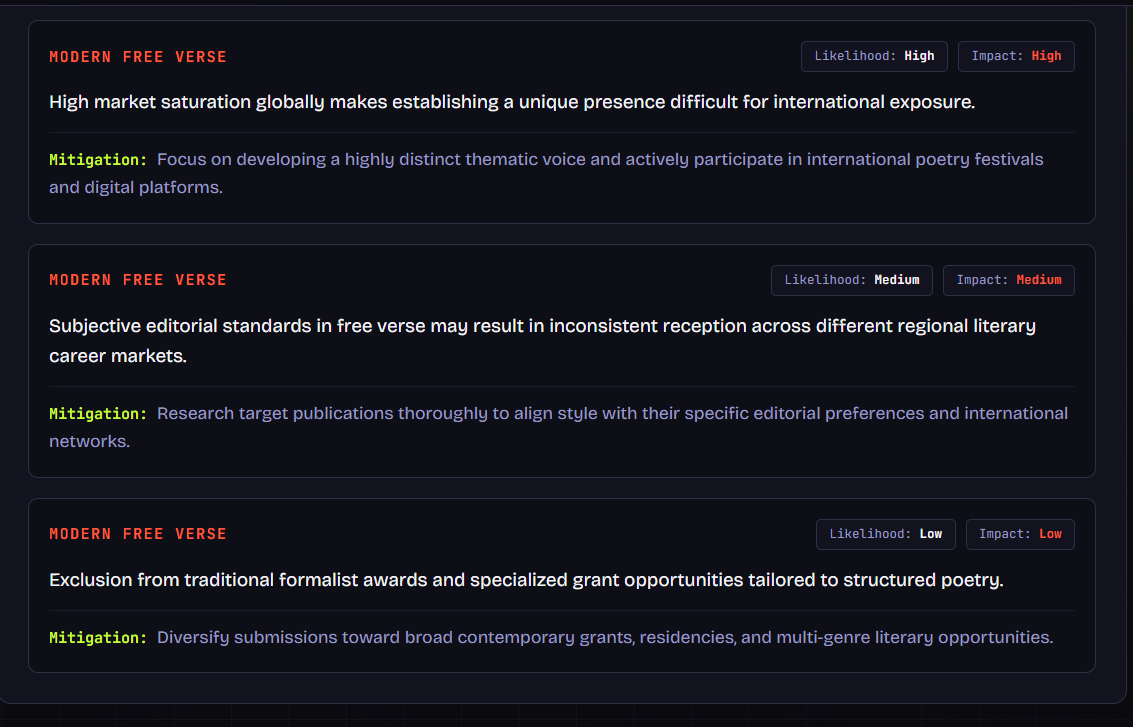
Risks involved in option 2
-
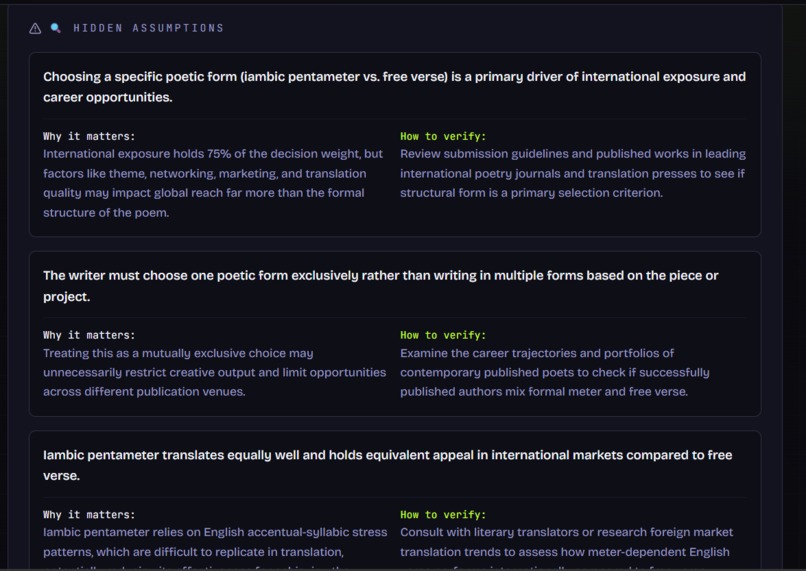
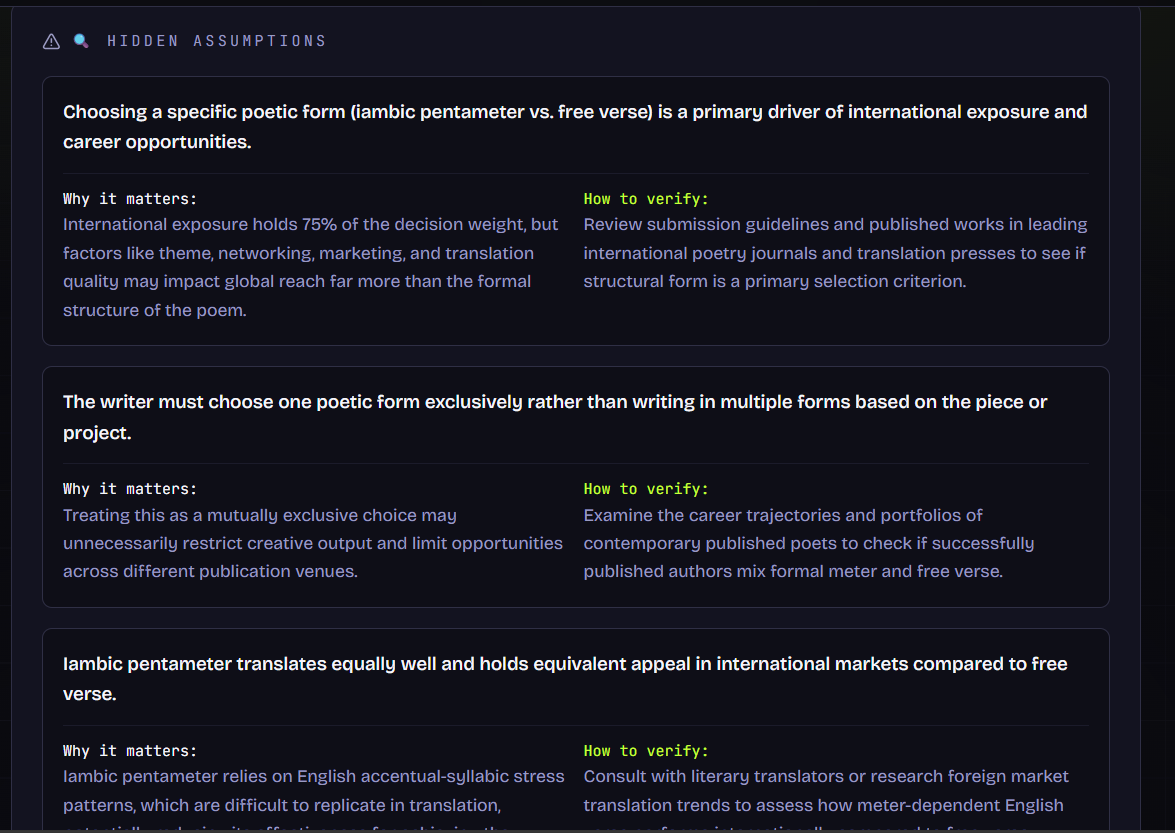
Hidden assumption
-
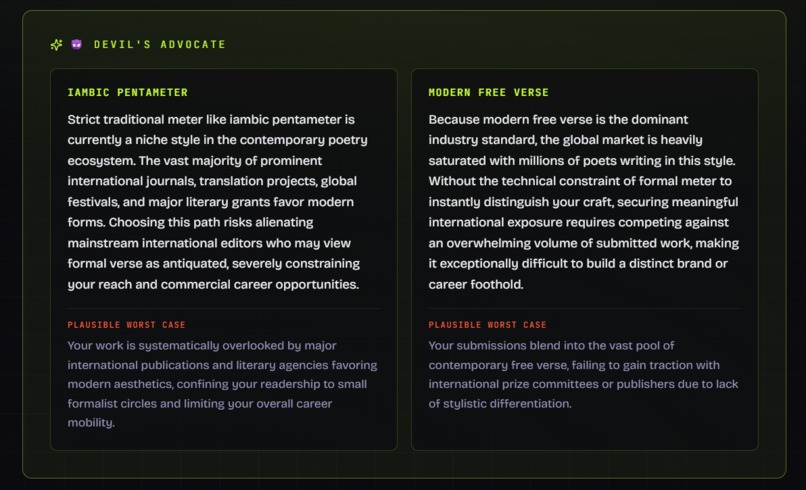
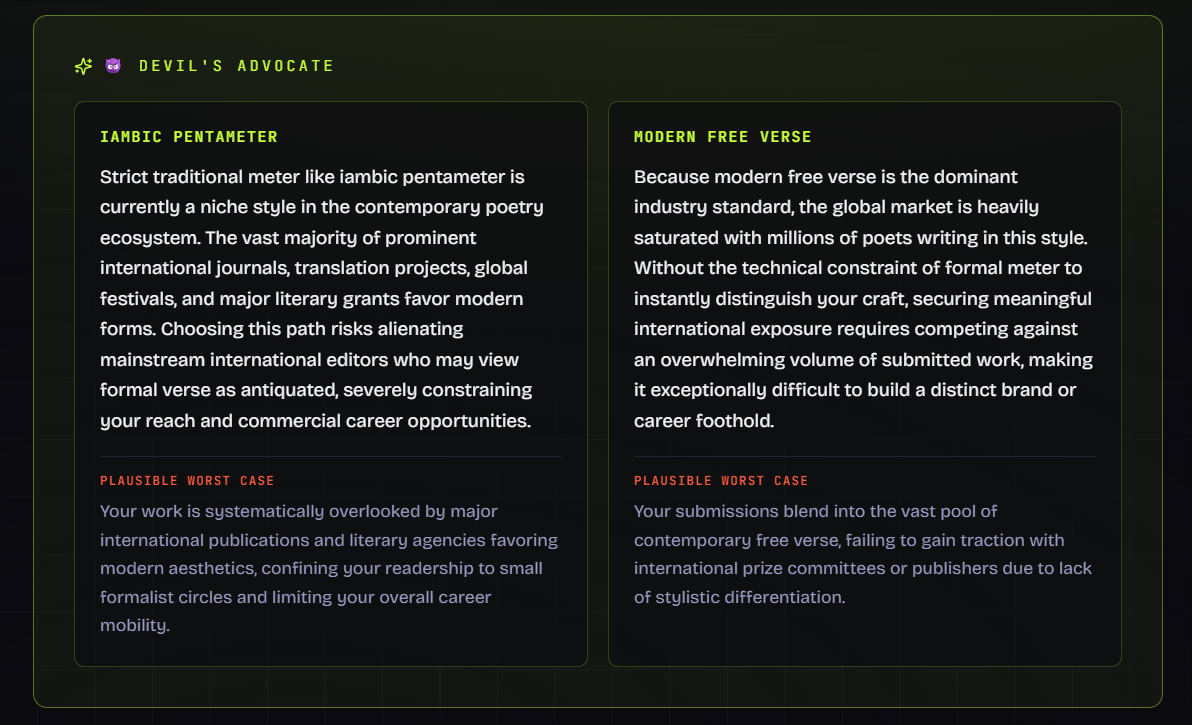
Devils advocate
-
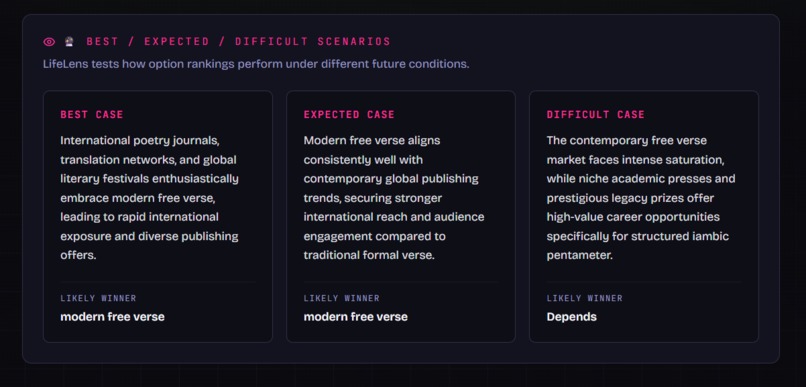
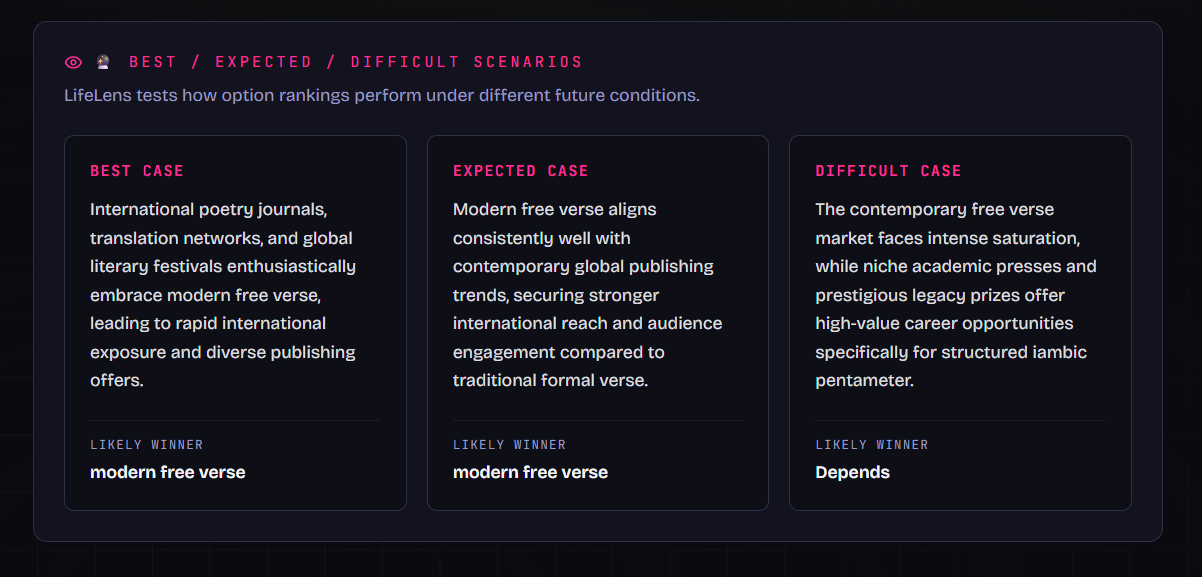
Best,Expected and Difficult case
Inspiration
Making important decisions is difficult, especially when there are multiple options, limited information, financial constraints, and personal priorities involved. Whether someone is deciding between universities, career paths, startup ideas, or other major life choices, they often receive conflicting advice from different sources.
LifeLens AI was inspired by a simple idea: AI should not just tell people what to choose—it should help them understand their choices.
We wanted to build a system that looks beyond a simple chatbot response and helps users analyze their situation from multiple perspectives, including benefits, risks, constraints, assumptions, and trade-offs.
What it does
LifeLens AI is an AI-powered decision simulator that helps users analyze complex decisions in a structured and explainable way.
Users describe their situation, define their available options, and provide information about their goals, constraints, and priorities. LifeLens then processes the decision through multiple stages:
-Understanding the user's situation and goals -Extracting important constraints and priorities -Analyzing the strengths and weaknesses of each option -Identifying potential risks and hidden assumptions -Comparing trade-offs between options -Scoring options based on relevant factors -Using a Devil's Advocate stage to challenge the user's thinking -Generating an explainable final recommendation Instead of simply saying, "Choose Option A," LifeLens explains why an option may be better, what risks are involved, and under what conditions another option could become the stronger choice.
How we built it
We built LifeLens AI as a full-stack web application with a structured AI-powered decision workflow.
The frontend provides an interactive experience where users can enter their decision, describe their situation, and compare different options.
The backend processes this information through multiple stages. AI is used to understand qualitative information such as user goals, priorities, risks, and assumptions. A separate scoring engine is used to evaluate options more transparently based on defined factors and user preferences.
The overall workflow follows this structure:
User Decision → Decision Analysis → Constraint Extraction → Option Analysis → Risk & Assumption Detection → Weighted Scoring → Devil's Advocate Review → Final Decision Report By combining AI reasoning with structured application logic, we aimed to create a system where recommendations are not just generated, but supported by a visible decision-making process.
Challenges we ran into
One of our biggest challenges was avoiding the creation of just another AI chatbot.
A simple approach would have been to send the user's decision to an LLM and display its response. However, this would make the recommendations difficult to evaluate and potentially inconsistent.
To address this, we broke the decision-making process into multiple stages, each with a specific purpose. This allowed us to separate understanding the user's situation from analyzing options, identifying risks, scoring factors, and generating the final recommendation.
Another challenge was designing a system flexible enough to handle different types of decisions. A university decision may involve cost, rankings, and career opportunities, while a career decision may involve skills, salary, interests, and future demand. We needed to design LifeLens so that its workflow could adapt to different contexts while still maintaining a consistent decision-making structure.
Accomplishments that we're proud of
We are proud that LifeLens AI goes beyond simply generating AI advice.
The project combines AI-powered analysis with a structured and explainable decision workflow. Instead of hiding the reasoning behind a recommendation, LifeLens highlights important factors such as risks, assumptions, trade-offs, and user priorities.
We are also proud of the Devil's Advocate component, which actively challenges a user's assumptions and explores possible weaknesses in a plan. This helps make the system more useful than an assistant that simply agrees with the user.
Most importantly, we created a project focused on decision support rather than decision replacement. LifeLens does not make choices for users—it gives them a clearer understanding of their options so they can make better-informed decisions themselves.
What we learned
Building LifeLens AI taught us that complex AI tasks can be improved by breaking them into smaller, structured steps instead of relying on a single prompt.
We learned more about designing AI workflows, extracting structured information from natural language, handling different types of user constraints, and combining LLM reasoning with deterministic scoring logic.
We also learned about the importance of explainability. AI-generated recommendations can appear confident even when important assumptions or risks are missing. Designing a system that surfaces those assumptions and challenges the user's thinking became one of the most important parts of the project.
Most importantly, we learned that AI can be most valuable not when it replaces human decision-making, but when it helps people think more critically and see perspectives they may have missed.
What's next for LifeLens AI
LifeLens AI — Project Story Inspiration
Making important decisions is difficult, especially when there are multiple options, limited information, financial constraints, and personal priorities involved. Whether someone is deciding between universities, career paths, startup ideas, or other major life choices, they often receive conflicting advice from different sources.
LifeLens AI was inspired by a simple idea: AI should not just tell people what to choose—it should help them understand their choices.
We wanted to build a system that looks beyond a simple chatbot response and helps users analyze their situation from multiple perspectives, including benefits, risks, constraints, assumptions, and trade-offs.
What it does
LifeLens AI is an AI-powered decision simulator that helps users analyze complex decisions in a structured and explainable way.
Users describe their situation, define their available options, and provide information about their goals, constraints, and priorities. LifeLens then processes the decision through multiple stages:
Understanding the user's situation and goals Extracting important constraints and priorities Analyzing the strengths and weaknesses of each option Identifying potential risks and hidden assumptions Comparing trade-offs between options Scoring options based on relevant factors Using a Devil's Advocate stage to challenge the user's thinking Generating an explainable final recommendation
Instead of simply saying, "Choose Option A," LifeLens explains why an option may be better, what risks are involved, and under what conditions another option could become the stronger choice.
How we built it
We built LifeLens AI as a full-stack web application with a structured AI-powered decision workflow.
The frontend provides an interactive experience where users can enter their decision, describe their situation, and compare different options.
The backend processes this information through multiple stages. AI is used to understand qualitative information such as user goals, priorities, risks, and assumptions. A separate scoring engine is used to evaluate options more transparently based on defined factors and user preferences.
The overall workflow follows this structure:
User Decision → Decision Analysis → Constraint Extraction → Option Analysis → Risk & Assumption Detection → Weighted Scoring → Devil's Advocate Review → Final Decision Report
By combining AI reasoning with structured application logic, we aimed to create a system where recommendations are not just generated, but supported by a visible decision-making process.
Challenges we ran into
One of our biggest challenges was avoiding the creation of just another AI chatbot.
A simple approach would have been to send the user's decision to an LLM and display its response. However, this would make the recommendations difficult to evaluate and potentially inconsistent.
To address this, we broke the decision-making process into multiple stages, each with a specific purpose. This allowed us to separate understanding the user's situation from analyzing options, identifying risks, scoring factors, and generating the final recommendation.
Another challenge was designing a system flexible enough to handle different types of decisions. A university decision may involve cost, rankings, and career opportunities, while a career decision may involve skills, salary, interests, and future demand. We needed to design LifeLens so that its workflow could adapt to different contexts while still maintaining a consistent decision-making structure.
Accomplishments that we're proud of
We are proud that LifeLens AI goes beyond simply generating AI advice.
The project combines AI-powered analysis with a structured and explainable decision workflow. Instead of hiding the reasoning behind a recommendation, LifeLens highlights important factors such as risks, assumptions, trade-offs, and user priorities.
We are also proud of the Devil's Advocate component, which actively challenges a user's assumptions and explores possible weaknesses in a plan. This helps make the system more useful than an assistant that simply agrees with the user.
Most importantly, we created a project focused on decision support rather than decision replacement. LifeLens does not make choices for users—it gives them a clearer understanding of their options so they can make better-informed decisions themselves.
What we learned
Building LifeLens AI taught us that complex AI tasks can be improved by breaking them into smaller, structured steps instead of relying on a single prompt.
We learned more about designing AI workflows, extracting structured information from natural language, handling different types of user constraints, and combining LLM reasoning with deterministic scoring logic.
We also learned about the importance of explainability. AI-generated recommendations can appear confident even when important assumptions or risks are missing. Designing a system that surfaces those assumptions and challenges the user's thinking became one of the most important parts of the project.
Most importantly, we learned that AI can be most valuable not when it replaces human decision-making, but when it helps people think more critically and see perspectives they may have missed.
What's next for LifeLens AI
We plan to continue developing LifeLens AI into a more personalized and capable decision-support platform.
Future improvements could include decision history, personalized user profiles, adjustable scoring weights, additional decision categories, and more advanced comparison tools.
We also plan to explore the use of external data sources to strengthen decisions with real-world information where appropriate. For example, education decisions could incorporate university data, while career decisions could consider relevant skills and job-market information.
Another future direction is allowing users to simulate "What if?" scenarios.
For example:
What if my budget increases by 20%? What if I am willing to accept more risk? What if one of my options is no longer available?
This would allow LifeLens AI to become not just a decision analyzer, but a true decision simulation platform that helps users explore how changing circumstances can affect their choices.

Log in or sign up for Devpost to join the conversation.