LifeDrop: Smarter Blood Access for Thalassemia Patients
Inspiration
Every year, thousands of Thalassemia patients in India alone require regular blood transfusions. Yet many suffer due to donor shortages, outdated coordination systems, and lack of timely access. We realized that despite available data and technology, there’s a serious gap in how we match blood donors with recipients—especially during emergencies.
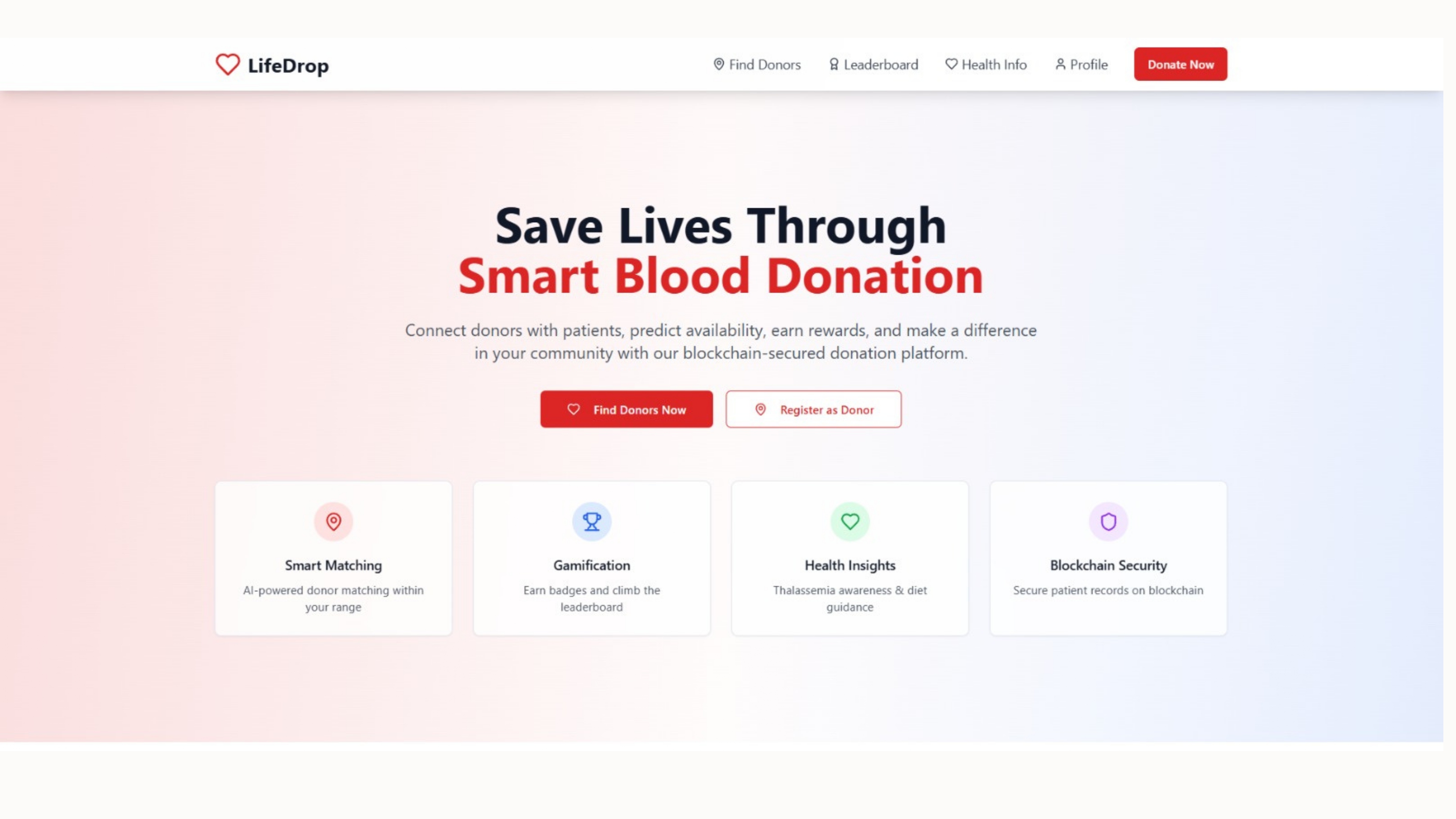
Inspired by this challenge, we envisioned LifeDrop, a smart, AI-powered platform to bridge the gap between patients, donors, hospitals, and public blood bank systems like e-RaktKosh—ensuring faster, safer, and more reliable blood access.
What It Does
LifeDrop is a mobile and web-based platform built to:
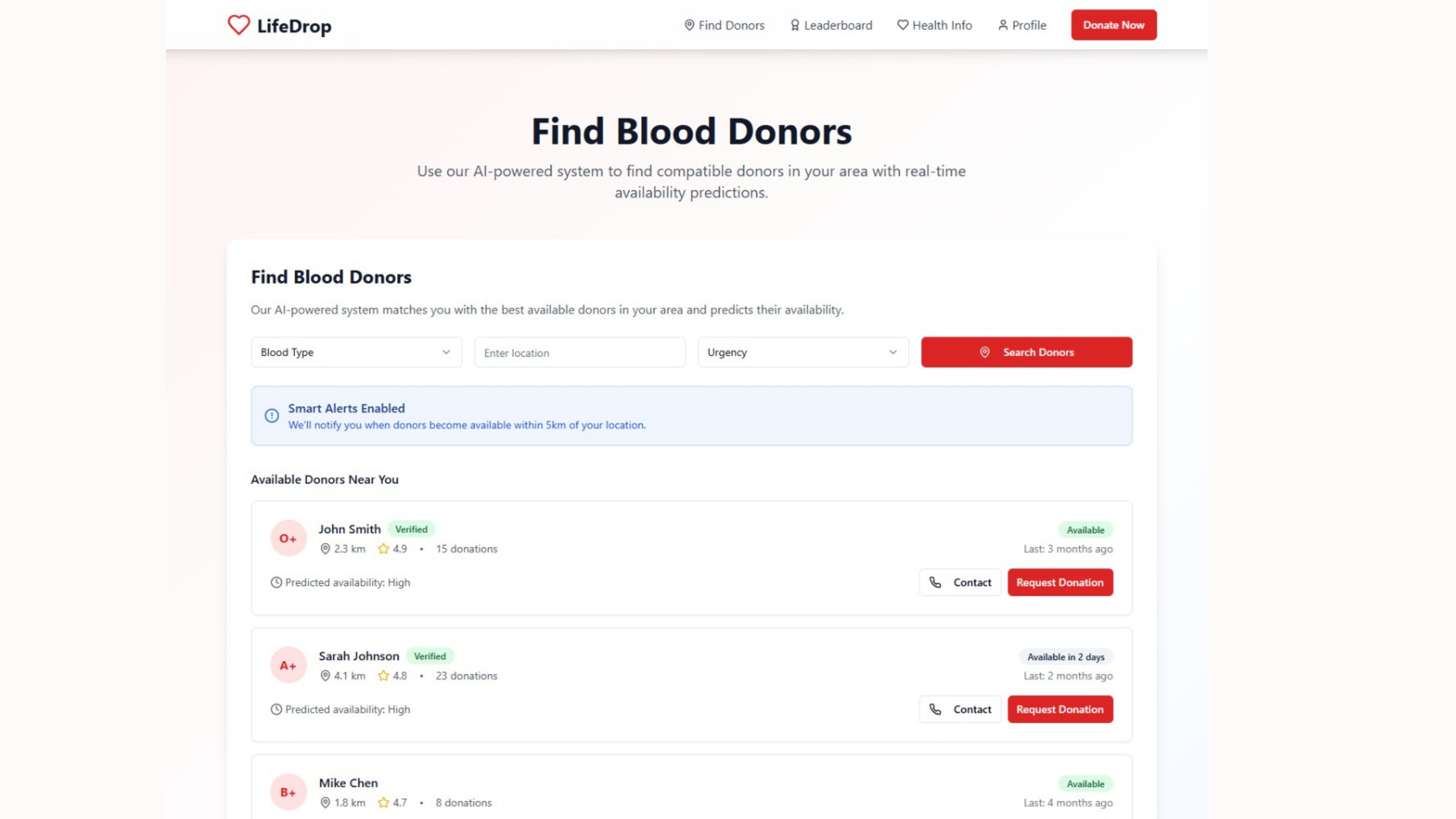
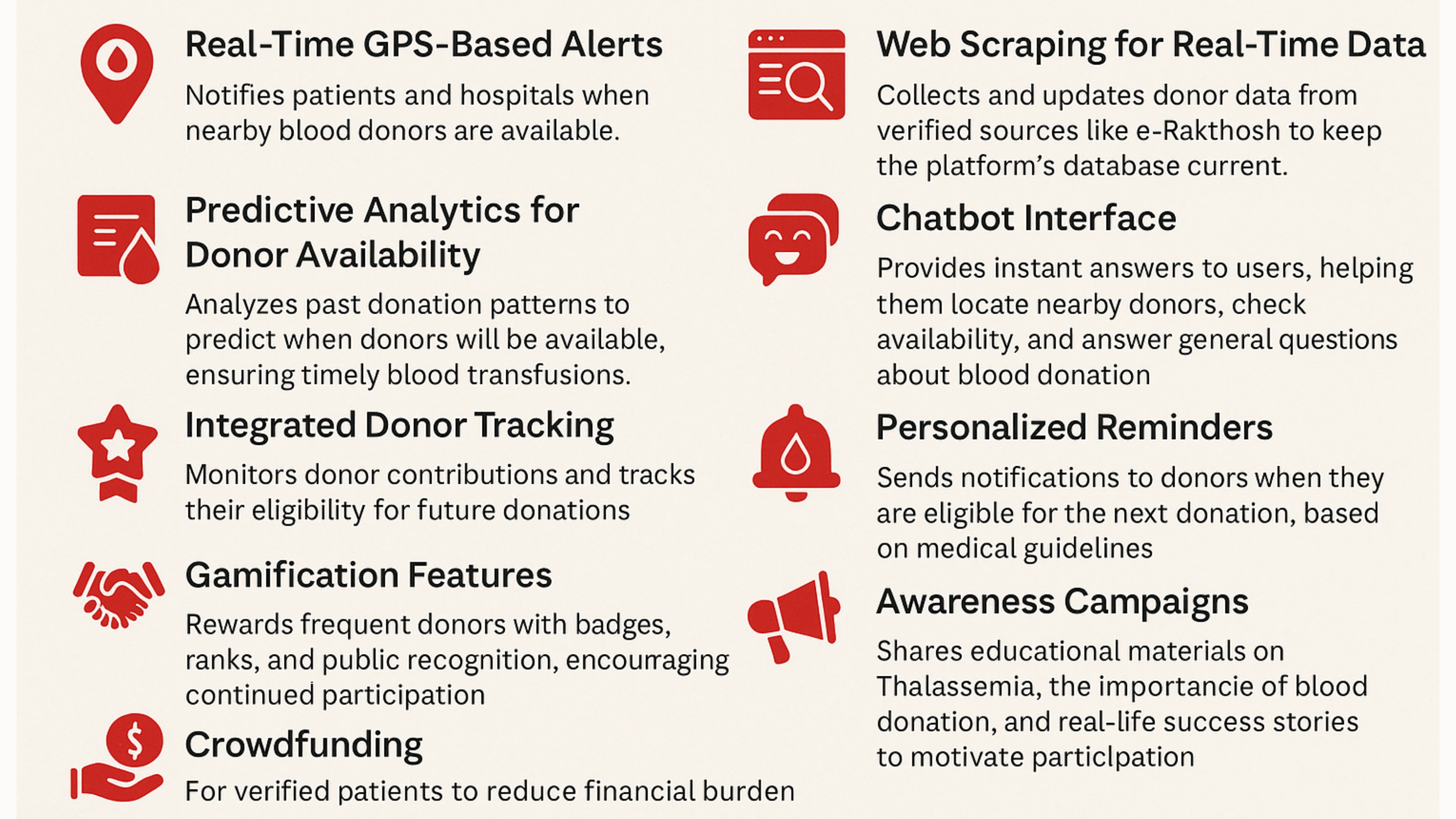
- Provide real-time GPS-based alerts when eligible donors are nearby
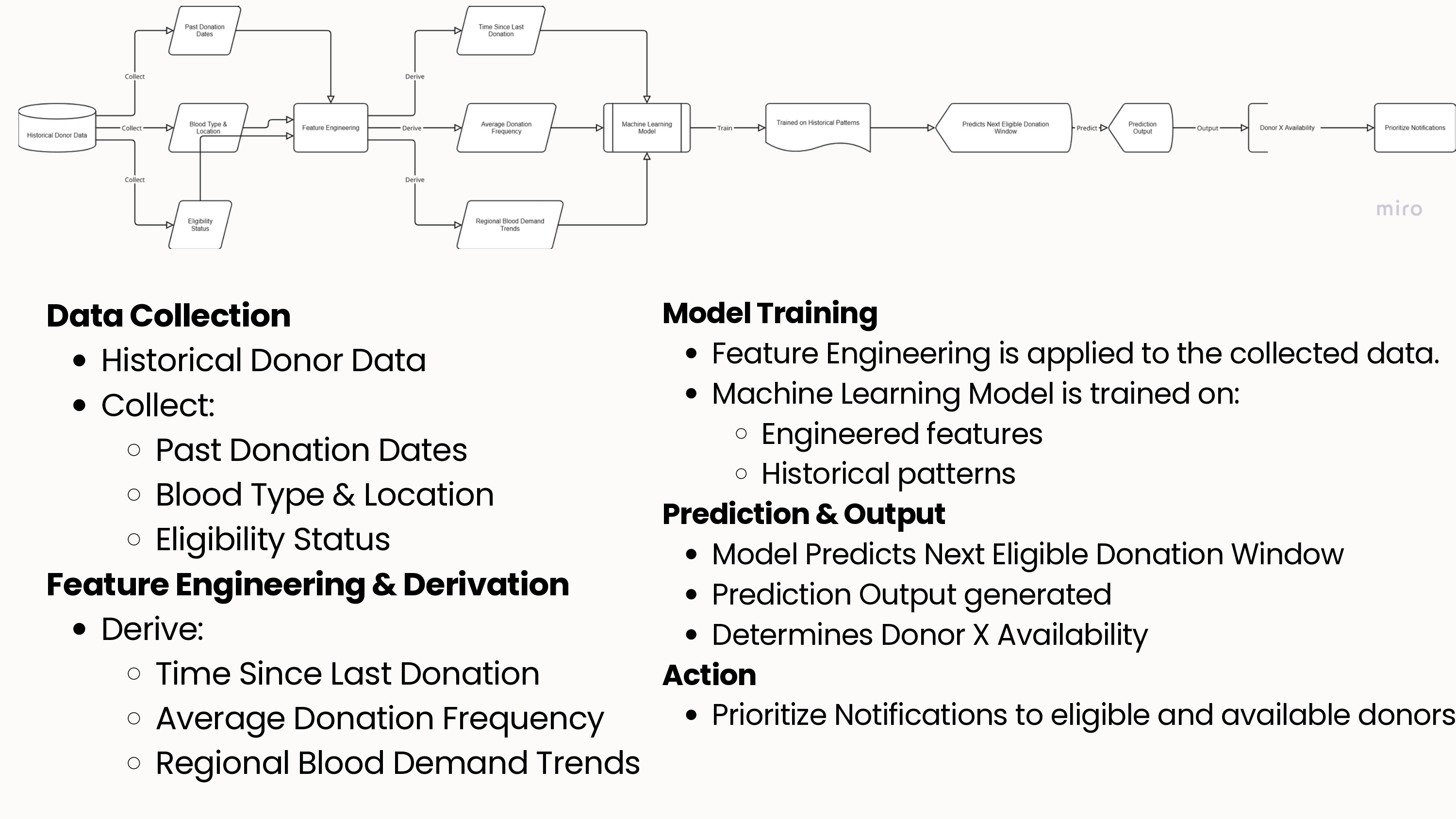
- Use predictive analytics to forecast donor availability
- Track donor eligibility and history
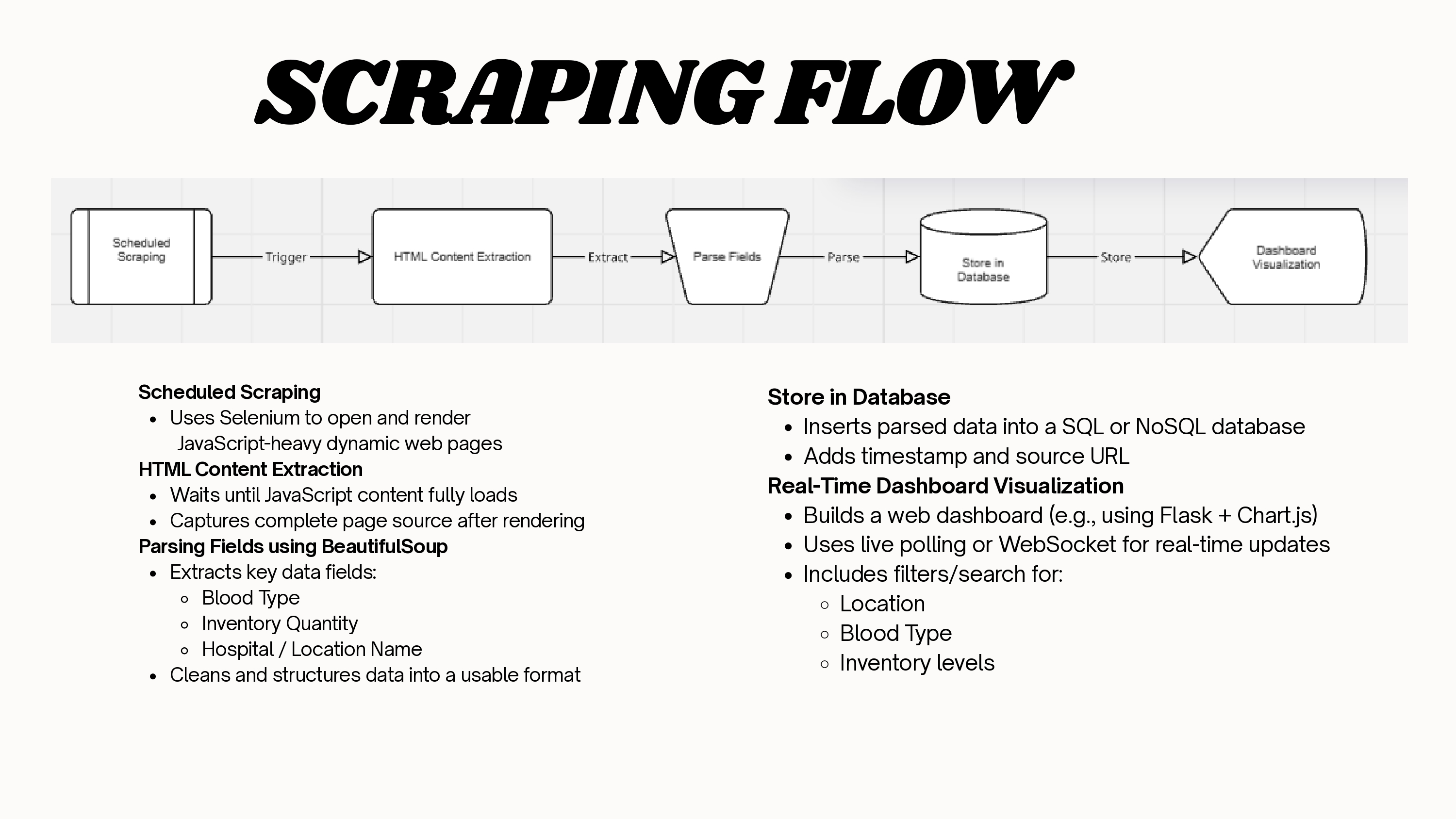
- Scrape and update donor data from verified sources like e-RaktKosh
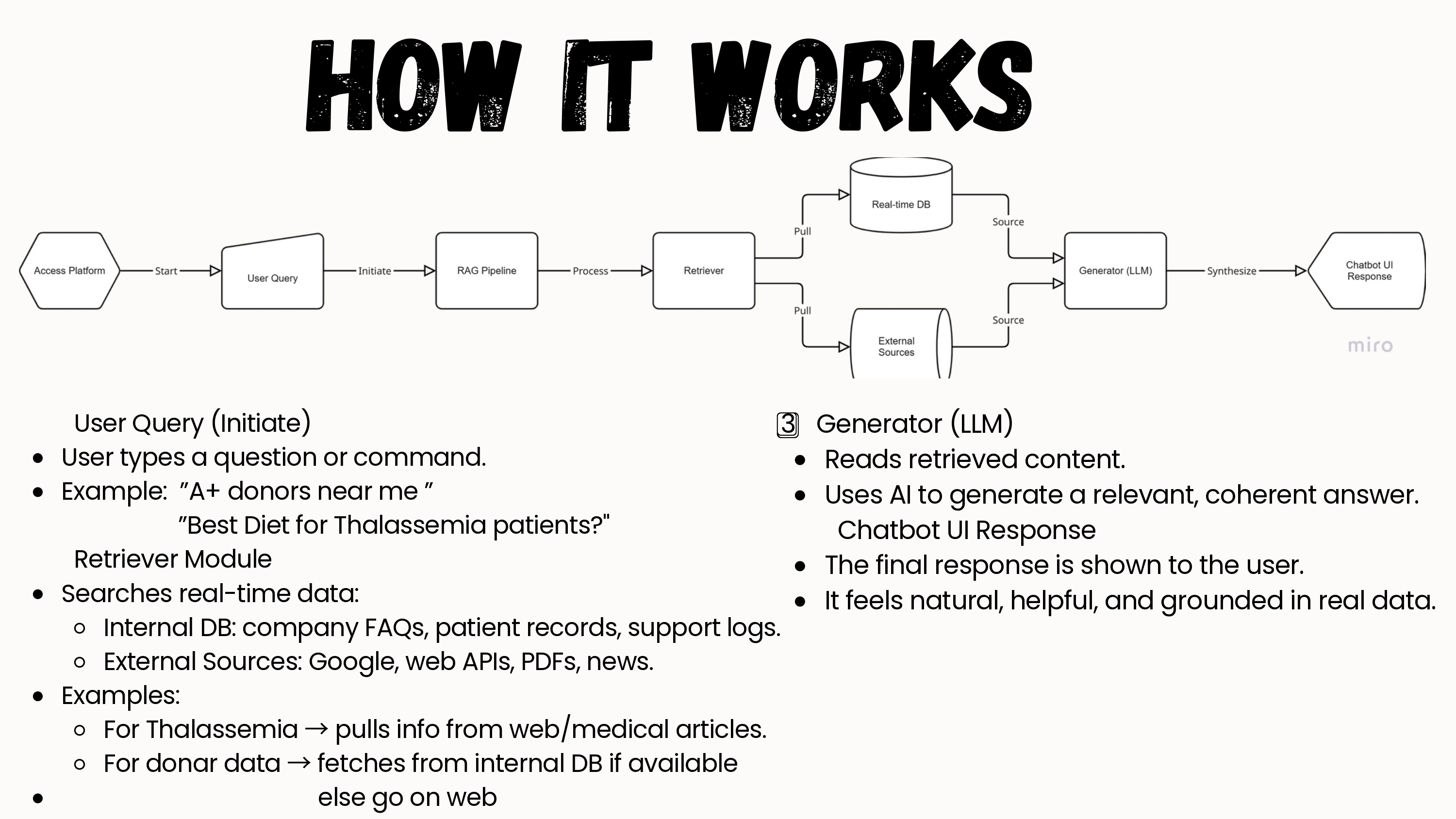
- Offer chatbot support for locating donors and resolving queries instantly
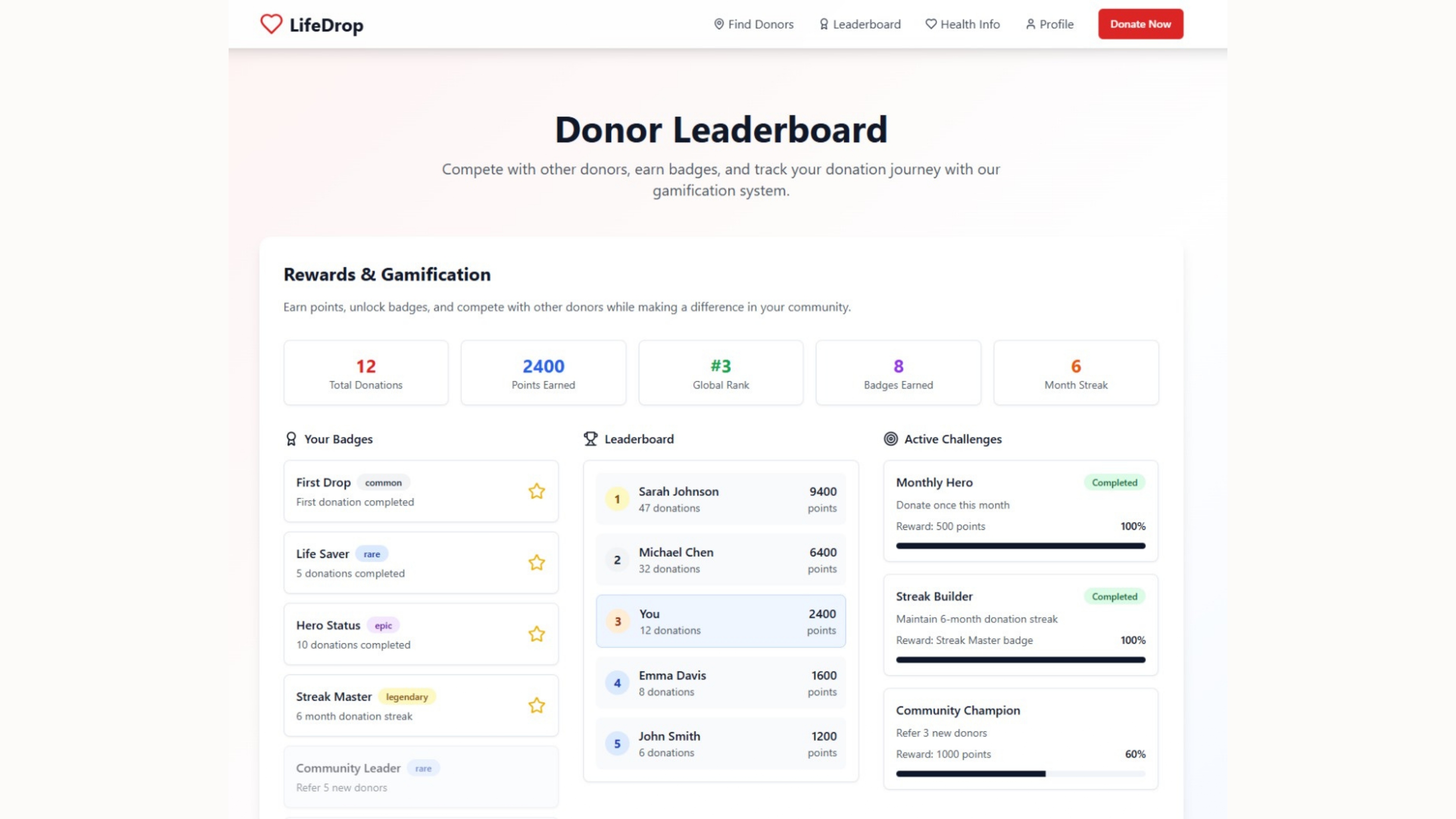
- Use gamification (badges, ranks, recognition) to engage and retain donors
- Send personalized reminders when donors are eligible again
- Collaborate with NGOs to promote drives and outreach
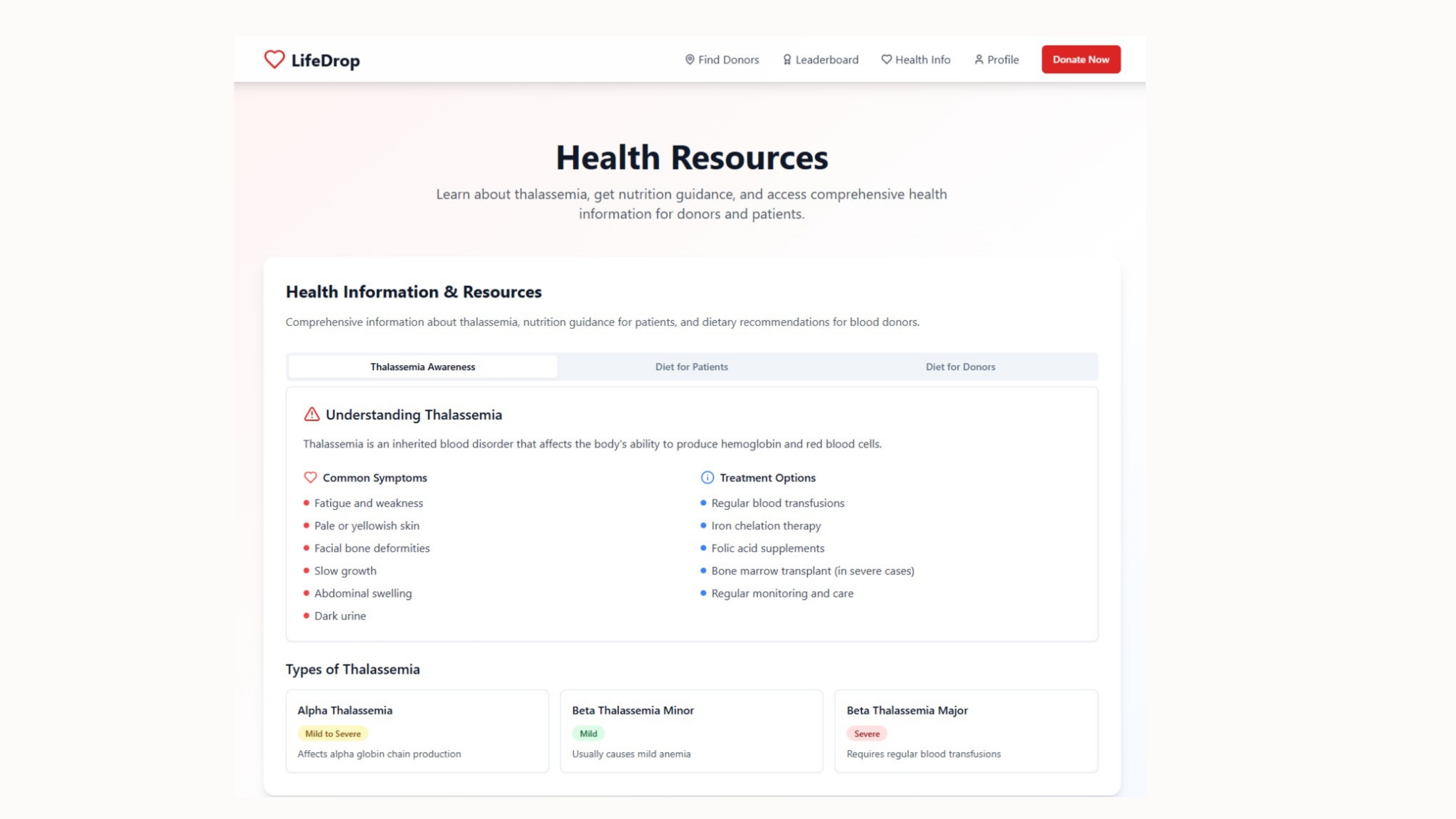
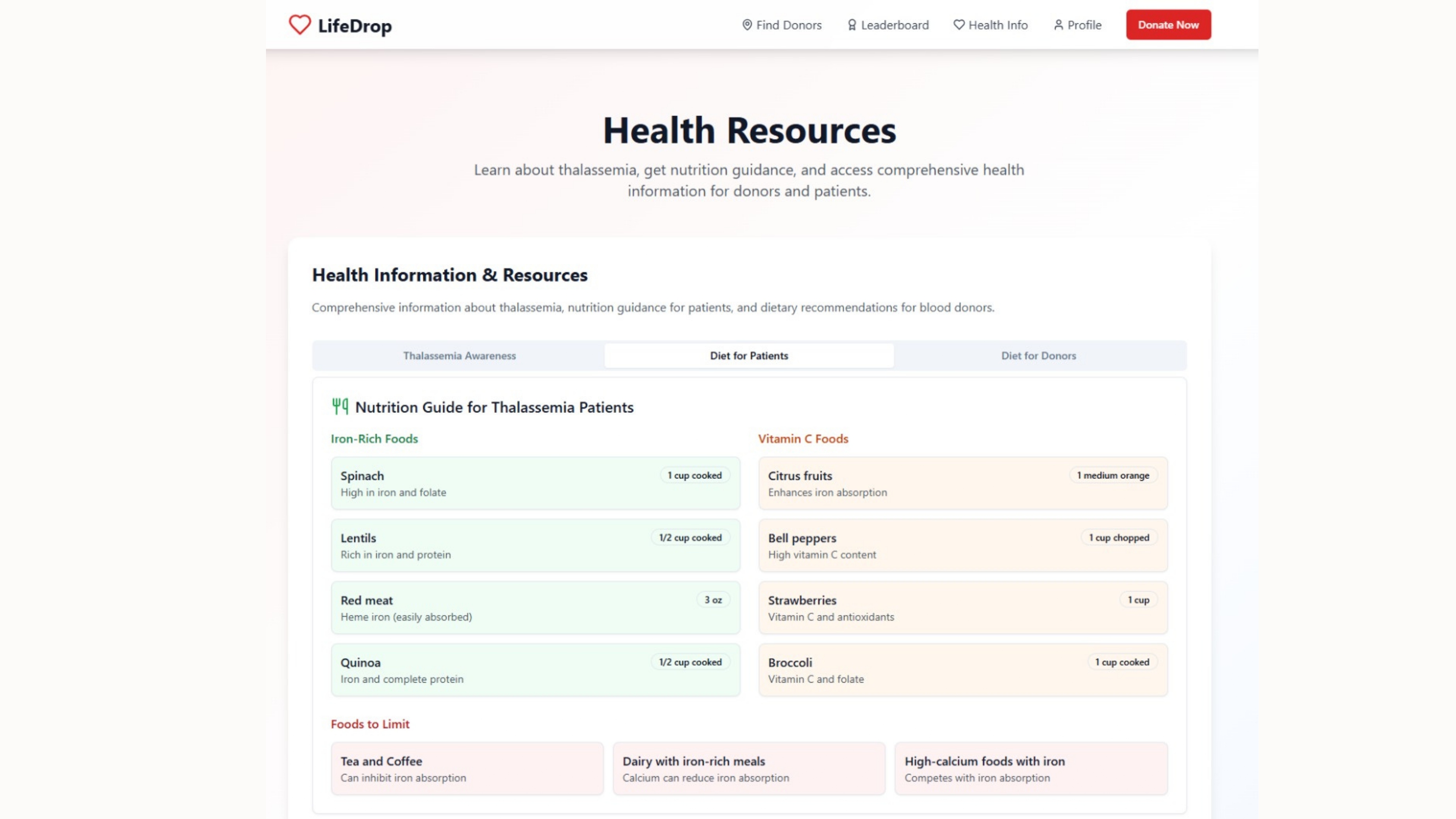
- Run awareness campaigns about Thalassemia and blood donation
How We Built It
Technologies Used
React Native
Next.js
Node.js
NestJS
MongoDB
Python
Firebase
Dialogflow
e-RaktKosh API
Web Scraping (BeautifulSoup)
Google Maps API
Architecture Overview
- Frontend: Built mobile (React Native) and web (Next.js) interfaces
- Backend: Node.js/NestJS for REST APIs and business logic
- Database: MongoDB to store donor, patient, and activity data
- Real-Time Features: Firebase used for location-based notifications
- AI/ML: Python-based model predicts future donor availability
- Chatbot: Integrated Dialogflow for instant Q&A and search
- Web Scraping: Scheduled crawlers fetch real-time donor data from e-RaktKosh
Challenges We Ran Into
- Ensuring GPS tracking respects privacy and works across devices
- Scraping structured data reliably from external sources
- Managing real-time sync between donors, patients, and hospitals
- Creating accurate donor prediction models with limited training data
- Designing UI/UX that works for diverse users (tech-savvy or not)
Accomplishments That We're Proud Of
- Functional prototype with working real-time donor alerts
- Integrated AI model that predicts donor availability
- Built and deployed a chatbot assistant
- Designed gamification system to retain loyal donors
- Established mock collaboration with NGO databases for outreach testing
What We Learned
- AI can significantly improve healthcare coordination
- Real-time systems require careful syncing and resource management
- Public health tech must be inclusive, accessible, and intuitive
- Collaboration with existing systems (like e-RaktKosh) is crucial
What's Next for LifeDrop
- Run pilot programs in partnership with hospitals and NGOs
- Improve donor prediction accuracy using more training data
- Add multilingual support for accessibility
- Deploy at scale and integrate with national health infrastructure
- Expand awareness campaigns with real-time regional impact tracking

Log in or sign up for Devpost to join the conversation.