In 2024, an estimated 10,000+ people globally died under rubble after earthquakes and building collapses, with rescue teams often struggling to locate victims in the critical first 48 hours.
What if your smartphone could save your life under the rubble?# LifeBeacon - Revolutionary Emergency Rescue System
Inspiration
The devastating reality of building collapses during earthquakes, explosions, or natural disasters inspired LifeBeacon. Every minute counts when victims are trapped under debris, yet current rescue methods rely on dogs, thermal cameras, or manual searching - often too slow when lives hang in the balance. We realized that nearly everyone carries a powerful beacon in their pocket: their smartphone. What if we could transform these devices into life-saving rescue tools?
What it does
LifeBeacon is a dual-application emergency rescue system that revolutionizes disaster response:
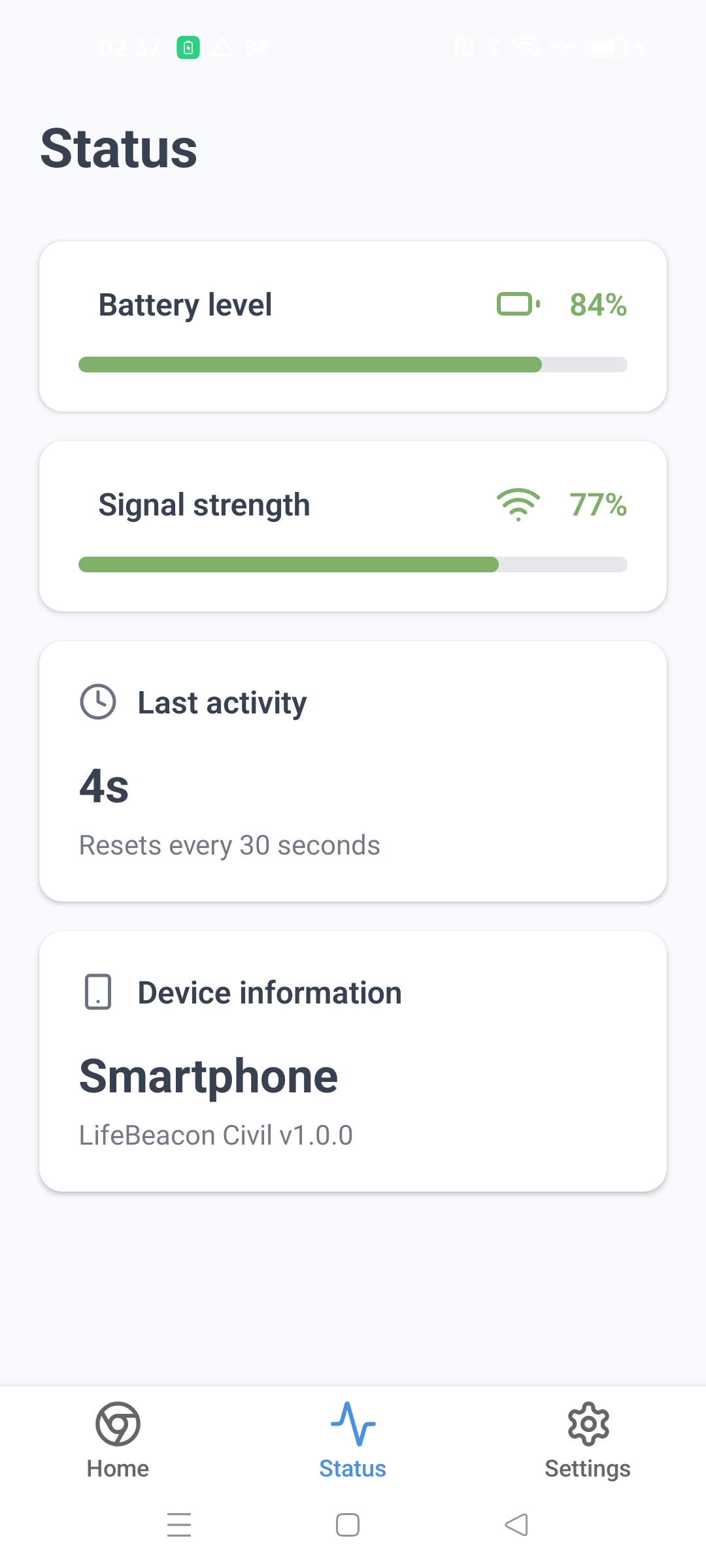
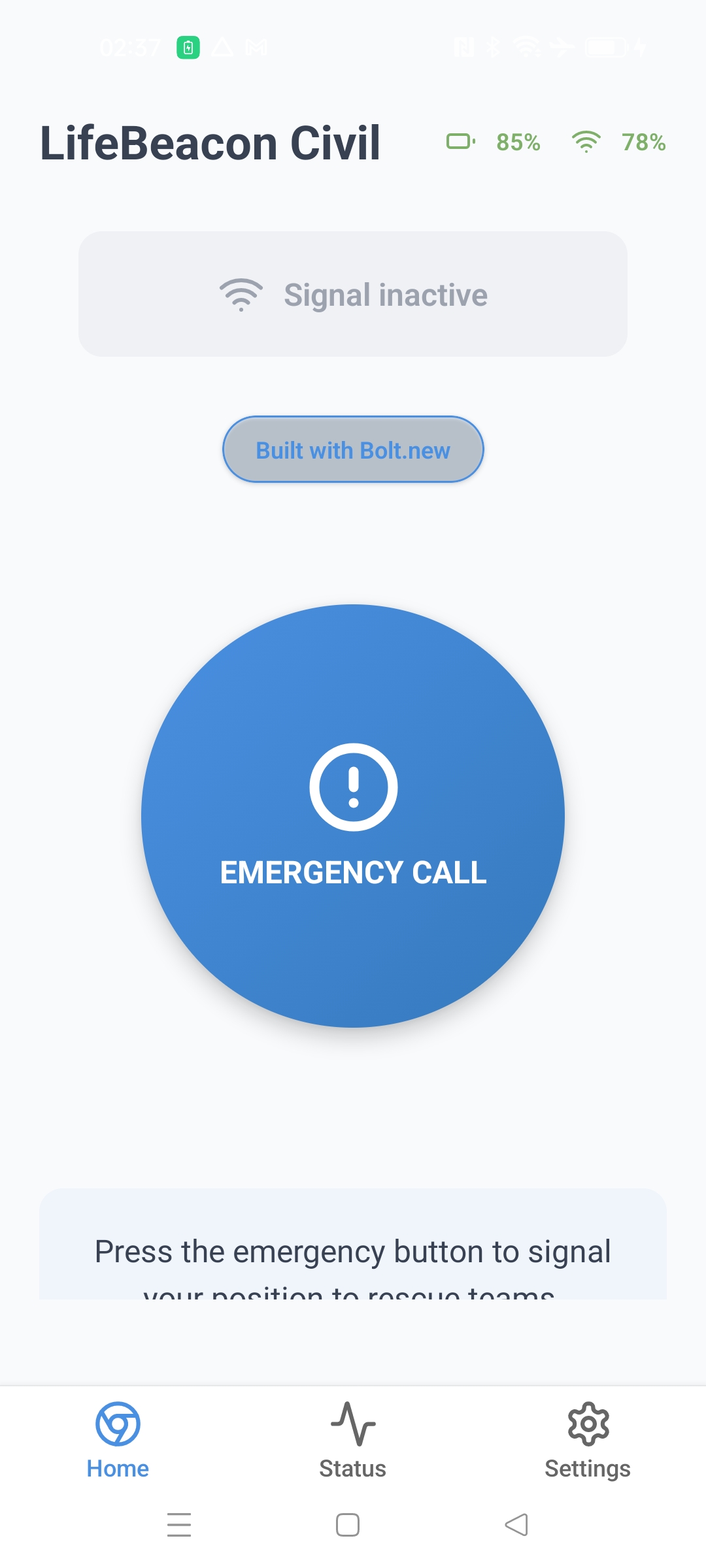
LifeBeacon Civil (for civilians):
- Automatically emits emergency signals when installed
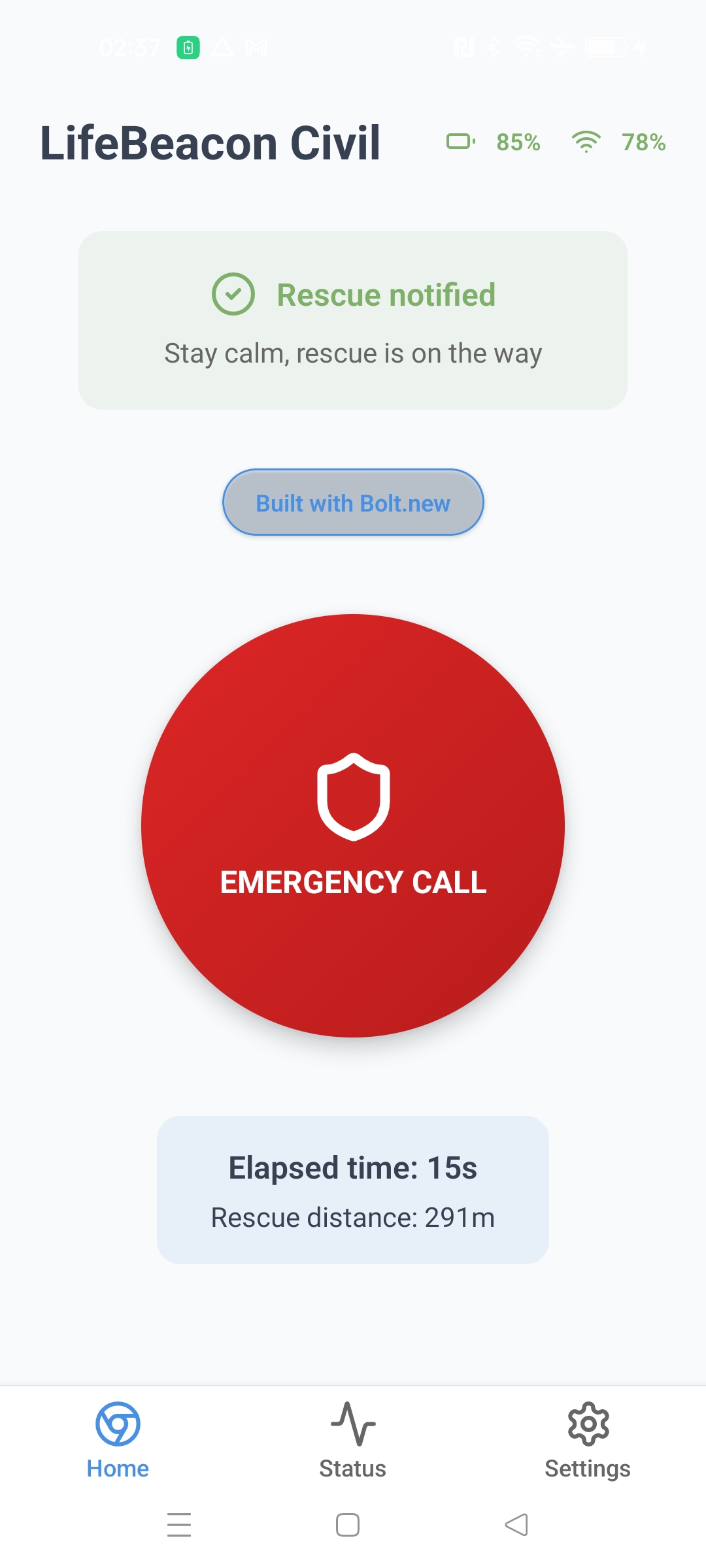
- Large, stress-resistant SOS button for conscious victims
- Receives wake commands from rescue teams
- Optimized battery management for extended operation
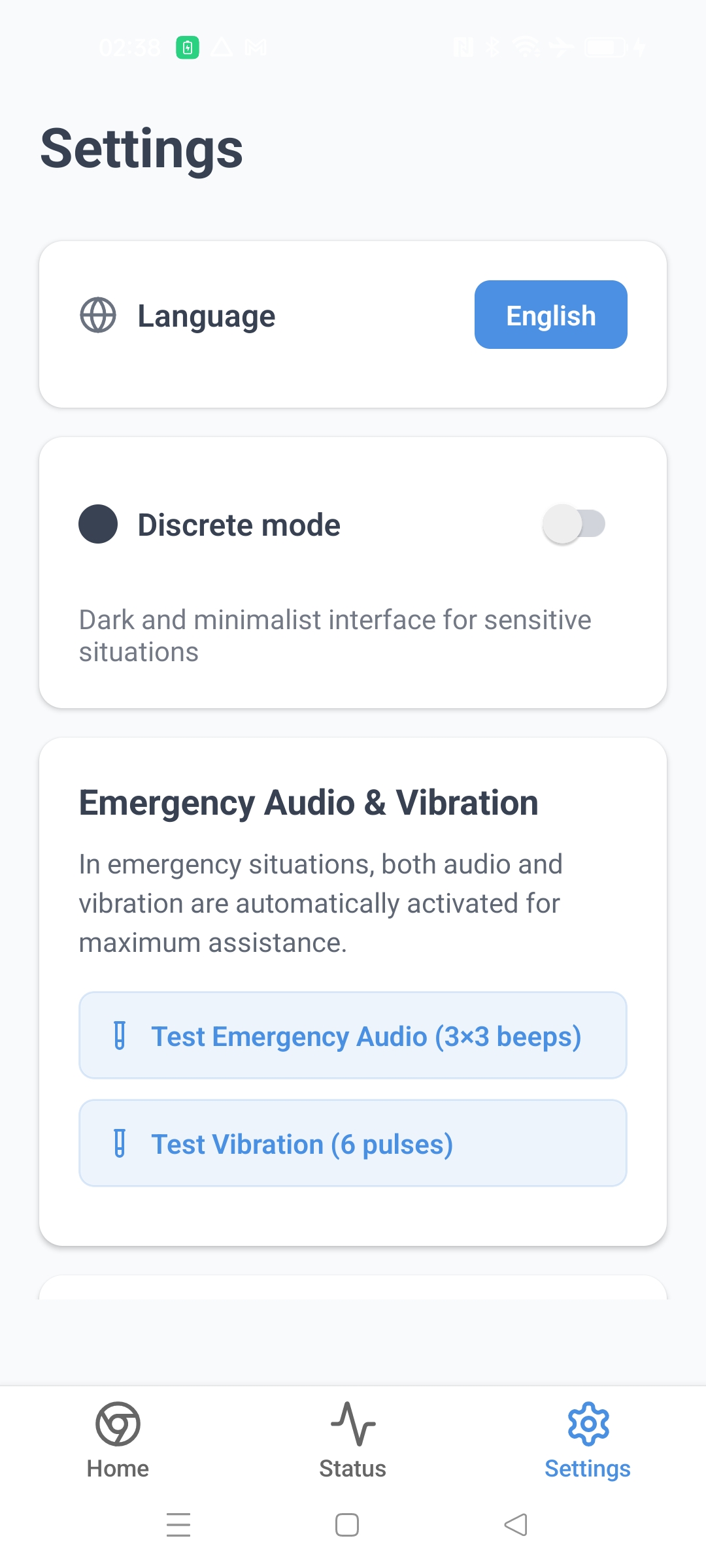
- Discreet mode for dangerous situations
LifeBeacon Rescue (for emergency responders):
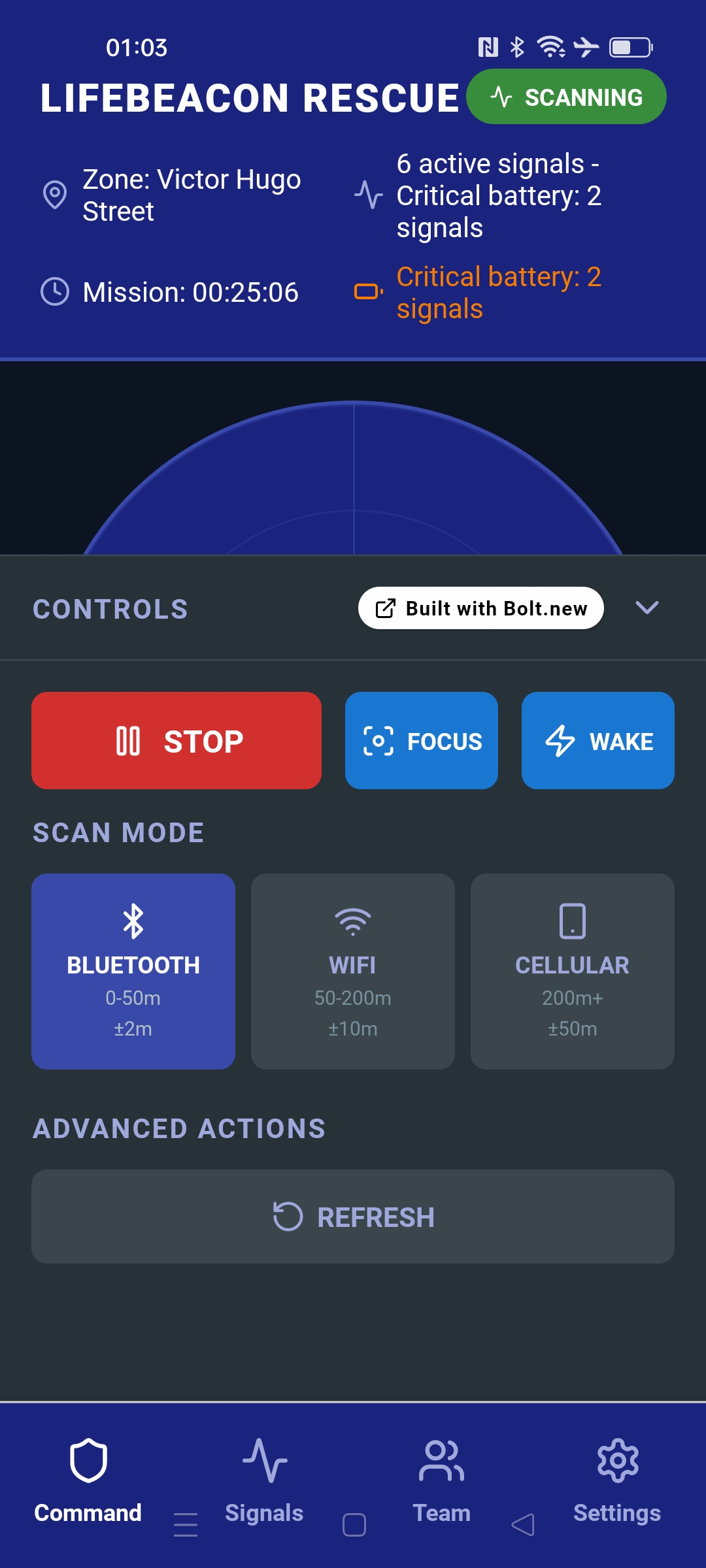
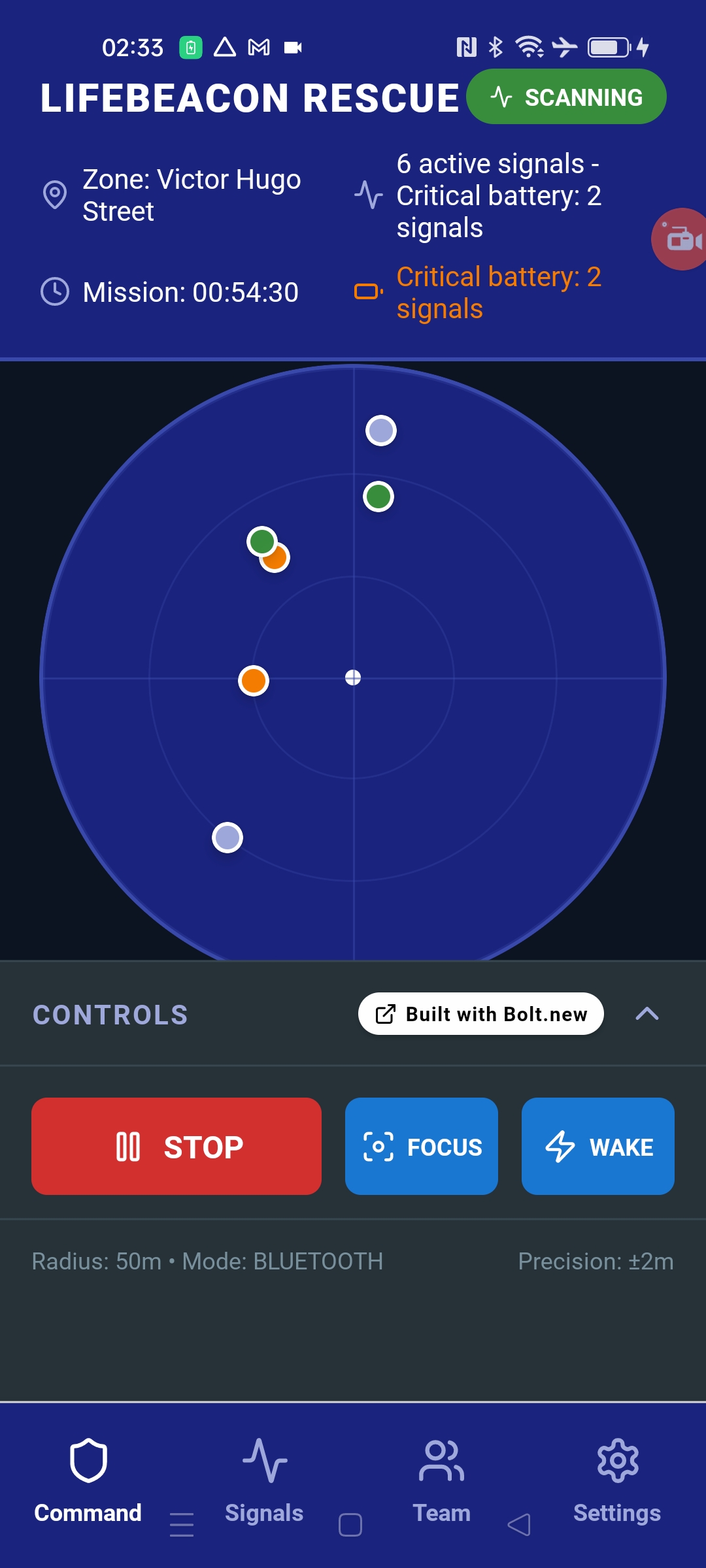
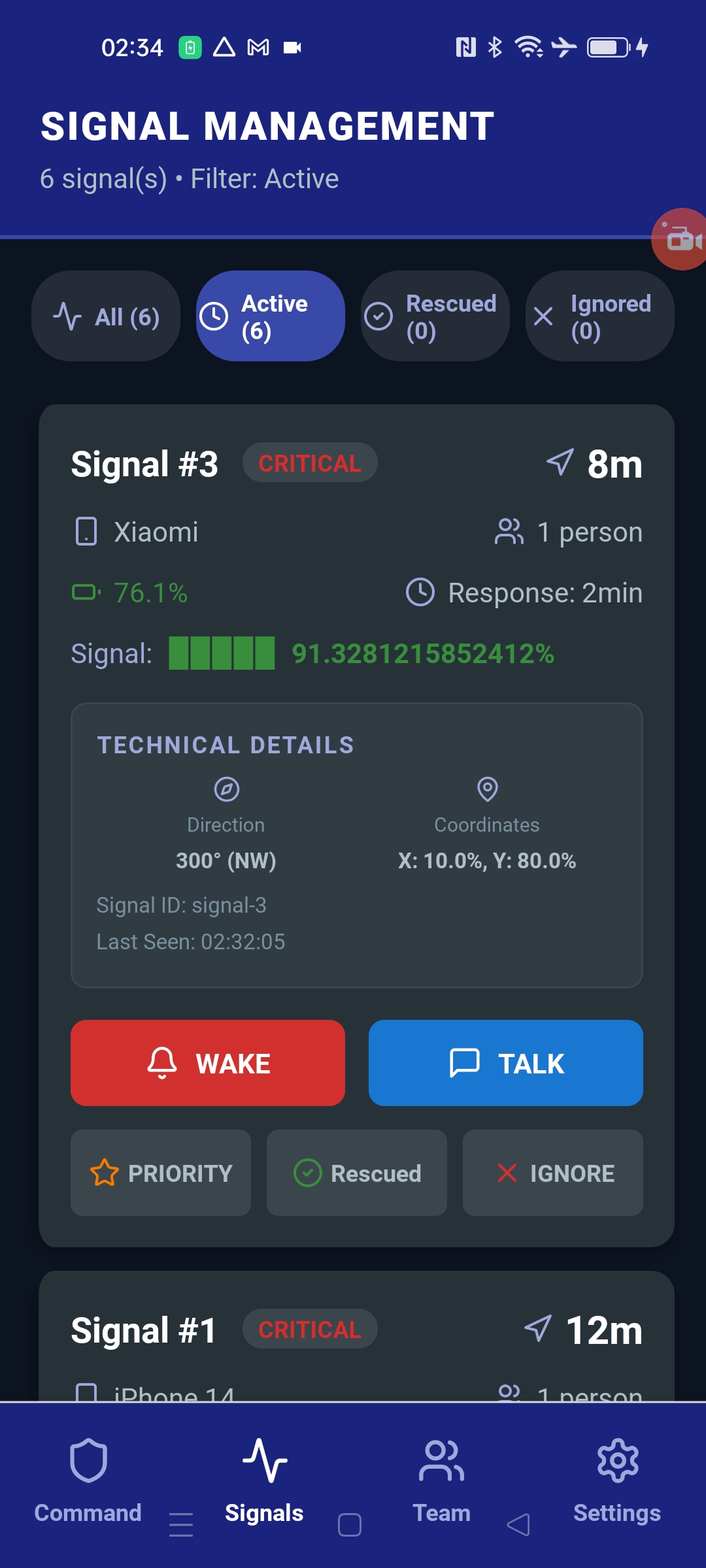
- Real-time radar detection of civilian signals
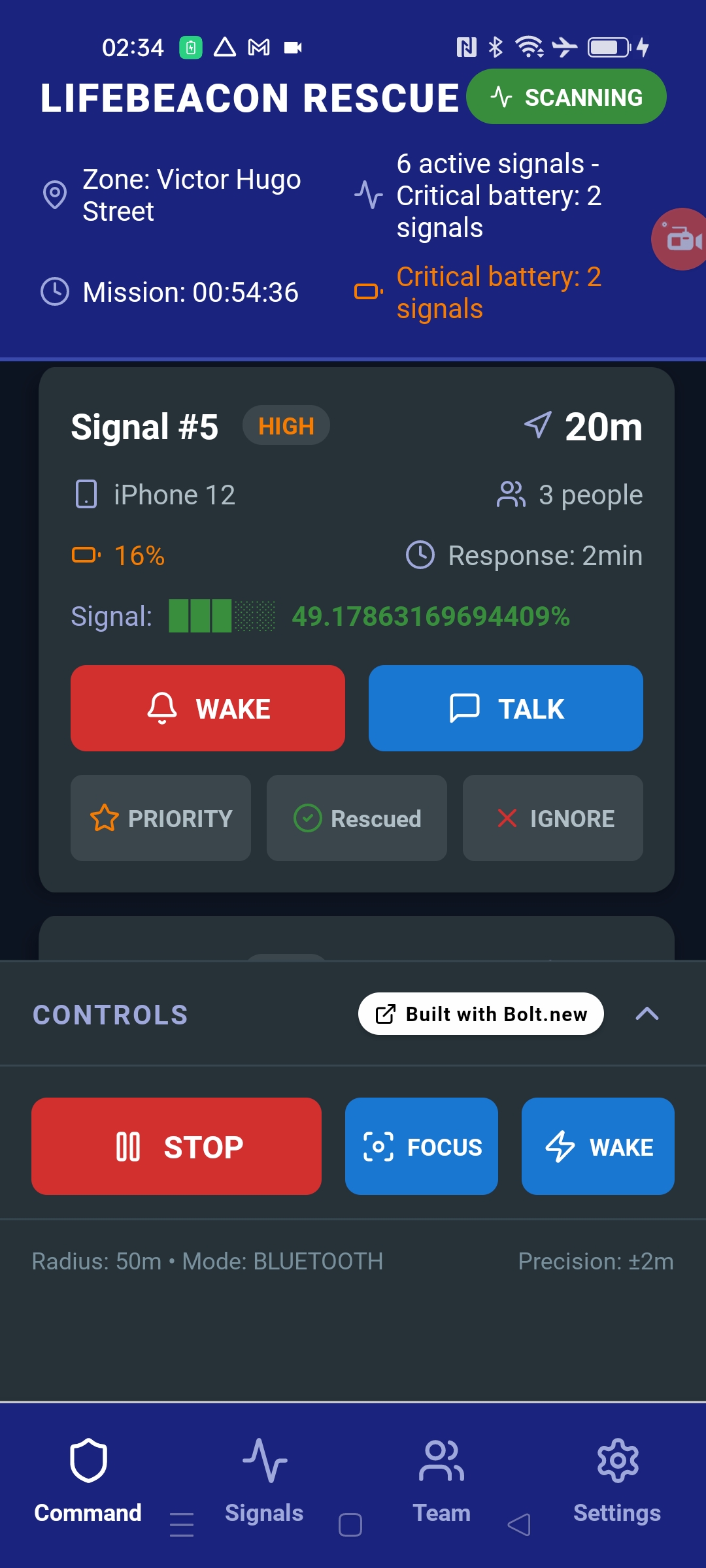
- Advanced filtering by priority, battery level, and distance
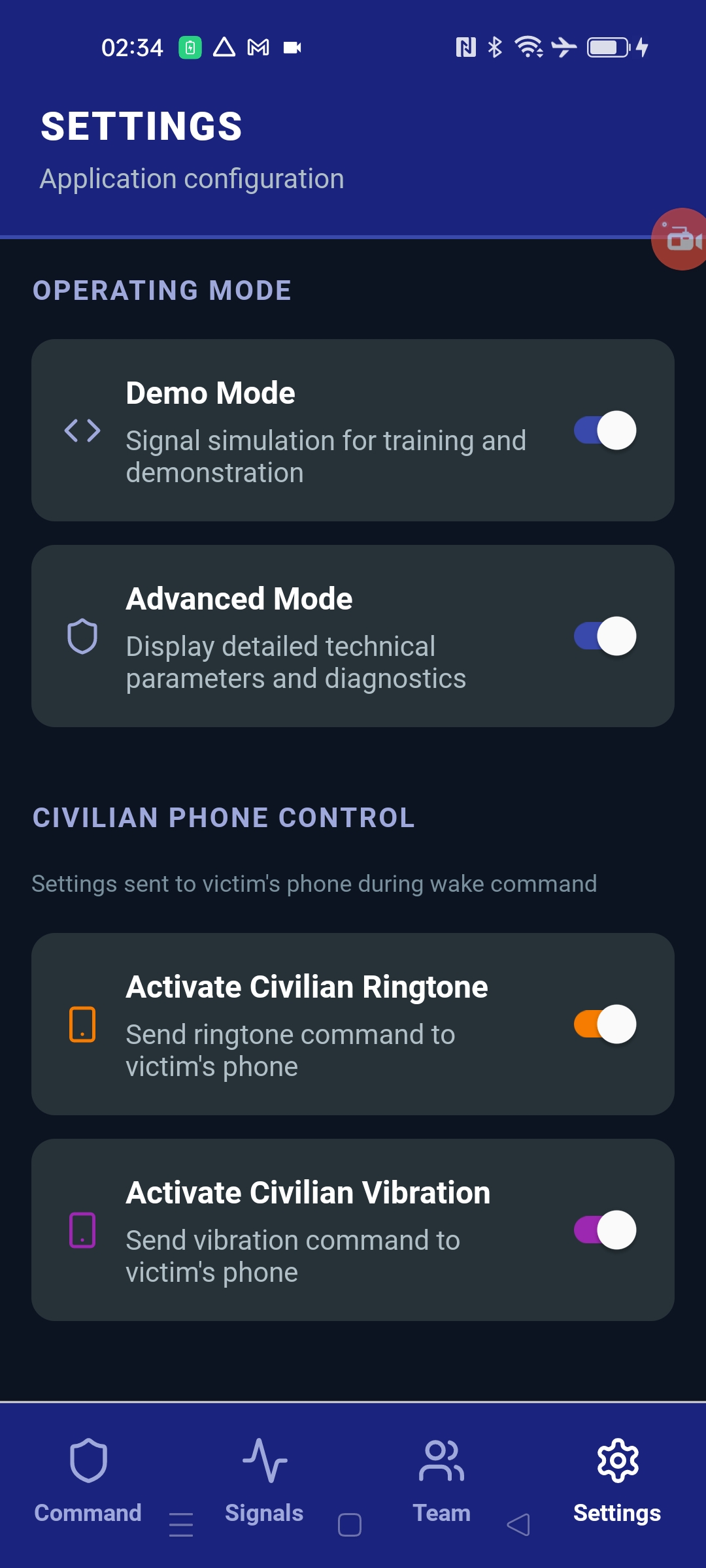
- Remote wake commands to trigger sounds/vibrations on victim phones
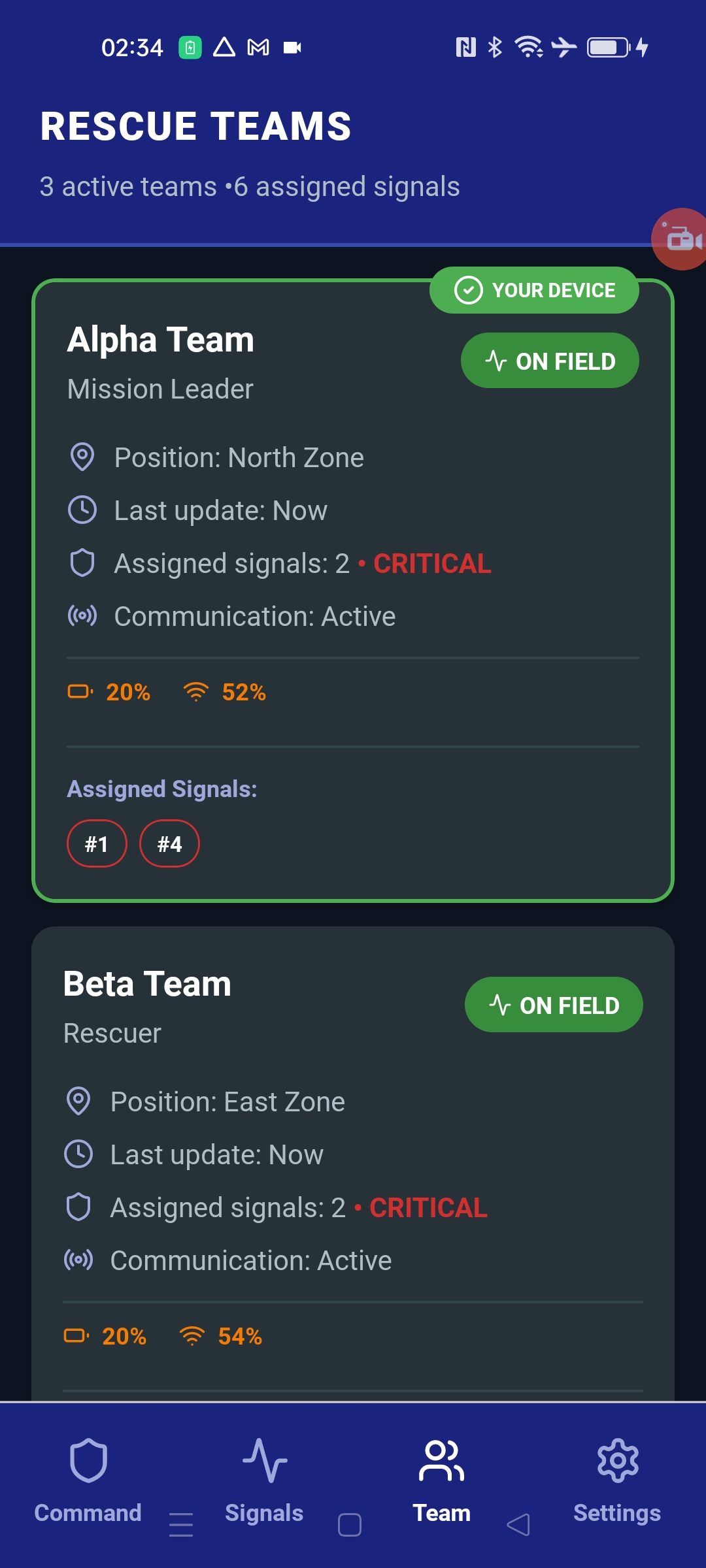
- Team coordination and mission management
- Multi-language support (EN/FR) for international operations
The system creates a direct communication bridge between trapped victims and rescue teams, dramatically reducing search time.
How we built it
Technology Stack:
- Frontend: React Native with Expo SDK 53
- Navigation: Expo Router for seamless app flow
- Styling: StyleSheet.create for optimized performance
- Audio: expo-av for emergency sound generation
- Haptics: expo-haptics for vibration feedback
- Storage: AsyncStorage for persistent settings
- Icons: Lucide React Native for consistent UI
- Internationalization: i18n-js for multi-language support
Architecture:
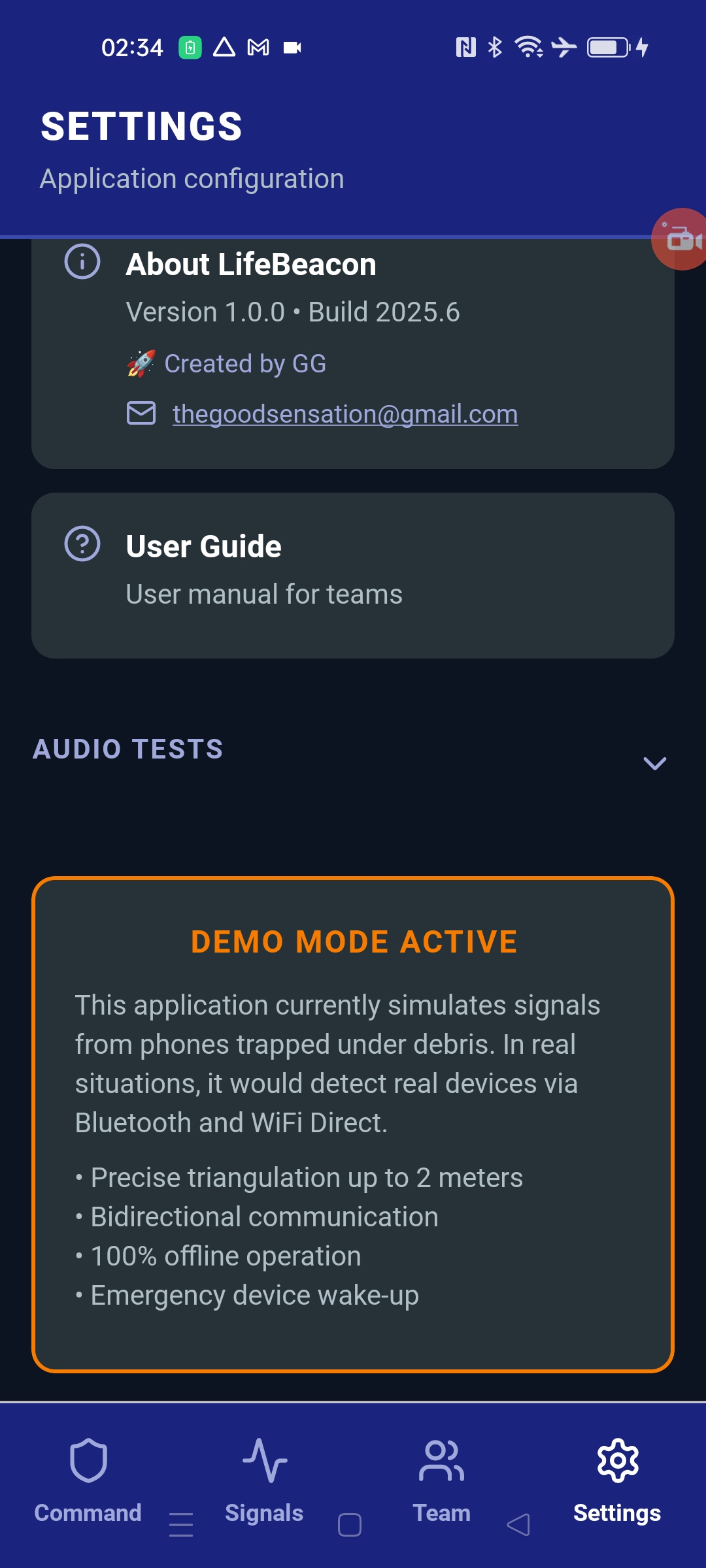
- Simulation Layer: Complete BLE communication simulation for hackathon demonstration
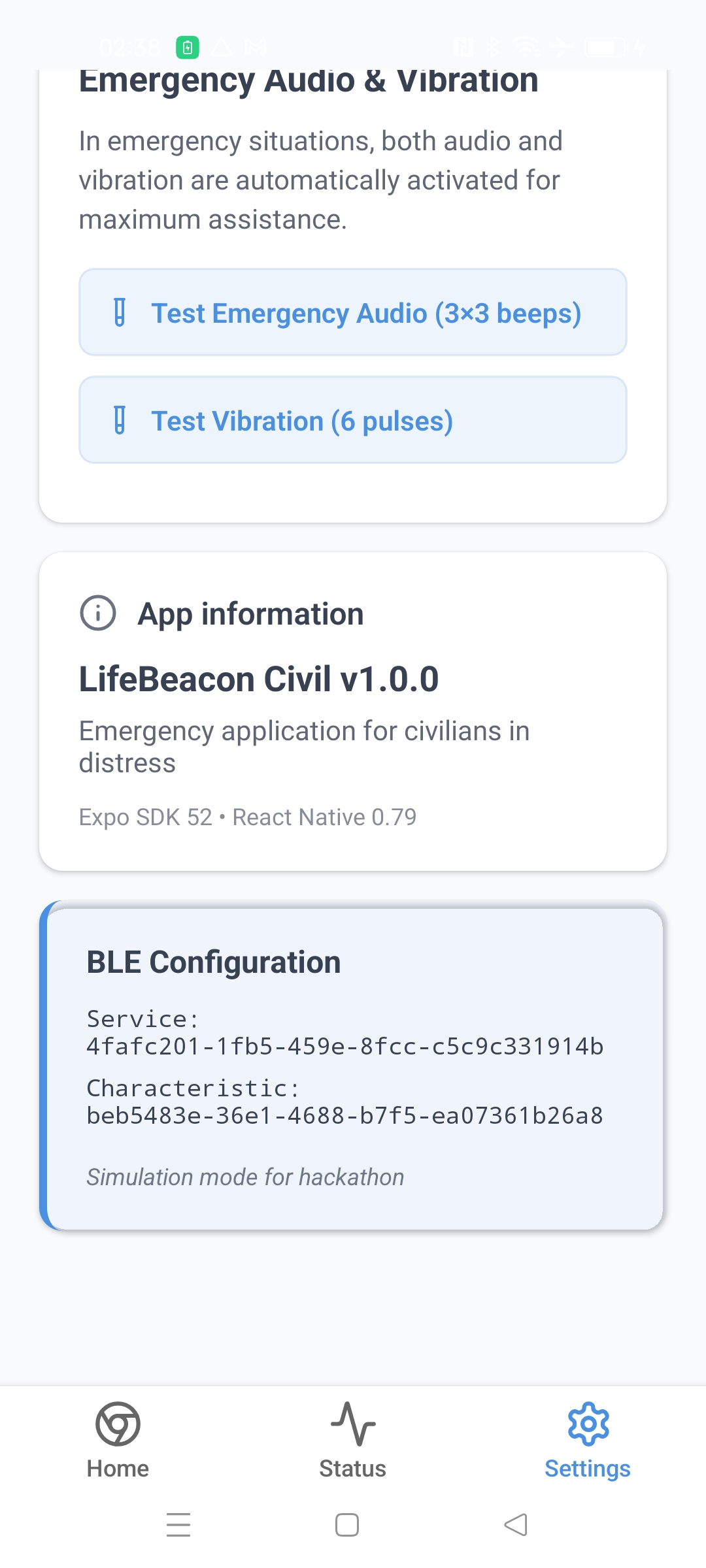
- Service Protocol: Defined UUIDs for future native Bluetooth implementation
- Context Management: React contexts for global state management
- Responsive Design: Optimized for both web and mobile platforms
Development Process: Built with Bolt.new's AI-powered development platform, enabling rapid prototyping and iteration. The dual-app architecture allows independent development while maintaining protocol compatibility.
Challenges we ran into
Technical Challenges:
- Expo Go Limitations: Native Bluetooth functionality isn't available in Expo Go, requiring creative simulation approaches
- Cross-platform Audio: Balancing web AudioContext API with mobile expo-av implementation
- Buffer Compatibility: Web browsers don't support Node.js Buffer, necessitating btoa/atob encoding
- Timing Synchronization: Ensuring audio patterns and vibrations sync perfectly across devices
UX Challenges:
- Stress-resistant Design: Creating interfaces usable under extreme stress and poor conditions
- Battery Optimization: Balancing feature richness with power consumption for trapped victims
- Multi-language Complexity: Ensuring emergency interfaces work across language barriers
Design Challenges:
- Dual Audience: Designing for both high-stress civilian users and professional rescue teams
- Visual Hierarchy: Making critical functions immediately apparent in emergency situations
Accomplishments that we're proud of
✅ Complete Functional System: Two fully working applications with seamless communication simulation
✅ Professional UI/UX: Stress-tested interfaces optimized for emergency scenarios
✅ Advanced Audio System: 3x3 BIP emergency pattern with anti-collision protection
✅ Smart Distance Simulation: Realistic rescue approach modeling with visual feedback
✅ Multi-platform Deployment: Working perfectly on web with mobile optimization
✅ Comprehensive Settings: Granular control for rescue team customization
✅ Future-ready Architecture: BLE protocol defined for seamless native implementation
✅ International Accessibility: Full French/English localization for global deployment
What we learned
Technical Insights:
- Expo's power for rapid cross-platform development while understanding its limitations
- The complexity of emergency-focused UX design requires different principles than standard apps
- Audio programming for emergency scenarios demands precision timing and failsafe mechanisms
- Simulation can be as valuable as real implementation for proof-of-concept validation
Emergency Response Insights:
- Every second matters in rescue operations - UI simplicity can save lives
- Battery management becomes critical when devices may operate for hours under debris
- Communication protocols must be robust enough to work in compromised network conditions
- International disasters require multi-language emergency interfaces from day one
Product Development:
- Hackathon constraints foster creative problem-solving and rapid iteration
- Building for extreme use cases (life-or-death) clarifies design priorities instantly
- Dual-app systems require careful protocol design to ensure compatibility
What's next for LifeBeacon Rescue/Civil
Immediate Roadmap (Post-Hackathon):
- Native BLE Implementation: Replace simulation with real Bluetooth Low Energy communication
- Mobile App Store Deployment: Native iOS/Android apps for maximum device access
- Extended Range Testing: Optimize signal detection through various building materials
- Professional Partnerships: Collaborate with fire departments and rescue organizations
Advanced Features:
- GPS Integration: Precise location mapping for outdoor disaster scenarios
- Medical Priority System: Triage based on victim responses and vital sign indicators
- Drone Integration: Aerial deployment for large-scale disaster areas
- Mesh Network Protocol: Device-to-device communication when infrastructure fails
- AI-Powered Optimization: Machine learning for rescue route optimization
- Wearable Support: Integration with smartwatches and emergency beacons
Global Impact Vision:
- Government Partnerships: Integration with national emergency response systems
- International Standards: Establish LifeBeacon as emergency communication protocol
- Open Source Components: Release core protocols for worldwide emergency innovation
- Training Programs: Emergency responder certification for LifeBeacon operation
Long-term Mission: Transform LifeBeacon from innovative hackathon project into the global standard for technology-assisted emergency rescue, saving thousands of lives through the power of connected devices and intelligent software.
This project is my very first hackathon. I didn't know how to code an app a month ago. I trained myself and was helped by AI to complete it. I want to prove that with determination and a good idea, we can help save lives.
Built with ❤️ using Bolt.new - turning emergency response innovation from vision to reality in record time.
Built With
- asyncstorage
- ble-protocol
- bluetooth
- context-api
- cross-platform
- emergency-response
- expo-audio
- expo-haptics
- expo-router
- expo-sdk
- i18n
- javascript
- lucide-react
- mobile-development
- netlify
- react
- react-native
- typescript
- web-audio-api


Log in or sign up for Devpost to join the conversation.