LifeAdmin AI
Inspiration
LifeAdmin AI started from a simple problem: life gets scattered very quickly.
Tasks live in one place, reminders somewhere else, important documents get forgotten, expenses are difficult to keep track of, and small responsibilities pile up until they become stressful.
I wanted to build something that acts like a personal control center for everyday life — an app that helps you remember what matters, stay organized, and reduce the mental load of managing everything yourself.
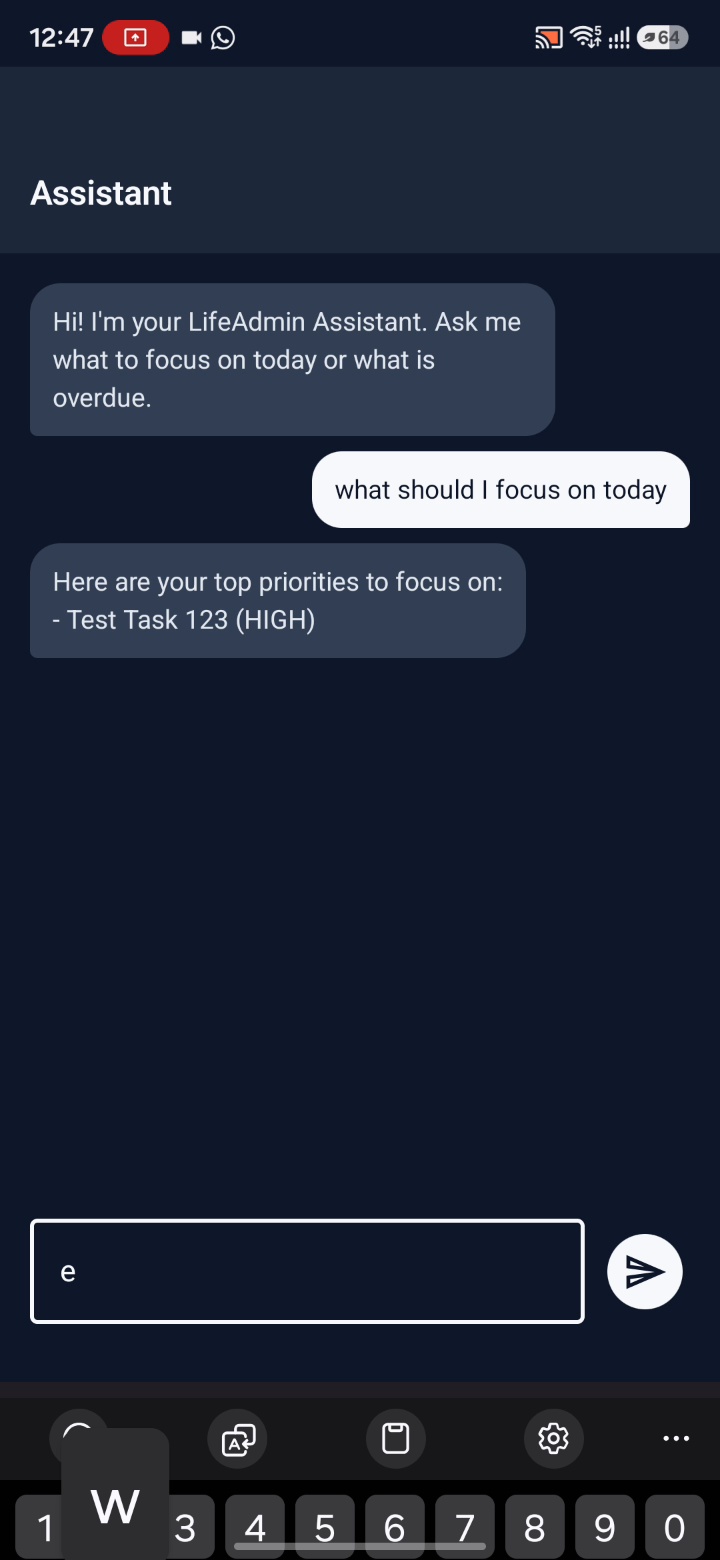
Instead of building another basic to-do list, I wanted LifeAdmin to feel more like a personal assistant that brings organization, reminders, automation, and AI into one experience.
What it does
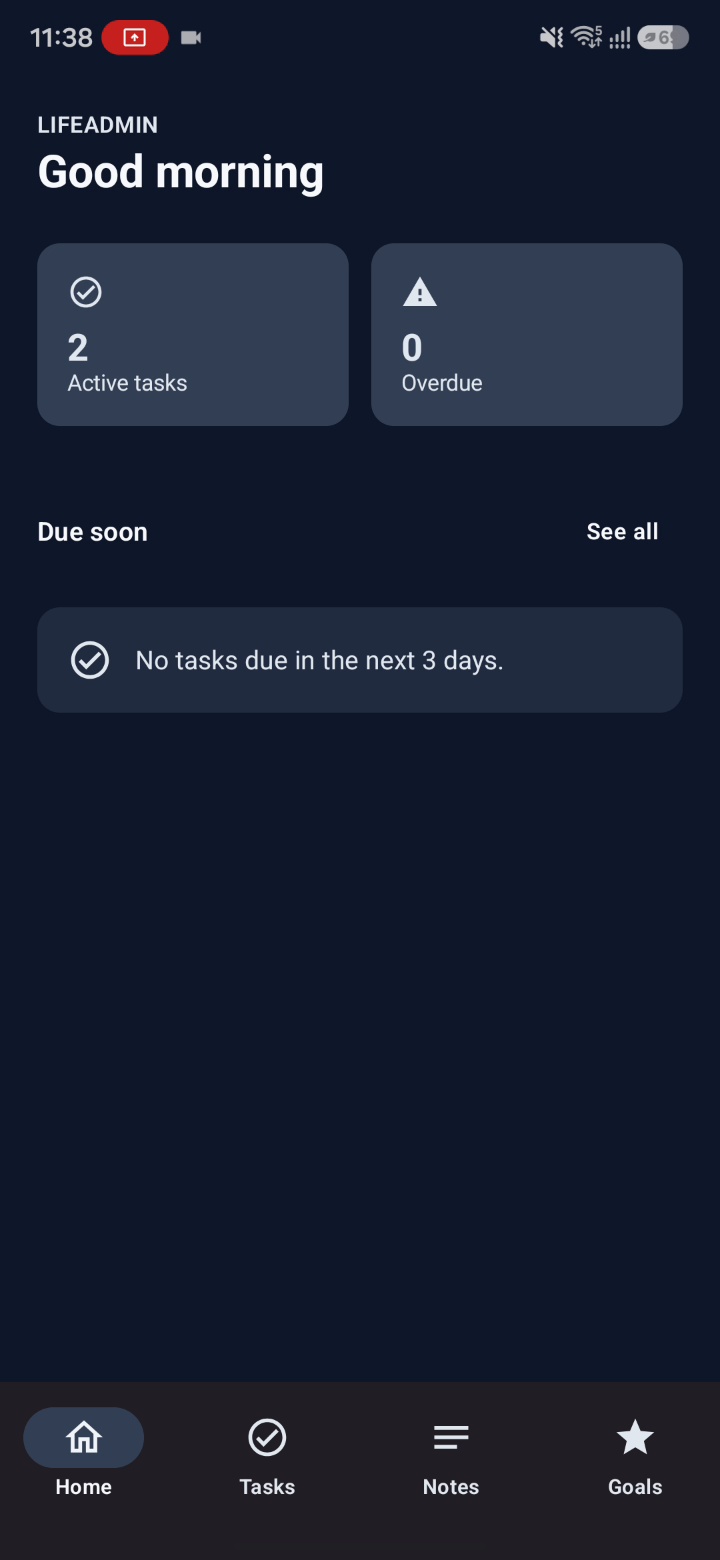
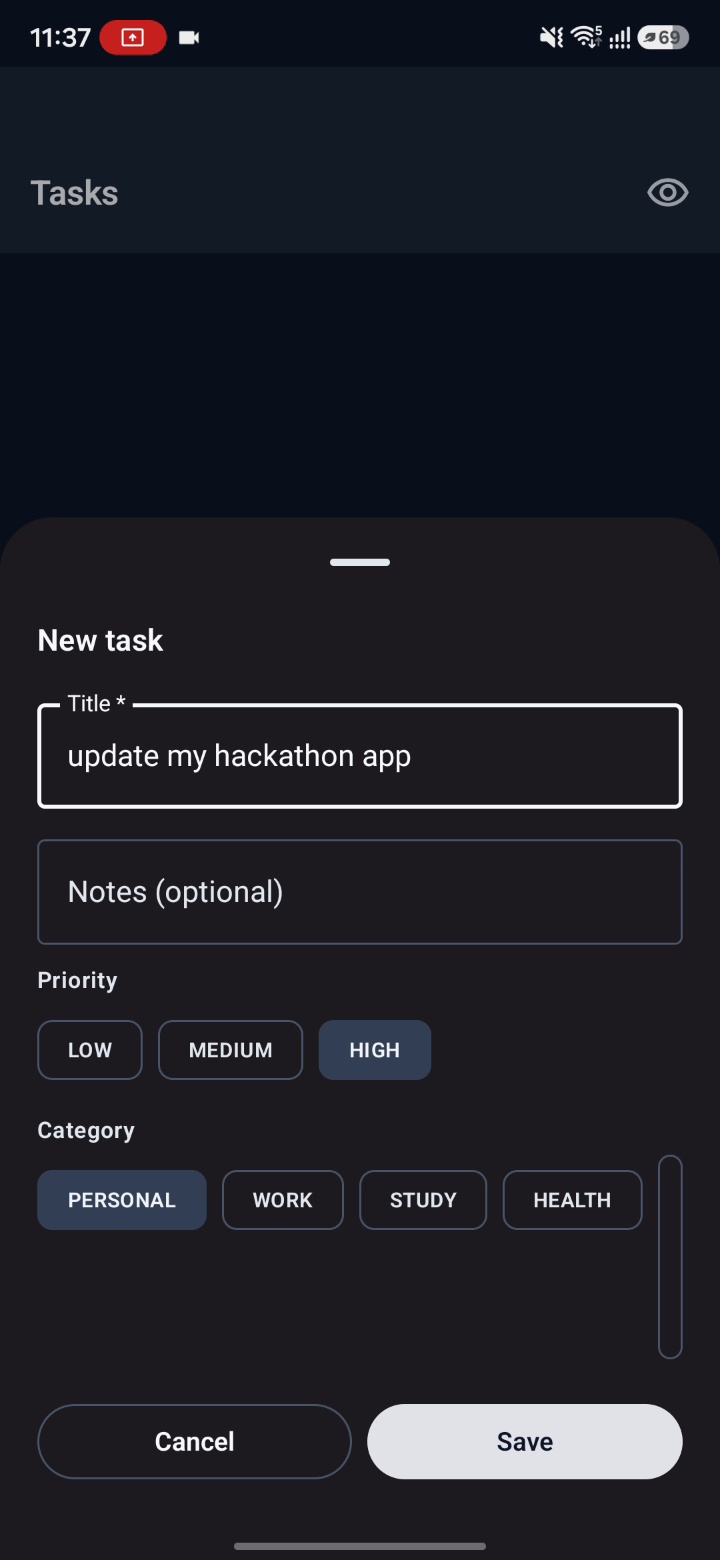
LifeAdmin AI helps users organize and manage everyday responsibilities from one mobile app.
The app brings together features such as:
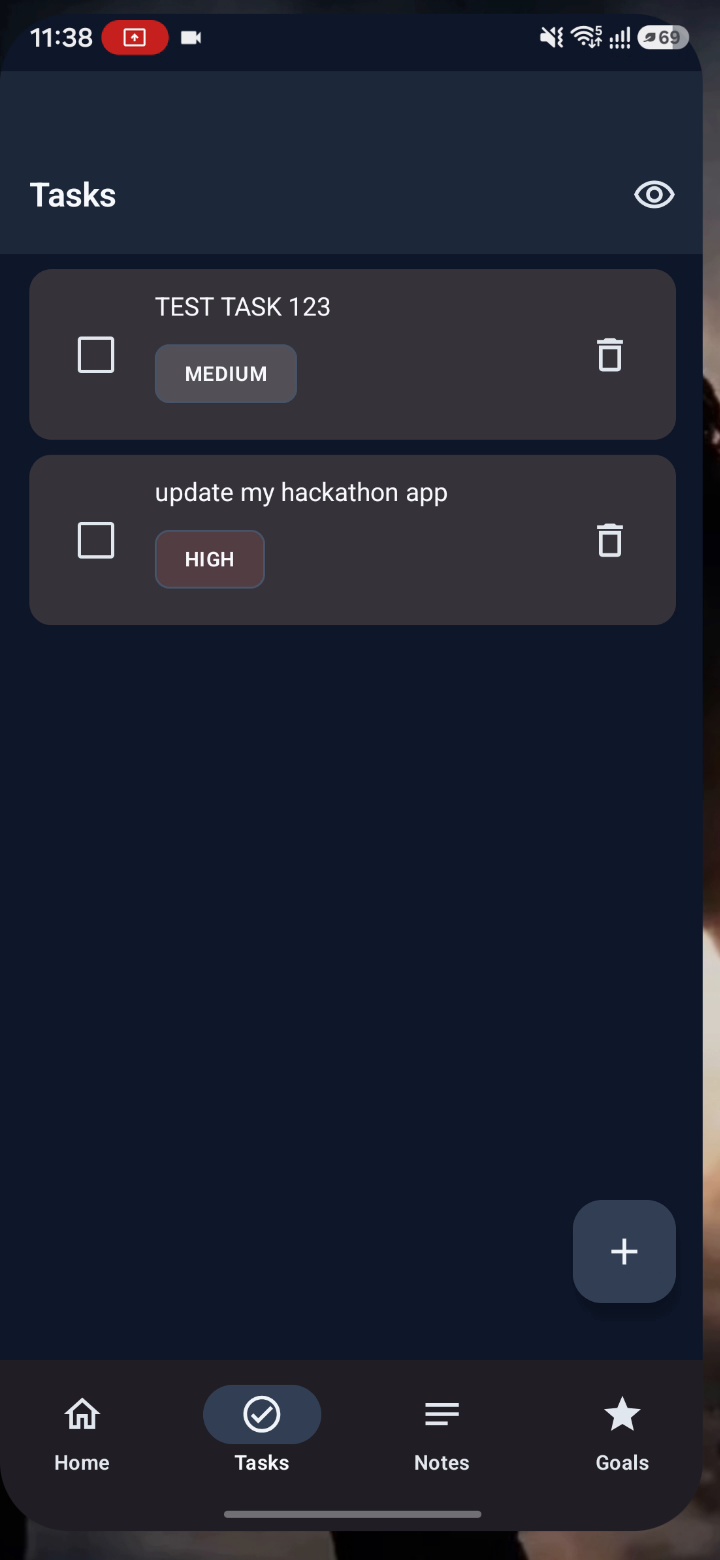
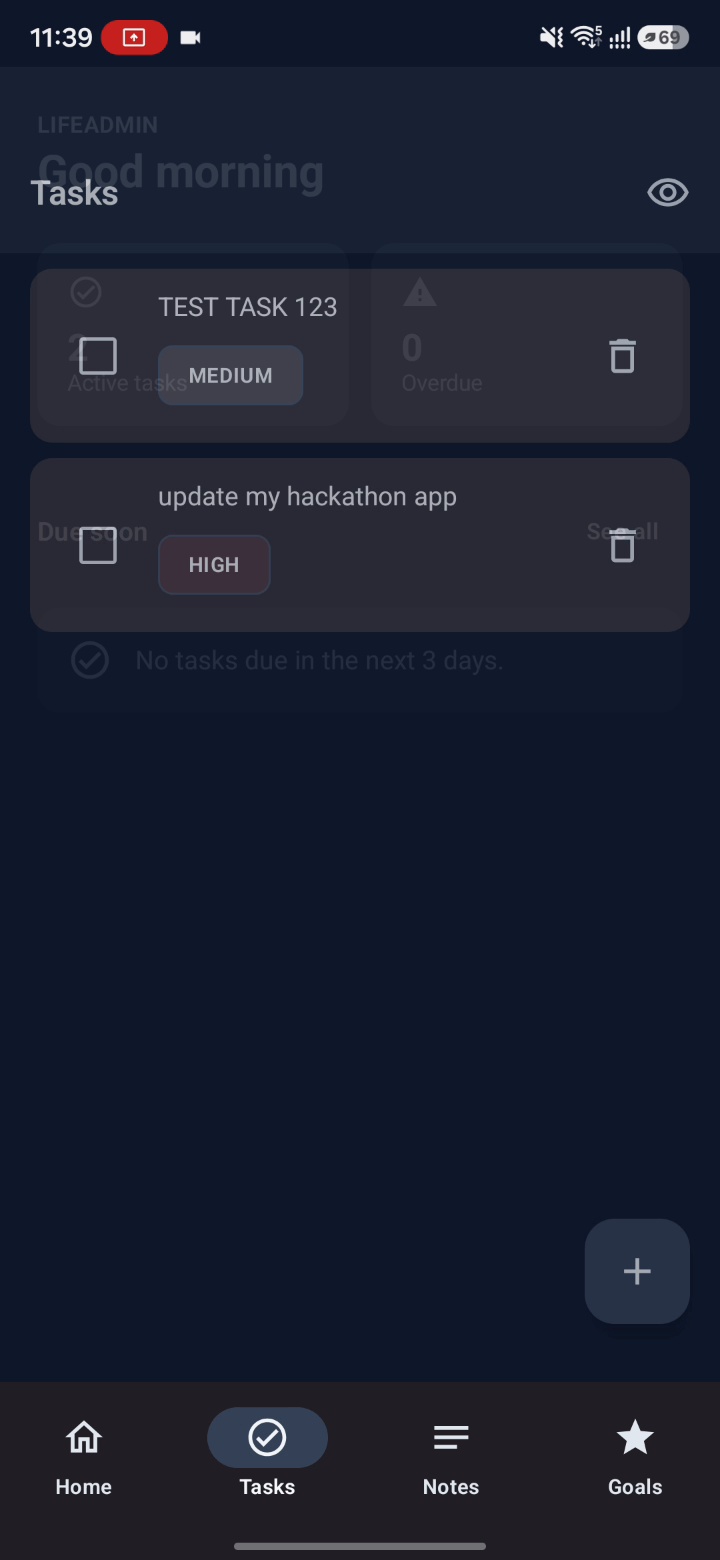
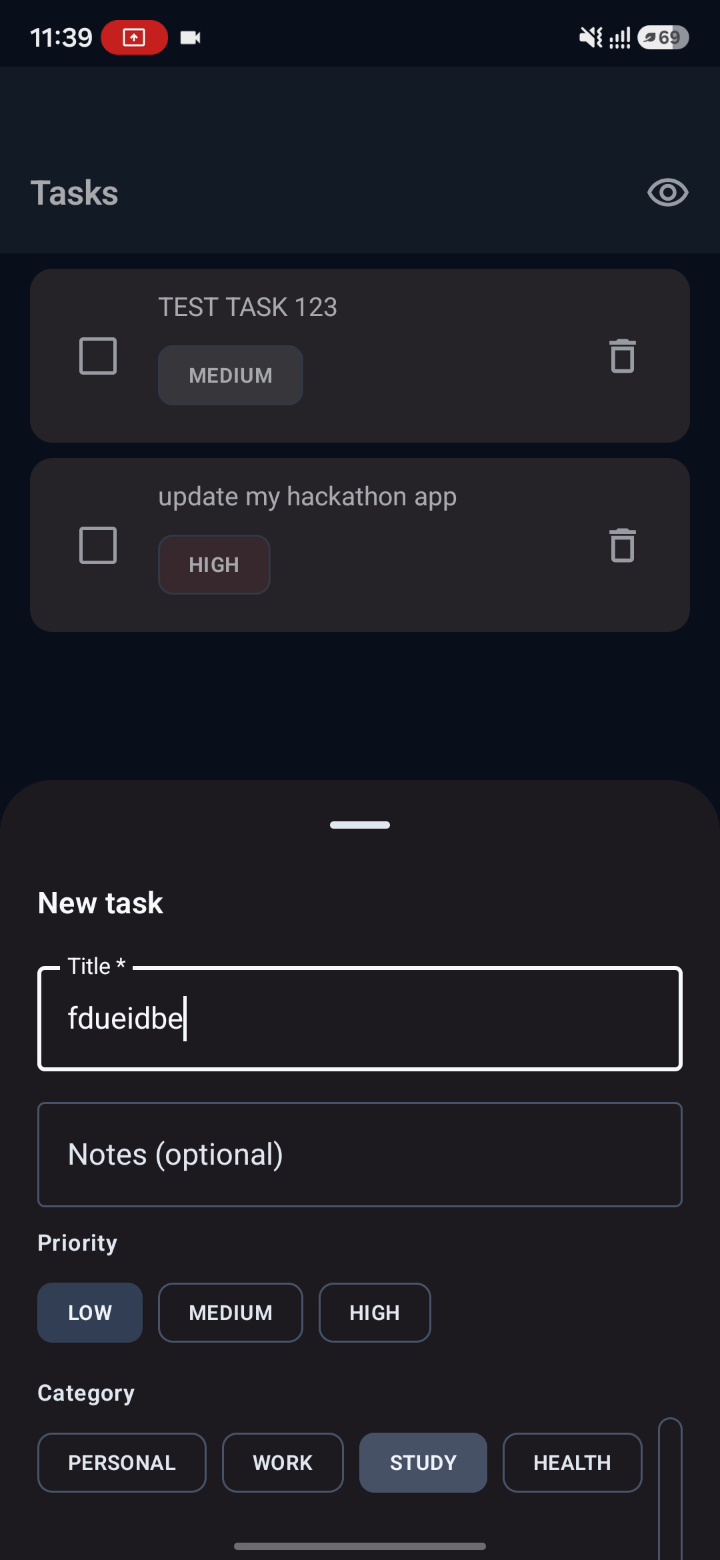
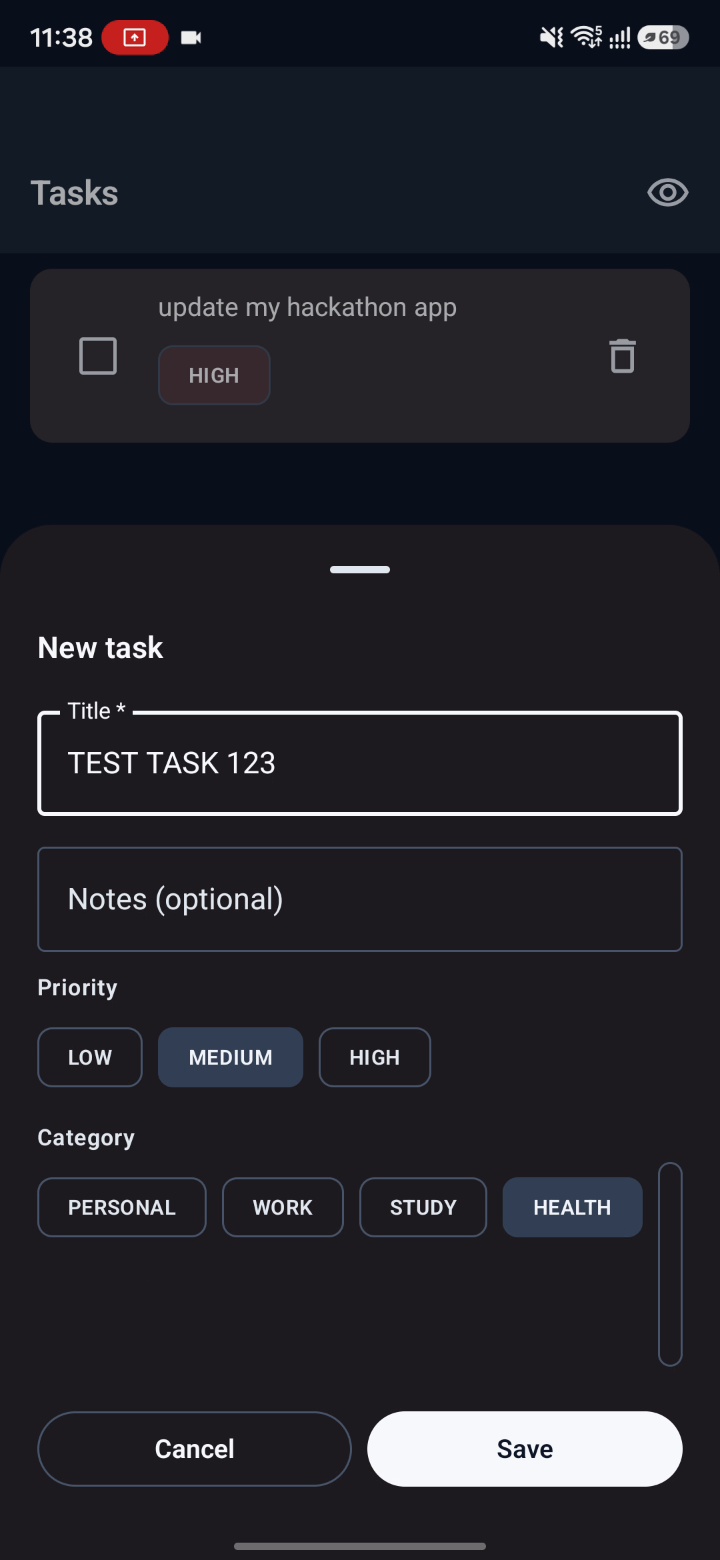
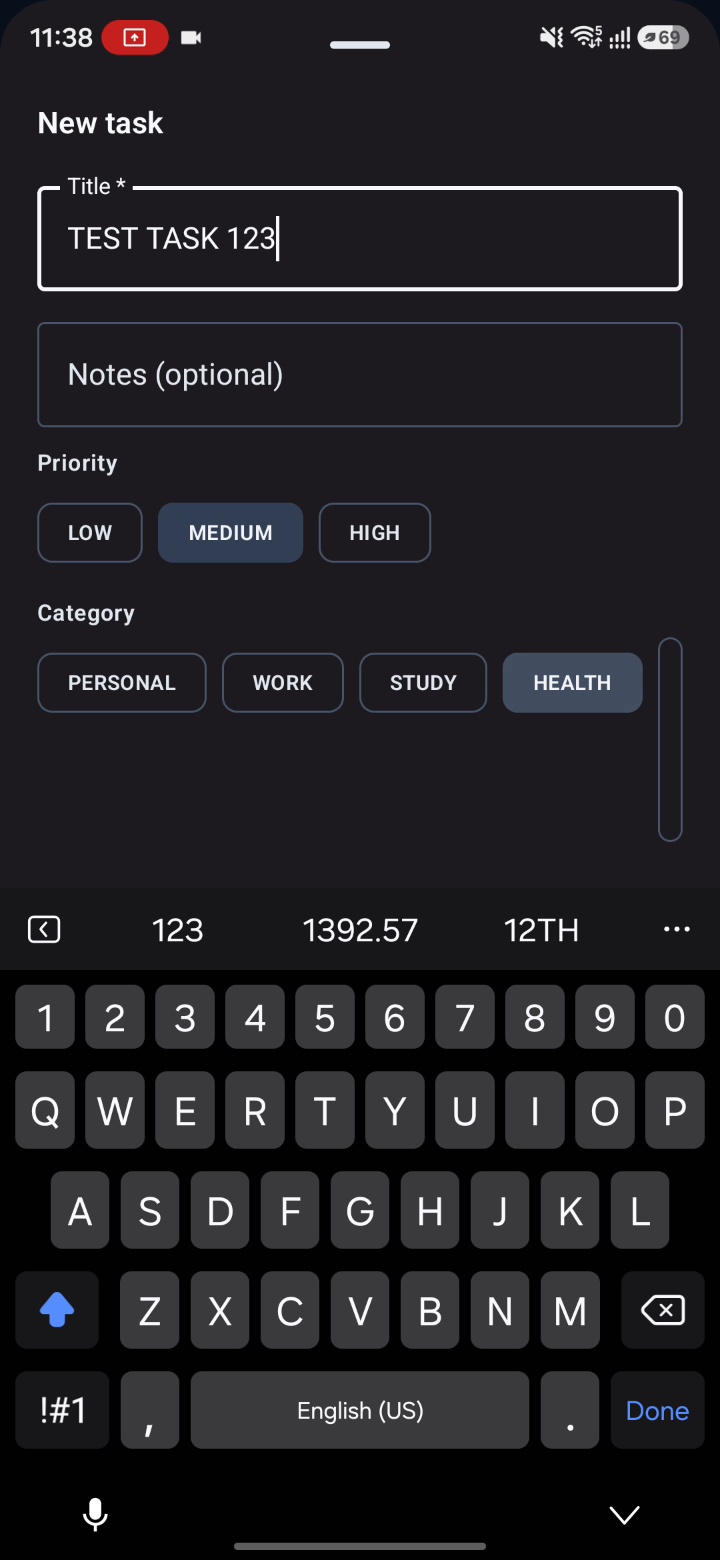
- Task and responsibility management
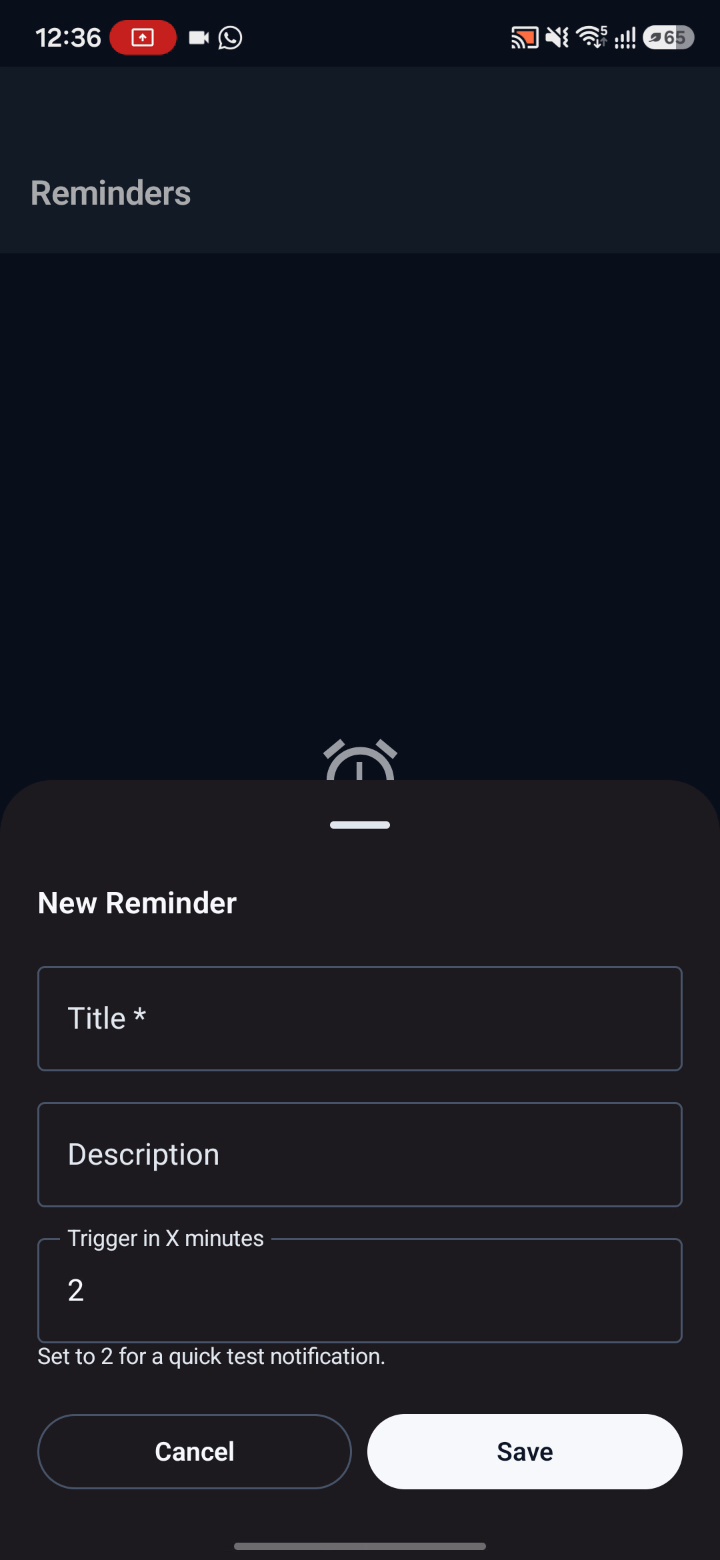
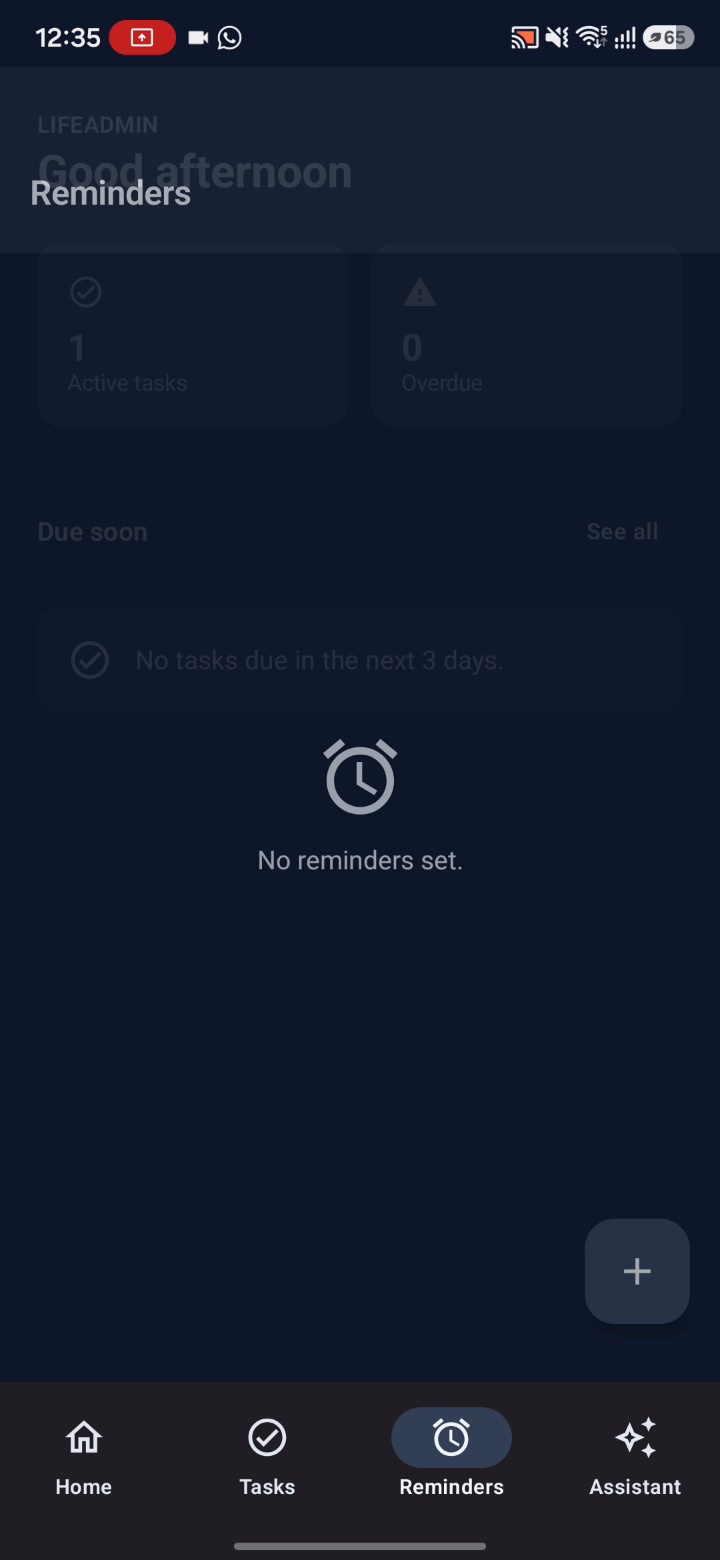
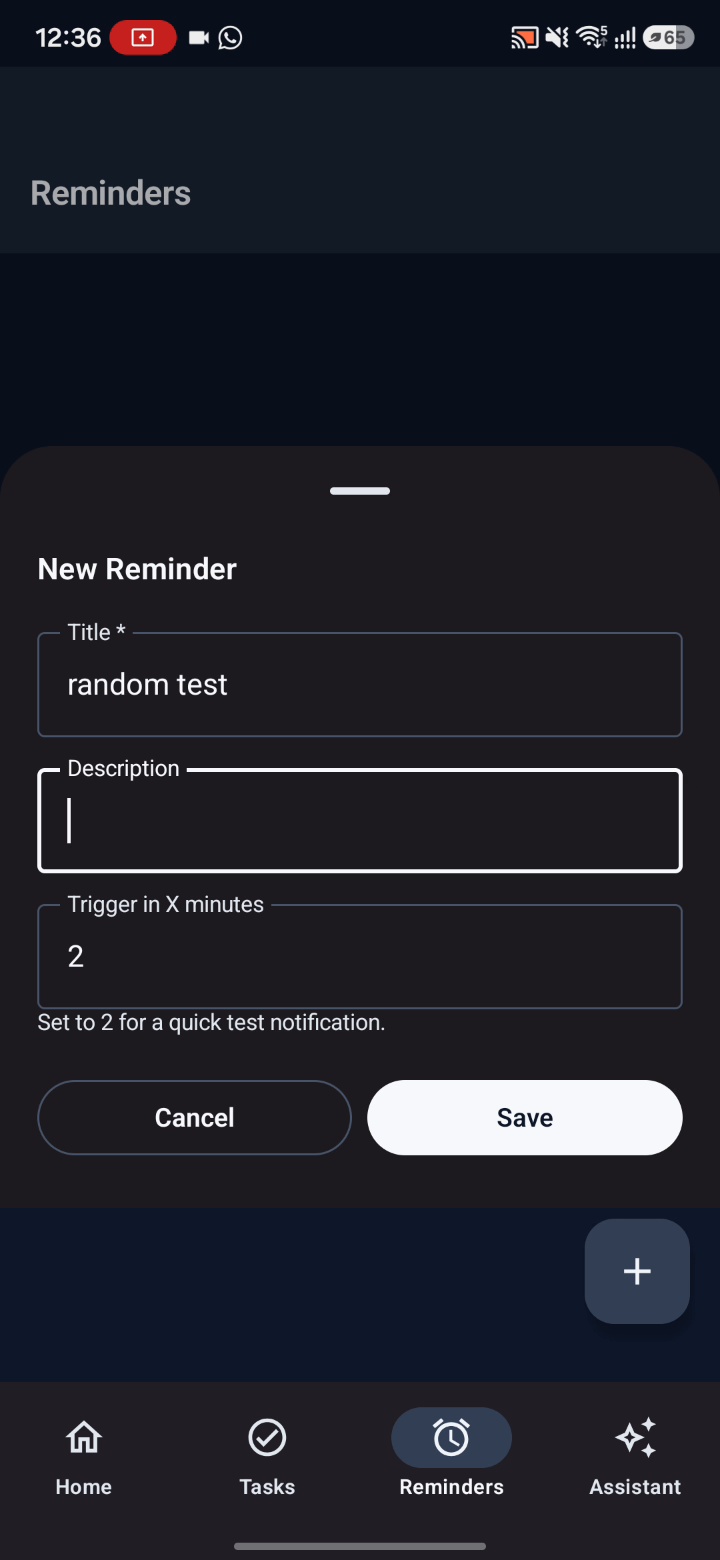
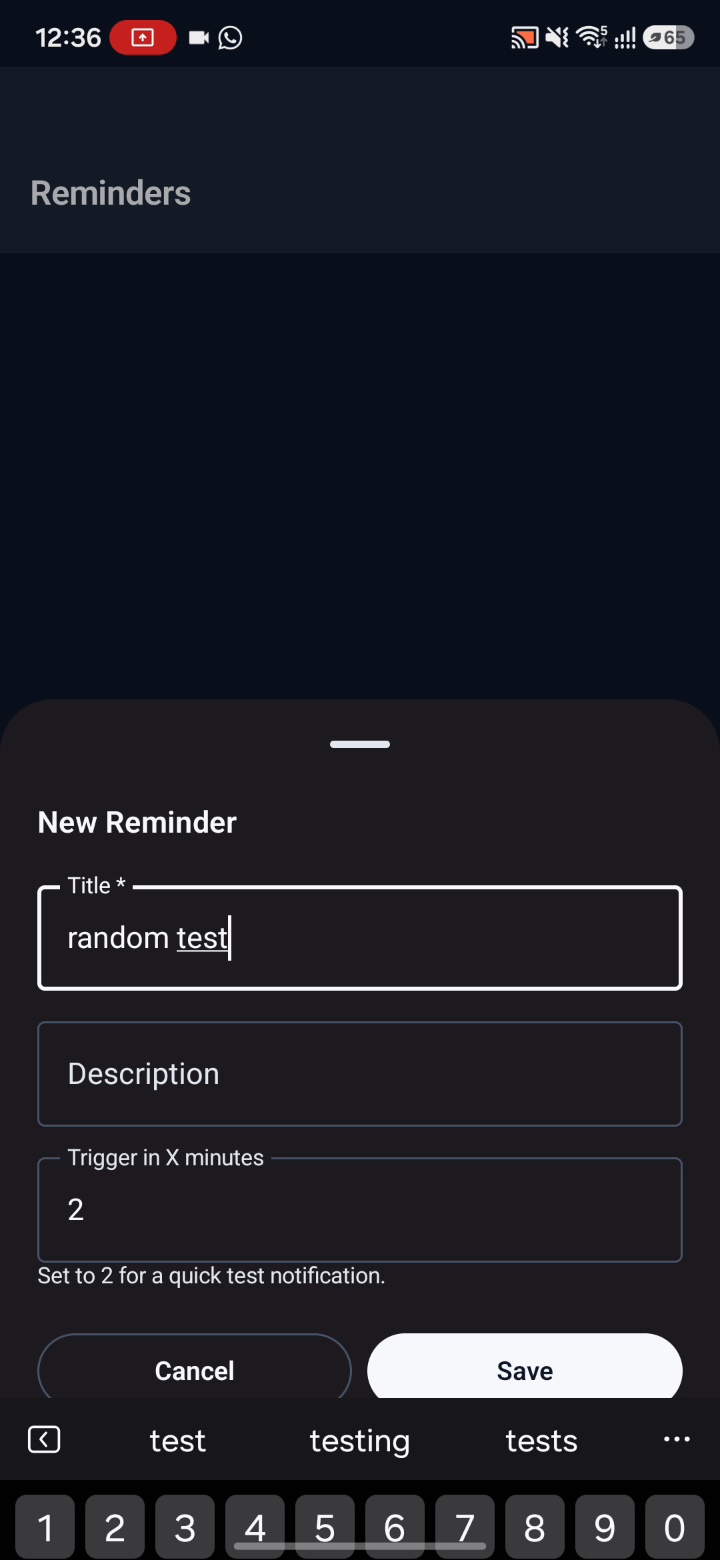
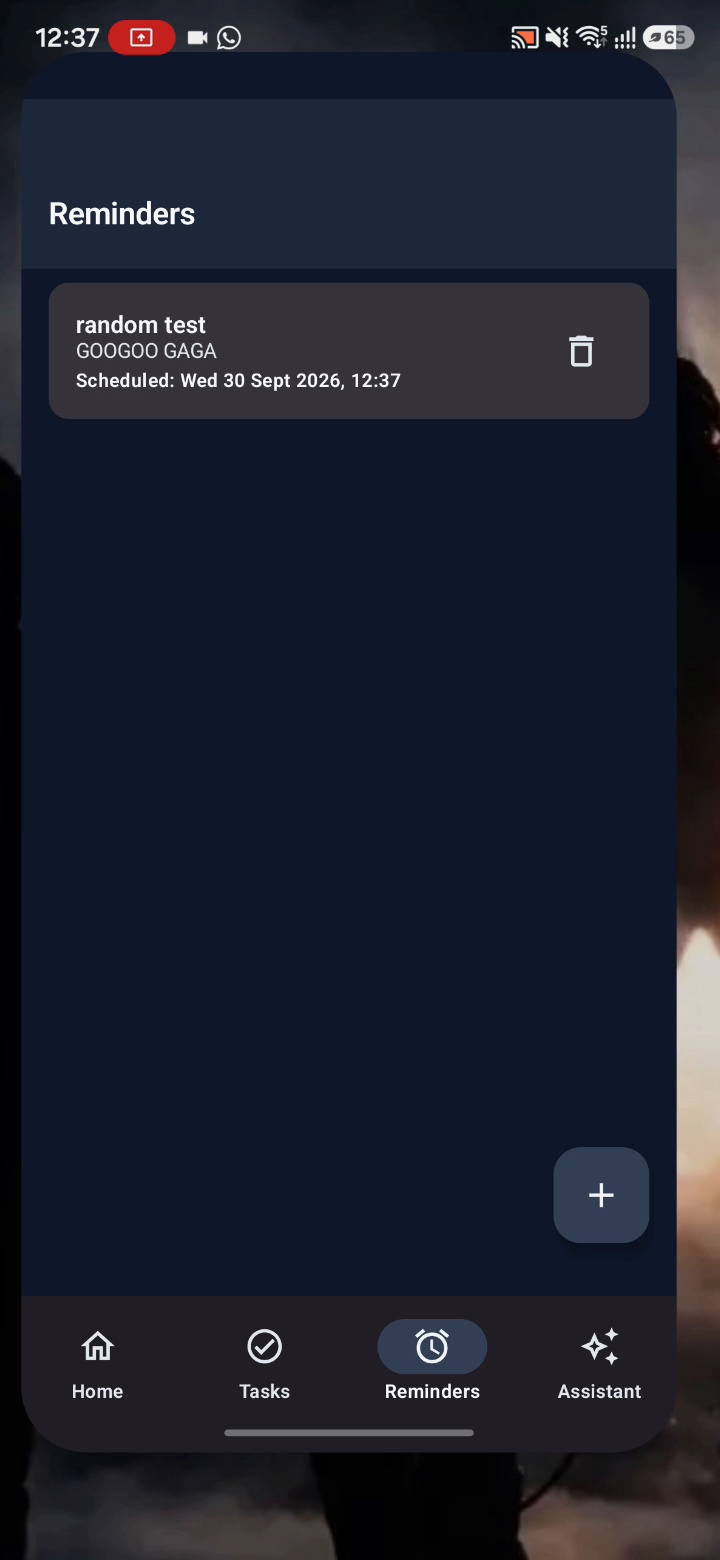
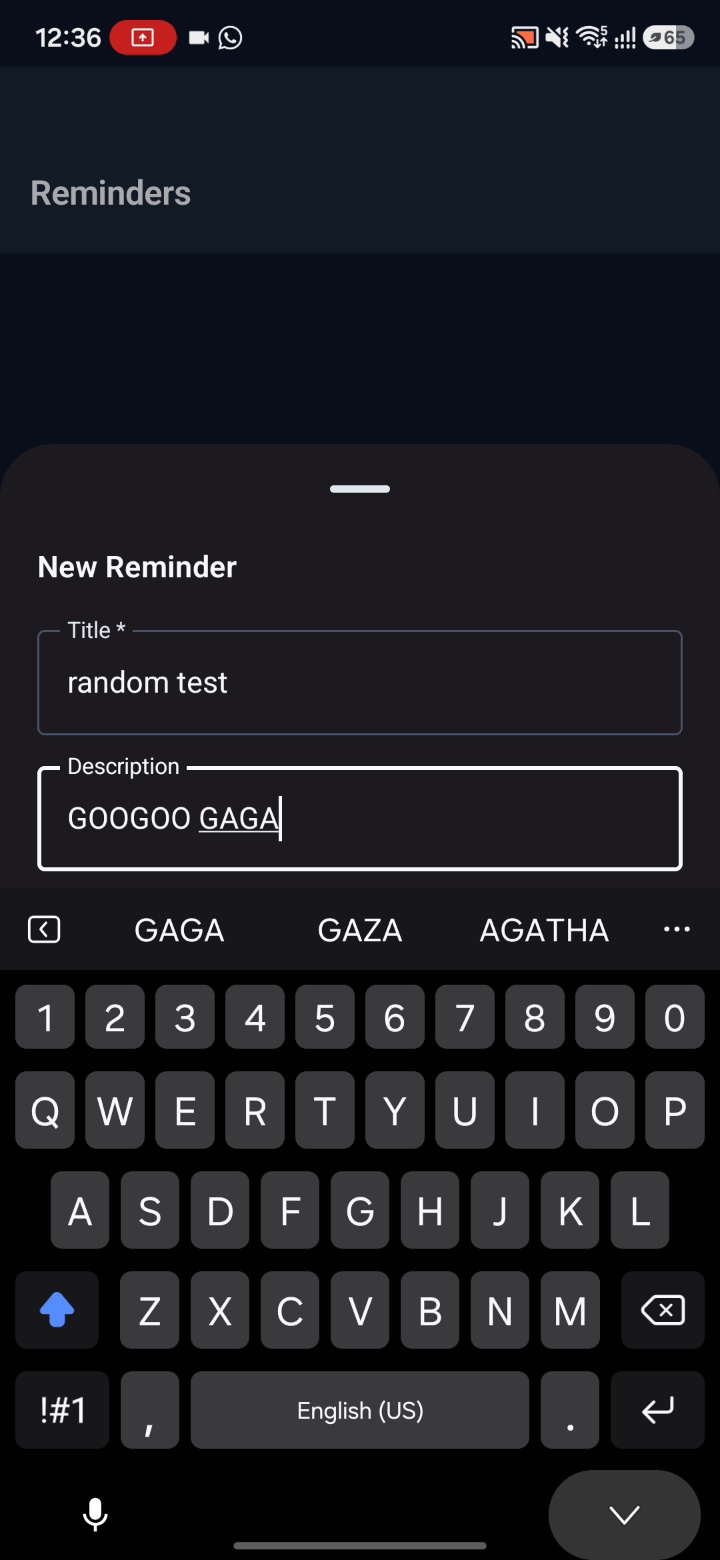
- Reminders for important activities
- Phone notifications for upcoming responsibilities
- Expense and personal information organization
- Document management
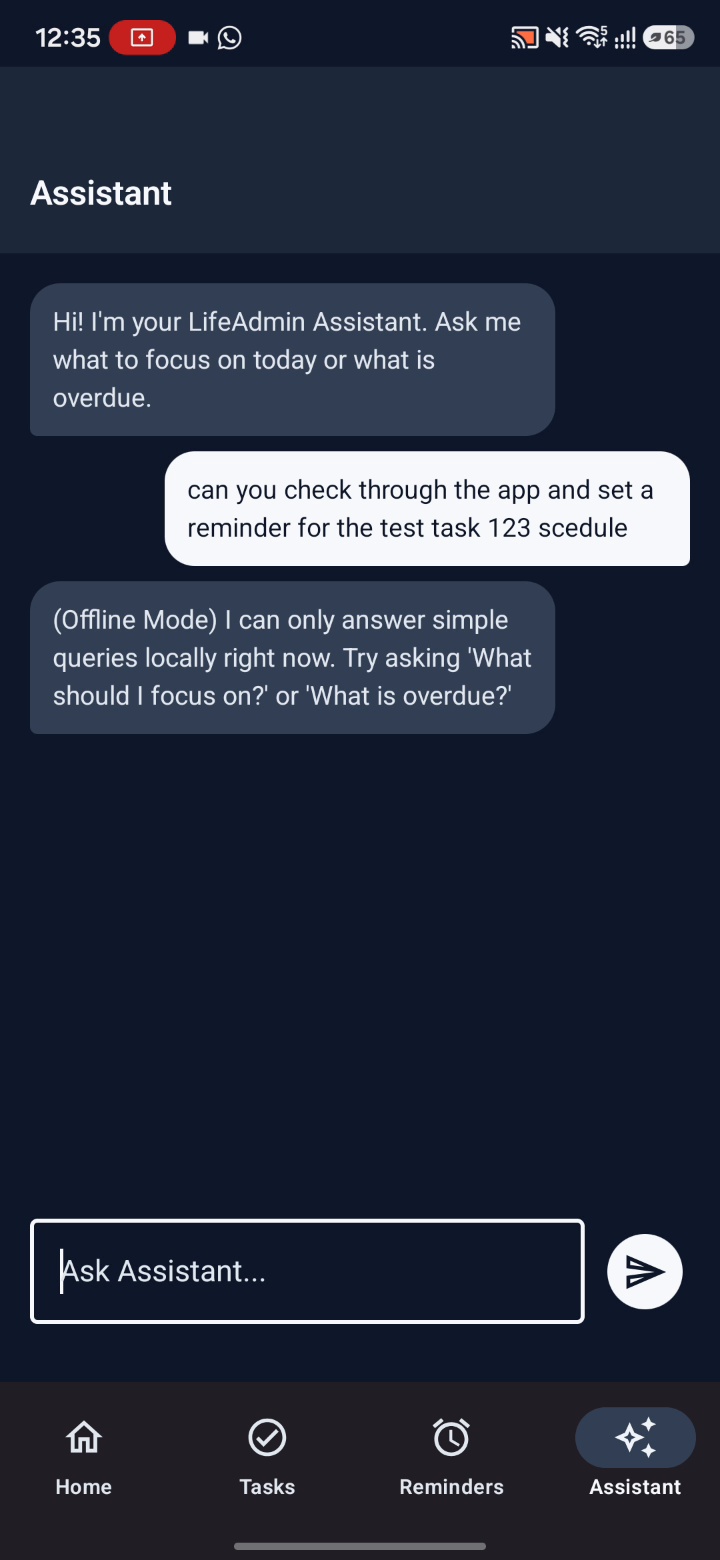
- AI-assisted features
- Automated assistance for repetitive life-admin tasks
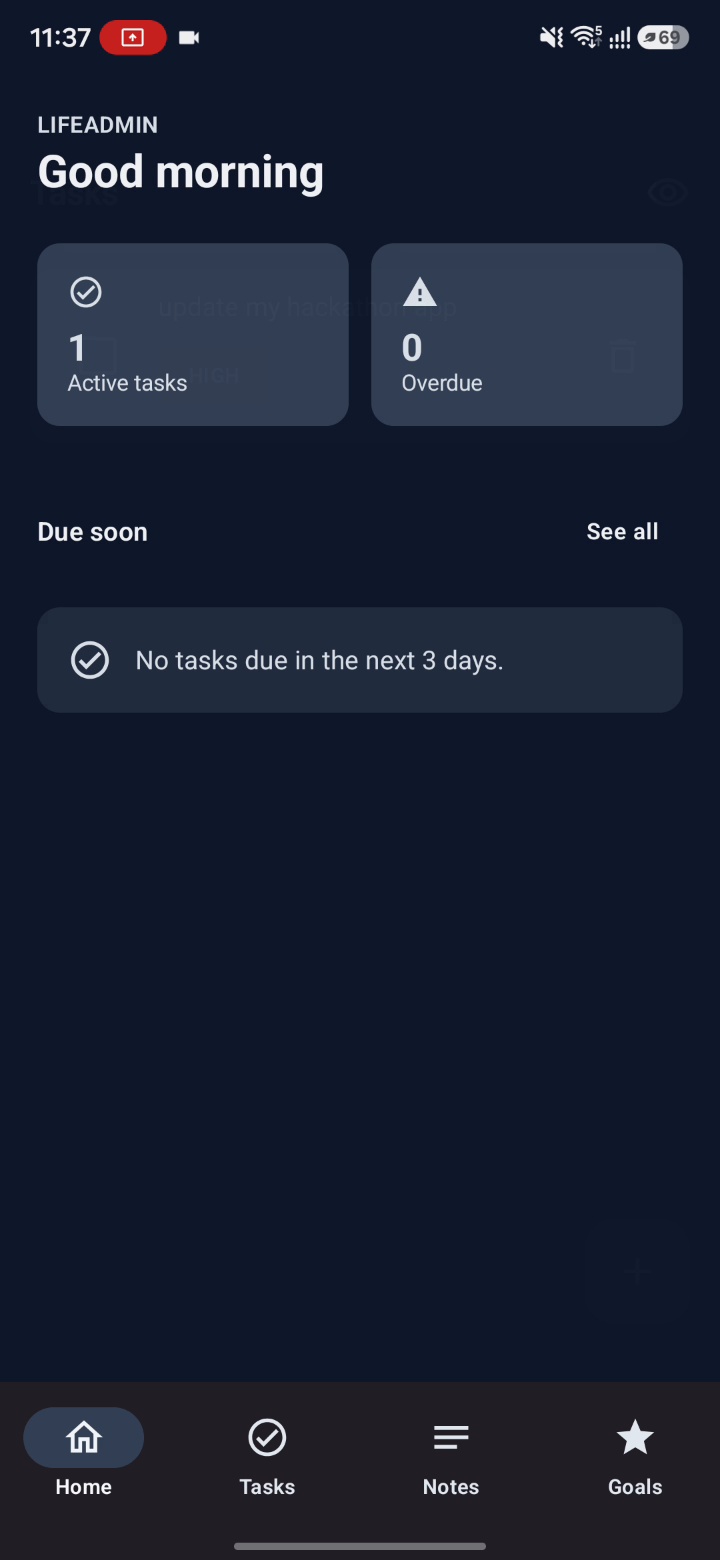
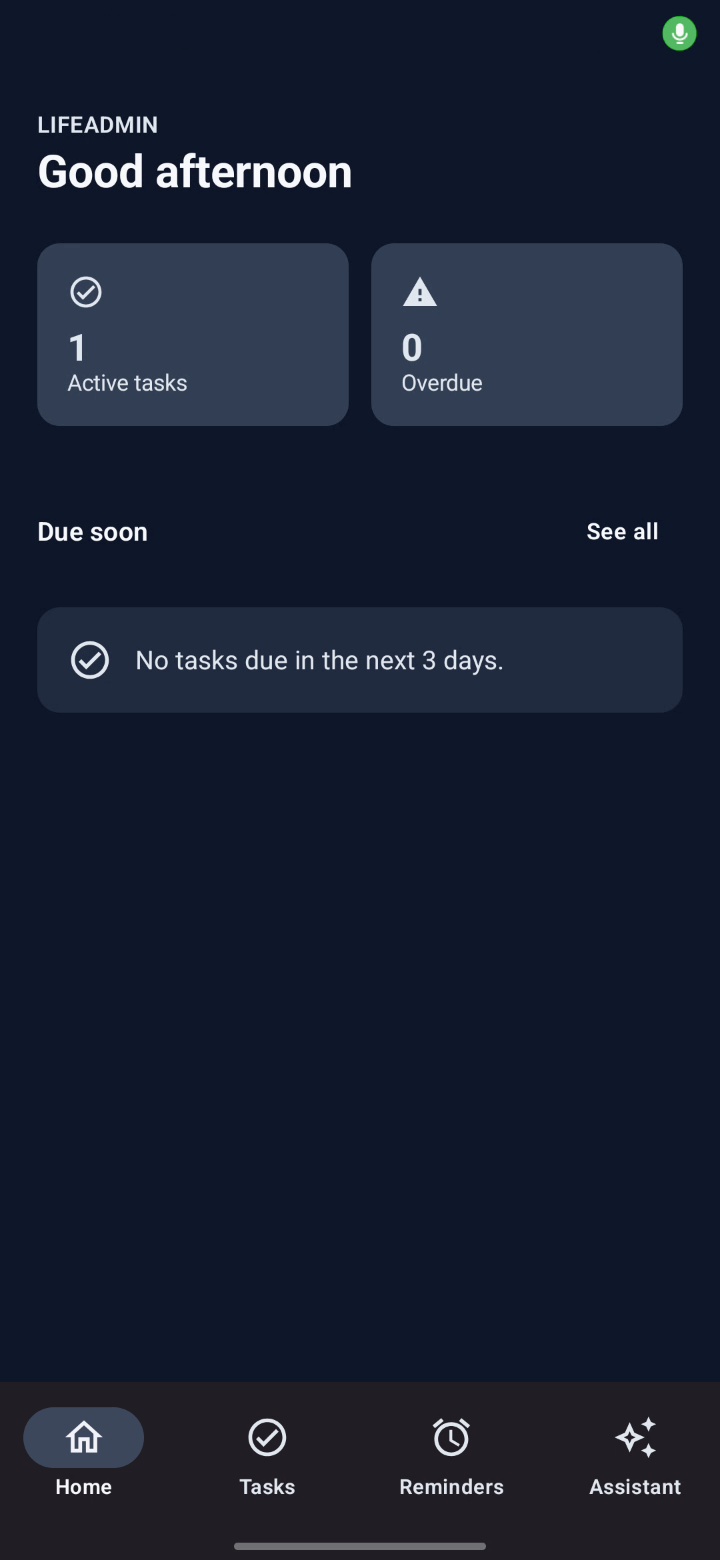
- A central dashboard for seeing what needs attention
- Premium functionality powered by RevenueCat
The goal is simple: instead of remembering everything yourself, LifeAdmin helps keep track of it for you.
How I built it
LifeAdmin AI was built as a Flutter mobile application using Dart.
I focused heavily on making the application feel like a real product rather than just a hackathon prototype. The interface was designed around quick access to the information and actions users need most.
The project includes multiple connected screens and workflows for managing different areas of a user's life while keeping the overall experience consistent.
For monetization, I integrated RevenueCat into the application.
RevenueCat manages the premium subscription state and entitlement system, allowing LifeAdmin to distinguish between free and premium users without building an entire subscription backend from scratch.
The application uses a premium entitlement to determine access to premium functionality and includes an in-app paywall experience.
This allowed me to focus more time on the actual product while RevenueCat handled a major part of the subscription infrastructure.
RevenueCat integration
RevenueCat is not just included as an SDK dependency — it is part of LifeAdmin's product model.
LifeAdmin follows a freemium approach.
Users can access the core experience for free, while more advanced functionality can be offered through LifeAdmin Premium.
RevenueCat handles the subscription and entitlement layer behind that experience.
Building this taught me how important subscription state management is. A paywall is only one part of monetization — the application also needs to correctly determine whether a user has access, react when their subscription state changes, and provide a smooth experience between free and premium features.
Challenges I faced
One of the biggest challenges was turning a large idea into a usable mobile application.
Life administration covers many different areas, so it would have been easy to create an app filled with disconnected features. I had to continuously think about how each feature fits into the same experience.
Another major challenge was implementing and debugging the subscription flow.
Connecting the application, RevenueCat configuration, products, offerings, and entitlements required careful testing. Small configuration differences can affect whether a paywall or premium status works correctly.
I also had to deal with the normal challenges that come with building a real Flutter application: fixing UI issues, managing application state, testing on a physical Android device, handling notifications, improving navigation, and making sure new features did not break existing ones.
The project went through multiple iterations as I improved both the design and functionality.
What I learned
Building LifeAdmin taught me much more than simply how to add features to an app.
I learned more about:
- Flutter application architecture
- Dart development
- Mobile UI/UX design
- Subscription-based product design
- RevenueCat entitlements and paywalls
- Premium feature gating
- Android testing and debugging
- Notification-driven user experiences
- Managing application state
- Designing AI features around real user problems
- Building a product under hackathon time constraints
Most importantly, I learned to think about the application as a product instead of only as code.
A feature is only valuable when users understand why they need it and can use it easily.
Accomplishments that I'm proud of
I'm proud that LifeAdmin became a working mobile application rather than remaining just an idea or design.
I was able to build and test the application on an actual Android device, integrate RevenueCat, create a premium experience, implement several life-management features, add reminders and notifications, and bring AI-assisted functionality into the product.
Seeing all of those systems work together inside one application was one of the most rewarding parts of the project.
I'm also proud of how much the app evolved during development. Several parts had to be rebuilt, redesigned, debugged, and improved before they felt right.
What's next for LifeAdmin AI
LifeAdmin is designed around a much larger vision.
Future versions could provide deeper automation between different areas of a user's life, smarter AI assistance, improved document intelligence, more advanced financial organization, better recurring routines, richer notification controls, and additional premium personalization.
I also want the assistant to become increasingly proactive — not simply waiting for the user to open the app, but helping them recognize what needs attention before they forget about it.
The long-term goal is for LifeAdmin to become a personal operating system for everyday responsibilities.
One place to manage the small things that take up a surprisingly large amount of life.
Built With
- ai
- android
- dart
- github
- github-jobs
- kotlin
- mobile
- revenuecat

Log in or sign up for Devpost to join the conversation.