-
-
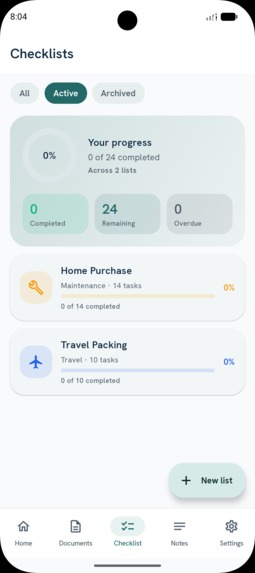
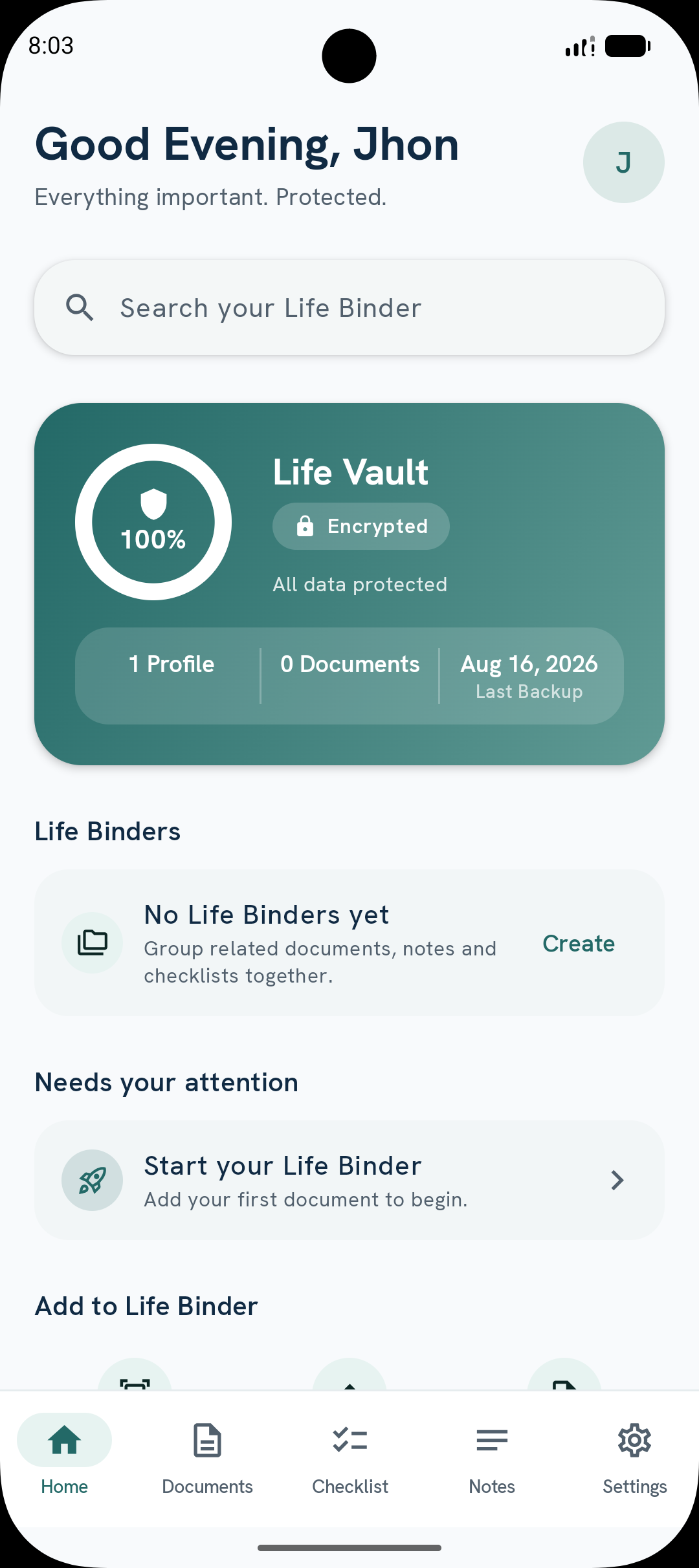
A unified dashboard to securely organize and access everything important in your life.
-
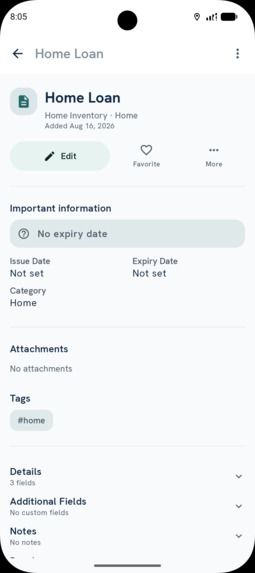
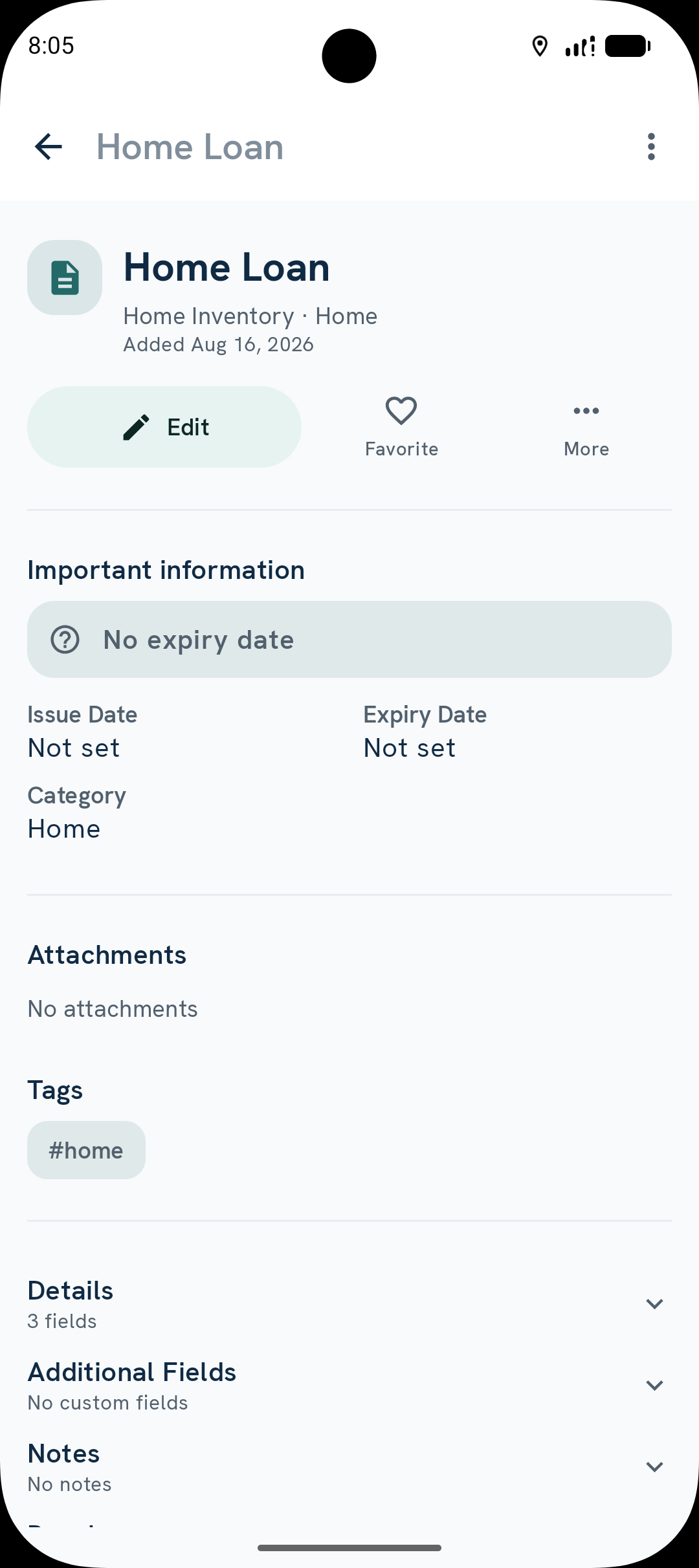
Keep essential document information, attachments, expiry dates, tags, and notes together.
-
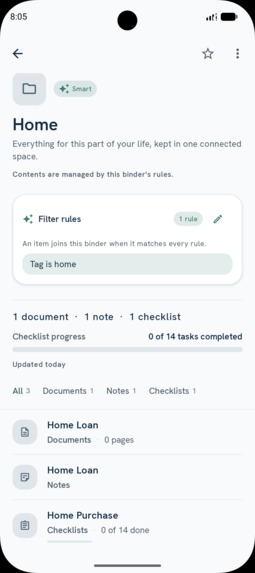
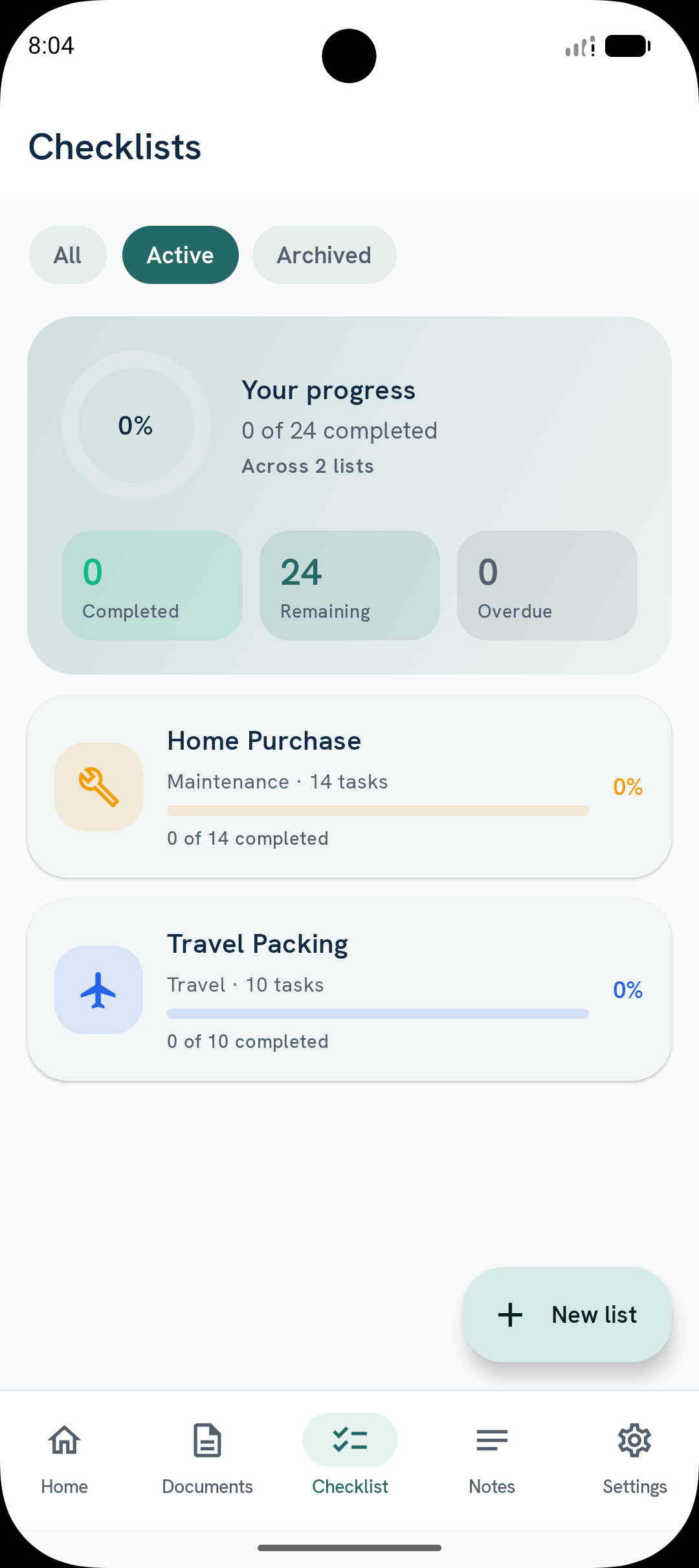
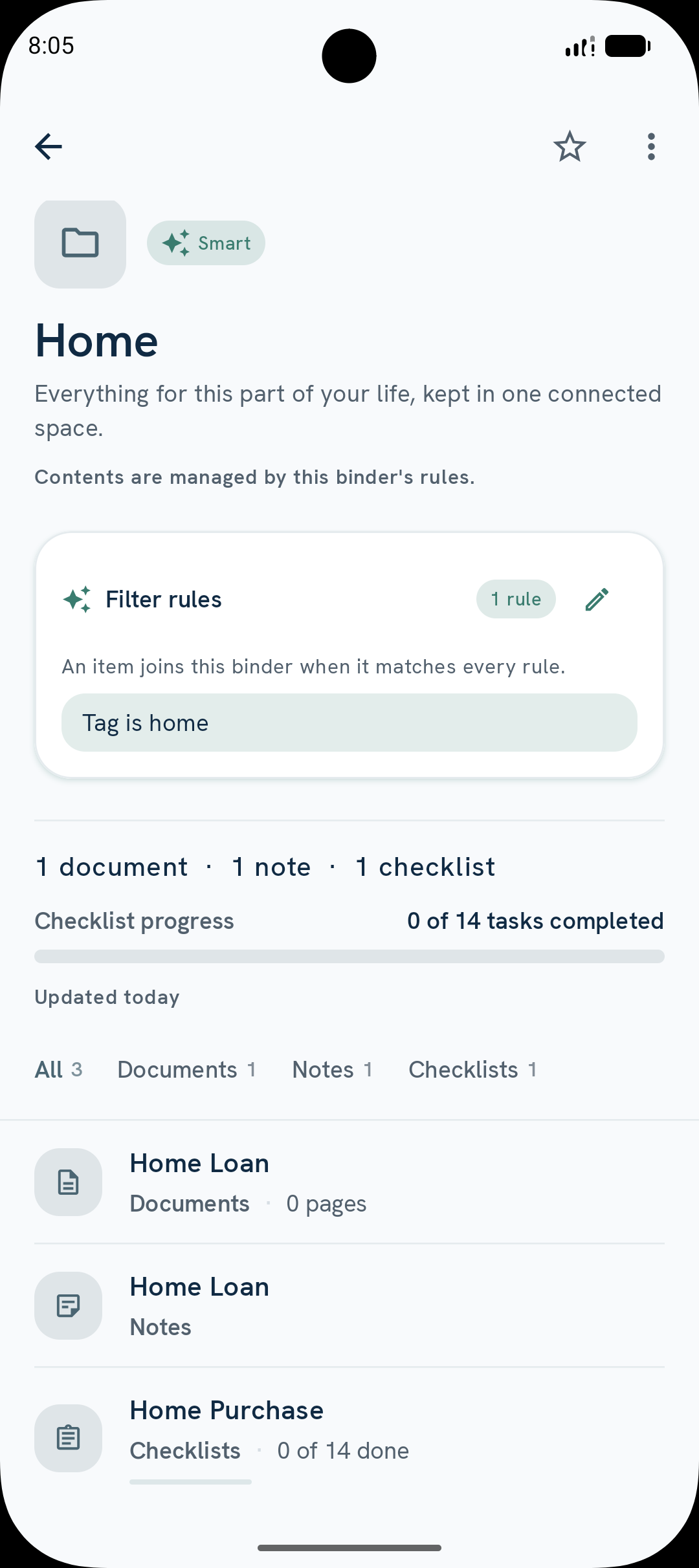
Automatically organize documents, notes, and checklists into connected life spaces using intelligent rules.
-
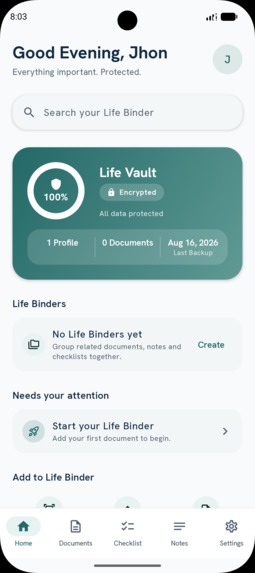
A unified dashboard to securely organize and access everything important in your life.
-
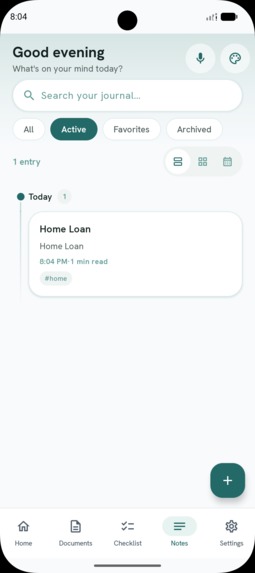
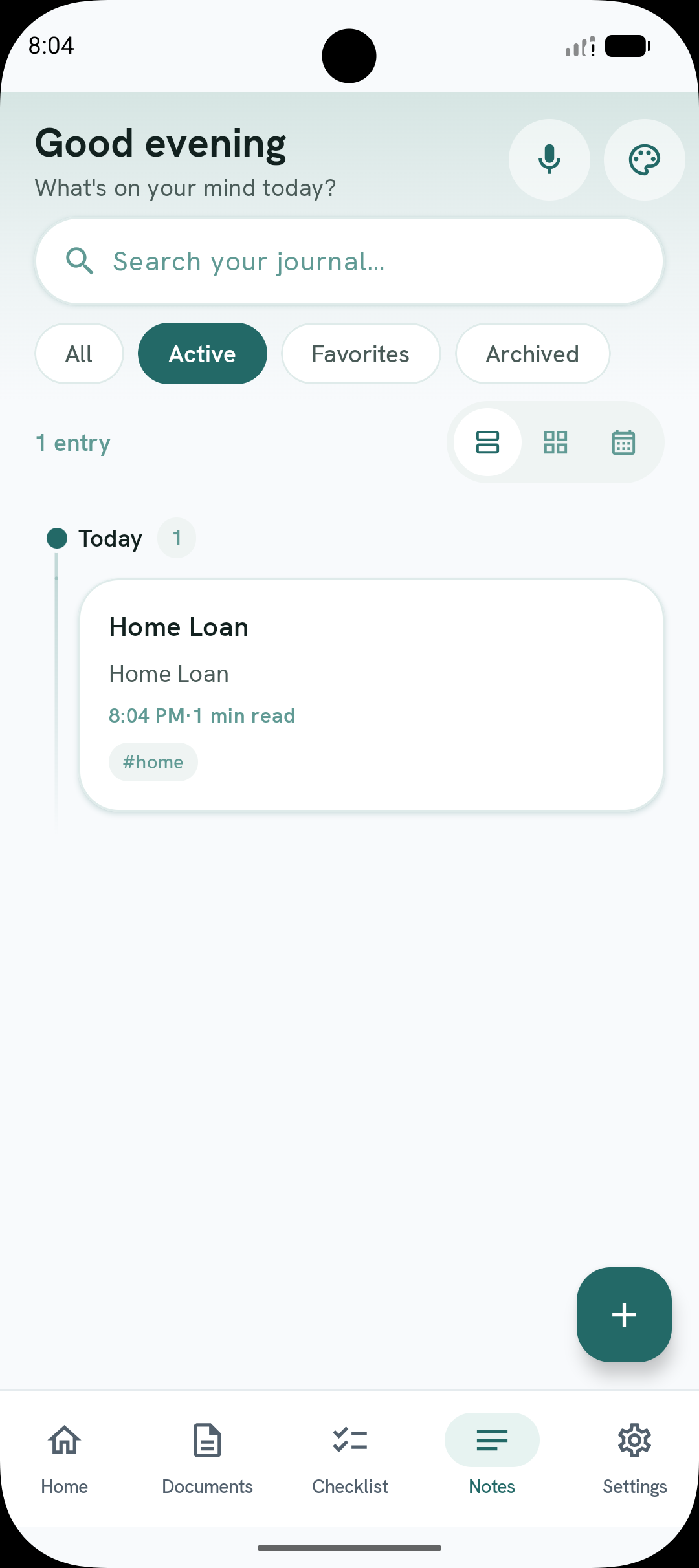
Capture important thoughts, memories, and information in one private, organized space.
Inspiration
Important documents and personal information are scattered everywhere—phone galleries, downloads, email attachments, messaging apps, cloud drives, and physical folders. When people actually need something important, finding it can become stressful and time-consuming.
We wanted to build something simpler: one private place where people can organize the important things in their life.
That idea became Life Vault: Digital Locker—a privacy-focused personal locker designed to help people organize documents, records, and important information in a structured way.
What it does
Life Vault lets users organize their important information into binders and family profiles, making it easier to keep personal and family documents organized.
Instead of treating everything as a simple file list, Life Vault is designed around the way people naturally organize their lives—for example, personal documents, family records, financial information, education records, property documents, insurance information, and other important files.
The goal is simple: find the right information when you need it, without searching through hundreds of files.
Life Vault also focuses on privacy and user control. The application is designed with local-first storage in mind, so users can keep their important information on their own device rather than depending entirely on a cloud-based storage system.
How we built it
We built Life Vault with a mobile-first architecture focused on performance, privacy, maintainability, and a simple user experience.
The application uses Kotlin and modern Android development technologies, with a structured data layer for organizing profiles, binders, documents, and metadata. We designed the storage architecture so that users can manage their information locally while still having a clear path for backup and recovery.
A major focus during development was creating a flexible structure that can grow with the user's life. Instead of hard-coding the application around one type of document, we created a system where different categories of information can be organized under profiles and binders.
We also designed the application around a freemium model, allowing users to start organizing their information without immediately requiring a subscription.
Challenges we ran into
The biggest challenge was balancing simplicity, privacy, storage limitations, and usability.
A digital locker can quickly become complicated because users may store many different types of information. We had to design an experience that remained easy for someone using it for the first time while still being powerful enough for users with hundreds of documents.
Another challenge was designing around local storage. Unlike traditional cloud-storage products, local storage requires careful consideration of device capacity, backup, restore, data integrity, and what happens when users reach their available storage limit.
We also spent significant time thinking about the right information architecture. We wanted users to understand immediately where something belongs without forcing them through complicated folder structures.
Accomplishments that we're proud of
We are proud that Life Vault evolved from a simple idea into a complete digital organization concept focused on a real everyday problem.
Some of the things we are particularly proud of are:
a. A profile-based architecture for managing information for individuals and family members. b. Binder-based organization that makes large amounts of information easier to manage. c. A local-first approach that gives users greater control over their personal information. d. A freemium model that allows users to experience the product before upgrading. e. A clean, mobile-first experience designed for everyday users rather than technical users. f. A foundation that can continue evolving into a broader personal information management platform.
What we learned
Building Life Vault taught us that a product handling personal information needs to be designed around trust, not just features.
We learned that privacy should influence the architecture from the beginning, not be added as a marketing feature later. We also learned that organizing information is fundamentally a UX problem: having more features does not necessarily make information easier to find.
Most importantly, we learned to start with the user's real problem—"Where did I put that important document?"—and work backwards from that problem when making product and technical decisions.
What's next for Life Vault : Digital Locker
Life Vault is still evolving.
Our long-term vision is to make it a personal digital locker for everything important in life—a trusted place where individuals and families can organize, manage, and access their essential information.
We want to continue improving the organization experience, strengthen backup and recovery, expand cross-platform capabilities, and introduce smarter ways to help users find and manage their information without compromising the privacy-first philosophy.
Our ultimate goal is simple:
Life Vault should be the place people think of when they need something important from their digital life.
