-
-
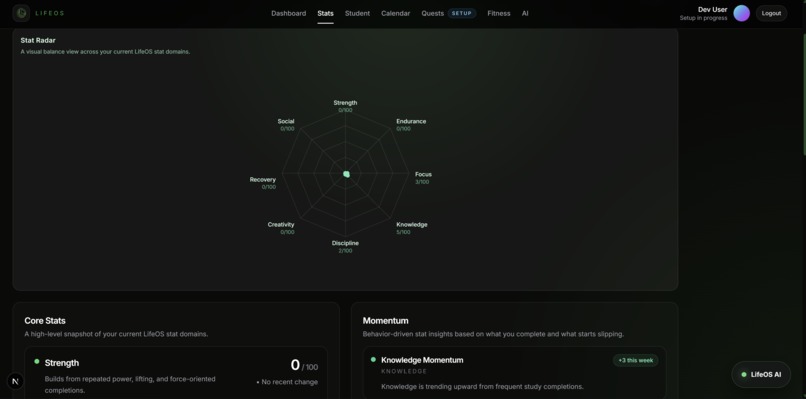
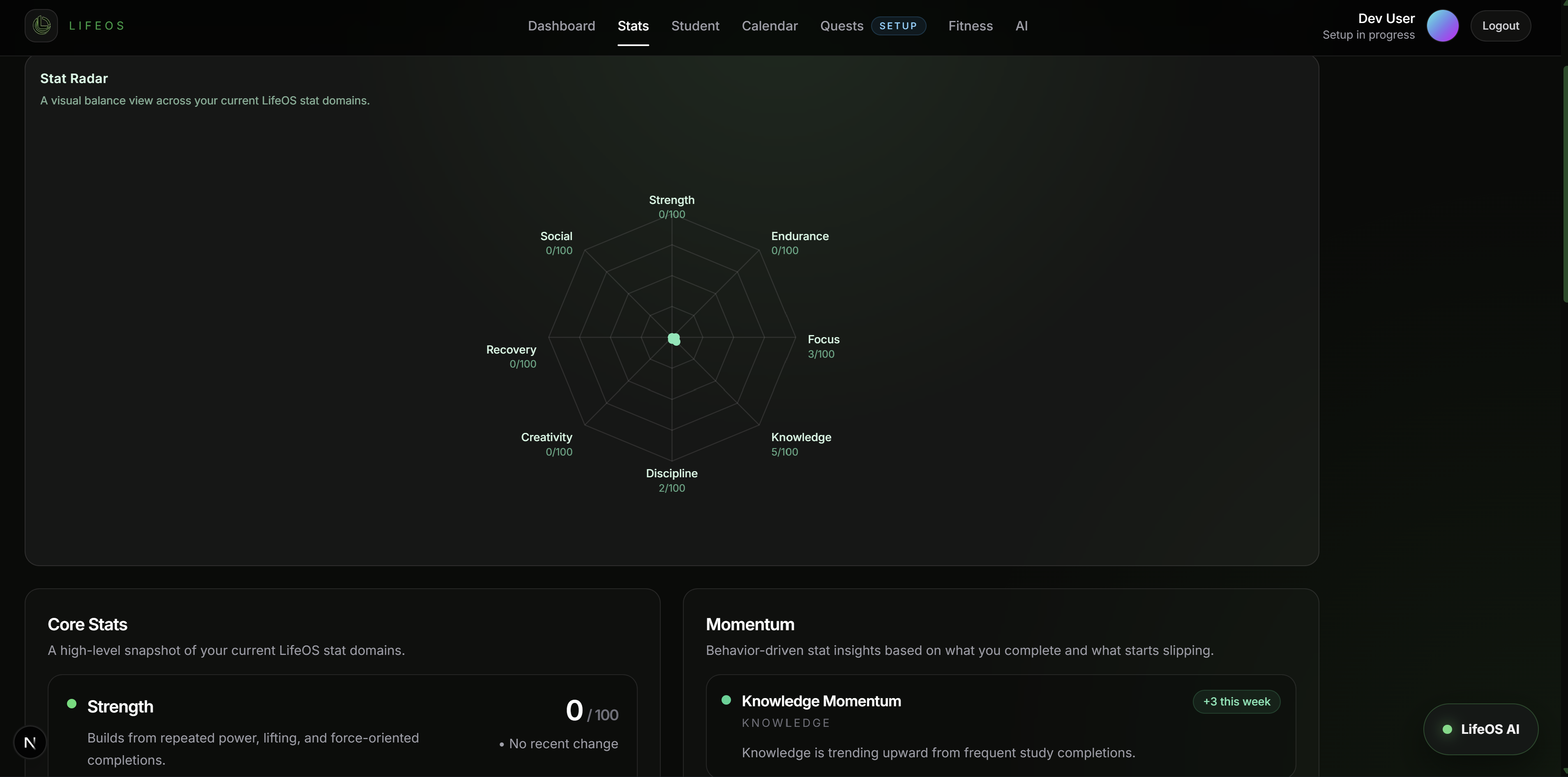
stats page
-
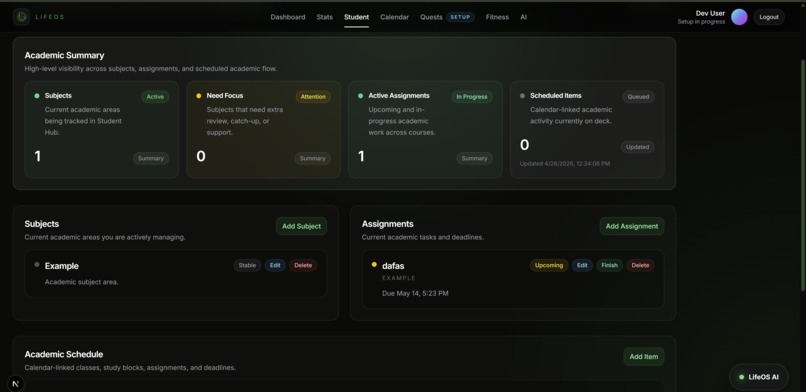
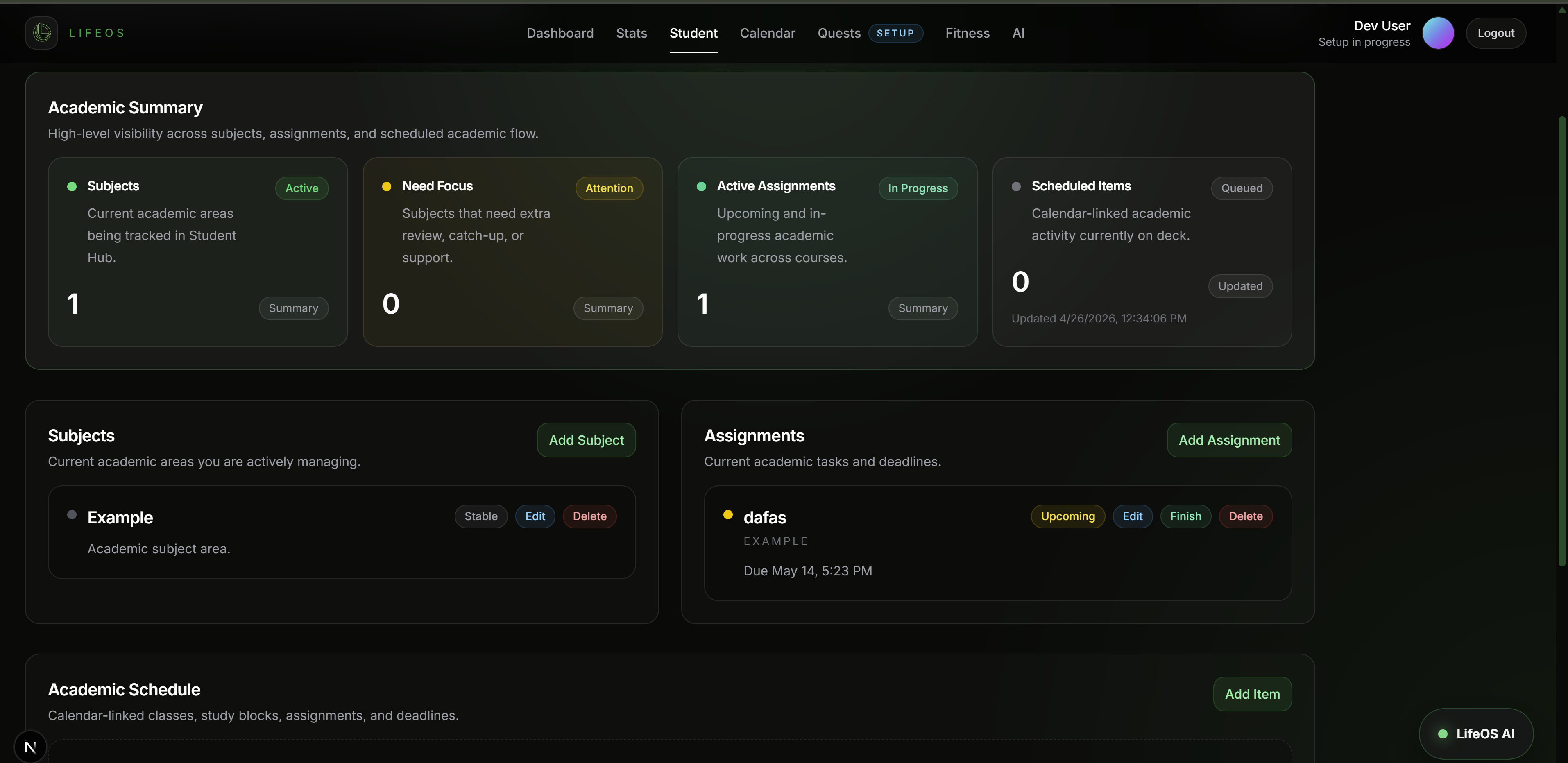
student page
-
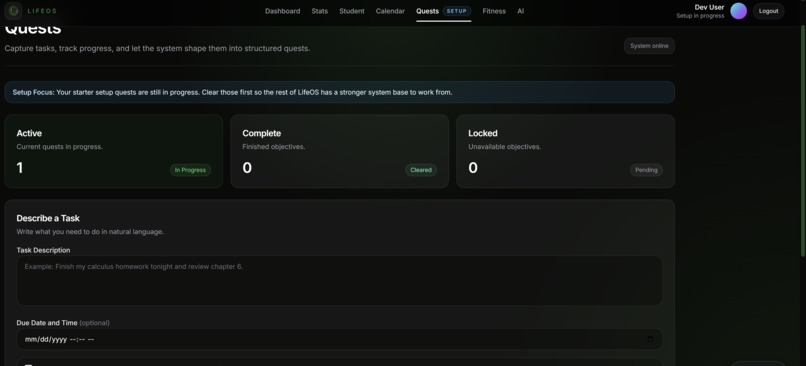
fitness page
-
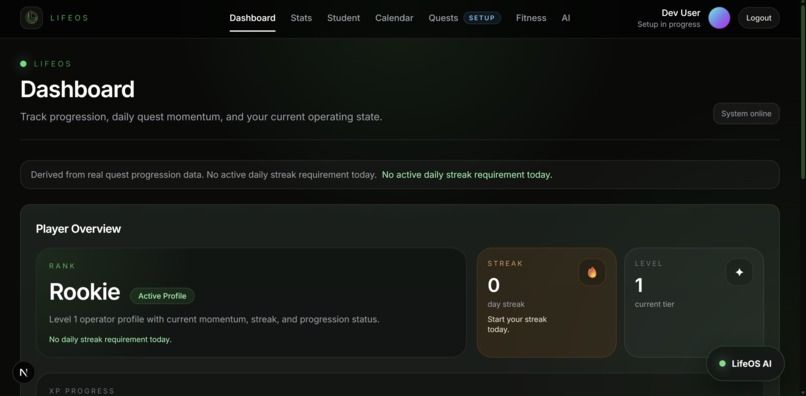
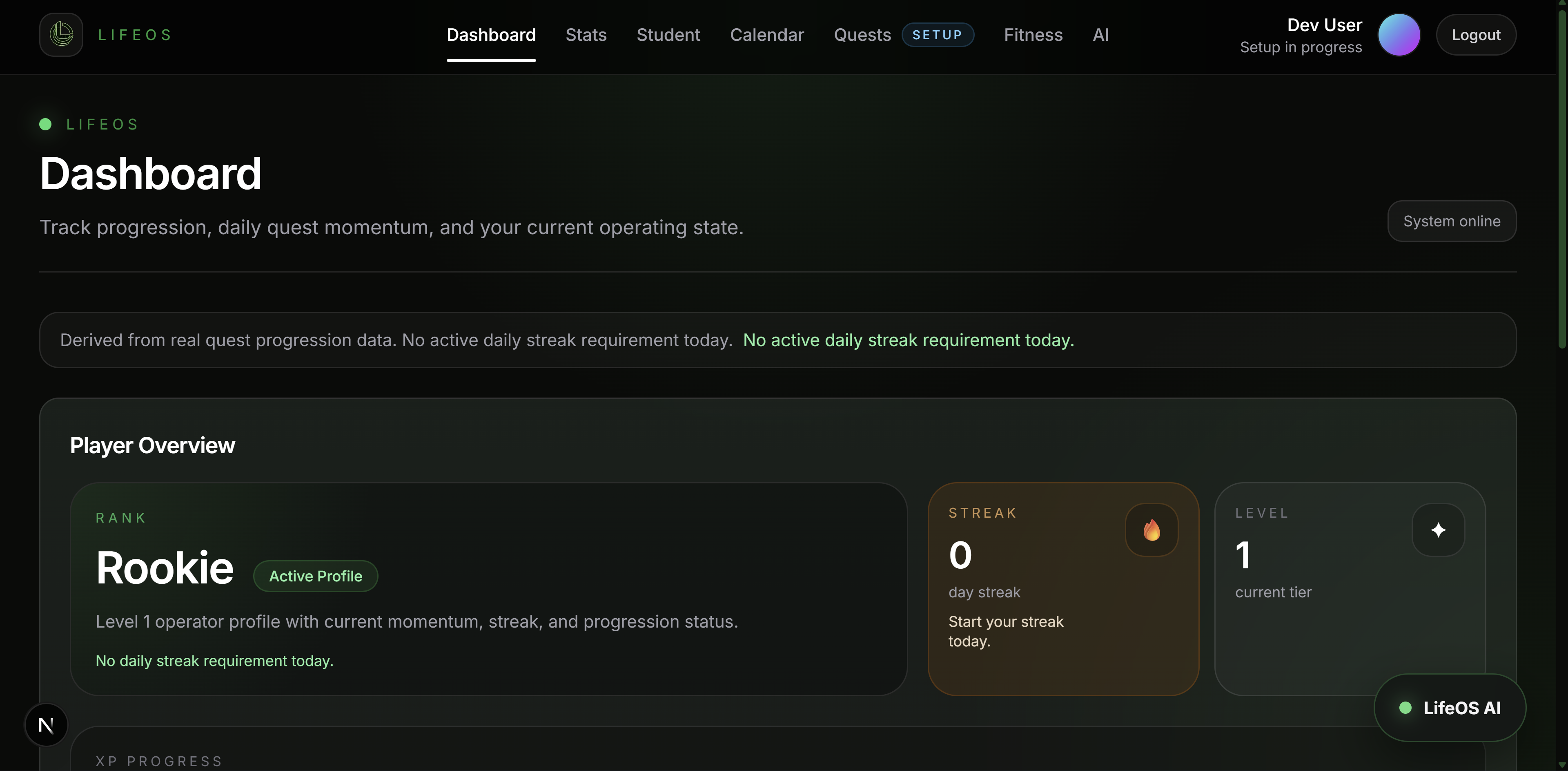
dashboard page
Inspiration
We are inspired because we are individuals who learned to balance education, gym and life challenges. We have always strived to improve and become better, and through time and effort, we became structured. However, many people who strive for this structure lack guidance, so our goal is to aid those individuals who seek self improvement but do not know where to start. We made a fun game-like experience to create friendly competition to motivate them to achieve their goals.
What it does
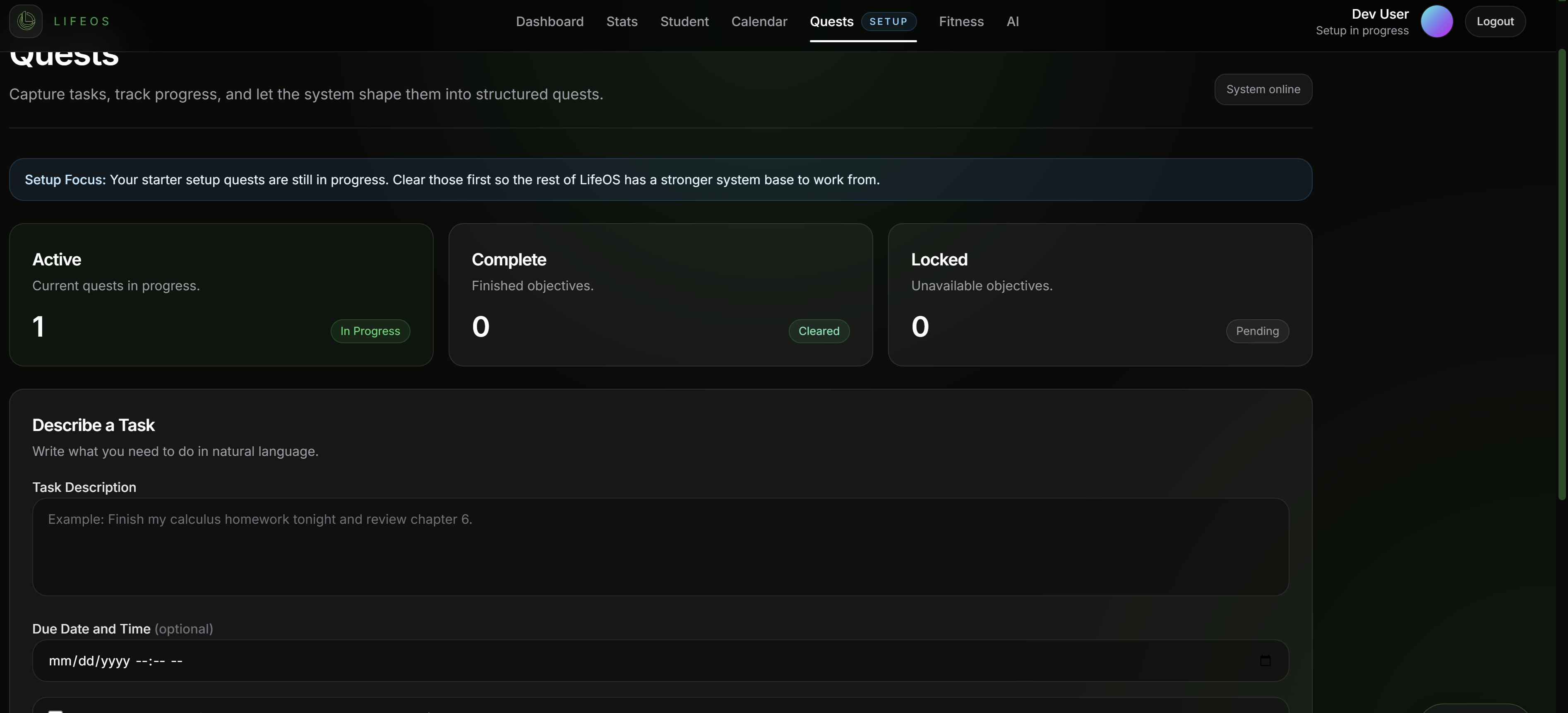
It is a personalized app that serves as a hub where the user can input their fitness goals, upload their progress pictures, and create a workout split to achieve their fitness goals. The website has a videogame dynamic where as the user progresses on a variety of daily tasks called "quests". Quests involve, maintain habits, doing homework on time, daily workout, etc. Upon completion, the user is then granted experience, earning rewards in the app such as titles or accolades or penalties and experience loss when breaking or not completing a quest. The website is able to categorize quests based on strength, intelligence, spirit, etc. and will give the user a graph with personalized stats showing their strengths and weaknesses. It also links to the user’s calendar to generate reminders to future tasks also granting experience points (xp).
How we built it
Built with Next.js, React, and TypeScript. The backend uses Next.js API routes with Neon Postgres for storage and Auth0 for authentication. We integrated Google Gemini AI with a multi-agent orchestrator that routes user intent to specialized agents (quests, student, fitness, calendar) and suggests context-aware quests from real user data. Third-party integrations use OAuth 2.0 Canvas LMS for academic data and Google Workspace for calendar events and Drive file storage. All tokens refresh automatically. UI is styled with Tailwind CSS v4.
Challenges we ran into
The Gemini API free tier quota ran out quickly once the AI feature was in active use. Since we couldn't afford higher limits, we had to be very deliberate about when and how often the API gets called. Deploying to Vercel was also harder than expected. Getting Auth0 callbacks, Neon database connections, and multiple OAuth integrations all working correctly in production required careful configuration of environment variables, callback URLs, and redirect URIs, things that worked fine locally but needed precise setup for the live environment.
Accomplishments that we're proud of
We shipped a working gamification engine with XP, levels, streaks, overdue penalties, and quest difficulty all tied to real user actions. We built a live Google Calendar OAuth integration with a full sync pipeline and automatic token refresh. The AI quest suggestion system pulls from actual events and fitness plans to generate relevant quests, not generic ones. We also implemented 8 life stat domains (strength, focus, discipline, and more) with trend tracking, all backed by a clean feature-based codebase.
What we learned
OAuth token management is significantly harder than it looks, especially across multiple providers at once. LLM outputs need a proper validation and deduplication layer before they touch any UI or database. Gamification is also a product design problem; the numbers behind XP and penalties matter just as much as the code. And having strong TypeScript types defined early across feature boundaries made the whole project faster to build and easier to debug.
What's next for Life OS
We want to finish the Canvas LMS integration so academic assignments and deadlines sync directly into the quest system. We also want to add more integrations such as GitHub, Notion, and Slack, so that the system can track more of a user's real life. A dedicated Python backend is planned to own XP logic and quest generation at scale. On the social side, leaderboards and shared party quests are on the roadmap. We also want to move the AI from suggestion-only to fully autonomous quest creation, and invest in better hardware for motion detection to enable more accurate real-time fitness form analysis.
Built With
- auth0
- elevenlabs
- gemini
- next.js
- postgresql
- react
- tailwind
- typescript
- vercel


Log in or sign up for Devpost to join the conversation.