



About the Project
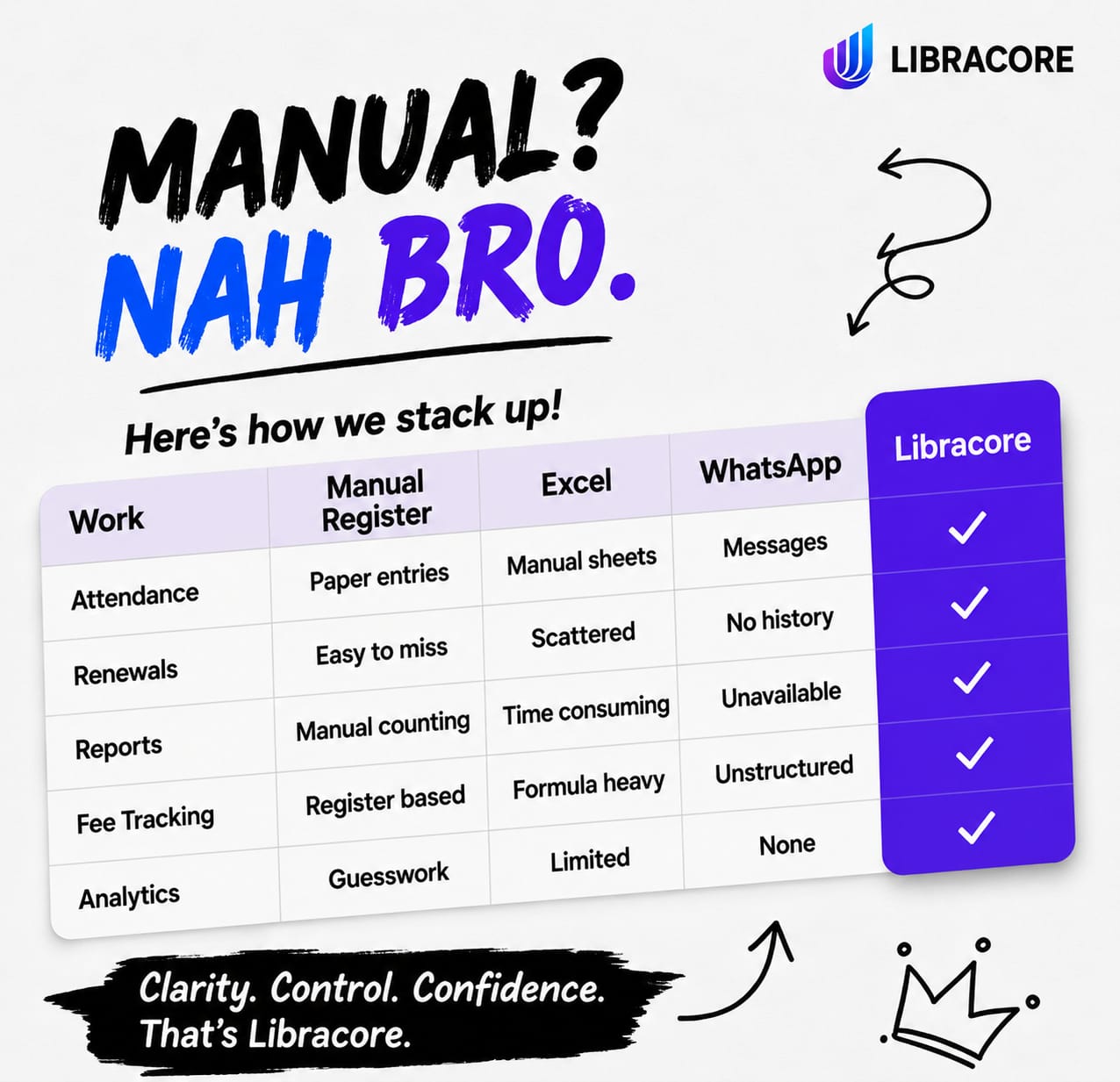
Libracore was inspired by a simple problem I saw in real library operations: managing students, attendance, fees, seats, communication, and daily records across manual systems can quickly become difficult and error-prone. I wanted to build something that could turn these scattered processes into one clear, modern platform.
I started developing Libracore as a real-world solution rather than just a demo project. The goal was to create a system where library managers can run their operations from one place, while students get a simpler and more organized experience.
What Libracore Does
Libracore brings together the major workflows involved in running a modern study library:
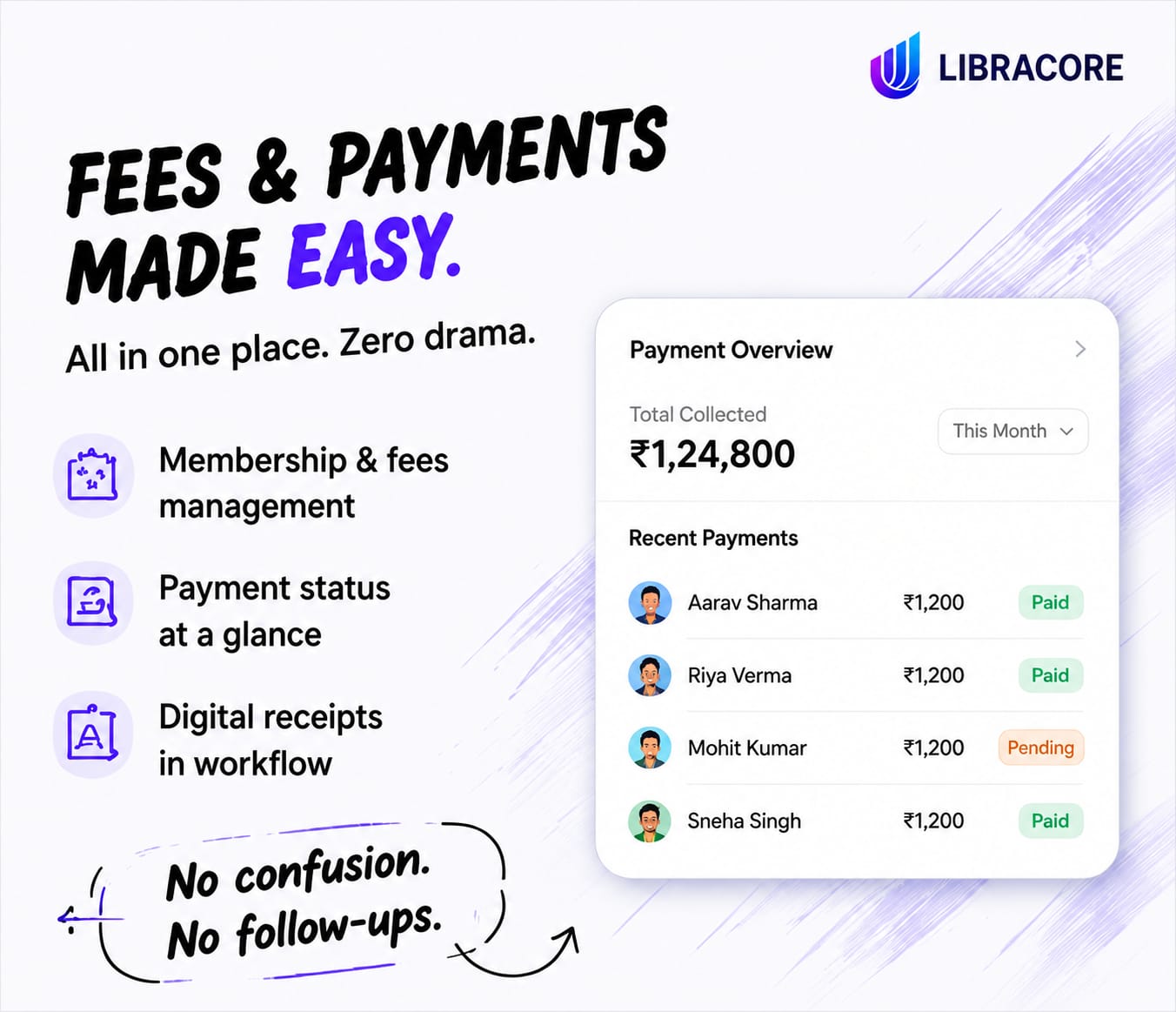
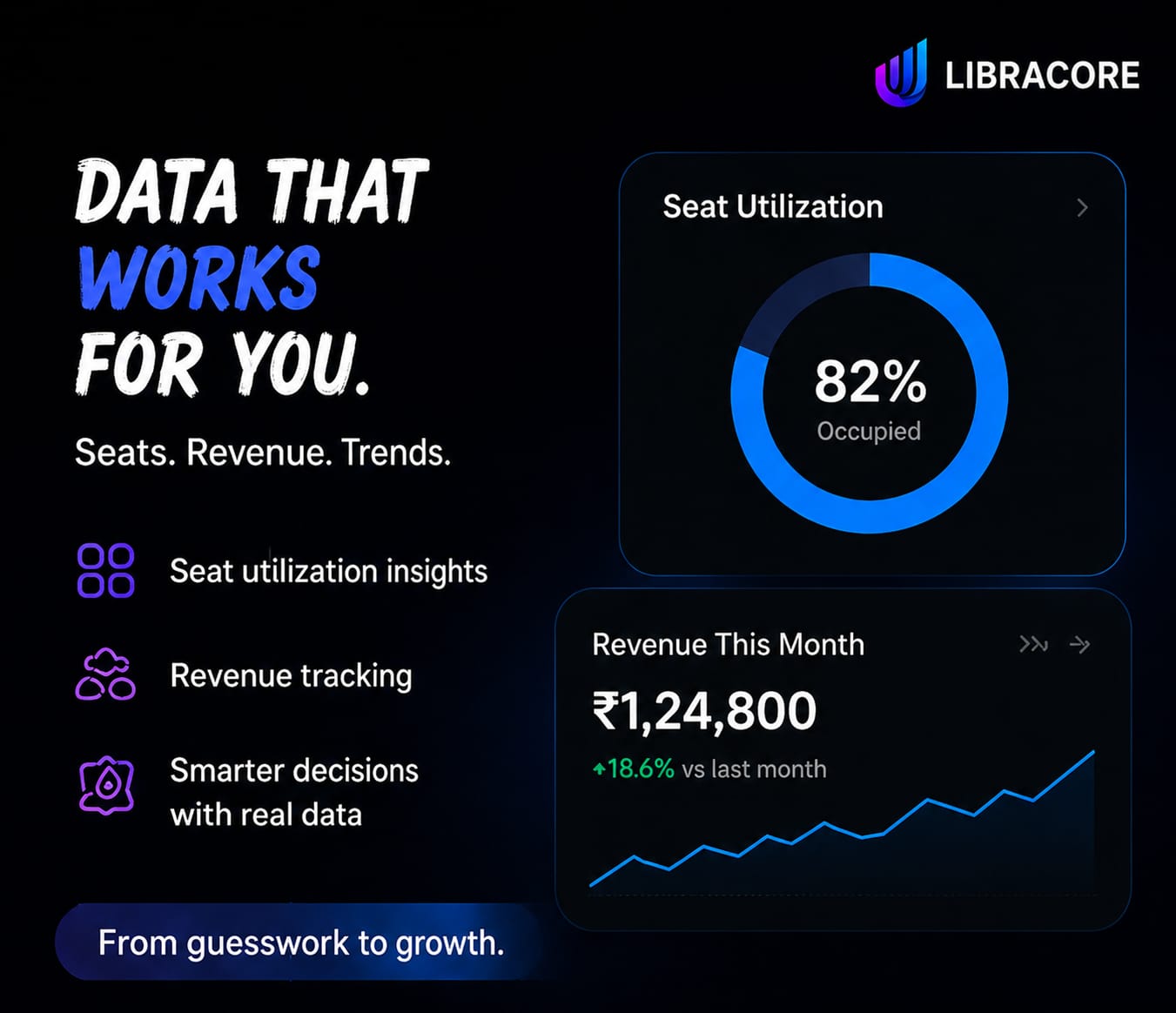
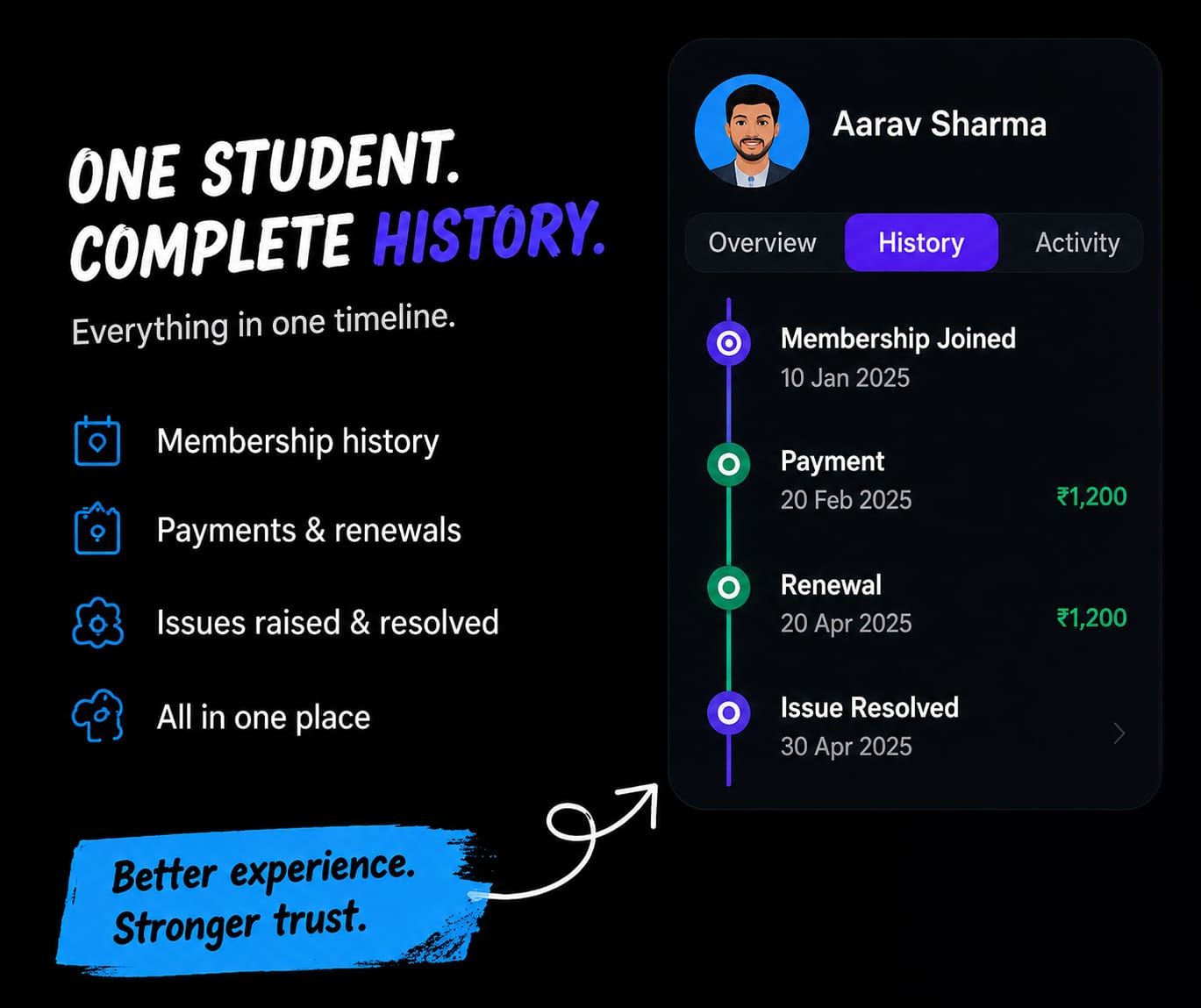
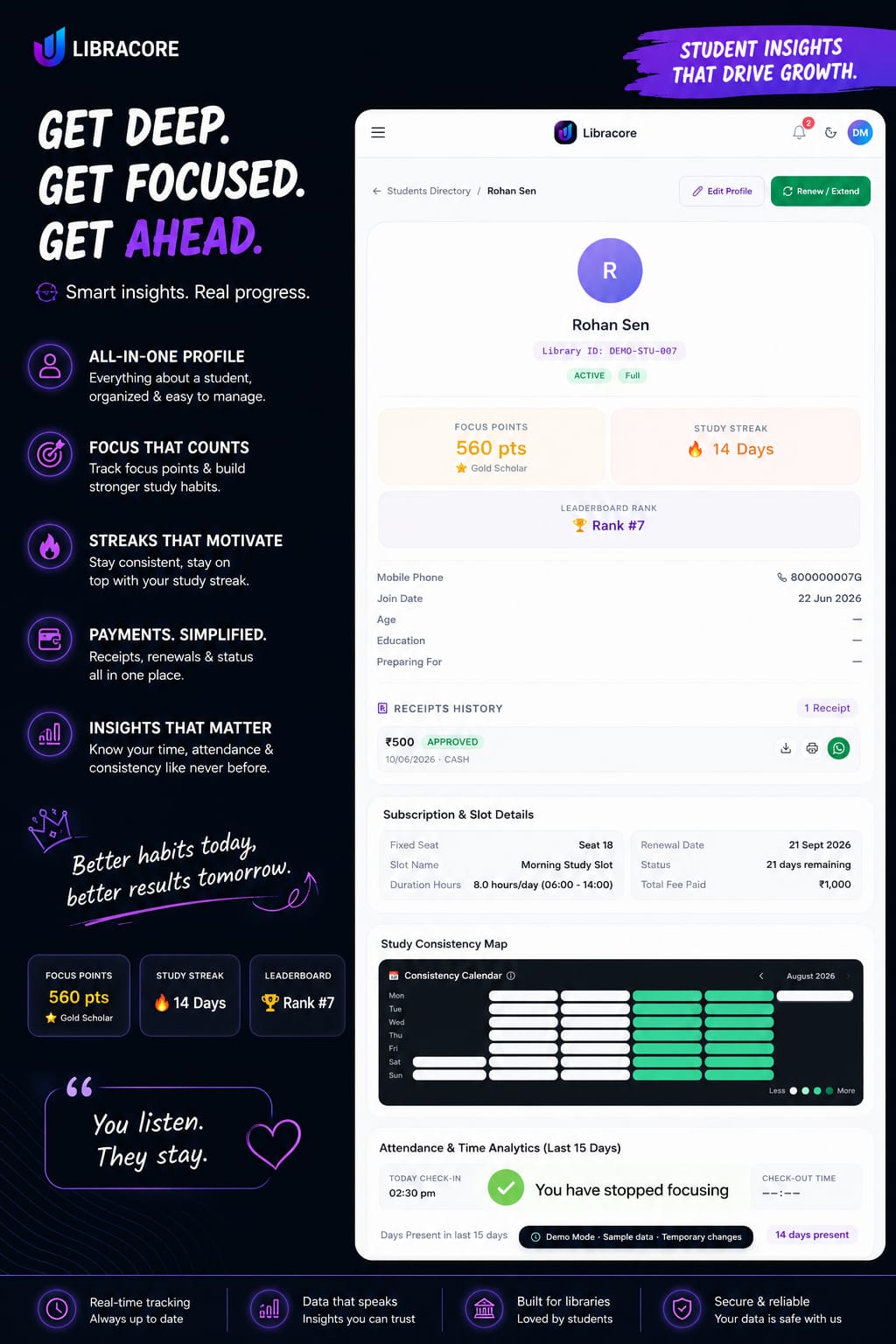
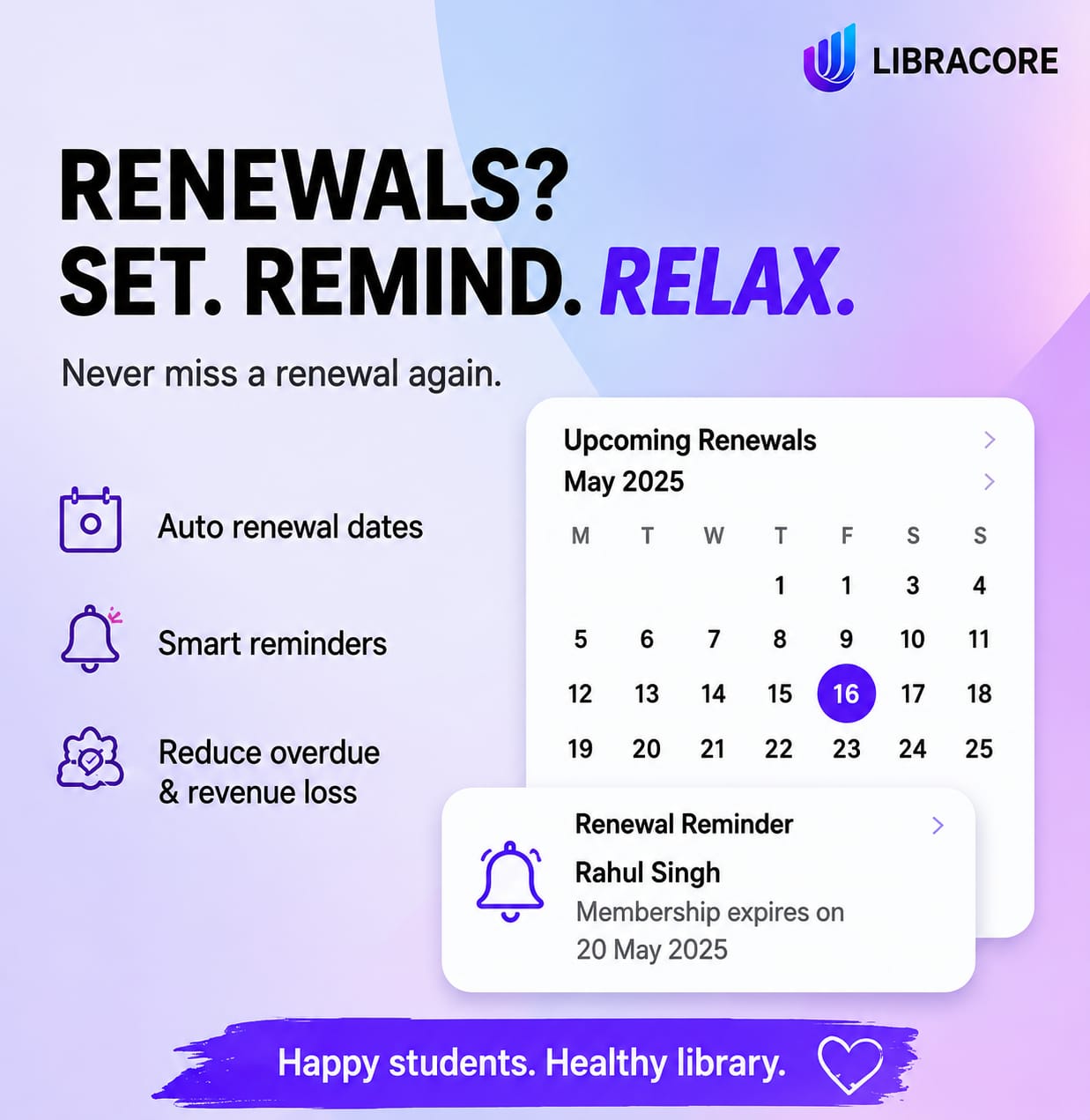
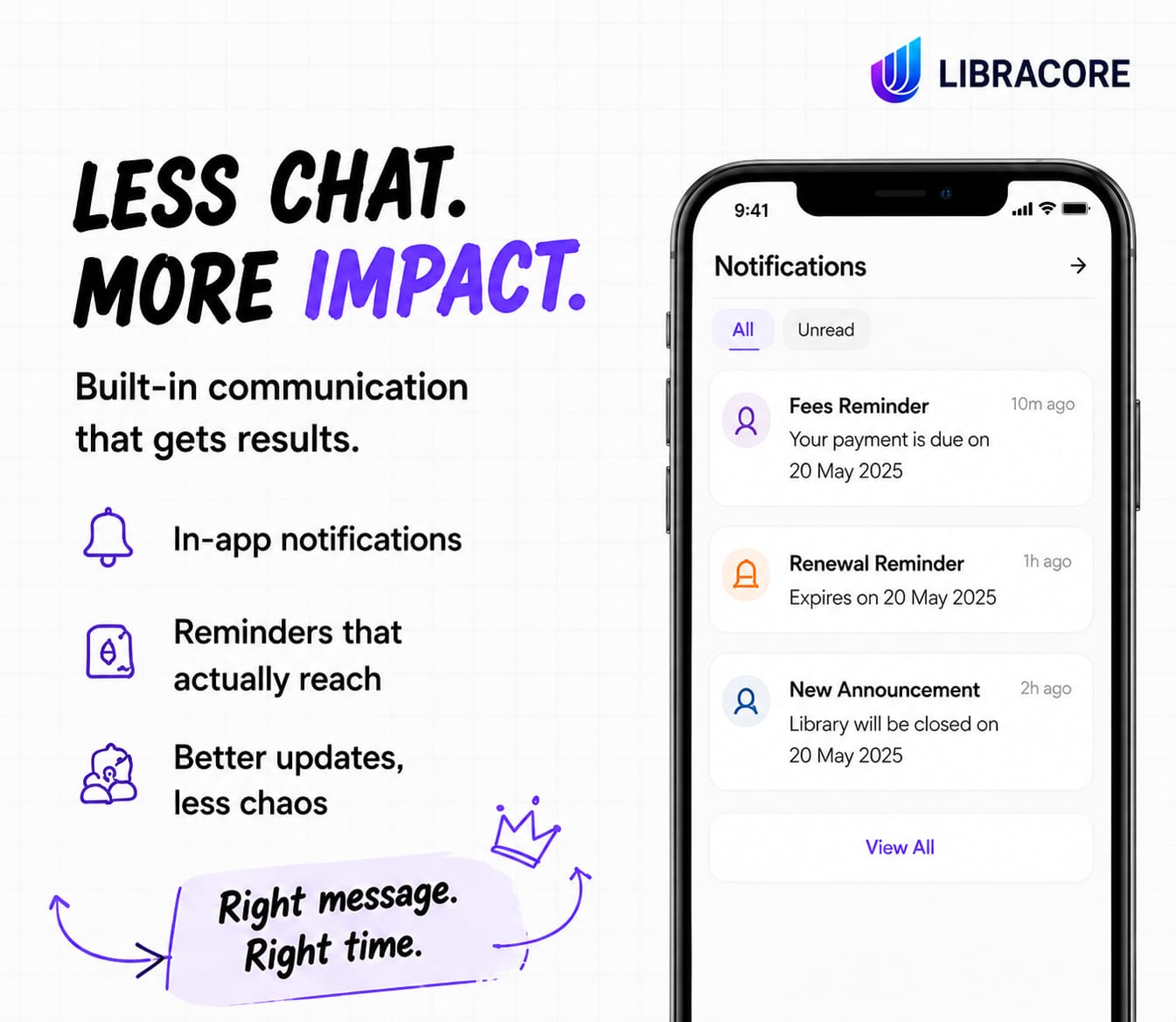
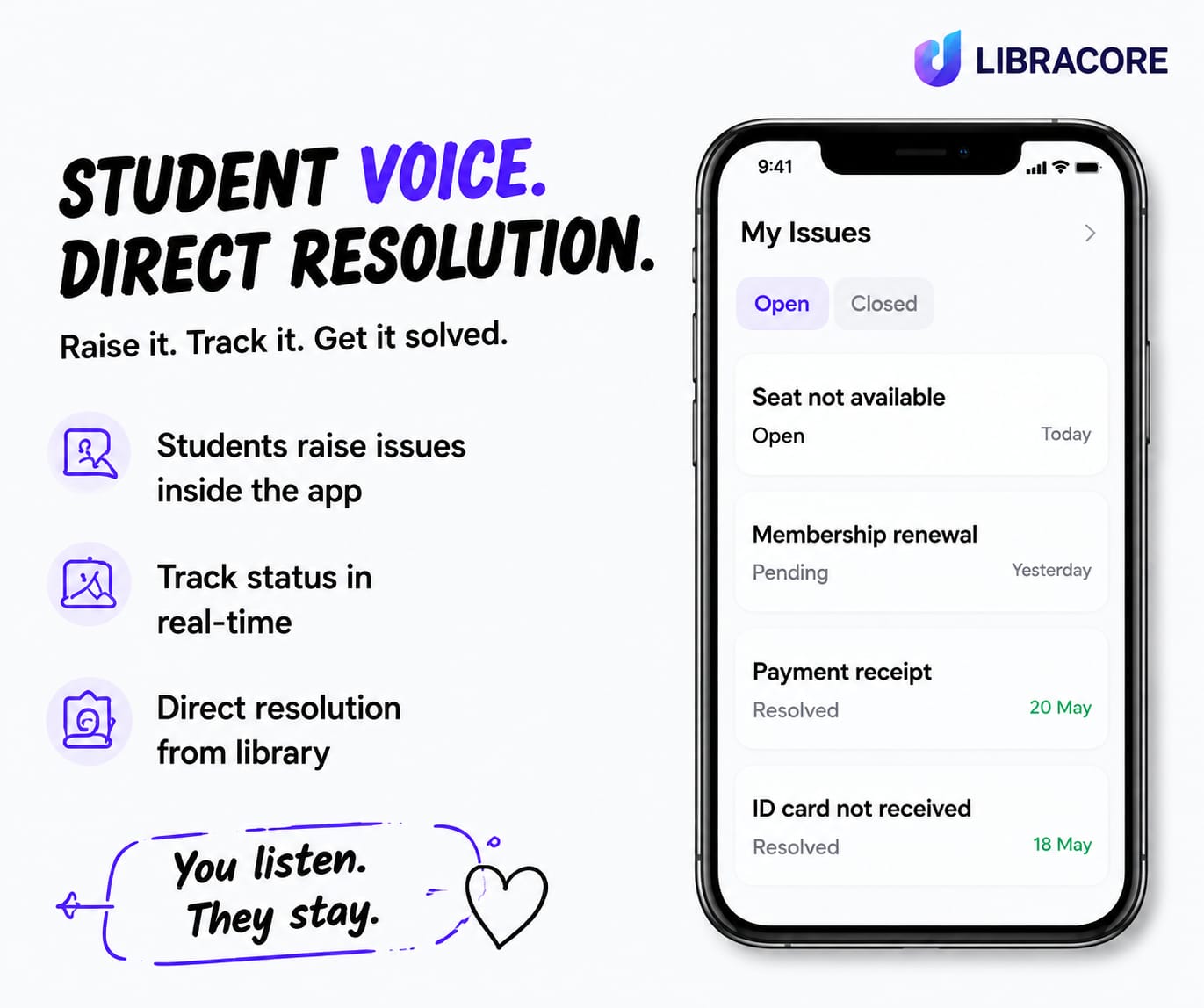
Student management and membership tracking Seat and attendance management Fee management and payment-related workflows Student records and defaulter tracking Manager dashboards and operational analytics Notifications and communication Student complaints and suggestions Exam visibility and the Radar feature Study-related student tools and progress tracking Role-based access for students, managers, support staff, and administrators Library-specific configuration and subscription management
Instead of treating these as separate tools, I designed Libracore around a connected workflow where information moves between the right parts of the system automatically.
What I Learned
Building Libracore taught me that creating a real application is much more than designing screens.
I learned how important data architecture, authorization, database security, state management, realtime communication, error handling, and performance are when an application has multiple user roles and many interconnected workflows.
One of the biggest lessons was learning to question unnecessary data movement. As the application became larger, I focused heavily on reducing unnecessary database reads and network egress. This led me to redesign several workflows around:
Server-side aggregation instead of downloading large datasets Projections and pagination instead of select * Database transactions for critical workflows Realtime events instead of recurring polling Server-authoritative lifecycle operations Bounded queries and scoped tenant access
This changed the way I think about application performance: the fastest data transfer is often the data you never had to transfer in the first place.
How I Built It
Libracore is primarily a JavaScript-based web application built around a modern React/Vite architecture, with Supabase/PostgreSQL providing authentication, database functionality, realtime capabilities, and server-side operations.
Because the application contains multiple roles and complex workflows, I gradually moved important logic away from the client and toward authoritative database operations and server-side aggregation.
I also developed the project incrementally through dedicated architecture and optimization packages. Each major change was validated independently so that improvements in one part of the application would not silently break previously completed functionality.
Challenges
The biggest challenge was balancing feature richness with reliability and efficiency.
A library-management application touches many pieces of data, and a straightforward implementation can easily result in excessive database requests, unnecessary realtime traffic, duplicated logic, or fragile client-side operations.
Another challenge was maintaining consistent behavior across different roles. A student, manager, support executive, and administrator should see different capabilities while still operating on the same underlying system.
I also had to think carefully about edge cases such as concurrent actions, session lifecycle, attendance confirmation, permissions, realtime disconnections, duplicate events, and recovery after network interruptions.
The project is still evolving, but building Libracore has taught me how to approach software as a system of connected workflows rather than simply a collection of pages.
Ultimately, I built Libracore with one goal in mind:
Make running a library feel less like managing dozens of separate tasks and more like operating one intelligent system.
****Here Library refers to a plavce where students get a dedicated place to do self study , have every facility like AC, Wi-Fi, Drinking water ...., not those tradistional library full of books all over the place
Built With
- authentication
- css
- database
- edtech
- html
- javascript
- library-management
- node.js
- postgresql
- progressive-web-app-(pwa)
- react
- realtime
- responsive
- rest-api
- role-based-access-control
- saas
- supabase
- tailwind-css
- vite
- web-application


Log in or sign up for Devpost to join the conversation.