-
-
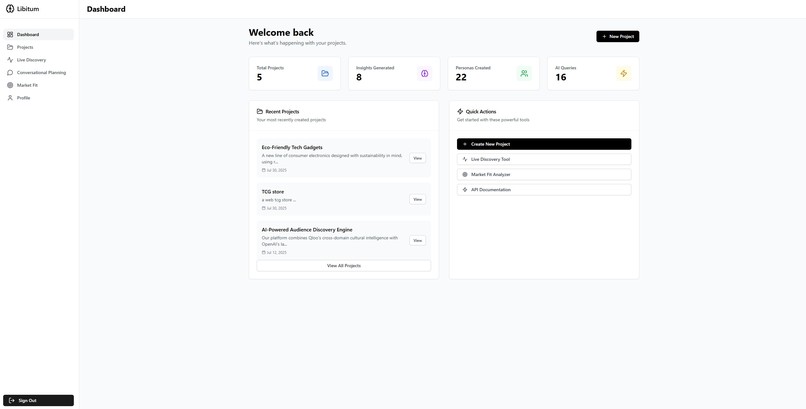
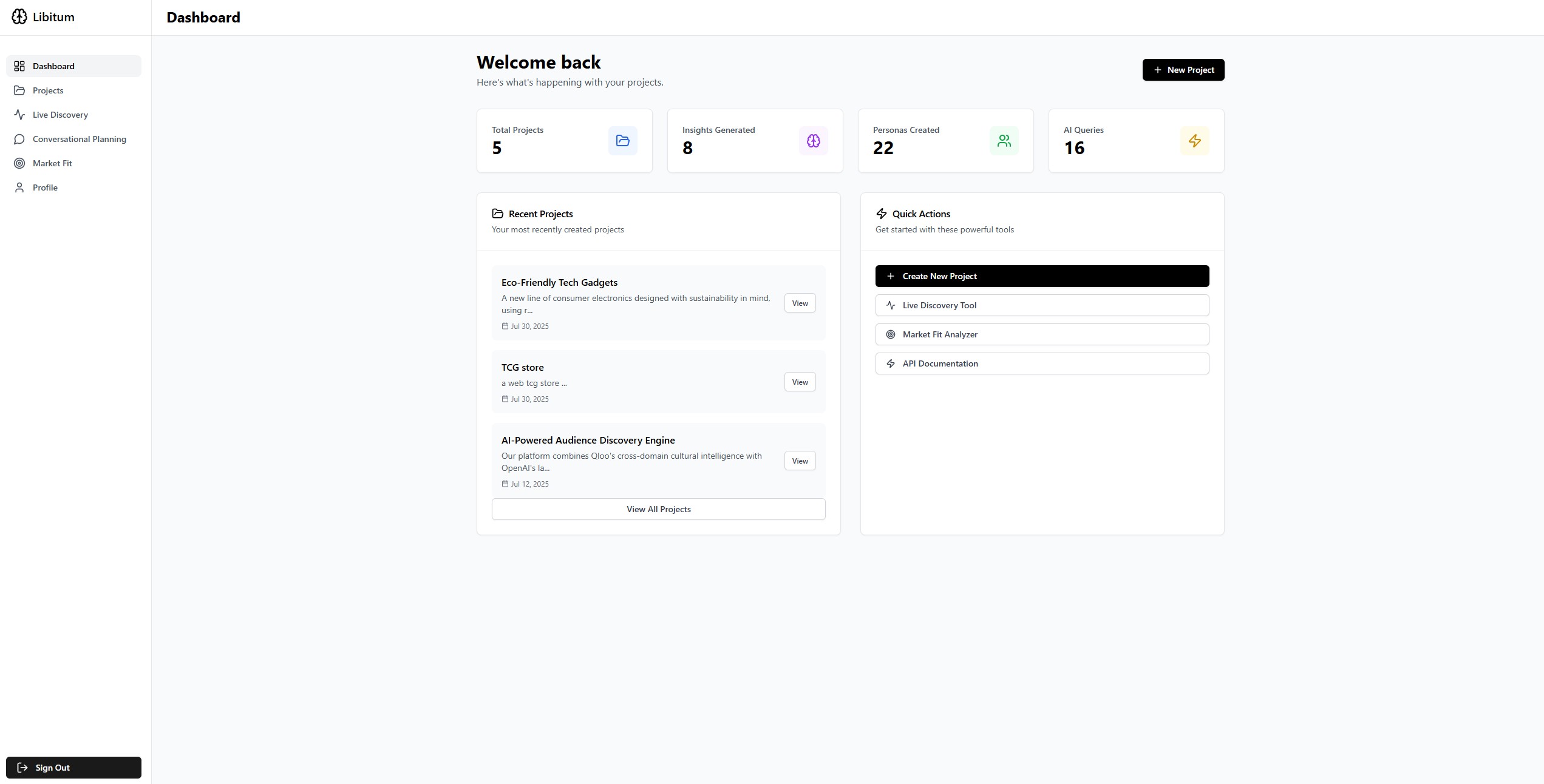
Dashboard
-
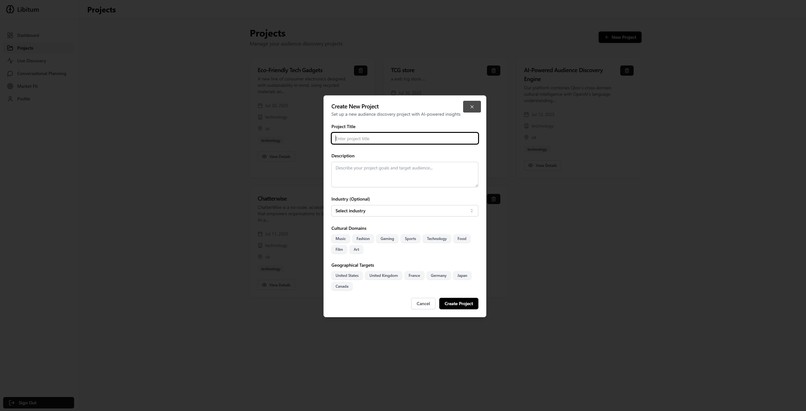
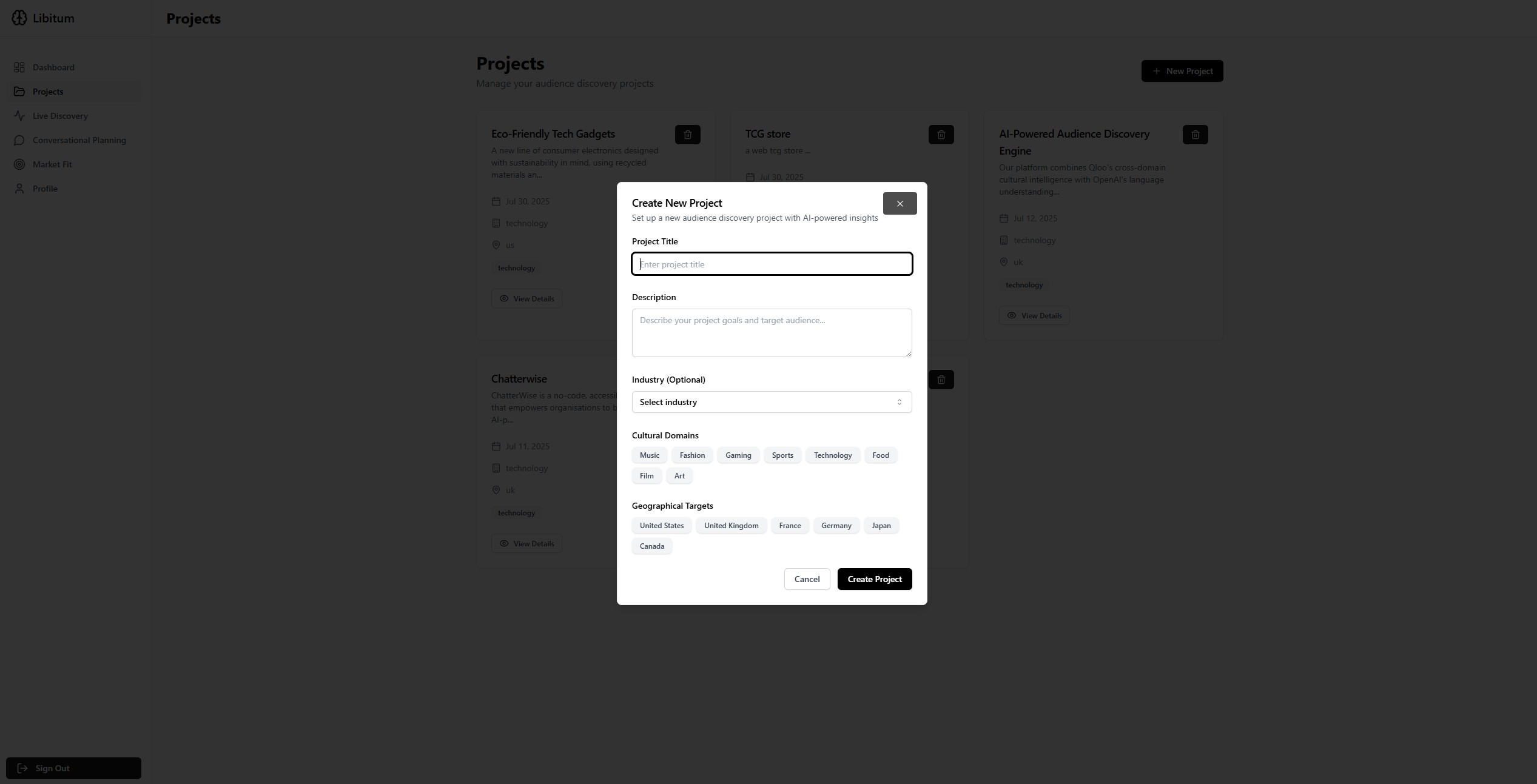
New Project Form
-
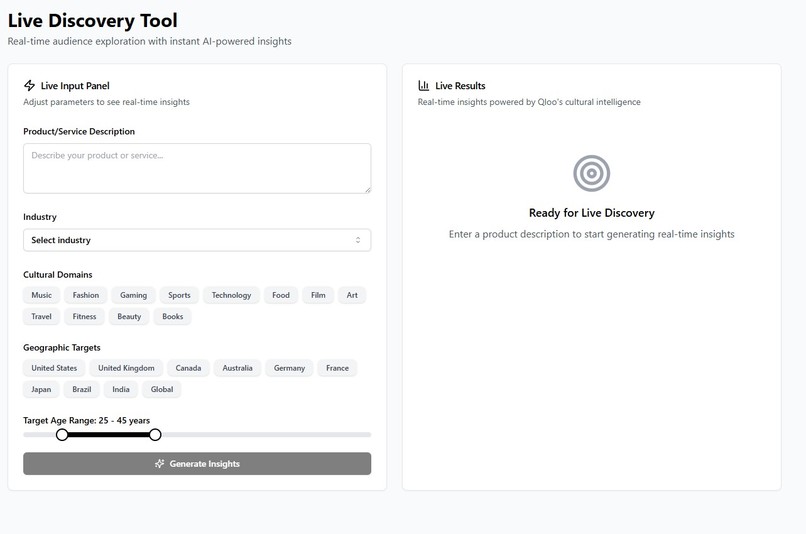
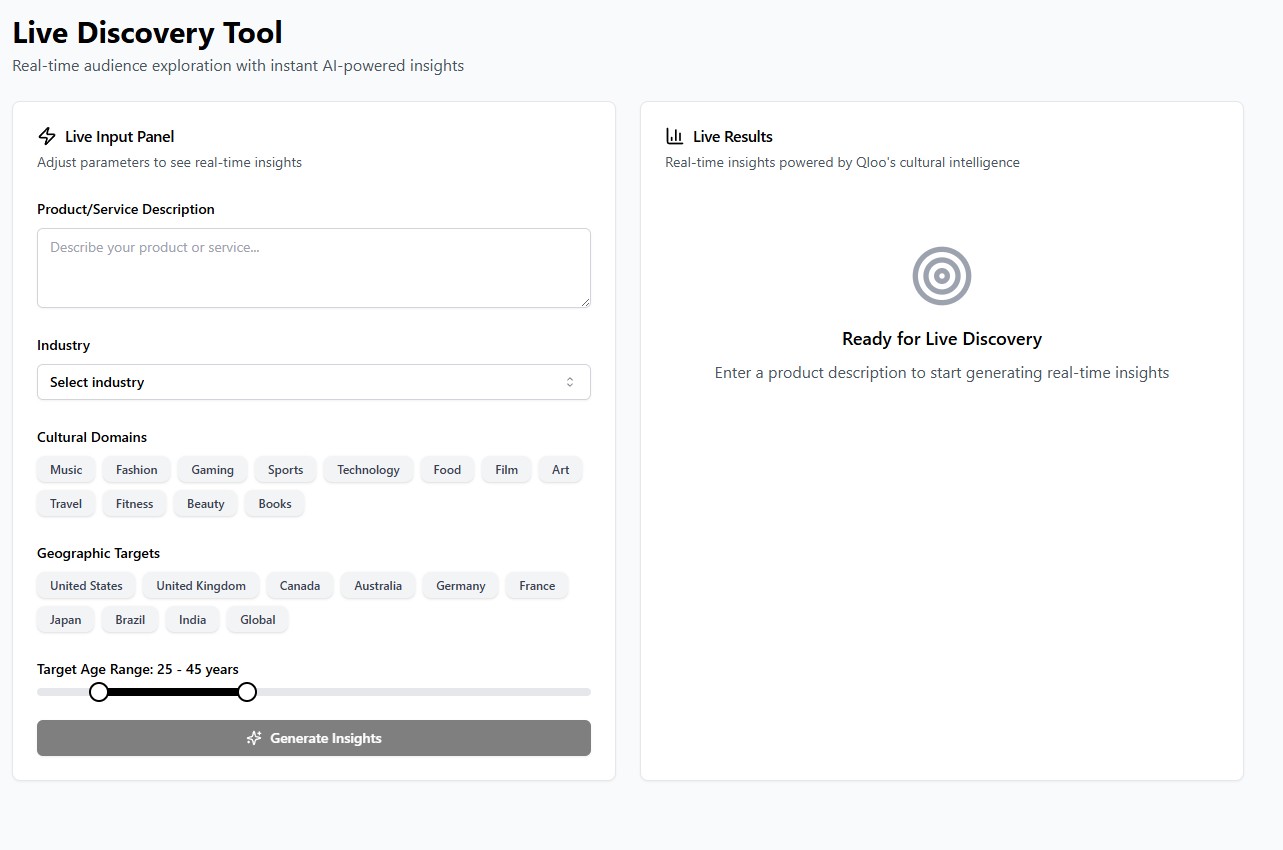
Live Discovery Tool
-

Conversational Planning
-
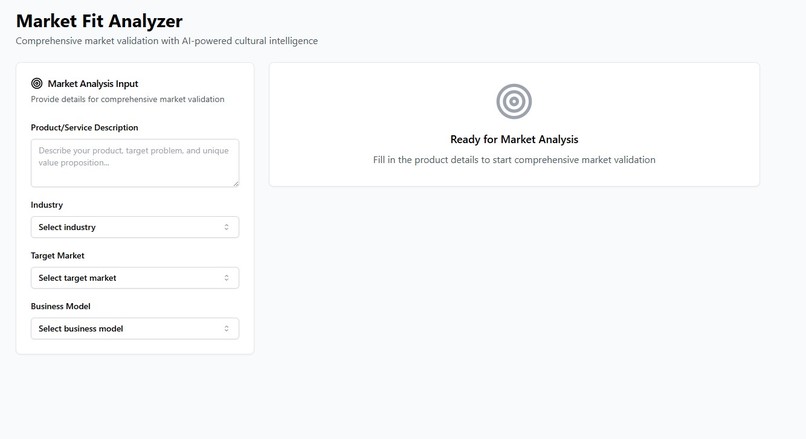
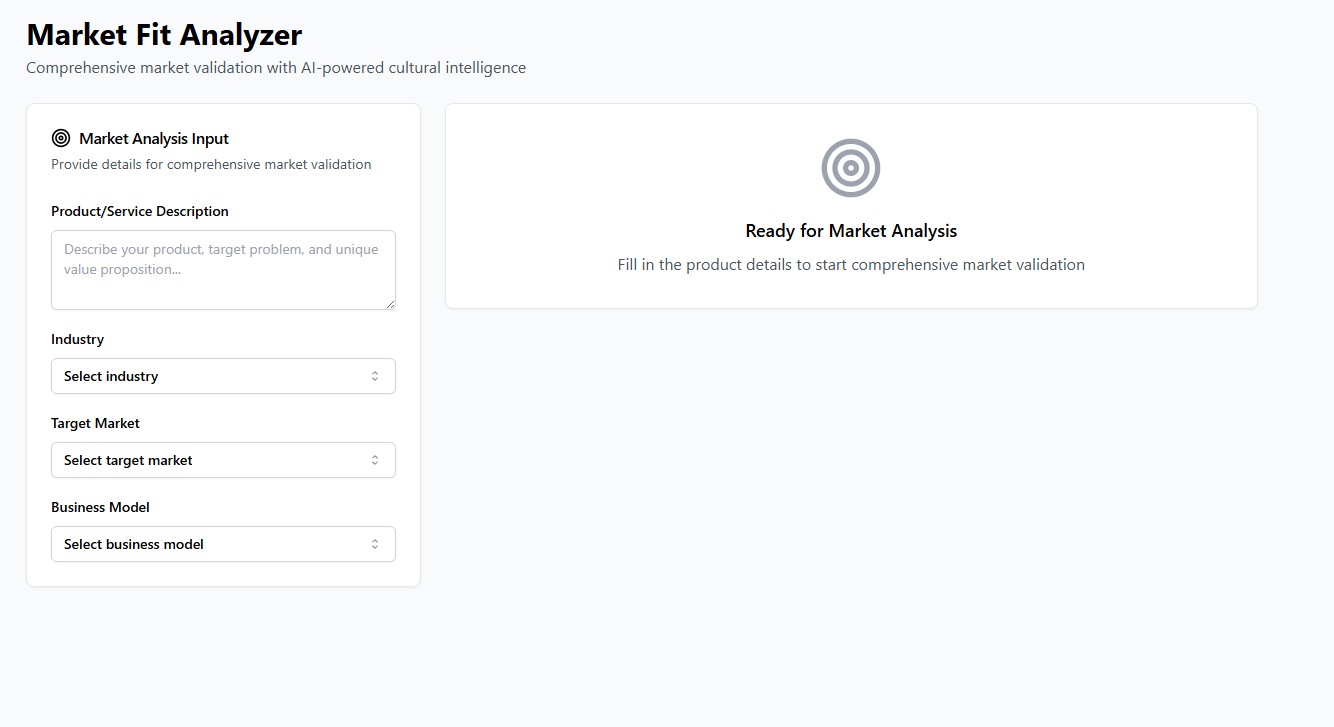
Market Fit Analyzer

Inspiration
We were inspired by the challenge marketers and creators face in deeply understanding their audience beyond surface-level demographics. We recognized that truly impactful campaigns require insights into the nuanced cultural preferences and trends that traditional analytics often overlook. Our goal was to build a tool that bridges this gap, turning cultural intelligence into strategic advantages.
What it does
Libitum is an AI-powered cultural intelligence platform that uses Qloo's Taste AI™ alongside advanced large language models from OpenAI. It visualizes complex cross-domain affinities, connecting interests in music, fashion, media, dining, and more. Libitum transforms cultural data into actionable insights through a conversational interface, allowing users to ask strategic questions and receive detailed audience personas, trend predictions, and content strategies.
How we built it
We built Libitum using a modern tech stack consisting of React, TypeScript, and Tailwind CSS for an intuitive and responsive frontend. Our backend leverages Supabase for secure and scalable data management and edge functions for seamless API interactions. We integrated Qloo’s Taste AI API to provide deep cultural insights and OpenAI's GPT-4 for natural language processing and conversational capabilities.
Challenges we ran into
Initially, we struggled with fully grasping the complexities of the Qloo API and understanding how to best leverage its powerful capabilities. It took time and experimentation to effectively map Qloo’s cultural affinities and seamlessly integrate them with OpenAI’s LLM responses in a coherent and meaningful w
Accomplishments that we're proud of
We’re incredibly proud of successfully building Libitum with an elegant, user-friendly interface and achieving a clean, effective integration of Qloo and OpenAI. Our solution provides clear, actionable insights with a smooth user experience, transforming complex cultural data into practical strategies for businesses and creators.
What we learned
Throughout the project, we learned how to navigate complex API documentation, particularly with Qloo’s nuanced cultural affinity graph. We also deepened our understanding of integrating large language models effectively into real-world applications, enhancing user engagement and usability through conversational AI.
What's next for Libitum
We plan to launch Libitum on Product Hunt, transforming our prototype into a fully-fledged SaaS platform. Our vision is to evolve Libitum into a profitable business, empowering marketers, product teams, and creators globally to make culturally informed decisions that resonate deeply with their audiences.
Built With
- react
- recharts
- supabase
- tailwind
- typescript
- vite

Log in or sign up for Devpost to join the conversation.