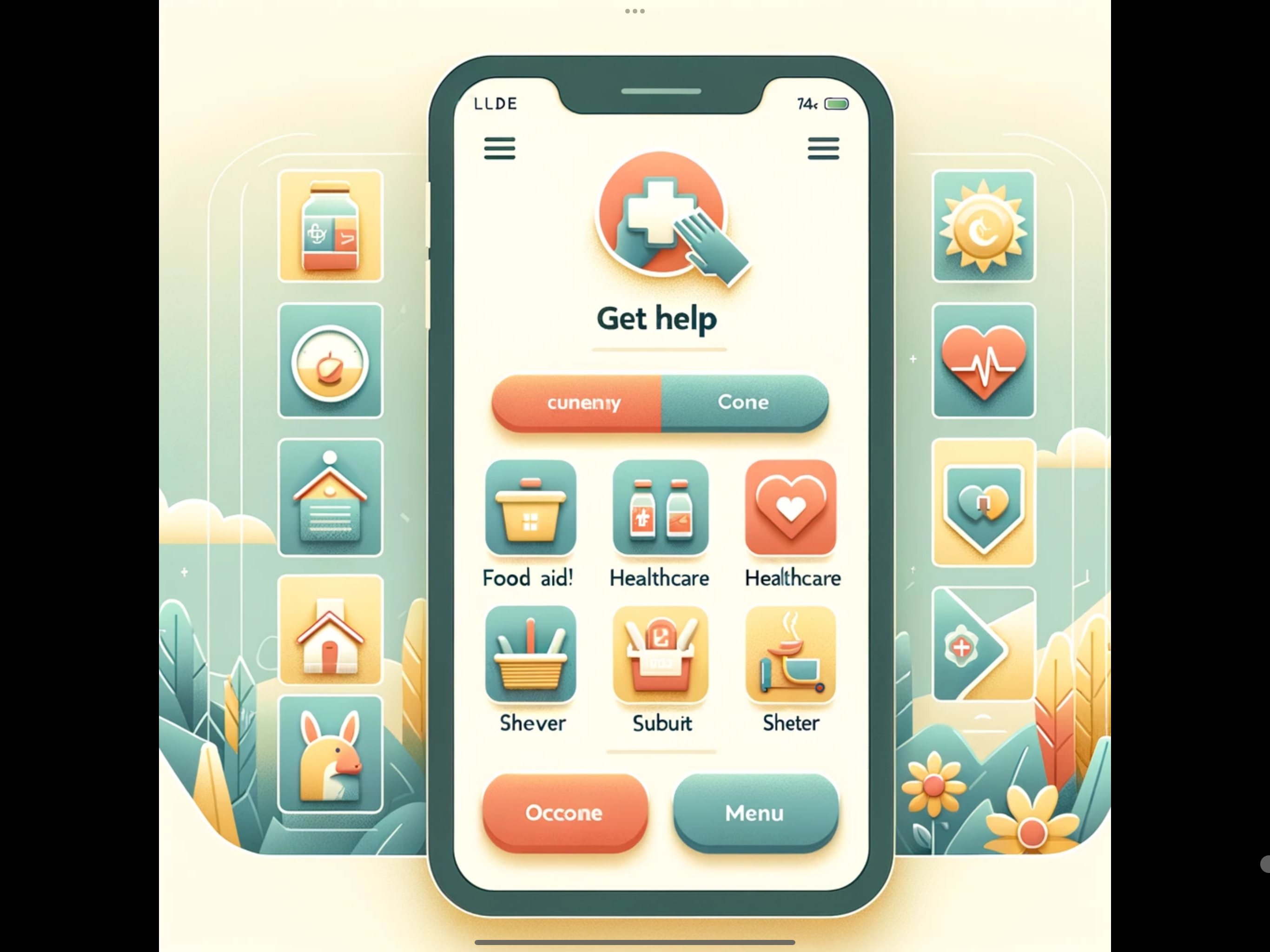
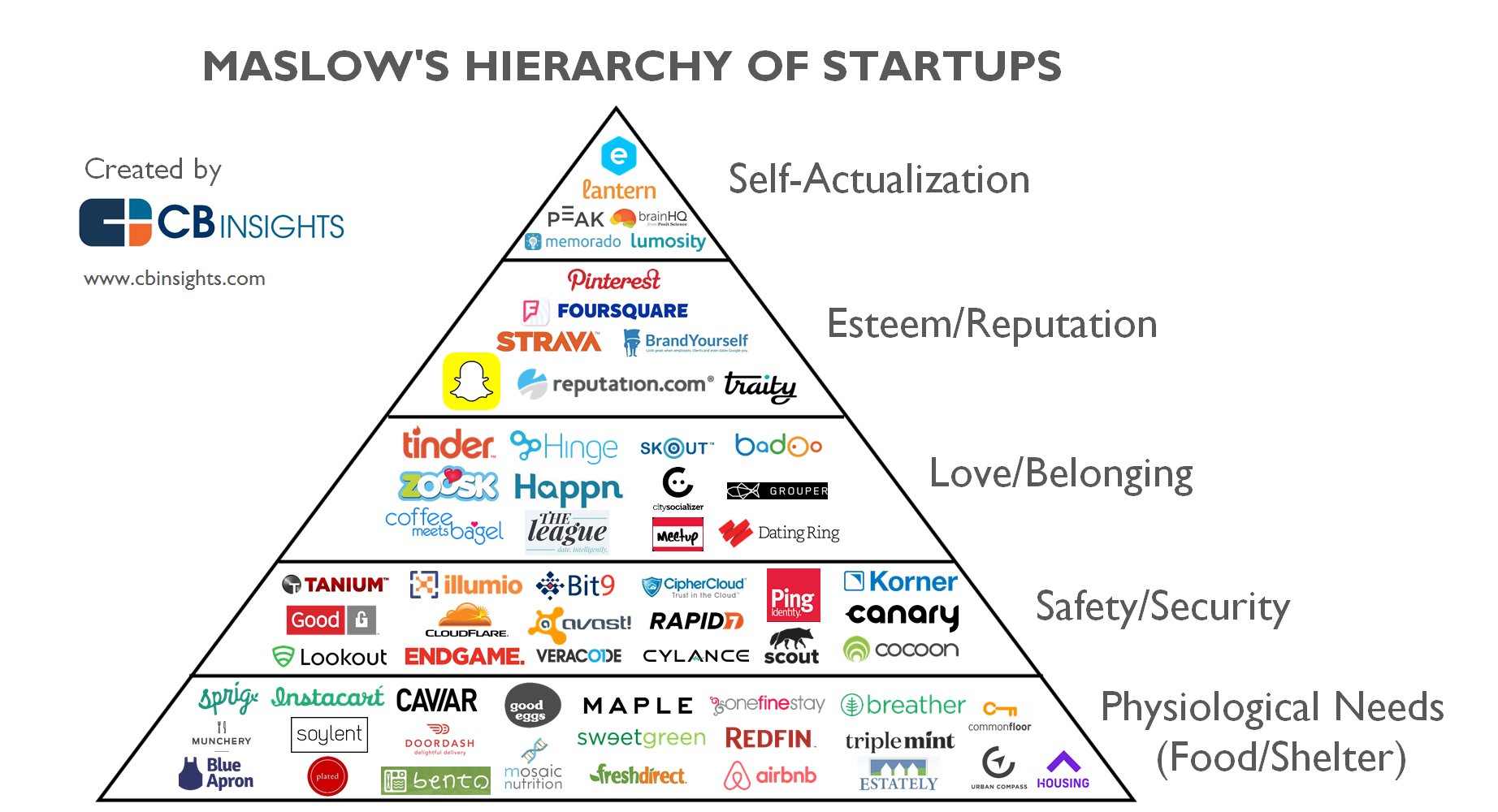
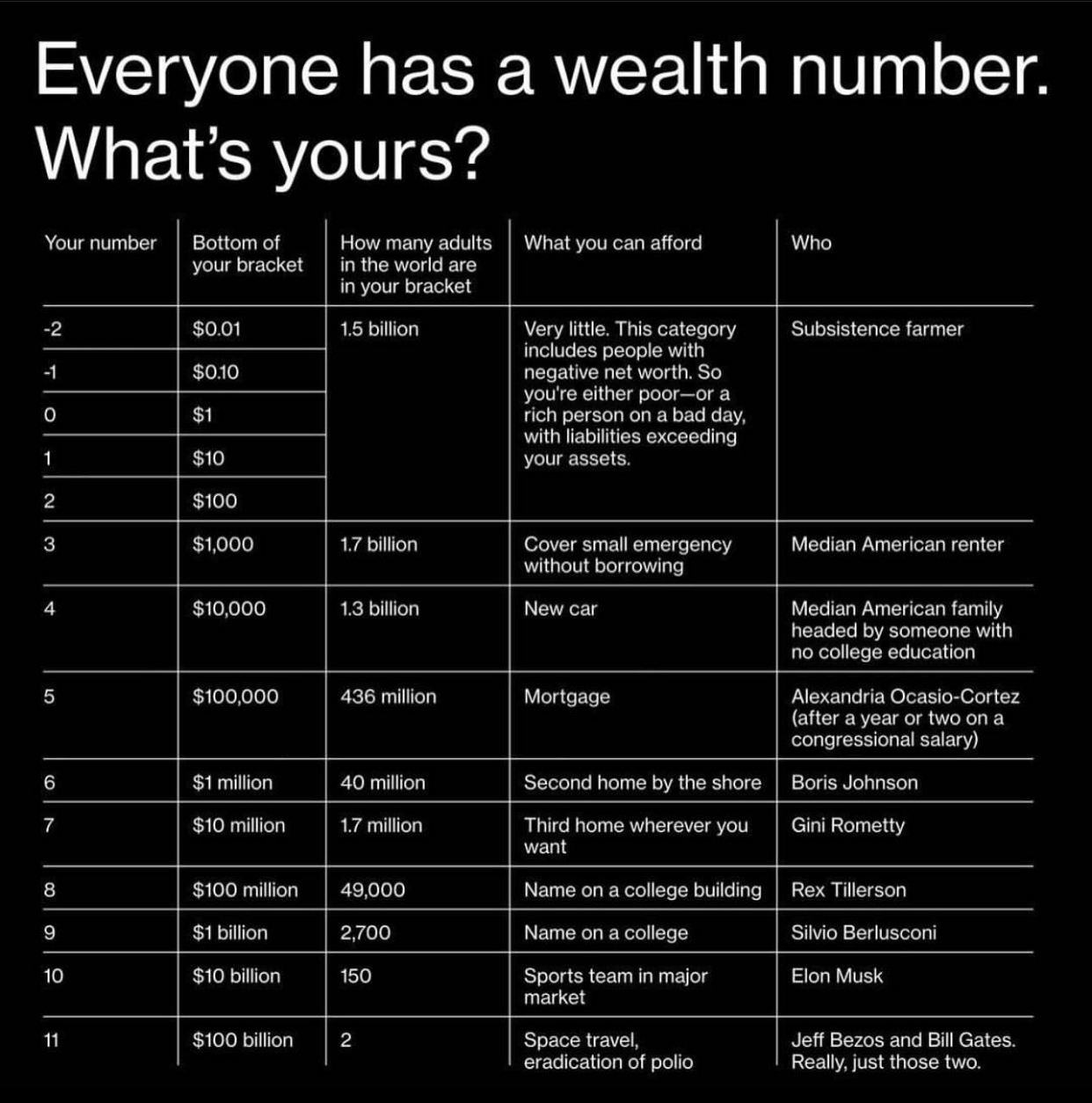
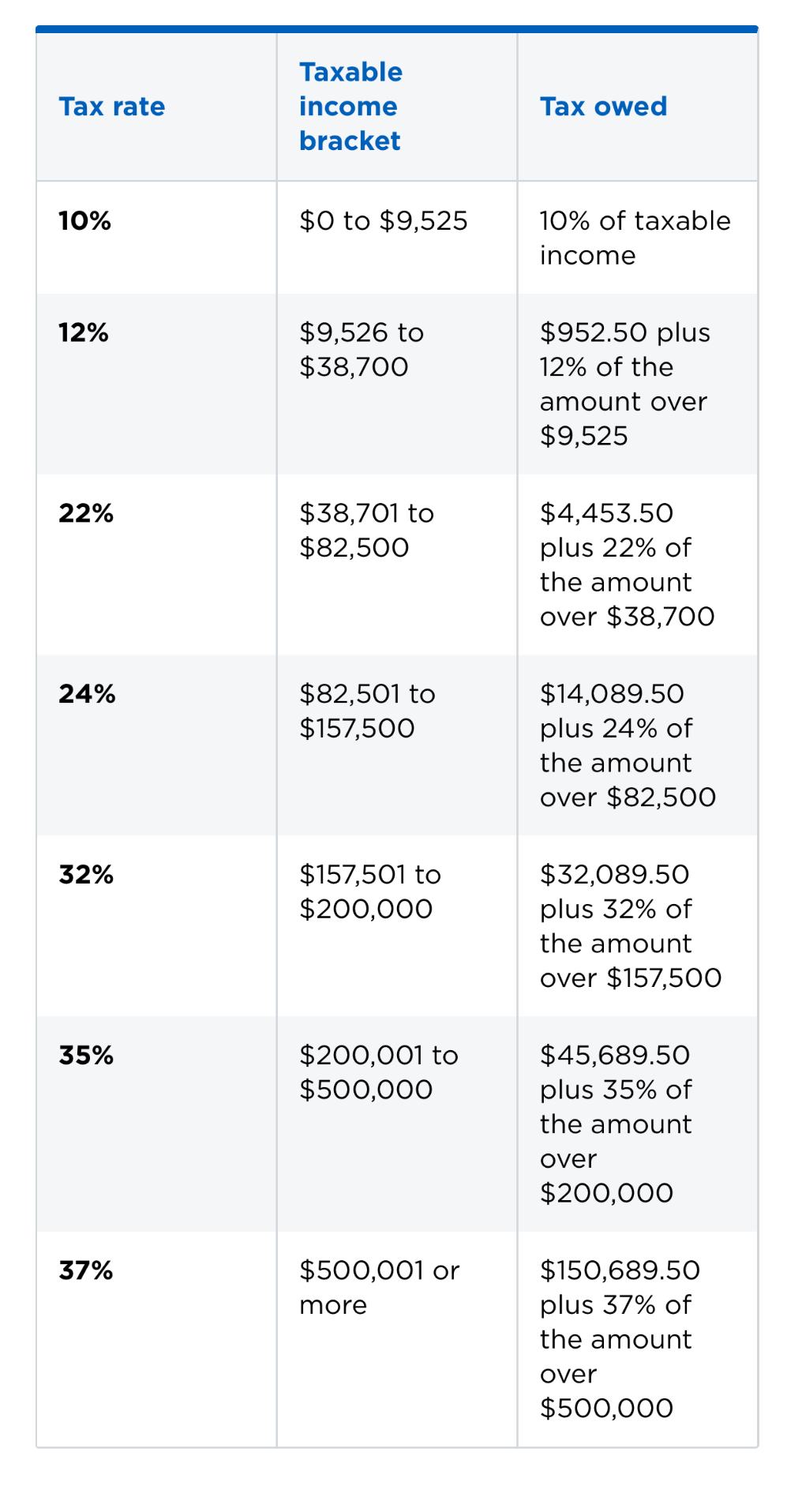

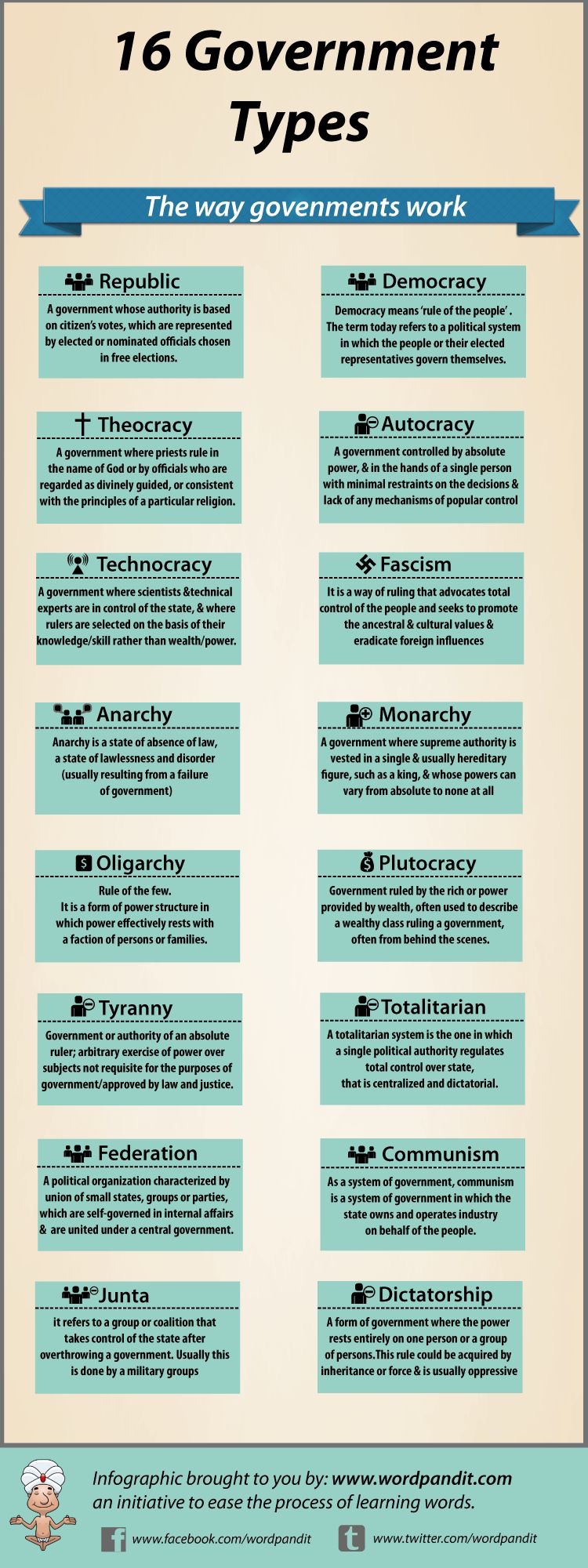

..citizens tax brackets and disposable income” and/or citizens with low income who are looking for a frictionless way to connect to their needs and wants
*Note: This is a draft
Reid Hoffman says, "If you are not embarrassed by the first version of your product, you've launched too late."*
UPDATE: https://youtu.be/rEnf_CFoyv0?si=gi_XXo2JaKmJqG4p
“Generally, human societies try to deal with these inherent problems of the hierarchical structure by either looking to reduce inequality (through progressive taxation, etc.) or by promoting cultural narratives ("rags to riches") and myths (“the land of opportunity”) that camouflage it. Yet, while reducing extreme social disparities is a worthy goal, eliminating them altogether is likely untenable.” https://www.psychologytoday.com/us/blog/insight-therapy/202006/it-s-good-be-the-king-social-status-and-health
“At the start of the 13th century not many people used money in England. The vast majority lived in the country and bartered for the things that they could not make for themselves.” https://www.theguardian.com/books/2014/oct/30/10-greatest-changes-of-the-past-1000-years
Potential mission: raise awareness of social services available, analyze behavior, and help more people get rich. “Poverty is the root of all evil” (not wealth)
Inspiration:
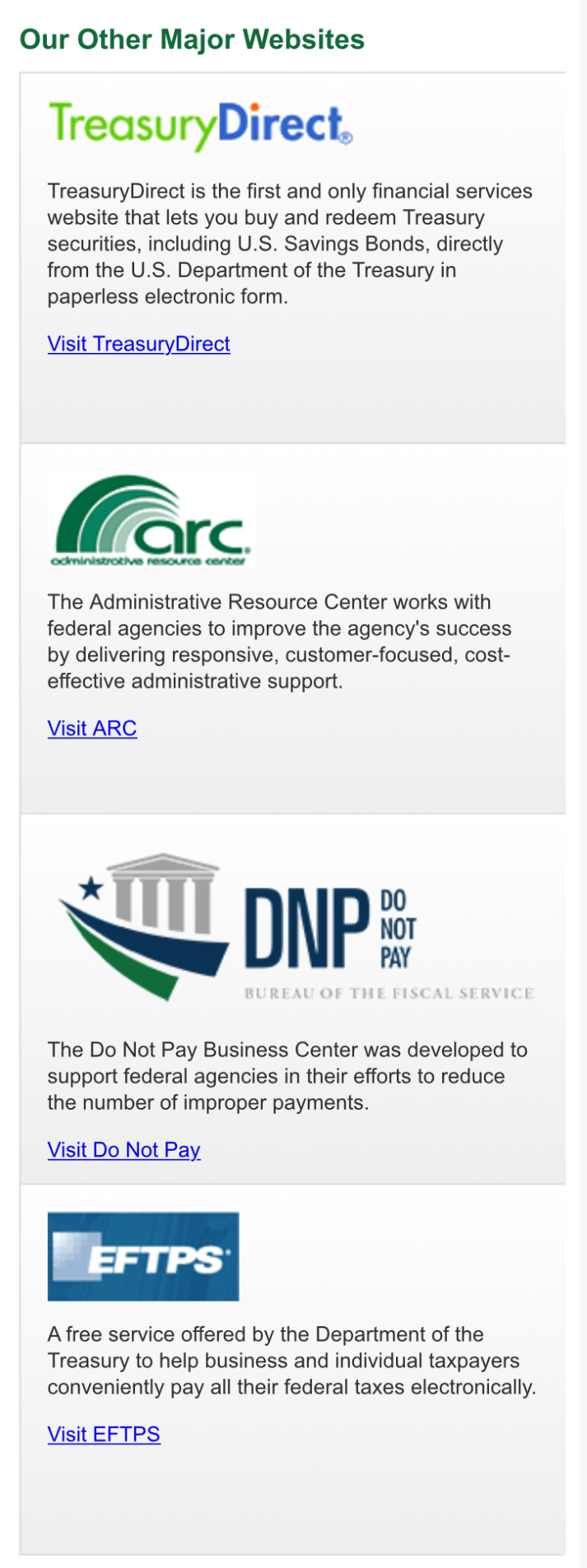
There are several Government services including SNAP supplemental nutrition access program - gives food stamps (SNAP) (which provide credit), cash assistance, house allowance, different program for federal housing benefits (military may be eligible they do for college tuition assistance, housing and meal allowance, free health, dental and eye care, and 30 days paid vacation, low life insurance cost, credit union, etc.) “ for reform social services project), TANF benefits, CEAP, SMP, Medical (State insurance, Medicaid, Health Insurance), Long Term Services and Support (LTSS), Medicare Savings Program (MSP), unemployment payments, welfare and social services (“Health & Homecare, food & nutrition, children/family/older adults, community & social work, financial & employment, programs & services, Negative Income Tax, the US tax code's Earned Income Tax Credit, and similar credits worldwide. (https://www.usa.gov/benefits-grants-loans, https://www.hhs.gov/programs/social-services/index.html, and https://www.usa.gov/benefits)
CT for example, Ebt card balance, “Connect online services”, Chld support, protective service for elderly, social work, fair herings, Healthcare coverage, Benefit information Food/cash/medicaid Benefits elderly, Long term care facilities / Residential care homes, Community based home care, Temporary family cash assistance, Periodic review form, Snap periodic review form, budget forrm, Client id card: ebd or Medicaid
Vs employers: “competitive salary & equity, full health benefits, 401(k), flexible paid time off policy, curious & kind teammates, mental health benefits and an employee assistance program (eap), additional voluntary benefits (disability, legal services, pet insurance, etc.)”
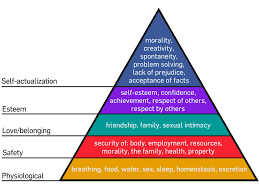
Prior to school, I was living on my own for a year in Cambridge — working full time and taking classes at night. At a few points, I recall having my debit card declined in the grocery store to get food. It was an exhausting experience because I was stuck at the physiological level of the Maslow’s hierarchy, despite my mind and spirit desiring the self actualization. Money was again reminded to me when I found myself emailing an employer asking if I received a paycheck, only to find out they already had deposited it.
This Summer, I was watching Youtube videos on Noam Chomsky. He spoke his whole life about Libertarian Socialism. I then exchanged emails with him a few times - telling him I would like to turn his idea into reality. So now I have to make that happen. Here’s him talking about it: https://m.youtube.com/watch?v=sCN7Ykle4r0
My idea is, I wondered why there’s no way to look at government spending publicly. I stepped back and realized that just like me others wonder about other tax solutions for citizens needs and wants. I think it would be incredibly useful if there was a web app online registry that views how taxes in all the world’s governments are distributed filtered through the Maslow’s hierarchy pyramid. There would be a pool of money depending on our tax bracket to receive credit. Other next steps would be to market the app to other coders, so they can refine it to attract citizens.
I’ve come to the conclusion it can take years (although not in every case) to learn how to find out how funding works before even attempting to receive any and/or achieving success. Not only that, but business knowledge also doesn’t come over night - it requires multiple sources of data/information/knowledge/wisdom to stick and work in a way that‘s productive, even if effort was inputted the whole time through.
While society may emphasize entrepreneurialism as a way to escape/defy poverty, I don’t think it’s easy.
Just because there are platforms like Gust, Foundation Directory Online, and Grantstoindindividuals.org, that doesn’t mean people know how to write grants, nor a business plan, marketing, funds to attend networking opportunities prior to paying for first-order needs.
My motivation:
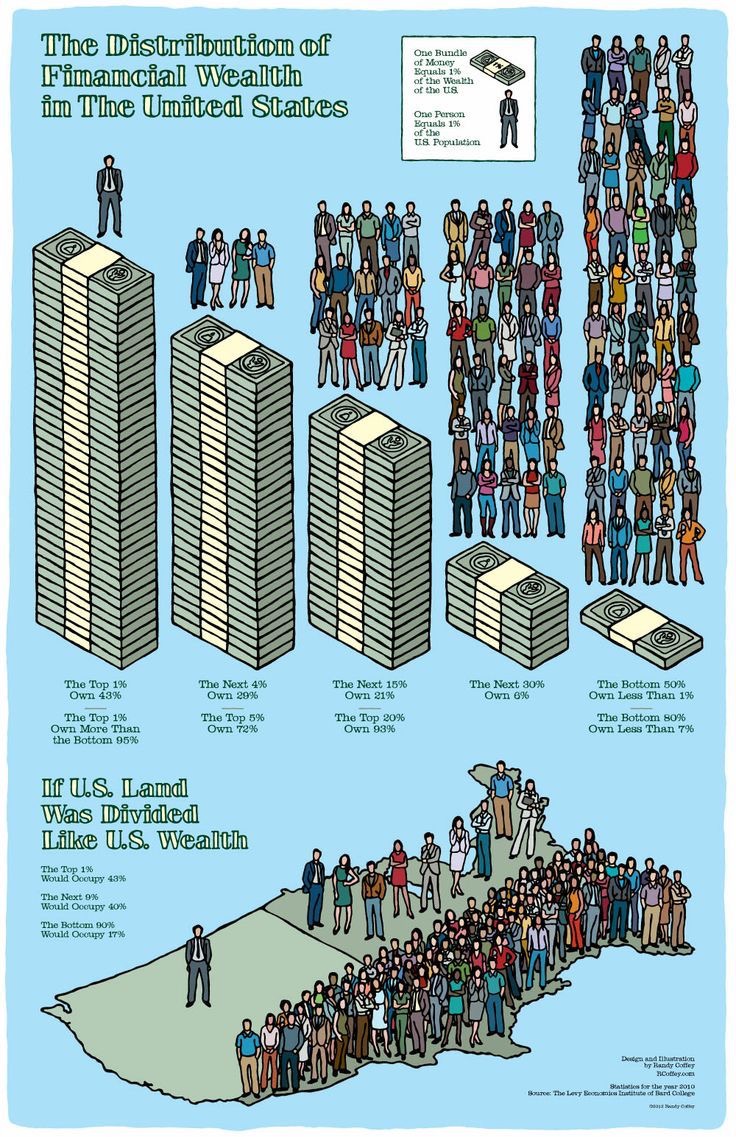
62% of Americans have less than $1,000 in a savings account. 34% of Americans have no savings at all (66 million Americans have zero dollars saved in an emergency fund.) 70% of couples have less than $50,000 saved.
“the average credit card amount owed by millennials is $4,868", "the average credit card amount owed by Gen Xers is $8,291“, and “the average credit card amount owed by baby boomers is $7,175. There’s 1.3 trillion in student debt nationwide.
There are 36 million millionaires in the world, 2,208 billionaires. Venture capital-backed firms raised 57.5 billion in 6 months in 2018. “VC investors participated in more than 19,000 deals”. 220 billion per hour is traded. 5.3 trillion per day.
How it works:
Collab with Amazon SNAP EBT https://www.amazon.com/snap-ebt/b?ie=UTF8&node=19097785011
- Add LoopNet API for housing
- “The USAspending API (Application Programming Interface) allows the public to access comprehensive U.S. government spending data.”
- http://api.usaspending.gov/ (https://servicedesk.usaspending.gov/)
- https://datalab.usaspending.gov/
- https://datalab.usaspending.gov/revenue-country-comparison.html
- http://github.com/taxee/taxee-tax-statistics
- The federal and state tax data compiled and used by https://taxee.io
- http://fedspendingtransparency.github.io/
- https://fiscal.treasury.gov/fsservices/gov/data-trans/dt-daims.htm
- Here’s a fun website where money is printed: moneyfactory.gov
- A website i saw on twitter - https://movehumanity.org/
- The data for tax rates by country: https://en.m.wikipedia.org/wiki/List_of_countries_by_tax_rates +State controller offices The U.S Government Accountabilities Office (GAO) https://www.gao.gov/mobile/
- http://www.usalivestats.com
- http://www.worldometers.info/world-population/
- State controller offices The U.S Government Accountabilities Office (GAO) https://www.gao.gov/mobile/
- http://www.usalivestats.com
- http://www.worldometers.info/world-population/
- “Re-distributing income without touching means of production”
- (Machine learning) define what the task is then apply networks that are trained to recognize tax information Resource:
- Use Tableau and rapidminer for data science.
- The exact approach for libertarian socialism is outlined in this document: http://www.iopsociety.org/vision +https://www.sba.gov/blogs/conducting-market-research-here-are-5-official-sources-free-data-can-help
- Here’s a video about the 1%: https://m.youtube.com/watch?v=JTwFfvRs8y8
- 1) Host for free with www.000webhost.com, 2) Use Php for language, 3) My SQL for the database, and 4) A channel to channel interface to access these two serves to make them work together +use rapid miner/tableau/maybe tensorflow for some scraping as a well as beautiful soup python
- 3d printing https://m.youtube.com/watch?v=UWOVvSfSjCM
- https://portal.ct.gov/DSS/SNAP/Supplemental-Nutrition-Assistance-Program---SNAP
- “over 600 benefits” https://www.welfareinfo.org/new-haven.ct
- https://portal.ct.gov/dss
- https://apps.irs.gov/app/eitc2018/Forward_Filing_Status.do;jsessionid=z_KPbR1W6FwO5uozeQqwrpeGPv2sJjcWhJWOdCqc
- https://www.ccahelping.org/ + https://www.mealsonwheelsamerica.org/ + https://www.habitat.org/ + http://www.columbushouse.org + matthew desmond homelessness WrapCT.org HealthyLivesCT.org 211ct.org List These Monthly Expenses in Your Budget https://www.nerdwallet.com/article/finance/budget-checklist-monthly-budget “What are Fixed, Savings and Variable Costs and Expenses, and How Will They Help Me Learn How to Budget My Money Properly?” https://www.mymoneycoach.ca/blog/what-are-fixed-savings-variable-costs-expenses-and-learn-to-budget-money.html
What is does:
an app that a citizen goes into > selects their tax bracket/disposable income > then has a need or want available &/or delivered to them by startups via the API from other apps.
transform capitalism market economies and centrally planned socialism into a cooperative and voluntary society possibly turning into a more bartering/labour voucher economy
Get the data of all the people in the world's demographics too. Show all companies working on each need and want. Wikipedia lists countries by tax rate. Our web app views how taxes in all the world’s governments are distributed filtered through the maslow’s hierarchy pyramid. Also get the data of all the people in the world's demographics too. Pull from tinder for the girls and guys, pull from yelp reviews for the food. Show all companies working on each need and want.
Revolutionary Catalonia, The Paris Commune, fared territory Ukraine, and zapatistas Mexico
-===
Challenges (philosophical, legal, technological, economical, financial):
Technological---
There are physical products and digital products. Also, we are physical not digital. There are certains things that are difficult to categorize. Logistics. If food is in Texas. How to get it to Connecticut? Start in one state. How to get it delivered? Possibly have one at each corner where someone can use their phone to request it. (Since most have smartphones now). Also difficult to get people working in those locations. Users taking advantage of the app is possible.
How to prevent users from frauding money
Link tax returns
What I learned:
“Scarcity is one of the fundamental issues in economics. The issue of scarcity means we have to decide how and what to produce from limited resources. ... Economics solves the problem of scarcity by placing a higher price on scarce goods. The high price discourages demand and encourages firms to develop alternatives.“ https://www.economicshelp.org/blog/586/markets/scarcity-in-economics
“The State and Local Government have a combined GDP value added of $1.336 trillion to become the second largest GDP contributor representing 9% of the total US GDP. Government spending is classified into two components government investment and government final consumption expenditure. Government investment is defined as the government spending used to finance projects with future or long-term benefits such as spending on research as well as spending on infrastructure. Government final consumption, on the other hand, is the government’s spending on items for direct consumption. State and local government spending are usually financed through taxation or domestic and international borrowing.” https://www.worldatlas.com/articles/which-are-the-biggest-industries-in-the-united-states.html
Absolute vs relative poverty
Container houses
American Civil Liberties Union
ALICE project
focus group
social workers
Labor theory of value
Money/credit used at the local level
Maxist
There’s the Labor Theory of Value
Autarky (do everything self) or bartering
Logistics of making/distributing/selling food.
You shared a currency to use at the local level and provide the example of a local town mall.
Consider raising the minimum wage as only working 200 hours per week makes 80k. This would require forcing the economy to adjust. Society would also benefit from raising the federal poverty level. Then regarding UBI, this has to do with taxation.
I also recall terms like social value and equitability.
-gift economy
-information trade vs physical good trade
-any trade of digital stuff economics 2.0
-physical resources limitation digital economy
-taxes funding for things not profitable overprovision of some under provision of others open source attempted to tragedy of the commons
-monetary taxes
-barter econom without taxes
-tax trade in kind bartering no financial exchange
-corey doctorow gift economy
-real world manifestation
-sell 500 times of cars vs 500 copies windows
-hard to monpolize physical products digital productws scale perfectly
-desire of variety monopolistics
-information rules
-first mover also dominant player (linguistics vs cultural)
-first mover leads to scale to network effects
-network effects (value growing)
-identica
-Mythical man month
-Money but not efficiency
-Programming more slows down
-Money ca impact. (prdogi ko
-Candle program (
-Financial kroces crowd out
-Open source software (github) cariety models not becessadily
-Twitter source
-Apche (open source?
-Software open, network closed … make money connections between woftware
-Multiplicyt of motivation
-Open source economy.
-Banger - kosis penguin (economist positits ecobomic interaxtionh
online neo-syndicalism
Survival of the fittest
“Like all other socio-political conceptions (democracy, liberalism, social democracy, capitalism, markets,….), libertarian socialism is a set of guidelines, leaving their implementation to the societies, in this case, a free participatory society. I think we can take it for granted that the choice would not be a barter economy”
“In the mid 1980s, there were some more capitalist versions of barter around. Company's basically marketed barter and people agreed to trade their services for some sort of points. When these systems were flying high, they had some of the panache that bitcoin has currently... it fell apart and went bankrupt because there were too many people offering services like "art" or "therapy" and not enough offering basic things like groceries. So the supply and demand thing fell apart.”
“One interesting fact is that there never was a real barter-economy (contrary to Adam Smith). Some economists just assume that there was because it is convenient for their theories. The only barter-like systems are really large important things like marriage-price or settlements from wars.”
“David Schweickart suggests participatory economics would be undesirable even if it was possible, accusing it of being:
a system obsessed with comparison (Is your job complex more empowering than mine?), with monitoring (You are not working at average intensity, mate—get with the program), with the details of consumption (How many rolls of toilet paper will I need next year? Why are some of my neighbors still using the kind not made of recycled paper?)”
“Theodore Burczak argues that it is impossible for workers to give the unbiased assessments of the "largely unobservable" characteristics of effort proposed as the basis for salary levels, and the absence of market exchange mechanisms likewise makes calculating social costs of production and consumption impossible.”
“Libertarian socialism is just one of many, many possible ways an economy could be changed. I think some form of online neo-syndicalism may arise in the near future, given how social media tribes form. I recommend Neil Stephenson's book "The Diamond Age" for a really fascinating exploration of the concept. Most nation-states are hollowing themselves out, and large companies filling the void. There's still a few outliers, though, and they may be the last ones standing (and perhaps, shapers of the next paradigm), should instability become the norm.”
"If only there were no governments, think the anarchists. If only governments obeyed their own laws, says Chomsky. Which is the more unrealistic?" - Noam Chomsky "Libertarian socialism is nothing but a front for communism." "A free society is contrary to human nature." And "Centralized management is a technological imperative". "Requires a joint effort of works in a number of advanced countries." There are certains things that are difficult to categorize. Logistics. If food is in Texas. How to get it to Connecticut? Start in one state. How to get it delivered? Possibly have one at each corner where someone can use their phone to request it. (Since most have smartphones now). Also difficult to get people working in those locations. Users taking advantage of the app is possible. For most libertarian socialist, the word Libertarian is defined as in skeptical of hierarchy and the state: Socialist as in power to the workers and out of the hands of the capitalist. I don't see the hypocrisy here......Except "power of the workers" only works in theory, not in practise. When collective property exists there must always be some sort of central authority to ensure that everyone is getting a fair share of the deal and to ensure that no new private property arises by individual claims. And to think that this absolute authority won't go corrupt even if it initially had noble ideals is naive to say the least. In other words, the idea of collective property necessarily excludes skepticism of authority, since authority is the very thing that collective rights depend on....." "Socialism may mean "means of production are owned by the workers" in theory. But this is never what socialism is in practise, because the collective ownership by workers necessarily implies a state to begin with. Who else is going to make sure that the ownership is collective? Who is going to make the ownership collective? Collective ownership is indeed oxymoronic to libertarianism because collective ownership prohibits individuals from doing what they want with their money. Socialism is always forced collective ownership, so how can libertarian socialism make sense? Collective ownership can only be libertarian if it is voluntary, but then, voluntary collective ownership is still a form of private ownership, it's simply private property that is shared by several owners. Therefore, voluntarily shared property is already allowed in right-libertarianism." “Like all other socio-political conceptions (democracy, liberalism, social democracy, capitalism, markets,….), libertarian socialism is a set of guidelines, leaving their implementation to the societies, in this case, a free participatory society. I think we can take it for granted that the choice would not be a barter economy”
“When you’re surviving you can’t dream”
If we can get what we need basically whenever they want, "there’s no reason to take more than they have to. Greed and theft only exist in a society where there is enforced artificial scarcity. This system would replace a market economy since markets are based on imbalance. The whole exchange of good and services for money and barter would be made obsolete.”
“The very act of challenging a legacy program can be seen as a threat to someone, somewhere. As long as a career was made on it, someone has incentive to keep it. A safer approach, I believe, is to find existing programs and see if you can work within them, or find calls for ideas whenever and wherever you can. Even the wealthy and powerful have incentive to follow new trends, at least in some parts of the world.”
"We have seen why the state cannot demographically control industry. Industry can only be democratically owned and controlled by the workers directly from their own ranks industrial adminstrative committees. Socialism will be fundamentally an industrial system. Its constituencies will be of an industrial character. Thus those carrying on the social activity and industries of society will be directly represented in the local and central counsels of social administration. In this way, the powers of such delegates will flow upwards from those carrying on the work and conversant with the needs of the community. When the central administrative industrial community meets, it will represent every phase of social activity. Hence the capitalist, political, or geographical state, will be replaced by the industrial administrative committee of socialism. The transition from one social system to the other will be the social revolution. The political state throughout history has meant the government of man by ruling classes, the republic of socialism will be the government of industry administered on behalf of the whole community. The former meant the economic and political subjection of the many, the latter will mean the economic freedom of all. It will be therefore a true democracy." - The States of Origin it's functions William Paul
“A libertarian socialist sees the state as a coercive authoritarian institution which the elite uses to exploit the people. A libertarian socialist sees capitalism as a way for the ones with money, i.e. power, to enforce oppression on the ones who don't.”
"working class in control of the means of production"
-"economic disinfranchment where people don't have a say over their lives in the workplace"
“You know you hear land of opportunity, all this sh#t. That’s in their head. They must not ride through the same neighborhoods I ride through. They must not go through the same towns I go through. They must not see the same people I see on a daily basis. And they can’t do that riding around in a limo and a helicopter.” - Taxi driver from a YouTube video
money is valuable because it is scarce
money has no meaning
There’s Milton Friedman (Republican), Bernie Sanders (Democrat), Noam Chomsky (left libertarian), Koch Brothers (right libertarian)
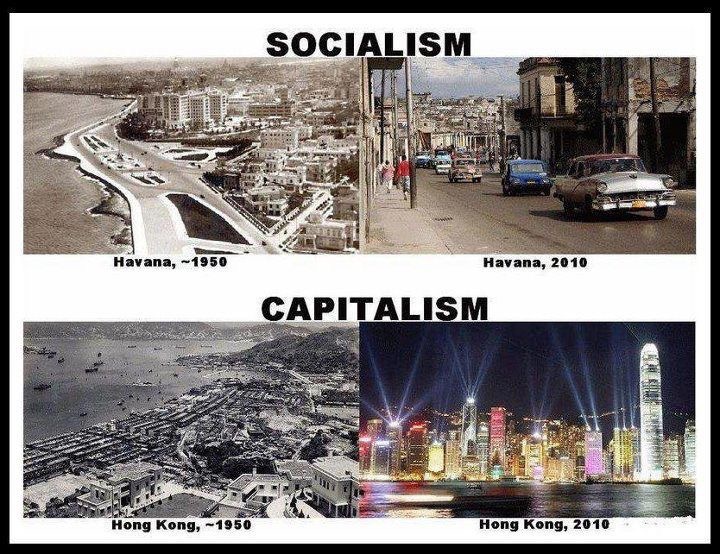
indian caste system -No money: -Cuba -Soviety union
Wikipedia lists countries by tax rate
“See most people don’t realize, that the game of life will include the need to make money: period. I can have a long conversation why that is — it’s not anything about capitalism — it’s just the struggle for survival it’s rooted in the most primal forces which are the acquisition and competition over scarce resources which in todays world we just call it money. Ten thousand years ago before money, they called it something else. Native American tribes, what do you think they were fighting over? The same things as money. They didn’t have greenbacks, they didn’t have pounds and euros. They didn’t have little pieces of paper but they had other stuff. They use to fight over seashells, really, they used seashells they used seashells for money because they were they were rare. Everybody, throughout history, is fighting for something. Animals fight over pieces of land. Animals fight over females to mate with. They fight over males to mate with. We’re always in a competition. Even if you’re not in competition with other humans, you’re in competition with bacteria inside your body that would love to kill you and take over if they could but your immune system wins that battle.” — Tai Lopez on a YouTube video
“While wealth distribution follows a power law, the distribution of human skills generally follows a normal distribution that is symmetric about an average value. Average IQ is 100, but nobody has an IQ of 1,000 or 10,000. The same is true of effort, as measured by hours worked. Some people work more hours than average and some people work less, but nobody works a billion times more hours than anybody else.” — 2018 MIT Technology Review article
“While wealth distribution follows a power law, the distribution of human skills generally follows a normal distribution that is symmetric about an average value. Average IQ is 100, but nobody has an IQ of 1,000 or 10,000. The same is true of effort, as measured by hours worked. Some people work more hours than average and some people work less, but nobody works a billion times more hours than anybody else.” — 2018 MIT Technology Review article
Why money exists, and who invented money:
“libertarian socialism is a set of guidelines, leaving their implementation to the societies, in this case, a free participatory society.”
“Those carrying on the social activity and industries of society will be directly represented in the local and central councils of social administration. In this way the powers of such delegates will flow upwards from those carrying on the work and conversant with the needs of the community. When the central administration industrial committee meets it will represent every phase of social activity.”
“Humans have always loved organizing themselves in groups. This can be based on appearance, occupation, or wealth. Even if we somehow got rid of a currency driven society, people would still be divided based on their occupation. There will always be jobs that will be considered more distinguished and important. These jobs will likely require more education and inherent intelligence which will lead to distinction from other jobs.”
“Not being fair does not stop it from being there. You might think it’s unfair that John got the job but you didn’t. You might think that Sally should have won the competition. But they didn’t, and it happened for a reason. It could have been biological, it could have been cognitive, it could have been due to a host of other reasons. But there exists a basic similarity between everyone: we’re all different. And if we’re different, then how can we be expected to be treated the same? Social classes exist because we recognize this fact, and as long as two people stand on this Earth, there will be some form of social classification.
“Inevitability of social class. It is human nature to form groups and fight for dominance and we see this through animals as well. Human beings long for power and many people use the idea of becoming part of higher class to motivate them to work harder in life and as proof that they have succeeded in life.”
“Fairness is irrelevant. It’s just life. Sorry. In life, people are born with everything in more, Whilst others are born with nothing more than dirt. It’s just luck of the draw and a relation into the family you’re born with. Society has made it nearly impossible for someone to go from nothing to having everything, much less taking his/her family with them. If people can change their mentality and if society can force itself to change and accept anything, Then things will change. But as things stand as they are, We will never change, And at times, it seems like that’s what this is.”
“the law enforcement system, the legal system, the taxation "requirements" (just shaking poor people down), and ultimately, the financial system. They are vulnerable to abuses of power. Loopholes and people that know them end up creating a larger wealth gap and socioeconomic inequalities.”
“Since the 70’s, the gap between the rich and poor has been growing…But you know what has happened to the level of income of the poor? It’s risen. In comparison, would it be better if it hadn’t risen at all? Would it be better if you kept the difference the same but no growth at the bottom? If we curtail the growth at the top, you’ll curtail the growth at the bottom! Look, the engine that leads to the miracles we’ve seen enables you to have a television camera lens. That engine is ambition and drive to become wealthy” Milton Friedman
“Look, there was never in history when the oridinary people have had the level of income and living that they now do. You have a system which is overwhelming yielding good results. There’s not question it’s not perfect, that people get hurt but that’s true of any system.”
“People say, well isn’t it selfish that you want to get ahead? No, in a sense, if you have a certain talent in a free society you should have the opportunity to discover what that talent is. Everyone has a natural talent for something and developing that talent. And by developing your talent, by trying to meet your goals and ambitions not only helping yourself you’re helping others. You see it in pop culture..in every heavy in Hollywood..Given all the flaws of human nature the system has worked”
“Everyone has a sinful view of making money. Our stores that made the most money had the happiest customers and the best coworkers. They were always the best motivated. And, there’s a relationship between profits and those things. It’s not a sin to anybody.”
“You know you hear land of opportunity, all this shit. That’s in their head. They must not ride through the same neighborhoods I ride through. They must not go through the same towns I go through. They must not see the same people I see on a daily basis. And they can’t do that riding around in a limo and a helicopter.”
“Charles Darwin did not invent the term survival of the fittest. It was Herbert Spencer a social Darwinist. Who thought if we just allowed the rich to get richer that was good for society. We want to discourage the poor from having a lot of children and basically surviving. That kind of social darwinist notion has stayed alive in certain quarters and I believe it is there behind much of the economic policies we are now seeing.”
“Humans have always loved organizing themselves in groups. This can be based on appearance, occupation, or wealth. Even if we somehow got rid of a currency driven society, people would still be divided based on their occupation. There will always be jobs that will be considered more distinguished and important. These jobs will likely require more education and inherent intelligence which will lead to distinction from other jobs.”
“Not being fair does not stop it from being there. You might think it’s unfair that John got the job but you didn’t. You might think that Sally should have won the competition. But they didn’t, and it happened for a reason. It could have been biological, it could have been cognitive, it could have been due to a host of other reasons. But there exists a basic similarity between everyone: we’re all different. And if we’re different, then how can we be expected to be treated the same? Social classes exist because we recognize this fact, and as long as two people stand on this Earth, there will be some form of social classification.
“Inevitability of social class. It is human nature to form groups and fight for dominance and we see this through animals as well. Human beings long for power and many people use the idea of becoming part of higher class to motivate them to work harder in life and as proof that they have succeeded in life.”
“Fairness is irrelevant. It’s just life. Sorry. In life, people are born with everything in more, Whilst others are born with nothing more than dirt. It’s just luck of the draw and a relation into the family you’re born with. Society has made it nearly impossible for someone to go from nothing to having everything, much less taking his/her family with them. If people can change their mentality and if society can force itself to change and accept anything, Then things will change. But as things stand as they are, We will never change, And at times, it seems like that’s what this is.”
"The state power must be eliminated in favor of the demographic organization of industrial society with direct popular control over all institutions by those who participate in as well as those who are directly effected by the workings of these institutions: workers counsels, consumers counsels, communist assembly, regional federations."
“The political sphere: policy-making, administration, and collective implementation.
The economic sphere: production, consumption, and allocation of the material means of life.
The kinship sphere: procreation, nurturance, socialisation, gender, sexuality, and organisation of daily home life.
The community sphere: development of collectively shared historical identities, culture, religion, spirituality, linguistic relations, lifestyles, and social celebrations.”
"Criticizes wage labour relationships within the workplace,[7] instead emphasizing workers' self-management of the workplace[4] and decentralized structures of political organization."
“personal vouchers or "credits" would be awarded for work done to purchase goods and services... Unlike money, credits would disappear upon purchase, and would be non-transferable between individuals, making bribery and monetary theft impossible.”
“How can I call myself a libertarian socialist if they are a contradiction in terms? Given the term libertarian in the United States. And secondly, if I’m opposed to state subsidized capitalism what about laissez-faire capitalism the kind advocated by Adam Smith. Well you’re right the terms that I’m using are contradictory in the United States but that does not, that’s the kind of perversity (i think that’s the word he used)of American culture. Here the term libertarian means the opposite of everybody else all through history. So what I was describing was the real Adam Smith and the real Thomas Jefferson and so on who were anti capitalist and called for equality and thought that people shouldn’t be subjected the way to wage labour because it is destructive of their humanity. And the real Adam Smith said that in any civilized society something has to be done to prevent division of labor because it will turn (us into?) creature it’s stupid it’s ignorant as possible as a human can be and he advocated markets only on the grounds that liberty would lead to perfect equality. That’s the traditional libertarian talking about and in that sense yeah I’m a libertarian. The U.S sense is quite different. Here every word as taken on the opposite of its meaning. So hear libertarian means extreme advocacy of total tyranny. It means power ought to be given in the hands of private unaccountable tyrannies even worse that state tyrannies the public has some kind of rule. The corporate system especially as its evolved in the 20th century, is (punitive?) completely unaccountable. You’re inside this institution you take orders from above and handed down below, outside the institutions libertarians nothing you can say tyrannies do what they feel like. They are global in scale. I mean this is the extreme opposite of libertarian everywhere else in the world since enlightenment. And that’s what’s called libertarian here. So yeah it’s hard to talk here.”
On how libertarian socialism would work,
“I think the libertarian socialist concept. And by that I mean a range of thinking that extends from left wing marxism to anarchism. I think these are fundamentally correct. And that they are the proper and natural extension of classical liberalism into the era of advanced industrialized society. In contrast the ideology of state socialism that is what has become of bolshevism and state capitalism the modern welfare state. These of course are dominant in the industrial economies in the industrial societies. But I believe they are regressive and highly inadequate social theories and a large number fundamental problems stem from an incompatibility and inappropriateness of these social forms in a modern industrialized society. A french writer rather sympathetic? that anarchism has a broad back like paper it endures anything. And there are many shades of anarchism. And I'm concerned only with one. The anarchism of Bakunin who wrote in his anarchist manifesto 1865. To be anarchist one must first be a socialist. Im concerned with the anarchist Adolph Fischer of the martyrs of the Haymarket affair in 1886 who said every anarchist is a socialist but not every socialist is necessarily an anarchist. I think a consistent anarchist must oppose private the means of production. Such property indeed Proudhon his famous remark asserted is a form of theft. But a consistent anarchist will also oppose the organization of production by government quoting “it means state socialism the command the state officials over production and the command of managers, scientists, shop officials in the shop the goal of the working class is liberation from exploitation and this goal is not reached and cannot be reached by a new directing and governing class substituting itself for the bourgeoisie it is only realized by the workers themselves being master over production by some form of workers councils. These remarks, it happens, are quoted from the left-wing Marxist Anton Pannekoek and in fact in radical Marxism what lenin once called infantile ultra leftism merges with anarchist currents. There’s an important point. I think and let me give one further illustration of this convergence between left-wing Marxism and considering the following characterization of revolutionary socialist. The revolutionary socialist denies that state ownership can end in anything other than a bureaucratic despotism. We have seen why the state cannot democratically control industry. Industry can only be democratically owned and controlled by the workers electing directly from their own ranks industrial administrative committees. Socialism will be fundamentally an industrial system its constituencies will be of an industrial character. Thus those carrying on the social activity and industries of society will be directly represented in the local and central councils of social administration. In this way the powers of such delegates will flow upwards from those carrying on the work and conversant with the needs of the community. When the central administration industrial committee meets it will represent every phase of social activity. Hence the capitalist political or geographical state will be replaced by the industrial administrative committee of socialism. The transition from one social system to the other will be the social revolution. The political state throughout history has meant the government of men by ruling classes. The republic of socialism will be the government of industry administered on behalf of the whole community. The former meant the economic and political subjection of the many latter will mean the economic freedom of all it will be therefore a true democracy....” (he goes on)
On the counter argument to libertarian socialism,
A panelist asked, “An objection to a libertarian socialist society is that no one would bother to work. Is that a valid objection? What about those that don’t want to work?”
Chomsky, “Well its an interesting concept. Actually this is one of the things I’ve differed for sometime with the parcon people. They basically have the same view. (Mike Owler? Robin Hahnel and the others we’ve disagreed about this for many years. It’s a question of what you think work is. There is a point of view associated with capitalist systems that hold that work is a burden. If you weren’t driven to work you’d prefer to vegetate. I don’t think that has anything to do with human beings. And in fact it’s striking the people who hold this view, most of them come from the university or scientific backgrounds. You go into a university where I work, MIT, mainly scientific universities. Some people are working 80 hours a week because they love their work. And their work is under their own control. All these social institutions especially science or universities are places where you really do control your own work. You gotta meet some conditions but it’s pretty much controlled by participants. Optimally and realistically under those conditions people want to work.”
What's next:
Develop MVP. Advertise on virtual communities like Facebook with 1.5 billion users (costs to ad range from $1-million) and Instagram 1 billion users (costs to ad rank from $1-$30,000). Also optimize SEO to be ranked high on Google (costs per click is $1-2). Maybe make an app using objective C/script (costs to upload to Apple $100) and an app using Java on Android (costs to upload $50)
Revenue model: ads on app (not website because ad blockers + need millions of users to have any real return) (unless we make our own ad model), b2b partnerships to share value our b2c customers receive, software licensing (if b2b find the website useful to them), freemium (unlikely to work because only 2-3% of users buy), subscriptions/subscription box (average cost of subscriptions people pay annually is $832) (is a possibility)
“Re-distributing income without touching means of production”
*miscellaneous notes: Even at higher income levels of between $100,000 and $149,999.
47% of Americans could not afford an emergency expense of $400.
See here….43% of working-age milies have no retirement savings at all. The median working-age couple has saved only $5,000 for retirement.
65% of credit card users carry a balance (don’t pay off their bill every month), paying an average interest rate of over 15%. The average credit card debt for households that carry a balance is $16,048.”,
Credit:
https://www.urbandictionary.com/define.php?term=Libertarian%20Socialism https://m.youtube.com/watch?v=Hr_Qp5k5zDY https://www.dailyfx.com/forex/education/trading_tips/daily_trading_lesson/2014/01/24/FX_Market_Size.html/amp https://www.holisticsurvival.com/6-ways-the-economy-is-changing/ Theme song: https://www.youtube.com/watch?v=xpVfcZ0ZcFM Theme video (short version): https://m.youtube.com/watch?v=kfGwr0A0ZvY Theme video (long version): https://www.youtube.com/watch?v=Hr_Qp5k5zDY https://portal.ct.gov/dss/about-the-department-of-social-services/contact https://www.foodstampsoffices.com/office/501/new-haven-dss-office/ Counter video (short version): https://www.youtube.com/watch?v=HKkstGiRwIA Theme article: https://www.inc.com/magazine/201309/jessica-bruder/psychological-price-of-entrepreneurship.html?cid=sf01001 Partisipism: https://en.m.wikipedia.org/wiki/participism Theme song: https://www.youtube.com/watch?v=xpVfcZ0ZcFM Theme video (short version): https://m.youtube.com/watch?v=kfGwr0A0ZvY Theme video (long version): https://m.youtube.com/watch?v=8mxp_wgFWQo Image credit: https://pin.it/ndsojavw2js2ek Image credit: https://pin.it/7b25pwptu6ktiu Image credit: http://lanzame.es/la-piramide-de-maslow-de-las-startups/ Image credit: https://www.nerdwallet.com/blog/taxes/federal-income-tax-brackets/ https://www.quora.com/Why-does-money-exist and https://www.quora.com/Who-invented-money https://www.quora.com/What-are-the-best-arguments-against-libertarian-socialism The Wikipedia about the free participatory society: https://en.m.wikipedia.org/wiki/Participism Why money exists, and who invented money: https://www.quora.com/Why-does-money-exist and https://www.quora.com/Who-invented-money
Other notes: “- go to state adress city old bus and talk to socoal worker go online take name ans that day or week to get access for food
- comes ok card snap benefit card frocery electronic nenefit (ebt) walmart; makor busijesses,.frocerynfhains -food stamps and moneu and transportation (food stamps only cold items.not hot sandwich turkey club) anything is cash any daynduring the week sometimes week
- federal housing fed vs state state benefits vs federal housing
- senator or mayor access for money or assistance taking a number and down someone who knows the ins and outs system social worker it
- find problems then make app“
Random:
Is scarcity of money or scarcity of resources the problem?
I came to the conclusion nonprofits exist for the most vulnerable. Almost always outside of that, we participate in for profit ventures because revenue allows us to pay for fundamental costs such as cogs to produce products/services as well as payroll and r&d to receive human capital. The funding has to come from somewhere and so an effective way for money to flow is to offer products/services for prospects/leads. Money continues to flow to employees and there’s ultimately an ecosystem. Unfortunately,
How do we decide when to be a capitalist for profit on a product/service vs a nonprofit?
Are nonprofits mostly for the most vulnerable, otherwise we participate in for profits to be able to pay employees and continue innovation?
What if there was a database that showed Maslow hierarchy with all nonprofits for needs?
List of nonprofits for food making as frictionless as possible for people. And advertised everyone so people know and don’t have to hear only after trials and tribulations
68% of people live paycheck to paycheck. 26% have no emergency savings. The median amount saved for retirement is less than $60,000. The average household has $7,283 in credit card debt. The average student loan debt is $32,264. Home – House payment, rent, maintenance, utilities, insurance, property taxes, etc. Car Monthly car payment, gas, maintenance, insurance, license plate fees, and so on Television, cable, Netflix, Hulu, etc. Cell phone Internet Food – Groceries, restaurant spending, snacks, etc. Clothing Entertainment – Entertainment can include many things, such as going to the movies, going out for drinks, concert tickets, sports, and so on Charity – If you regularly donate to charity, then this should be an area you budget for Savings funds – This can be for your retirement fund, wedding, travel, etc. Taxes – If you are self-employed, then taxes may consist of a large part of your budget Health insurance Miscellaneous – Pet expenses, fees, childcare, school, gifts, etc. https://www.makingsenseofcents.com/2019/07/how-to-become-rich-with-no-money.html

Log in or sign up for Devpost to join the conversation.