
Inspiration
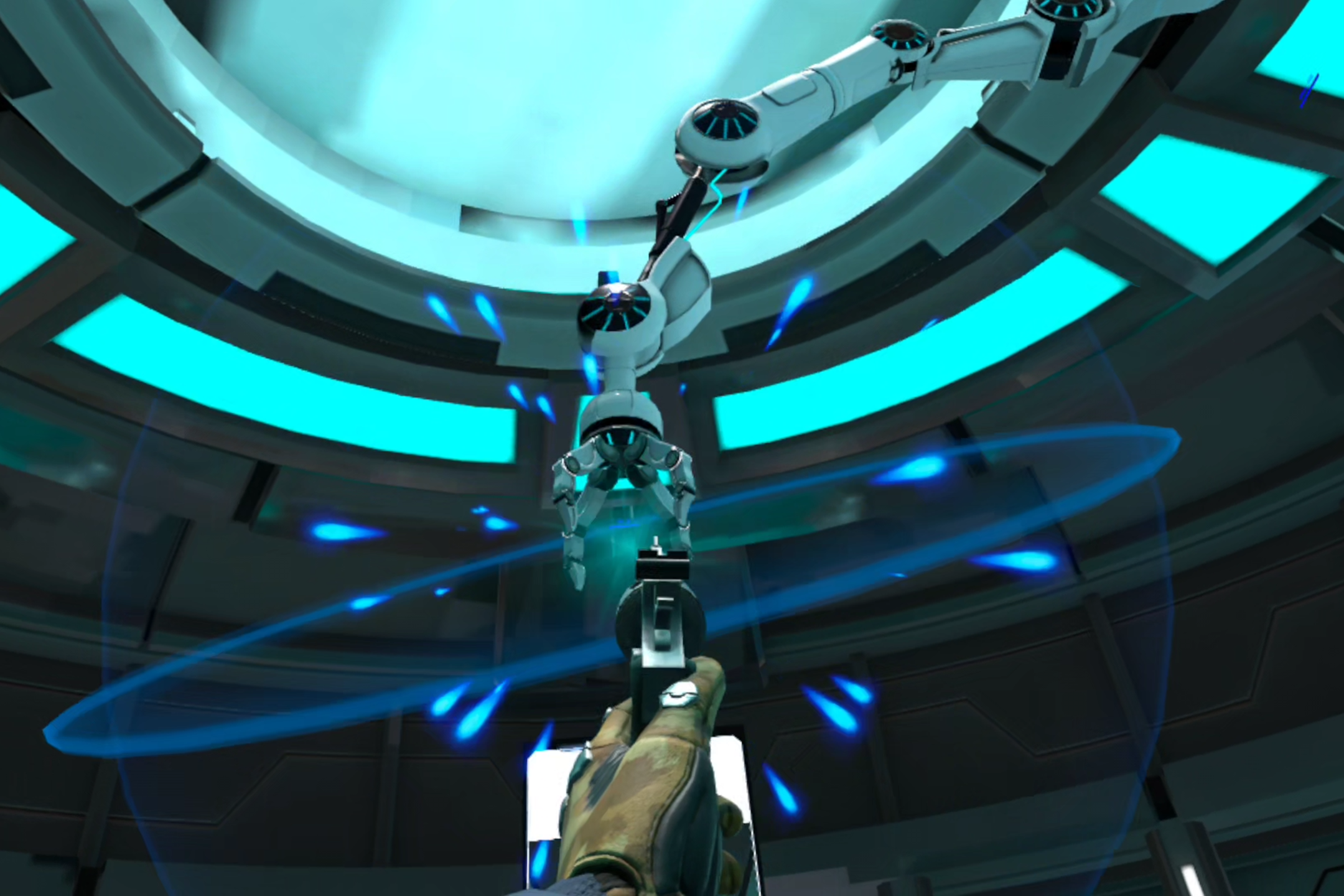
We were inspired by Liar’s Bar on Steam, but we wanted to reimagine it with a new gameplay direction and a realistic visual style — something uncommon in VR. The tension of calling out lies, watching players bluff or hesitate through subtle gestures, became our core motivation. VR hand-tracking allowed body language to turn directly into gameplay. The Russian Roulette mechanic became our twist: losing doesn’t mean elimination, but instead sends the player into a risky life-or-death moment. Survive — return to the table. Fail — drift into space.
What it does
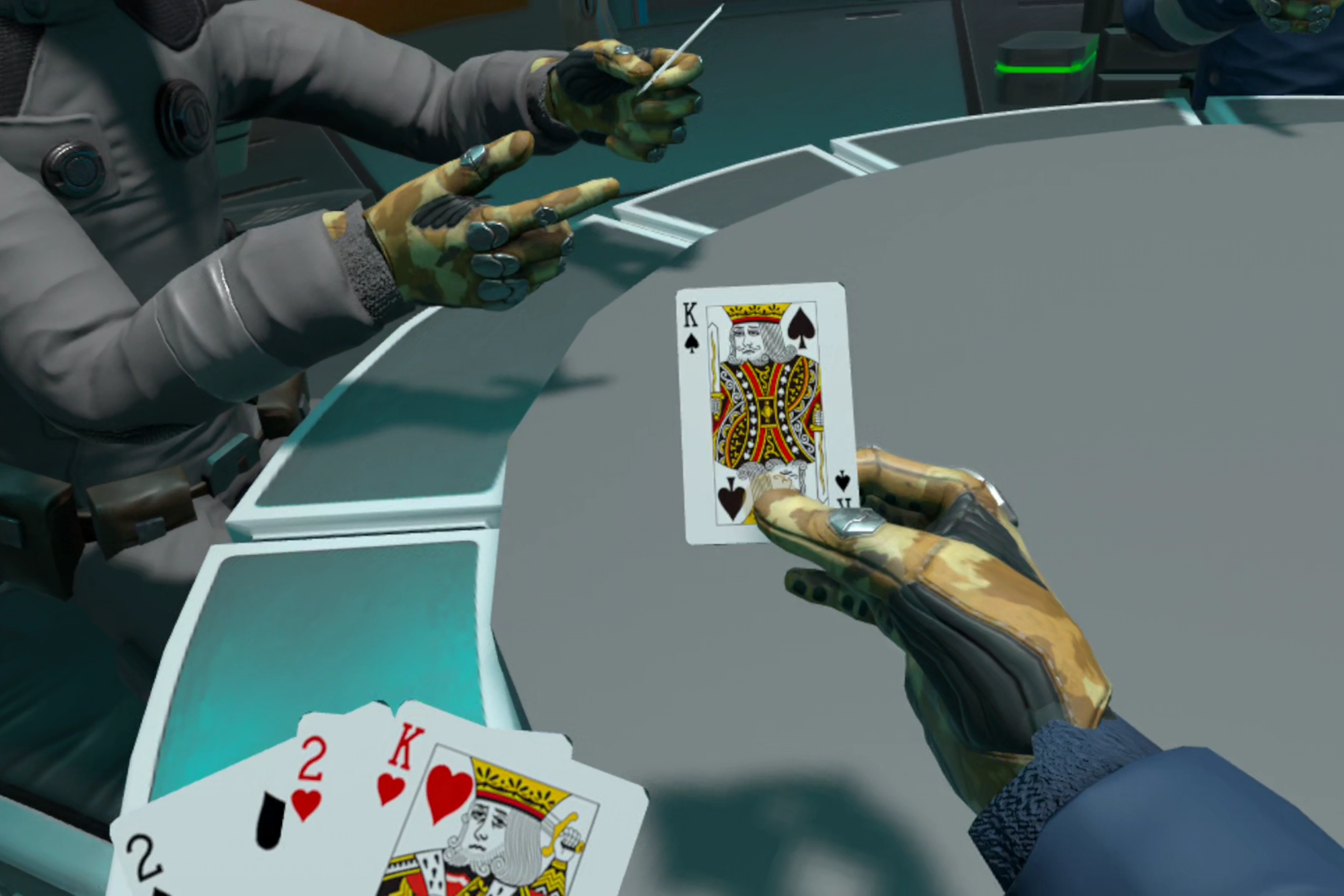
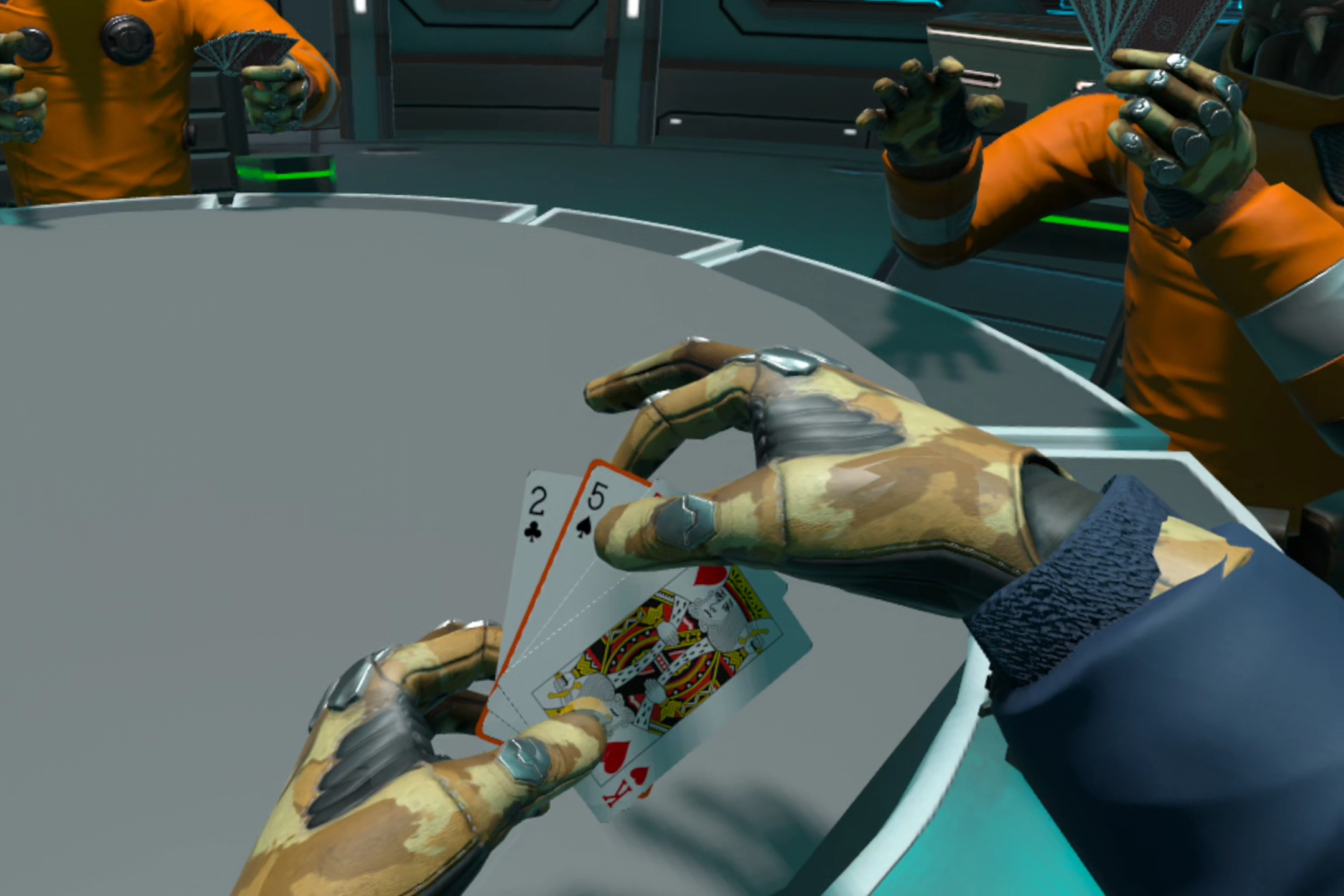
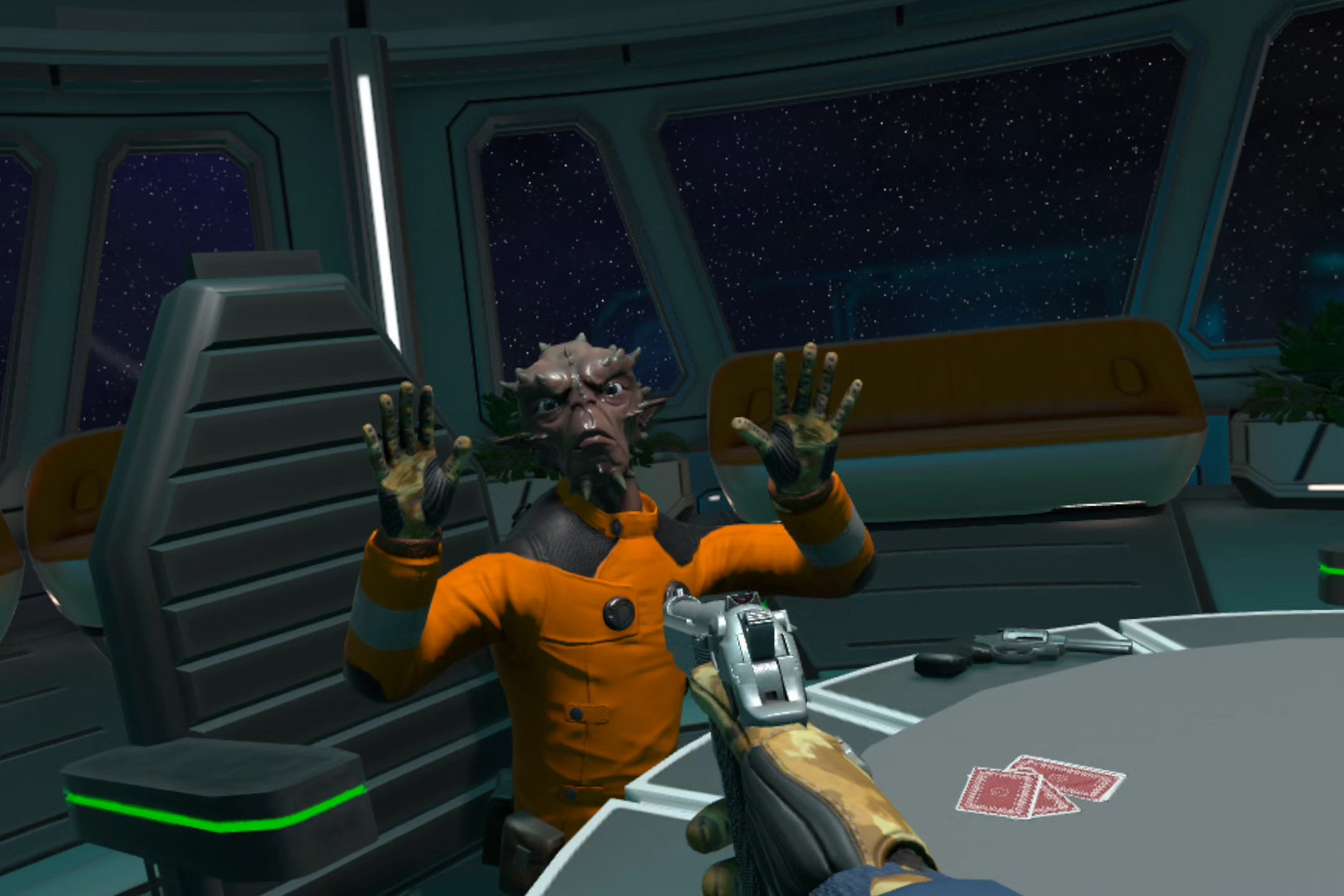
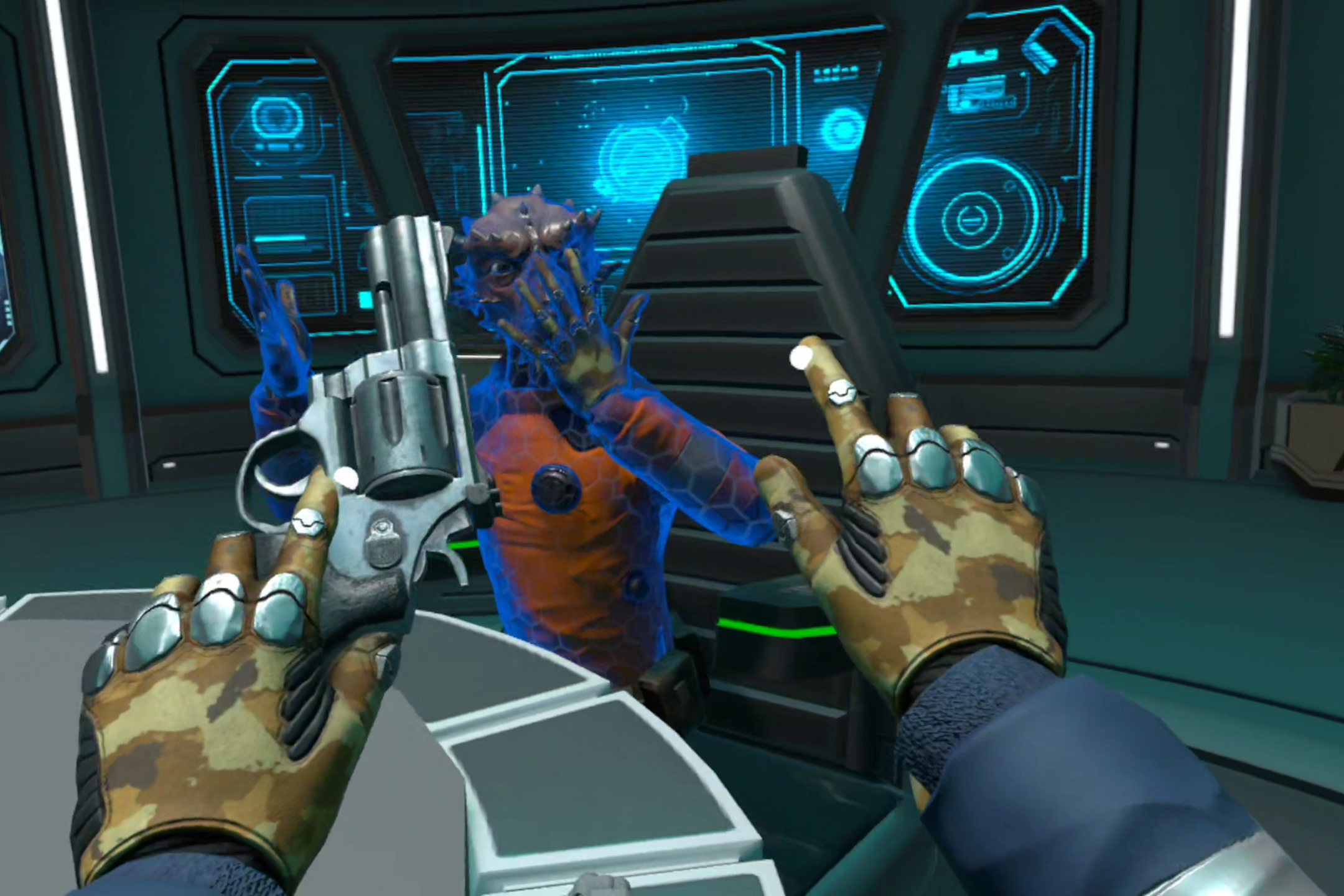
Liar’s Roulette is a VR hand-tracking card game where players pick up and place cards naturally. Our current gameplay is intentionally simple so newcomers can learn fast: each turn, a player may play 1–3 cards and must declare the total as below 6 — a new rule we created specifically for this game. The next player must decide whether they believe it. If they think it's a lie, they press the red button to challenge. If the call is wrong, the challenger enters a Russian Roulette mini-trial. Win and return; lose and get launched into space. The game blends deduction, tension, humor, and chaos inside a sci-fi casino-style room with ten expressive alien avatars.
How we built it
We developed the project in Unity using Meta SDK for hand-tracking and Photon multiplayer networking. Custom-rigged avatars were built to show readable reactions, while card interaction and gesture logic were refined for natural hand use. The design merges bluffing with survival roulette so players can make comebacks instead of facing instant elimination. Our goal was to make looking, pointing, or hesitating feel meaningful.
Challenges we ran into
Balancing card rules and roulette probability took multiple iterations. Smooth bare-hand interaction required optimization, and multiplayer syncing during bluff calls and roulette transitions demanded careful state control. UI needed to remain clear without cluttering the VR space. A unique challenge came from user freedom in VR — players can act unpredictably and even break rules unintentionally. We had to design ways to detect or respond to violations while keeping gameplay fair and fun. We also searched for the sweet spot between chaos and frustration.
Accomplishments that we're proud of
We built a full hand-tracking VR card experience without controllers. We implemented a roulette comeback system. We created ten alien avatars with distinct personalities and optimized card handling for smooth feedback. Most importantly, players laugh, accuse, panic, and celebrate — exactly the atmosphere we wanted.
What we learned
Hand-tracking adds emotional depth to social gameplay. Bluffing in VR feels different — micro-gestures matter. We learned that simplicity is powerful: a few cards, suspicion, and one red button can create drama. VR UX must be responsive and avoid overload.
What's next for Liar's Roulette
Our gameplay is simple by design, and we plan to expand with new maps/skins, rule variations, power cards, and modes — including gameplay inspired by Vietnamese card games like Tiến Lên. Next steps include wider playtests and aiming for Meta Quest Store / App Lab release, with long-term plans for cross-platform VR.
Built With
- hand
- photon
- playfab
- unity


Log in or sign up for Devpost to join the conversation.