-
-
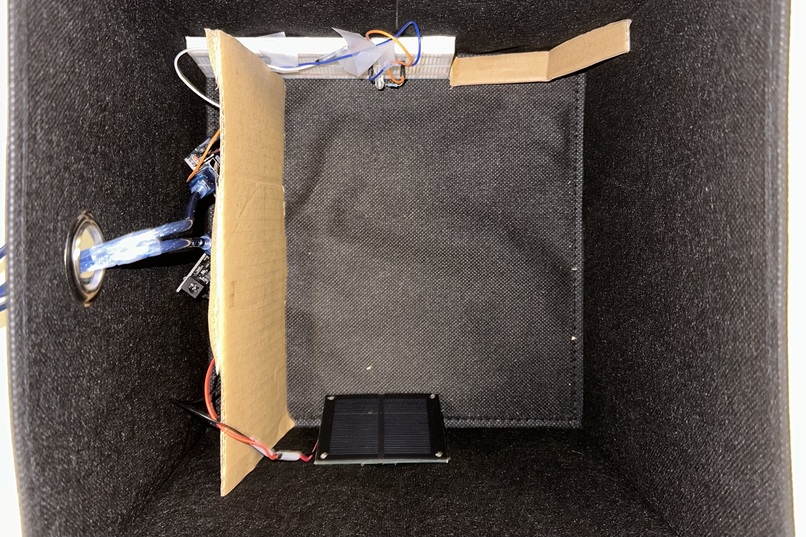
Prototype
-
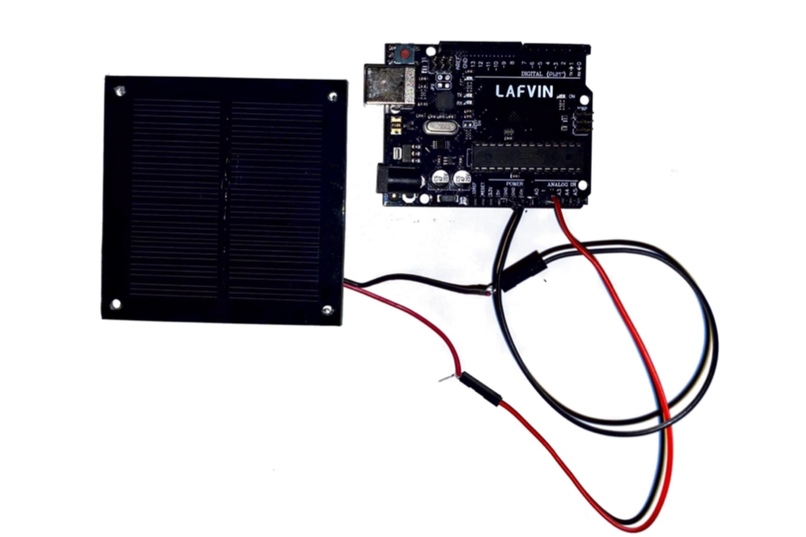
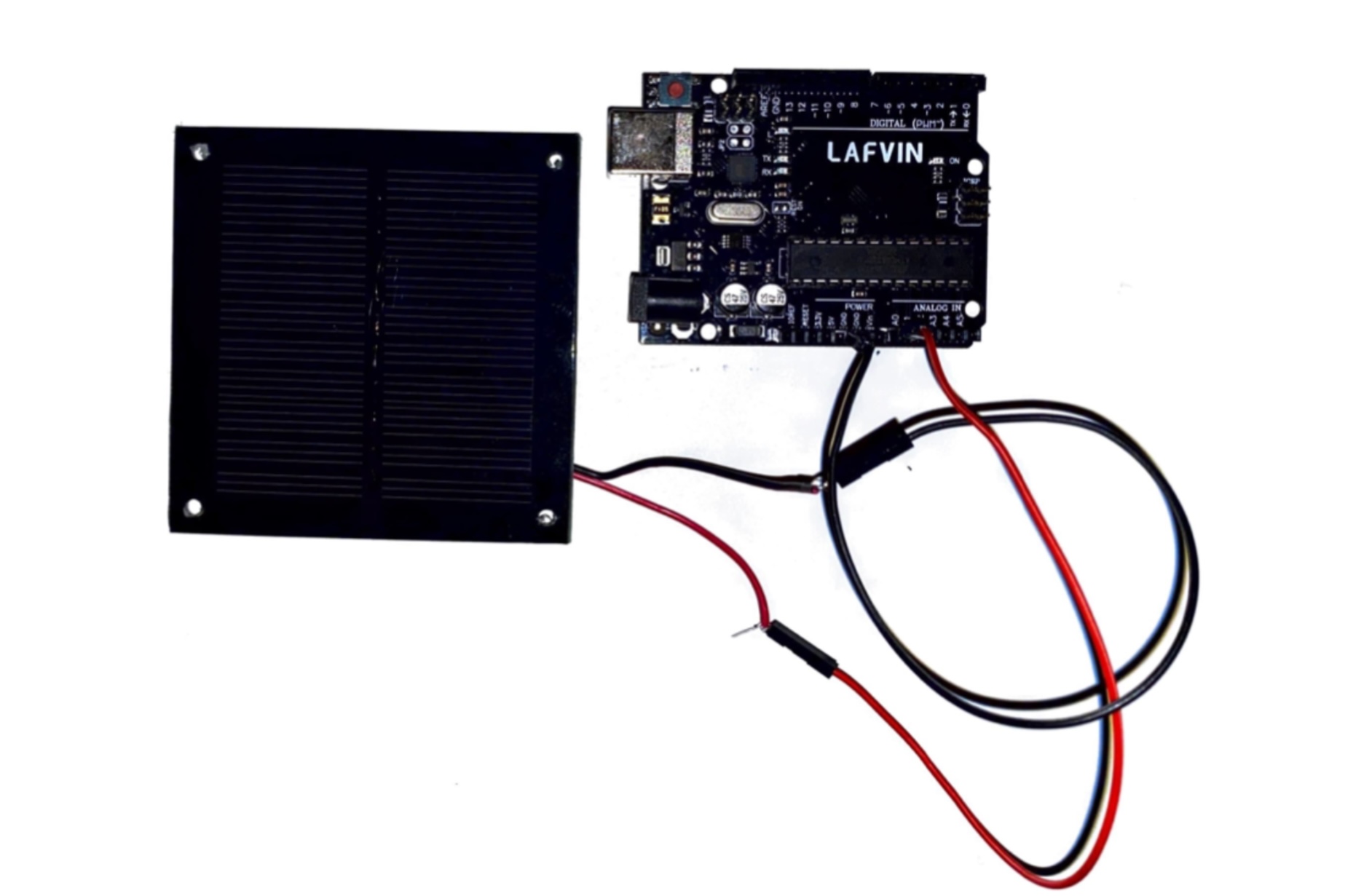
Solar panel and Arduino Uno receiver prototype
-
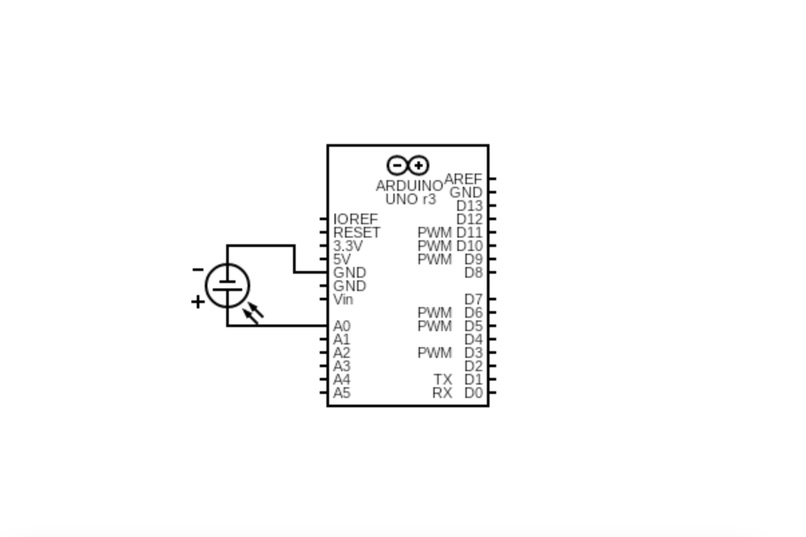
Solar panel and Arduino Uno receiver circuit diagram
-
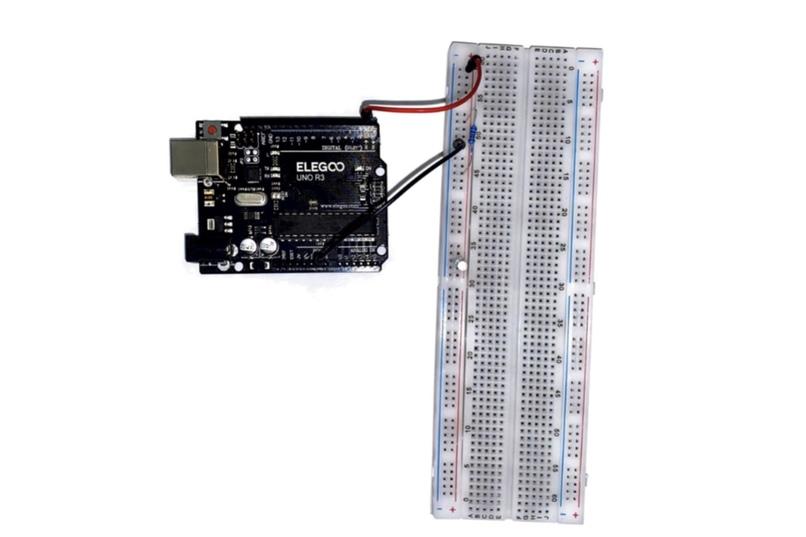
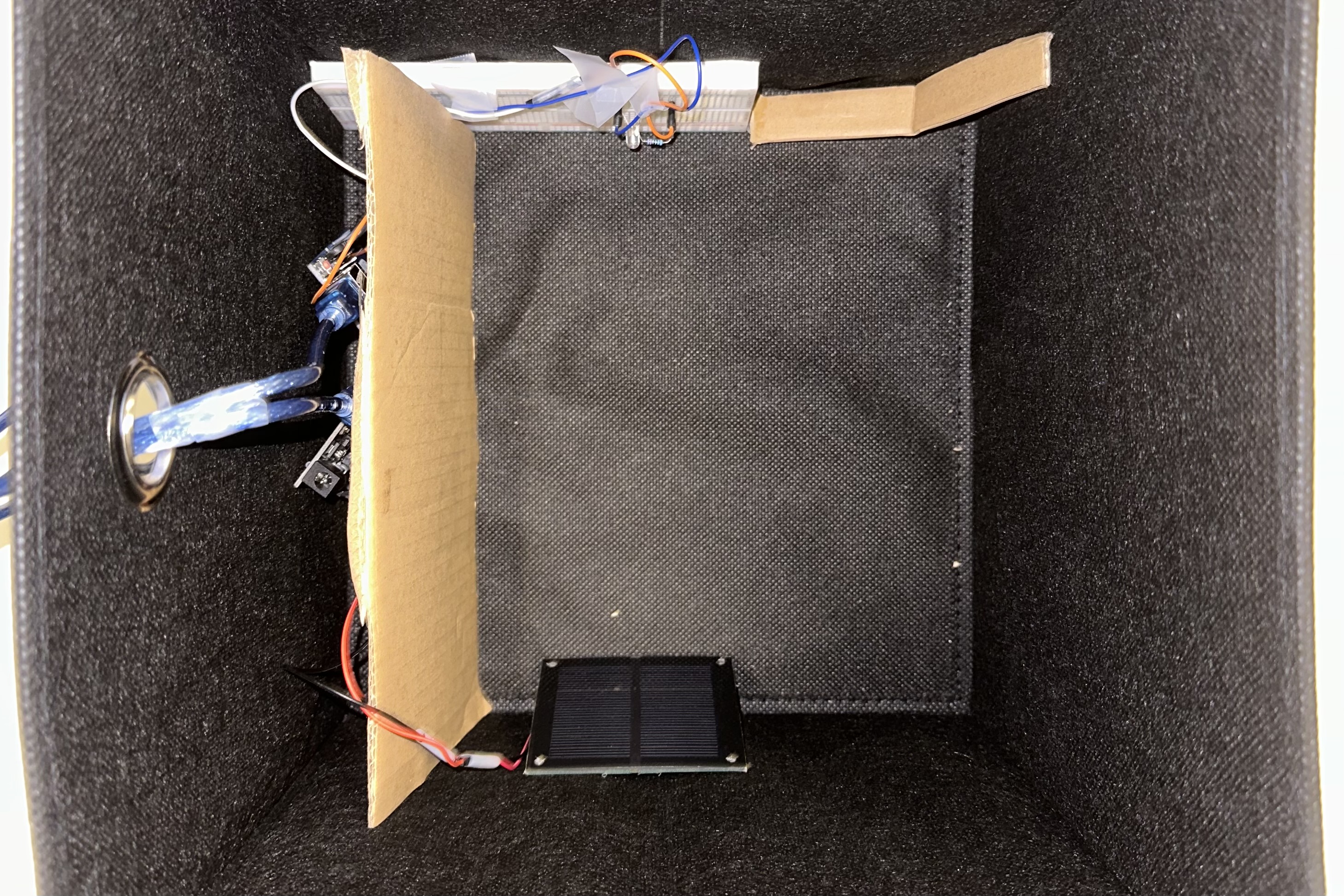
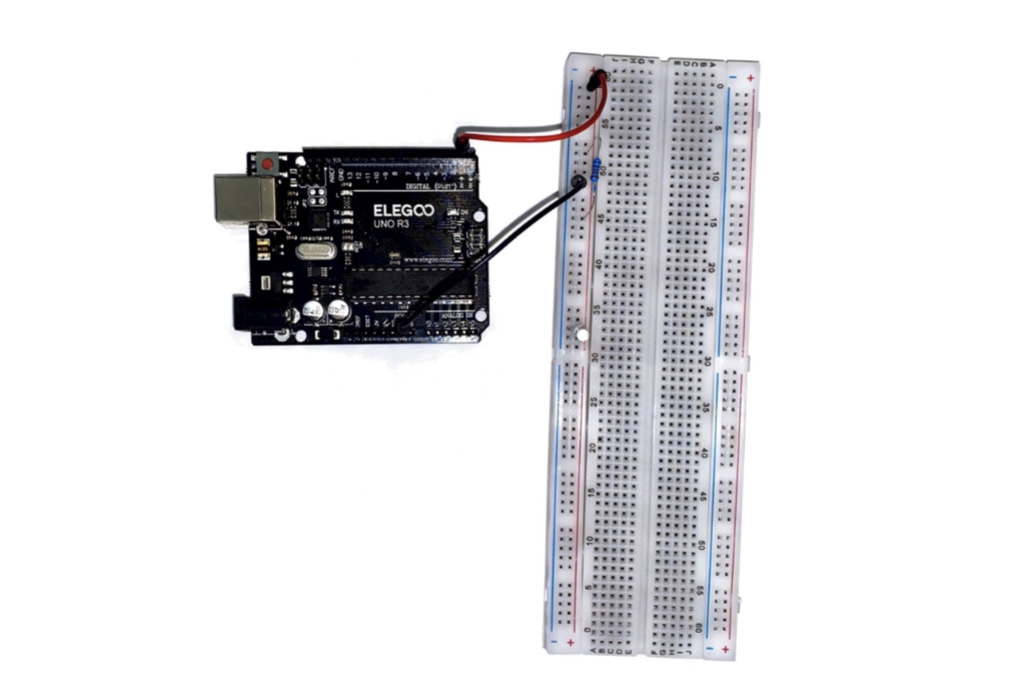
LED and Arduino Uno transmitter circuit prototype
-
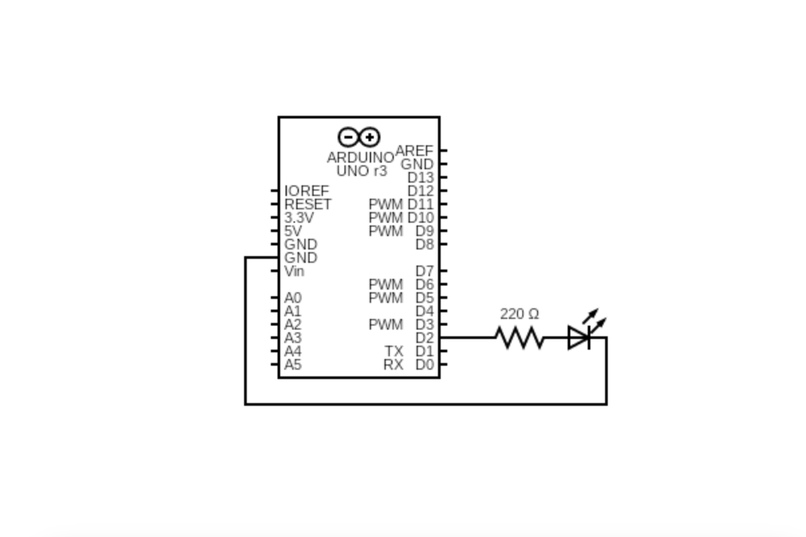
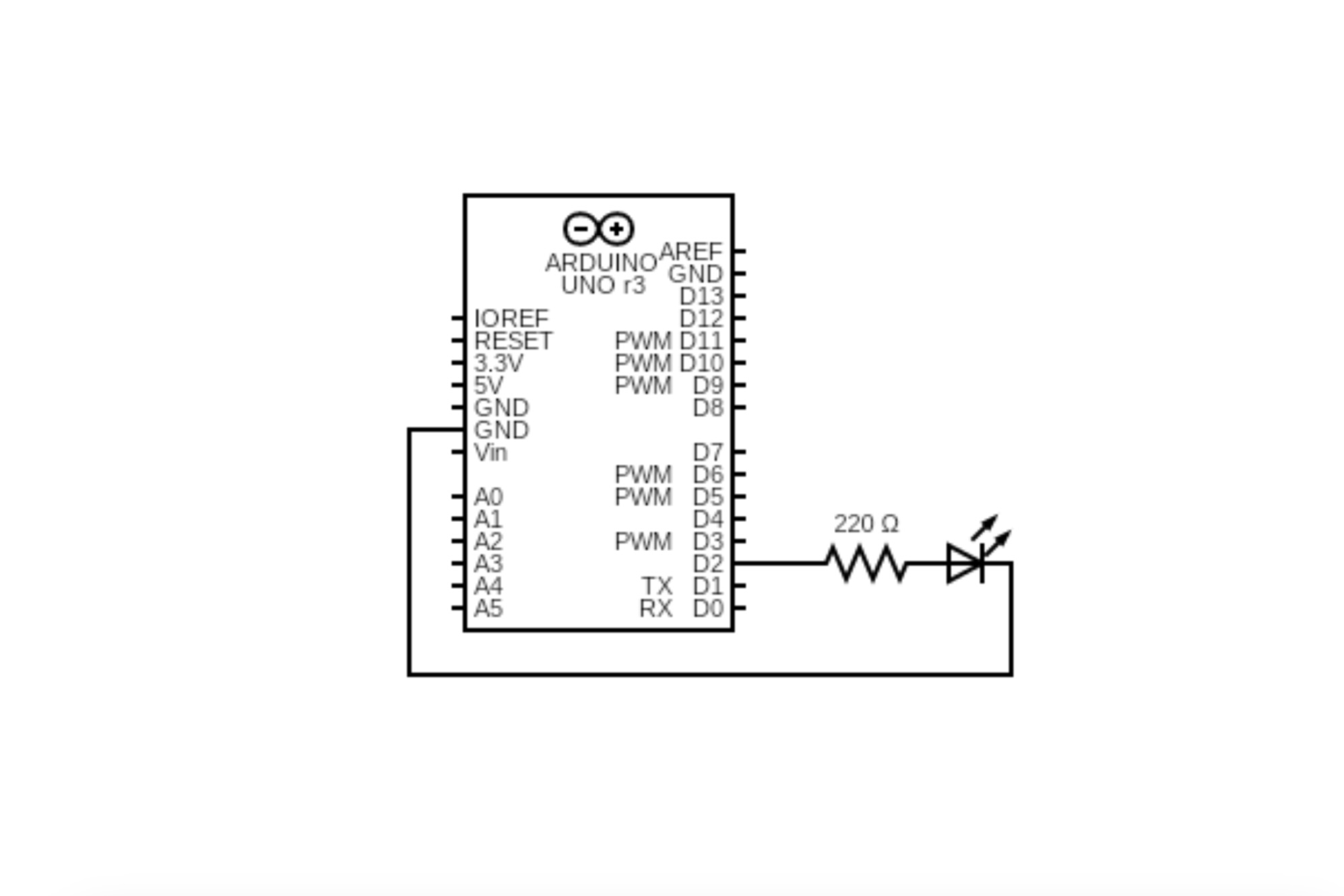
LED and Arduino Uno transmitter circuit diagram

Inspiration
Our team saw immense potential in Li-Fi as the next frontier in wireless communication. We were captivated by the idea of transforming everyday light sources into high-speed data transmitters, promising a more efficient and seamless connectivity experience.
What it does
Light fidelity, abbreviated as Li-Fi, is a wireless communication technology that transmits data using light waves as opposed to conventional radio waves. The usage of light has the ability to improve speed of data transmission, security, safety, and efficiency as opposed to wifi. Li-Fi also offers a more secure form of communication as compared to Wi-Fi as light cannot pass through walls. The user inputs a message that they want to transmit. That message is then sent to the arduino where it is decoded and transmitted as light by the LED. The light is then received by the solar panel where it is then decoded and sent to our website where the message is displayed.
How we built it
Our team incorporated two Arduinos as our main source of communication between the components. One to be the transmitter of the message and the other to be used as the receiver of the message. We used an LED and solar panel to communicate messages via light waves without the need of Wi-Fi. Our front-end was developed to interact with the transmitter so that we can pass messages through a website to the Arduino. The messages are received by the other Arduino’s serial monitor and displayed on our website.
Challenges we ran into
At the start, we grappled with syncing the transmitter and receiver and establishing a unified communication protocol. But, through diligent experimentation and iterative testing, we surmounted these obstacles. Integrating the solar panel data with our website was another challenge, but online tutorials proved invaluable. While crafting a sleek enclosure for our final product posed its own set of difficulties, we ultimately produced a finished, cohesive product.
Accomplishments that we're proud of
We take immense pride in the intricate logic and code underpinning our Li-Fi system. Extensive testing helped us fine-tune the optimal parameters tailored to our unique setting. What's more, we're particularly thrilled about our front-end integration with an Arduino. Using the serial monitor connection was a significant learning curve for us. To top it all off, we can't wait to showcase our project — a sleek, compact unit that embodies our hard work and innovation.
What we learned
We learned how to use an Arduino effectively to harness Li-Fi, successfully visualizing data transmission from one device to another. Additionally, we gained experience in integrating hardware with the software and web development tools we use daily. While it's simple to work on these in isolation, merging them was an enlightening experience.
What's next for Li-Fi - The Next Frontier of Wireless Communication
Li-Fi technology holds the potential to revolutionize the future of wireless communications. With its inherent security benefits, given light's inability to penetrate walls, Li-Fi could become the preferred choice for highly confidential data transmission.


Log in or sign up for Devpost to join the conversation.