Inspiration
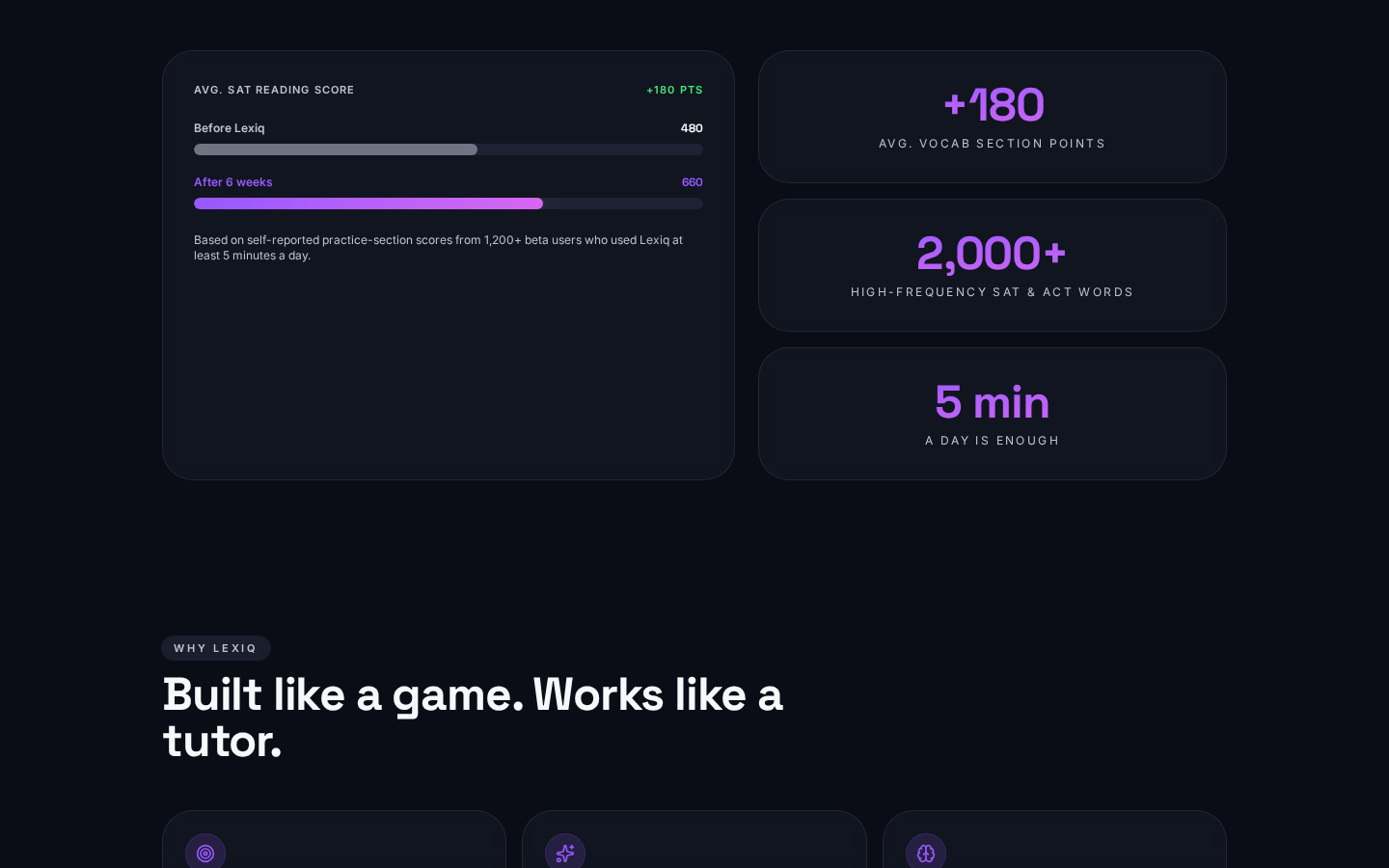
What inspired this project was watching how students actually study, or fail to study, for the SAT and ACT. Since the College Board's 2016 redesign, reading scores have trended down year after year, and the digital rewrite of both the SAT and ACT hasn't reversed the slide; the reading section is at its lowest average since the redesign despite an objectively easier test format. The two reading domains that hit hardest, Craft-and-Structure and Information-and-Ideas, are vocabulary-bound: the questions are answerable only if you know what the words mean, so no test-taking "strategy" recovers points a weak lexicon has already lost. I was one of those students, and the obvious answer, flashcards, is the wrong one in practice: after surveying roughly 2,000 students in my area, the consistent complaint was that decks are tedious, and the phone wins every time. That's fundamentally an engagement-vs-retention tradeoff — the best spaced-repetition schedule in the world has expected retention E[R] = p(open) · p (recall | open), and if p(open) → 0 the whole product is zero regardless of the second term. Lexiq exists to fix the first factor: keep the spaced-repetition backend that actually works but wrap it in a TikTok-style input surface students will voluntarily open.
What it does
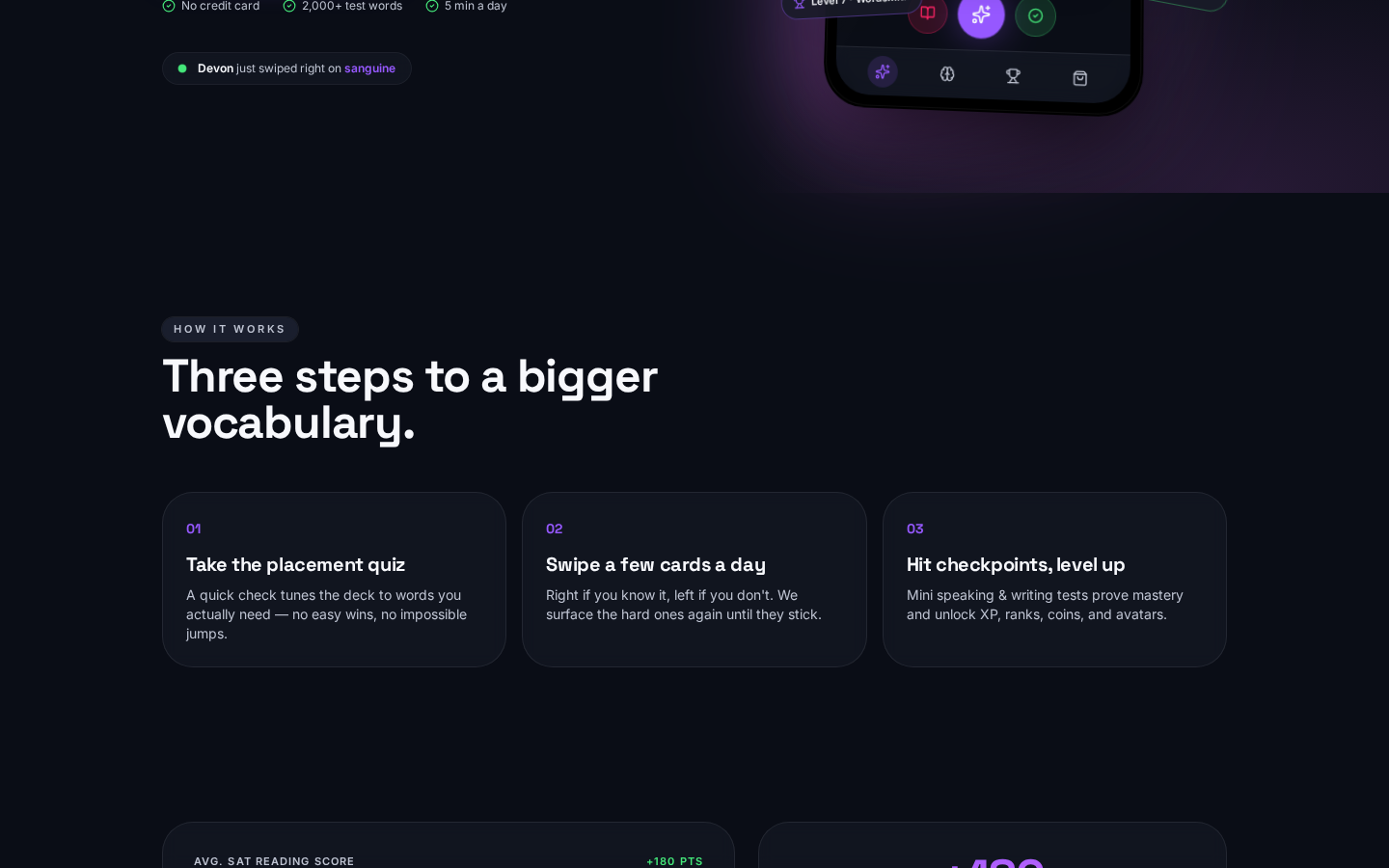
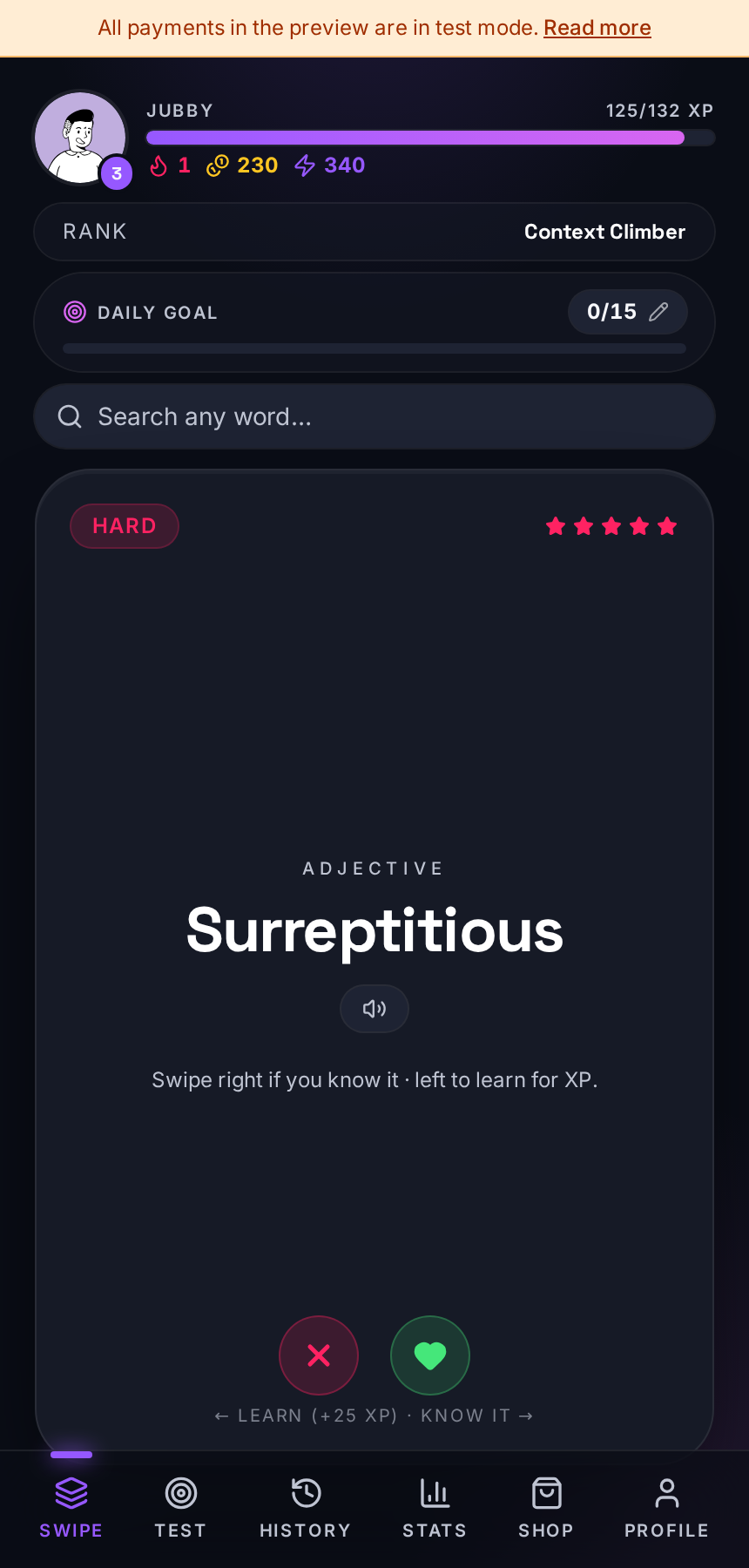
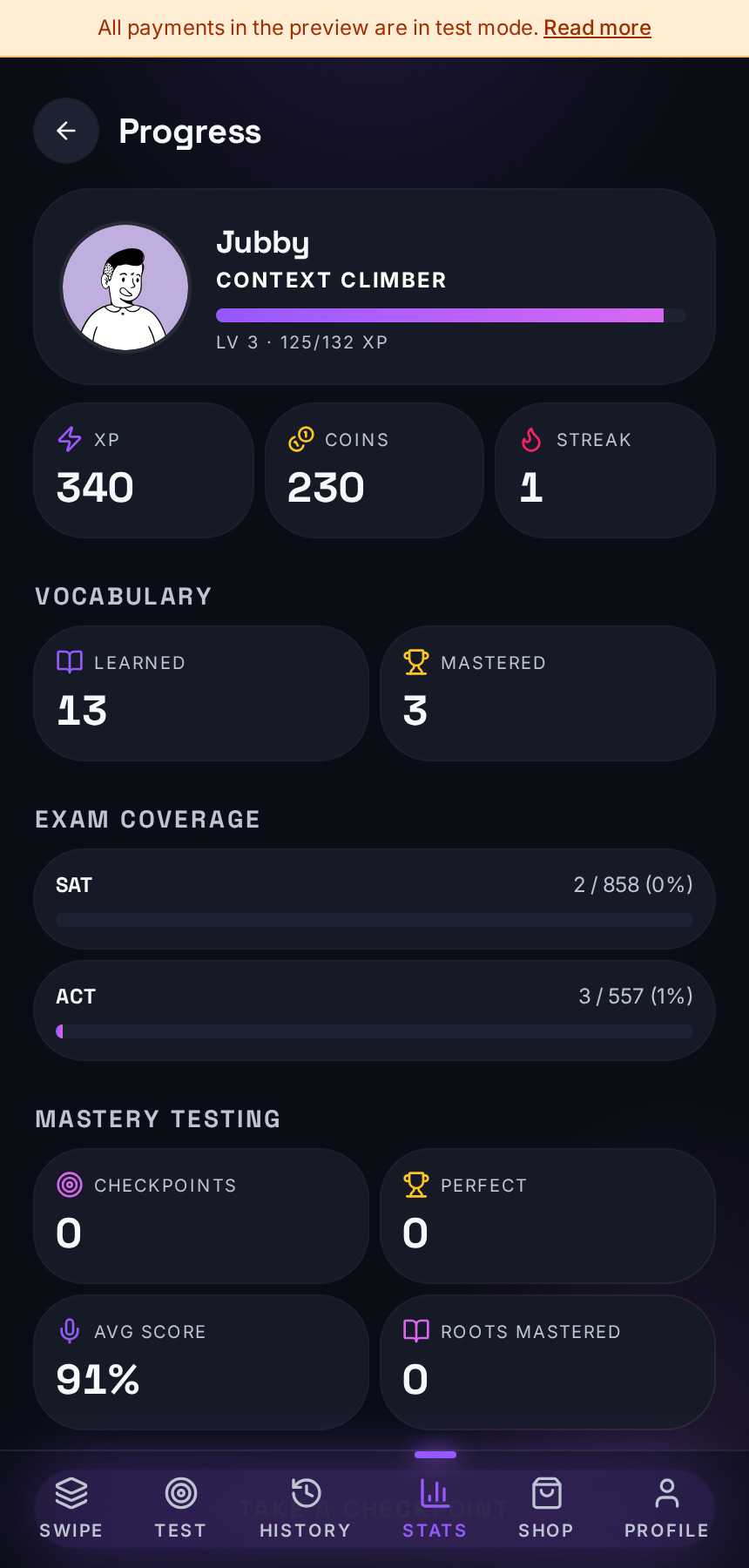
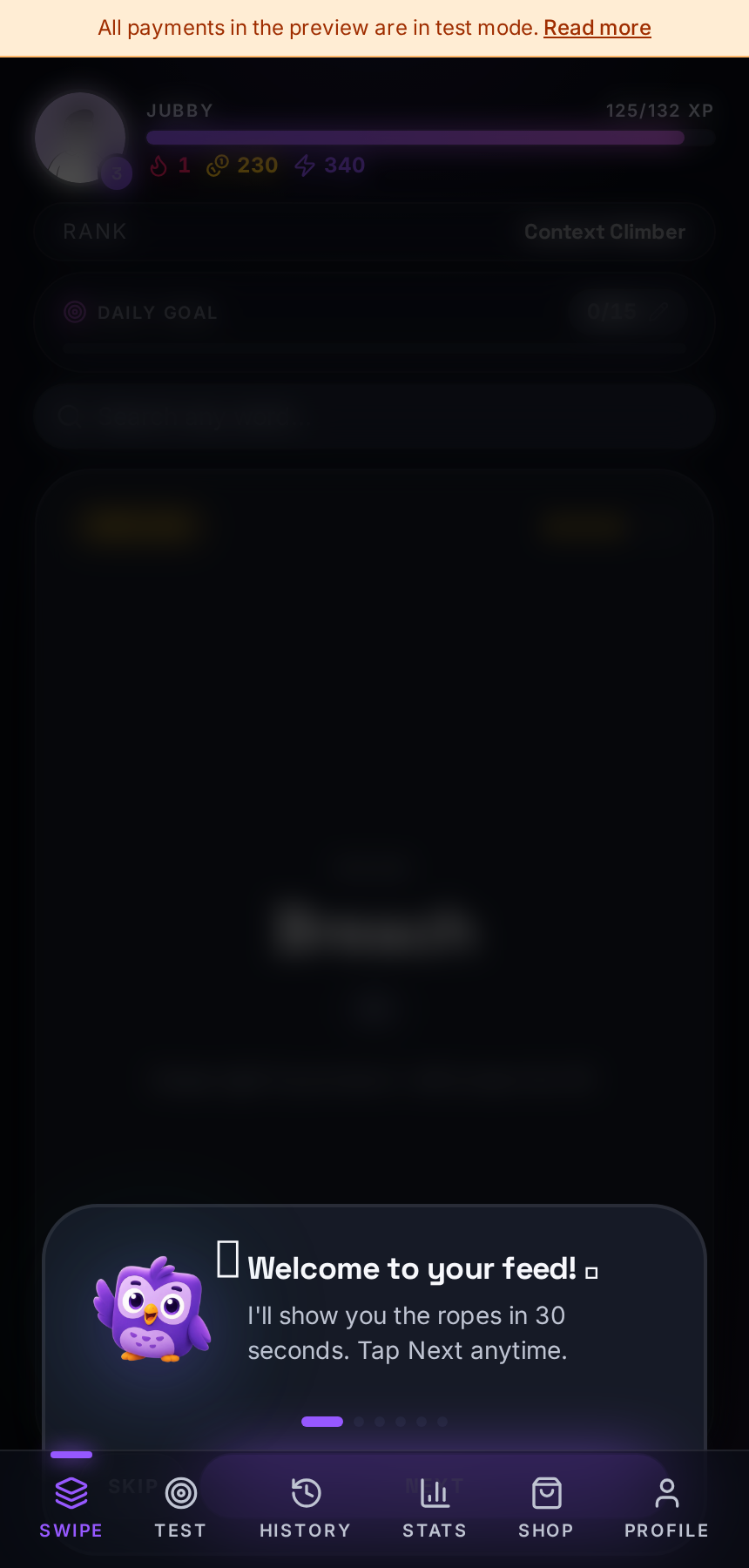
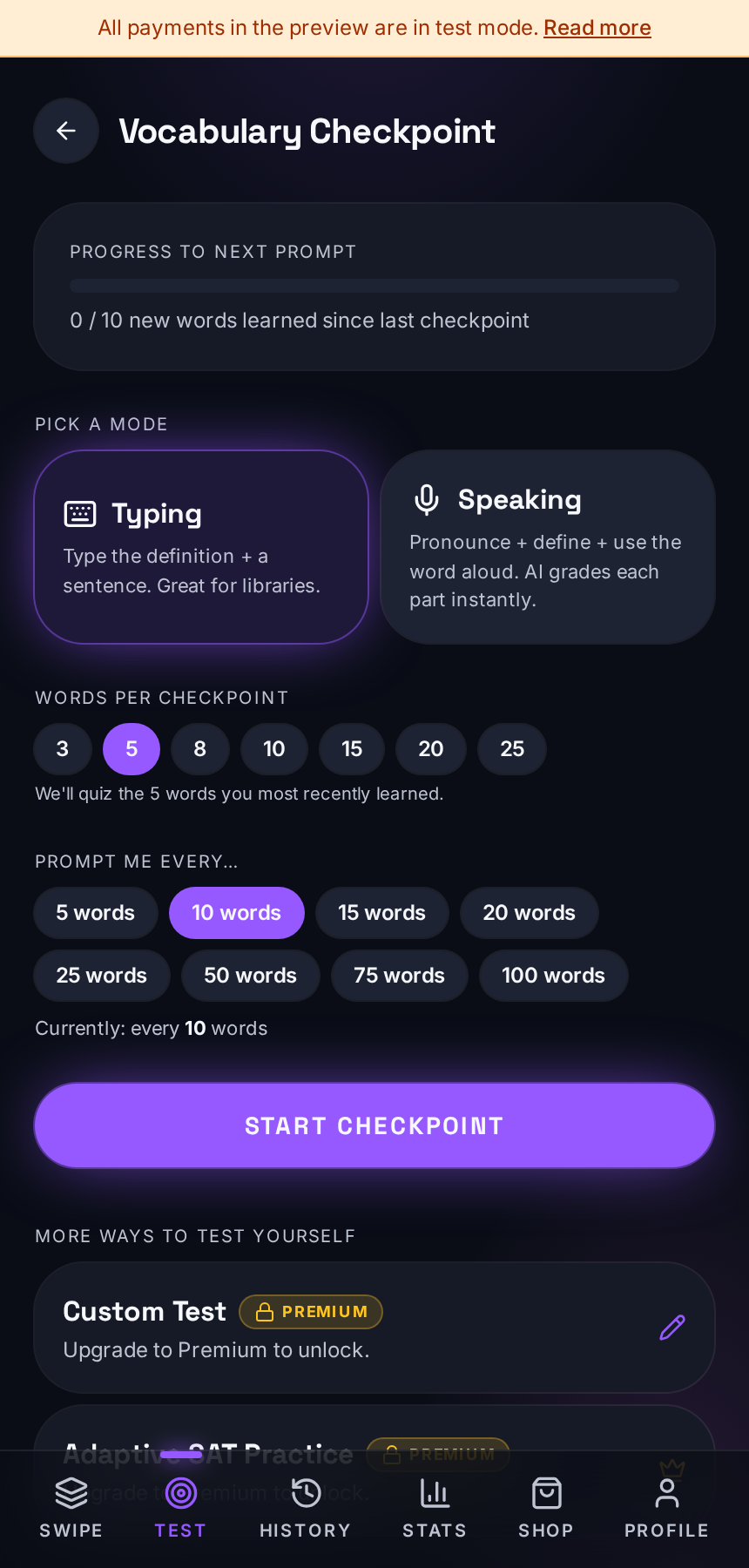
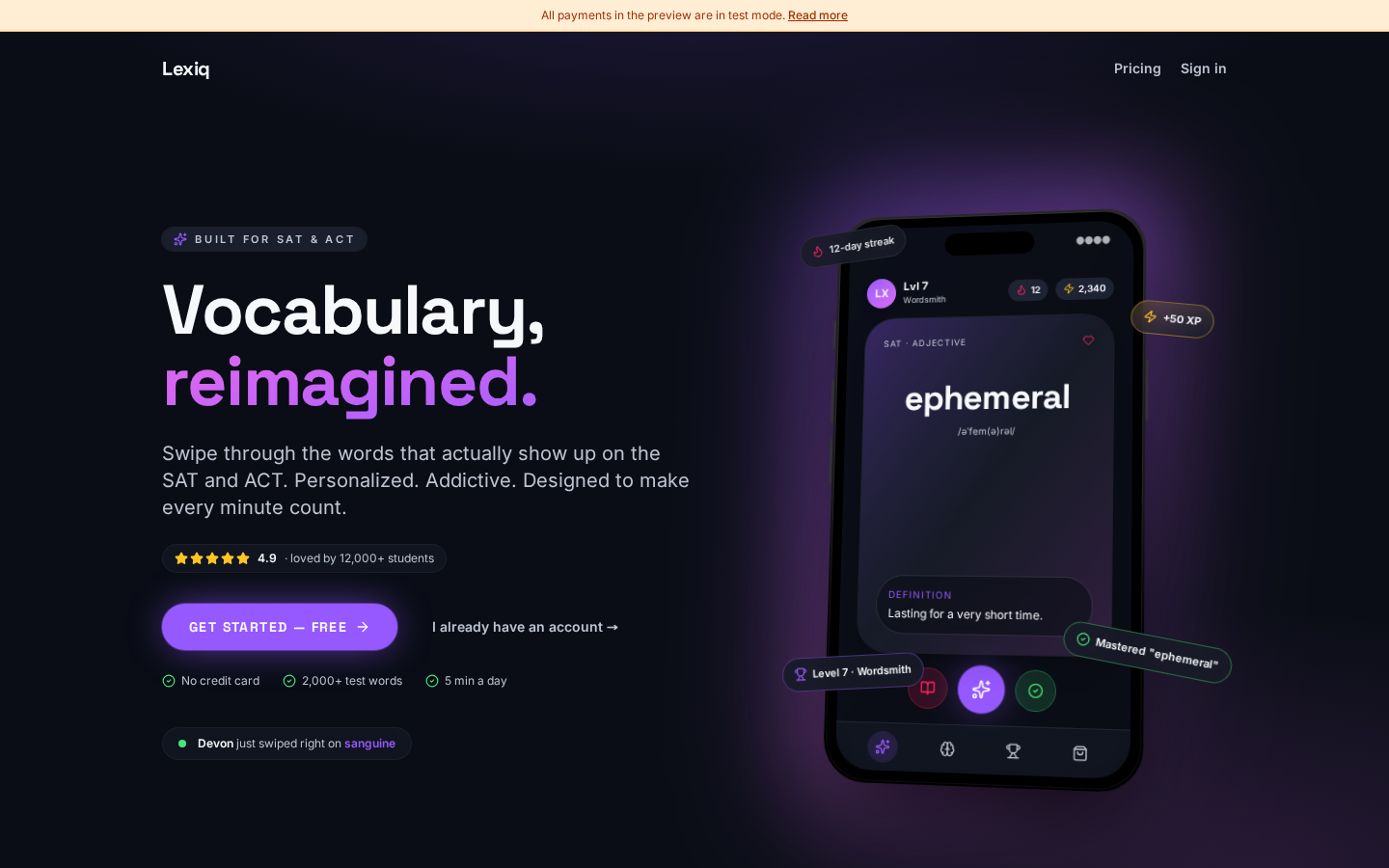
Unlike other flashcard apps, Lexiq uses a gamified, addictive loop where you learn vocabulary by swiping — right if you know the word, left if you don't — over a corpus of ~1,000 SAT and ~200 ACT words tagged by exam and by Latin/Greek root. Each swipe is treated as a binary recall signal x_t ∈ {0, 1}, and every word carries a mastery score m ∈ [0, 100] that updates as m_{t+1} = m_t + α·(100·x_t − m_t) with a learning rate α ≈ 0.25 - an exponential moving average, so recent performance is weighted more heavily than the tail, and the schedule adapts inside a session, not across weeks. The next card is chosen from a priority queue whose key is a weighted sum of (100 − m), time-since-last-seen, and a small exploration term, which is a lightweight approximation of the SM-2 interval formula tuned for a swipe-speed interaction (~2 s per card) rather than an Anki-speed one (~10 s per card). Swiping left opens a learn sheet with definition, roots, synonyms, and an example sentence, and — this is the part I'm proud of — the miss doesn't just re-queue that one lemma; the system tags the word's Latin/Greek roots (ephemer-, -luc-, mal-, etc.) and pulls in its root-family neighbors via a k-nearest-neighbors lookup in an approximated root-embedding space, so missing ephemeral surfaces ephemera, diurnal, and temporal next, and weaknesses generalize across morphology instead of one token at a time. Every N new words — user-configurable checkpoint interval — the scheduler pauses for a checkpoint quiz drawn from what you just saw, in either a typed MCQ mode or a verbal mode where your microphone is piped through speech-to-text and an LLM rubric that grades language ID, pronunciation, and whether the example sentence you produced is semantically coherent for that word's part of speech; failed items are reinserted at the head of the priority queue until mastered, so the streak has to be earned.
How I built it
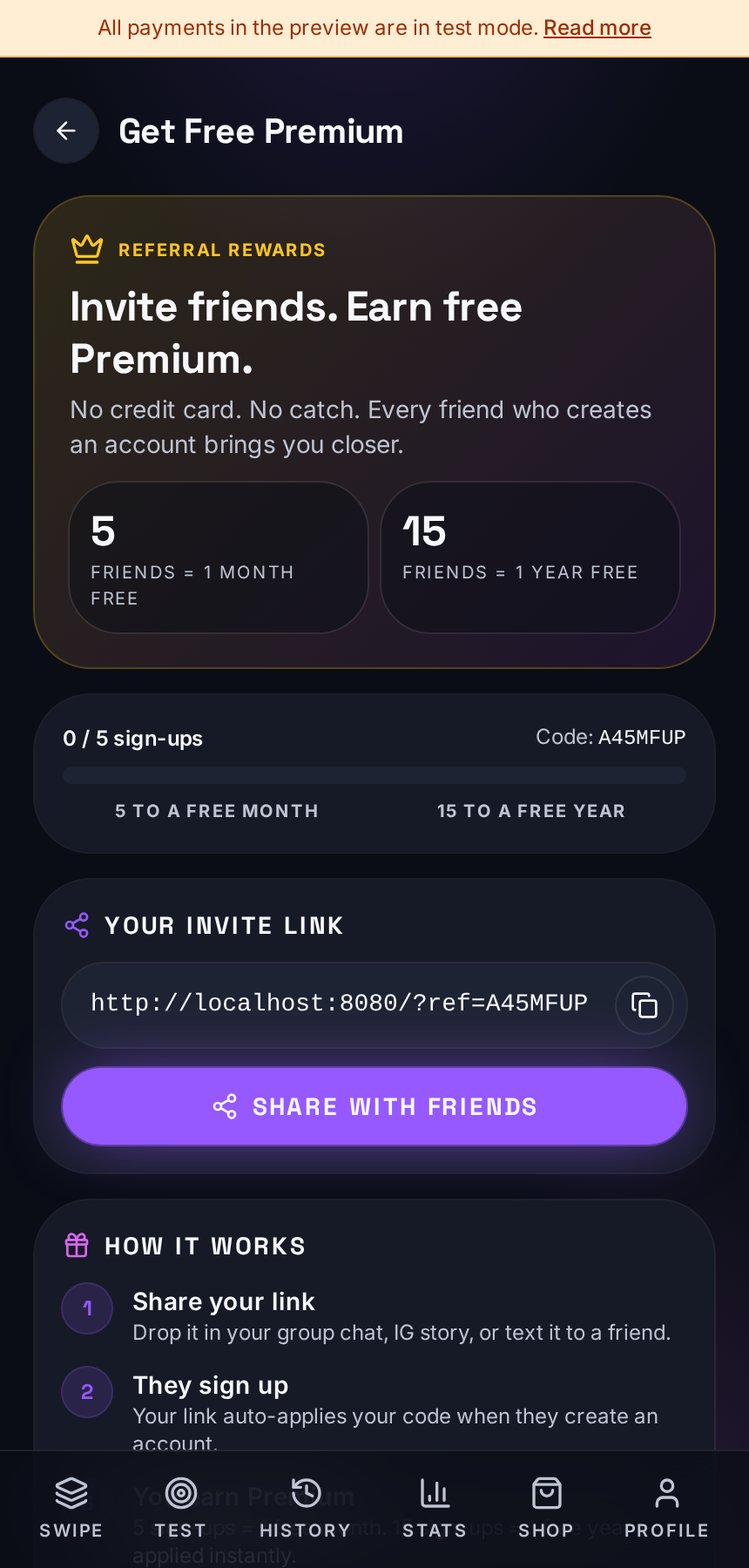
I built Lexiq on Lovable. As a beginner to hackathons and to coding in general, Lovable was the most efficient way to get the idea out of my head — instead of learning framework syntax from zero, I could describe what I wanted, edit the generated code, and keep iterating; the workflow I converged on was iterative development, a tight prompt → deploy → user-test → refactor loop where each cycle produced measurable changes rather than a big-bang rewrite at the end. My first prompt was a detailed spec (further tightened by Claude Code) that captured the swipe loop, the mastery model, and the corpus split; from there, every iteration was driven by real usage rather than my own guesses. I researched what makes learning apps sticky and folded in the specific mechanics that work in each - Duolingo's streak logic and verbal grading, Quizlet's deck semantics and search, and Blooket's gamified positive-feedback loops — then tested each addition end-to-end so no feature landed without an integration check. Technically, every AI-facing feature (custom-test generation, adaptive SAT questions from a struggle list, verbal grading, and TTS) runs through Tan Stack Start server functions with Zod-validated inputs and structured outputs, so a Question Schema enforces exactly 4 choices, correct Index ∈ {0, 1, 2, 3}, and a bounded-length explanation — a schema-checked object comes back, never raw text, which cuts hallucination-shaped bugs to near zero. Data lives in Lovable Cloud with row-level security on every user-scoped table (user_roles, mastery records, referrals) so per-user isolation is enforced at the database layer instead of trusted to the client; payments go through Paddle, TTS through the openai/gpt-4o-mini-tts model on the Lovable AI Gateway with a browser Speech Synthesis fallback if the gateway 402s, and MCQ generation through google/gemini-3-flash-preview. I then sent builds to teachers, friends, parents, and around a thousand students, and every round of criticism became the next iteration — the app is smoother because it was tested, not because I designed it correctly on the first try.
Challenges I ran into
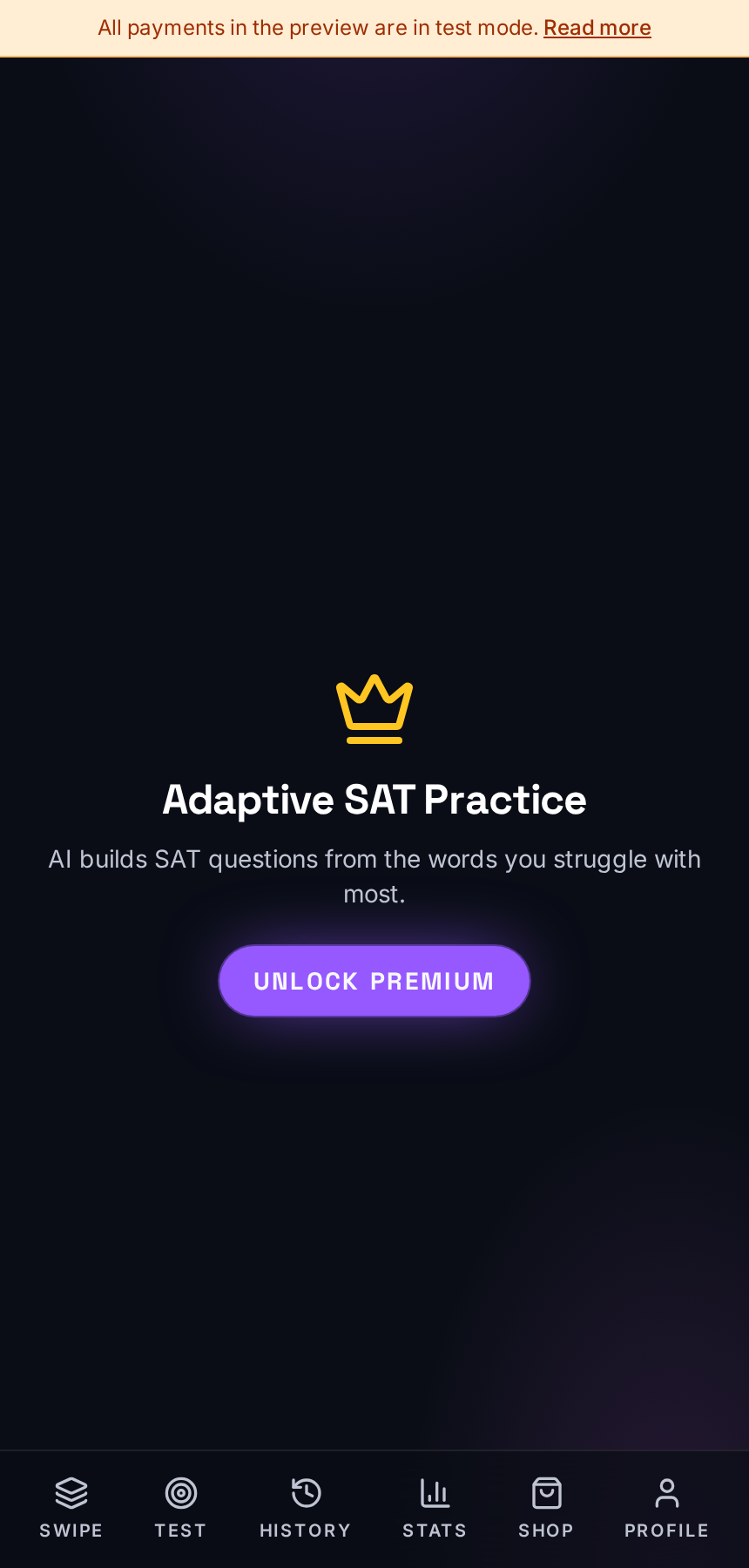
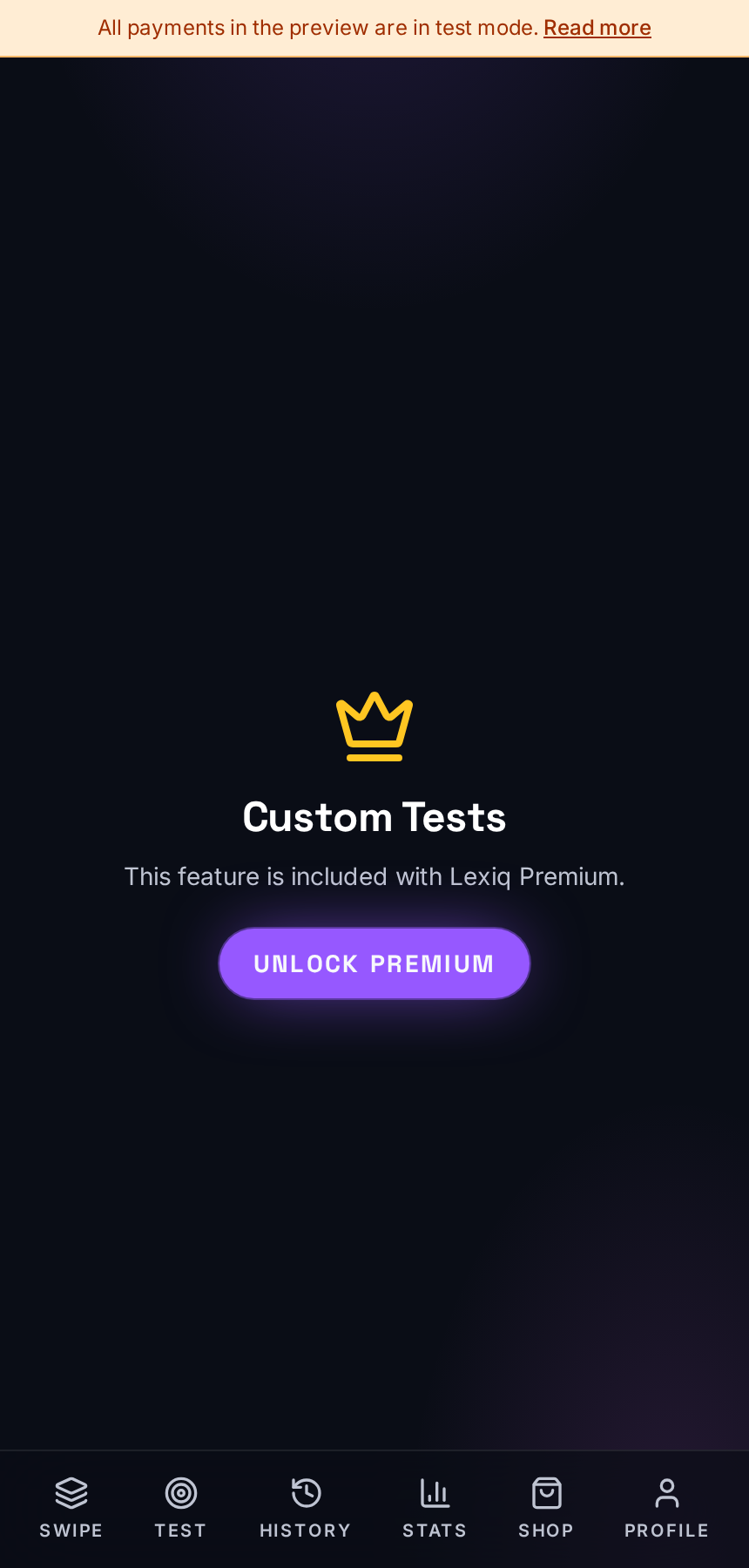
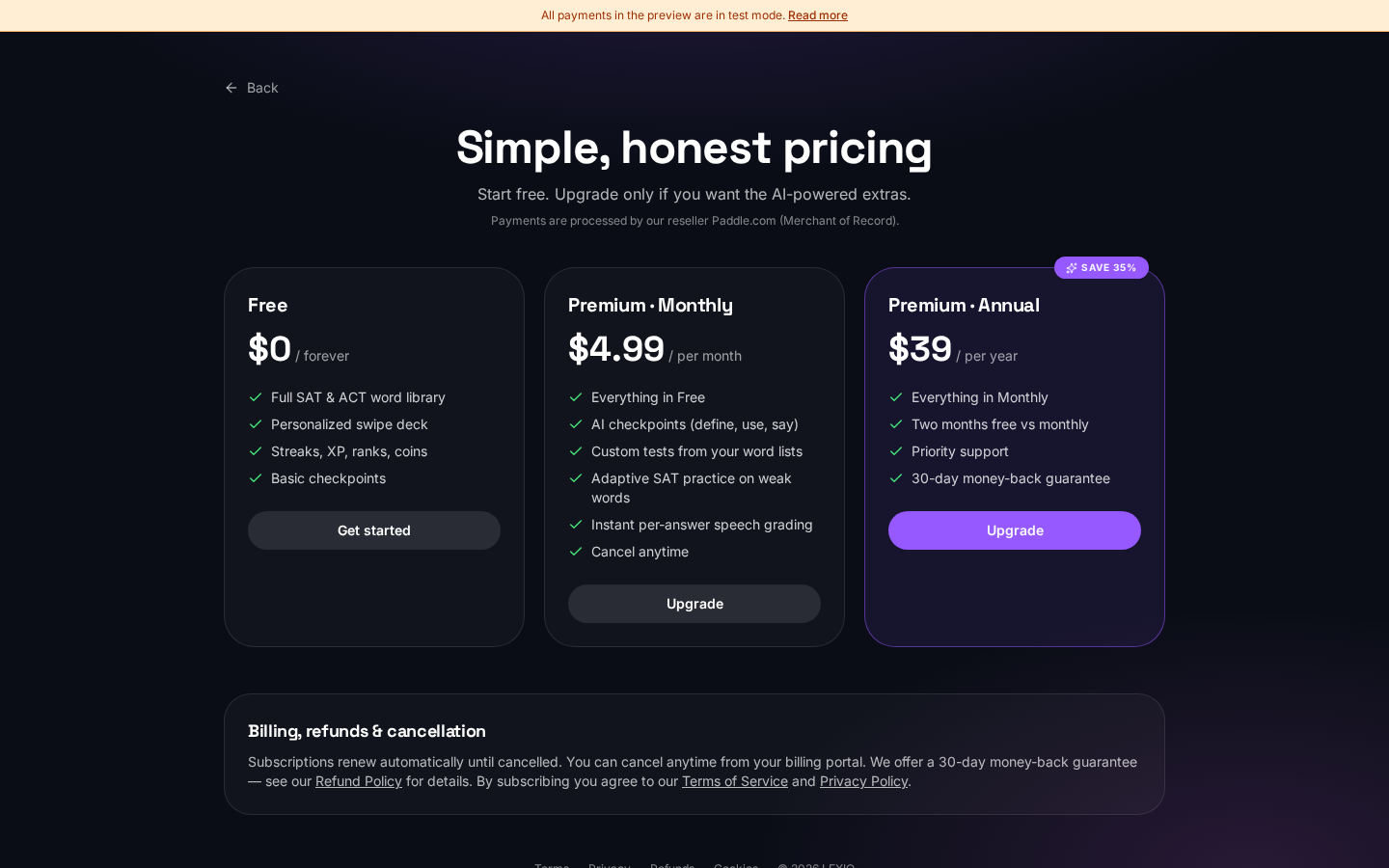
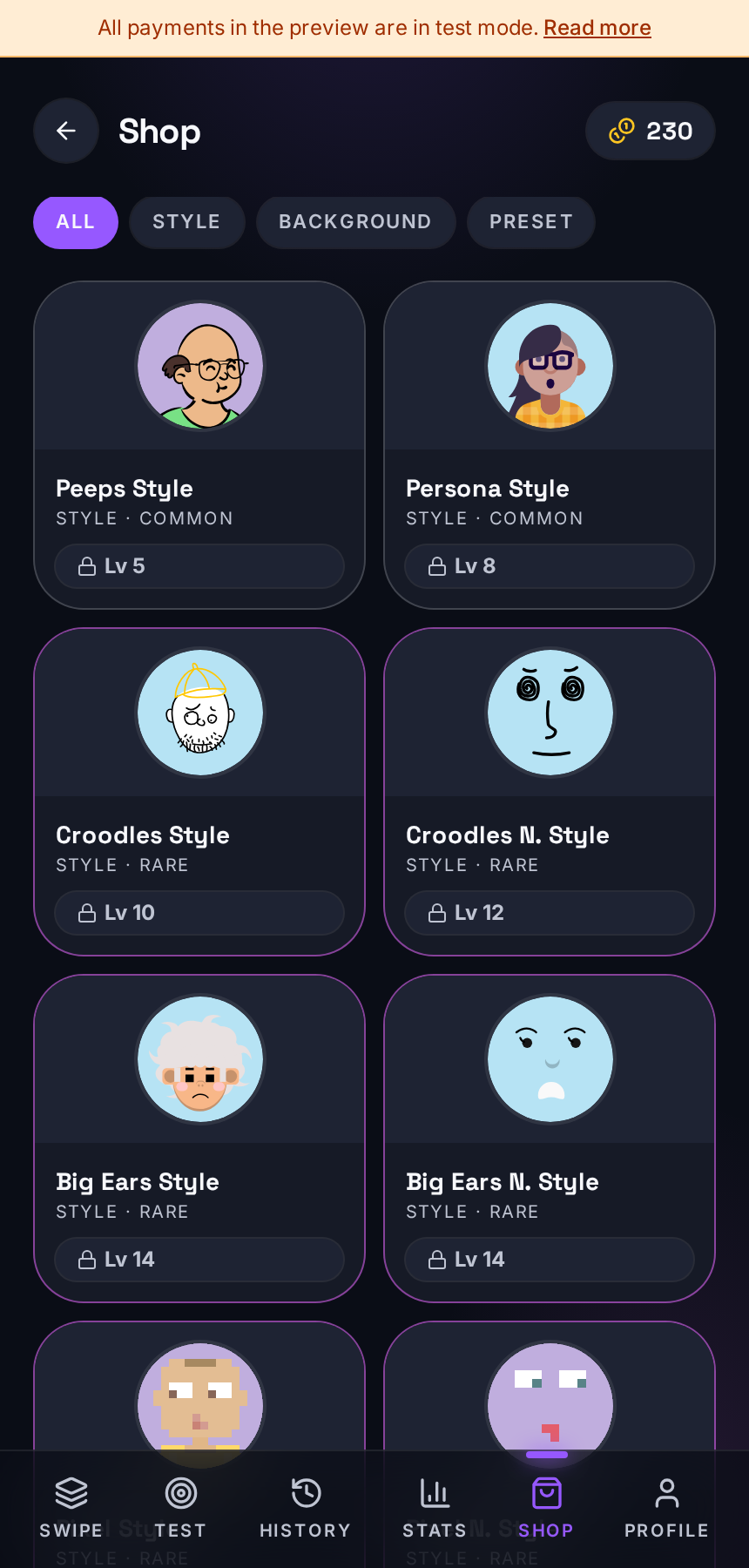
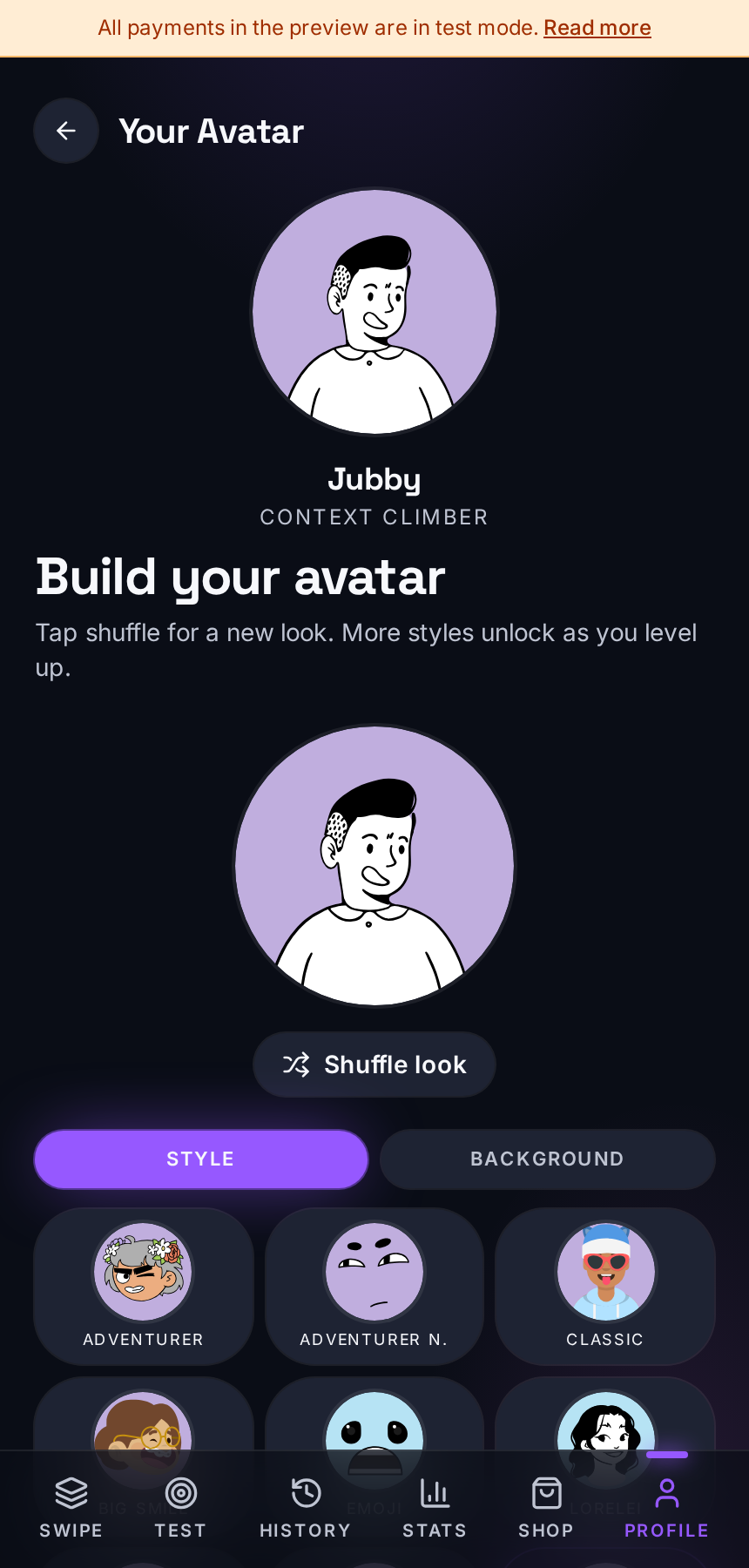
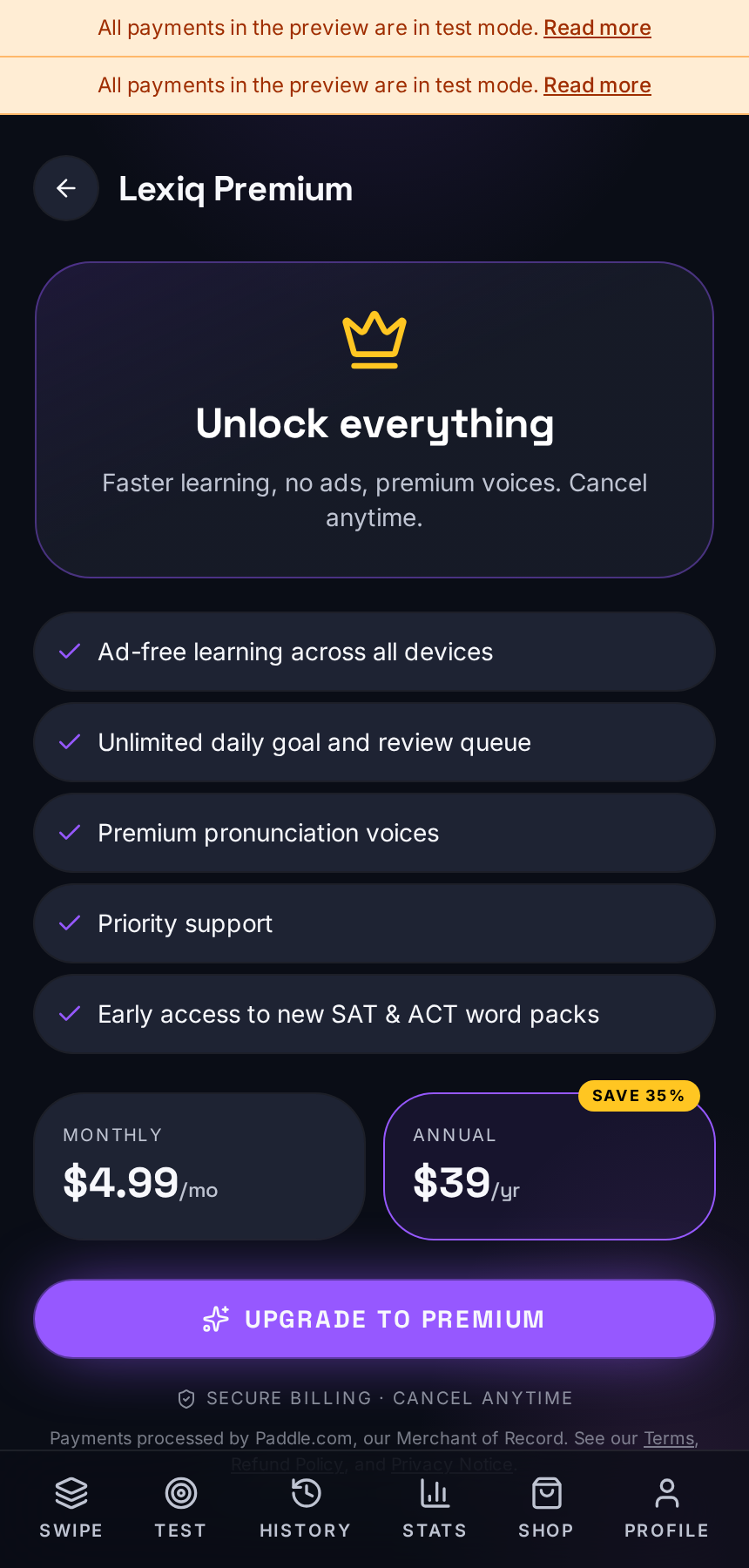
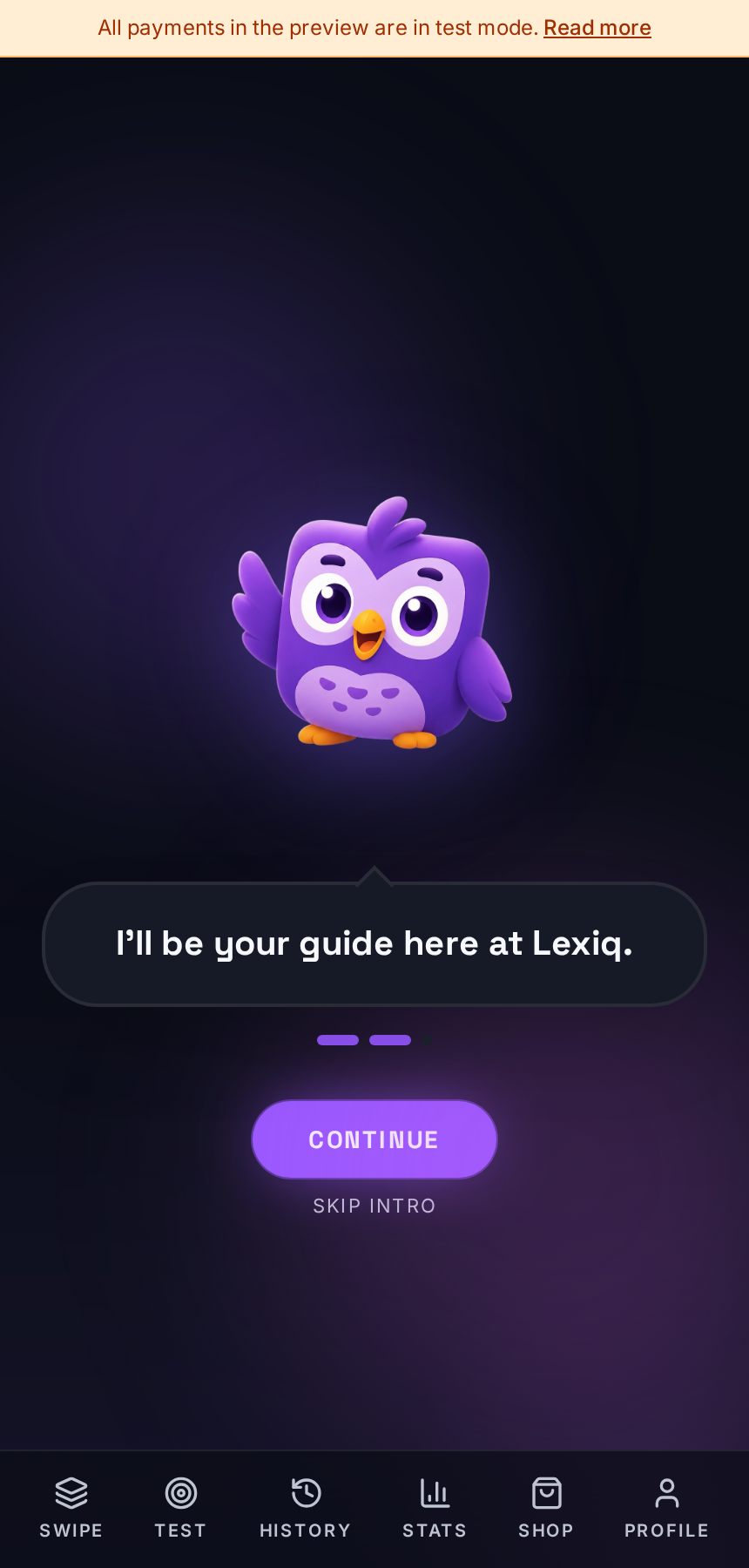
The hardest challenge was the backend, specifically wiring Google OAuth. I had never touched auth before, and even Lovable struggled with the OAuth callback and redirect-URI configuration, so I spent hours on tutorials working through the config and the session-attachment middleware until first-sign-in stopped erroring - the fix in the end was making sure the redirect URI was a same-origin public URL and that the client-side function middleware attached the bearer token on every server call. The second challenge was the mascot and avatar pipeline: Lovable occasionally misinterpreted source images and glitched the render, which mattered because avatars are load bearing for the "interactive, not tedious" feel of the app - I ended up standardizing the transparent-PNG import path and locking the mascot prompt so the render was deterministic across builds. The third challenge was Premium — I wanted an ad-free tier with the custom-test builder, adaptive drills, and expanded resources so the app could sustain itself past the hackathon, and I got the scaffolding in (Paddle checkout, gated routes, the generateCustomQuiz and generateAdaptiveSatQuestions server functions) but not everything I want the tier to include. Balancing the mastery-update learning rate α was subtler than expected: too high and one bad swipe tanks a well-learned word (m overshoots and the variance of the estimator blows up), too low and the schedule feels unresponsive (the EMA lags real ability, effective window ≈ 1/α items), and I only found α ≈ 0.25 after sweeping the [0.1, 0.5] interval against real users. That kind of "obvious in hindsight" tuning problem showed up in the streak rollover time, the Laplace prior (hits + 1) / (attempts + 2) on the weak-word ranking, and the checkpoint interval N too — every knob that looked like a single number was actually a bias-variance tradeoff curve.
Accomplishments that I'm proud of
The accomplishment I'm most proud of is the verbal grader — the feature where the app listens to you pronounce a word, define it, and use it in a sentence, then gives real feedback. This was inspired by Duolingo's speaking exercises, and at first, it felt like a reach: I assumed graded ASR plus semantic scoring would take months of ML tuning. It turned out to be a well-scoped pipeline once I decomposed the rubric into three independent scalar checks — a language-ID probability L ∈ [0, 1] from the ASR output, a pronunciation-similarity score P ∈ [0, 1] against the target phoneme sequence, and a semantic-coherence score C ∈ [0, 1] from an LLM prompted with the target word, its part of speech, and the user's sentence — combined as a weighted sum S = w_1·L + w_2·P + w_3·C with w_1 + w_2 + w_3 = 1, a pass threshold on S, and per-component minimums so a student can't compensate for zero pronunciation with a great sentence. Structuring it as three orthogonal components rather than one holistic "is this good?" call is what made it reliable, because each dimension is independently interpretable and independently tunable, and the whole rubric is basically a hand-designed linear classifier over three model outputs. That single feature moved Lexiq from "study tool" to "online tutor" in tester feedback, and it's the piece users mention first when they describe the app back to me.
What I learned
From building Lexiq, the technical lesson was how much leverage schema-validated LLM outputs, EMA-style online updates, and a priority-queue scheduler give you over the naive "just re-show missed cards" flashcard model — a handful of equations replace a lot of hand-tuned logic. The bigger lesson is that feedback compounds and that no amount of clever design substitutes for shipping to real users: my own intuition was wrong about the ideal α, wrong about the checkpoint interval N, wrong about which mascot testers thought was cute, and wrong about which distractors in the MCQs were actually plausible — testers corrected all of those. Iterative development is not a slogan; it's a control loop where each release is a measurement and each next release is the correction, and skipping the measurement step is how good ideas ship broken. I also learned that most "AI features" are really plumbing problems — the hard part isn't the model call, it's the Zod schema, the RLS policy, the fallback path when the gateway 402s, and the client-side gesture wiring that has to match a keyboard handler exactly. Every one of those is a small, unglamorous engineering decision, and the app is good because I stopped treating them as afterthoughts.
What's next for LEXIQ
The next step for Lexiq is corpus expansion. The scheduler, mastery model, root-family generalization, and verbal grader are corpus-agnostic — only the word list and the root/tag metadata change - so extending Lexiq to the MCAT, LSAT, CLT, and GRE is a data problem, not an engineering problem. My cousin Moksha is currently studying for the MCAT and is drowning in exactly the same "boring, tedious, high-volume vocabulary" trap I was in for the SAT, and the same priority-queue-plus-EMA setup should compress her study time the same way it compressed mine. Beyond that, I want to ship Lexiq as a real native app rather than just a web build, and I'm entering it into additional hackathons to get funding, network, and continued critical feedback - I already own learnlexiq.com and treat this as a real product, not a competition submission. Longer-term features on the roadmap are a proper Bayesian mastery model — moving from a scalar EMA to a Beta-Binomial posterior Beta(hits + 1, misses + 1) over per-word recall probability, which gives calibrated credible intervals instead of a point estimate and lets the scheduler use posterior variance as an exploration bonus. On top of that, classroom mode for teachers with cohort-level mastery dashboards, and offline caching of the priority queue so students on flaky Wi-Fi can still get their daily reps in.
REPOSITORY MAY CONTAINS CONFIDENTIAL INFORMATION
Built With
- lovable

Log in or sign up for Devpost to join the conversation.