-
-
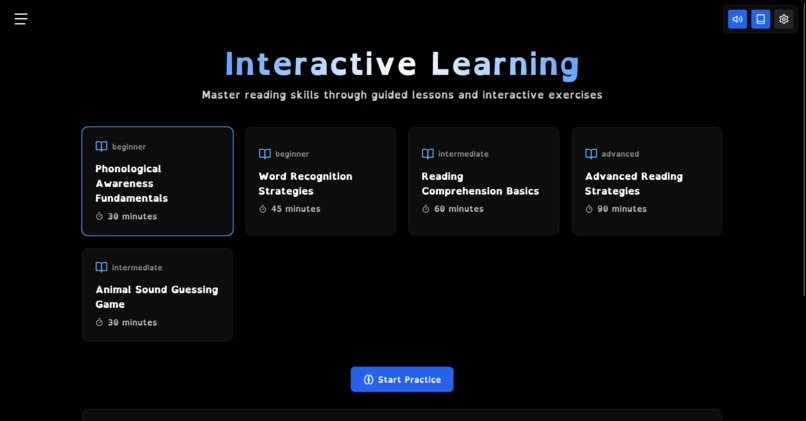
LexiLearn Landing Page
-
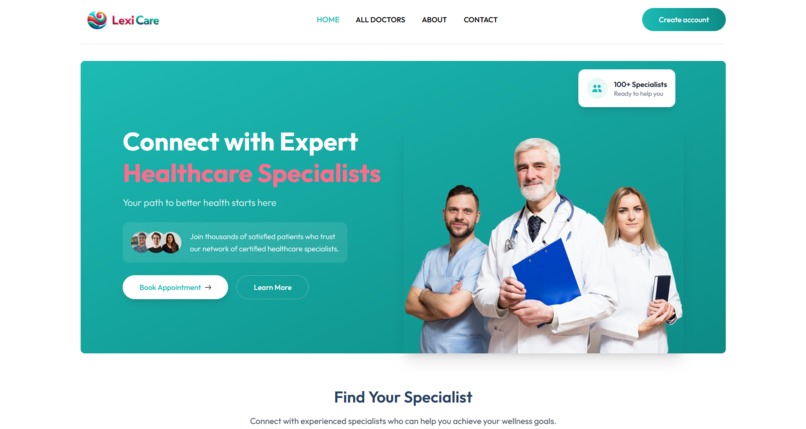
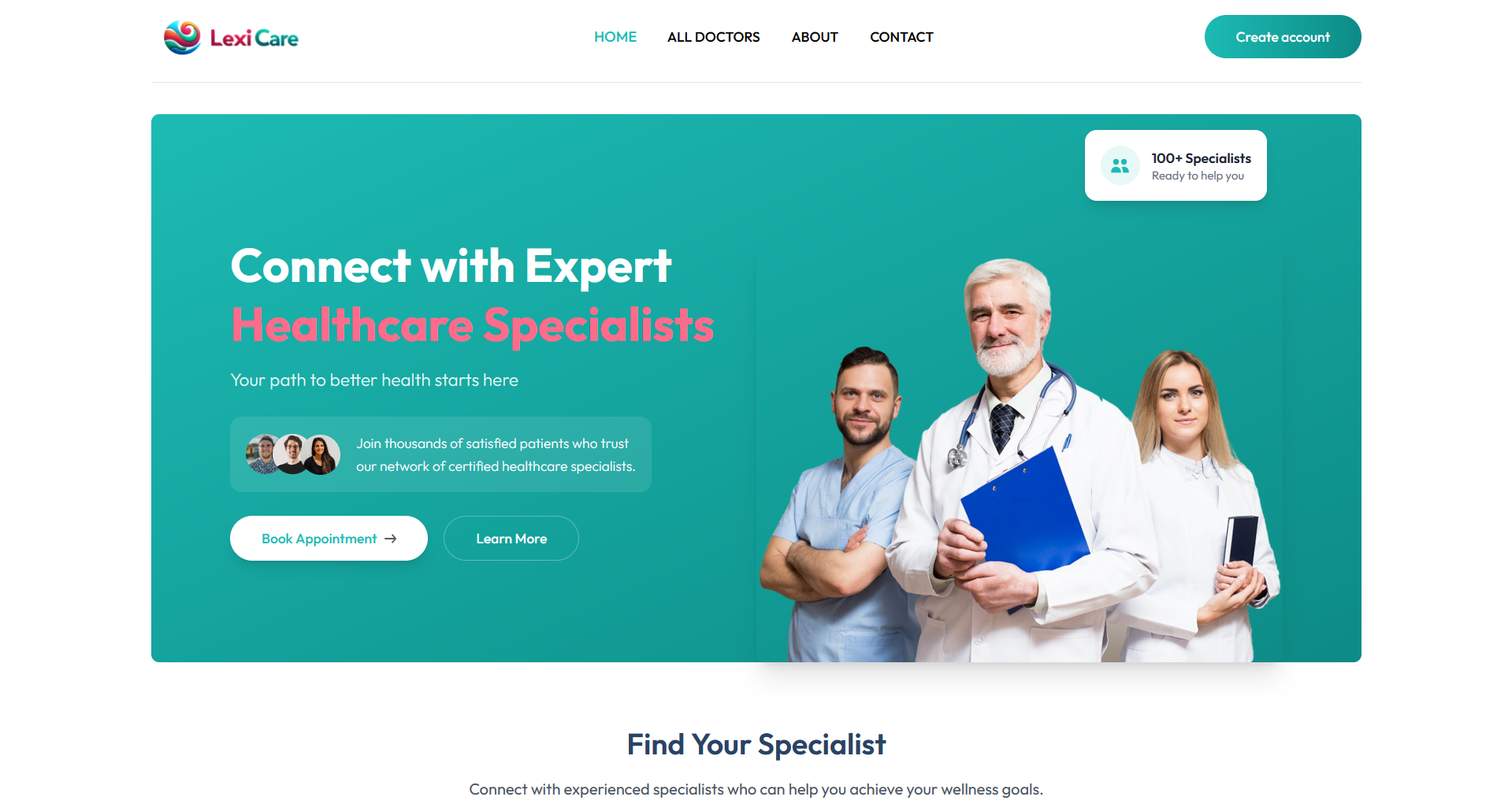
LexiCare Landing Page
-
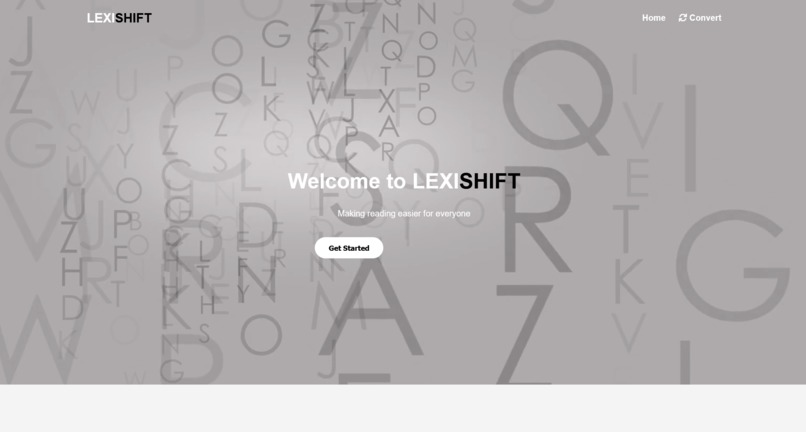
PDF Conversion Landing Page
-
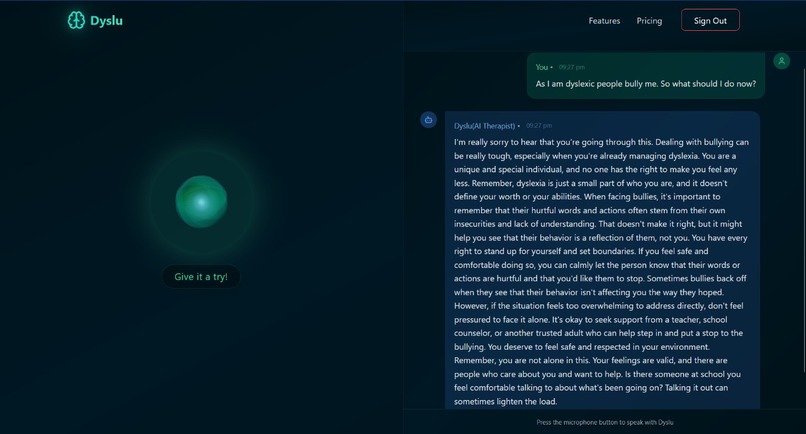
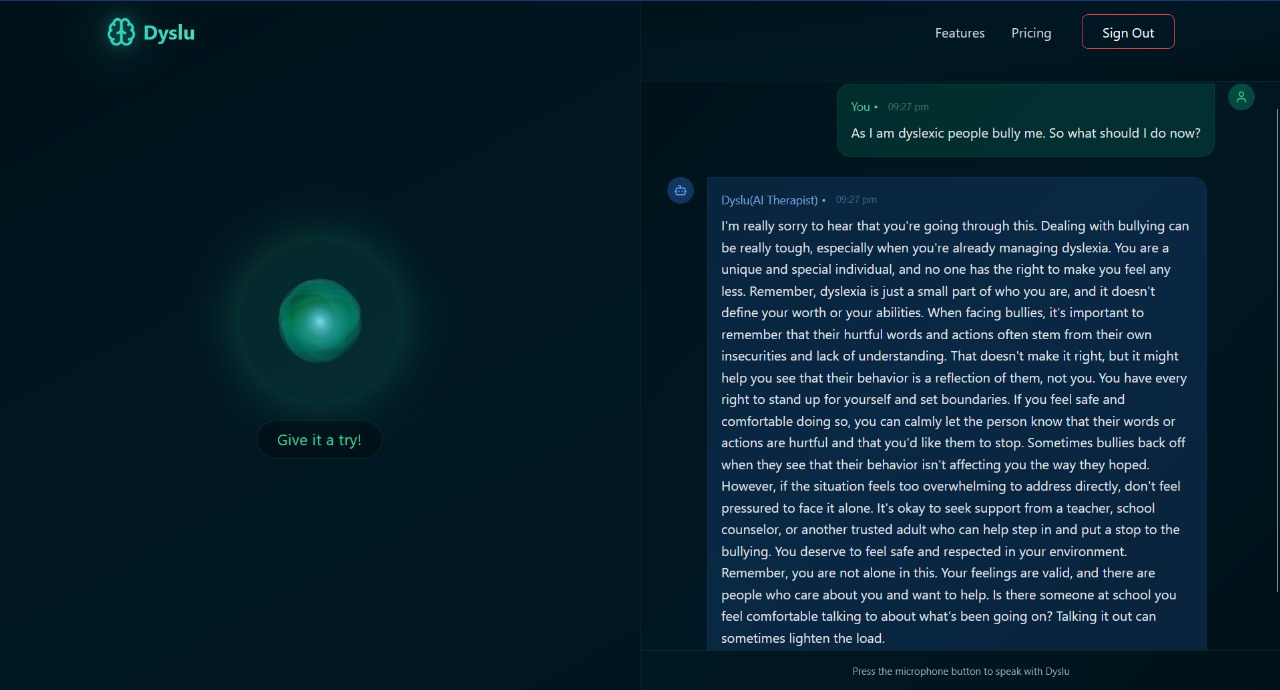
AI-Therapist Landing Page
-
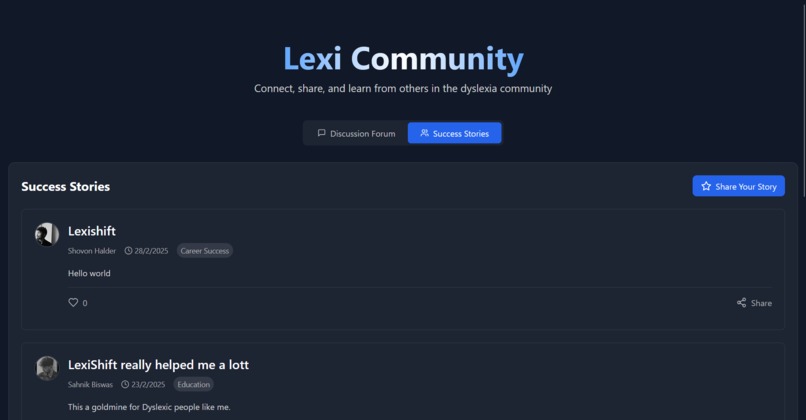
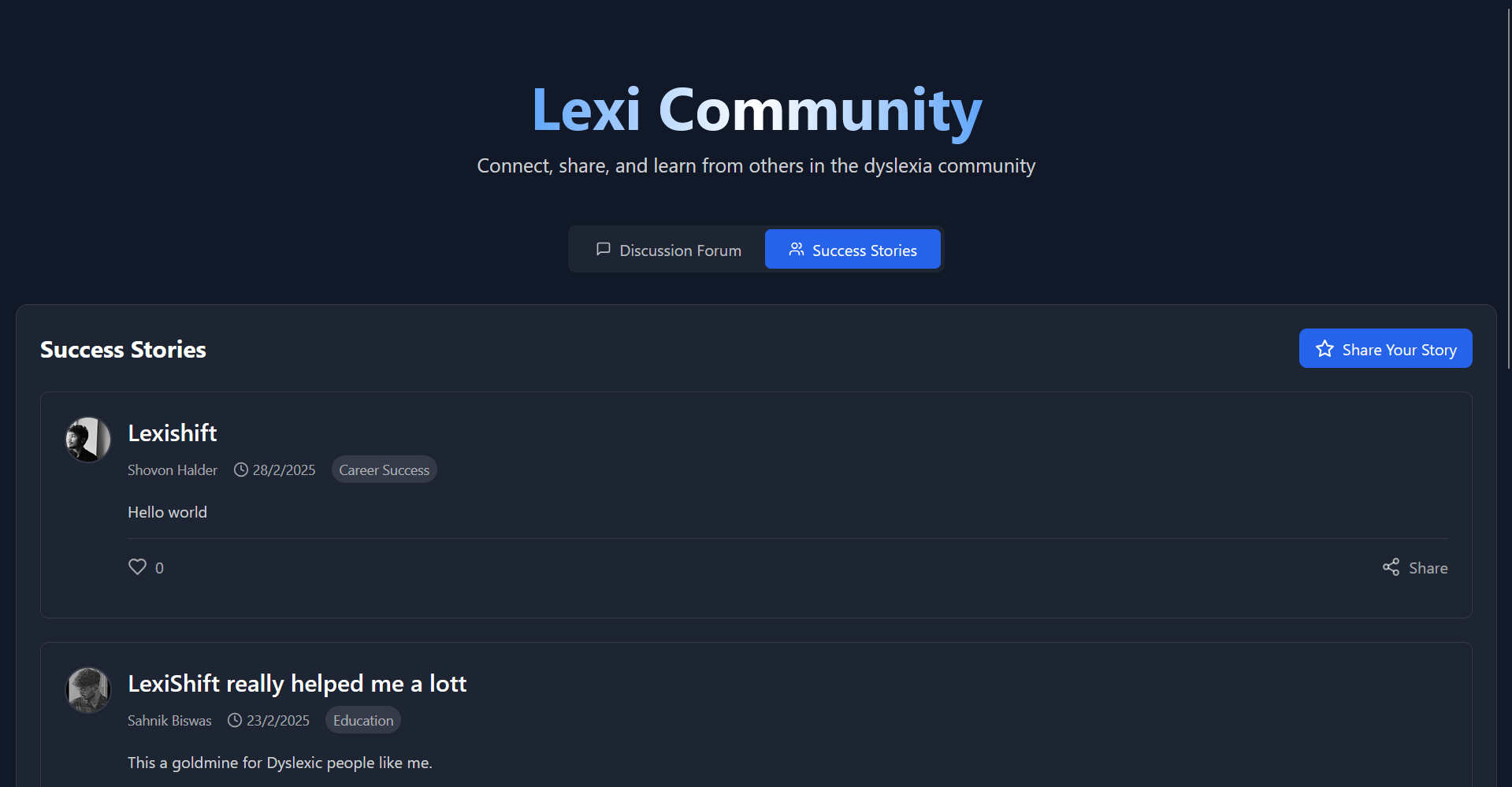
Community Landing Page
Inspiration
The inspiration for LexiShift came from real stories of individuals who silently struggle with dyslexia every day — in schools, offices, and even simple online interactions. We noticed how digital platforms often overlook neurodivergent users, especially when it comes to accessibility in reading, mental health support, and inclusive learning tools. We wanted to build something meaningful - a tool that doesn't just acknowledge the challenge of dyslexia but actively solves it.
What it does
LexiShift is a comprehensive and inclusive digital platform designed to support individuals with dyslexia. It offers:
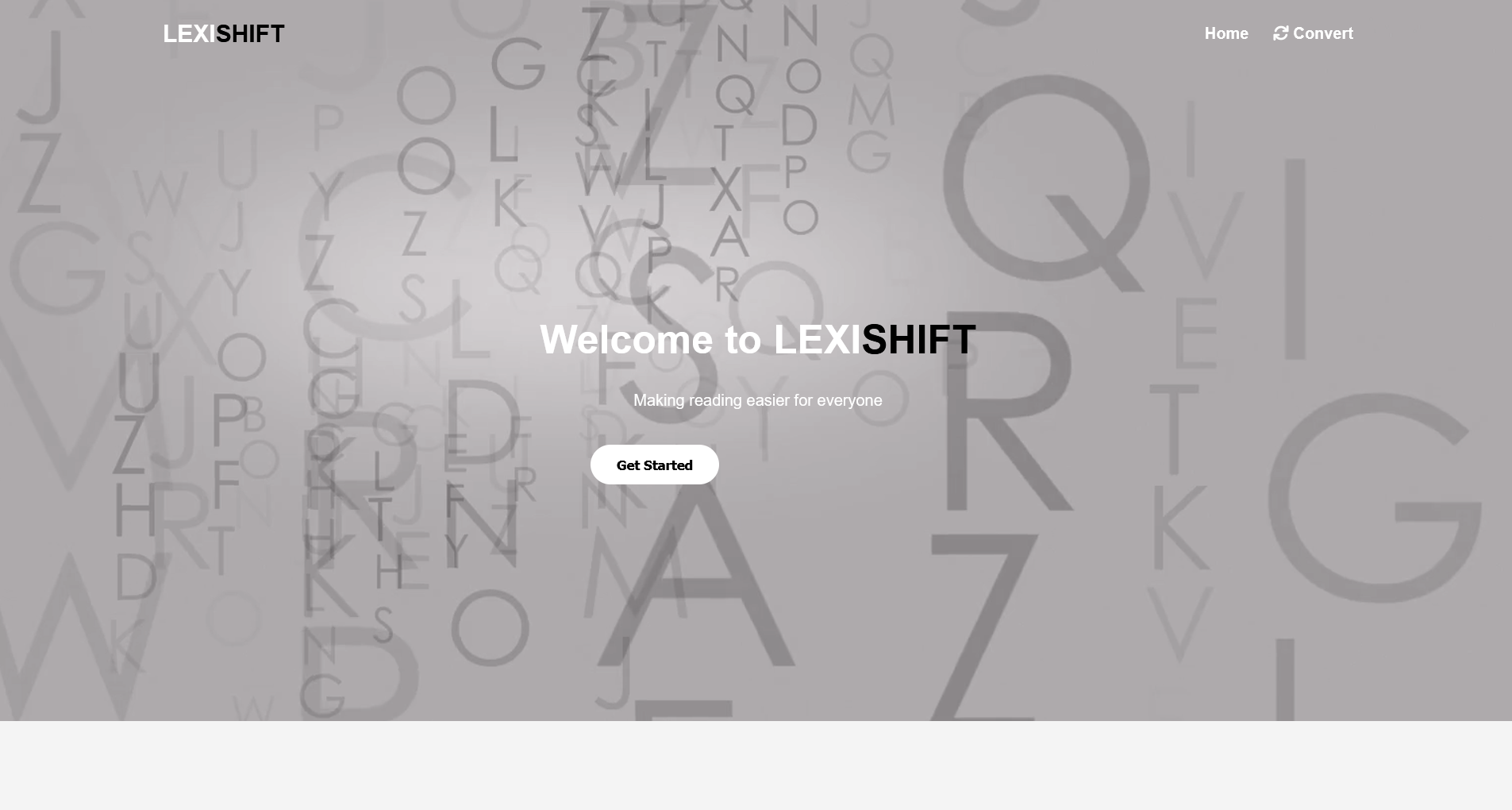
- 📄 PDF to Dyslexia-Friendly Converter – Transforms any PDF into a dyslexia-optimized format with custom fonts (like OpenDyslexic), letter/line spacing, and color schemes that improve readability.
- 🧠 AI Therapist ("LexiCare") – A 24/7 voicebot that provides emotional support, journaling prompts, and mental health insights - all in a calm, dyslexia-friendly interface.
- 📚 Digital Library – A collection of specially formatted audiobooks and text resources curated for dyslexic readers.
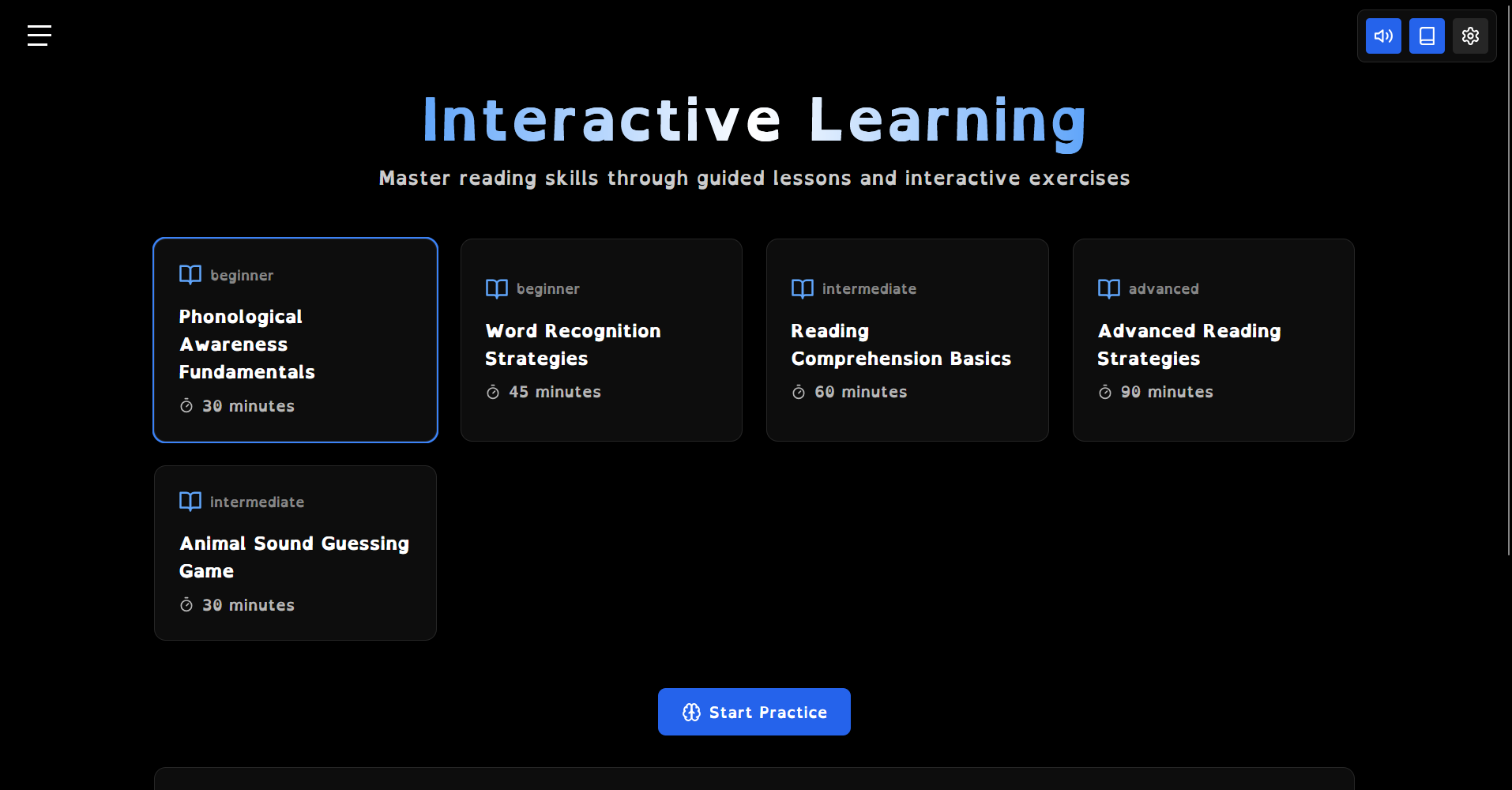
- 👩🏫 Interactive Learning Hub – Personalized learning modules with gamified experiences that help dyslexic users improve reading and writing confidence.
- 💬 Community Support Forum – A safe space to connect with others who understand, share resources, or simply talk - moderated by empathy-first AI agents.
- 👩⚕️ Therapist Matching System – Seamlessly connects users with real professionals for therapy and assessment when deeper support is needed.
How we built it
We built LexiShift using a full-stack architecture. Here's how the components come together:
- Frontend: Built with React and TailwindCSS for clean, accessible UI/UX. We paid close attention to contrast ratios, scalable fonts, and accessible navigation.
- Backend: Powered by Flask and Node.js (for different modules). The backend handles PDF conversion, database management, and user authentication.
- AI Features: The AI therapist and learning modules leverage OpenAI’s GPT model fine-tuned for emotional intelligence and clarity in language.
- Database: Firebase and MongoDB were used for real-time syncing and user session data.
- PDF Engine: We used
pdf-liband custom rendering pipelines to transform PDFs with dyslexia-friendly formatting rules. - Deployment: The app was deployed using Vercel (frontend), Render (backend), and Firebase (auth + storage).
Challenges we ran into
- Accessibility-first design: Building an interface that's not only beautiful but truly helpful for dyslexic users meant rethinking common UI conventions - from font choice to white space and color psychology.
- AI overload vs simplicity: Designing an AI that is helpful but not overwhelming was a fine balance. We iterated multiple times on the tone, length, and flow of conversations.
- Real-time performance: The community forum and interactive modules required real-time syncing, which involved solving latency issues across devices and regions.
- Cross-team integration: Coordinating development across multiple teams (PDF, AI, Community) and syncing deployment was a constant challenge during the hackathon timeline.
- Data handling: Ensuring privacy and security for sensitive therapy/chat data required strict backend design and encryption practices.
Before the Hackathon
Before the hackathon, LexiShift was already a functional prototype. We had built the main modules—LexiTherapist, PDF converter, learning modules, and community section. The app was stable and well-structured, but we realized we hadn’t done enough research into real user needs and accessibility standards.
That realization led us to dig into research papers, case studies, and user personas for dyslexia. We found many areas for improvement: the learning module lacked personalization, the UI wasn’t optimized for visual fatigue, and the community experience wasn’t engaging enough.
We decided to use the hackathon as a chance to rework and improve all of this based on evidence and empathy.
During the Hackathon
During the hackathon, we focused on refining every detail based on our new research insights:
- Redesigned the Learning Platform UI/UX with better spacing, color contrast, and an interactive calendar to track progress.
- Added gamified elements to improve engagement and motivation.
- Upgraded the Community Section to support real-time chat, anonymous sharing, and interest-based rooms.
- Expanded LexiTherapist with new conversation flows for mood tracking and cognitive exercises.
- Improved LexiCare with better UI, scheduling options, and therapist filters.
We also improved performance, reduced cognitive load in layouts, and revalidated the platform’s accessibility using tools like axe-core and Lighthouse.
Accomplishments that we're proud of
- We created a fully functional MVP that integrates accessibility, therapy, education, and community — all in one place.
- Built a real-time PDF conversion tool tailored for dyslexic readers, not just a theme switcher.
- Designed and deployed an AI therapist that's sensitive, helpful, and built specifically for neurodivergent communication needs.
- Developed a modular architecture that allows LexiShift to be scaled in both depth (more features) and reach (schools, orgs, therapists).
What we learned
- Accessibility is not just a feature; it’s a mindset that affects every design and development decision.
- Collaboration across modules requires clear communication and flexibility - especially during time-constrained builds.
- Building for a marginalized community means you listen first, then build. Every feature was informed by real stories, not assumptions.
- AI can be powerful when tuned for empathy, clarity, and emotional support, not just knowledge.
What's next for LexiShift
- 🤝 Partner with dyslexia advocacy groups and schools to pilot LexiShift in real environments.
- 📱 Launch proper mobile apps (iOS and Android) with offline reading and therapy support.
- 🧠 Train the AI further using anonymized dyslexia-specific data for even more personalized responses.
- 📈 Add analytics tools for educators and therapists to track student/client progress.
- 🌍 Localize the platform to support more languages and regional educational needs.
- 🔐 Implement stronger data privacy policies and HIPAA-compliant therapist integrations.
LexiShift is just getting started. Our mission is clear: a world where dyslexia is never a barrier to success, expression, or mental well-being.


Log in or sign up for Devpost to join the conversation.