-
-
-
-
-
-
-
-
-
-

Lexa app logo
-
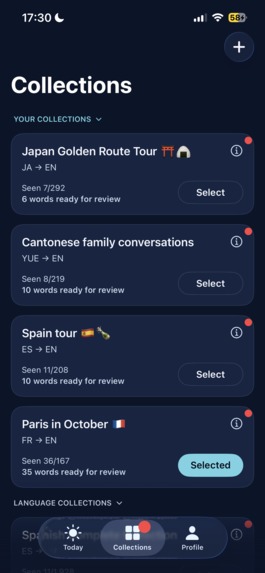
Screenshot of Lexa app
Inspiration
As someone born in the UK with roots in another culture, I wanted to reconnect with my heritage through language. Friends and family faced the same challenge. We could not speak these languages every day, but we still wanted regular exposure to them. I also saw how learning even a few local words could transform travel and create genuine connections. As AI makes translation effortless, Lexa helps keep language a human skill.
What it does
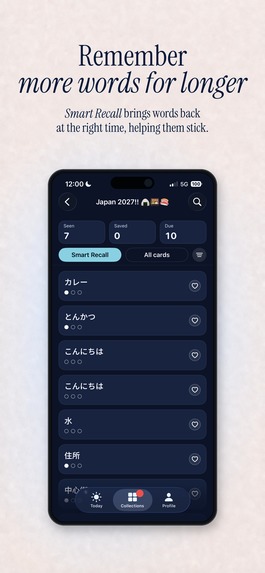
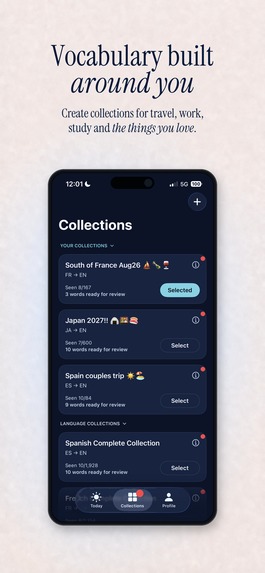
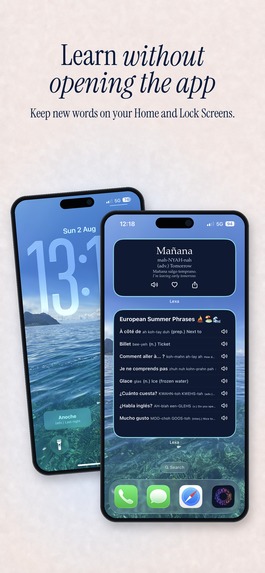
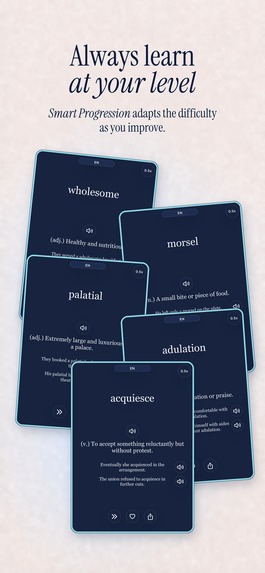
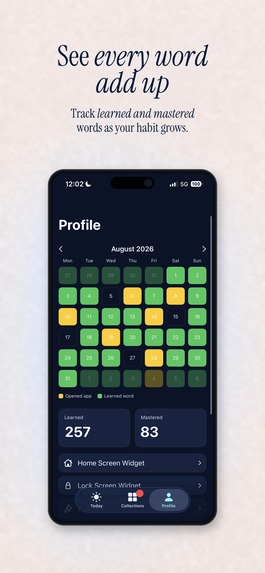
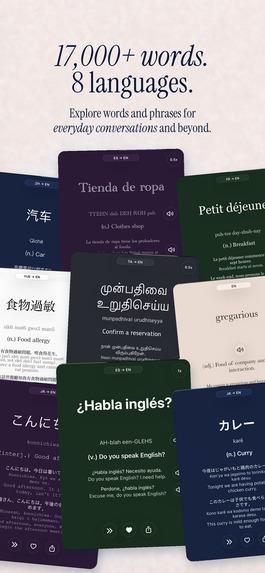
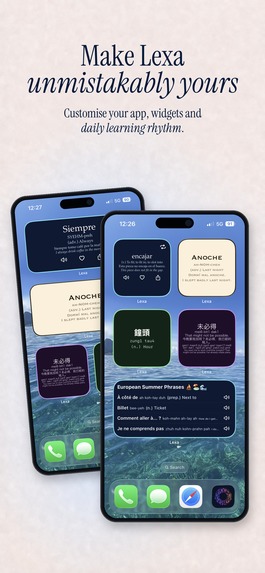
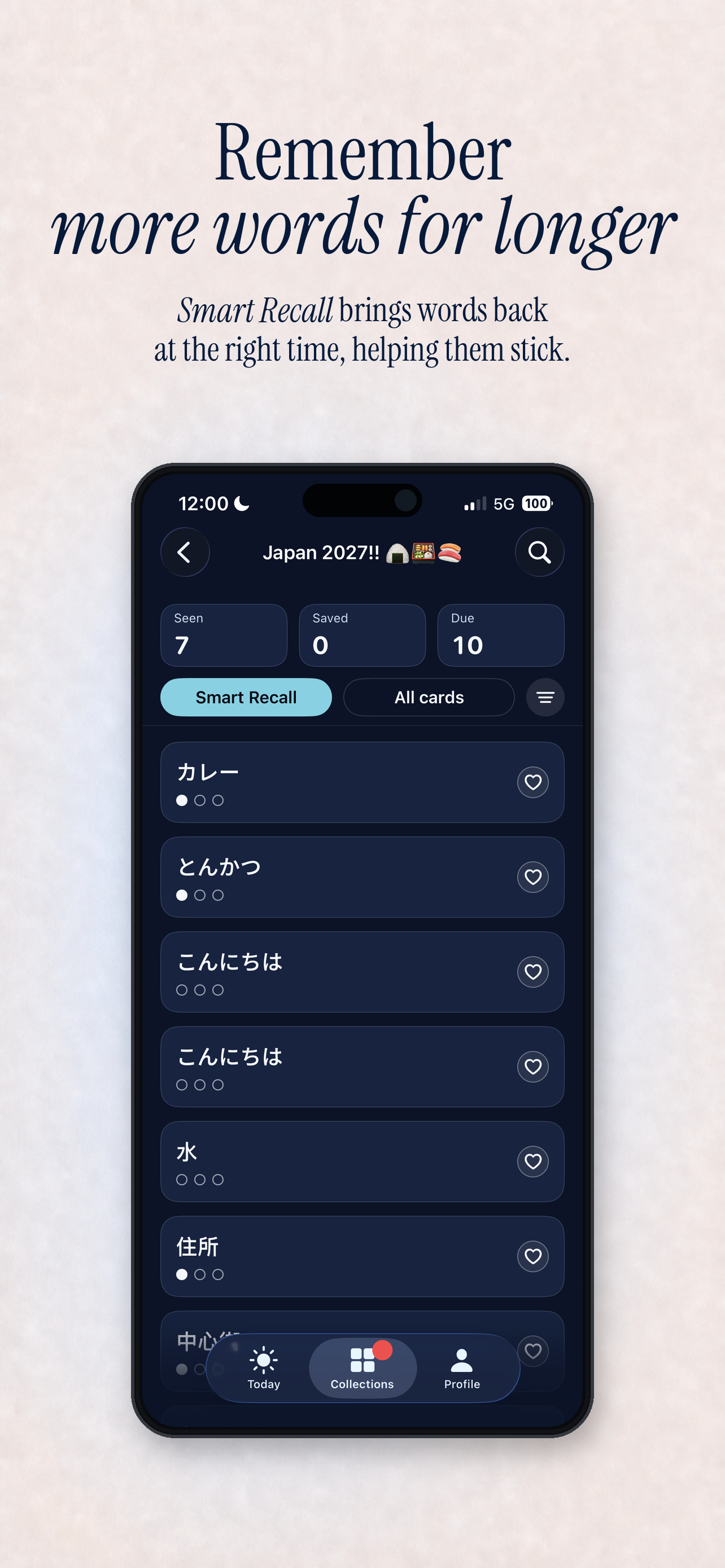
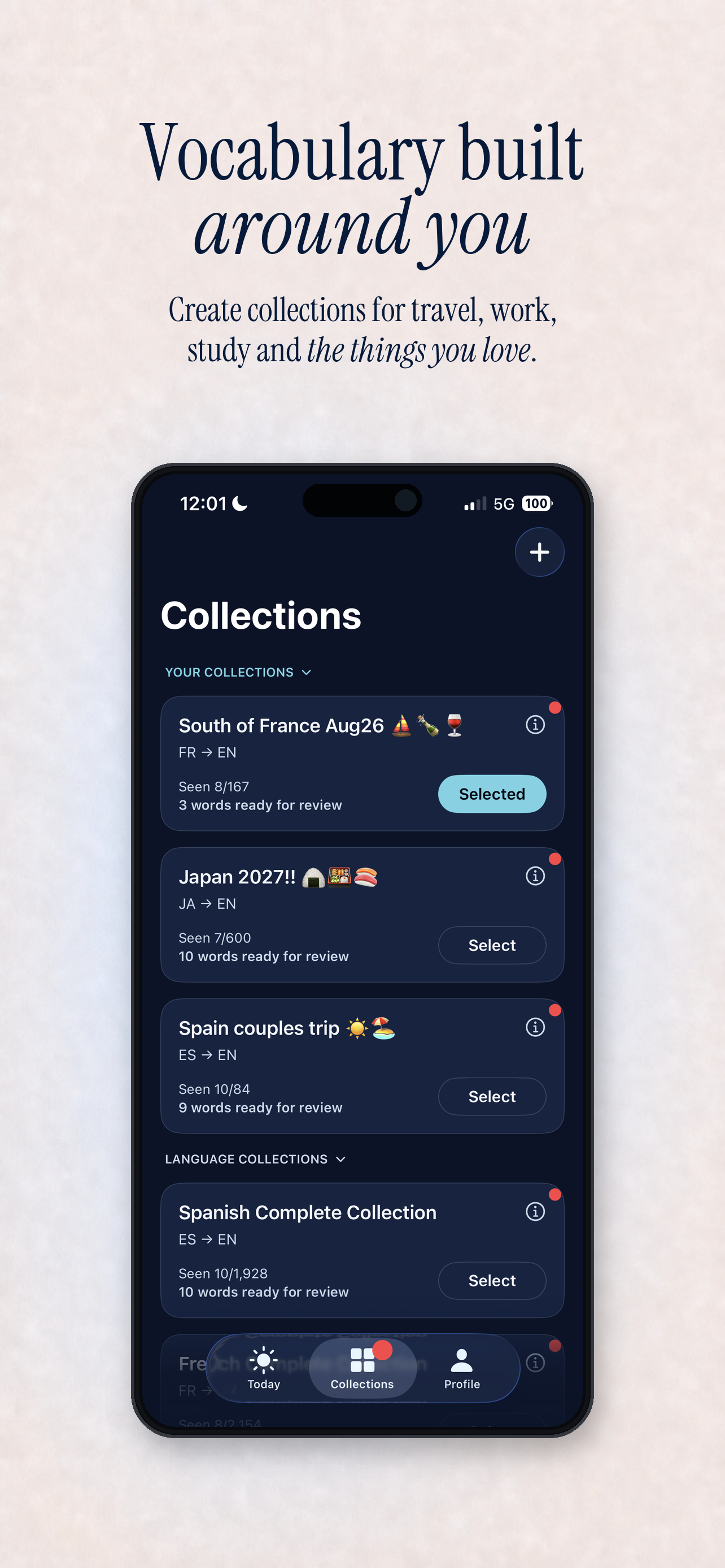
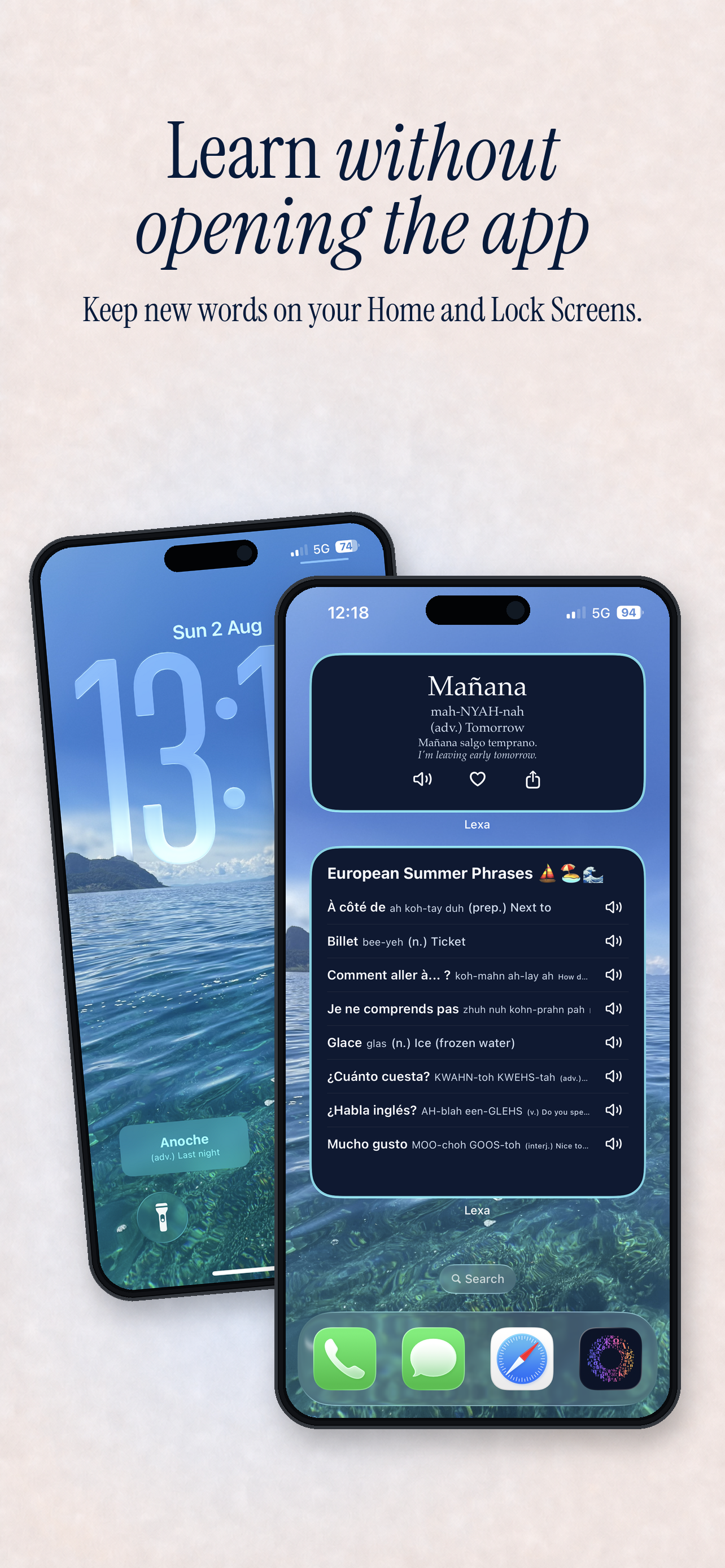
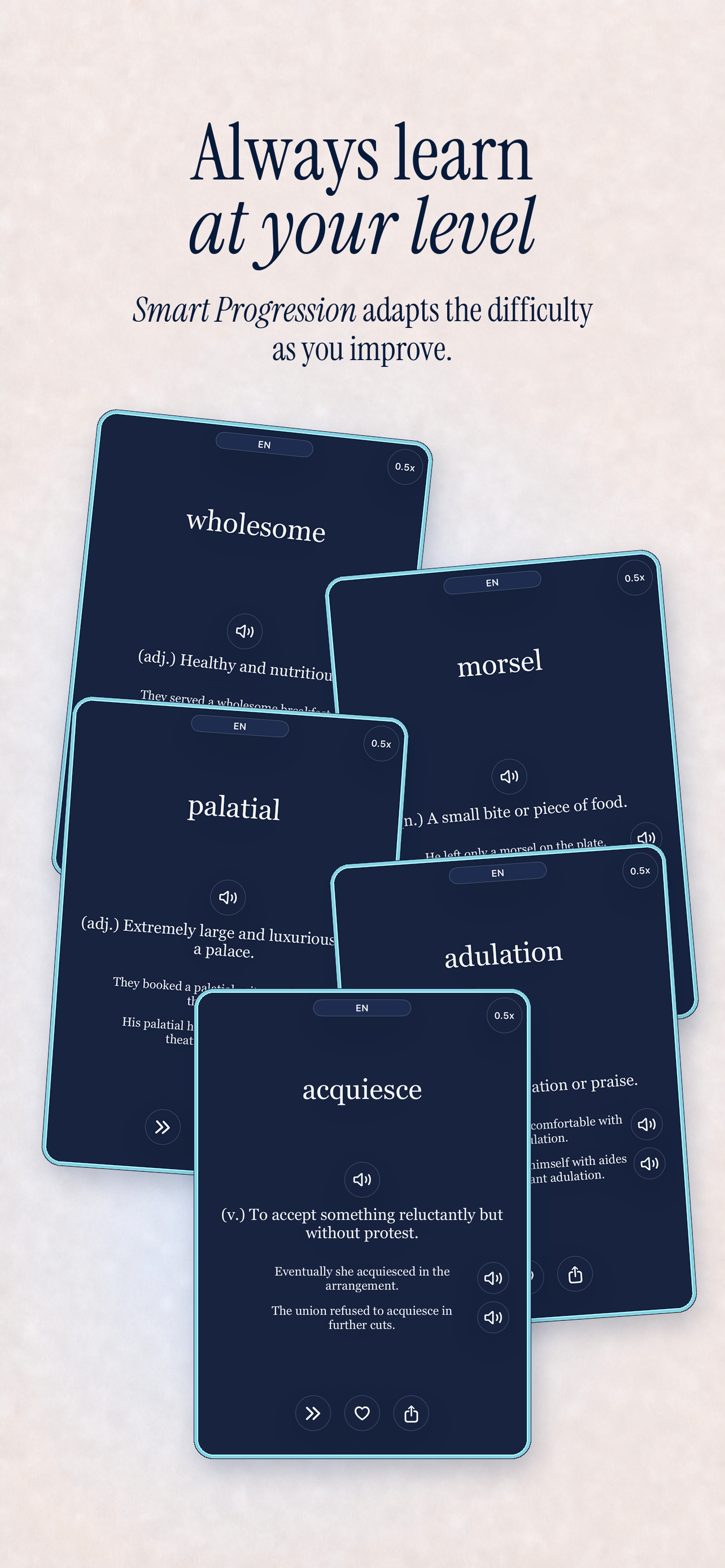
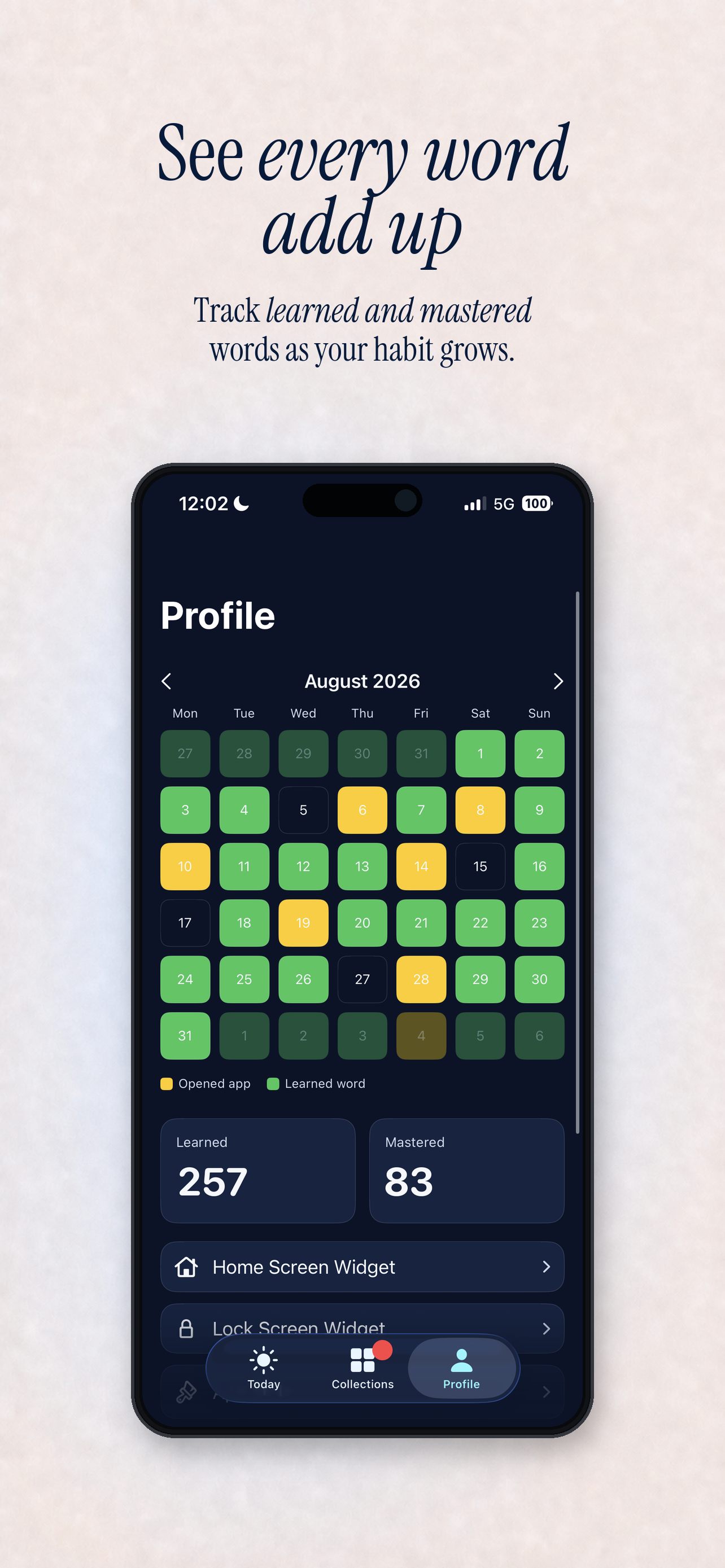
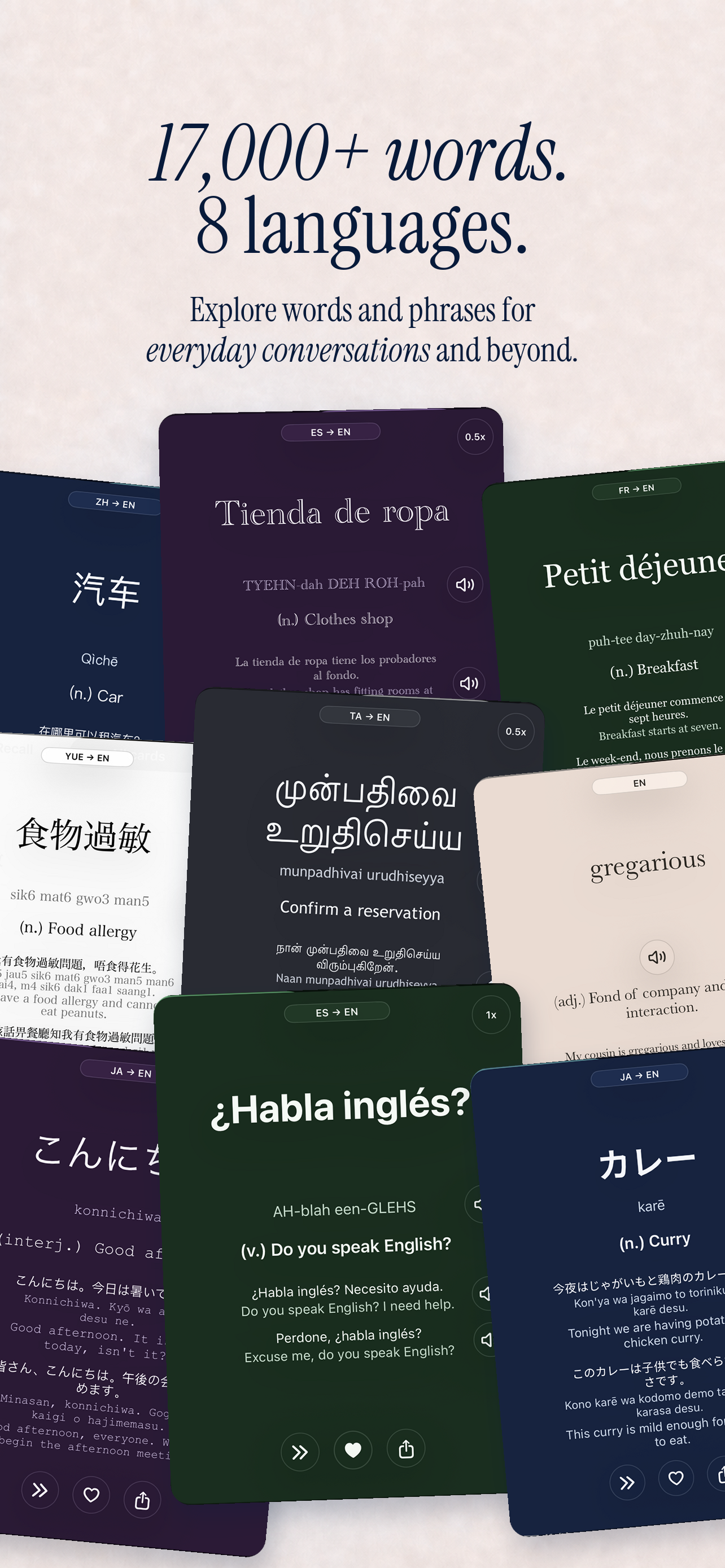
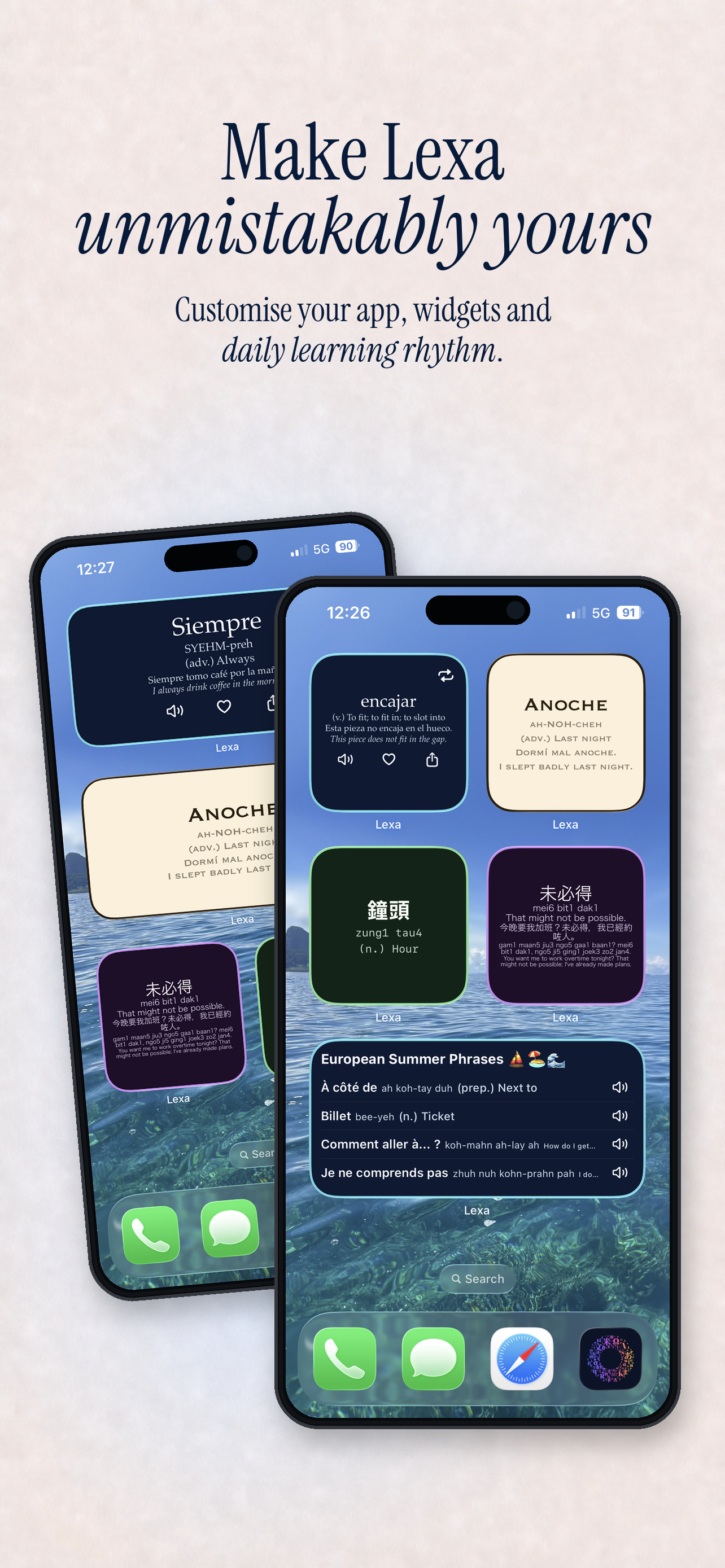
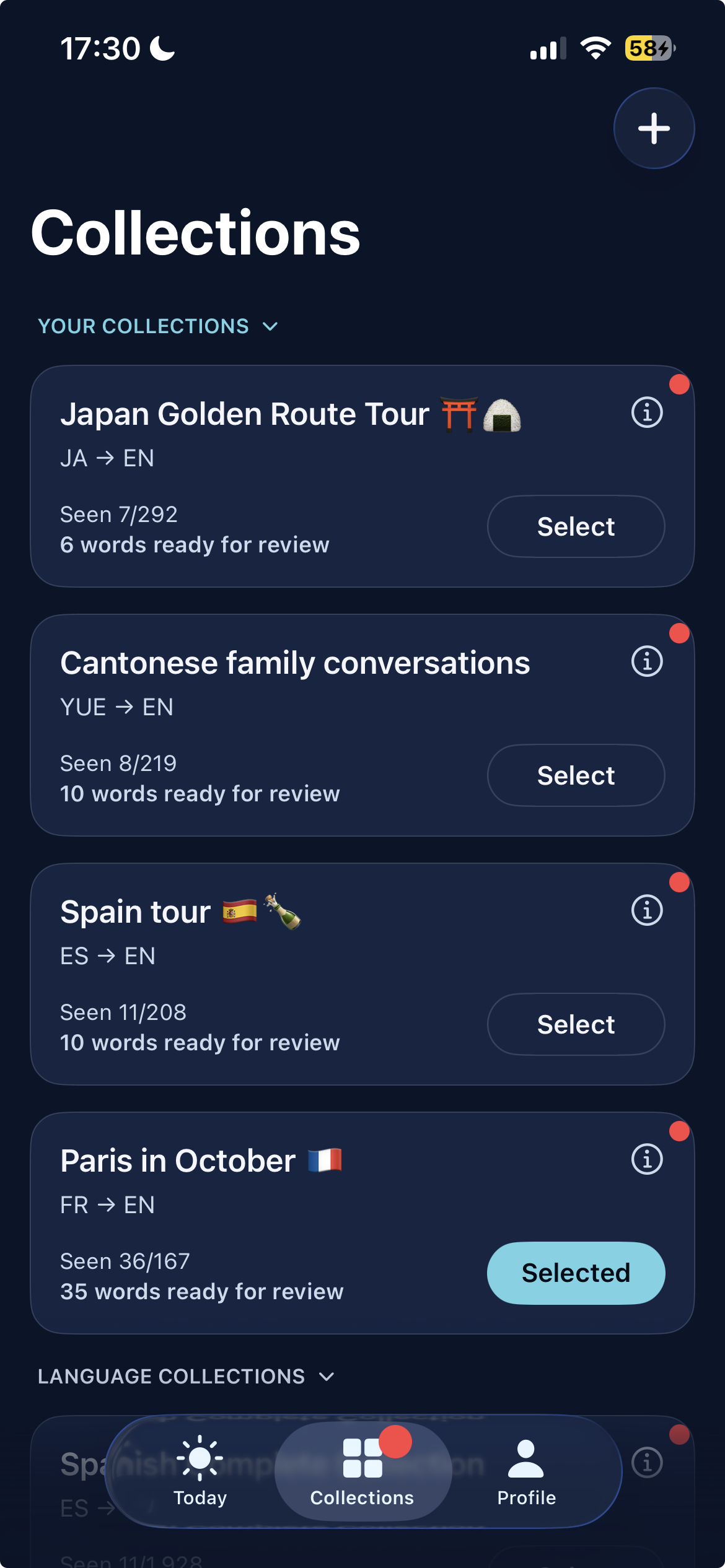
Lexa turns the vague goal of becoming fluent into a personal, measurable learning journey. Users choose their language, purpose, pace and timeframe, then build collections around vocabulary they will actually use. Home and Lock Screen widgets provide daily exposure, while Smart Recall, Smart Progression and Progress Tracking reinforce learning inside the app. Lexa launches with eight languages, more than eight learning topics, unlimited personal collections and 17,000 vocabulary entries.
How we built it
I built Lexa as a solo founder using Swift, Xcode and an AI-assisted workflow with Codex. The vocabulary library is stored in JSON, with Firebase for authentication, PostHog for analytics and RevenueCat for subscriptions. The app and widgets share learning data so the correct language, topic and difficulty appear at the right time. RevenueCat manages quarterly and annual subscriptions, each with a seven-day free trial. The paywall follows onboarding, once users have created their personalised learning plan.
Challenges we ran into
The biggest challenge was deciding what to build and when. Automation only became effective once the underlying workflows were clearly defined. I also had to avoid overbuilding unvalidated features or perfecting details that might soon change. Managing 17,000 vocabulary entries presented another challenge. User interactions needed to be recorded efficiently without repeatedly rewriting the vocabulary library.
Accomplishments that we're proud of
I took Lexa from an idea to an app ready for public launch. Without a formal background in software development or design, I built its app, widgets, subscriptions, data structure and goal-based learning system as a solo founder. I am particularly proud of Lexa’s visual identity. Its distinctive logo was constructed from around 140 individual elements, reflecting the attention to detail throughout the product. Several rounds of beta testing have prepared Lexa for a wider audience.
What we learned
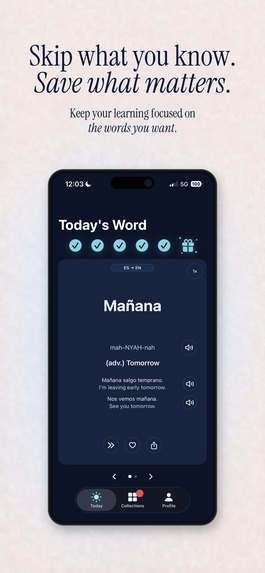
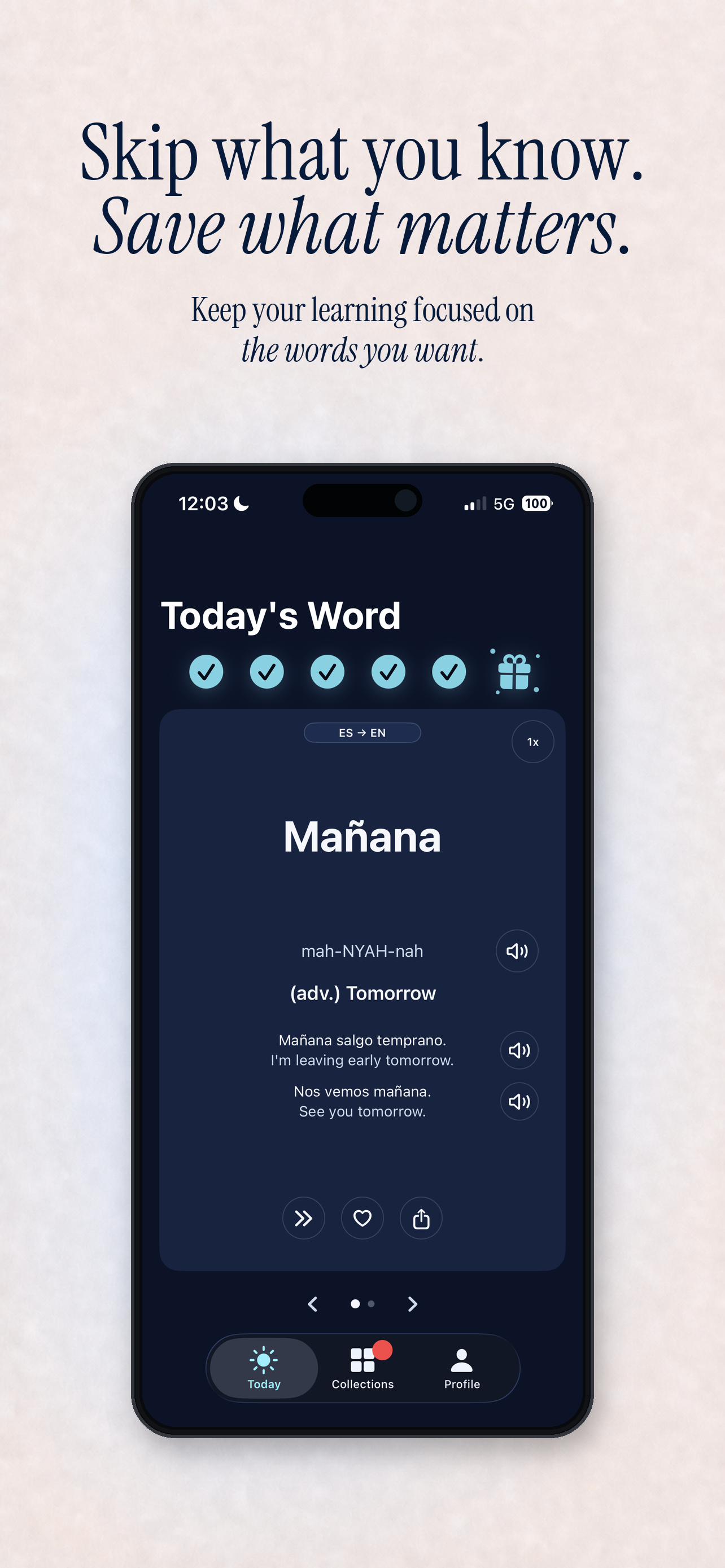
Building alone means balancing engineering, design, marketing, data, business decisions and bug fixes. Good prioritisation often means pausing valuable ideas to focus on what matters most. Reviews of existing language apps revealed frustrations with repetitive content and limited control over familiar vocabulary. This informed Smart Progression and the separation of seen and unseen words. Beta testers then prompted slower pronunciation, the ability to skip familiar words and more flexible daily learning. I also learned that AI can accelerate development, but only when the product direction and workflows are clearly defined. Early feedback is essential before investing deeply in implementation.
What's next for Lexa: not just another language learning app
The next release will add Italian and Portuguese, expanding the vocabulary library from 17,000 to approximately 34,000 entries. Future updates will add deeper pronunciation support, writing systems such as Japanese hiragana, and carefully extend Lexa into sentence construction and grammar. Inspiration

Log in or sign up for Devpost to join the conversation.