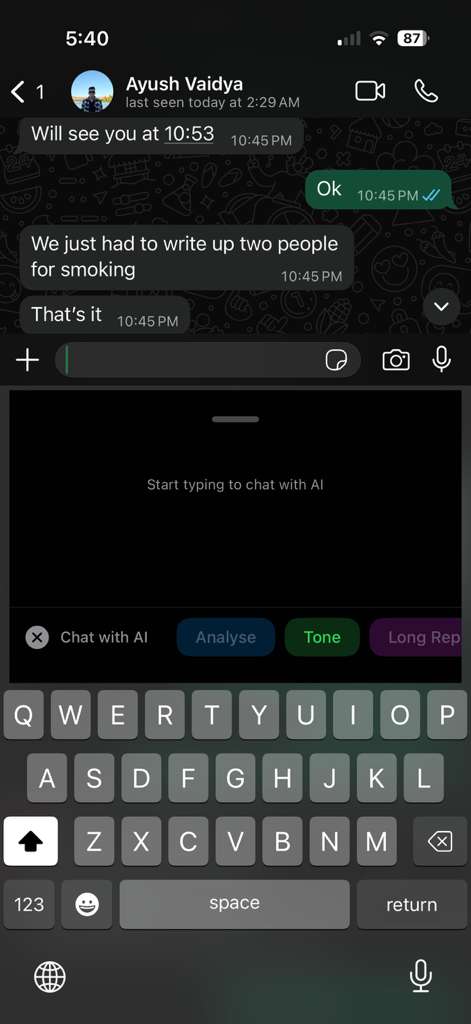
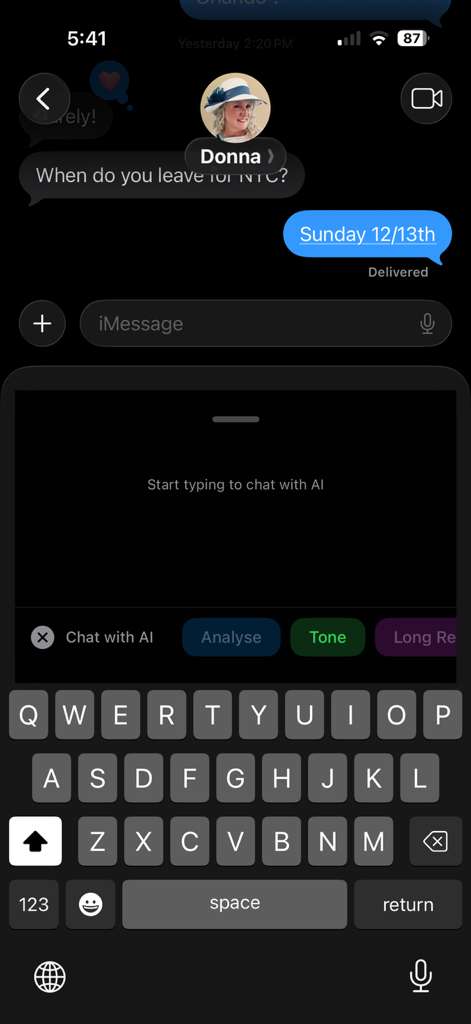
It started with a small frustration. I was spending more time copying prompts into an AI than actually writing. The tools were powerful, but the back-and-forth broke my focus. I wanted help that lived where my words begin—the keyboard.
Lexa grew from that idea. Not a big platform, just a quiet assistant that sits beside the sentence and offers a nudge when I need it. The goal was simple: keep me in the flow and make the next line easier to write.
We built the product around that promise. Small on-device pieces handle quick edits; when something heavier is needed, we stream a suggestion and show it inline. Every feature had to earn its place: if it slowed me down or pulled me out of the thought, it didn’t ship.
Speed mattered, but so did voice. A “good” suggestion that makes a message sound unlike me isn’t good. We tuned for gentle options—rewrite, shorten, soften—so I can pick the one that fits and keep my tone.
As the prototype improved, the effects were small but real. Emails came out clearer, asks were kinder, and group messages took less time to untangle. Saving a few minutes is nice; avoiding confusion is better.
Lexa isn’t finished. It doesn’t try to be loud or clever. It aims to be useful, respectful, and easy to ignore when you don’t need it. If we’ve done it right, people won’t talk about the tool—they’ll just get to say what they meant.
Built With
- cpp
- swift


Log in or sign up for Devpost to join the conversation.