Inspiration
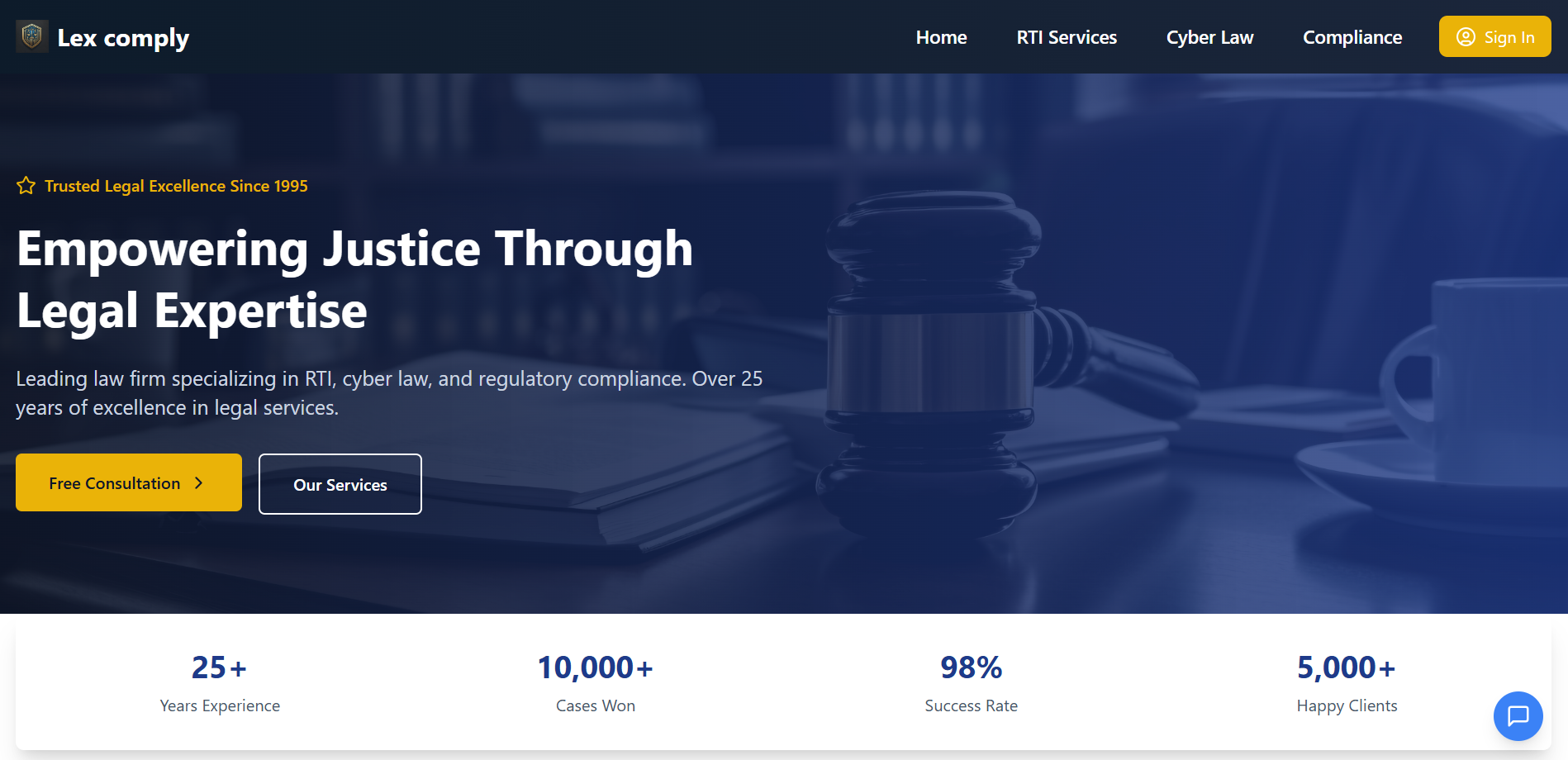
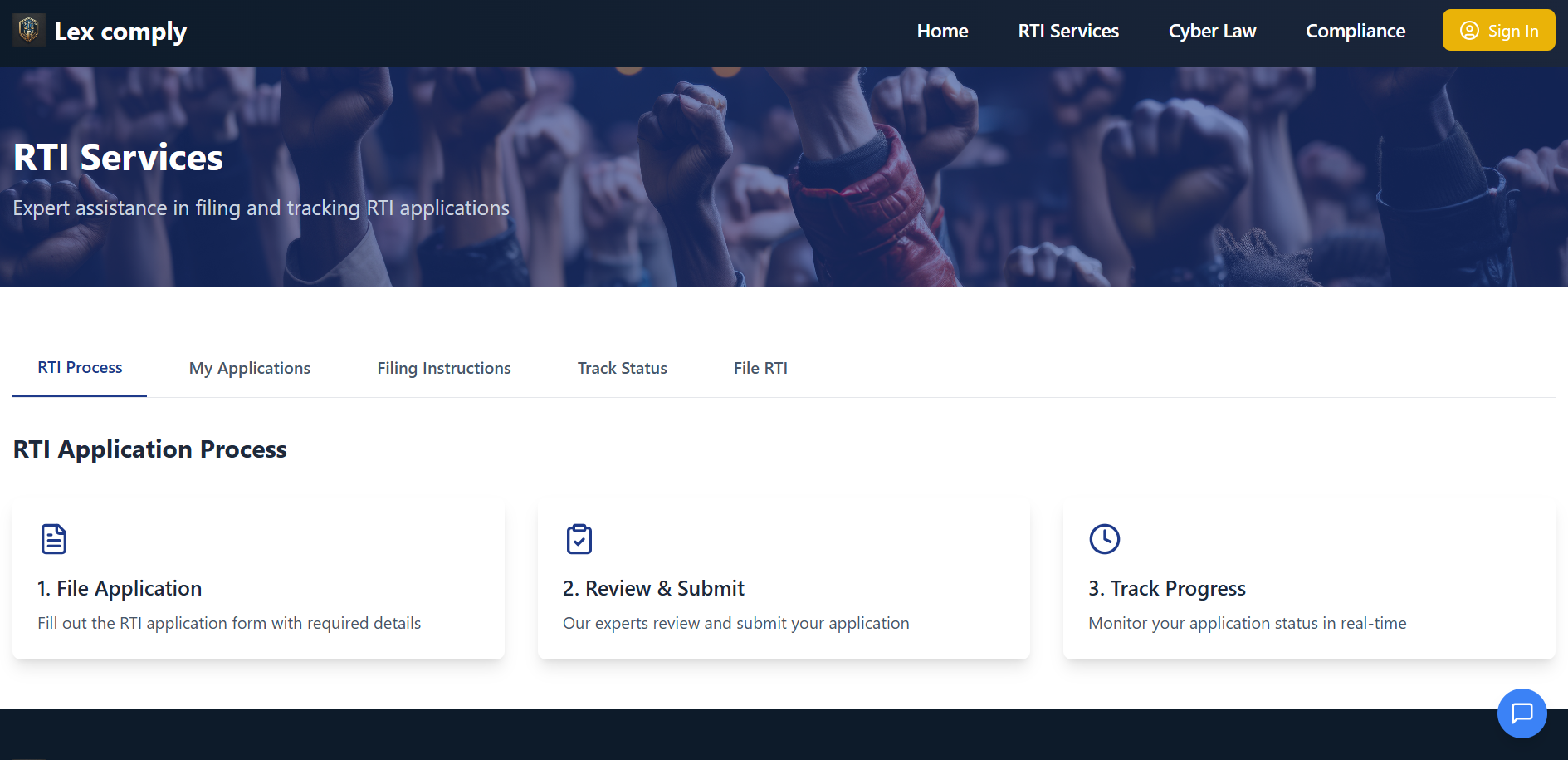
The idea for the project stemmed from the realization that people very often struggle with filing right-to-information applications due to a lack of proper and complicated instructions. While the RTI tool is powerful, the filing process is long, complex, and confusing, often leading to rejected and unfinished applications.
Additionally, cyber-related issues are often overlooked, and small companies often overlook their data security compliances, putting themselves at risk.
What it does
The project solves the problems by providing users with:
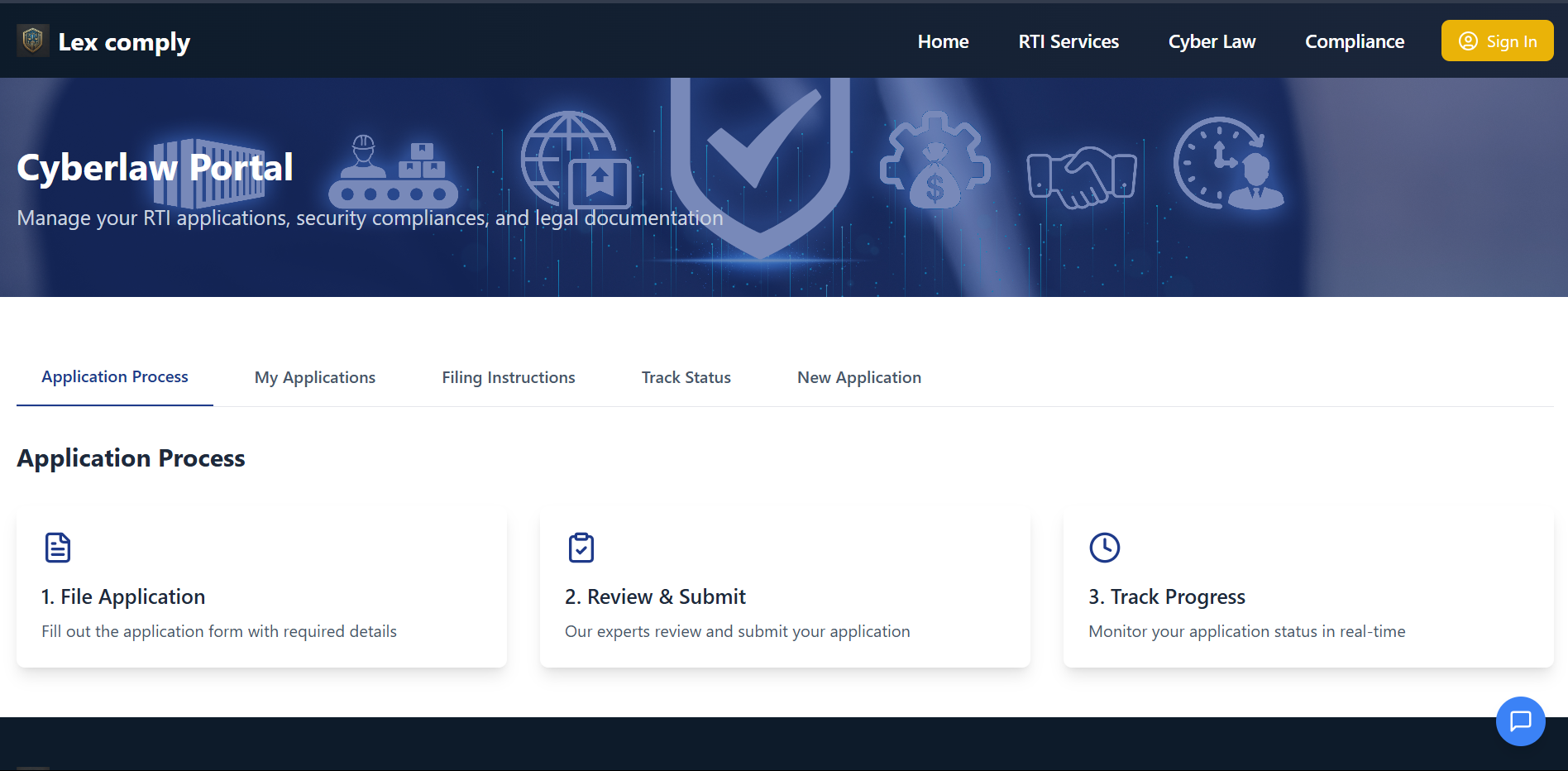
1) A structured RTI filing form guide to help users navigate the process smoothly
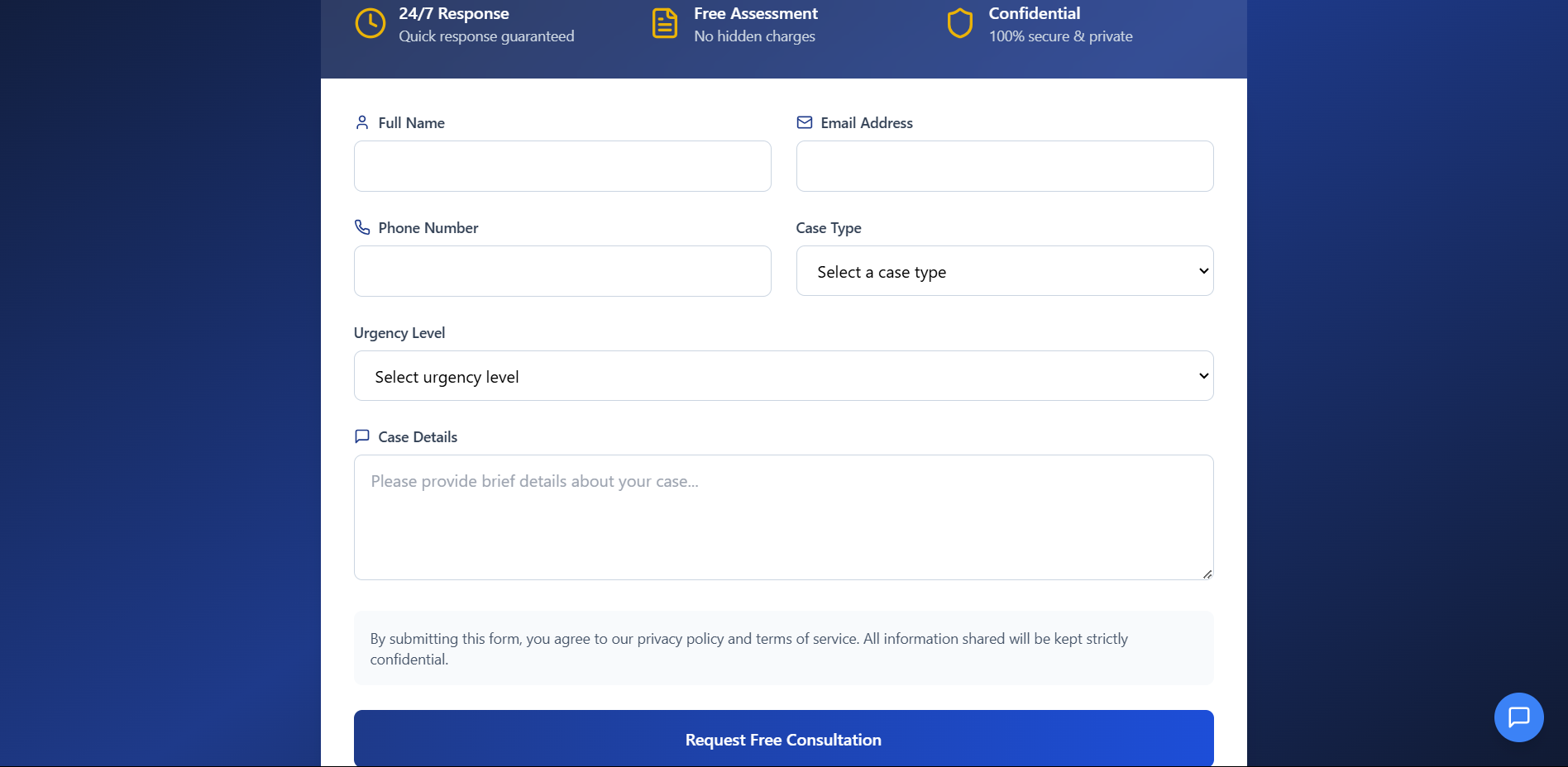
2) A cyber law support system where users can seek help on cyber issues
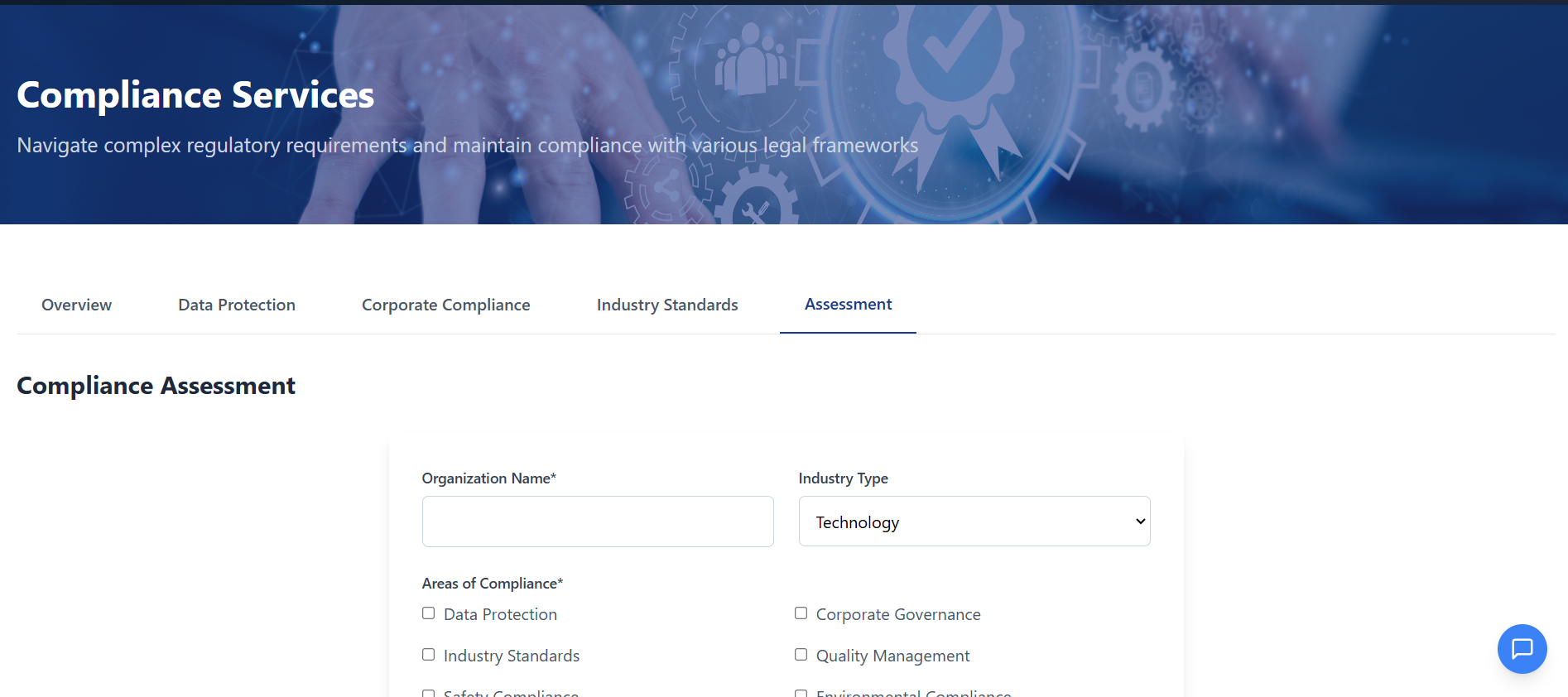
3) A Compliance module for helping and educating small businesses on data security standards
How I Built It
- Frontend: Built using React, styled with CSS, and used Material UI for a modern look
- Backend: Built using Node.js and Express to handle API requests and form submissions
- Database: Used MySQL to store and manage form submissions, ensuring data persistence and security
Challenges Faced
1) Converting complex legal jargon to simple, easy-to-understand language without losing accuracy
2) User-Friendly UI - Ensuring that first-time users can navigate the platform without confusion
3) Scalability - Designing the architecture in a way that allows for future expansions, such as chatbot assistance or automated RTI form generation
Accomplishments That I Am Proud Of
- Simplified RTI filing by creating a user-friendly and simple guide for filing applications
- Implemented a structured form to connect users with legal experts on cyber-related issues
- Developed a form with a checklist-based compliance system to help small businesses maintain security standards
- Full-stack implementation - Successfully used Node.js and Express for database storage and connectivity
What I Learned
- React Building - Building a dynamic and user-friendly interface with React
- State Management - Managing form inputs, user interactions, and API calls using state hooks and context
- Form Handling & Validation - Ensuring user data is properly collected and validated before submission
- Legal & Compliance Knowledge - Gaining insight into RTI procedures, cyber laws, and business compliance standards
- User Experience (UX) Design - Crafting an intuitive experience to guide users through complex legal processes
What's Next for LexComply?
- Implement an AI-based tool that helps users generate RTI applications with minimal input
- Integrate a chatbot or live support feature to provide real-time legal guidance
- Introduce features that allow businesses to monitor and update their compliance status dynamically
- Introduce a feature to allow users to dynamically see the status of their applications (pending, reviewed, etc.)
- Multi-language support to make sure people from different linguistic backgrounds are able to use it
- Mobile application development
- Use AI to assess the applications and provide feedback and insights

Log in or sign up for Devpost to join the conversation.