-
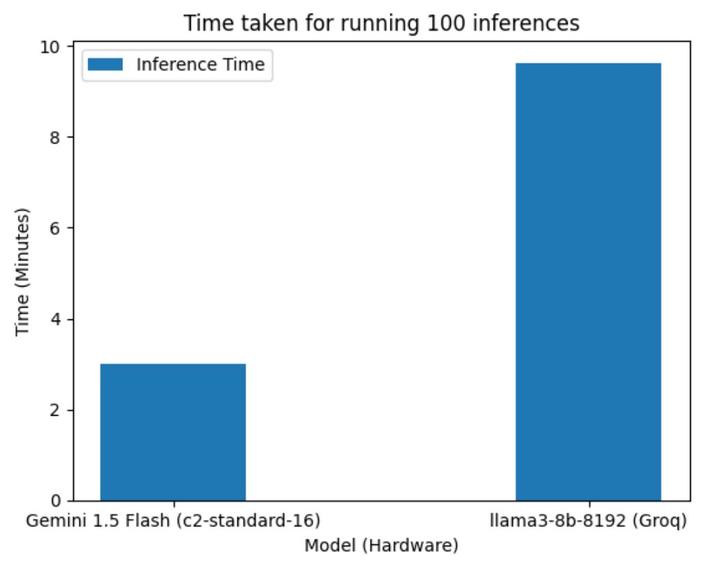
LLM model benchmark
Inspiration
The inspiration behind Lexi AI is to provide personalized support for legal advising. We wanted to create a solution that could democratize legal advice, ensuring everyone has the opportunity to understand their rights and options, regardless of financial resources.
What it does
Lexi AI serves as a virtual attorney, designed to assist individuals in navigating the legal landscape by providing accessible and accurate information. It helps users obtain vital information regarding their legal concerns, particularly those who may not afford traditional legal services. Lexi AI is focused on minor legal matters and helps users understand tenant rights, small claims, traffic violations, and family law issues.
How We Built It
Lexi AI leverages LLM models.
Data Cleaning:
The data cleaning techniques employed to anonymize asylum petition data involved removing names, personal details, and other identifiable information to protect privacy.
Used Python faker library to anonymise the data. Used Python nltk to remove non english and non basic ascii characters from the petition data.
We finetuned the LaMini-T5-738M on 15000 asylum petitions. It took around 3 hours for 1epoch and we ran it for 9 hrs. With better computing resources we could make a better legal LLM and could train it better.
We built the frontend using React and the backend with Node.js, and integrated data from public legal databases to provide accurate information. We divided responsibilities for data pre-processing, training the LLM model, and creating the backend API. We deployed the LLM on Google Cloud to ensure scalability and availability. We also ensured that the platform is user-friendly, confidential, and available 24/7.
Challenges We Ran Into
One of the major challenges we faced was training the AI model to provide accurate and reliable legal information. Identifying suitable data was difficult, as we had multiple rows for a single case proceeding, which required us to combine all rows for the same proceeding in a sequence. We used the LLM to summarize the dataset and further fine-tune it for a large context model. We also had to carefully select data sources to ensure that Lexi AI's responses are both comprehensive and correct. Moreover, creating an intuitive interface that simplifies complex legal language was another hurdle we had to overcome.
Accomplishments
We successfully developed an AI-driven virtual legal assistant that makes legal advice accessible to all. We managed to fine-tune the LLM model, although we faced issues while deploying it, which we are currently working to resolve. We also integrated the Deepgram Text-to-Speech API to enhance the user experience. We are proud of creating a user-friendly platform that ensures confidentiality and provides useful information in a comprehensible manner. The 24/7 availability feature is another highlight that makes Lexi AI convenient for users.
What We Learned
Throughout this project, we learned a lot about LLMs, their complexities during training, and the challenges of collecting suitable datasets. We also learned about natural language processing, machine learning algorithms, and the complexities of legal language. Additionally, we gained insights into user experience design and how to make legal information more approachable.
What's Next for Lexi AI
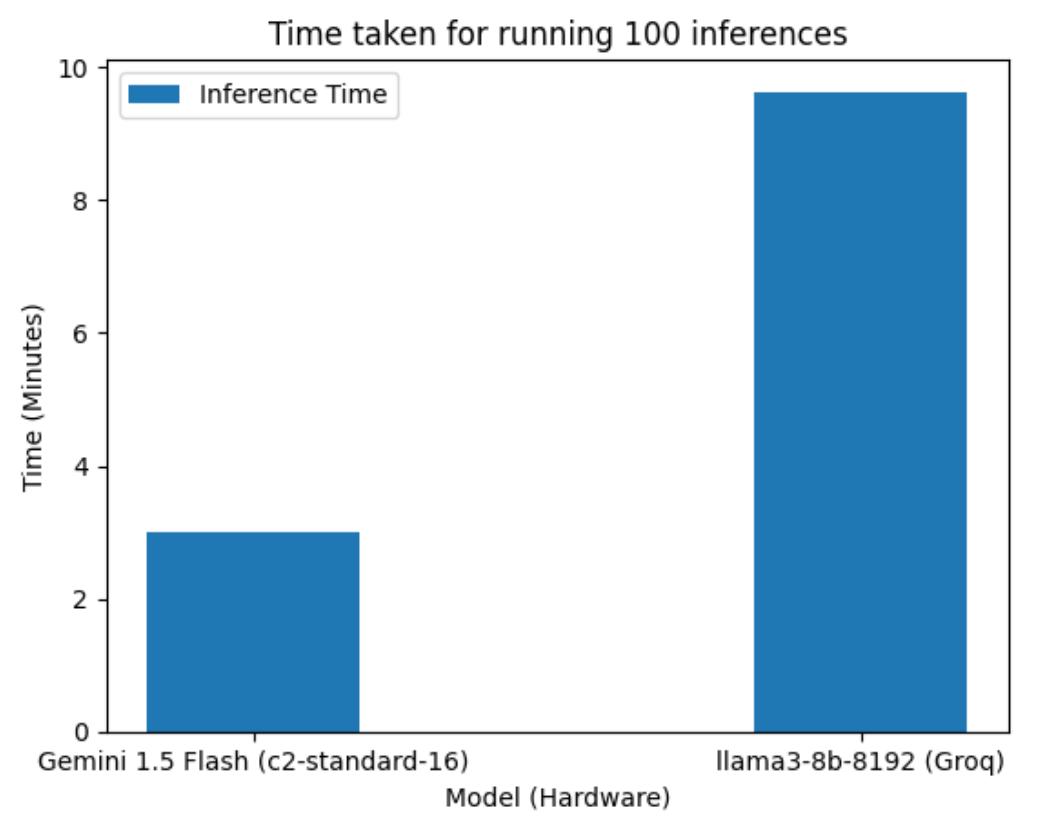
We could train the LLM on a section of legal law and we could have a special and trained LLM. Eg: Small Claims Bot, Traffic Claims Bot, Harassment and prejudice Bot. Use c2-standard-16, Groq for Running inference for checking the speed of inference.

Log in or sign up for Devpost to join the conversation.