-
-

Leviathan War app icon — uncropped 1024 × 1024 original.
-
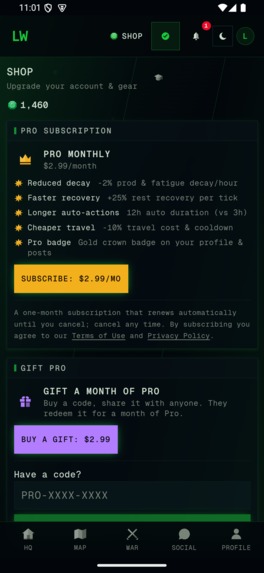
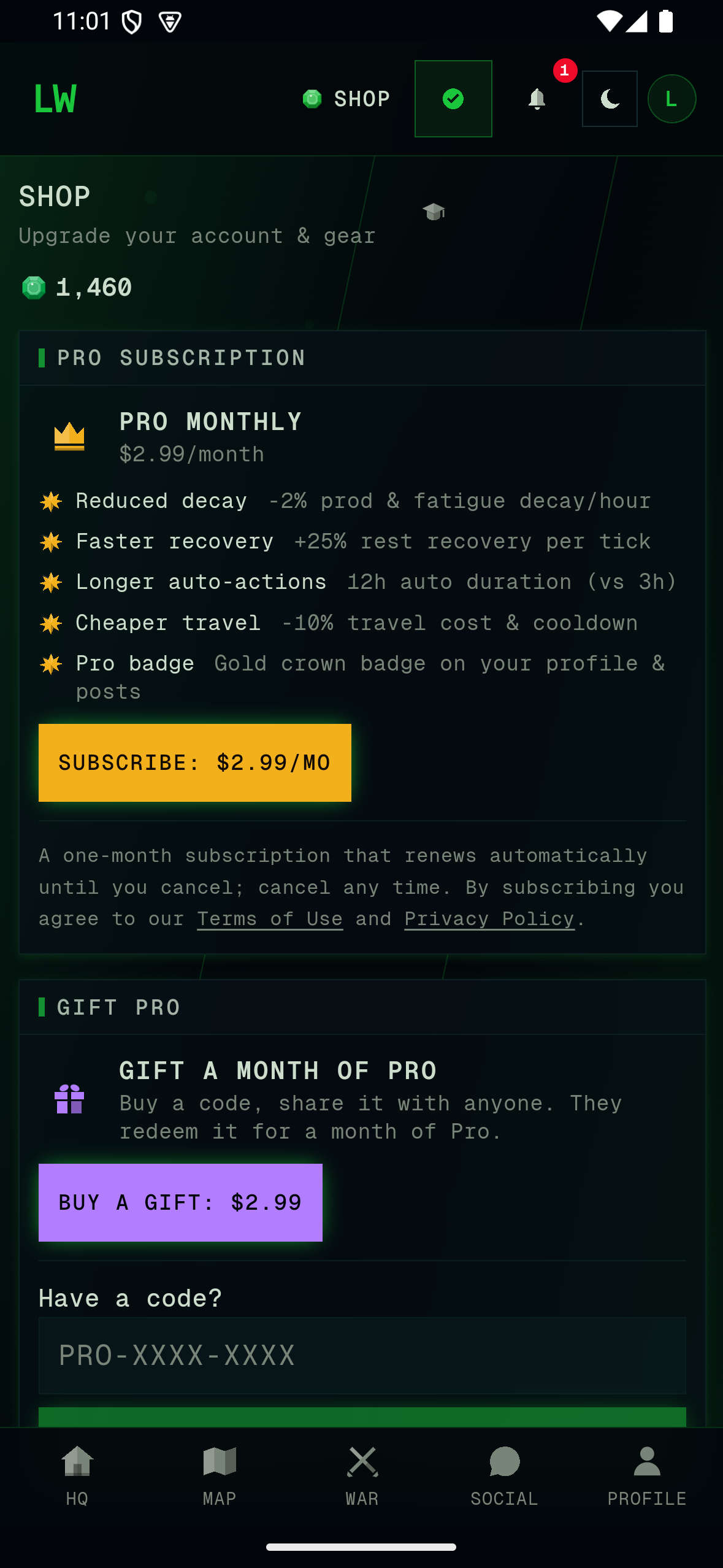
Pro subscription with explicit benefits and monthly pricing — native Android screenshot.
-
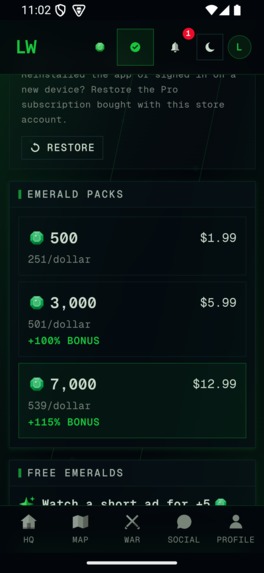
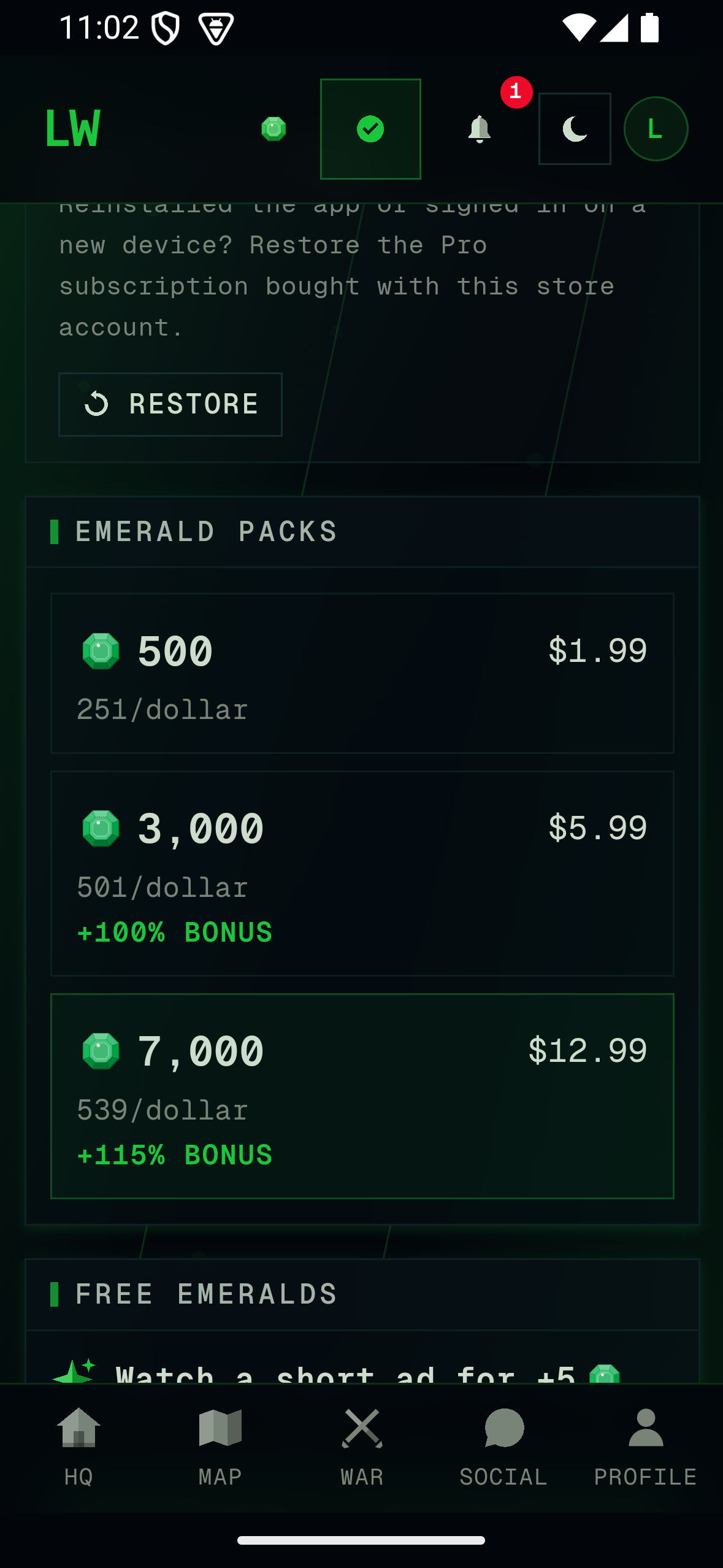
Emerald packs and purchase restoration — native Android screenshot.
-
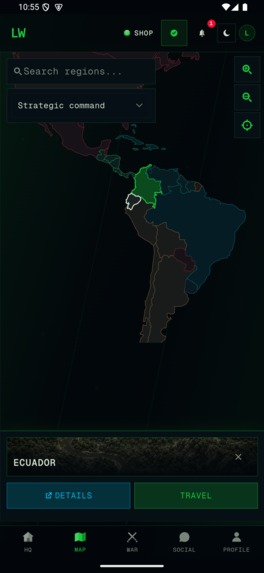
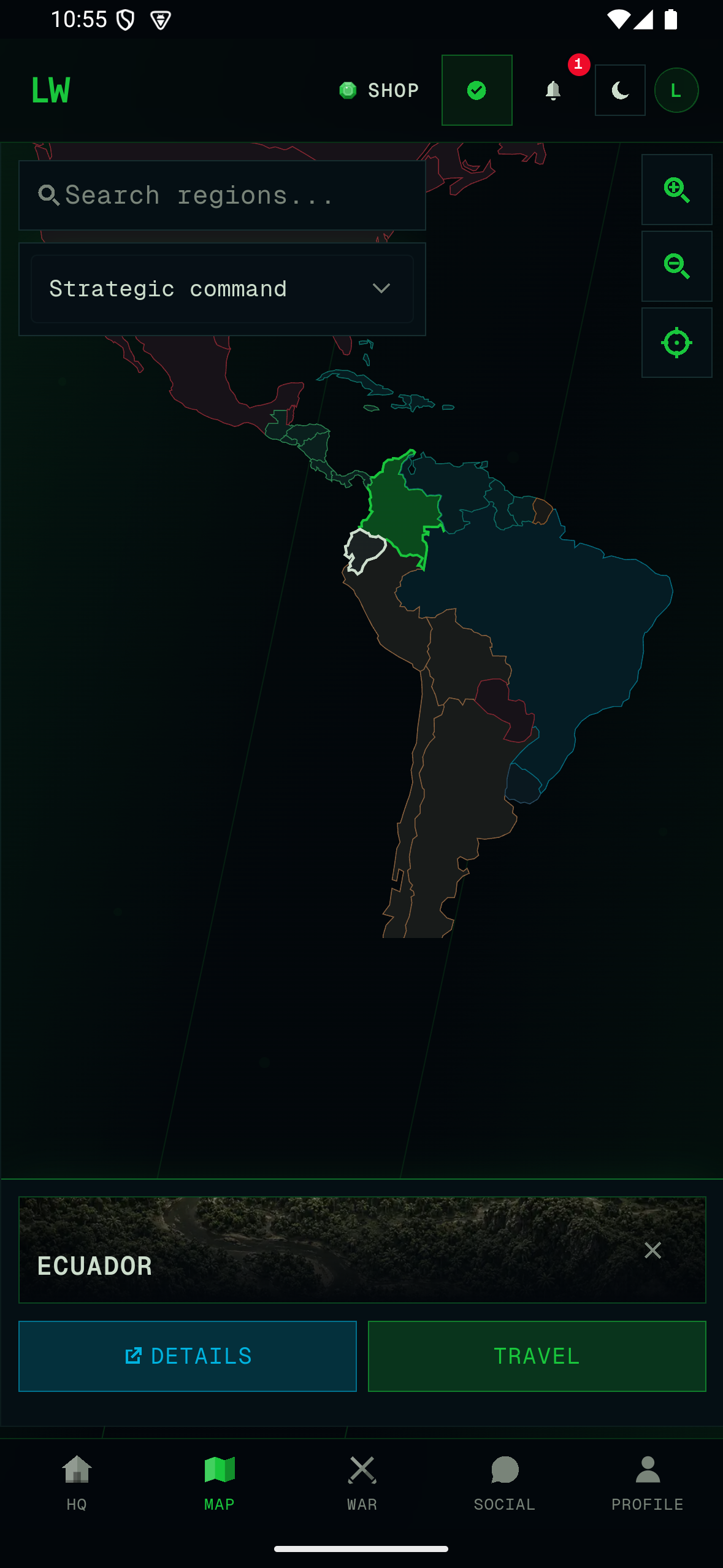
Territory and region intelligence — native Android screenshot, 1179 × 2556, no device frame.
-
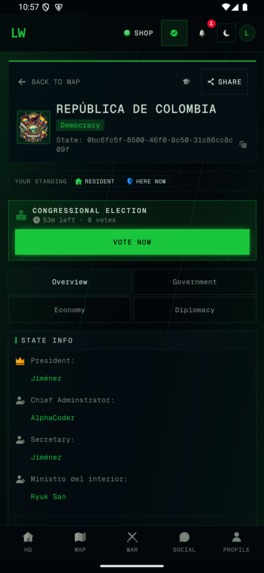
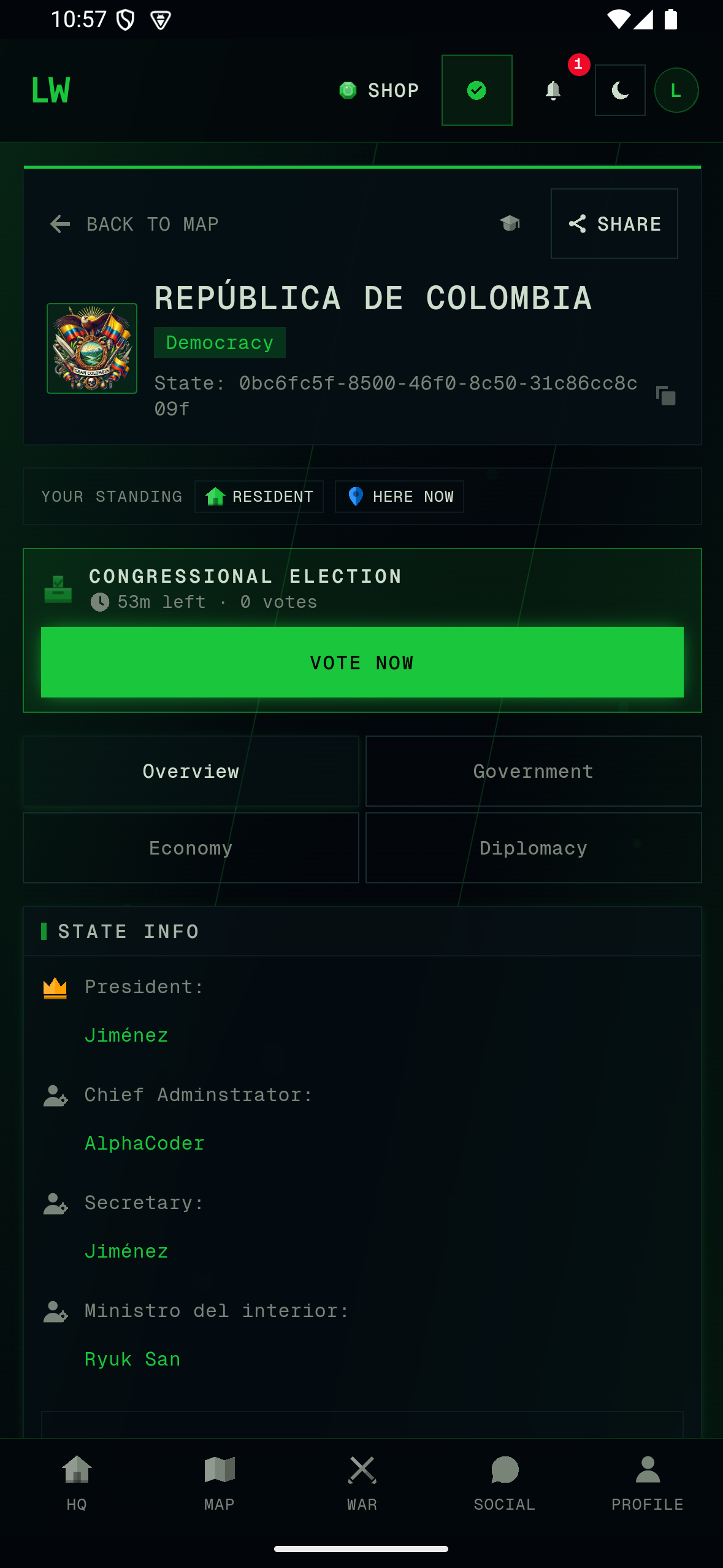
Player-run states, elections, and ministers — native Android screenshot.
-
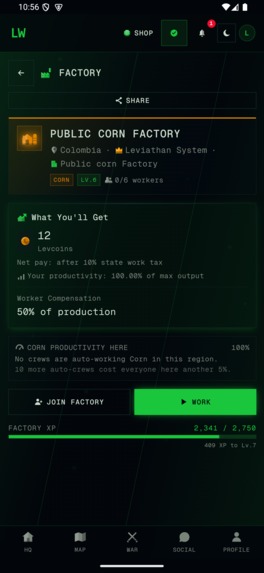
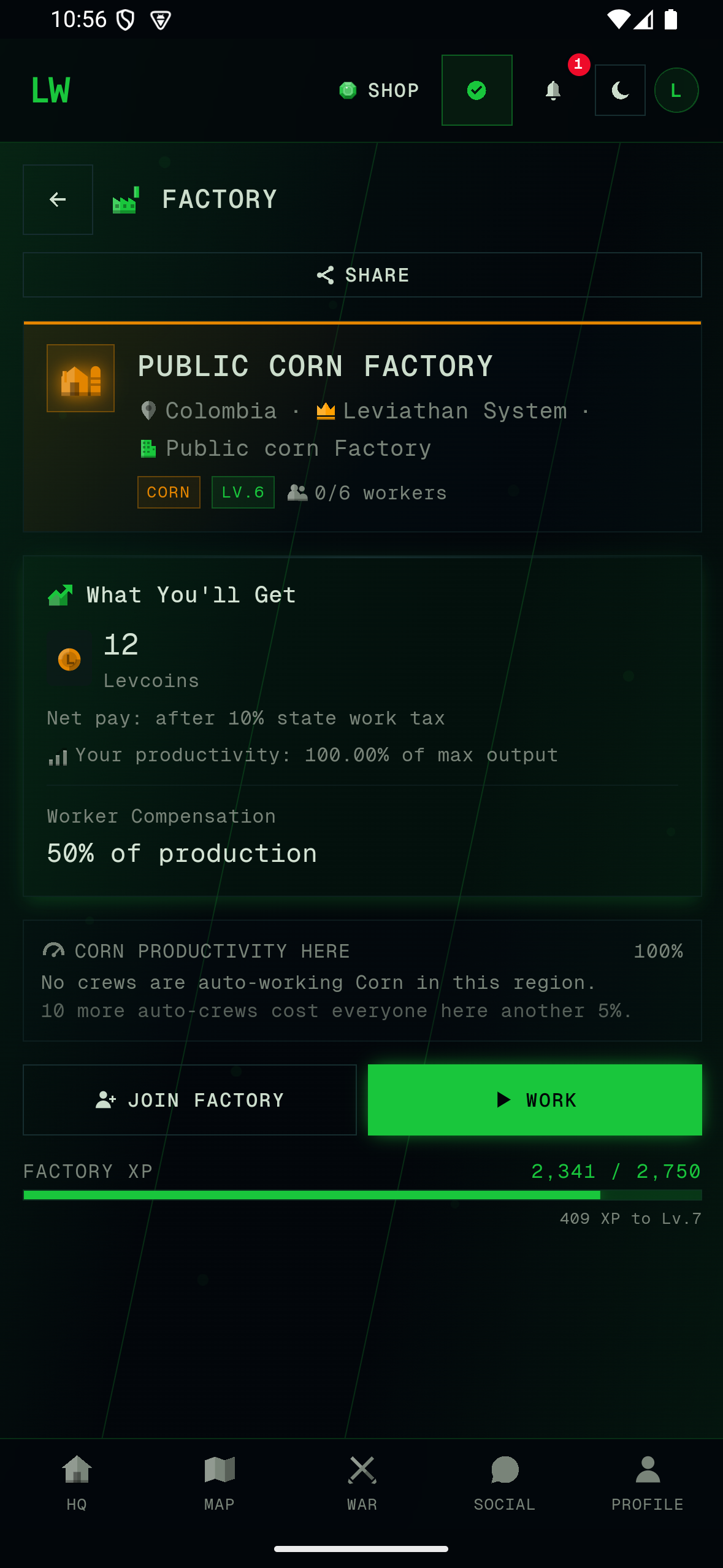
Factories: production, worker compensation, and state taxes — native Android screenshot.
-
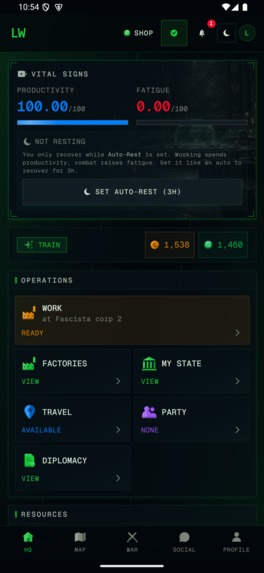
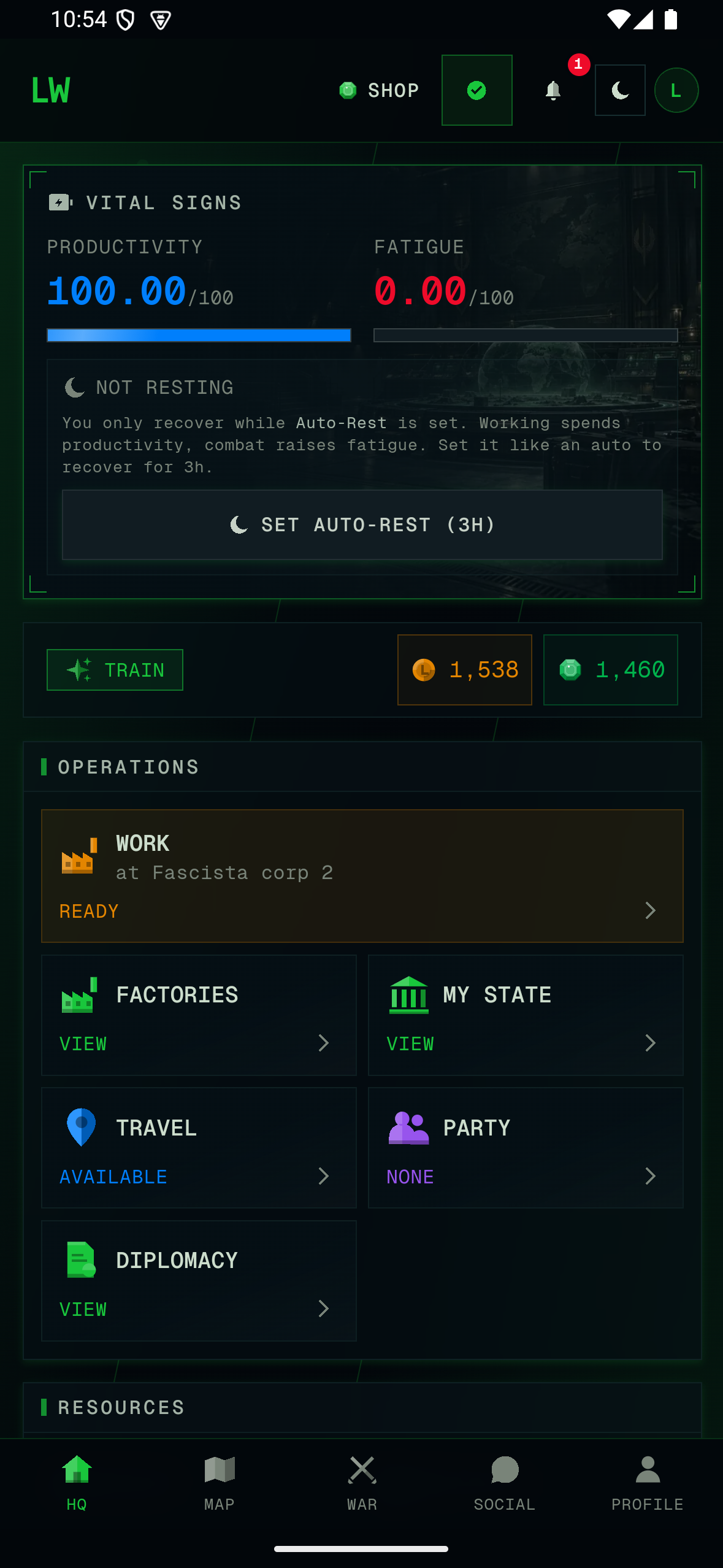
HQ: vital signs, operations, and resources at a glance — native Android screenshot.

Inspiration
What if the most important resource in a strategy game was the ability to organize people?
Leviathan War is built around that question. Its world is persistent, its governments are run by players, and its history emerges from the decisions of a community. A border matters because someone must defend it. A factory matters because someone must work in it. A government matters because people can support it, change its laws, or overthrow it.
What it does
Leviathan War connects politics, production, trade, and territorial conflict in one online strategy MMO. Players can work and build industry, trade resources, train and equip their characters, join political parties, participate in elections, shape laws, and coordinate wars and coups.
Geography makes those decisions concrete: regions have terrain and resources, neighbors determine expansion opportunities, and travel has a cost. Economic and political choices feed back into military power, so the game gives players reasons to negotiate and cooperate as well as compete.
There is no scripted final victory. Players choose their own ambitions: build a business, serve a state, lead an alliance, defend a homeland, or challenge an established government. The same systems produce different stories as the people using them change.
How we built it
The project uses a shared TypeScript foundation: React 19 for the interface, Hono on Bun for the API, and PostgreSQL with Drizzle for persistent world state. Shared schemas and game formulas keep the client and server aligned. Capacitor packages the web interface into iOS and Android clients, with native integrations for purchases, sign-in, and secure session storage.
RevenueCat powers the native purchase flow for Pro subscriptions and emerald packs. Purchases are associated with the player's account; server-side webhook processing applies entitlements and currency grants. The app also provides purchase restoration and subscription-management access.
The interface uses a command-center aesthetic, a strategic world map, compact status panels, and a consistent set of game icons. Nine interface languages and a multilingual wiki with formula calculators help make a complex world easier to enter and understand. On supported iPhones, a Live Activity brings the training countdown to the Lock Screen and Dynamic Island.
Challenges and what we learned
The hardest engineering problem is keeping a shared world trustworthy when many players act at once. Resource transfers, combat, government decisions, and purchases need consistent server-side rules. The implementation uses database transactions, validated inputs, and tests around game formulas and API behavior, including integration tests against real database migrations.
Another challenge is making one product behave appropriately on the web and in native apps. Store purchase flows, restore controls, account state, and asynchronous entitlement updates require careful handling. Keeping the underlying world and game rules shared lets the platform-specific work stay focused on those differences.
A central design lesson is that depth needs explanation. Clear action states, localized copy, guided onboarding, and published game formulas help players understand the consequences of their choices.
What we are proud of
Leviathan War brings together systems that are often separate games: a production economy, political institutions, diplomacy, and territorial conflict. Their interaction creates the core experience. A successful player needs other people, and a successful community can leave a lasting mark on the map.
We are also proud of the practical details around that ambition: shared game logic across platforms, native RevenueCat purchases, multilingual support, and a distinctive interface built for a world that keeps moving between visits.
What's next
The next priority is to learn from real play: improve onboarding, tune economic and combat balance, and refine the mobile experience. Growth should strengthen the world itself by helping new players find communities and meaningful roles. Monetization and retention will be evaluated alongside the health of that shared world.
Play on the web: https://leviathanwar.com Explore the game wiki: https://wiki.leviathanwar.com
Built With
- bun
- capacitor
- drizzle
- hono
- postgresql
- react
- revenuecat
- tailwindcss
- typescript
