Inspiration
What if learning, wordplay, and storytelling felt like stepping into a magical storybook?
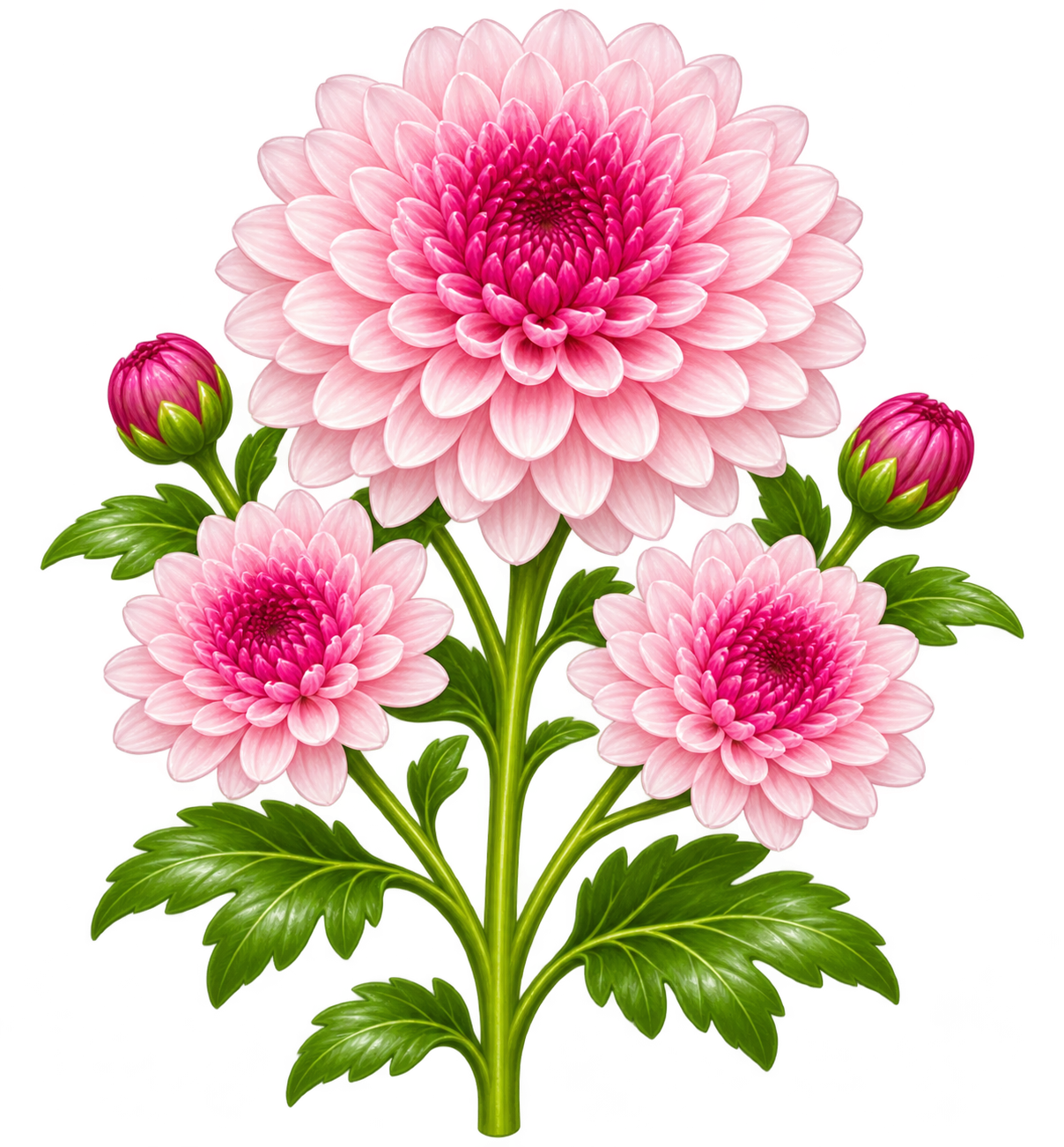
Letter Town began with a simple idea: grow letters like flowers, turn those letters into words, and use those words to bring a town back to life.
We wanted to create a cozy game where creativity matters more than speed, mistakes become opportunities for discovery, and players can enjoy language without feeling like they're taking a test.
Inspired by gardening games, word puzzles, interactive storytelling, and whimsical children's books, Letter Town combines familiar activities in an unexpected way.
What it does
Players plant seeds, water flowers, and harvest letters to build their personal Letter Bank. Those letters can be combined into words, used to complete requests, or turned into stories.
Along the way, players can:
Meet colorful residents, including Hudson, Snowy, Merry, Kit, Phineas, and Mayor Ren.
Grow flowers and collect letters in their garden.
Spell words using harvested letters.
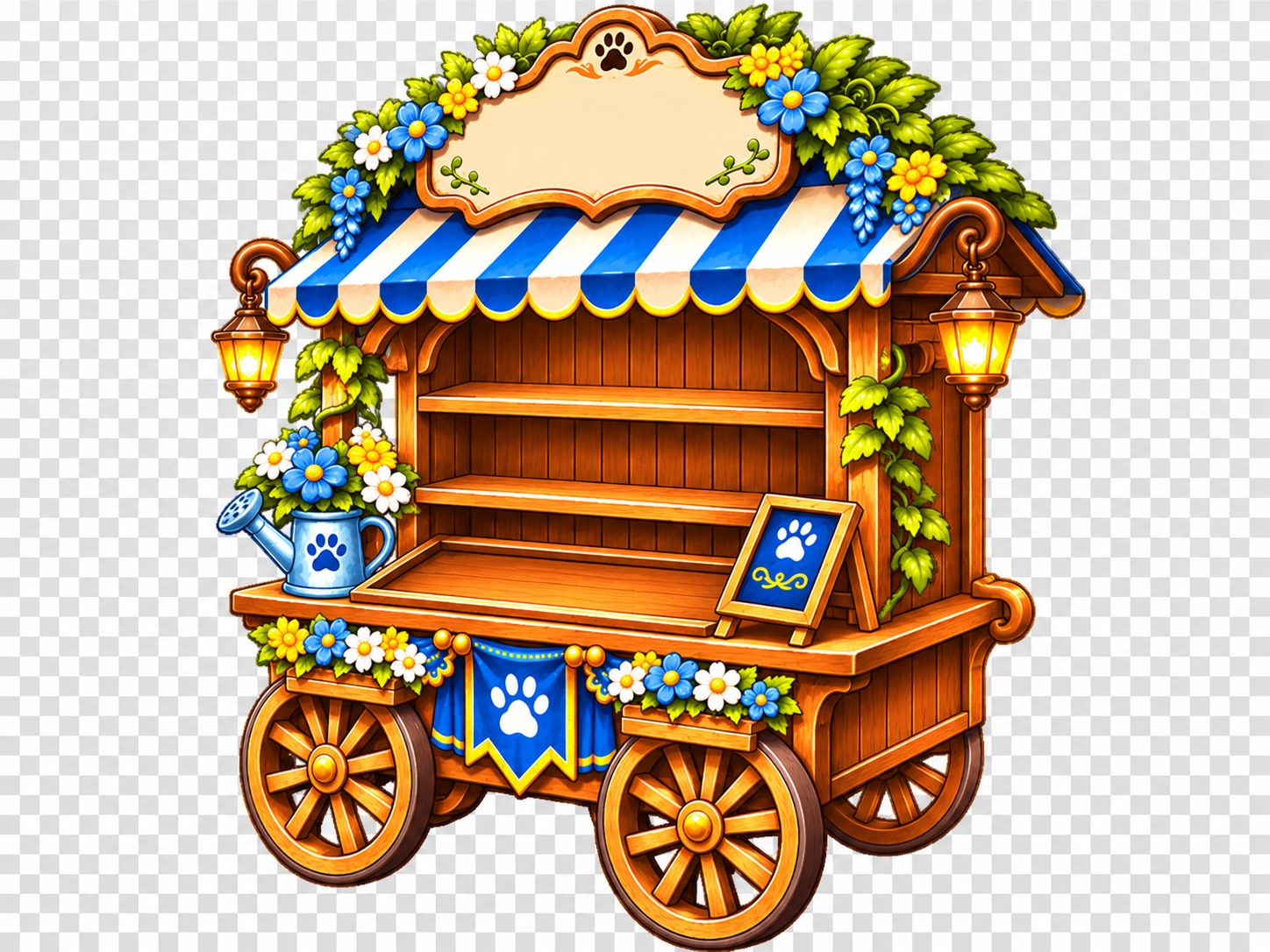
Run a Word Cart and sell flower arrangements.
Earn coins, purchase seeds, and develop their garden.
Choose a cottage and begin making Letter Town their home.
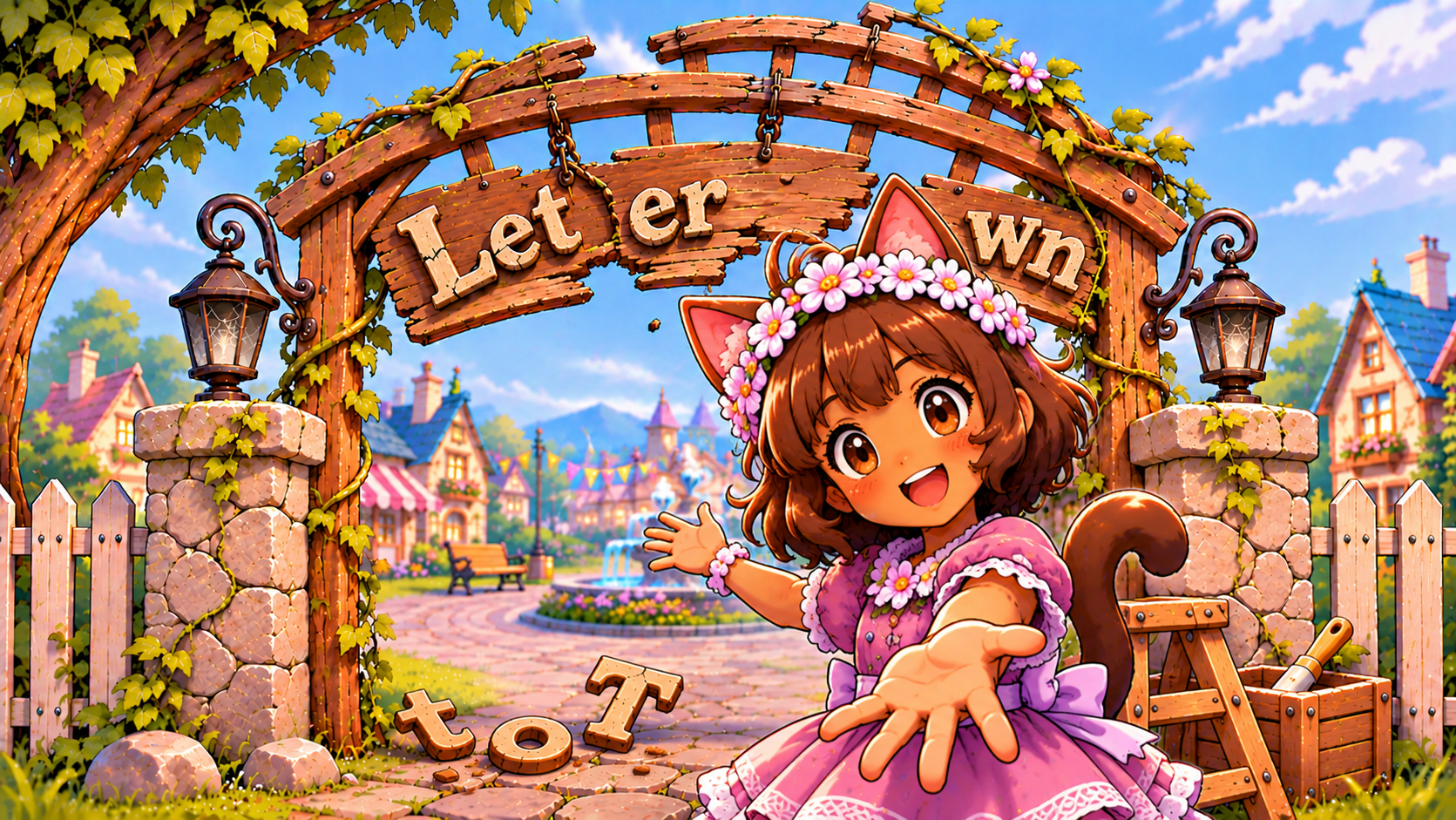
Complete a Mad Lib-style story that helps restore the town's missing Welcome Sign.
Letter Town is being developed for both 2D web/mobile gameplay and immersive VR, with the same characters, story, and world adapted to different ways of playing.
How we built it
We developed Letter Town using an AI-assisted creative workflow, bringing together game design, illustration, programming, and iterative testing.
The project uses two development tracks:
2D version: Built using Replit, with browser-based interfaces, interactive gardening, word-building, shopping, dialogue, and story progression.
VR version: Built with Claude Code using web technologies and WebXR, allowing the game to run in the Meta Quest browser. The VR prototype supports interactions such as planting, watering, harvesting, and selecting objects using headset controls.
We also created an extensive library of custom visual assets, including residents, flowers, books, shops, backgrounds, and decorative objects. GitHub serves as a shared repository for project files and assets.
We tested both versions through recorded gameplay sessions, using the recordings to identify usability, visual, and progression problems.
Challenges we ran into
Although both versions shared the same design goals, they began to diverge visually. Some custom artwork wasn't integrated as intended, while other areas relied on temporary graphics or interface-heavy layouts.
Other challenges included:
Making VR interfaces comfortable to view and interact with.
Improving hand tracking and object manipulation.
Managing a growing collection of custom assets.
Ensuring story progression, gardening, and word-building worked together.
Balancing guided tutorials with player freedom.
Keeping text readable across different screens and headsets.
Testing complex gameplay without losing the cozy, approachable feel.
These challenges helped us recognize the importance of maintaining one consistent visual and gameplay specification across platforms.
Accomplishments that we're proud of
We're proud that Letter Town has grown from an unusual idea into two playable implementations with real gameplay systems.
Some of our favorite accomplishments include:
Creating a gardening system where flowers produce letters instead of ordinary crops.
Connecting word-building to a town economy through shops, requests, and rewards.
Developing a cast of original characters with distinct personalities.
Building an interactive introduction that guides players through the town.
Bringing Letter Town into a VR headset and successfully testing planting, watering, harvesting, and word interactions.
Creating a story system where the player's words help shape the narrative.
Producing a large collection of custom artwork to establish Letter Town's visual identity.
Most importantly, we now have working foundations for a game that combines language, creativity, gardening, and storytelling.
What we learned
We learned that making a game playable and making it feel like the world we imagined are two very different milestones.
Working with AI development tools helped us build and test ideas quickly, but it also demonstrated that detailed instructions alone don't guarantee a consistent creative result.
We learned to prioritize shared assets, explicit design references, smaller testable milestones, and real gameplay recordings over assumptions about what was working.
We also discovered how different wordplay feels when it becomes a physical activity. Planting a seed, harvesting a letter, and arranging letters into words introduces a tactile quality that traditional word games don't usually have.
Above all, Letter Town reinforced our belief that learning and creative play can be part of the same experience.
What's next for Letter Town
Our next priority is bringing the 2D and VR versions closer together visually, so they feel like two ways of visiting the same town.
We're working toward:
A more immersive, fully illustrated and modeled town environment.
Improved VR hand interactions and more comfortable interface placement.
Better integration of our existing character, garden, and environment artwork.
Expanded resident interactions and side quests.
Additional wordplay involving homonyms, synonyms, and wonderfully chaotic misunderstandings.
More story chapters, decorations, shops, and activities.
A more polished mobile-friendly experience.
Continued accessibility improvements and optional ways to play at different paces.
Eventually, we want Letter Town to feel like a place players can return to, grow their gardens, collect words, create stories, and discover something new each time.
In Letter Town, every word has a place to grow.
Built With
- claude-code
- css3
- elevenlabs
- github
- html5
- javascript
- meta-quest-3
- three.js
- webxr

