-
-
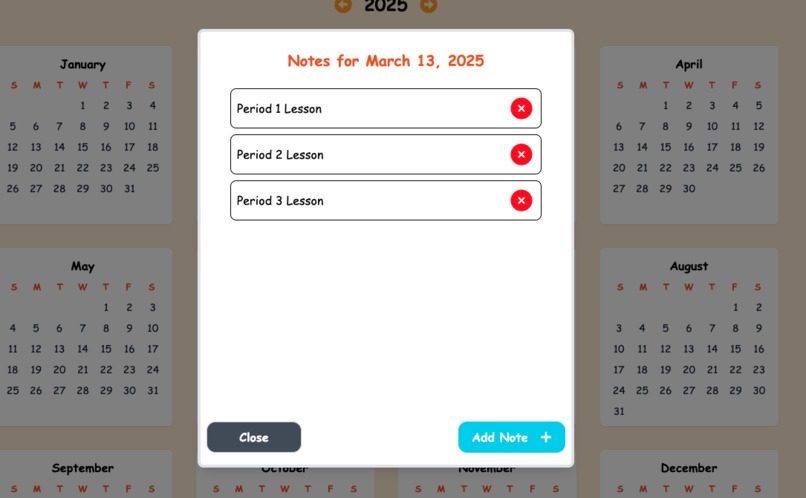
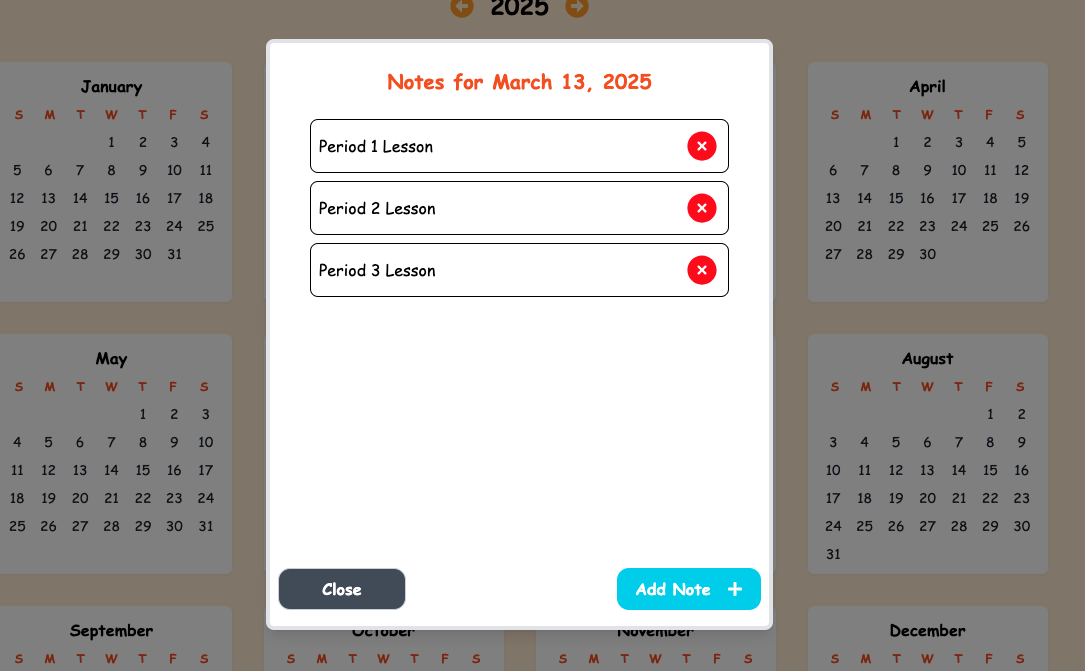
Multiple lessons for one day
-
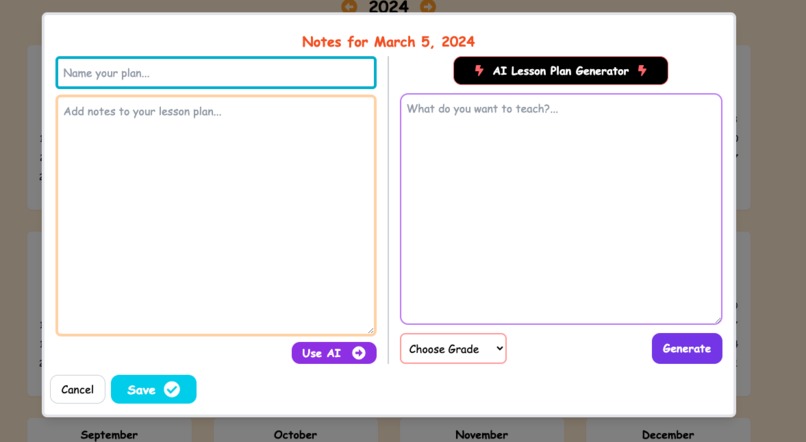
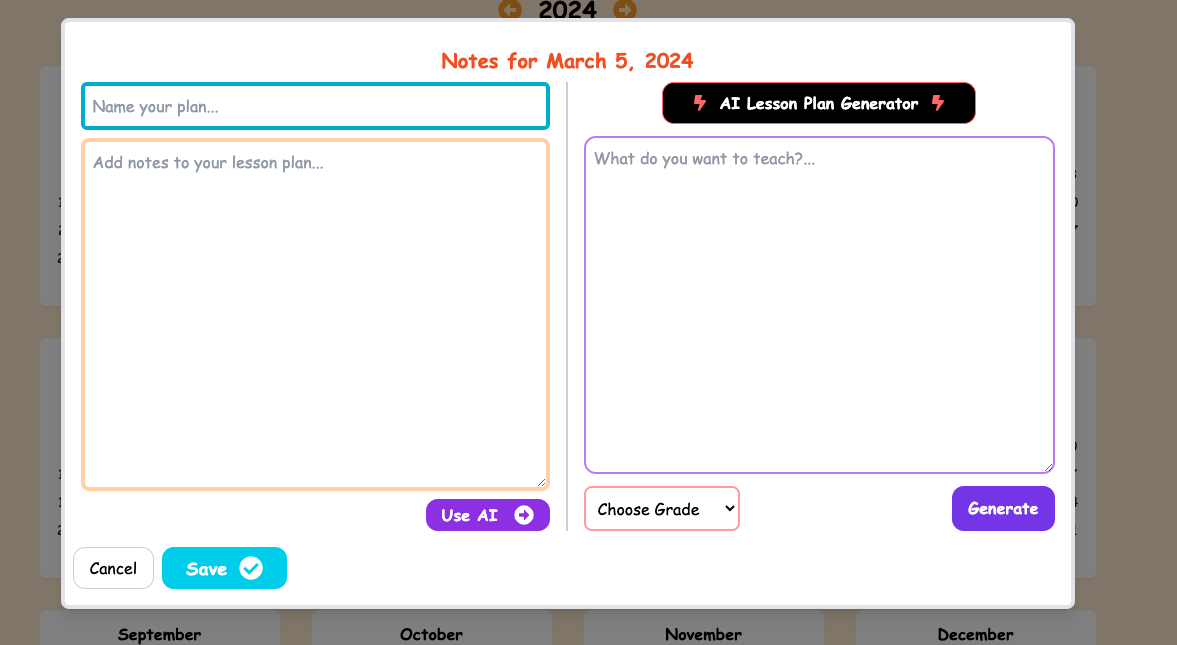
Creating a lesson plan with/without AI
-
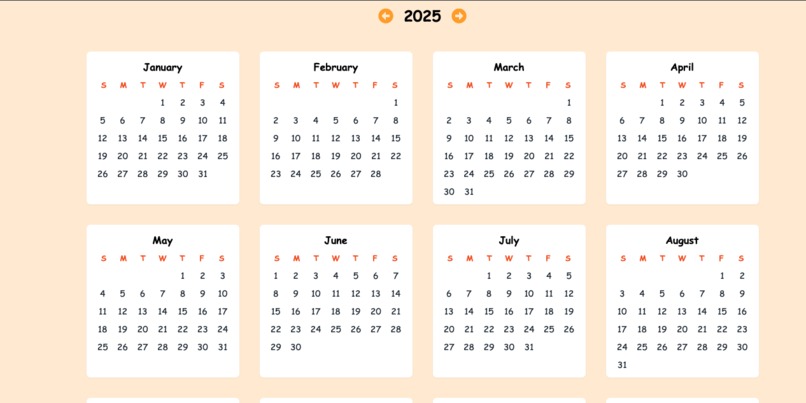
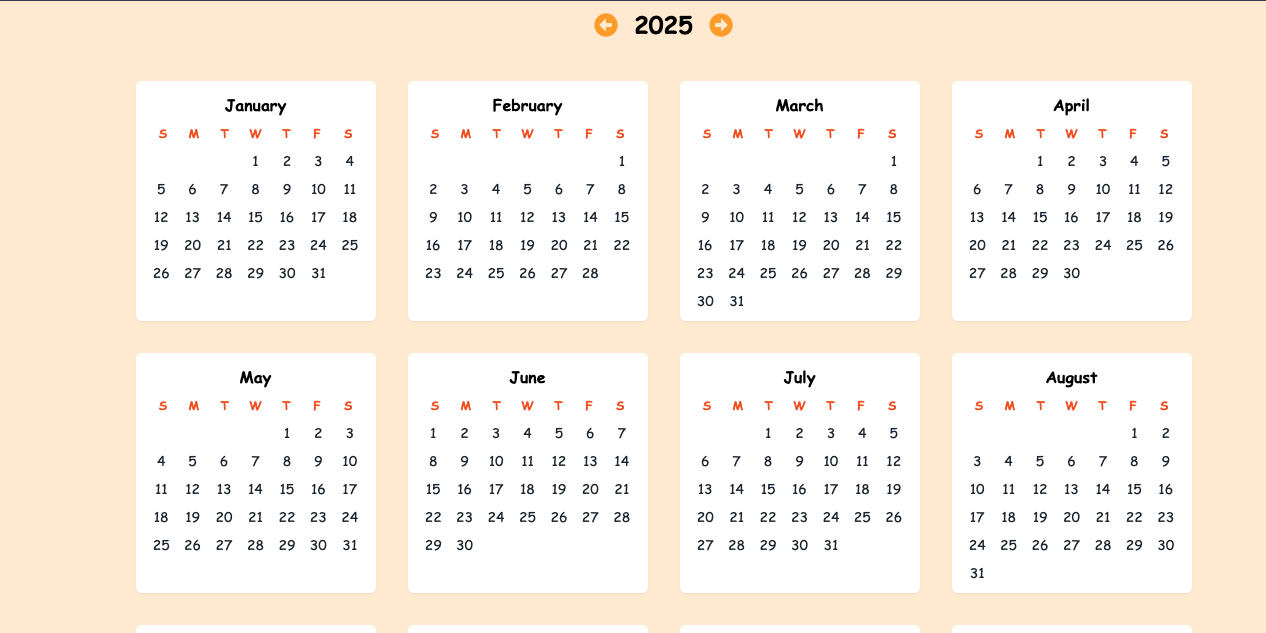
Store lesson plans for the day you want directly on the calendar
Inspiration
The inspiration for Lessonly stemmed from observing the daily struggles teachers face when managing lesson plans, taking notes, and organizing class activities. Traditional tools are often cumbersome and disconnected, leaving teachers with less time for meaningful teaching. We wanted to create a centralized hub for lesson plans that is both accessible and easy to use.
What it does
Lessonly is a platform for teachers to create and manage their lesson plans. It offers features like calendar-based note management, AI-powered lesson plan generation, and user authentication. Teachers can create, edit, and organize lesson plans while having the choice of using AI to generate tailored plans for specific topics and grade levels.
How we built it
We used Python and FastAPI to build the backend for managing data and handling AI queries. The frontend was developed using React and Tailwind CSS to ensure a clean user interface. SQLite served as the database during development. We also used the OpenAI API; OpenAI's GPT model was integrated into the backend to enable lesson plan generation.
Challenges we ran into
One of the major challenges was parsing the AI's response and displaying it into a format that was appealing to the user. Different requests to the AI model often resulted in differently structured responses, which needed to be processed. In addition, managing frontend state interactions when integrating features like calendar-based note retrieval and modals that open and close based on a variable's state, were also quite challenging.
Accomplishments that we're proud of
Building a clean and responsive frontend that dynamically adapts to user input was a big achievement. In addition, tying the backend and the frontend so that various requests and responses were handled seamlessly is another accomplishment that we are proud of.
What we learned
Throughout the development of Lessonly, we gained deeper experience in creating a full-stack application. We improved our skills in backend development, frontend state management, and API design. In addition, this was our first hackathon, and working under the constraints of a hackathon taught us how to prioritize features and collaborate effectively as a team.
What's next for Lessonly
Future plans for Lessonly include creating collaborative features that allow multiple teachers to work on a lesson plan, as well as share lesson plans. We also aim to enhance the AI capabilities for generating interactive activities and assessments. Finally, we hope to move this application to the cloud and host it to make it accessible from the Internet.


Log in or sign up for Devpost to join the conversation.