-

LOGO
-
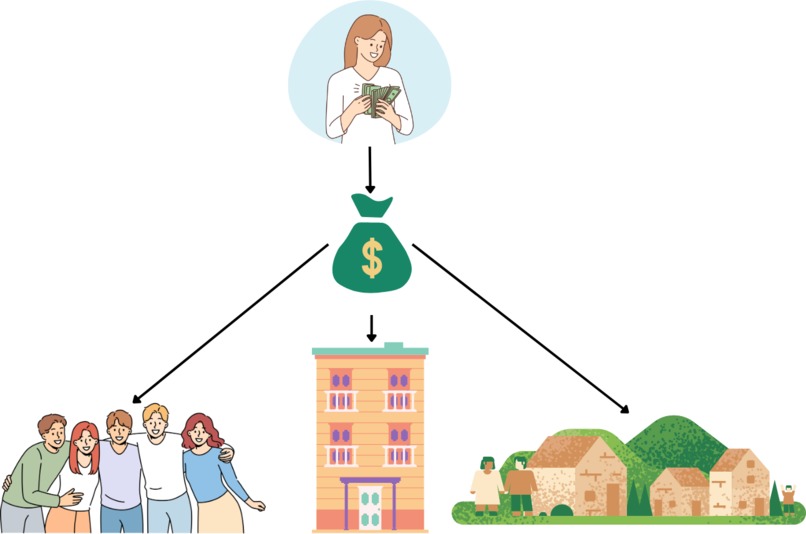
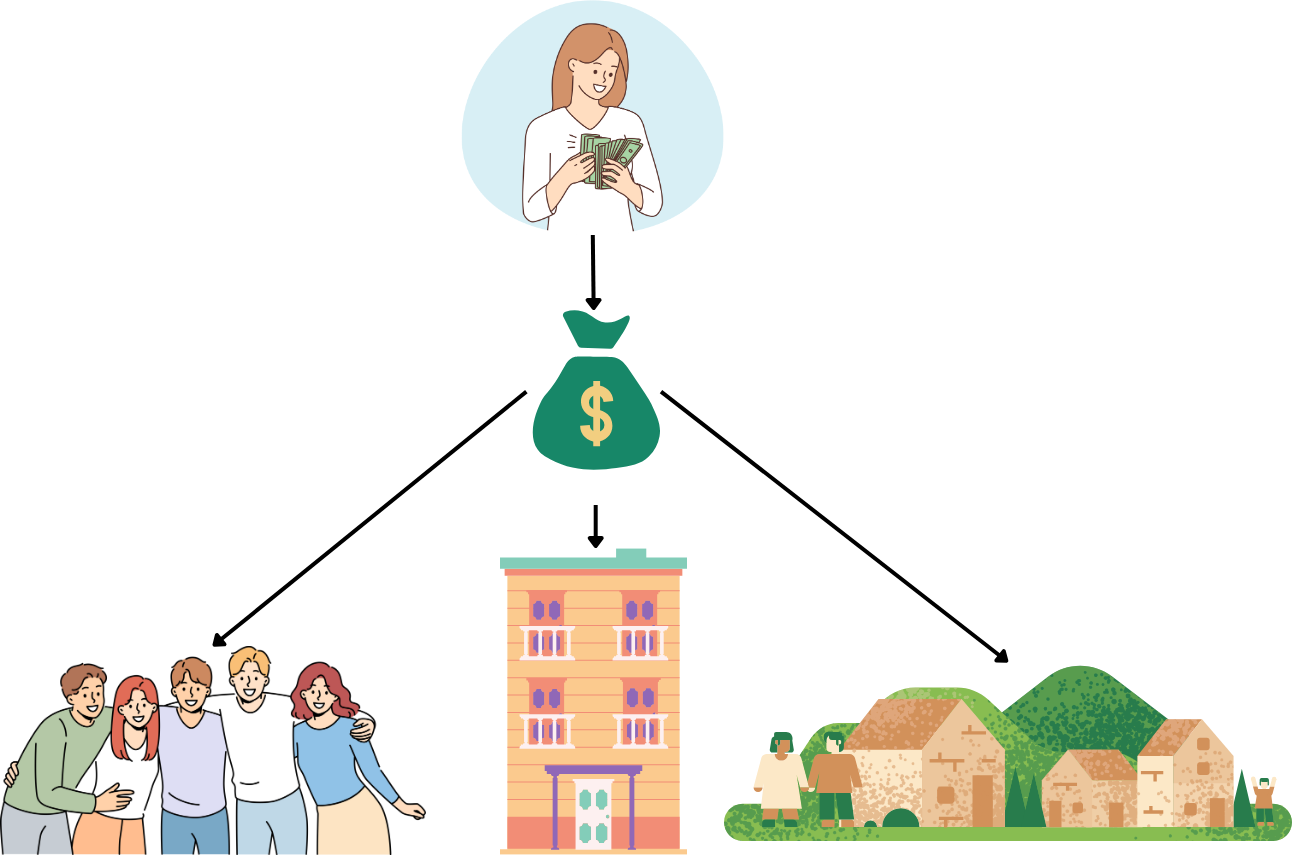
Abstract idea
-
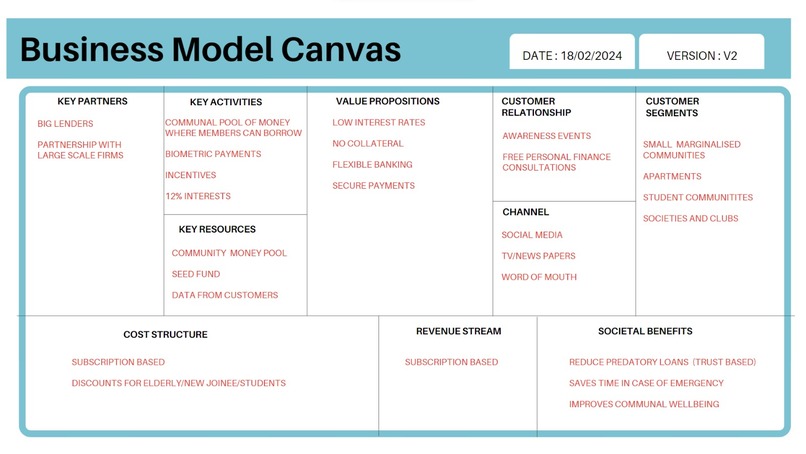
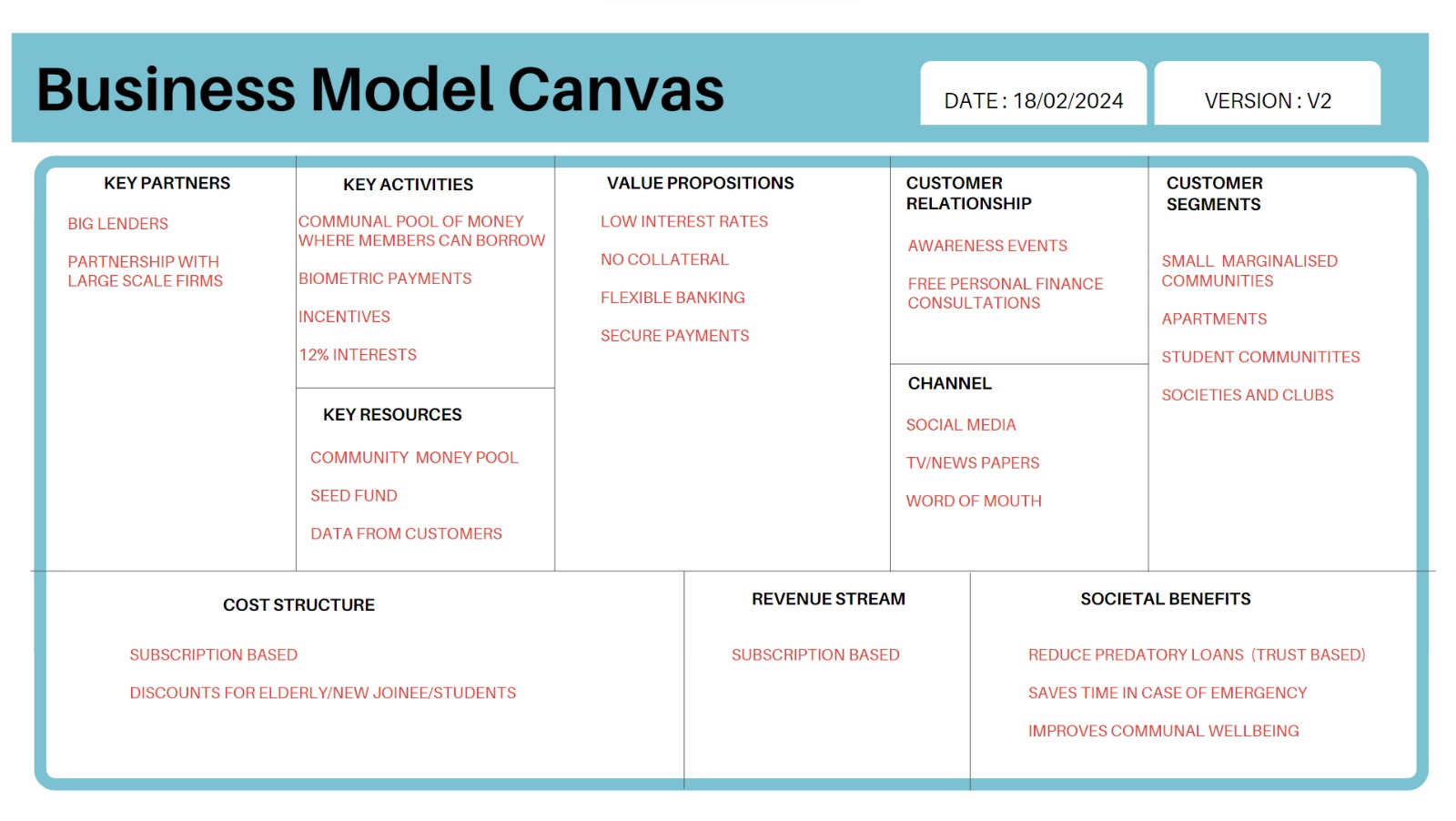
Business Model Canvas
-
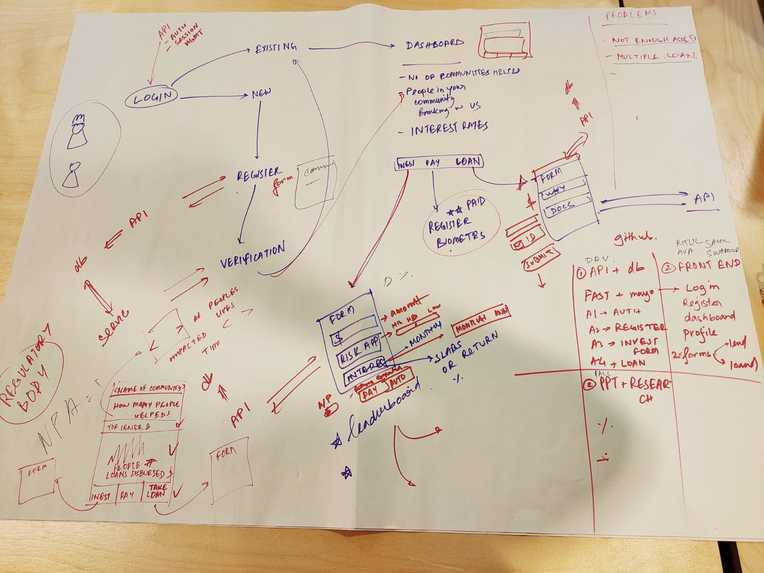
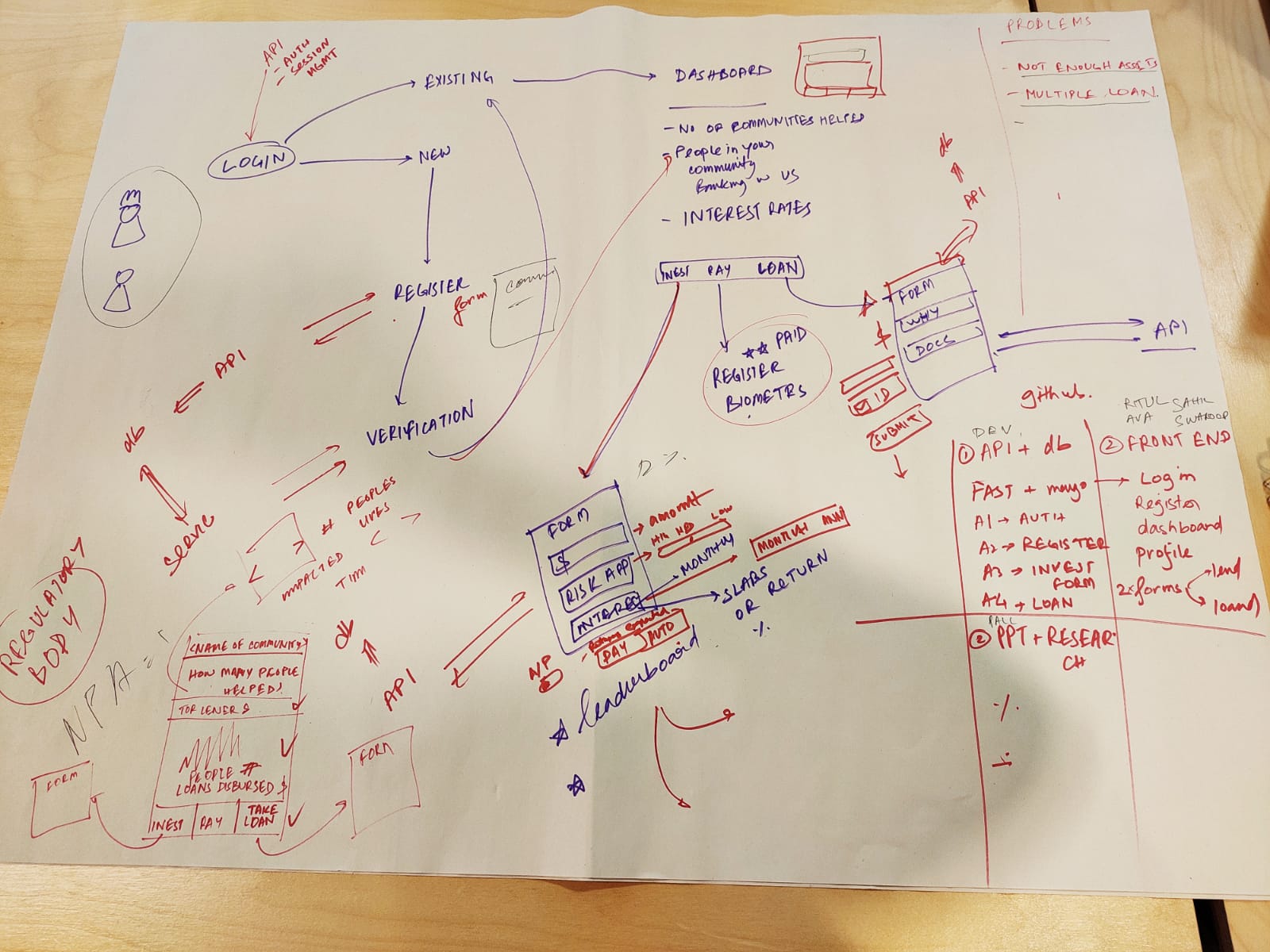
Inital Flow diagram draft
-
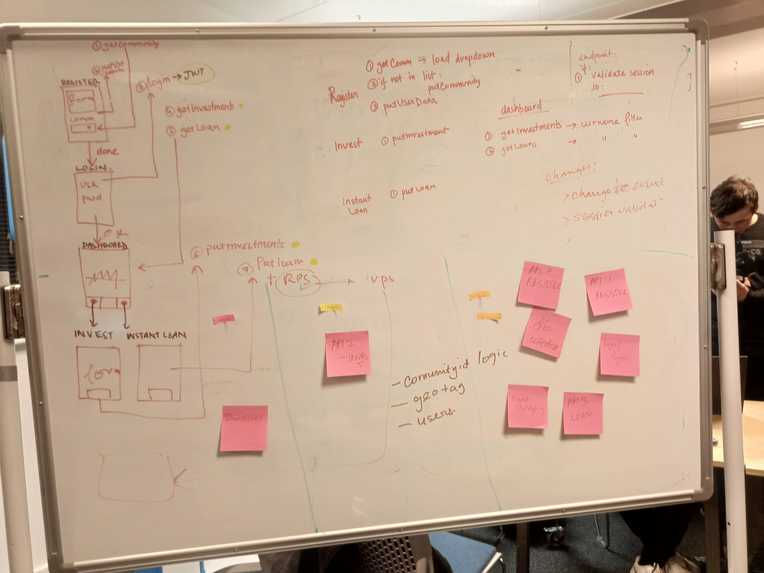
Kanban Board
-
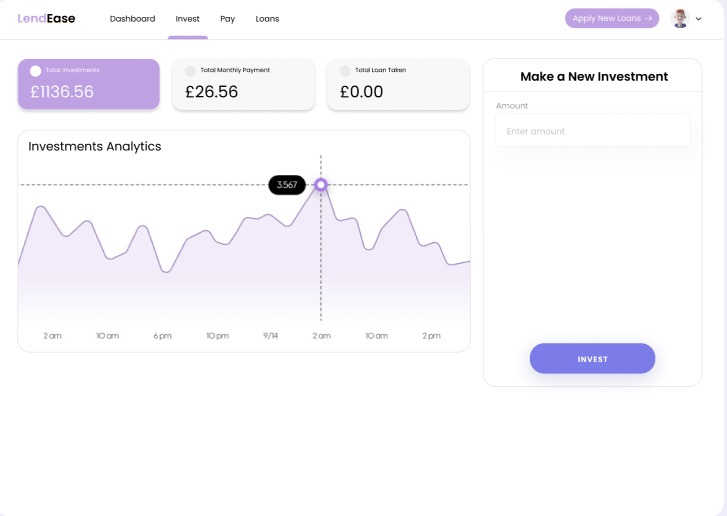
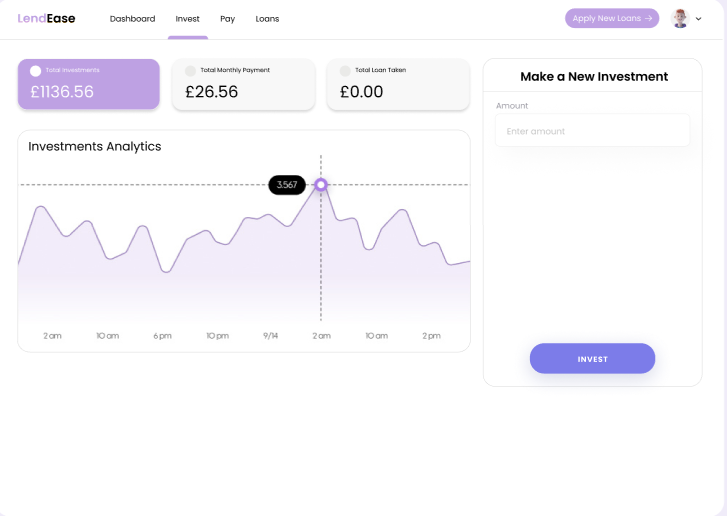
Figma design - Invest
-
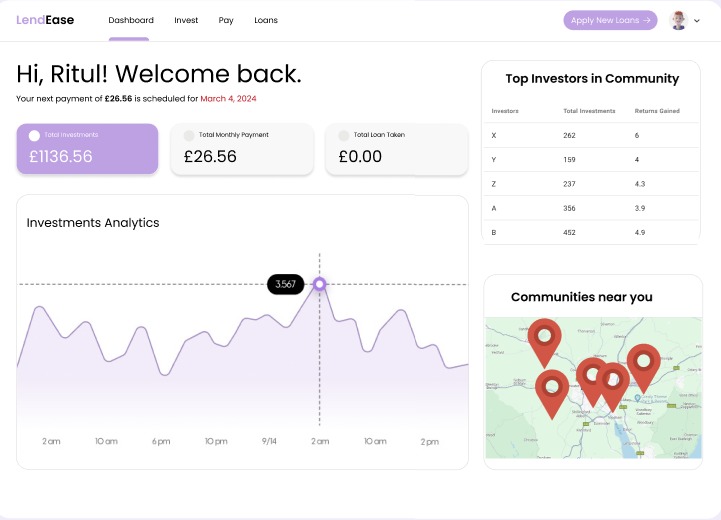
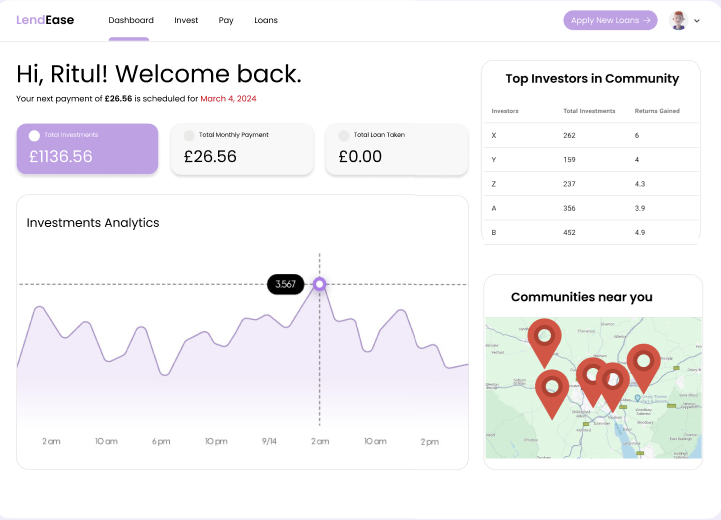
Figma design - Dashboard
-
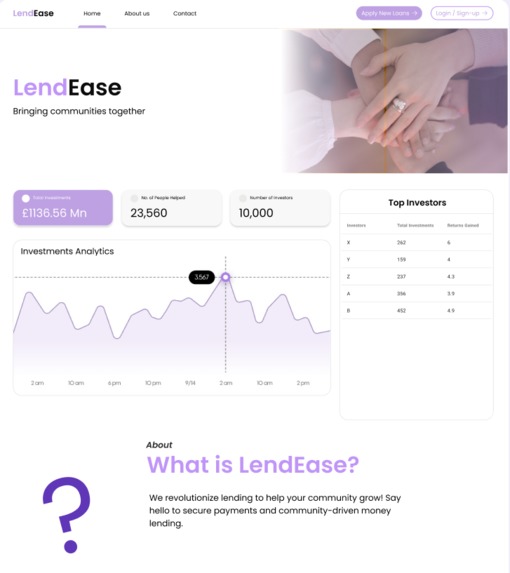
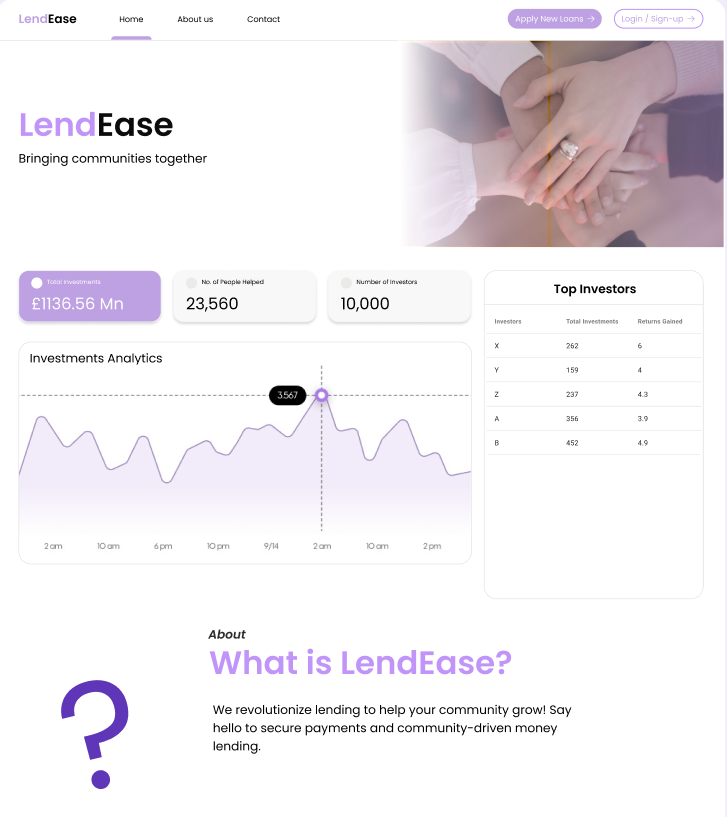
Figma design - Landing Page
-
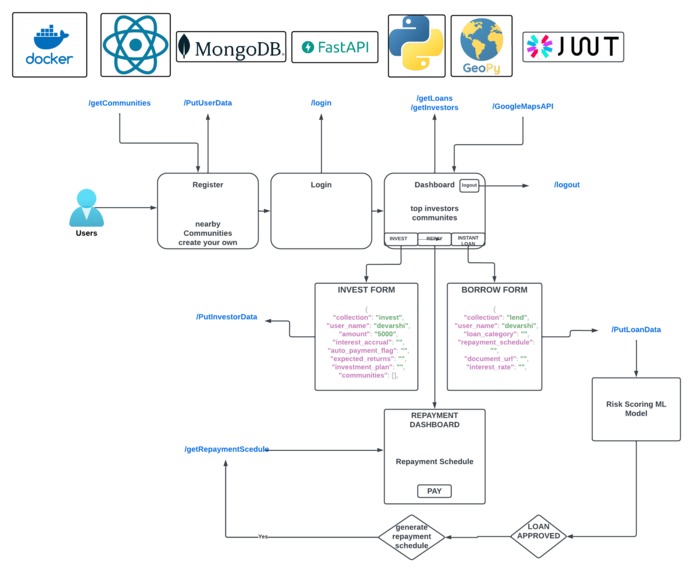
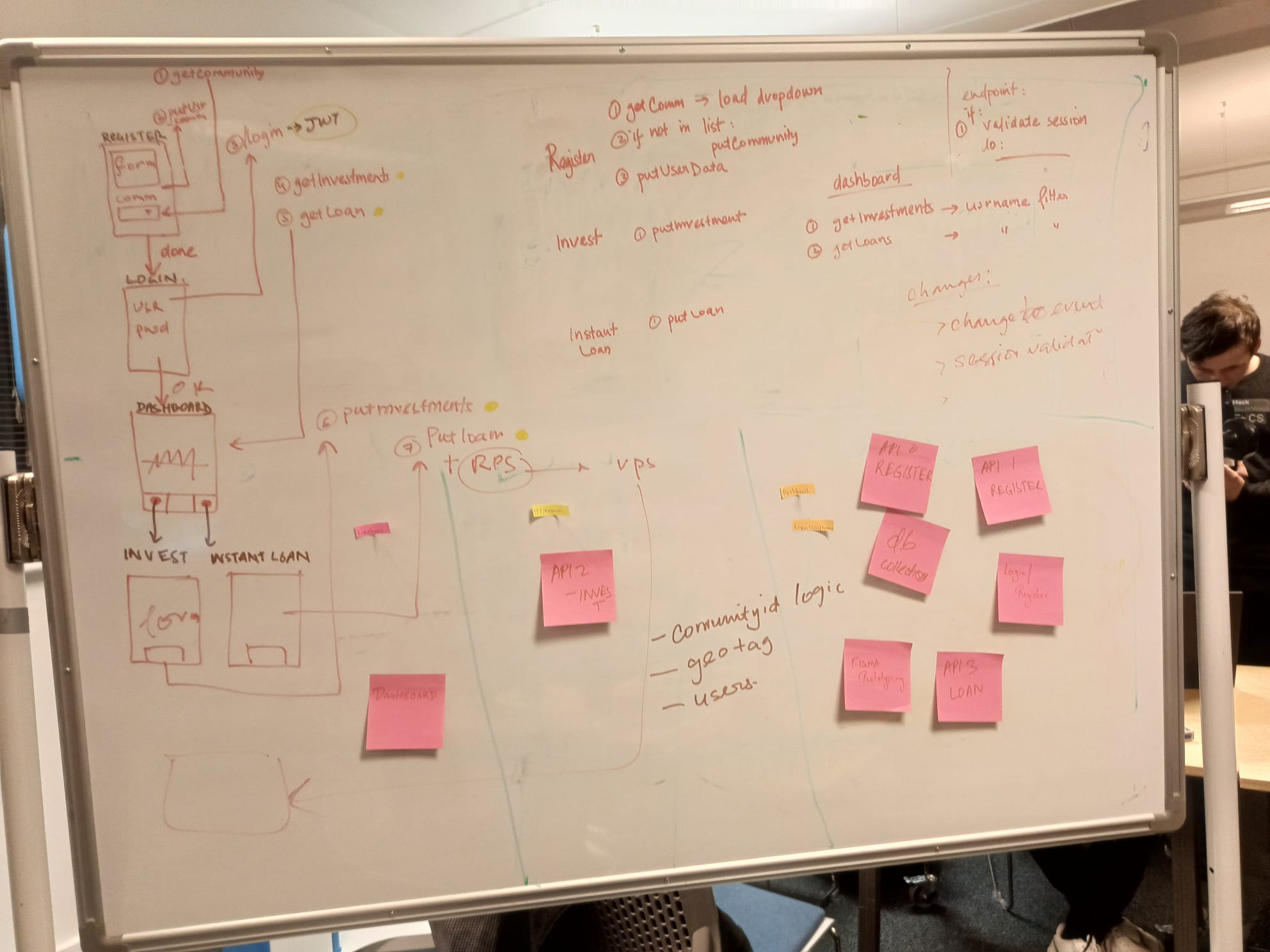
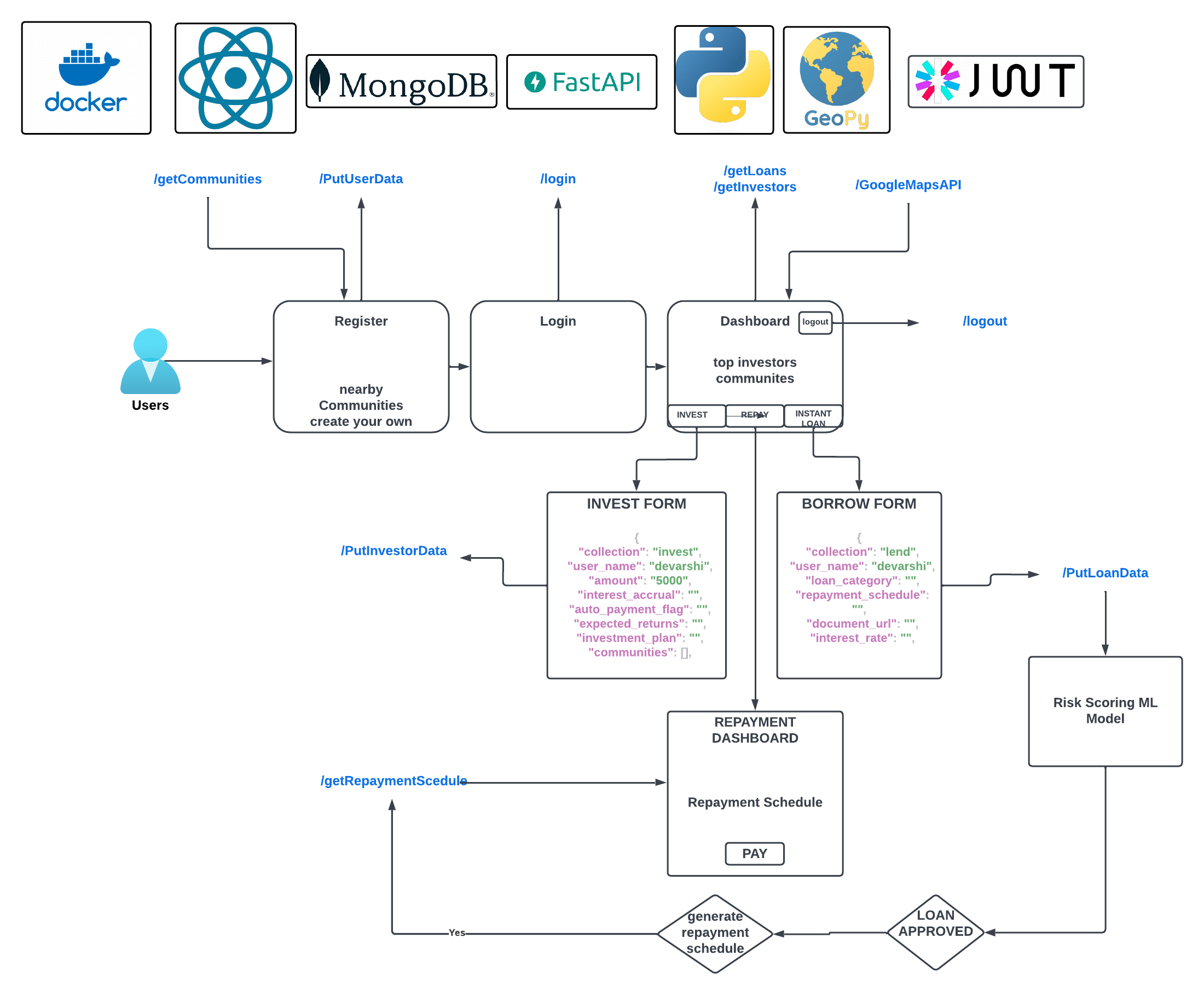
App flow diagram
-
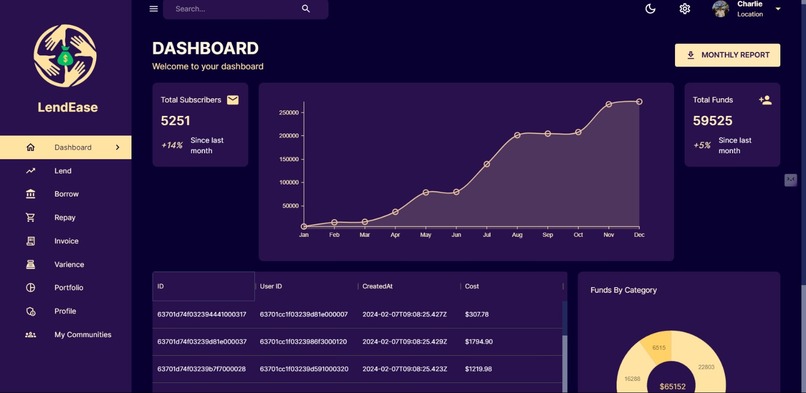
Dashboard
-
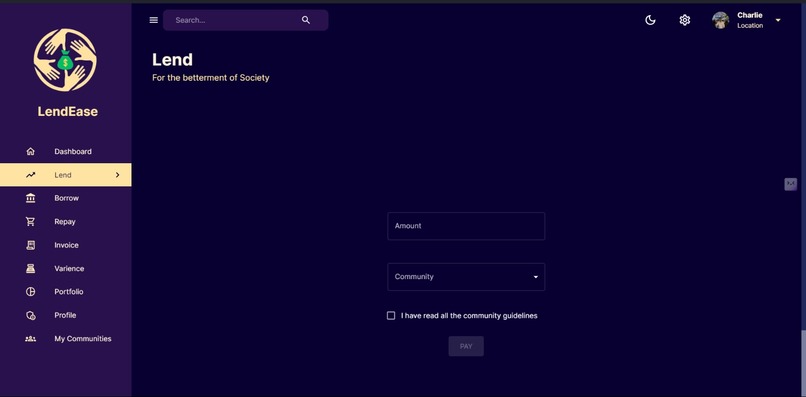
Lend page
-
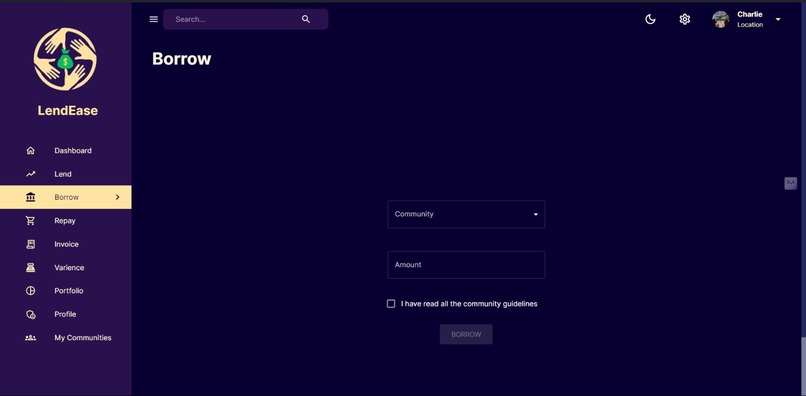
Borrow page
-
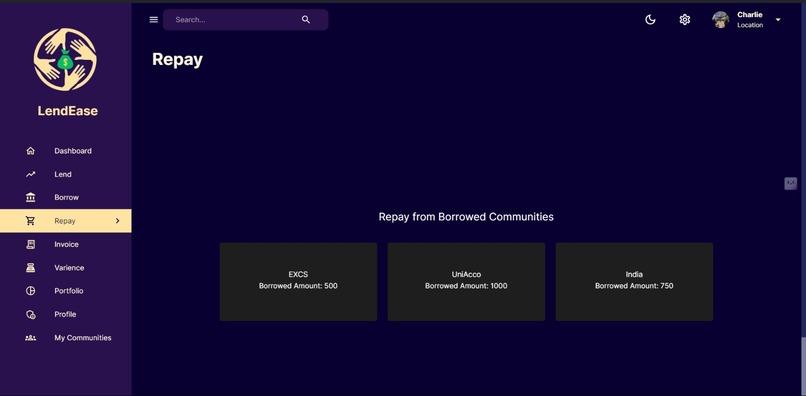
Repay page

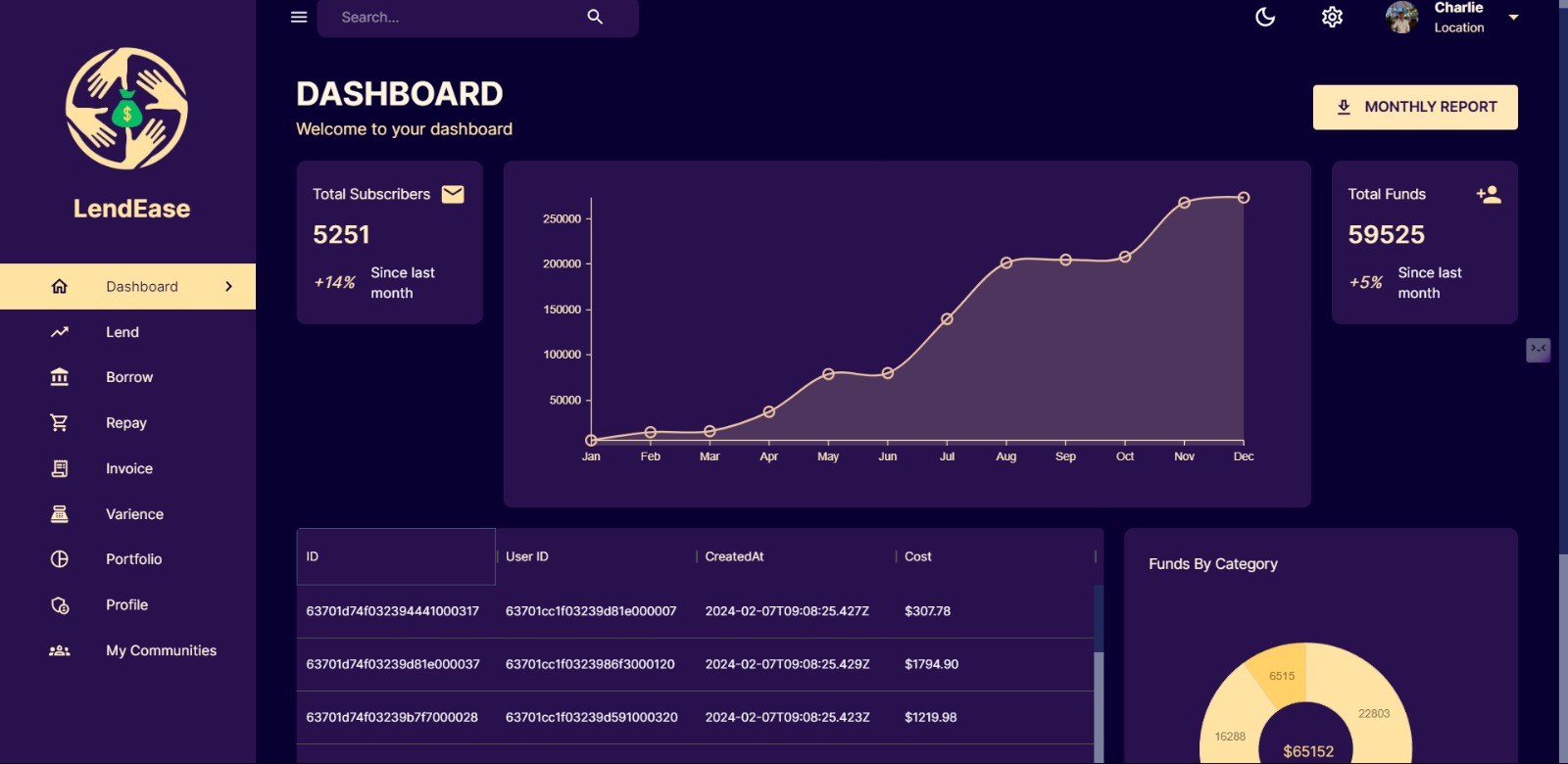
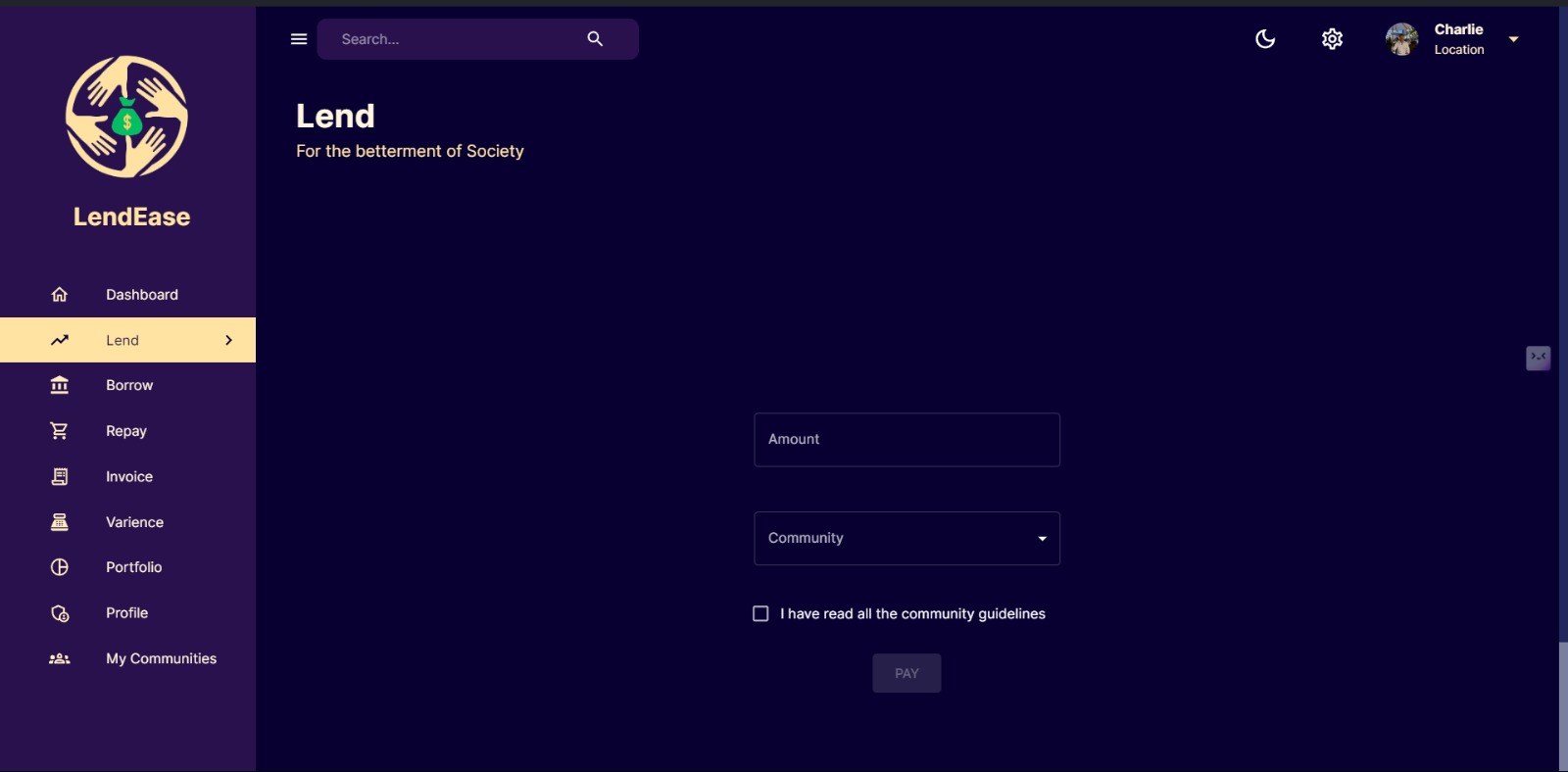
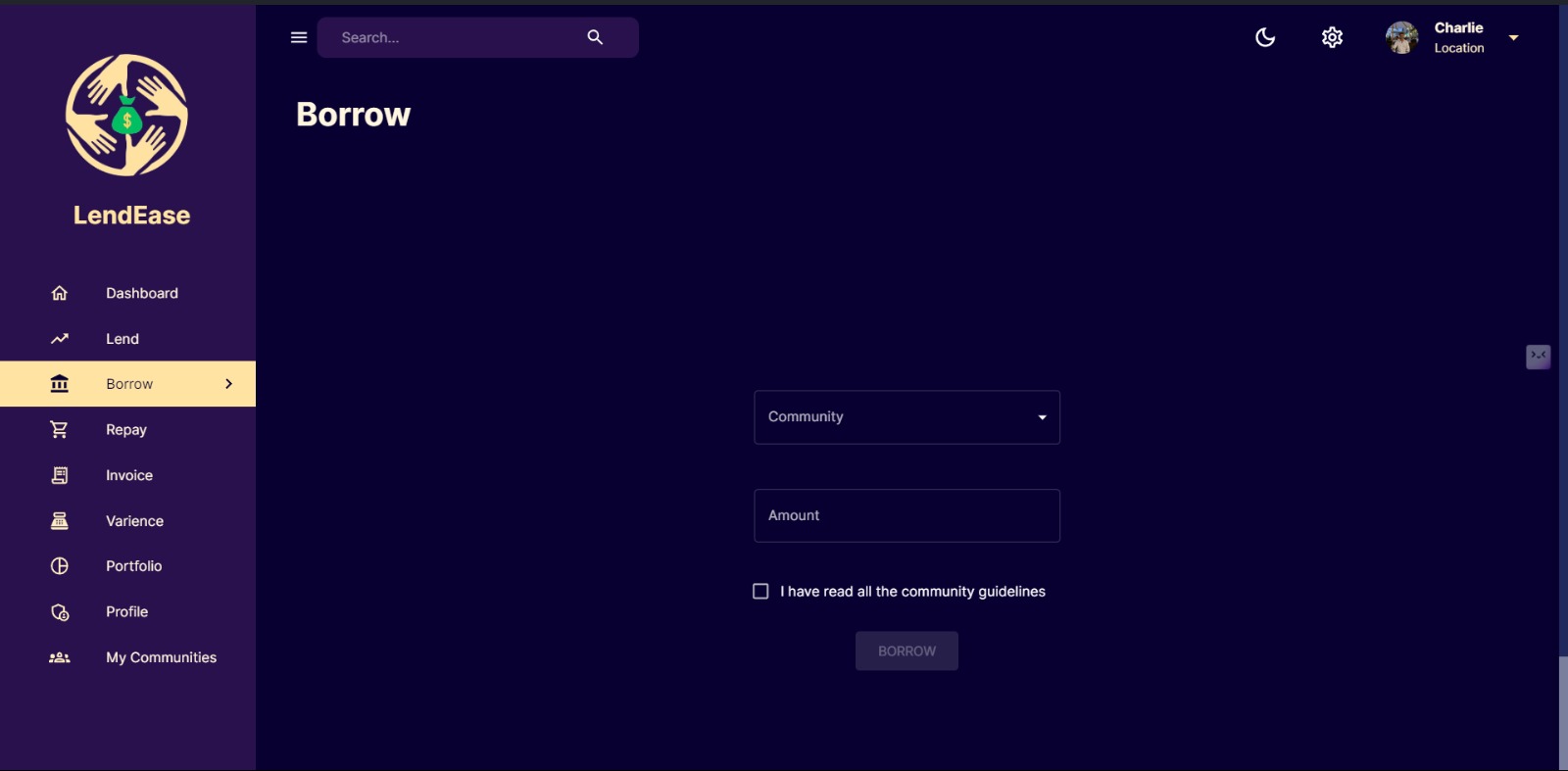
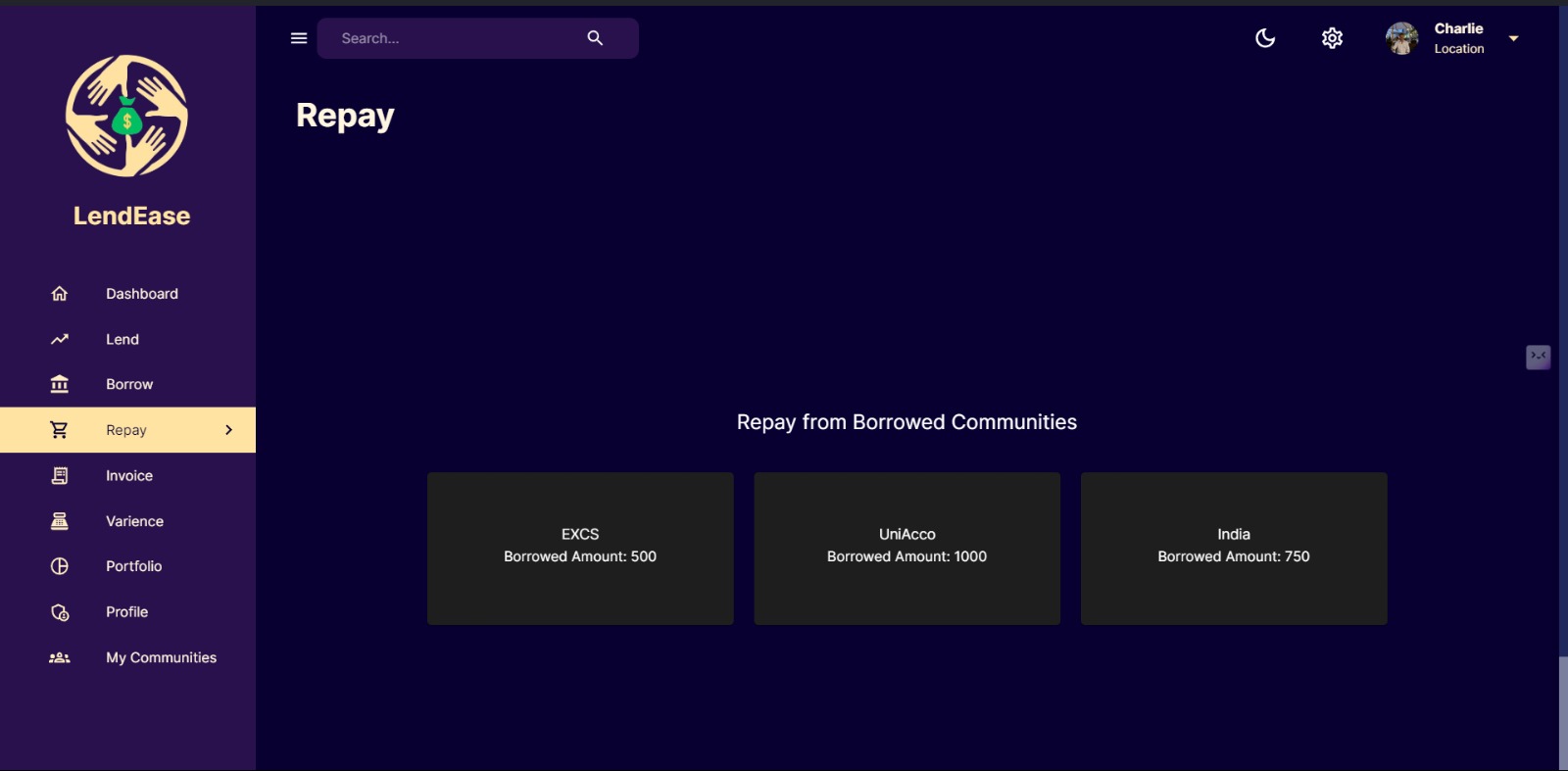
LendEase: A community-driven lending platform
Link to GitHub repo:
Inspiration:
The theme of ‘Finance’ has innumerable problems to solve; however, our main objective was to tackle a challenge in the sector that would encourage sustainable living and community growth. From our research, it was clear that people’s trust in traditional banks has decreased since the great recession, and since the news of the UK entering recession by the last quarter of 2023, there is a chance of confusion and uncertainty among the people for banks. Moreover, traditional banks often do not lend money to specific people without collateral, minorities, or documents. Even when they do, it might have to go through a lot of loopholes and take time, which may delay the response time in cases of emergencies. Specific communities, like students and the elderly, also seem to be abused by predatory money lending as they may not be familiar with financial procedures.
What it does?:
Therefore, we propose this solution: ‘LendEase’ - a community-based lending platform. The main highlights and workings of the platform are as follows:
- A platform where a community like student unions, the elderly in care homes, apartments, and leisure societies can subscribe into without collateral.
- While signing up, IDs like drivers licenses can be used to verify the individuals.
- Once subscribed, they can invest money in the pool every month.
- When the pool grows, it is available for the community to use - they can borrow money for emergencies as individuals or use it for communal activities.
- Top investors in a community will be shown in the dashboard, which will inspire others to invest
- Investors also get a defined interest rate for their money every month (this is possible by investing the pool of money into hedge funds or similar.)
- Since it is a community pool, people trust their lenders and borrowers, as they might know each other personally. The dashboard also shows the communities near you where you can join.
- The platform will also provide free financial consultations for its subscribers.
How you built it?:
Once we identified the challenge, we did a brainstorming session using a whiteboard and chart paper. The first step was to create a Business Canvas Model for the idea.
Once this was done, we moved on to creating a flow chart for our solution.
To start prototyping, we then created a Figma file.
A Kanban board to manage time
Finally coded our Figma files using React and Fast APIs
Challenges you ran into:
A couple of challenges we considered while creating the platform:
Used-up money pool: What if someone borrows all the money in the pool and it runs out? - This challenge can be solved by creating a threshold for borrowing by an individual or not allowing anyone to borrow if the amount of money in the pool goes under a specific amount until the issue is resolved.
Regulations: Who is the regulatory authority, and what are the laws to consider? - This can be solved by performing an intensive literature review on the current standards and regulations in finance.
Multiple borrowers: What if multiple people request the same amount of money or the amount they borrow in total causes the pool to run out? - This can be solved by either a first-come, first-served basis, bidding, or a central authority validating the requests to avoid conflicts.
Accomplishments you’re proud of:
We are very proud of our team: Everyone made a massive contribution, right from brainstorming ideas to prototyping, to presentation. We are also really proud of how we manage our time.
Things we accomplished in the limited time: We never thought we could create something in 24 hours, but the teamwork proved otherwise. Everyone contributed in some way, and by the end, our product was ready to be pitched!
What we learned?:
- Teamwork
- Market research
- Agile Methodologies
- Time management
- Work allocation and division
- Project management (BMC, Kanban board, flow chart)
- Technical tools and skills (Statistics, Figma, Python, React, APIs)
- Presentation skills
- Resilience
What’s next for your project?:
Biometric payments: Biometric information of subscribers in a database connected to the bank, which can be used for payments in local shops and trusted senders (without payment card, NFC). For those who may not have NFC-enabled phones and wireless cards, biometric authentication is an excellent way to make payments. Our platform could have a secure biometric database connected to the pool and could be used for authenticating payments while shopping at local shops or lending locally. Biometric payments could also be used during emergencies, for example, if the internet is not working for digital payments or you do not have cash.
Lending money through previous history and relationships built using ML: Emphasize relationships with the bank and the individual based on learning family histories and previous transaction invoices when making lending decisions.
Contact with credit scoring organizations and invoice financing: We could collaborate with credit scoring organizations to validate credit scores before lending money and then look into providing invoice quickly.
What was it built with?:
We started off by building the data collections in mongo
- Lend: Store data for borrower requests
- Community: Data for community - user mapping
- Session: Session-based authentication using JWT
- User: User profile data
- Invest: Investor data
We started by building the APIs:
/login
/logout
/putUserData
/getUserData
/putLoan
/getLoan
/putInvestments
/getInvestements
/pushCommunites
/getCommunites
Simultaneously, we created the dashboard components and user interface using React. Then we successfully integrated the API with the front end, After which we dockerized the application.
References:
Four Advantages of Banking with a Community Bank | Mid Penn Bank
Student borrowers: prey for predatory loan servicers
INFOGRAPHIC: The High Cost Of Elder Financial Abuse - Elder Protection Center
The future of community banks in a global economy | FinTech Magazine
Why lending through community-based organisations makes sense
Chart: Trust in Banks Still Recovering After Great Recession | Statista
How You Can Reverse the Loss of Trust in Financial Institutions


Log in or sign up for Devpost to join the conversation.