Inspiration
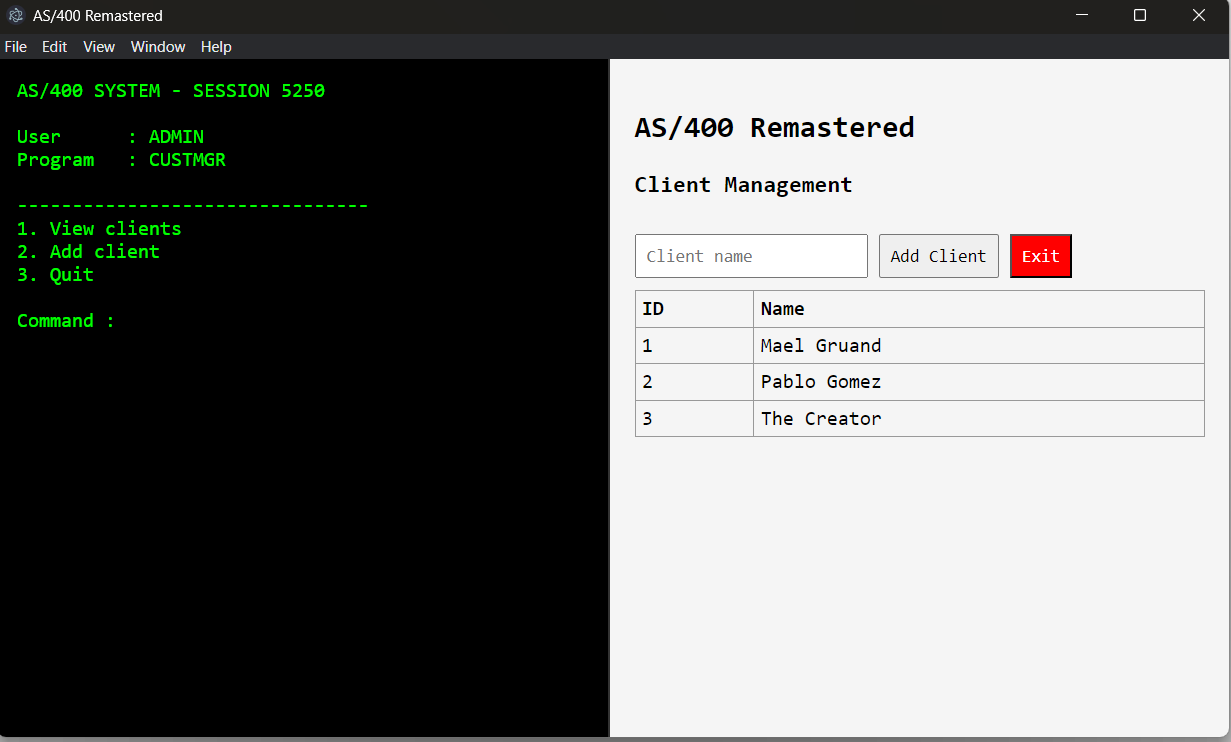
I was inspired by the robust yet complex systems like IBM AS/400 used in the finance industry for loan management. While AS/400 is extremely reliable, its interface and workflows can feel outdated and unintuitive for modern users. I wanted to reimagine a loan management system that retains the power of AS/400 but is modern, intuitive, and accessible to a broader audience.
What I Learned
Working on NeoLend taught me:
How to design user-friendly dashboards for complex financial data.
Integrating desktop app frameworks like Electron with React and TypeScript.
Handling data consistency and persistence in financial applications using SQLite.
The importance of user experience (UX) when dealing with complex workflows.
I also improved my skills in data visualization (charts, graphs) to help users quickly understand loan metrics.
How I Built It
NeoLend was built as a desktop application using:
Electron for the desktop environment
React + TypeScript for the interface
SQLite as the database for storing loans and transactions
Recharts for charts and dashboards
Key features implemented:
Loan creation and management – users can add, edit, and track loans.
Dashboard view – a visual overview of all loans with status indicators.
Alerts and notifications – overdue payments or upcoming deadlines.
Report generation – export PDFs of loan summaries for official documents.
Search and filter functionality – quickly find specific loans.
I focused on making the interface intuitive, using drag-and-drop elements, clear icons, and visual cues to reduce complexity compared to traditional systems.
Challenges Faced
Some of the main challenges were:
Balancing complexity and simplicity – AS/400 is powerful but dense; simplifying it without losing functionality was tricky.
Database design – ensuring loans, payments, and users are consistent and avoid conflicts.
Visualization – representing financial data clearly for non-expert users.
Time constraints – building a full-featured demo in the hackathon timeframe required prioritizing key features.
Despite these challenges, I created a fully functional prototype demonstrating modernized loan management that keeps the robustness of legacy systems but adds clarity, accessibility, and visual appeal.
Future Improvements
Add multi-user collaboration with real-time updates.
Integrate API connections for external loan data.
Enhance analytics and AI recommendations for better loan management.
Build a mobile companion app for remote monitoring.

Log in or sign up for Devpost to join the conversation.