-
-
Our vision.
-
-
-
Inspiration
The lemonade stand is the canonical first business, and by default it teaches almost nothing. Cash goes into a shoebox, nobody tracks costs, there's no goal and no feedback loop. Meanwhile, the world went cashless: a stand that can't take cards loses half its walk-up customers, and no adult POS will help; Square won't even let a 10-year-old open an account.
We wanted a kid's first business to be a real one: real payments, real costs, real profit, and real lessons learned by doing instead of from worksheets.
What it does
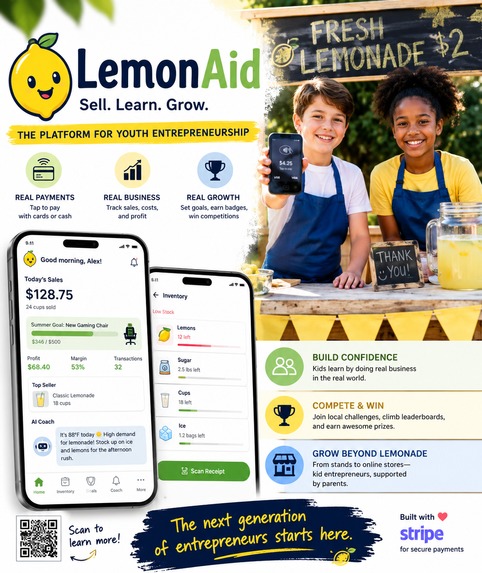
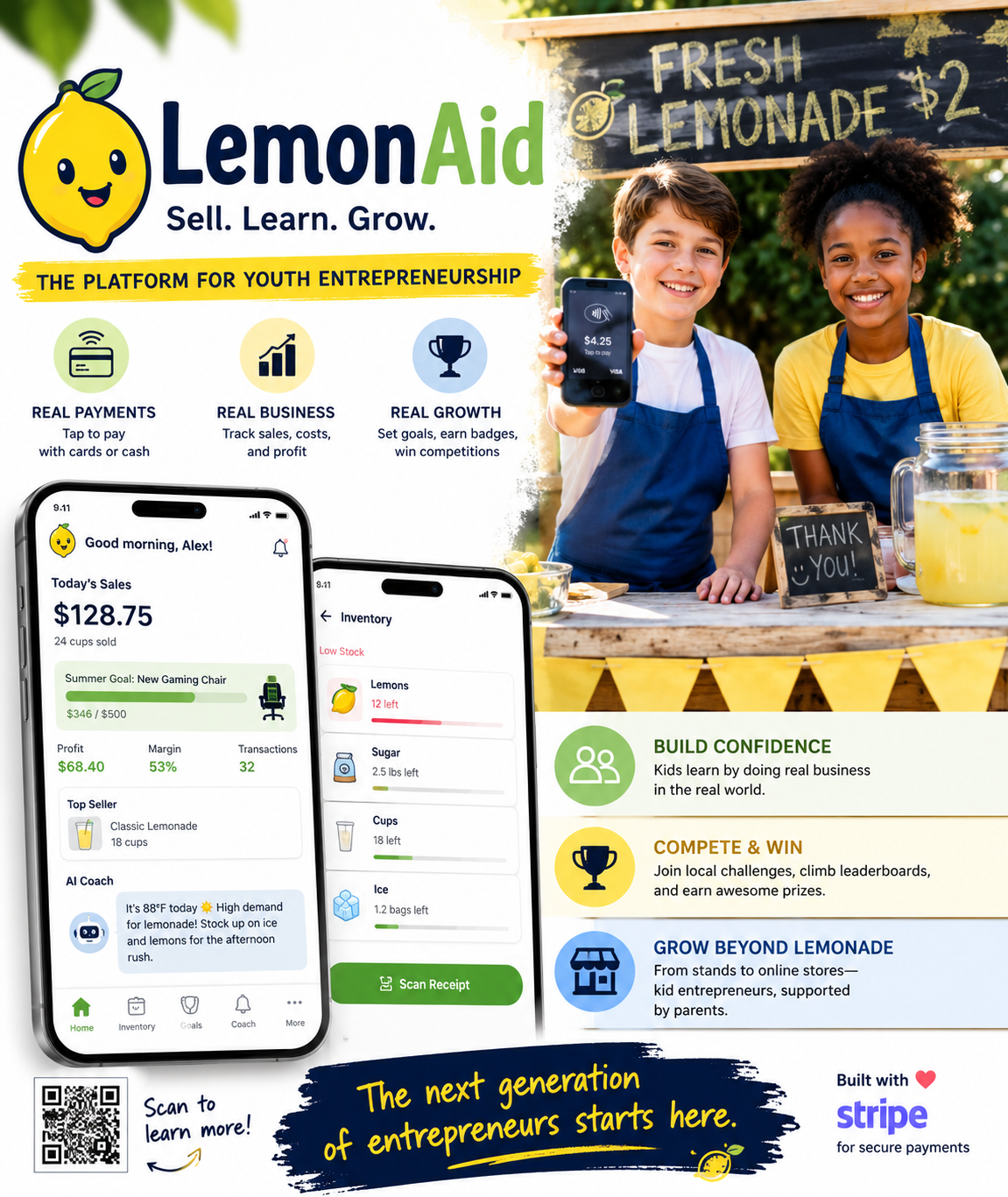
LemonAid is a point-of-sale and business coach built for kids, operating safely under a parent's account. From a folding table, a kid can:
- Sell by the cup and take tap-to-pay card payments via Stripe
- Take cash too: snap a photo of the bills and AI counts the drawer
- Track inventory with recipe-based auto-deduction (every cup sold deducts lemons, sugar, ice, and cups), with low-stock warnings
- Scan the grocery receipt: AI extracts the line items and computes true cost per cup
- Set a savings goal ("buy this game by end of summer") with progress tied to actual settled revenue, not wishful thinking
- Get an end-of-day AI coach debrief grounded in real sales data plus the weather forecast ("Sunday is 88°F: stock up on ice")
- Run a crew with owner vs. helper roles and real access control Parents legally own the account, the funds, and the data; the kid operates the business. That structure, plus COPPA-conscious data minimization, is designed in from day one, not bolted on.
How we built it
- Native iOS app: the entire stand experience, built for small hands and sunny screens, distributed via TestFlight
- Payments: Stripe, with a parent-owned account structure (Stripe requires account holders to be 18+, so kids operate under a parent umbrella)
- Backend: runs in Docker with PostgreSQL for transactions and inventory
- Google Cloud Storage for receipt and cash-drawer photos
- Vertex AI powering the vision features (cash counting, receipt line-item extraction) and the end-of-day coach ## Challenges we ran into
The hardest problem isn't code: a 10-year-old can't legally hold a merchant account. We designed the parent-umbrella structure first (parents own the Stripe account, the funds, and the data; kids are operators) and let that decision shape everything else, from onboarding flow to what data we refuse to collect.
On the technical side, making AI reliable enough to count a fistful of crumpled bills from one photo, and to pull clean line items out of grocery receipts, took real iteration. And designing a POS that a 7-year-old can run without dumbing down the business concepts (margin, cost per cup, profit) was a UX tightrope.
Accomplishments that we're proud of
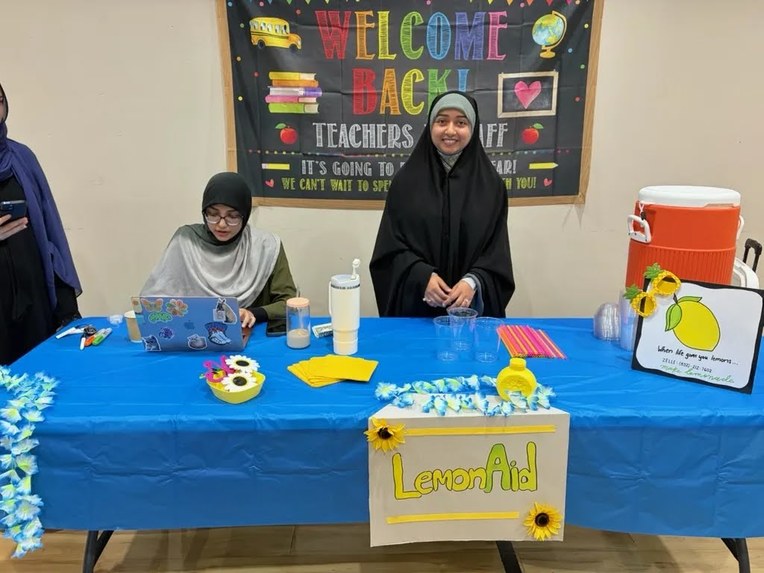
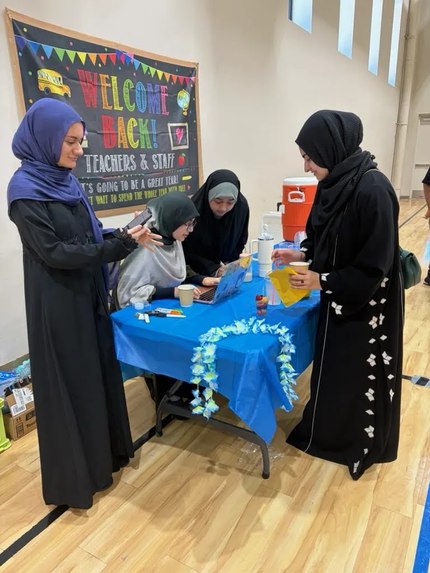
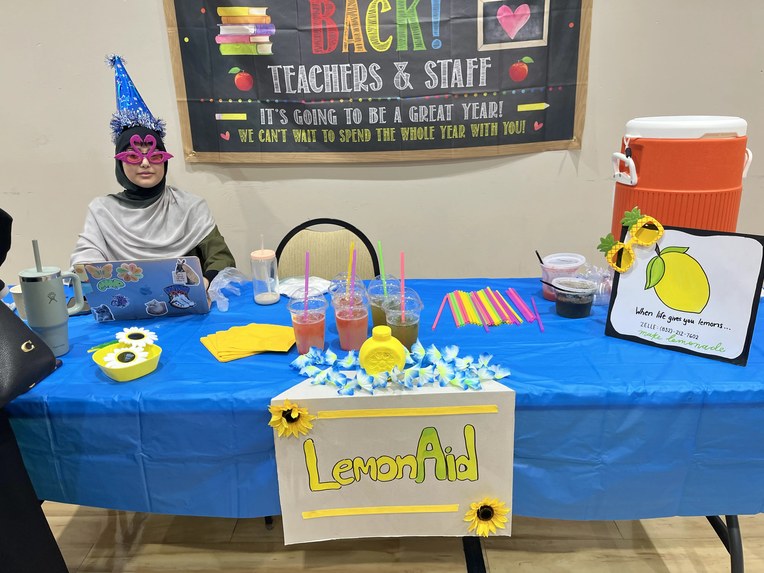
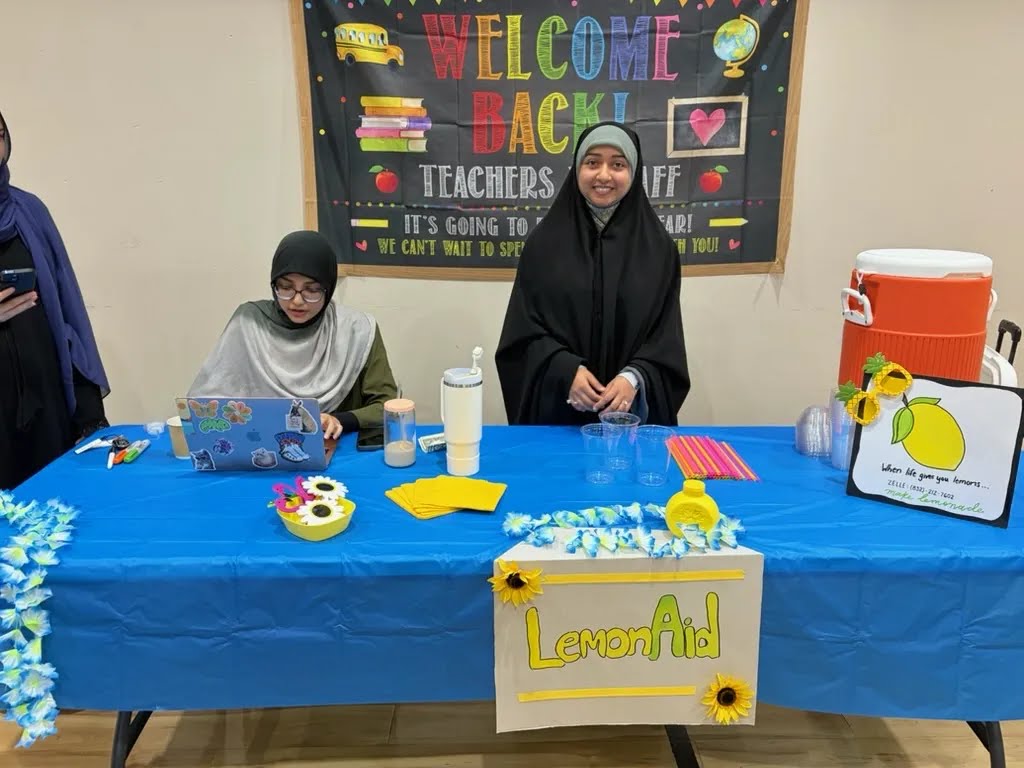
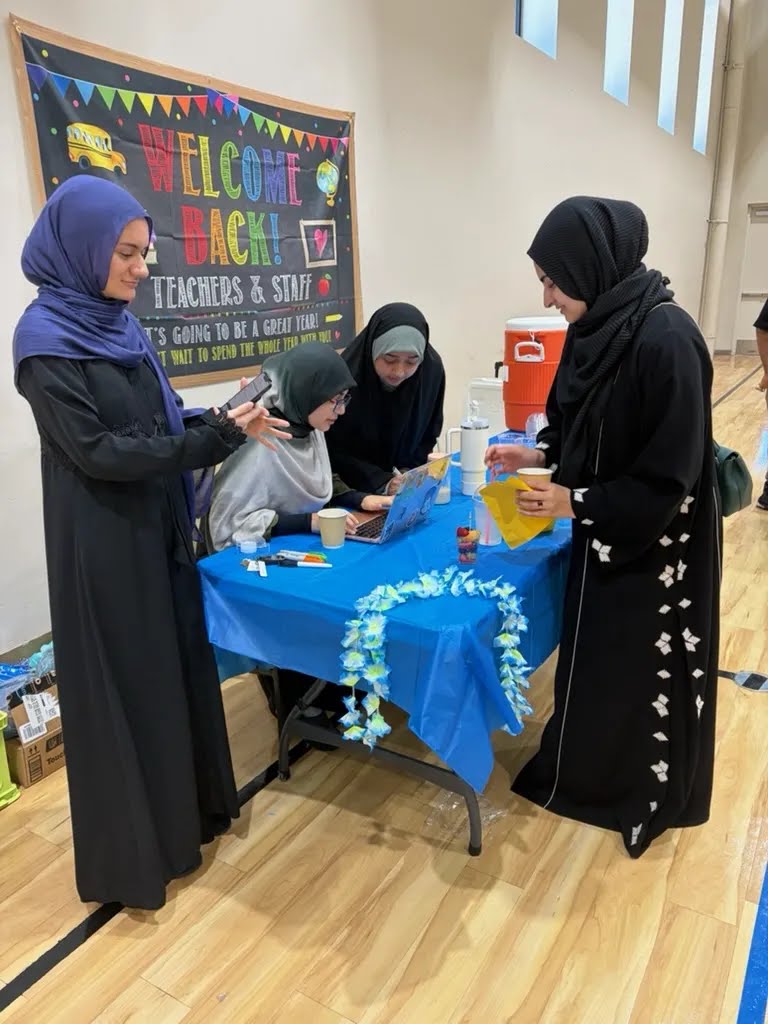
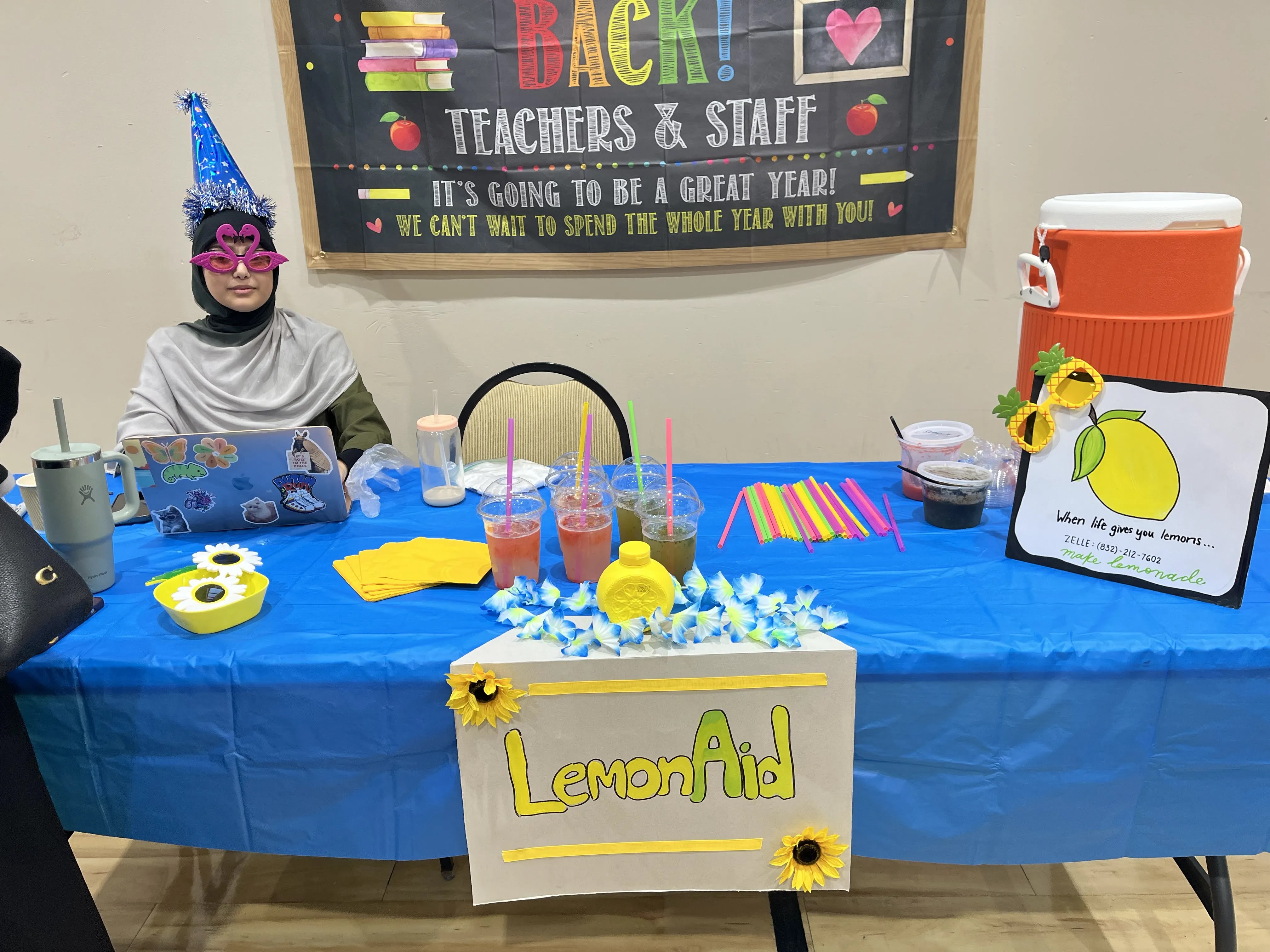
- It's already real: two stands ran on LemonAid this weekend and did $100 in combined sales. Real kids, real customers, real revenue.
- A kid can take a card payment at a folding table, which no mainstream POS allows
- True cost-per-cup, computed automatically from a photographed grocery receipt
- The savings goal bar fills with settled revenue: the numbers are real, which means future leaderboards can't be faked
Compliance-first architecture (parent ownership, COPPA data minimization) from day one
What we learned
The "boring" parts (parental controls, compliance, moderation planning) are the moat. Everyone else finds them annoying; we treat them as product.
Real data beats gamification. Kids don't need points when the number going up is their own profit.
The POS is a wedge: it produces the sales, cost, and goal data that makes everything downstream possible: coaching, competitions, and eventually a kid-safe marketplace.
What's next for LemonAid
From 2 stands to 100: after this weekend's proof, we open the TestFlight beta via local parent groups and school newsletters (success = a stand we don't personally know)
First city competition: live leaderboards fed by settled transactions, with categories so the best-margin stand can beat the busiest corner
School fundraiser mode: classes compete and schools get admin dashboards, turnkey infrastructure for programs that run on paper today
Long term: a parent-gated neighborhood marketplace for kid-run micro-businesses beyond lemonade (crafts, baked goods, pet-sitting) The beta waitlist is live at lemonaidpos.ai.

Log in or sign up for Devpost to join the conversation.