-
-
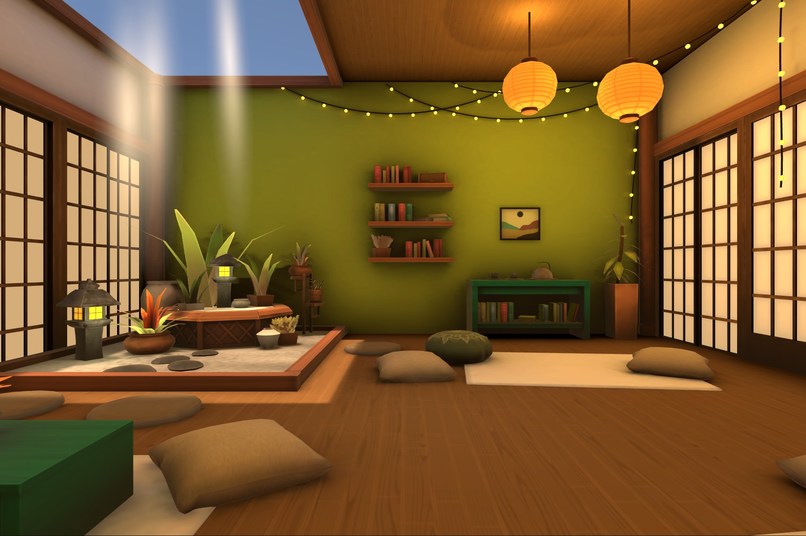
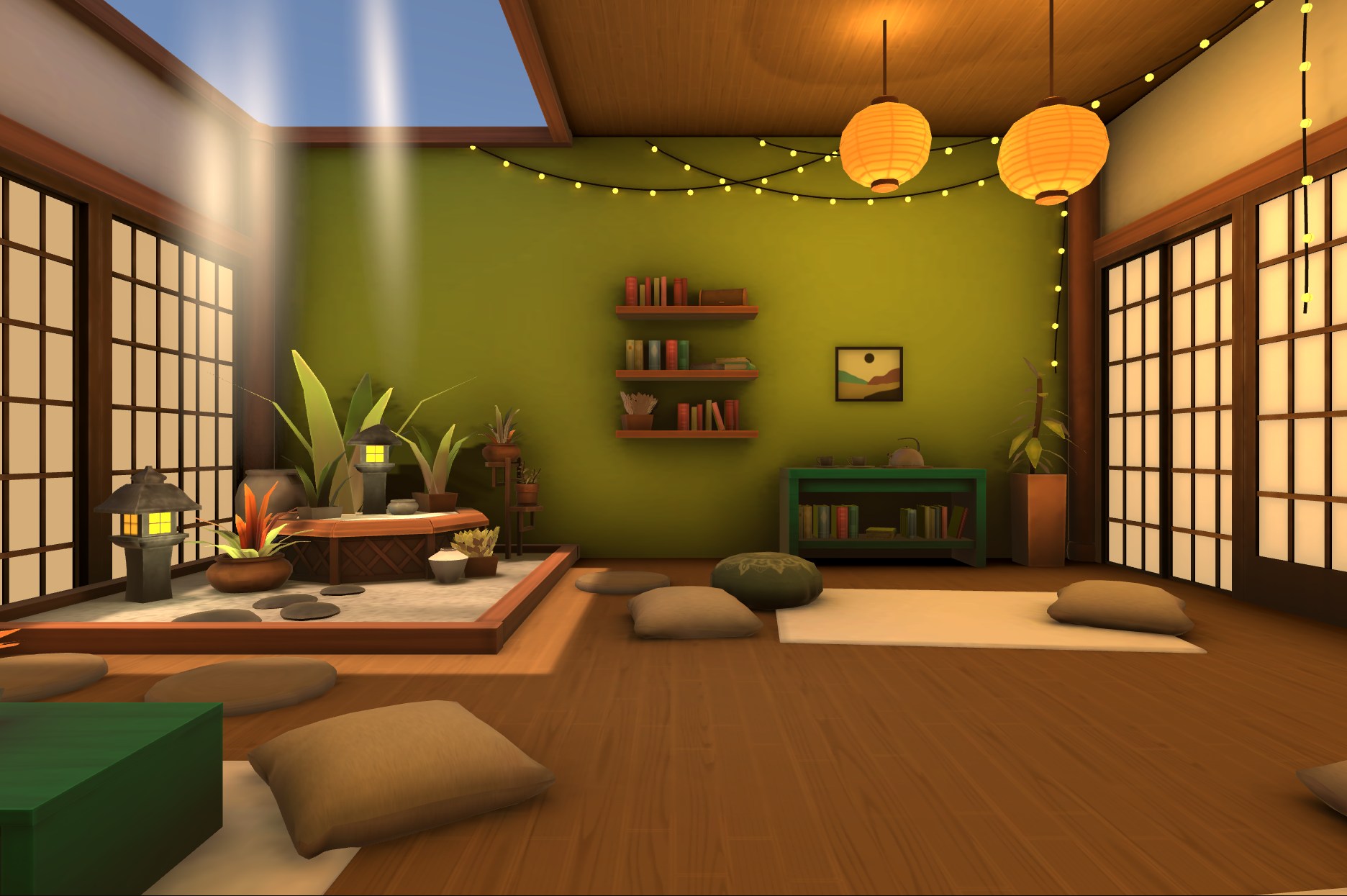
Meditation Room Scene
-

Outerspace Scene
-
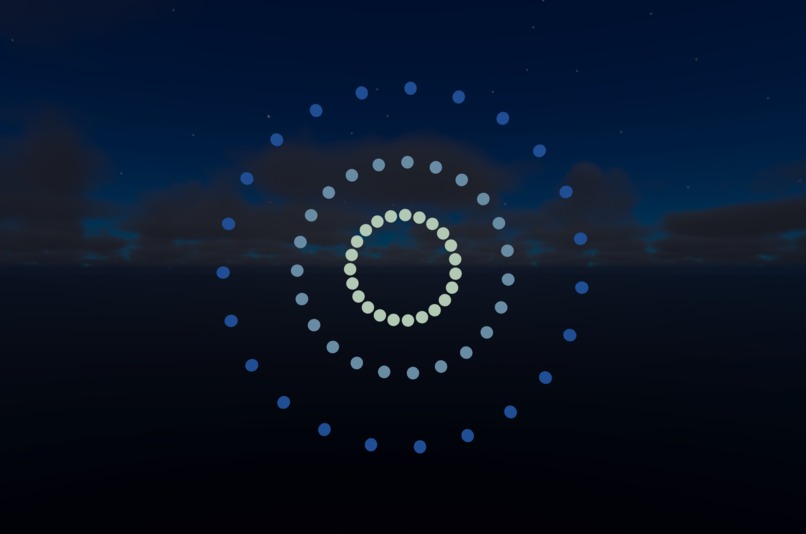
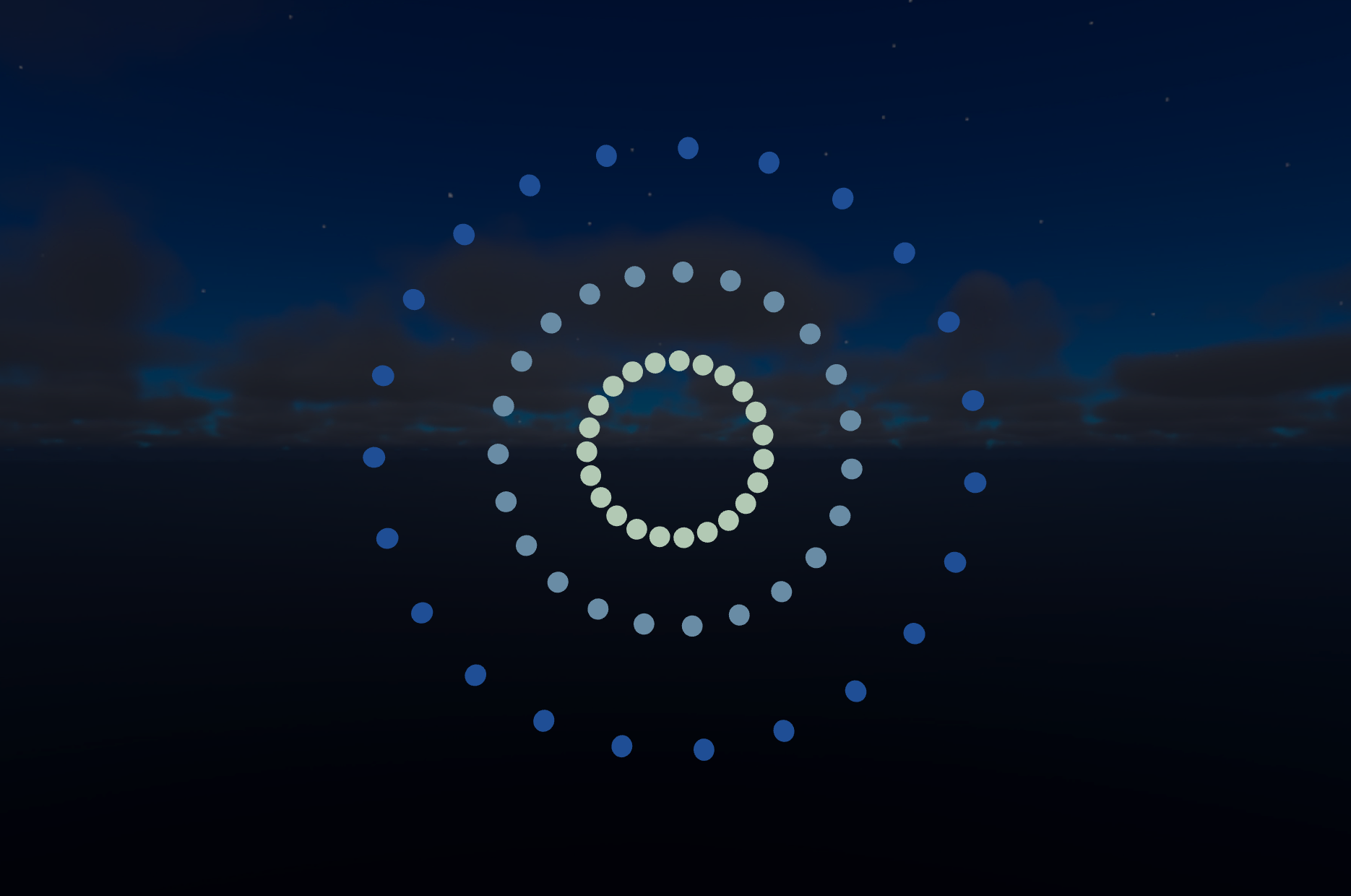
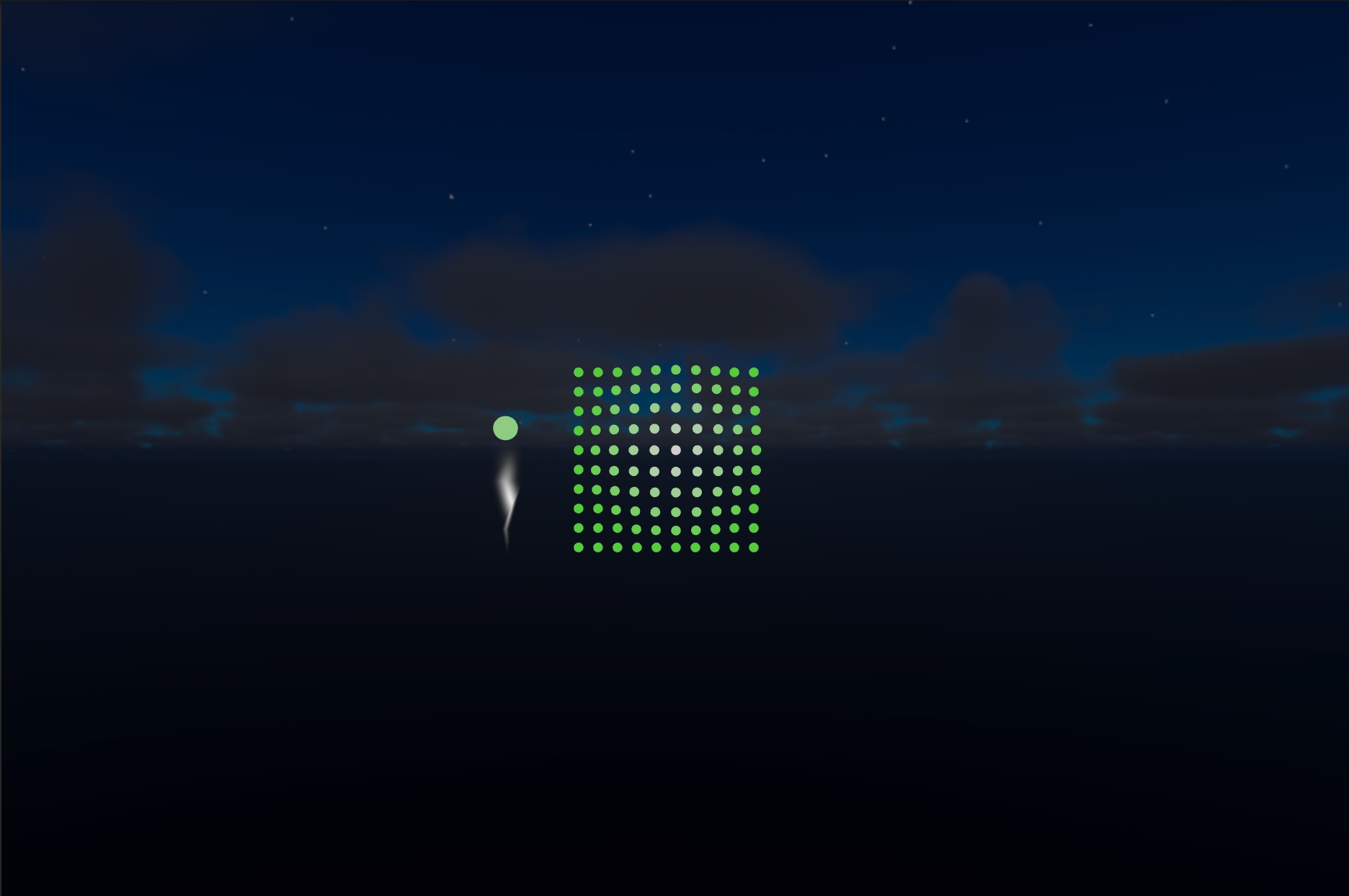
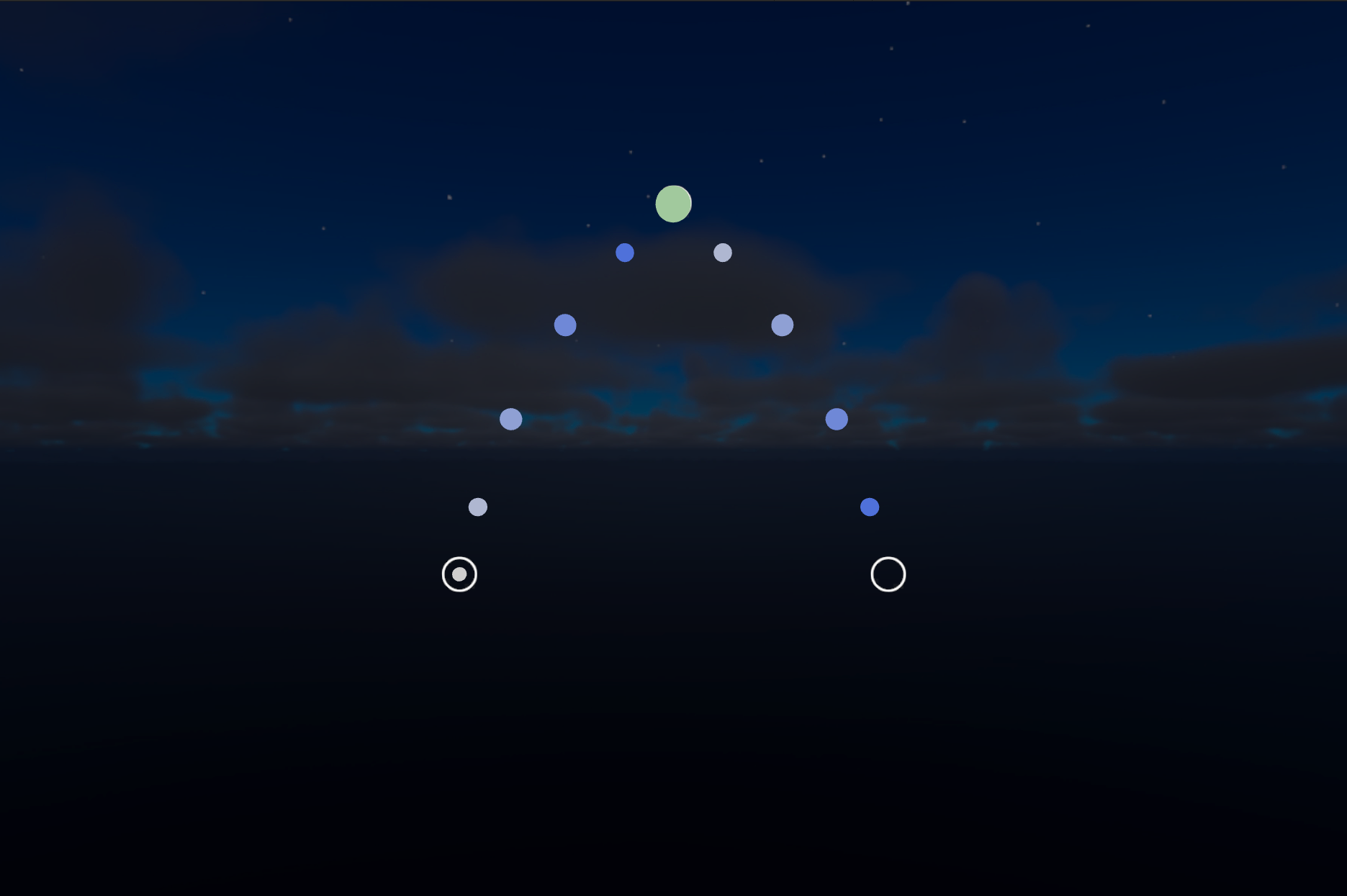
Breathing Pattern 2
-
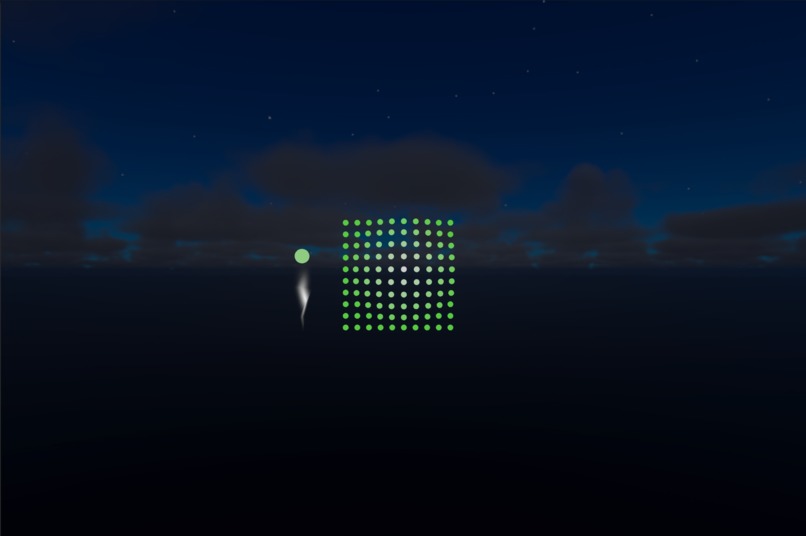
Breathing Pattern 1
-
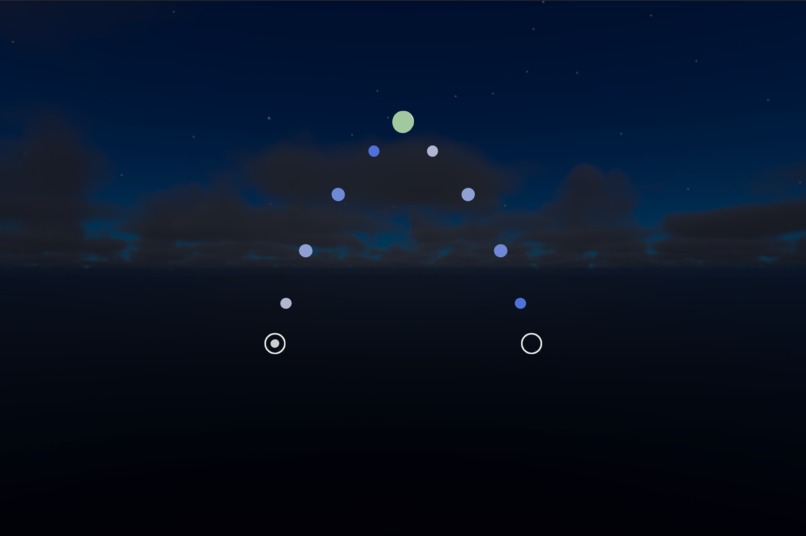
Breathing Pattern 3
-
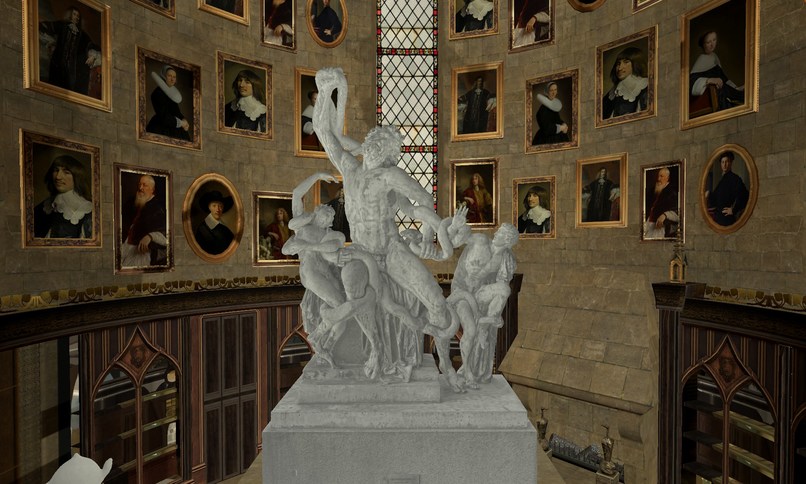
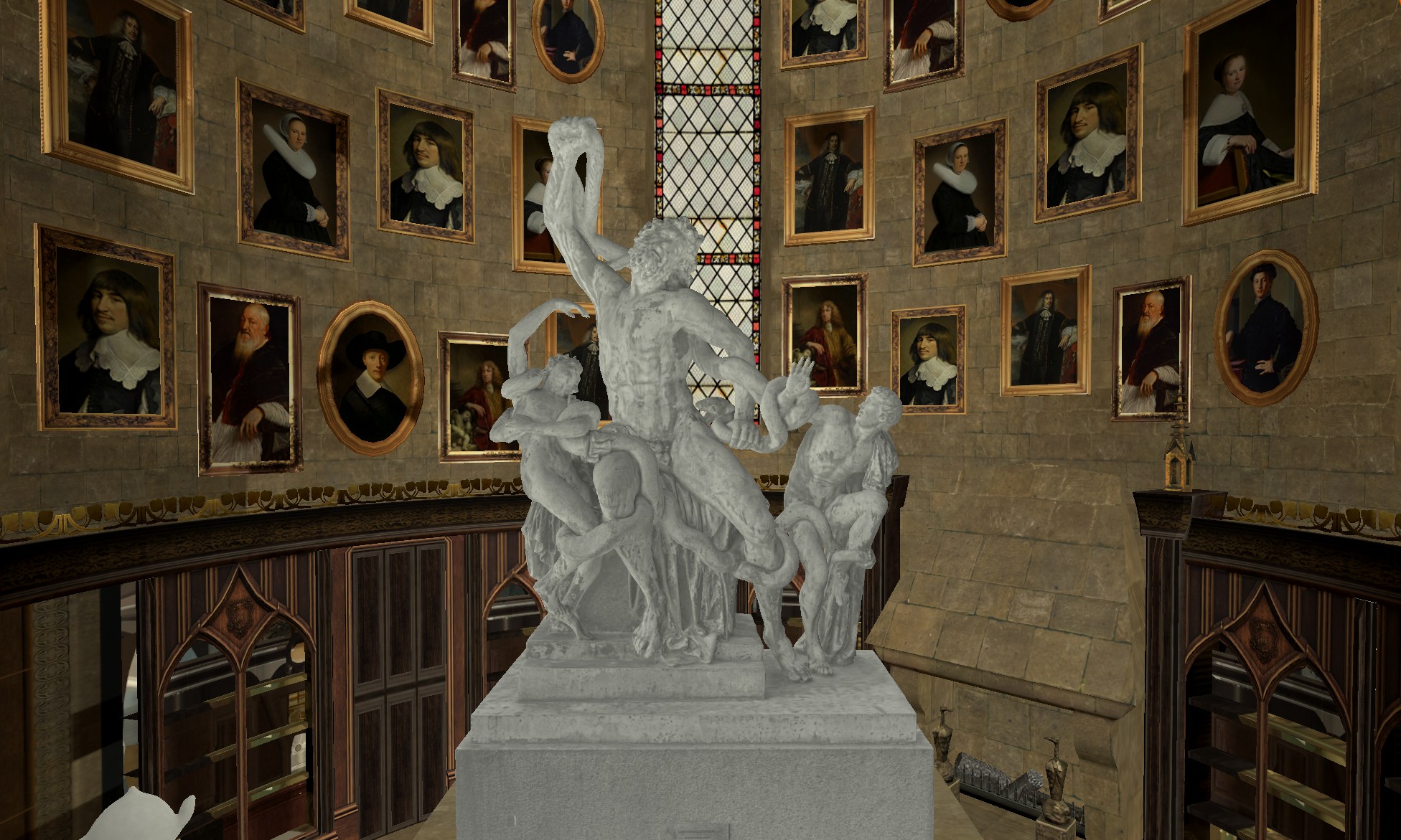
Statue Assembly Experience - Laocoon
-
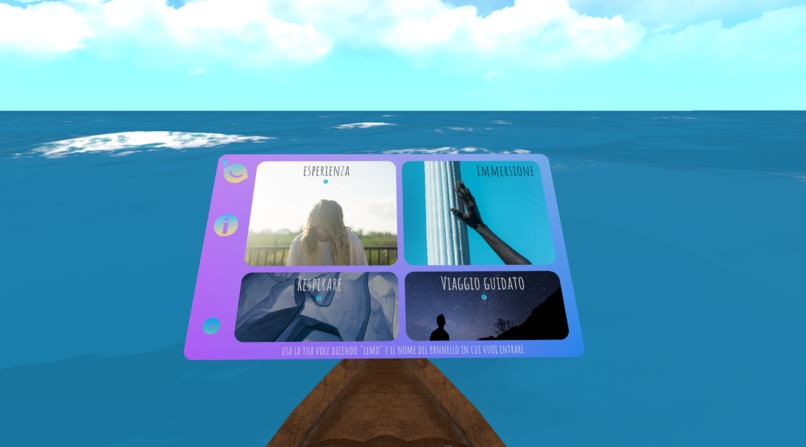
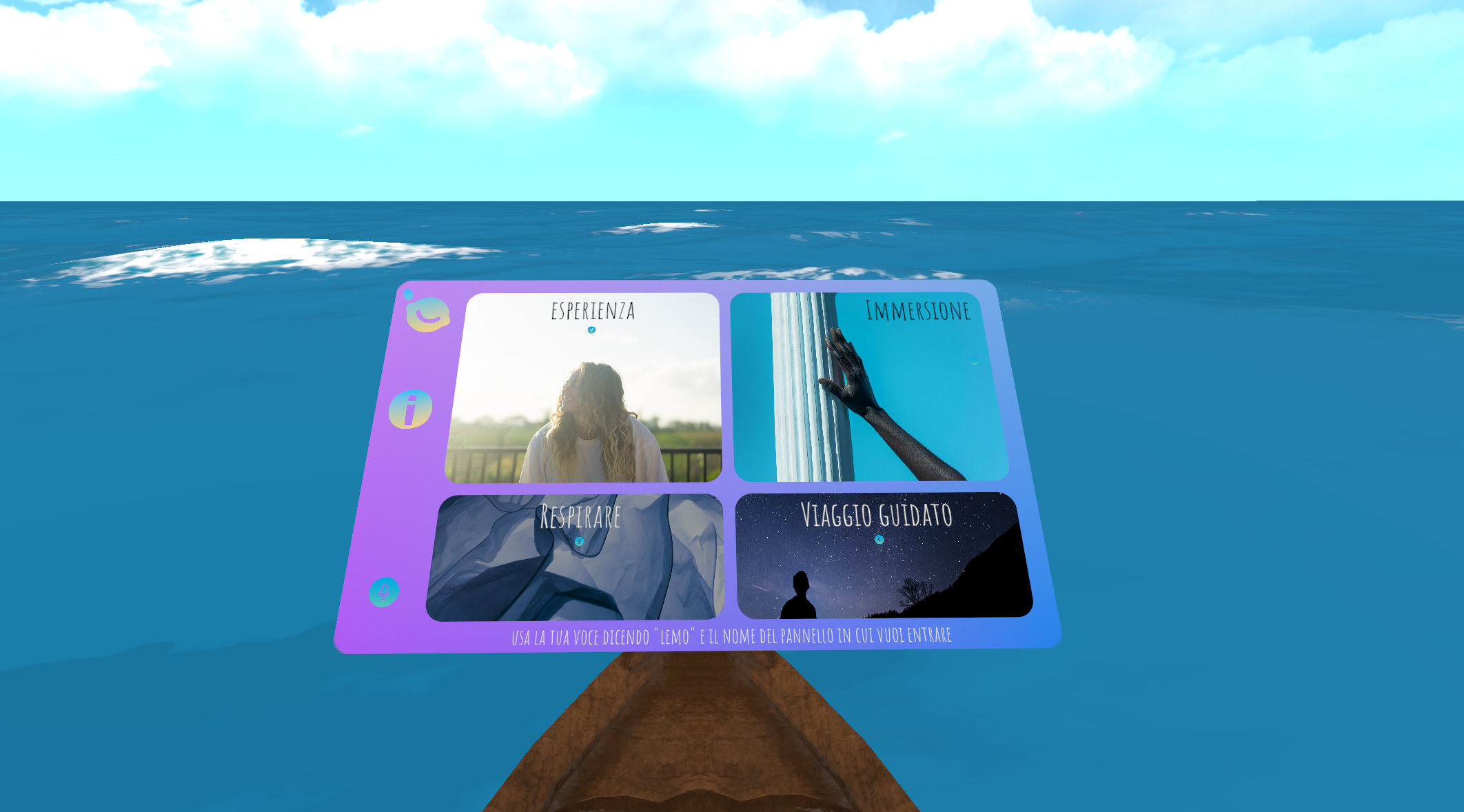
Main Menu Layout
-
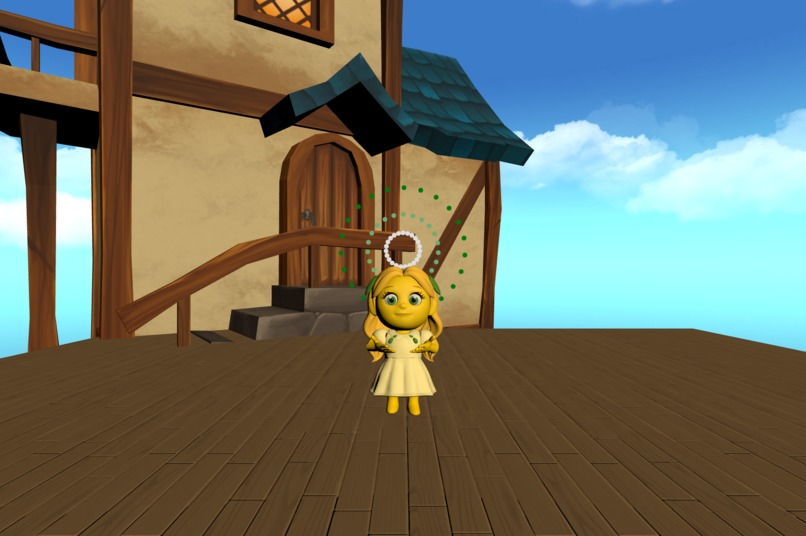
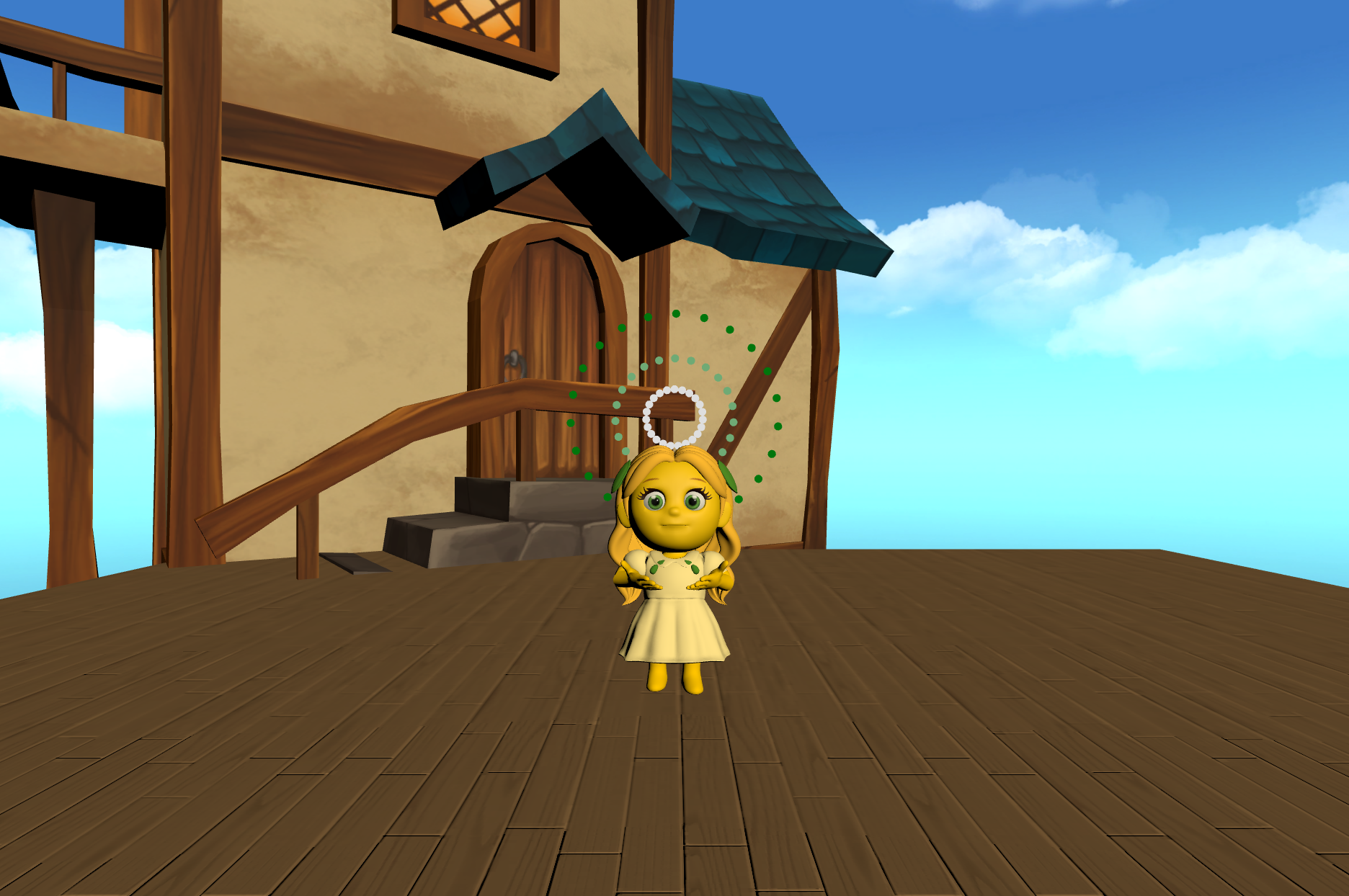
Character Guide WIP

LEMO is a digital therapeutic VR platform designed to reduce stress, pain, and anxiety for hospital patients. The project was born inside Italian hospitals, where our team spent months observing patients struggling with long therapies, invasive procedures, and emotionally demanding environments. The question that guided us was simple: how can immersive technology make the hospital experience more human?
We started from this insight and developed LEMO, a set of therapeutic VR experiences validated inside oncology, pediatrics, dialysis and orthopedics departments. Today LEMO is already used daily in leading Italian hospitals and has supported hundreds of patients during chemotherapy, infusions, burn treatments and painful procedures.
Our goal is to provide patients with immediate relief and emotional support while giving doctors and nurses a simple tool that fits naturally into clinical workflows.
What inspired us
The strongest inspiration came from real patients. A child preparing for a painful dressing change who said, “With the headset on, I forgot the pain for a moment.” An adult in oncology who reported feeling calm for the first time since starting chemotherapy.
These micro moments became our compass. They showed us that VR was not just entertainment, but a therapeutic tool able to unlock measurable changes in stress, perception of pain, heart rate patterns, and emotional state.
How we built the project
LEMO is built using Unity and deployed on Meta Quest devices. Our pipeline includes: • Clinical interviews with doctors and nurses to define therapeutic needs • UX research inside hospitals to understand timing, workstation space, accessibility, hygiene requirements and psychological constraints • Unity development using Interaction SDK, Passthrough, scene optimization and custom content streaming • 3D art and sound design tailored for anxiety reduction and sensory grounding • A clinical data layer that collects anonymized session information for research and continuous improvement • Iterative field testing with real patients
We also built a centralized monitoring platform for healthcare staff to review session data and integrate VR into treatment protocols.
Challenges we faced
Building VR for hospitals forced us to solve problems that do not exist in typical consumer environments. Some of the main challenges were:
Hygiene and hardware limitations: Devices must be sanitized multiple times per day. We optimized materials, straps and calibration processes to reduce contamination risks and speed up turnaround time.
Designing for patients in pain: Many patients have limited mobility, drips, wounds, or are lying in bed. We had to rework all interaction patterns to be usable with minimal movement, so we are using hands tracking and voice control thoughout the whole app.
Simplifying onboarding for nurses: Nurses have two or three minutes max to activate the experience. We built LEMO with a workflow that requires only one button and no menus, thanks to Work Meta platforms and support.
UX stability in extreme environments: Bright hospital lights, noise, limited space and old WiFi networks required us to heavily optimize tracking, orientation, audio layers and startup flow.
Clinical validation and evidence generation: To be adopted at scale, we needed measurable outcomes. We collaborated with hospitals to collect data on stress reduction, anxiety, perceived pain and patient satisfaction. We collect data inside our apps to see what patients enjoy or not. This is leading to clinical publications.
Tech specs
Hands-First Interaction - We instruct patients to use only their hands, which reduces complexity and helps staff maintain everything in real hospital environments. Proximity-based tracking works for patients with tremors, during chemotherapy with IV drips, or from lying positions—no precise gestures required.
Voice Control - Complete app navigation runs via voice (Italian for now, expandable). Context-aware command routing adapts across breathing, meditation, and assembly modes, with voice deflection during therapeutic audio. Patients select experiences using ordinal numbers (primo, secondo, terzo...).
Smooth XR-to-VR Immersion Seamless transitions between passthrough and full immersion maintain spatial consistency, with environment blending designed specifically for anxiety reduction during therapy.
Instant Start & Offline-First - One-button launch with zero network dependency during sessions. Sub-30 second recalibration after sanitization keeps deployment fast. Content streams from Meta Work cloud with local caching.
Integrated Tutorial & Kiosk Mode - Voice-guided onboarding for first-time VR users includes auto-skip for repeat sessions. Locked experience flow prevents errors, with training mode for clinical staff.
Master View & Remote Control - Android tablet control via WebSocket with automatic pairing. Clinical staff monitor sessions in real-time and provide remote guidance during therapy.
Clinical Data Collection - Anonymized analytics track protocol adherence across deployments, with structured exports for clinical research.
What we learned
Working inside hospitals taught us that innovation in healthcare is not only about technology, but about empathy, workflow design, and reliability. We learned to: • Build with patients, not for patients • Adapt to real clinical constraints, not ideal conditions • Use VR mechanics as therapeutic stimuli supported by neuroscience and mindfulness • Balance creativity, medical rigor and technical feasibility • Iterate continuously based on patient feedback
Most importantly, we learned that even a small emotional improvement during therapy can dramatically change a patient’s journey.
Final notes
LEMO continues to evolve, and we are learning along the way. We are now expanding into mixed reality modules, real time biofeedback, and multi-center deployments in European hospitals. Our mission remains the same: To use immersive technology to humanize the hospital experience and support patients when they need it most.


Log in or sign up for Devpost to join the conversation.