-
eTECHtiveness Logo
-
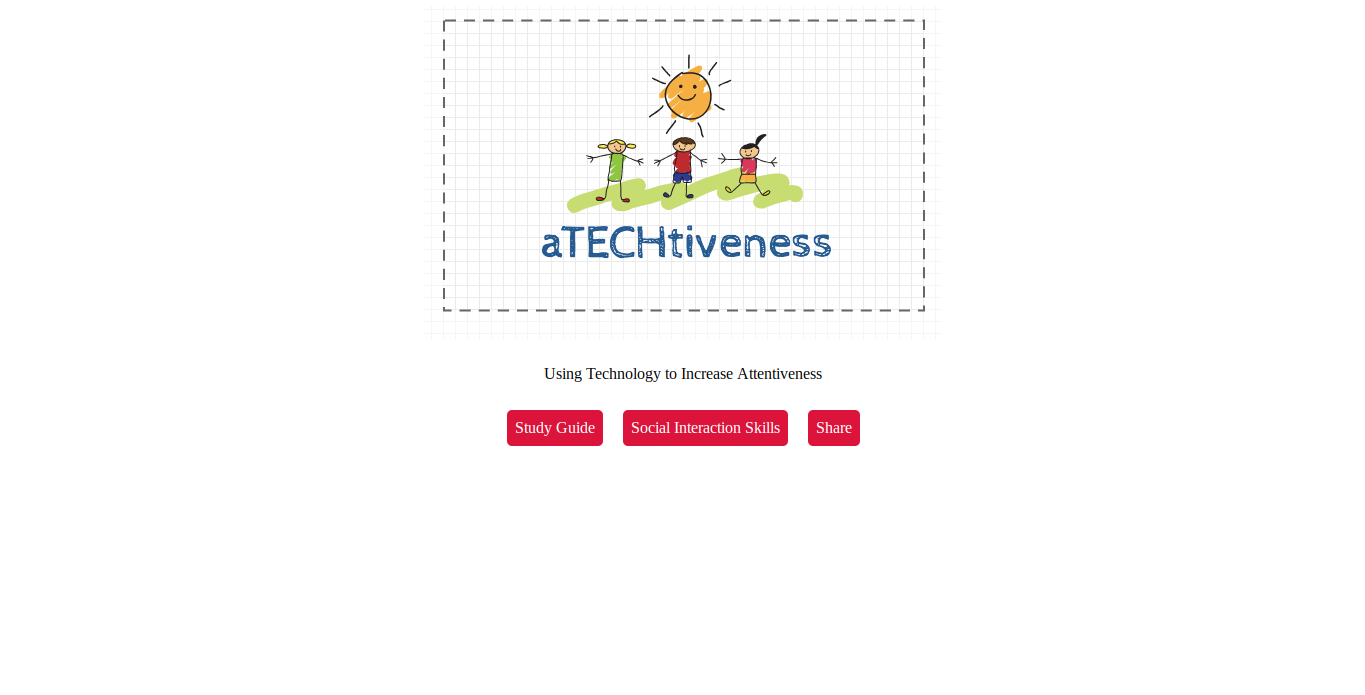
Home Page
-
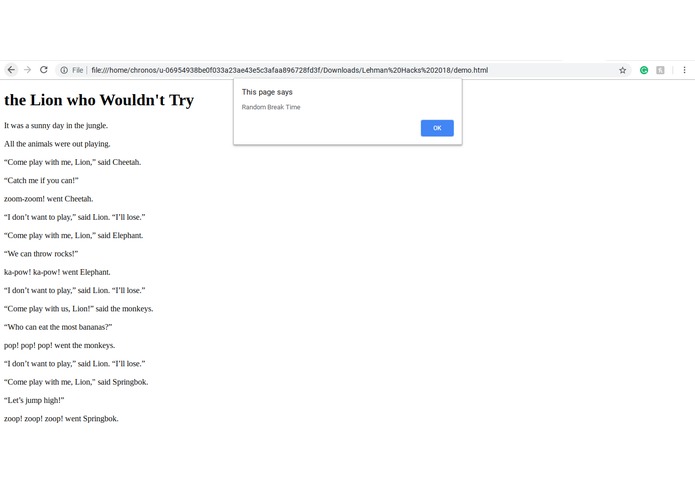
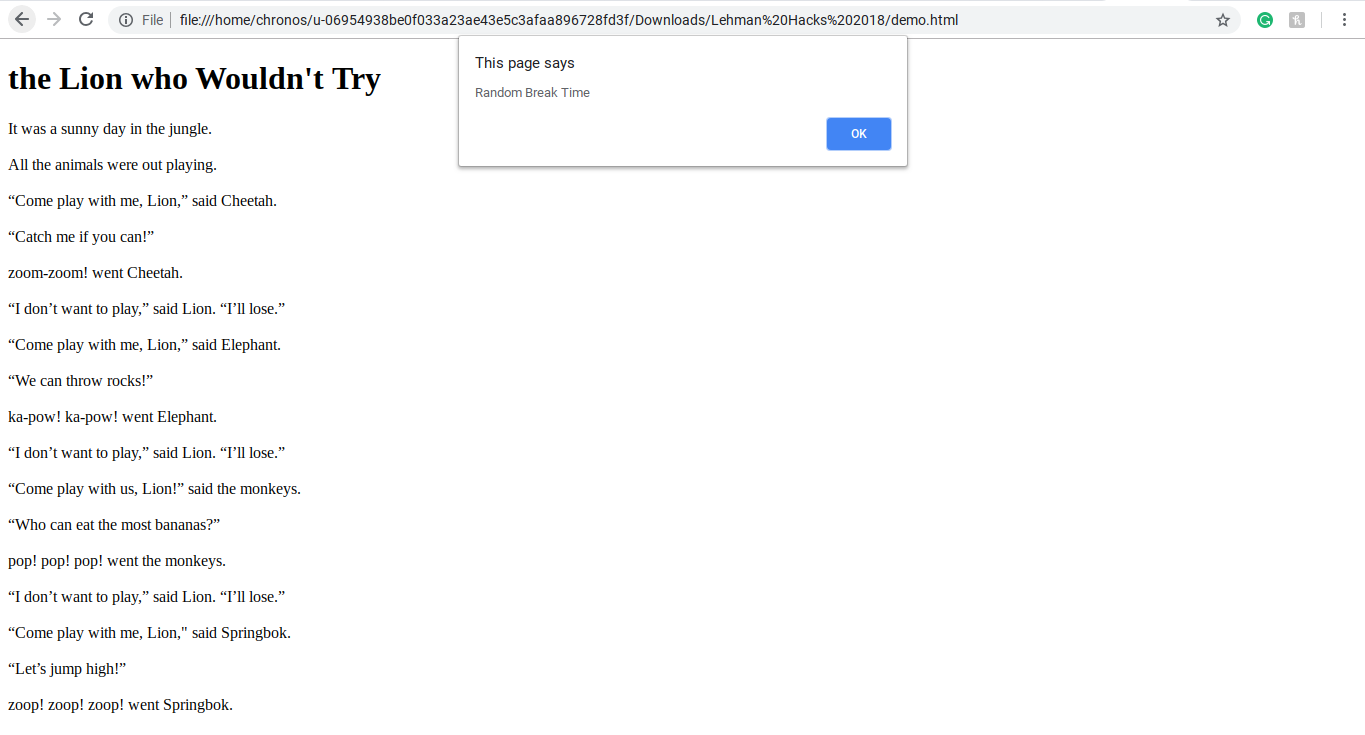
Study Guide
-
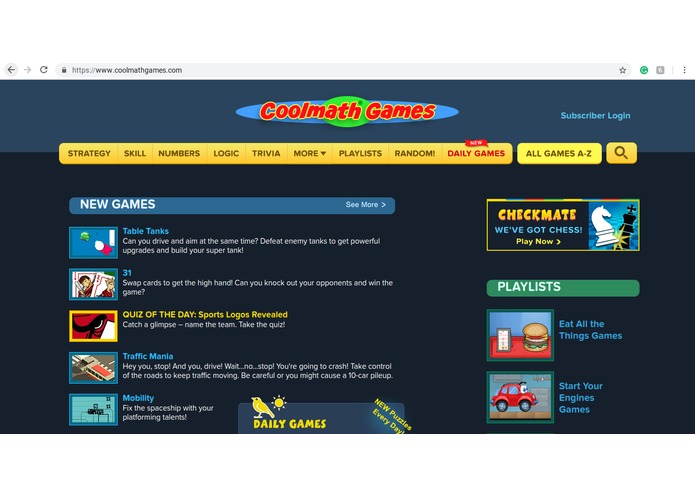
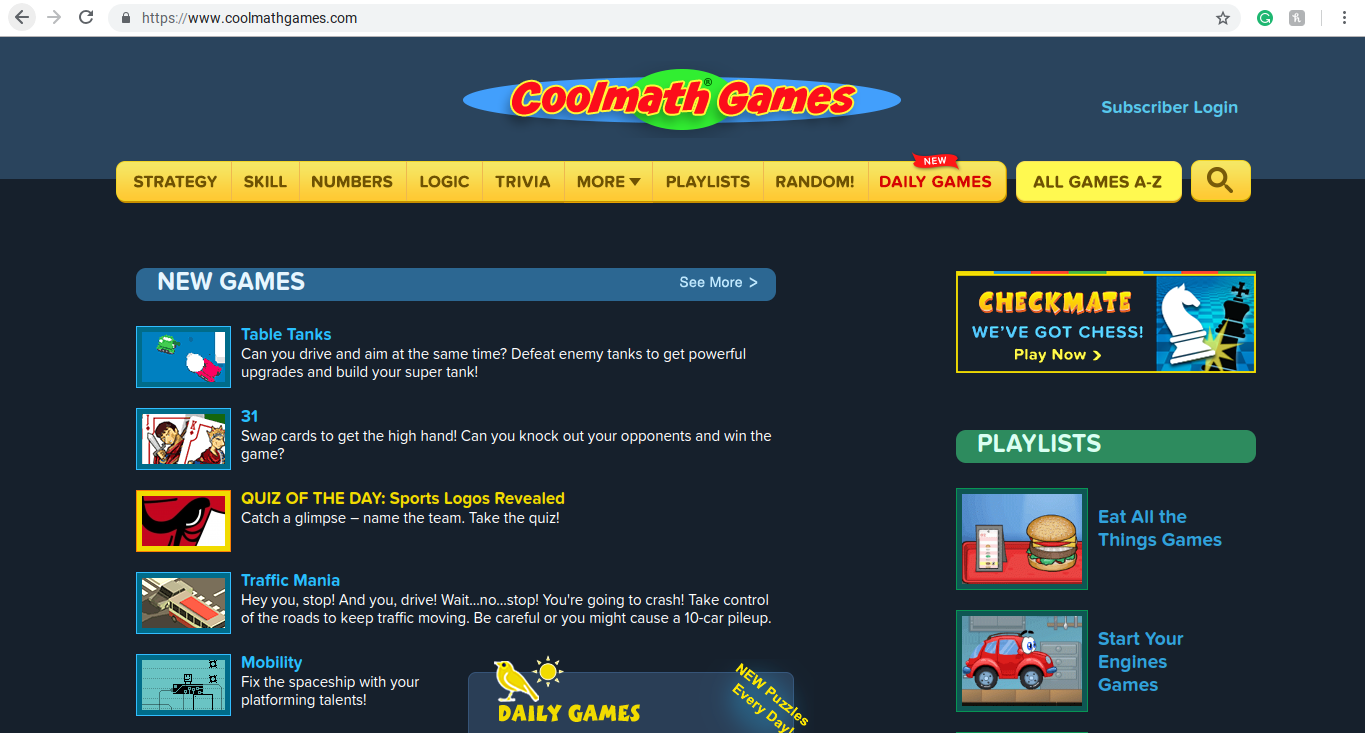
Redirected Break Time Page
Lehman-Hacks-2018-aTECHtiveness
aTECHtiveness is a mobile app targeted to children between the ages of six through twelve designed to correct and monitor learning disability paradigms which result from ADHD symptoms. This program uses age-appropriate games and recreational activities including drawing and karaoke, as motivational materials, and real-life situations to help students learn and practice functional, emotional and behavioral patterns.
Studies suggest that ADHD may be subsequent to a delay in brain development, which may change over time. The goal is to correct and monitor the disability early on hence our target of children between the ages of 6-12. This app contains three features: a personal study guide, social interaction skill building and a platform that allows students to share their progress, points, and reactions with other students. Each feature intends to improve attentiveness.
Personal Study Guide provides an audio of each text the student is reading and intermittent activities in 20-minute intervals (default) to retain the student's attention. The activities include doodles which are based on the key points of their reading, karaoke and brain teaser games. In our demo, the activity appears after four seconds and the student is redirected to coolmathgames.com. At the end of every activity, the student will rate their experience using emojis, on an emotional scale including grief, joy, fear, and excitement. They can also track and share their progress.
Social Interaction Skill Building consists of activities that will help students understand and improve their social skills with other students. It includes diagrams that teach “thinking with your eyes” and role-playing games (RPG) that teach how the exhibition of different emotions affect other people. While drawing eyes with the aris in different positions stress the importance of eye contact, an RPG called “Hitchhiking Emotions” provides an opportunity for children to discuss the consequences of interruptions while someone is speaking, hitting a child while playing a game, or making a face when asked to do something. Cartoon-like figures depicting social situations can be provided for the child to arrange in sequence and explain.
Again, students will provide feedback at the end of the activity. They will build reactions/responses to the games using a click-and-drag feature. For example, they would have several phrases including “I agree with…” “I think this would be better if…” and “I like how you…” in a phrase bank to choose from. They will "click" the phrase and drag it out and begin their sentences. This enables students to respectfully expresses their ideas and offer constructive feedback. They will also rate their activities using the same emotional scale.

Log in or sign up for Devpost to join the conversation.