-

Watermark by Category
-
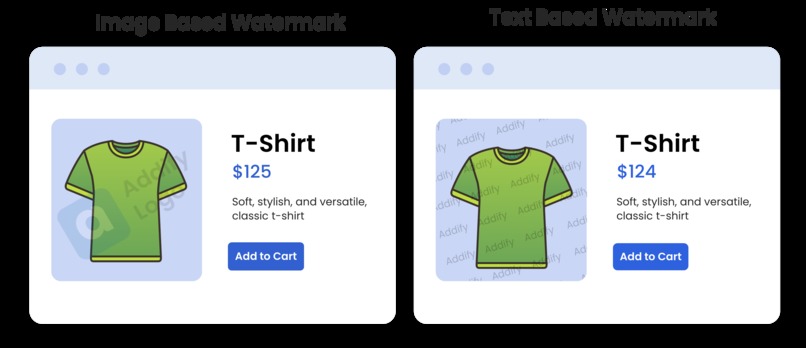
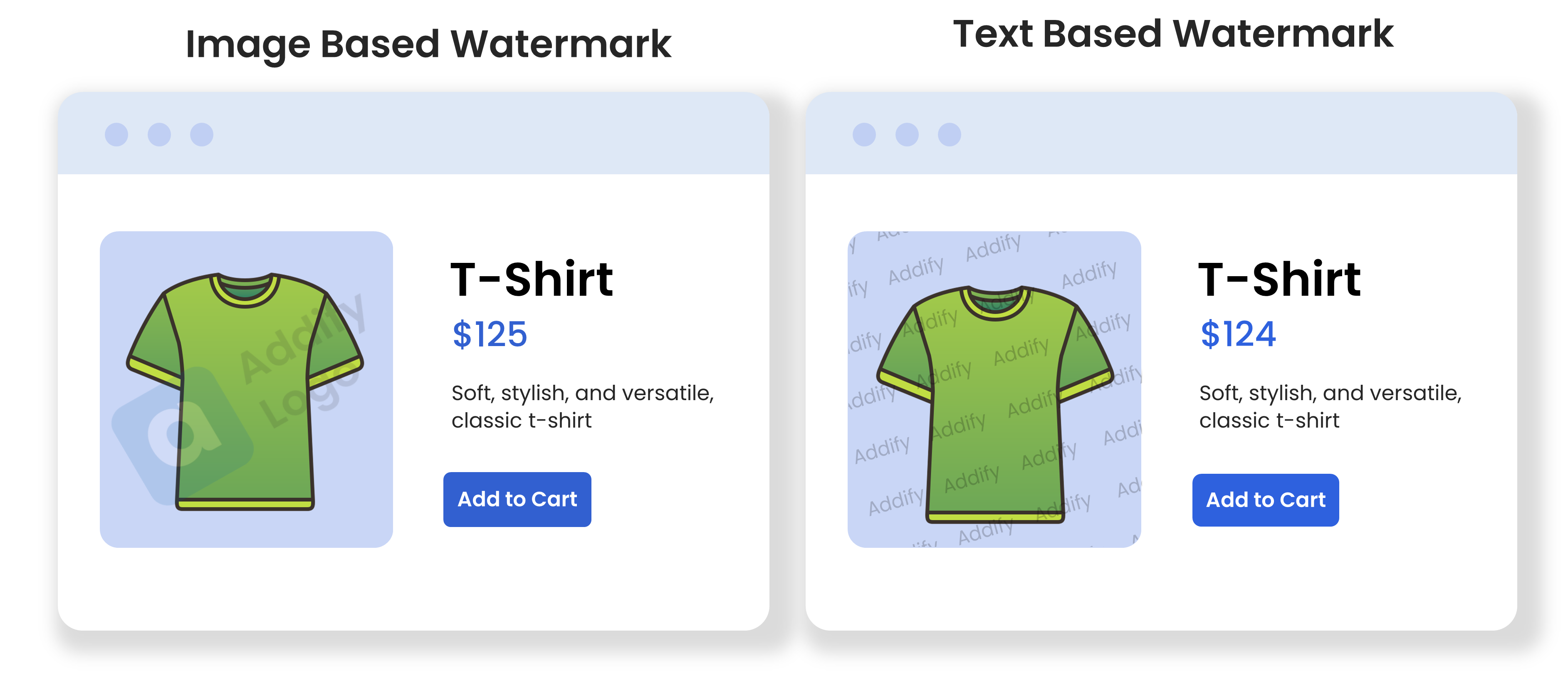
Image and Text Watermark
-
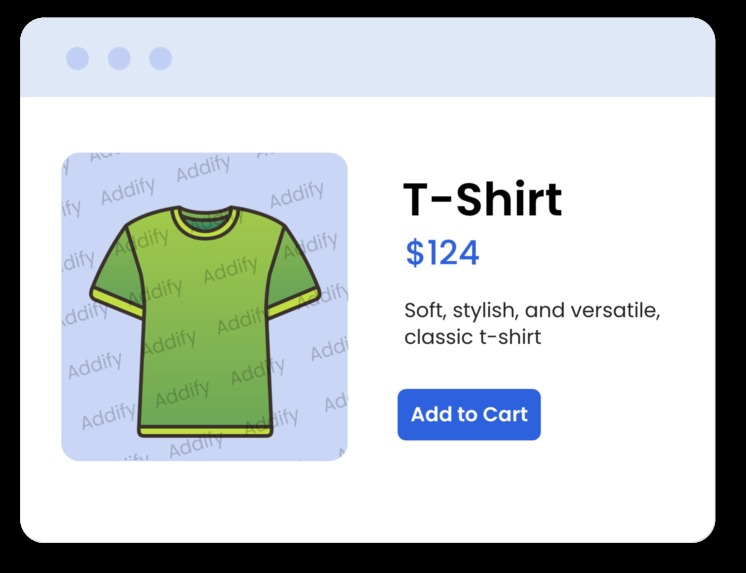
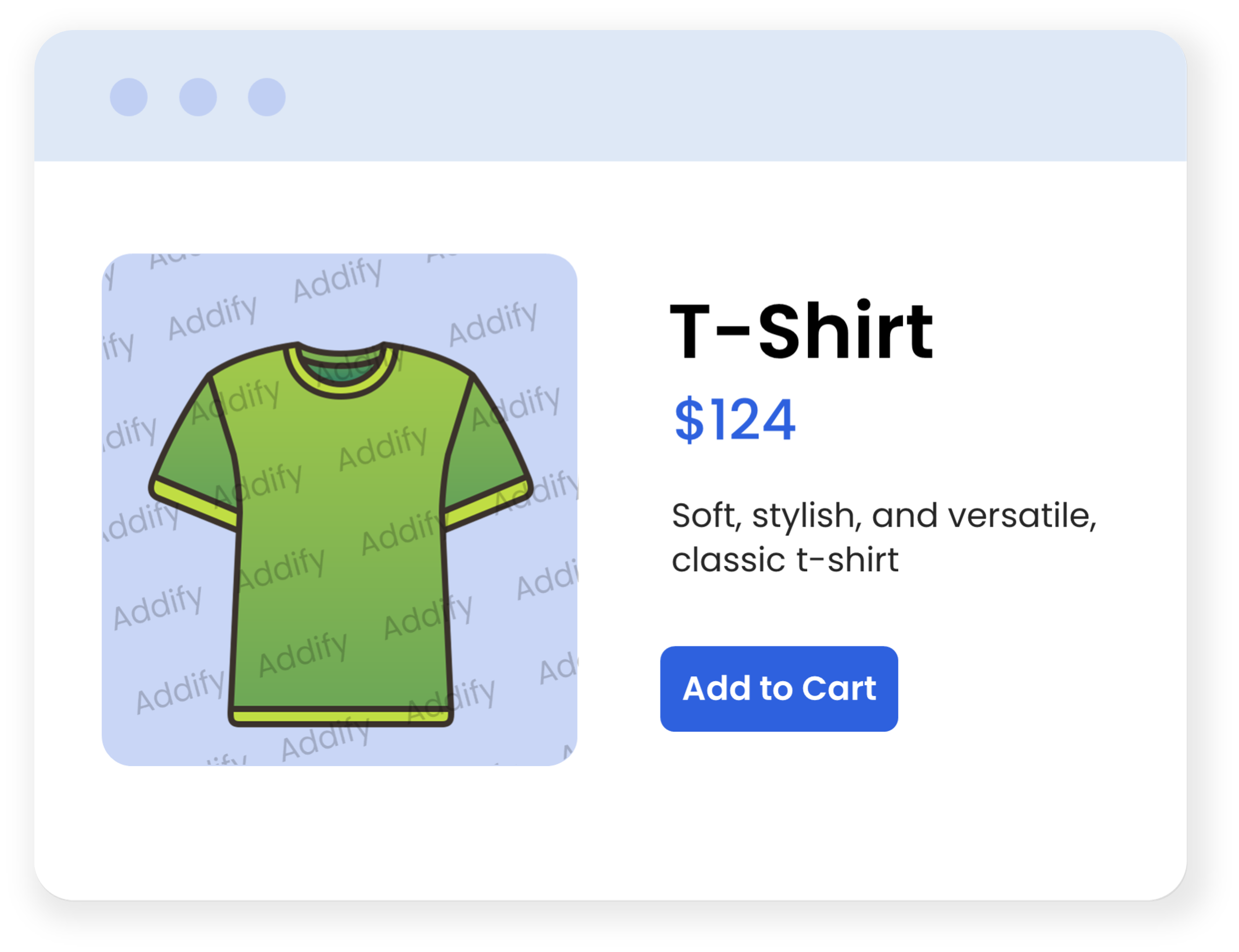
Text Watermark

Legal Benefits of Image Watermarking for WooCommerce Sellers
In the competitive world of e-commerce, product images are invaluable assets that help drive sales, build trust, and define your brand identity. For WooCommerce sellers, these images often represent the cornerstone of marketing efforts, making them attractive targets for unauthorized use or theft.
One of the most effective ways to protect your product images is by adding watermarks. But beyond safeguarding your intellectual property, watermarking also provides significant legal benefits that can strengthen your position in disputes and help you maintain control over your content.
This article delves into the legal advantages of watermarking for WooCommerce sellers and explains how tools like Image Watermark for WooCommerce can streamline the process.
1. The Importance of Intellectual Property Protection
Intellectual Property in E-Commerce
Product images are a form of intellectual property (IP) protected under copyright laws. As an e-commerce seller, the photos you use on your WooCommerce store—whether you’ve taken them yourself or hired a professional—are automatically copyrighted.
However, proving ownership and enforcing copyright can be challenging, especially in the digital world where images can be easily copied and redistributed.
Watermarking as a Preventive Measure
By overlaying custom text or image watermarks on your product images, you send a clear signal that these assets are protected. Watermarks serve as both a deterrent to potential infringers and a reinforcement of your ownership rights.
2. Legal Benefits of Image Watermarking
a) Establishing Ownership
A visible watermark acts as a direct claim to ownership, making it harder for unauthorized parties to argue that an image is unprotected or belongs to the public domain.
Example:
If your WooCommerce store uses watermarked product images, and a competitor uses one without permission, the watermark can serve as evidence in legal proceedings.
b) Strengthening Copyright Claims
In copyright disputes, the burden of proof often lies with the original creator. Watermarked images provide an extra layer of documentation that can strengthen your case.
Why It Matters:
In the absence of metadata or other identifiers, proving that an image belongs to you can be complicated. A WooCommerce Image Watermark ensures that your ownership is visibly marked on the image itself.
c) Deterring Infringement
Many infringers target images that appear unprotected. A watermark can discourage such behavior by making it clear that the image is copyrighted and that legal action could follow unauthorized use.
d) Supporting Licensing Agreements
For WooCommerce sellers who license their images to third parties, watermarks provide an easy way to enforce licensing terms. You can require licensees to display watermarked images unless explicitly permitted otherwise.
e) Protecting Against Reputation Damage
Unauthorized use of your images, particularly in contexts that don’t align with your brand values, can harm your reputation. Watermarking reduces the likelihood of your images being misused in ways that could negatively impact your brand.
3. Key Legal Scenarios Where Watermarking Helps
a) Online Marketplace Disputes
Platforms like Amazon, eBay, and Etsy often host competing sellers. If another seller uses your product images without permission, a watermark provides clear evidence of your ownership, making it easier to file takedown requests.
b) Social Media Infringements
Images frequently go viral on social media, sometimes stripped of their original context. A watermark ensures your WooCommerce store gets proper attribution and enables you to take action if your images are misused.
c) Copyright Registration
Although copyright protection is automatic, registering your images with a copyright office strengthens your legal position. Watermarked images can serve as supplementary evidence during the registration process.
d) Cease-and-Desist Notices
If you need to issue a cease-and-desist notice to an infringer, including watermarked images as evidence can expedite resolution by making your case more compelling.
4. How to Use Watermarks Effectively
a) Design and Placement
Choose a watermark design that’s visible enough to deter misuse but not so intrusive that it disrupts the shopping experience.
Tips:
- Use custom text or image watermarks that align with your brand identity.
- Place the watermark in a way that it cannot be easily cropped out, such as diagonally across the image.
b) Automation for Efficiency
Manually watermarking hundreds of product images can be time-consuming. Using a plugin likeImage Watermark for WooCommerce automates the process, ensuring consistency and saving time.
c) Layered Watermarks
For high-value products, consider using multiple watermarks (e.g., one in the corner and one faintly in the background) to provide additional security.
d) Monitor and Enforce
Regularly monitor online platforms to identify potential misuse of your images. If you find unauthorized copies, act swiftly using the watermark as evidence of ownership.
5. WooCommerce Tools for Effective Watermarking
Watermarking plugins like WooCommerce Image Watermark offer several features to simplify the process:
- Bulk Watermarking: Apply watermarks to multiple images simultaneously.
- Customizable Designs: Create watermarks that reflect your brand, using text, logos, or both.
- Placement Flexibility: Position watermarks in corners, centers, or other strategic locations.
- On-the-Fly Watermarking: Add watermarks to images without permanently altering the originals.
These features make it easy for WooCommerce sellers to protect their product images without sacrificing quality or user experience.
To learn more about advanced watermarking tools, visitAddify Store.
6. Balancing Legal Protection with Customer Experience
While watermarking offers significant legal benefits, it’s essential to implement them without negatively impacting the customer experience.
Tips for Balancing Both
- Use Transparent Watermarks: A semi-transparent watermark ensures the product remains visible while deterring unauthorized use.
- Avoid Obscuring Key Details: Ensure watermarks don’t cover critical parts of the product, such as labels or textures.
- Test on Multiple Devices: Verify that watermarked images look professional on desktops, tablets, and smartphones.
7. Common Mistakes to Avoid
a) Overly Aggressive Watermarks
Large, intrusive watermarks can frustrate potential buyers and harm your store’s credibility.
b) Neglecting Backup Copies
Always keep original, unwatermarked versions of your images in case you need to use them in different contexts.
c) Ignoring Updates
As your WooCommerce store grows, update your watermark design periodically to stay consistent with your brand.
Conclusion
For WooCommerce sellers, watermarking is more than just a protective measure—it’s a strategic tool that safeguards your intellectual property, supports copyright claims, and enhances your professional image.
By using plugins like Image Watermark for WooCommerce, you can automate the process and enjoy a host of benefits, from legal protection to increased brand visibility.
To explore how watermarking can elevate your e-commerce business, visit Addify Store and take the first step toward securing your product images today.
With the right tools and strategies, you can protect your digital assets while maintaining a seamless shopping experience for your customers.
Built With
- e-commerce
- plugins
- themes
- website
- woocommerce
- wordpress

Log in or sign up for Devpost to join the conversation.