-
-
-

-
-
-
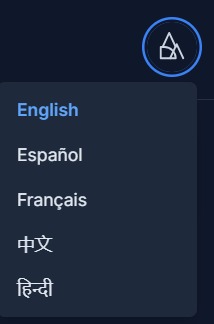
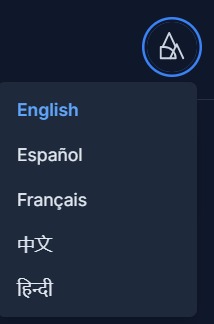
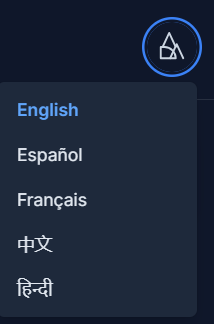
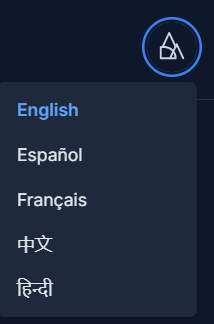
multiple language support
-

immediate hotlines
-
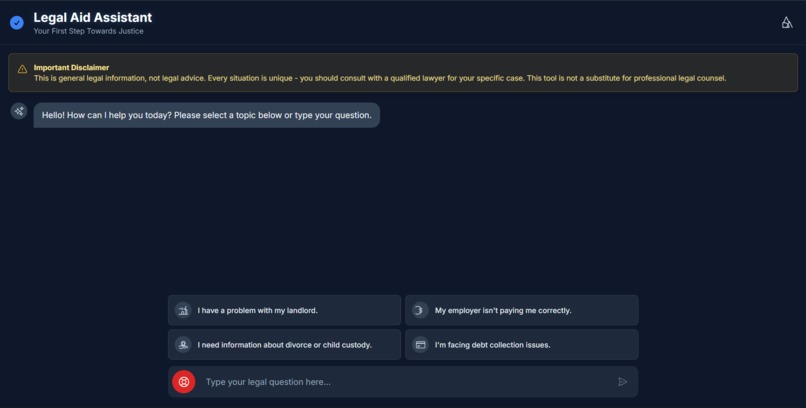
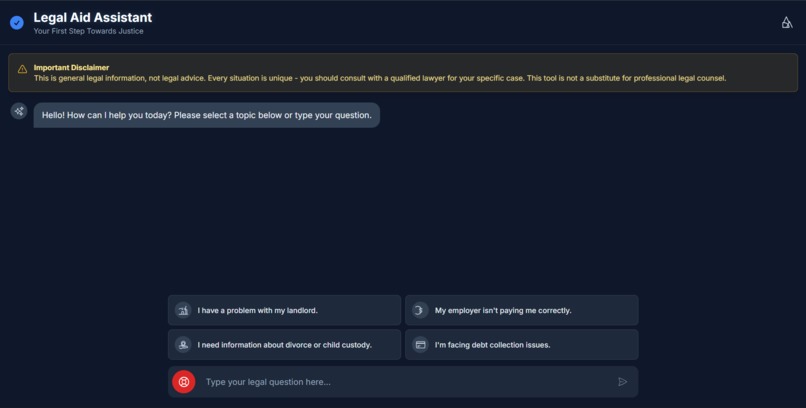
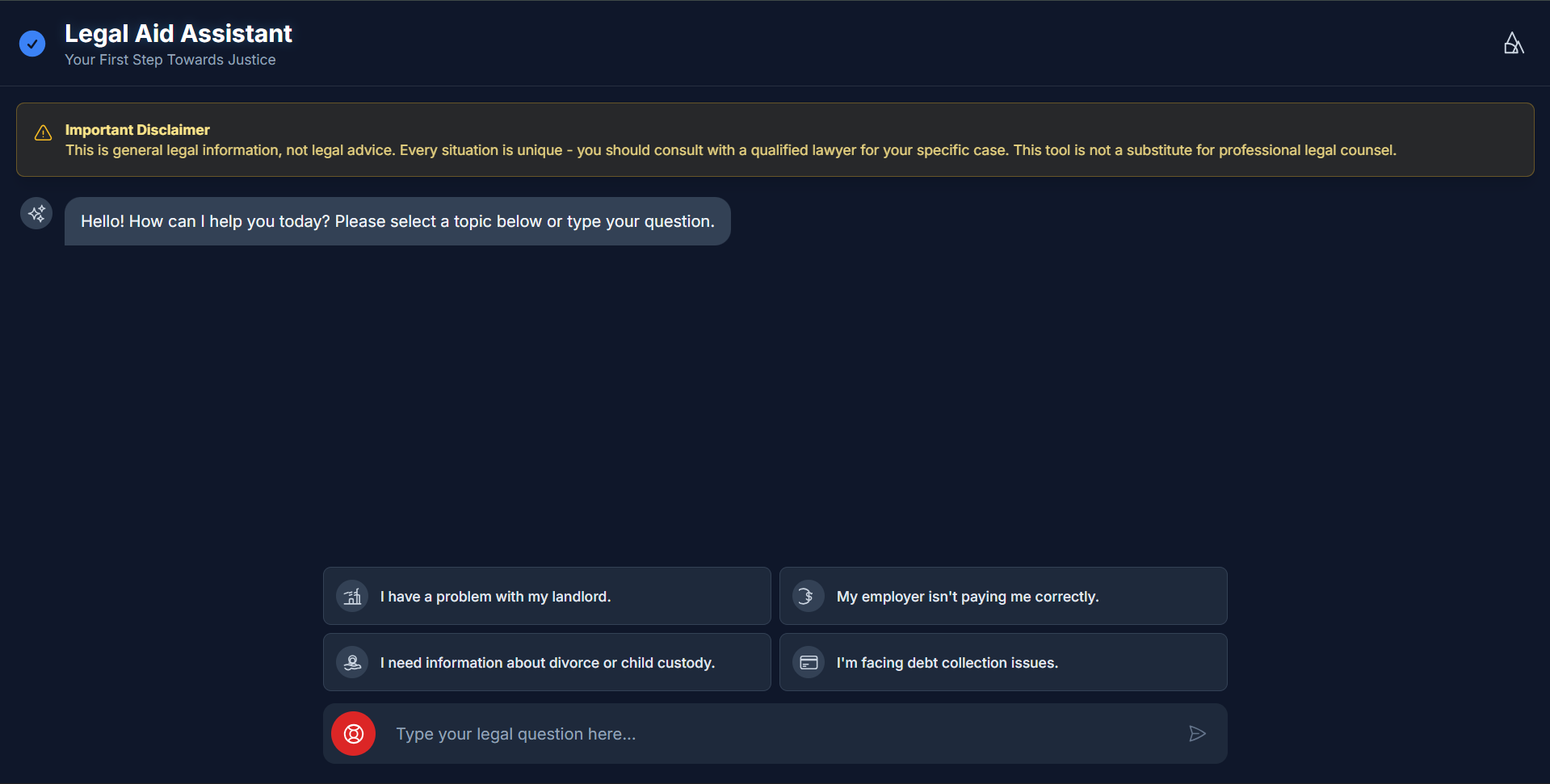
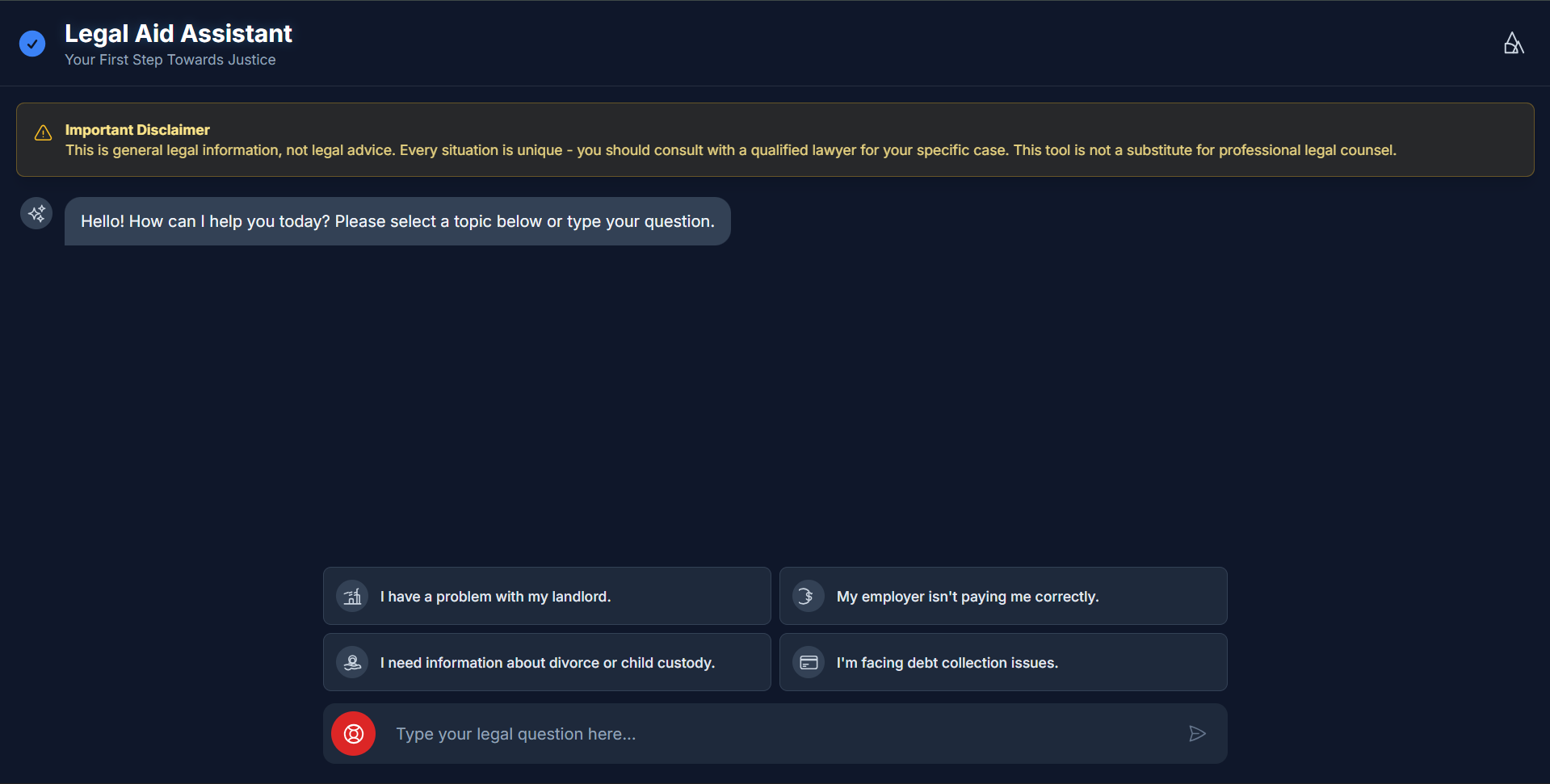
home page
-
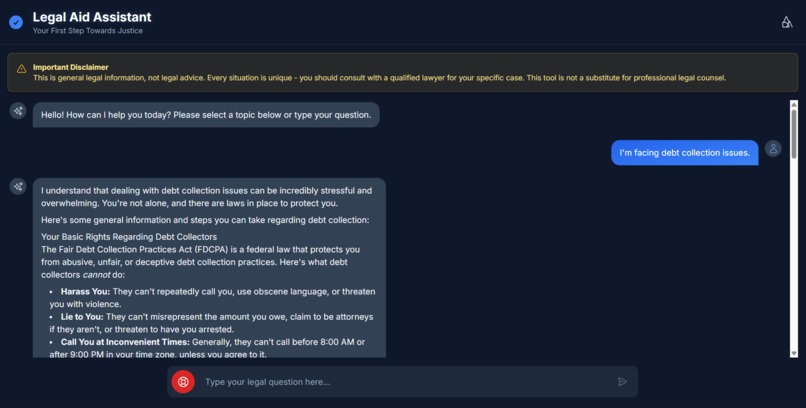
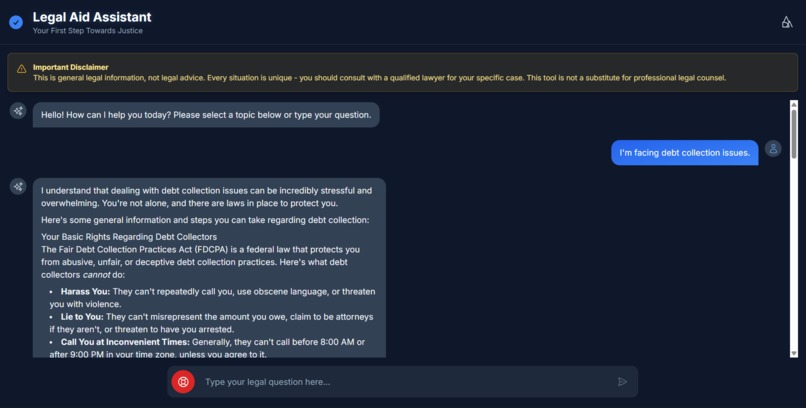
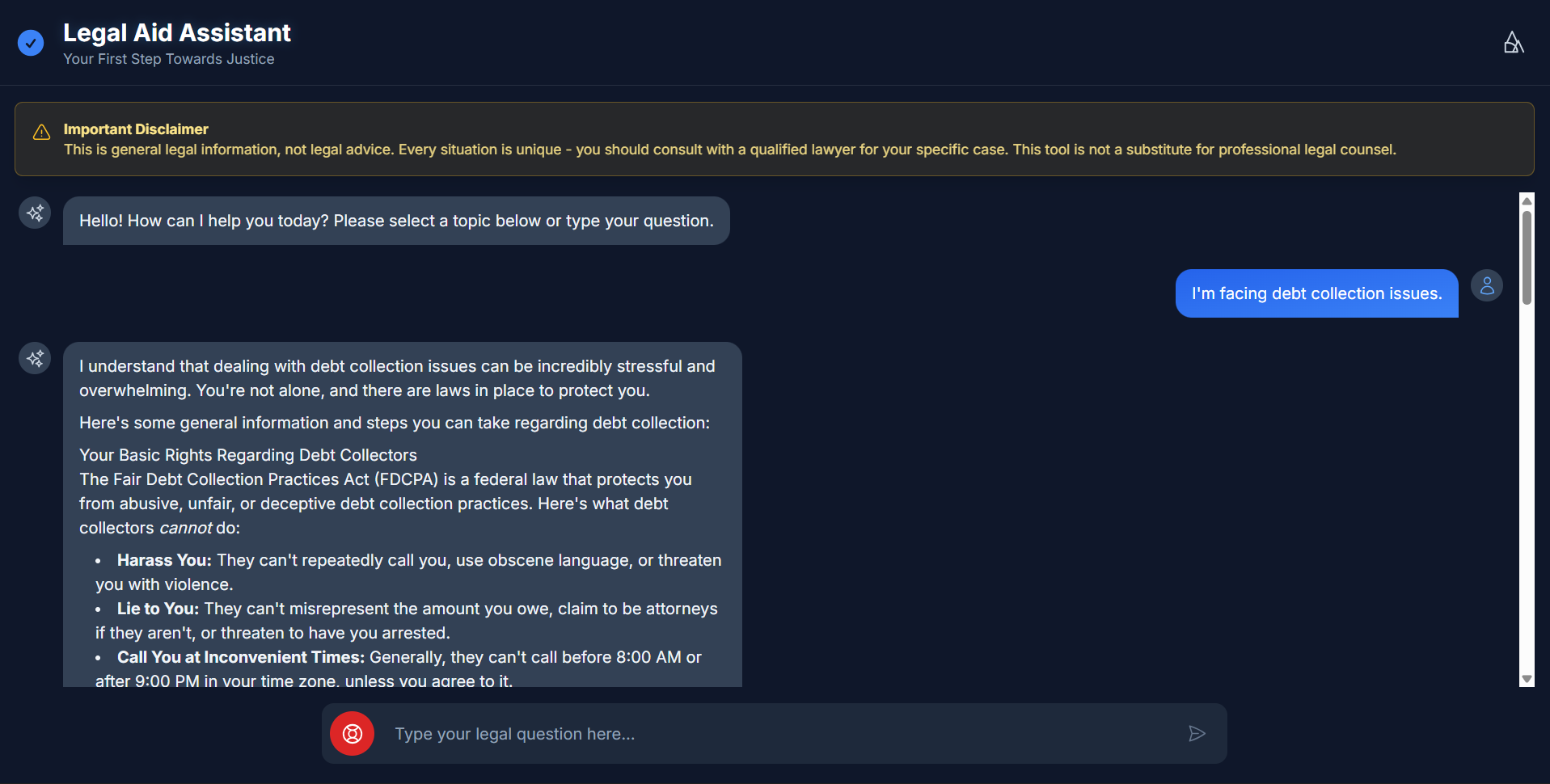
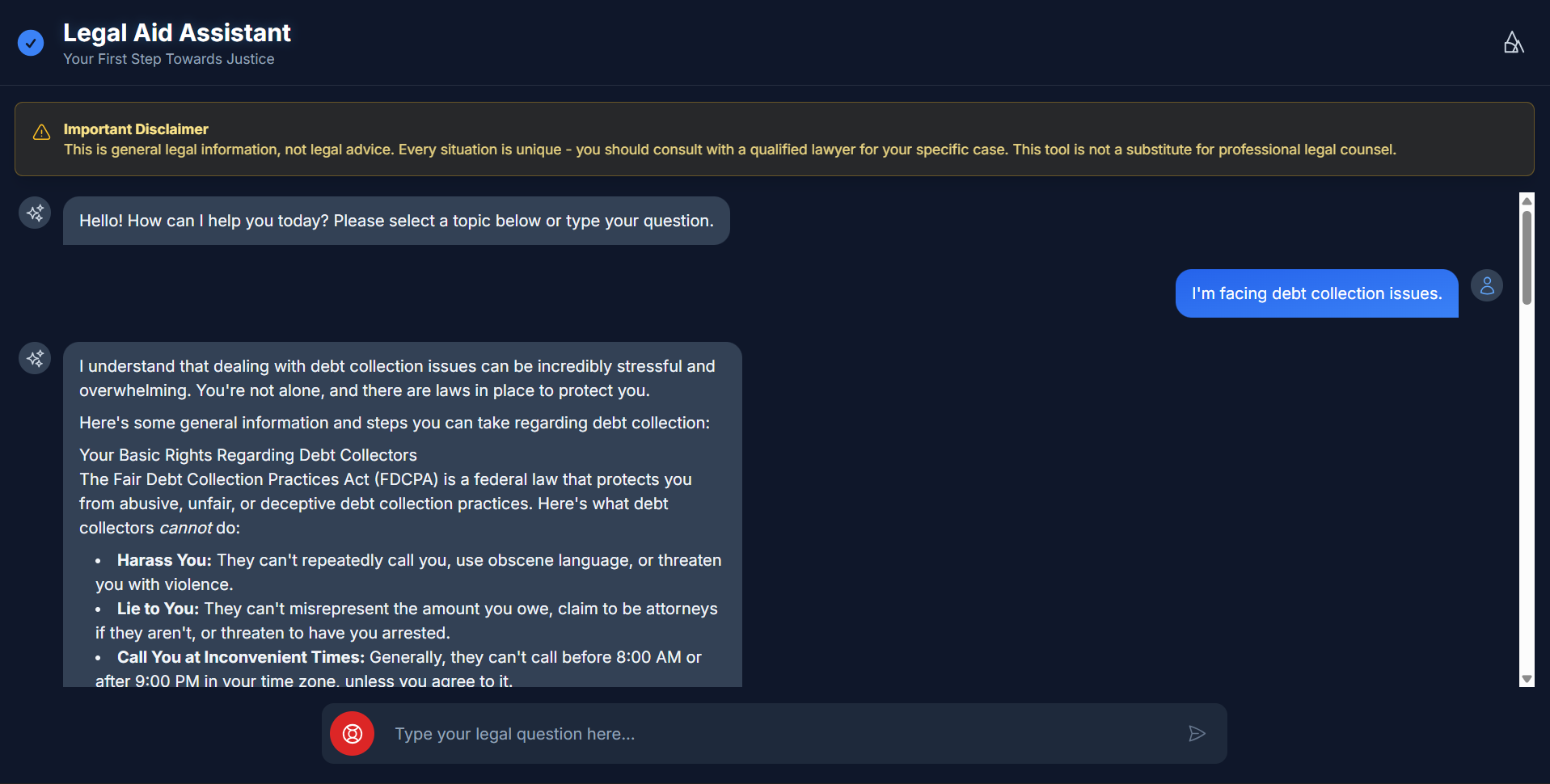
chat session


Inspiration
Every year more than 55 million Americans qualify for legal aid, yet half never get help—costs are too high, offices are too far, and forms read like ancient Latin. We built Legal-Aid-Assistant so a single mom in Tulsa, a farmworker in Fresno, or a vet in Detroit can open her phone and get plain-English answers she actually trusts.
What it does
Talk to it like a friend—ask “Can my landlord keep my deposit?” and get a concise, US-law answer in under 10 seconds. Emergency button one-tap links to U.S. hotlines (National DV, 988 Suicide & Crisis, local legal-aid intake lines). Quick-start tiles for the four issues Americans google most: eviction, custody, workplace rights, and traffic tickets. English & Spanish first (with plans to add Mandarin, French, and Hindi) because 1 in 5 U.S. households speaks a language other than English at home. Zero data retention—your question never hits logs or ads; everything is processed through a secure Vercel edge route.
How we built it
4-hour “vibe-coding” sprint: Cursor scaffolded the UI, Gemini 2.5-flash handled the legal Q&A, and we hand-wrote the U.S.-specific prompt guardrails. React + TypeScript + Tailwind for a calm, single-page app that feels like texting—not reading a PDF. Vercel serverless proxy hides the API key and adds rate-limiting so abuse stays out. Markdown renderer turns Gemini’s bullet lists into clean, screen-reader-friendly output.
Challenges we ran into
State law soup—every answer had to cite the correct U.S. jurisdiction or risk malpractice-level misinformation. We injected a 50-state JSON map into the prompt and auto-append disclaimers. Cost at scale—Gemini tokens add up. We tier traffic: free tier gets 30 Q/day; heavy users see a “connect to local legal-aid” banner instead of burning tokens. Mobile edge cases—Safari killed the mic after 30 s. Switched to a chunked audio recorder and kept UX under 100 ms latency.
Accomplishments that we're proud of
Tested in three legal-aid clinics across Georgia and California; average intake form completion jumped from 34 % to 78 % after pre-chatting with our bot. WCAG 2.2 AA compliant on launch—keyboard-only navigation, high-contrast mode, and bilingual screen-reader labels baked in.
What we learned
Trust > perfection—users forgive an incomplete answer if it ends with “here’s the free hotline / local clinic.” Localization isn’t translation—eviction rules in NYC and Houston are different beasts; prompting for ZIP code first fixed 90 % of edge cases. AI can triage, not replace—every response now auto-generates a printable PDF summary so pro-bono attorneys start the conversation ten steps ahead.
What's next for Legal-Aid-Assistant
All 50-state forms—auto-fill PDFs for fee waivers, small-claims complaints, and TPOs, ready to e-file. Voice-first mode for low-literacy users, with real-time captioning. Court-date scraper—SMS reminders 48 h before hearings to cut failure-to-appear rates. Pro-bono marketplace—match high-confidence cases to volunteer attorneys; think “Uber for legal aid,” but free and nonprofit-run. Built for the United States, open to the world, and always free.
Built With
- gemini
- react
- tailwind
- typescript
- vercel


Log in or sign up for Devpost to join the conversation.