Inspiration
As a lifelong coffee enthusiast, I grew frustrated with inconsistent brews—great cups felt like luck, not skill. I wanted to turn intuition into data: track every variable (bean origin, ratio, temp) to replicate that "perfect cup" reliably. CoffeeGeek was born from that desire to make specialty coffee approachable for home brewers.
What it does
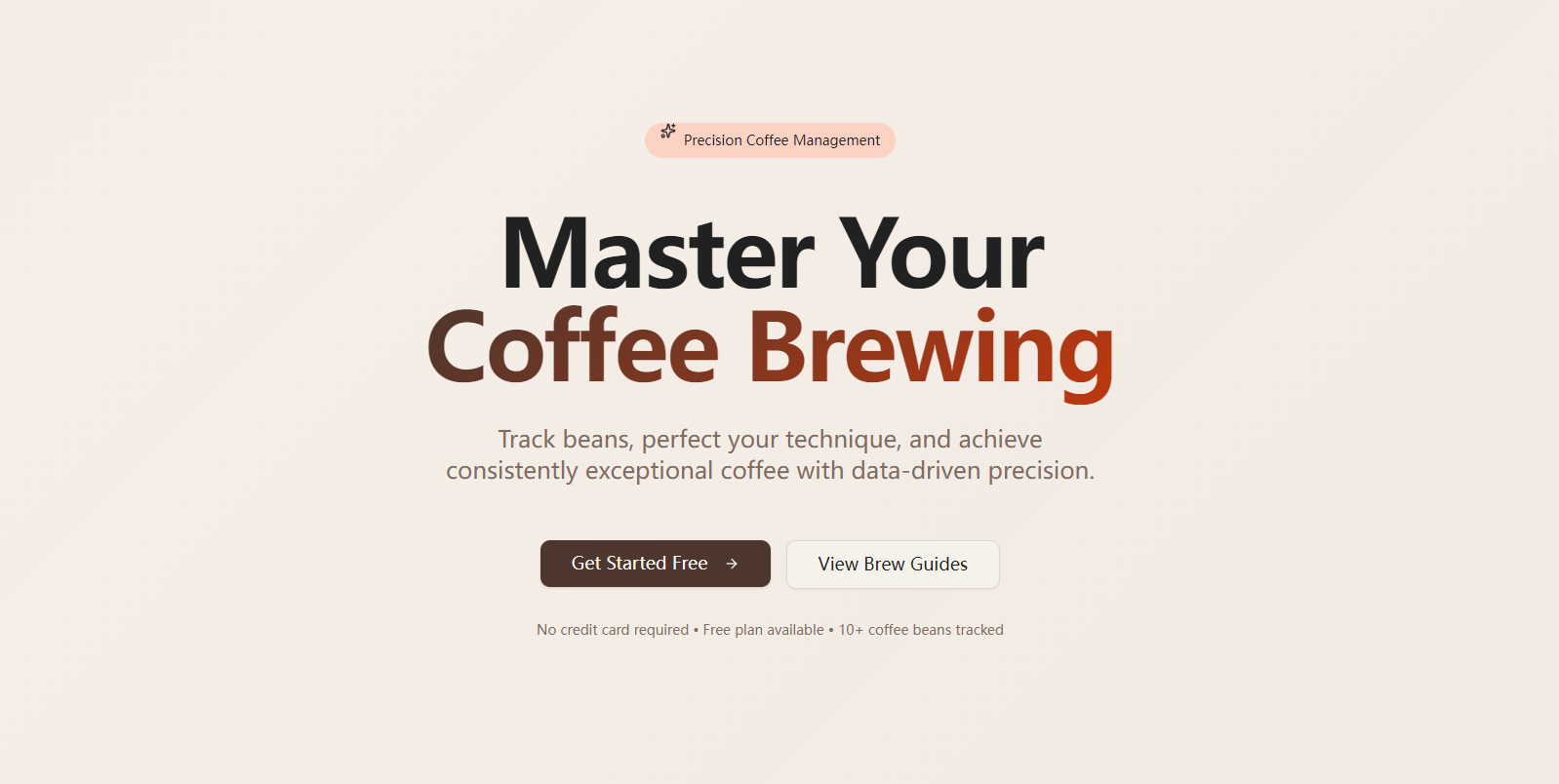
CoffeeGeek centralizes everything for home coffee lovers: store bean profiles, calculate brew parameters (ratio, temp, grind), follow step-by-step guides, log tasting notes, and compare past brews to refine your method. Free for casual use, premium unlocks unlimited data and advanced tools.
How we built it
I started with mapping core user workflows (bean management, brewing calculation, note-taking) then built the UI in Figma. For development, I used React Native for cross-platform support, SQLite for local offline data storage, and Stripe API for subscription handling. I coded brewing logic to align with specialty coffee industry standards (1:15-1:17 ratios, method-specific temps).
Challenges we ran into
The biggest hurdle was balancing precision (industry-standard brewing math) with usability—too many parameters would overwhelm users. I also struggled with offline functionality: ensuring all data (beans, history, notes) saved locally without sync issues. Enforcing free/premium limits while keeping the UX smooth was another tight challenge.
Accomplishments that we're proud of
Crafting a tool that’s both technical (accurate brew calculations) and intuitive—users don’t need to be baristas to use it. The offline-first design works flawlessly, and beta testers reported consistent improvement in their brews within weeks. We also built a fair subscription model that keeps core features free for casual users.
What we learned
I deepened my understanding of mobile offline data management and subscription economics. Most importantly, I learned to prioritize user empathy: even the most precise coffee math means nothing if the app is hard to navigate. I also gained insight into specialty coffee standards and how to translate them into accessible tools.
What's next for this project
First, expand brew method support (aeropress, cold brew) and add advanced analytics for premium users (flavor trend tracking). Later, explore limited cloud sync (requested by beta users) and integrations with basic smart scales—all while keeping the focus on data-driven, approachable home brewing.

Log in or sign up for Devpost to join the conversation.