-
-
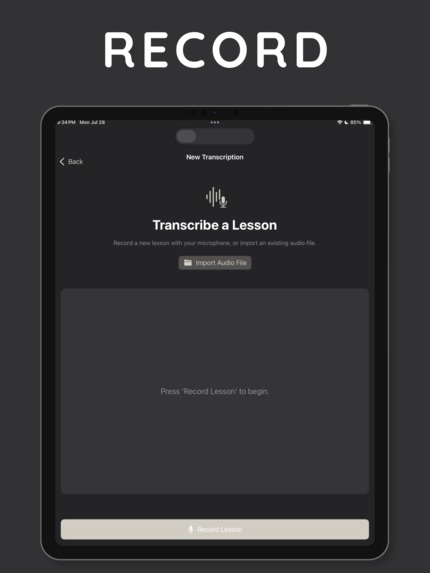
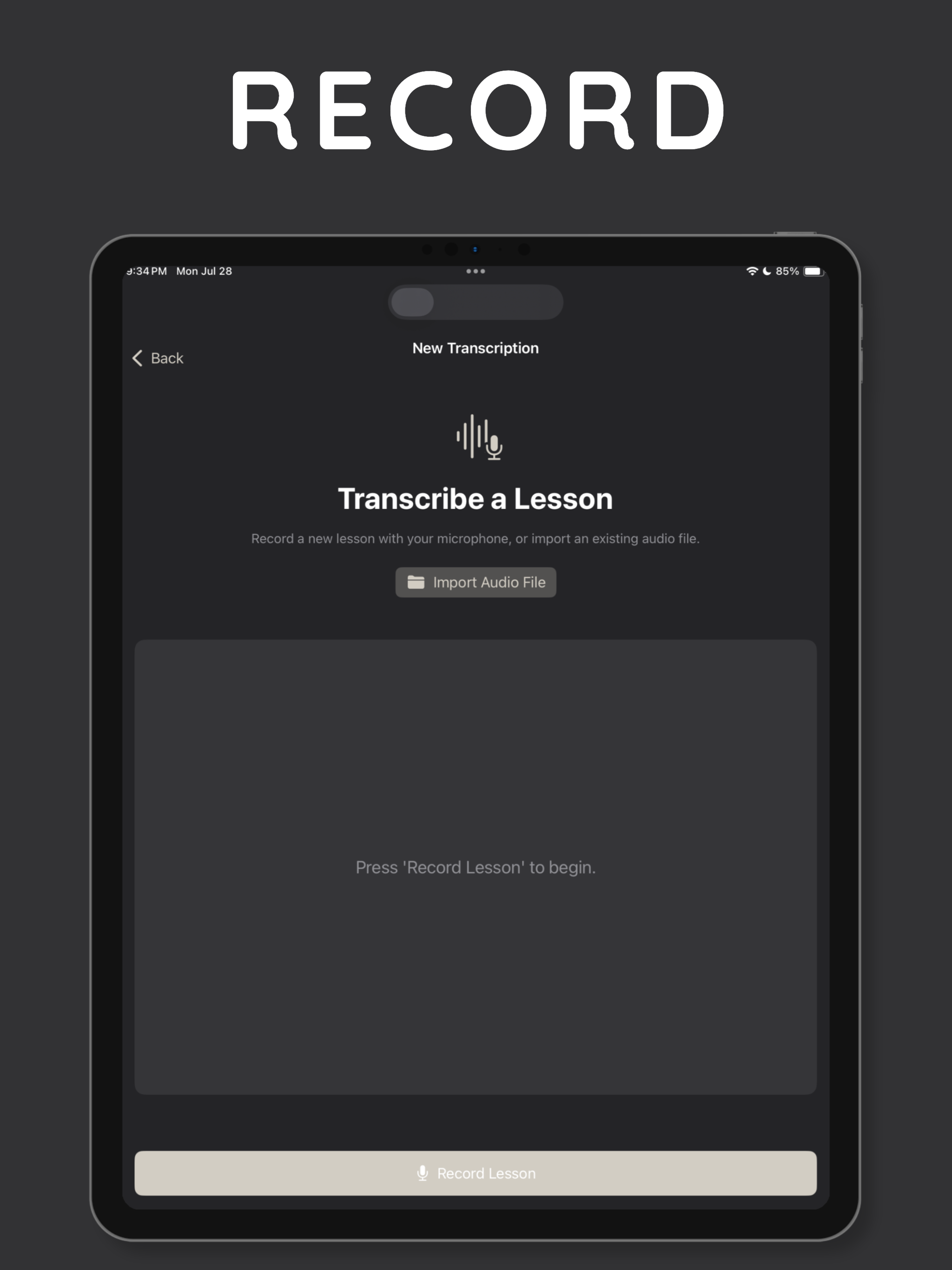
Users can record, then transcribe with a local model.
-
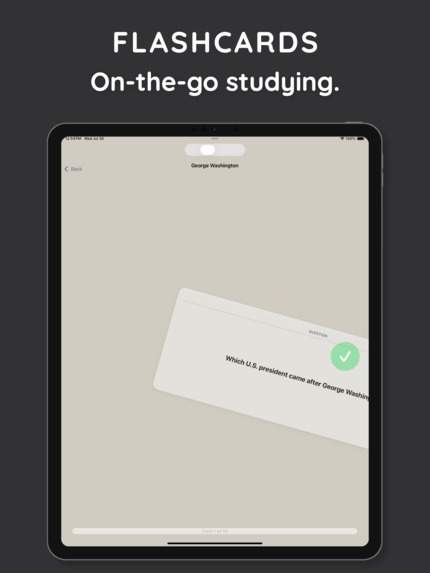
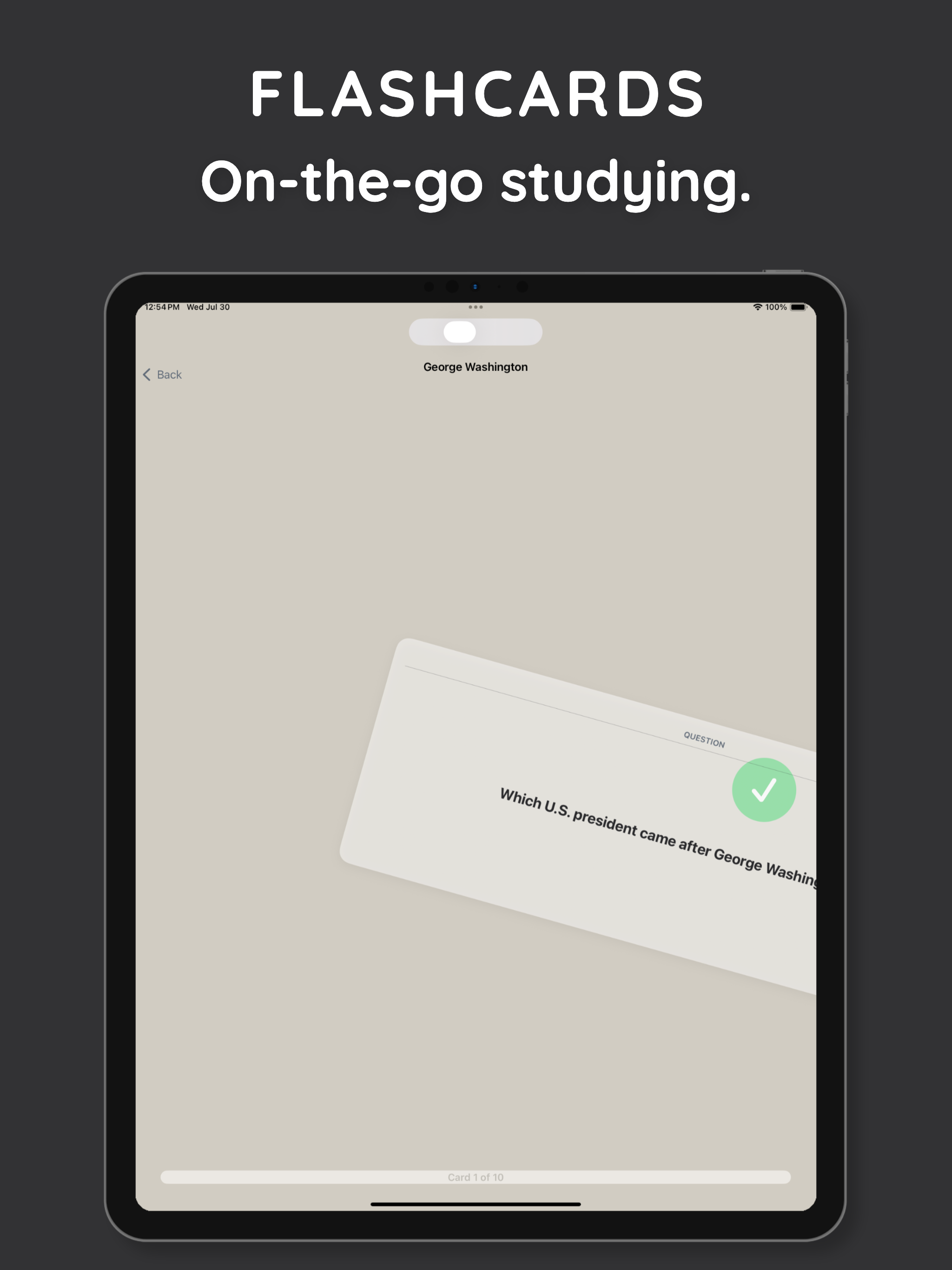
Users can study flashcards created by AI from a note.
-
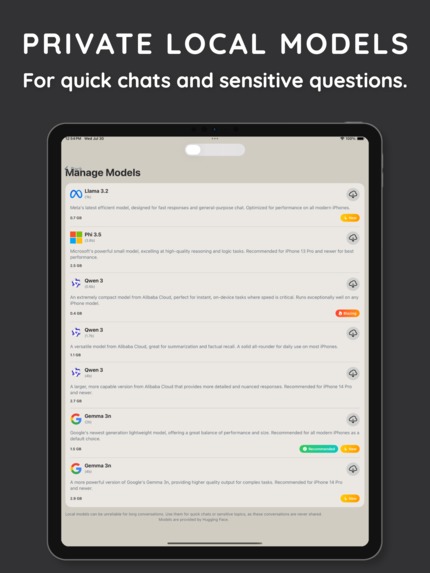
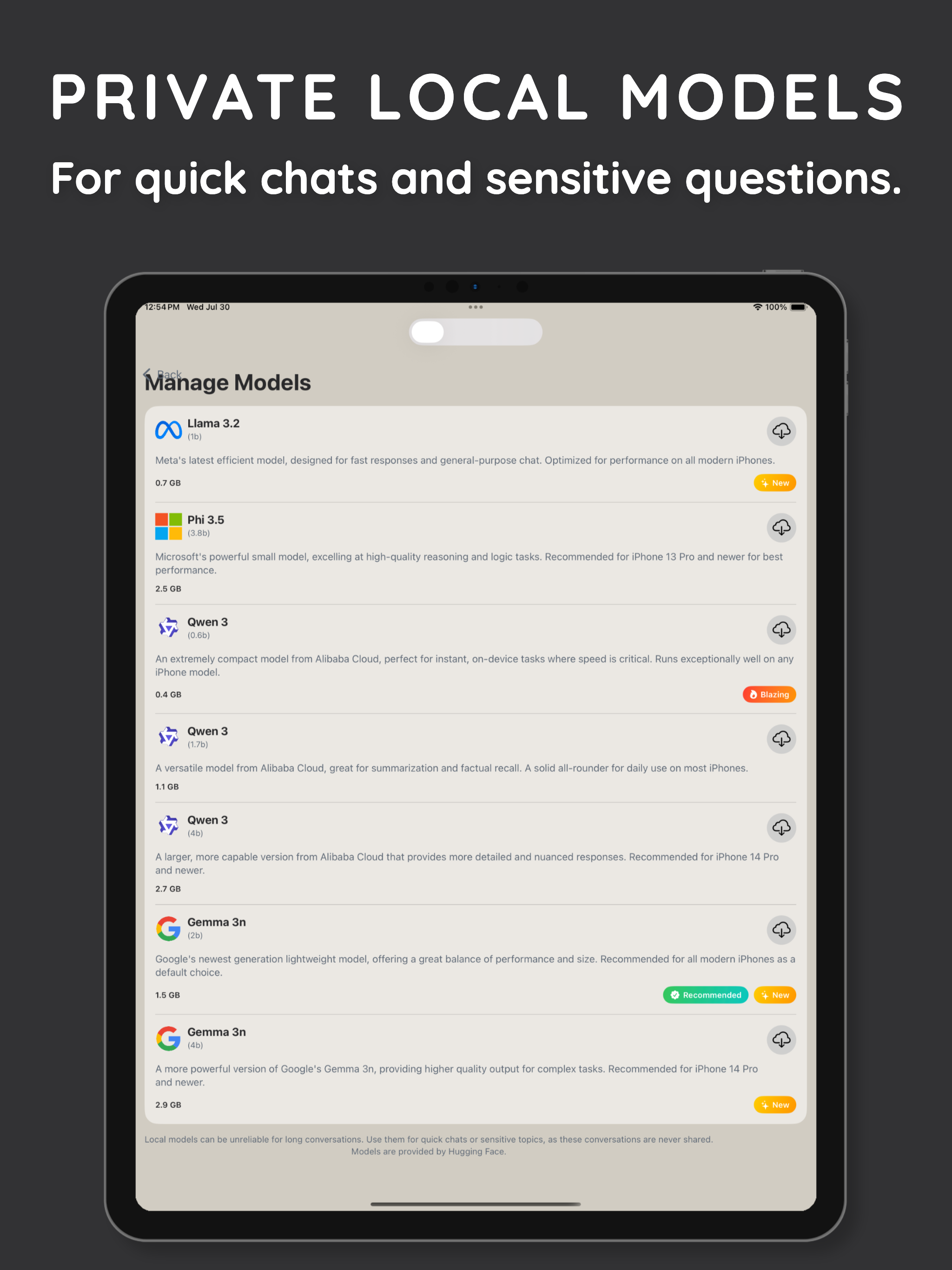
Users have the option to have a private, offline AI that runs on-device.
-
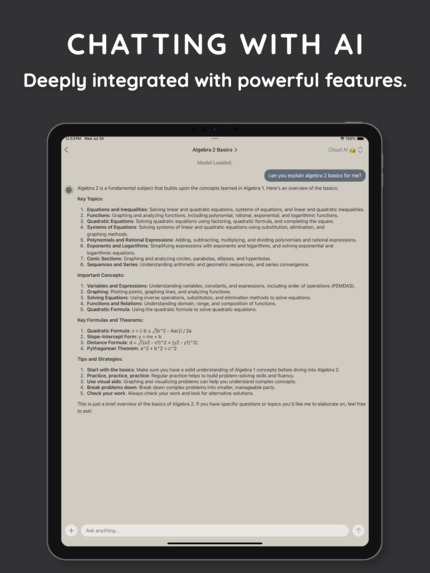
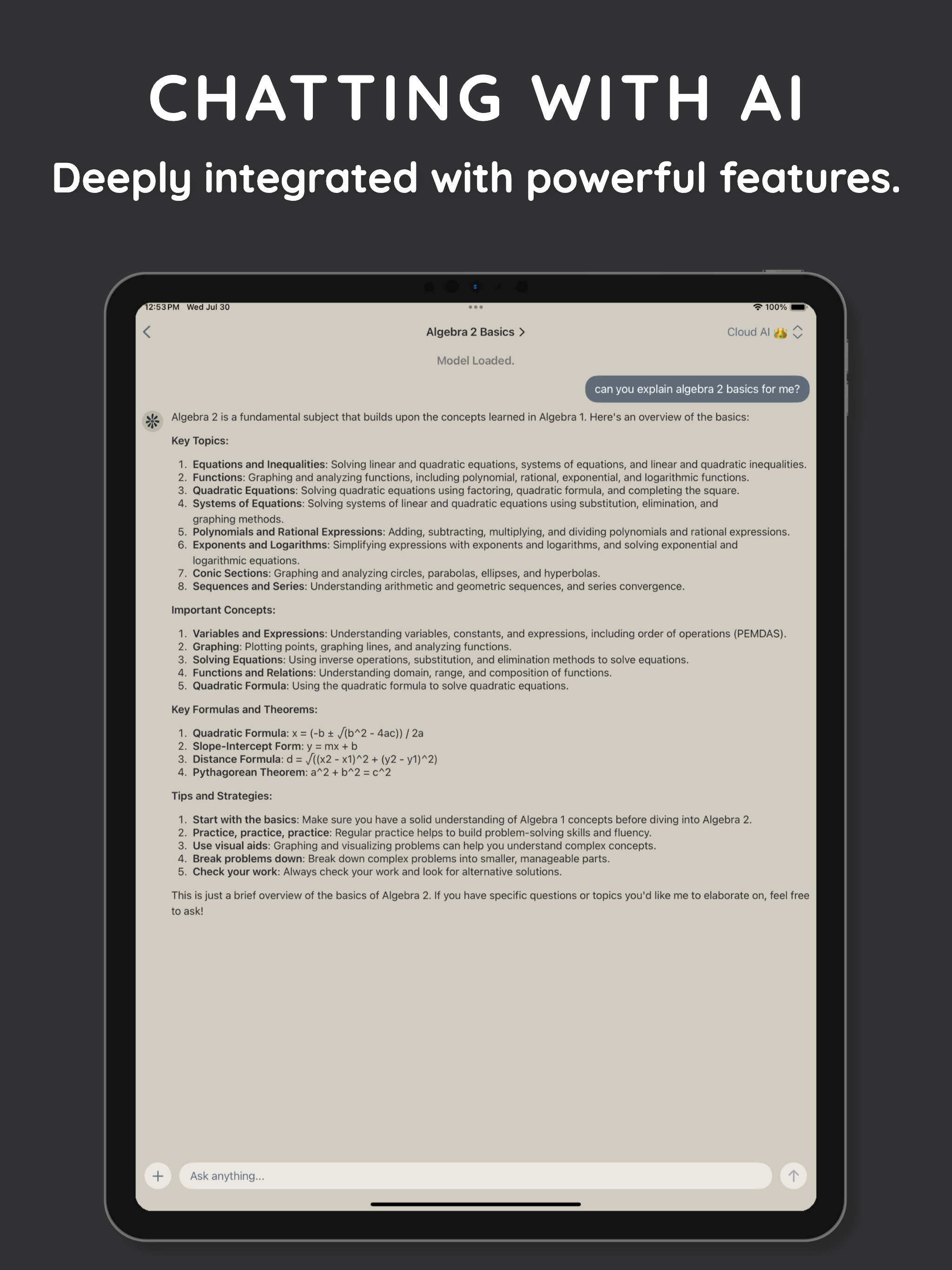
Users can chat with AI for miscellaneous purposes, or go directly from a note to chat about it.
-
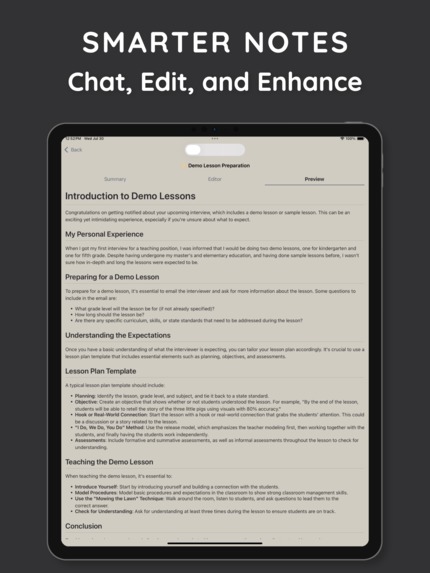
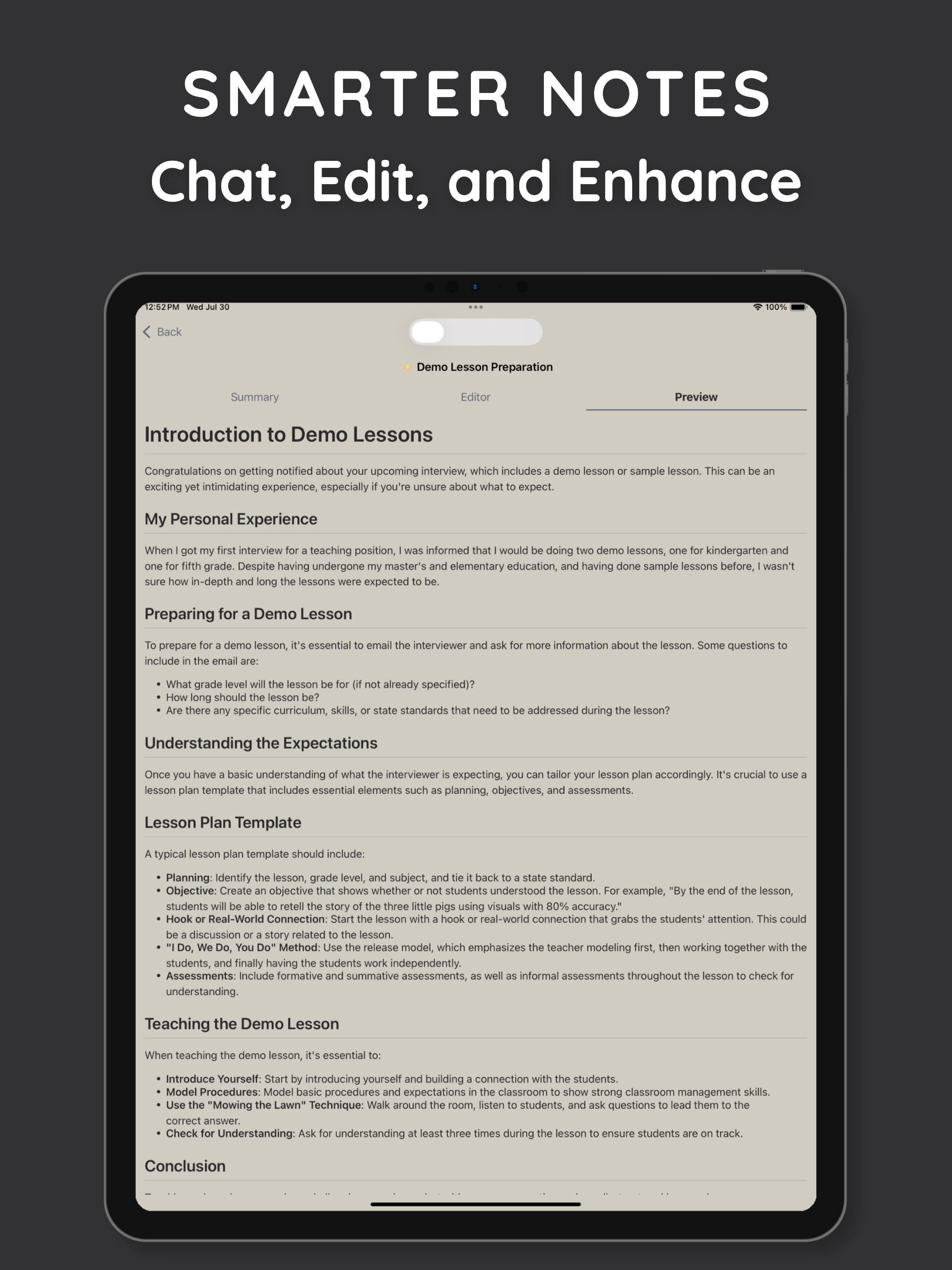
Notes are stored and rendered in Markdown, the most AI-friendly and Human readable format.
Inspiration
Every day around the world, new breakthroughs are made in technology. Showing a modern smartphone to a person just a few decades ago would blow them away, and this phenomenon is found in a multitude of other devices. However, we've failed to make a large amount of progress in one of the most important fields - schooling. Education is riddled with inefficiency, from monotonously taking notes and following instructions, to manually scouring through online resources, the skill of studying as seen in modern schools is useless just a few years after leaving the education system. I was inspired to take action because I've seen how schools approach learning, and with the advancements we've seen in the modern world, they are laughably far in the past.
What it does
Lectured is an app that is built to enhance learning with the abilities of AI. Students can use it with a click of a button to record a class, transcribe it, and then create notes and study with AI. It completely removes the manual creation of notes, allowing the students to critically think and engage with the lesson instead of being absorbed in writing down exactly what they hear.
How I built it
Lectured was built completely from scratch using Swift. Early in the design stage, I realized that the data I planned to handle was highly sensitive. Thus, I decided immediately that a privacy-first model was imperative for our users. For transcriptions, I decided to use WhisperKit's open source solution with OpenAI's Whisper base model. Additionally, I incorporated private and local AI through MLX. This allows students to fully use AI and transcription offline, without any audio recordings being sent to external servers.
Challenges I ran into
When I began implementing local AI, I had several issues. Balancing intelligence and the hardware limits of a mobile device was frustrating to say the least, and while I was open to the idea of monetization, I tried to keep it free for as long as possible. Eventually, I realized that an app that deals with very long context windows, which was our transcription generated through over an hour of speaking, could not run locally. So, I looked into monetization. I searched far and wide for different methods of dealing with subscriptions, and at one point I tried implementing it myself. However, this led to endless headaches about having a dedicated group of people working on refunds and whatnot, and I gave up. Just when I was about to rethink my entire app purpose, I found RevenueCat through a thread on Reddit. It took a few hours to set up, but I quickly realized that it would save me an immeasurable amount of time. It handled paywalls, purchase testing, refunds, and more. So, with these two problems figured out, I could finally focus on making my app smooth and beautiful for users.
Accomplishments that I'm proud of
I believe that privacy is extremely important, and that it is imperative to keep sensitive functions like creating and transcribing recordings on the device, especially when dealing with recordings from class lectures. I was able to make the entire process of handling the recordings fully offline and local, removing any extra calls to external processing, keeping user data completely in their hands. Secondly, app design is something I love, and packing in all the features I wanted into a user-friendly experience was something that took a lot of time and effort. Everything down to the colorway, the way buttons move, and how my layout is styled, was brainstormed and iterated over by me. In the end, it created an app experience that I and my app's testers enjoy using and interacting with. Finally, as a student myself, I had a pretty limited amount of time as I was working on the app throughout summer break. Staying dedicated and reaching my ludicrous goal of making a full-fledged app in a few months is something I'm extremely proud of.
What I learned
This was my first ever iOS app, and my first time seriously using Swift. I learned a lot about the language and how to use it effectively to do the things I wanted. Additionally, I'm not the best at UI. I spent a long time on different sites looking at what made UI's good and how to improve my own. The UI in my app is the result of weeks of fine-tuning, improvements, and inspiration from existing apps.
What's next for Lectured
This app is currently in a good state for mobile use, but for users who really want to make in-depth notes, mobile limitations just don't make it possible. Currently, I'm developing a web dashboard, and in there users can export notes to more popular editing tools, or use a built-in markdown-compatible editor. However, I'm especially excited for this next one; with the release of iOS 26 coming soon, Lectured may pivot to Apple's built-in transcription service, allowing for even faster speeds and a significantly reduced app size.
Built With
- firebase
- openrouter
- revenuecat
- swift
- typescript

Log in or sign up for Devpost to join the conversation.