Inspiration
The idea for LectorAI began while I was preparing for the SAT.
My study materials were scattered everywhere: long reading passages in PDFs, explanations hidden inside YouTube videos, vocabulary lists in separate documents, and practice questions spread across different websites. I often spent more time organizing materials than actually studying. Whenever I struggled with a passage, I wished I could simply upload it and receive a clear explanation, useful vocabulary, targeted questions, and feedback based on my mistakes.
I searched for a product that could turn all of these materials into one personalized learning experience, but I could not find exactly what I needed. Most tools could summarize a document or generate a few questions, but they did not understand the complete exam-preparation workflow.
After another late-night SAT study session with too many tabs open, I told my friend: “If this product does not exist, why don’t we build it ourselves?”
That conversation became LectorAI.
What it does
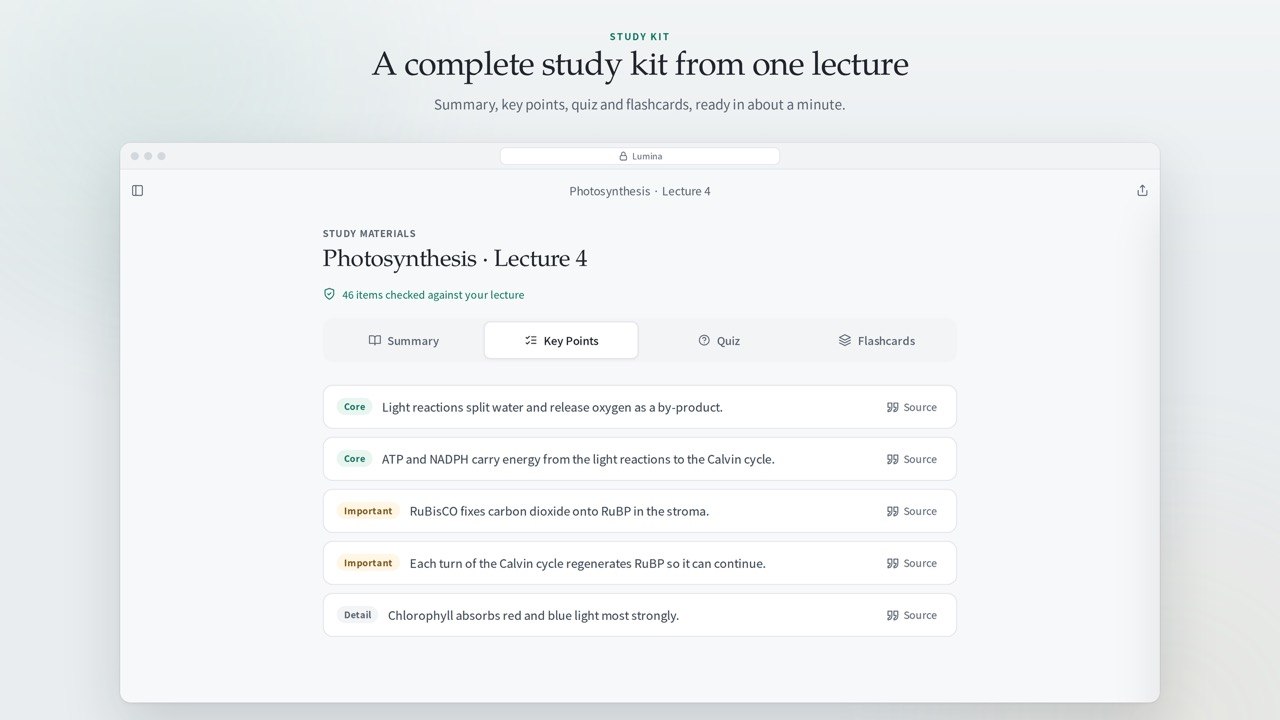
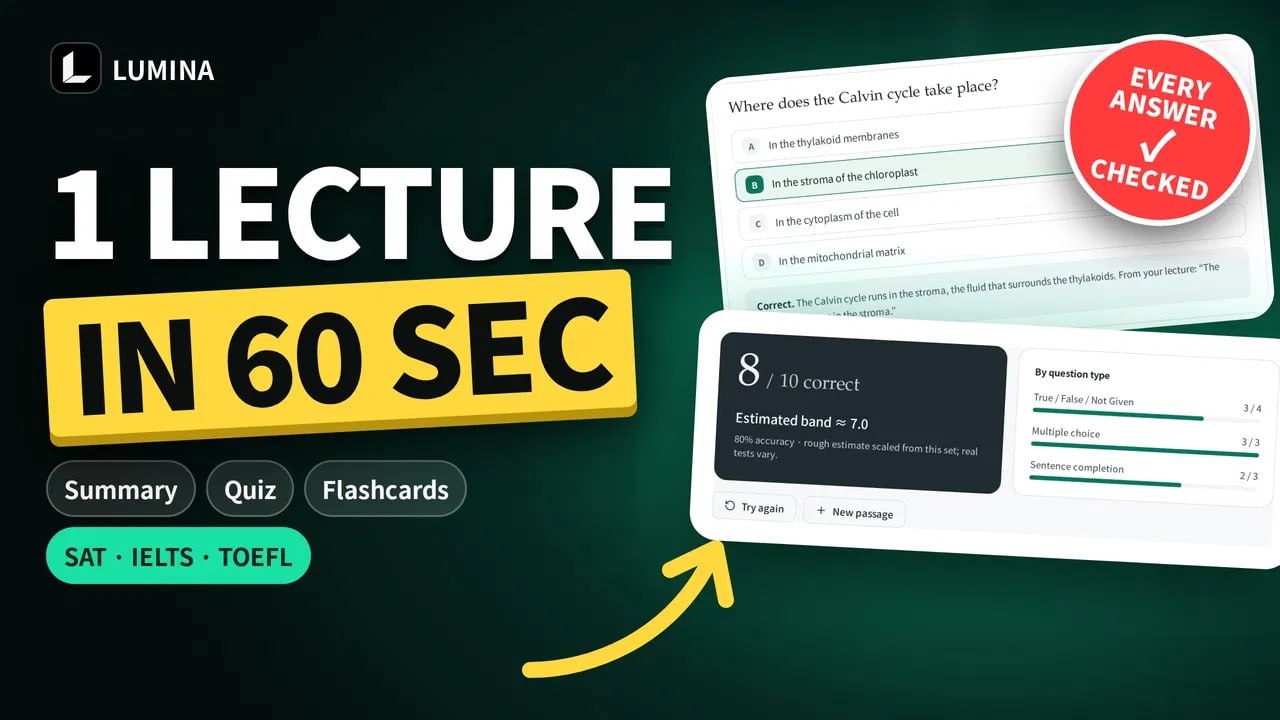
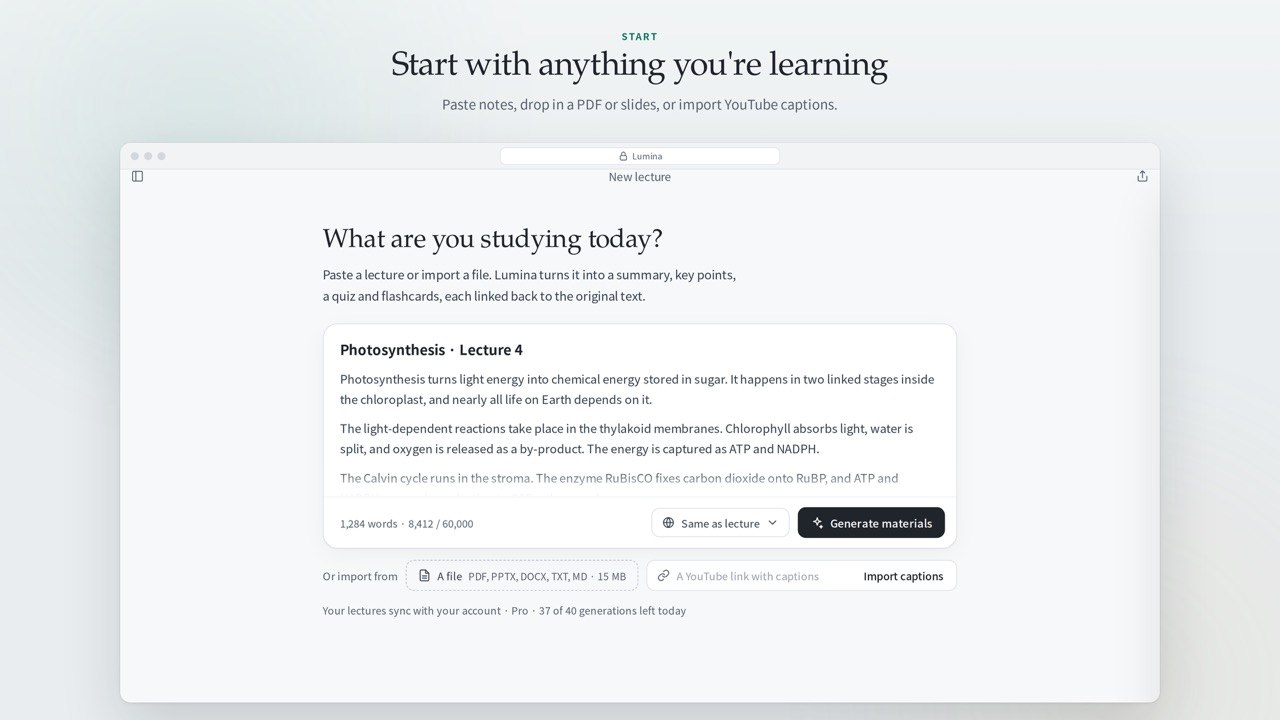
LectorAI transforms existing learning materials into an interactive study experience. A learner can paste text, upload documents such as PDFs and presentations, or provide a YouTube link. LectorAI processes the content and creates structured learning resources, including:
- Clear explanations and summaries
- Personalized study guides
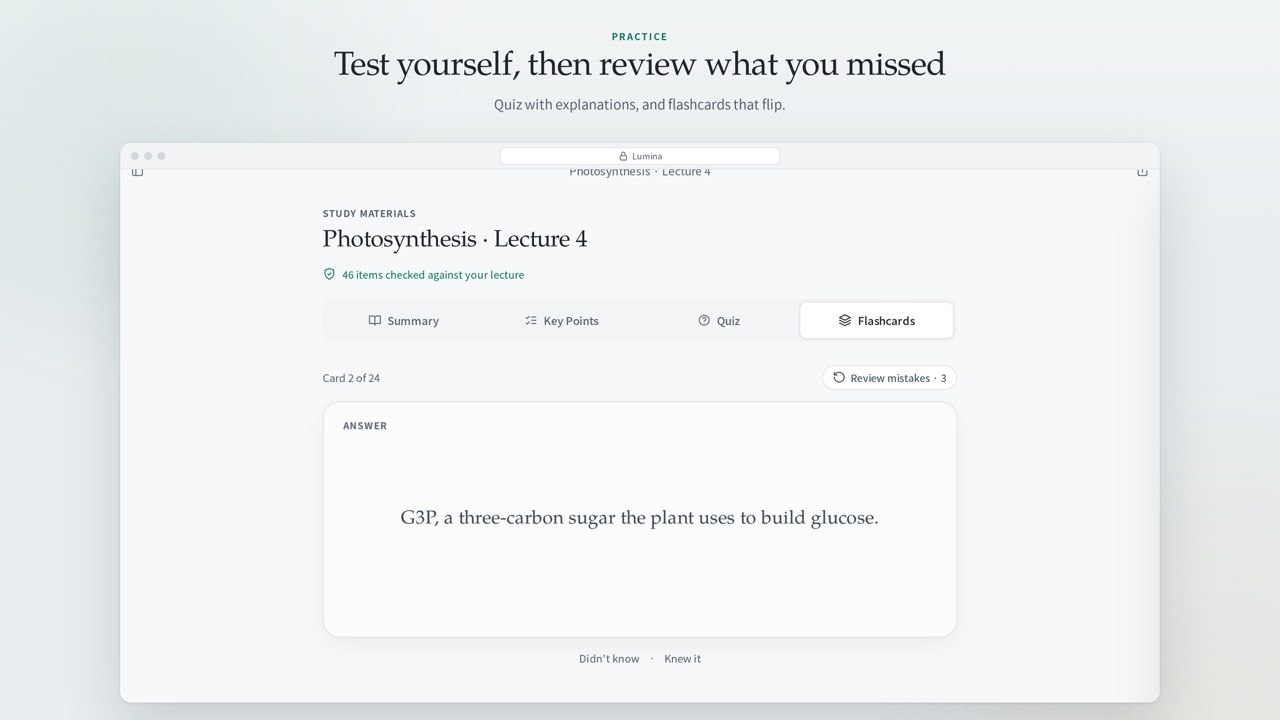
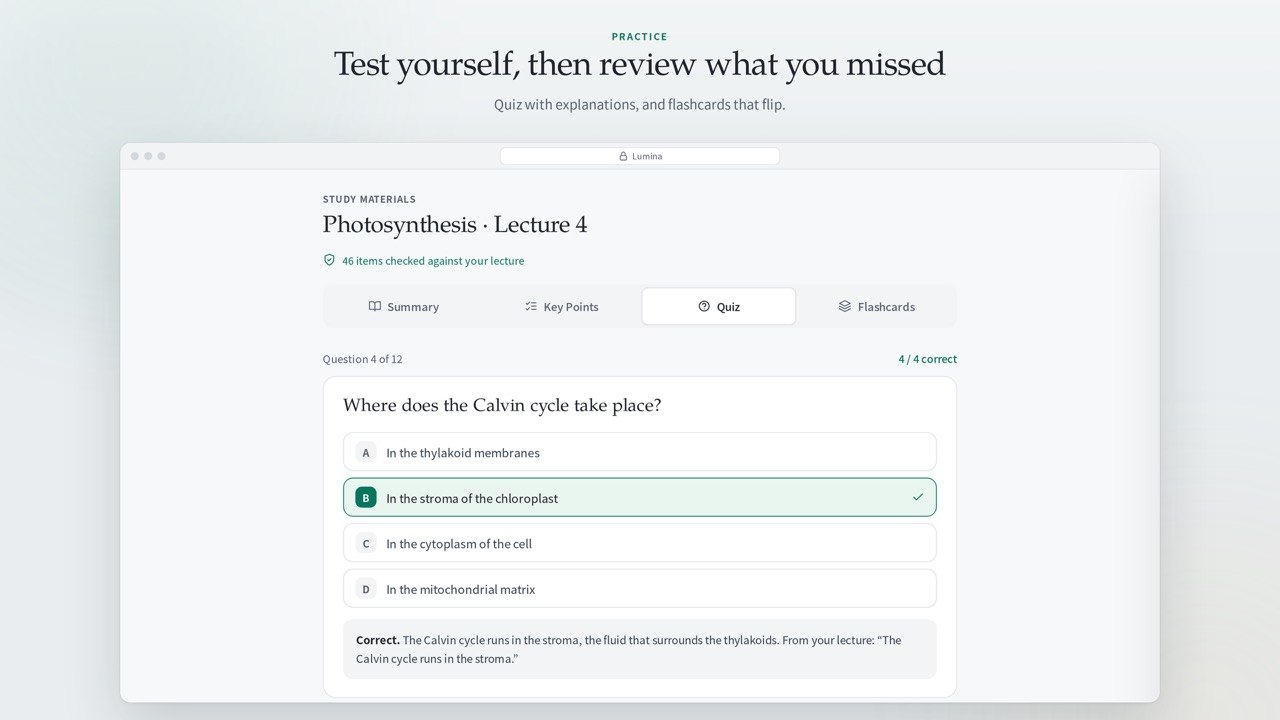
- Flashcards and vocabulary practice
- Quizzes with answer explanations
- Reading comprehension exercises
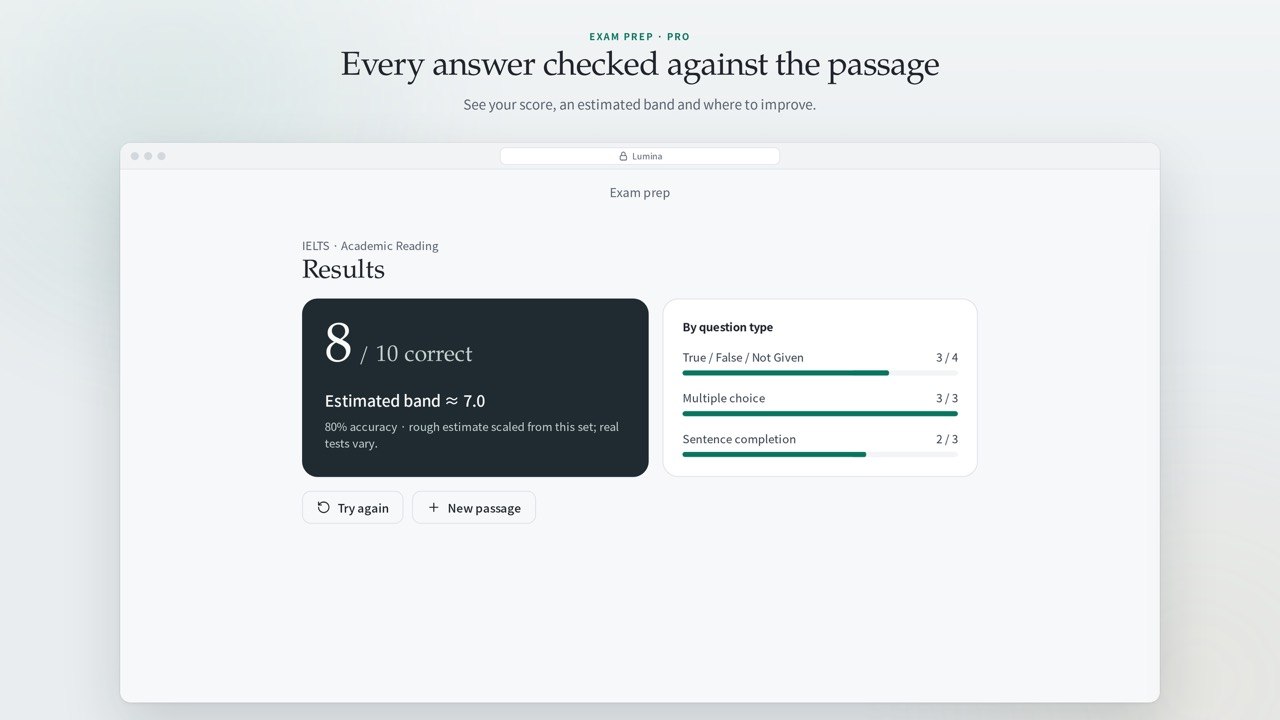
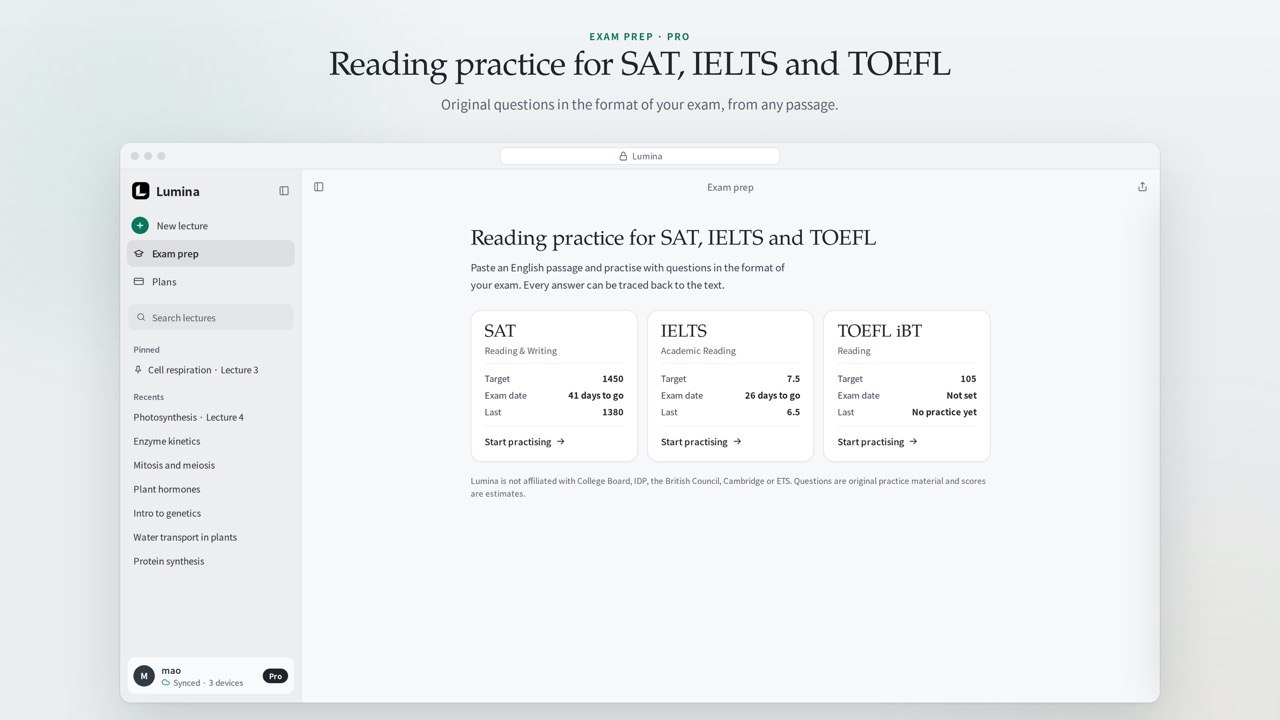
- IELTS, SAT, and TOEFL preparation
- Progress tracking and reusable study materials
Instead of forcing students to adapt to disconnected tools, LectorAI adapts the material to the student.
How we built it
LectorAI was built by a two-person team. We divided the work according to our strengths while making product decisions together. One of us focused primarily on backend systems, AI generation, data processing, authentication, subscriptions, and reliability. The other focused on the frontend experience, interaction design, and making complex study workflows feel simple.
We built the platform with Next.js and connected it to AI models capable of analyzing educational content and producing structured outputs. We also created document-processing pipelines, background generation jobs, user accounts, a database, subscription plans, and specialized exam-preparation experiences.
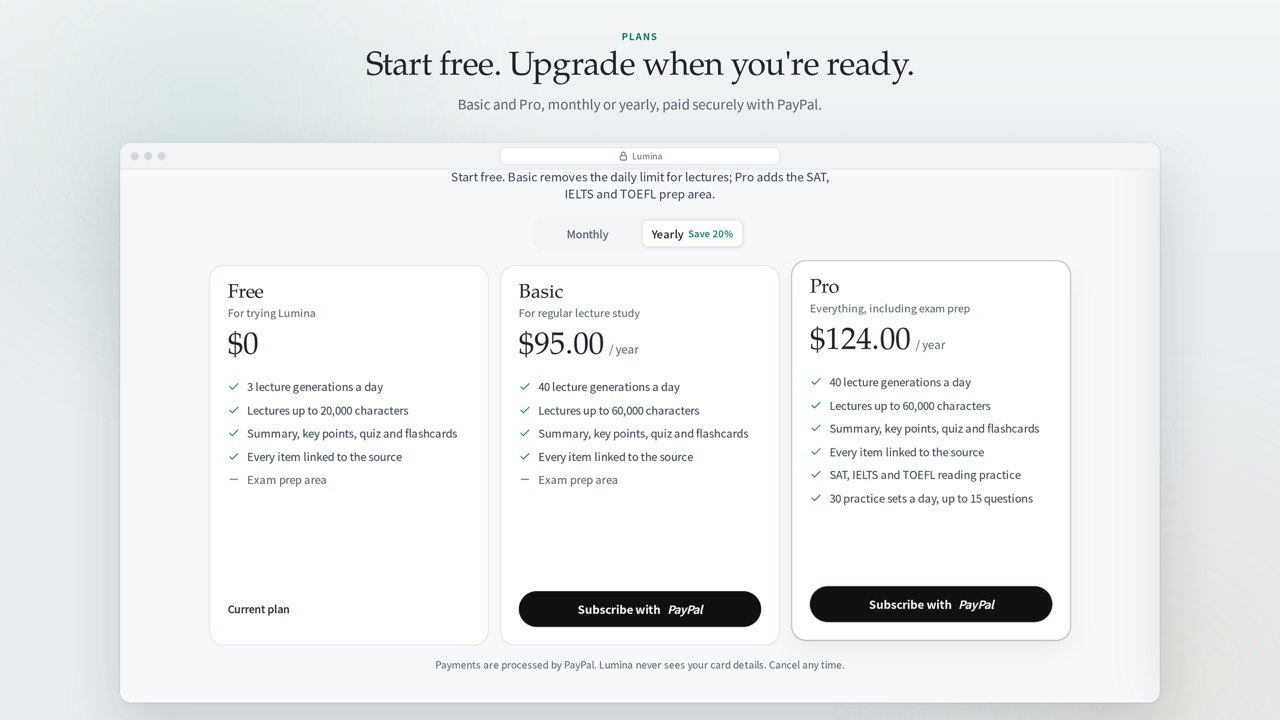
For Shipathon, we focused on turning LectorAI from a prototype into a product with a sustainable subscription experience. Our goal was to make upgrading simple and transparent while ensuring that learners could understand what each plan provides.
Challenges we faced
One of our biggest challenges was handling real educational content. Study materials are rarely clean: PDFs can have broken layouts, reading passages contain line numbers, copied text may include unusual spacing, and YouTube transcripts are often inconsistent. We had to improve the extraction and normalization process so that the AI received meaningful content.
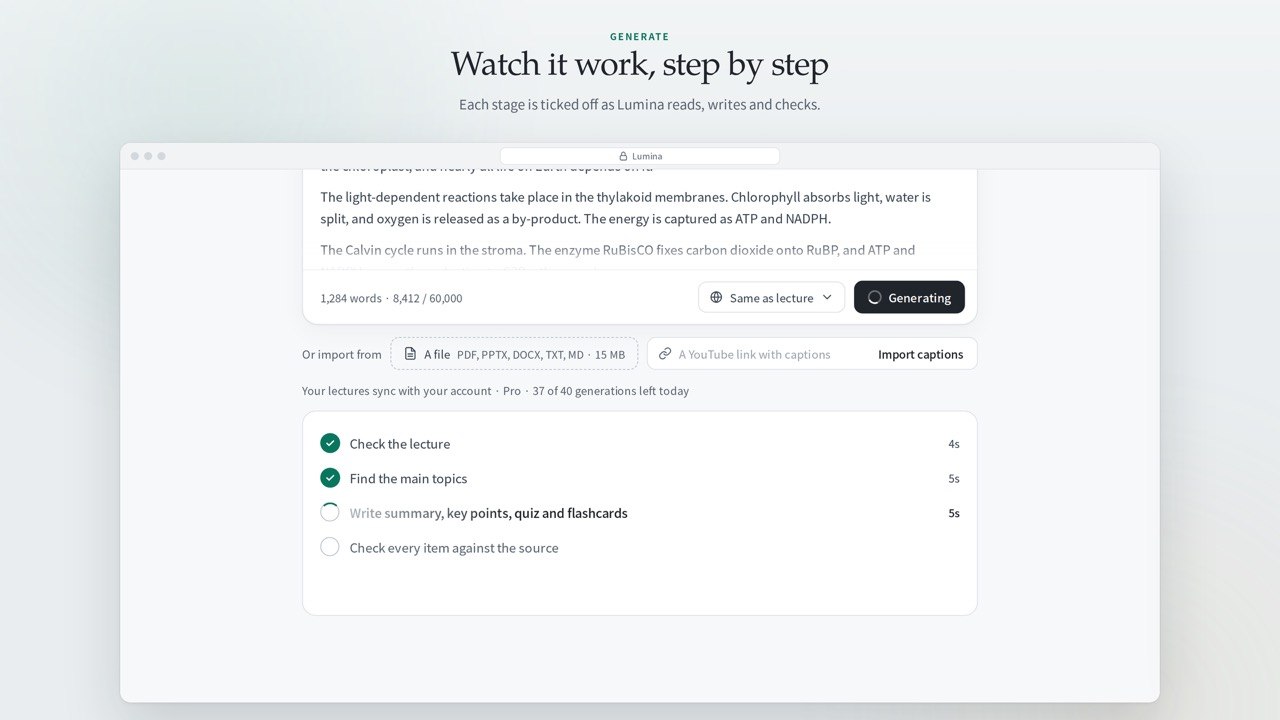
Another challenge was reliability. Generating a complete study kit can take time, so we designed background jobs, recovery mechanisms, and clear progress states. We also worked carefully on authentication, quotas, subscriptions, and payment recovery to prevent users from losing work or being charged twice.
Designing exam preparation was equally challenging. SAT, IELTS, and TOEFL are not simply collections of generic multiple-choice questions. Each exam has its own question types, timing, scoring expectations, and reasoning patterns. We studied those differences and designed dedicated practice experiences around them.
What we learned
The most important lesson was that educational AI needs more than a good prompt. Students need a complete, reliable workflow: importing material, understanding it, practicing it, reviewing mistakes, and returning later to continue learning.
We also learned how much can be achieved by a small team when both people care deeply about the same problem. LectorAI started as something I wished I had while preparing for the SAT. Building it with my friend turned that personal frustration into a product that can now help other students spend less time organizing and more time learning.
What's next
Our next step is to make LectorAI even more personal. We plan to add deeper performance analytics, adaptive practice based on weak areas, smarter study schedules, collaborative learning, and more exam formats.
Our long-term vision is simple: any learner should be able to bring their own materials and instantly turn them into a structured path toward mastery.
Built With
- ai
- api
- ielts
- inngest
- libsql
- next.js
- openai
- parsing
- paypal
- react
- resend
- sat
- transcript
- turso
- typescript
- vercel
- youtube


Log in or sign up for Devpost to join the conversation.