-
-
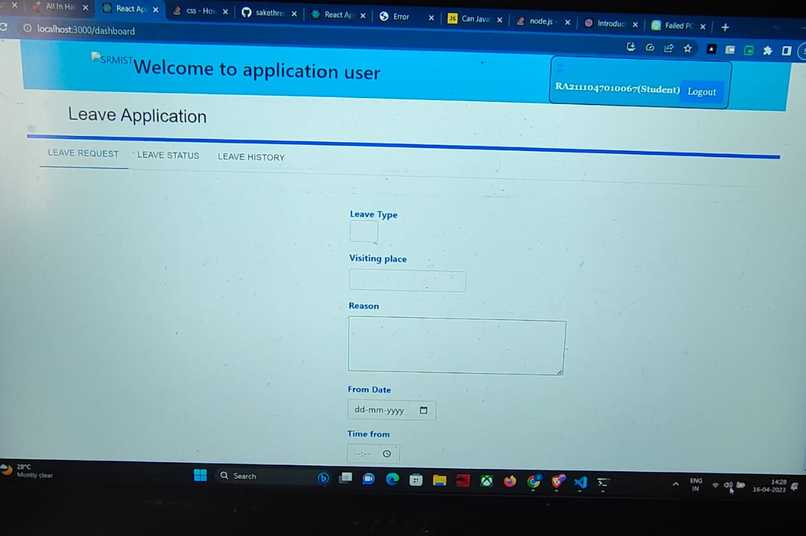
user portal
-
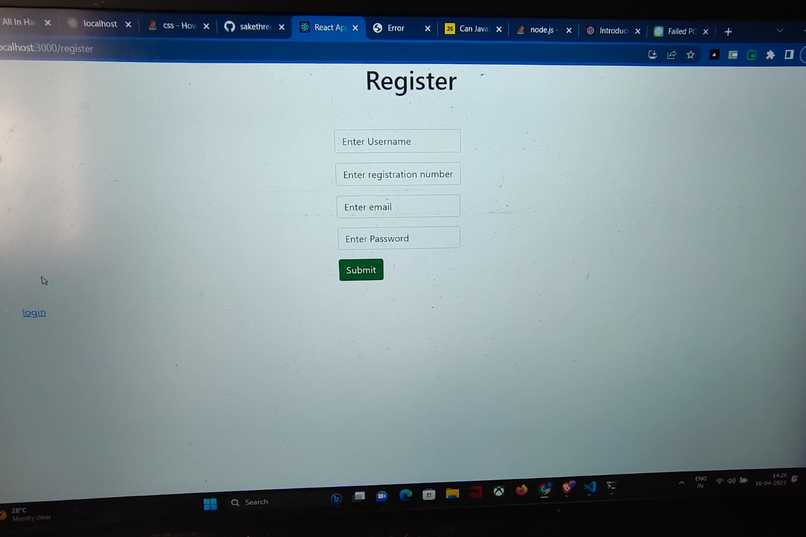
Registration page
-
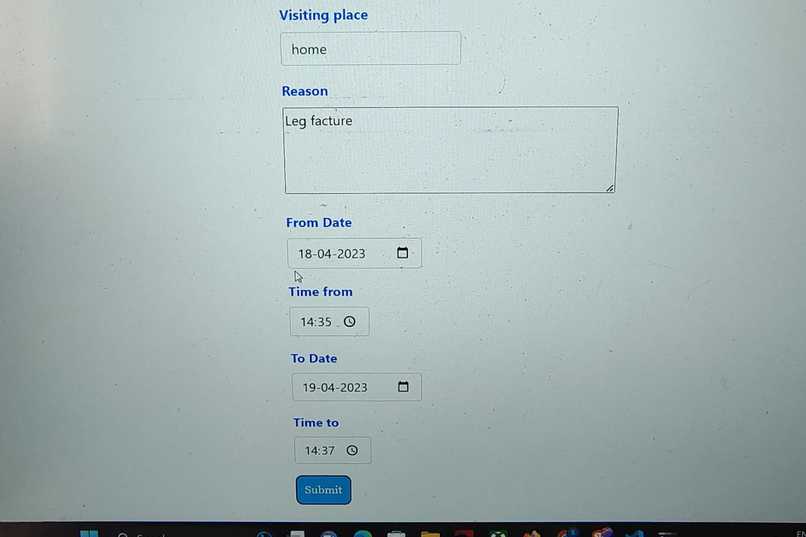
request page
-
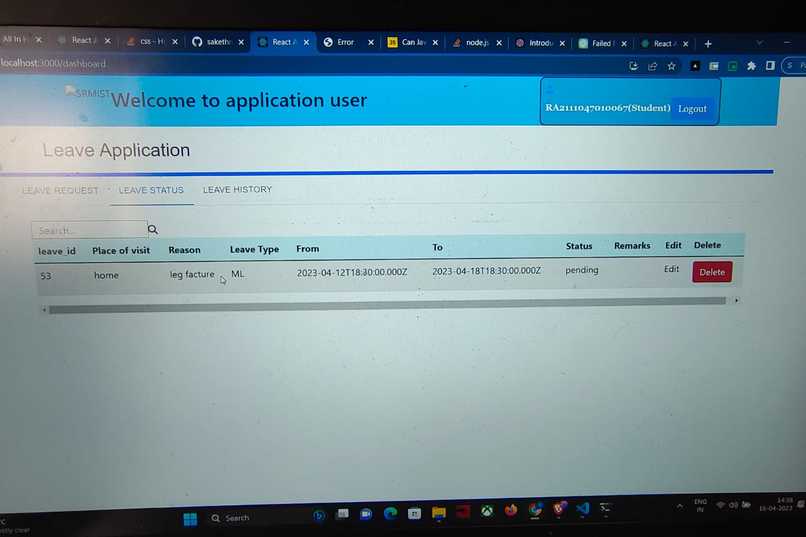
status checking page
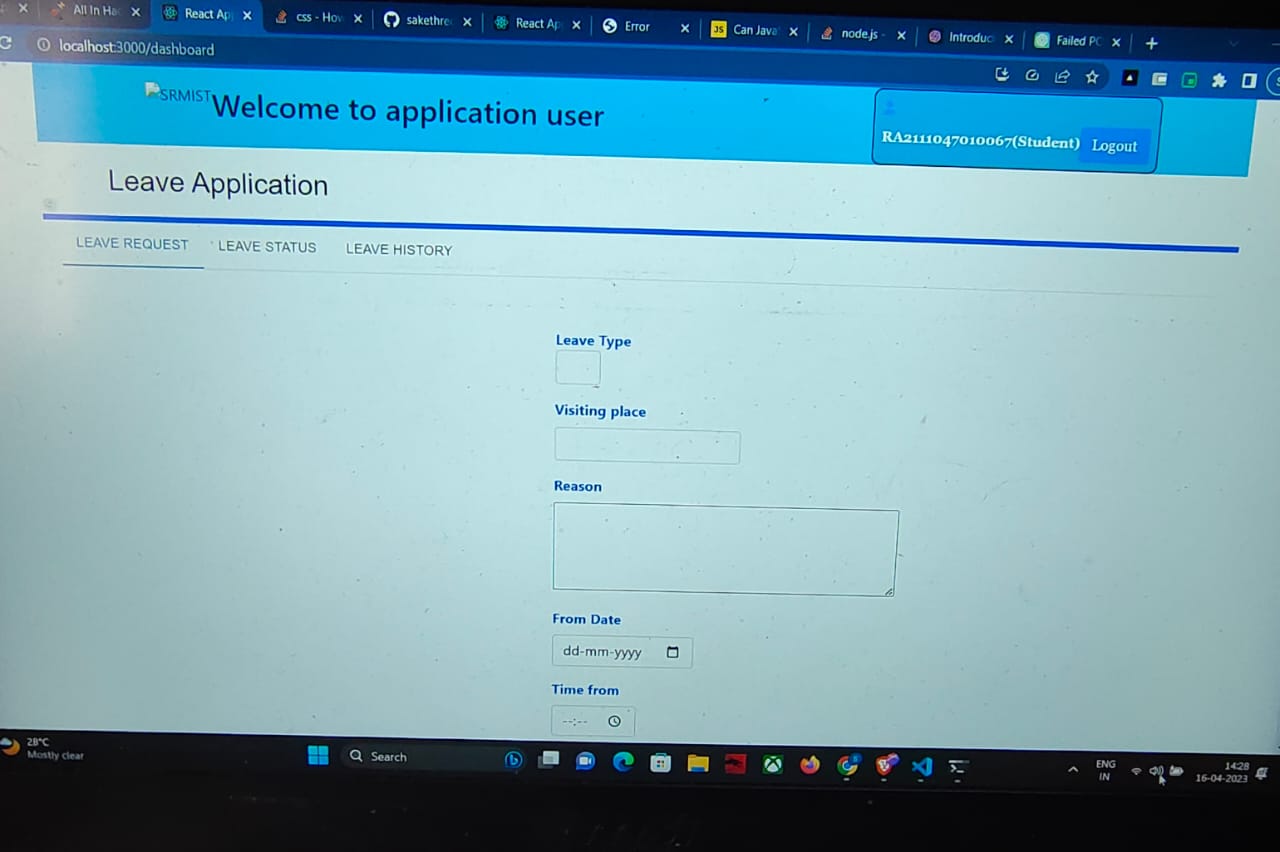

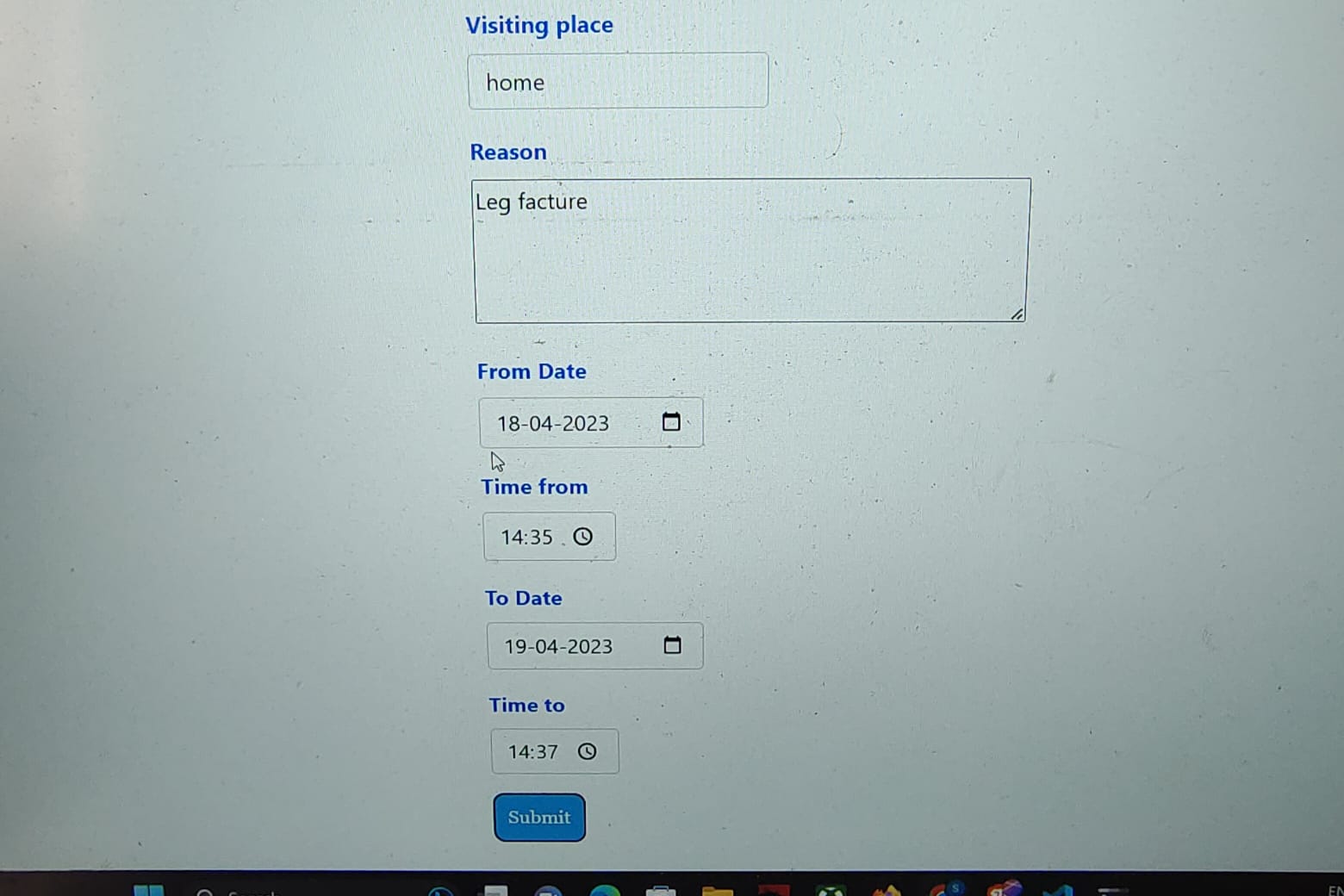
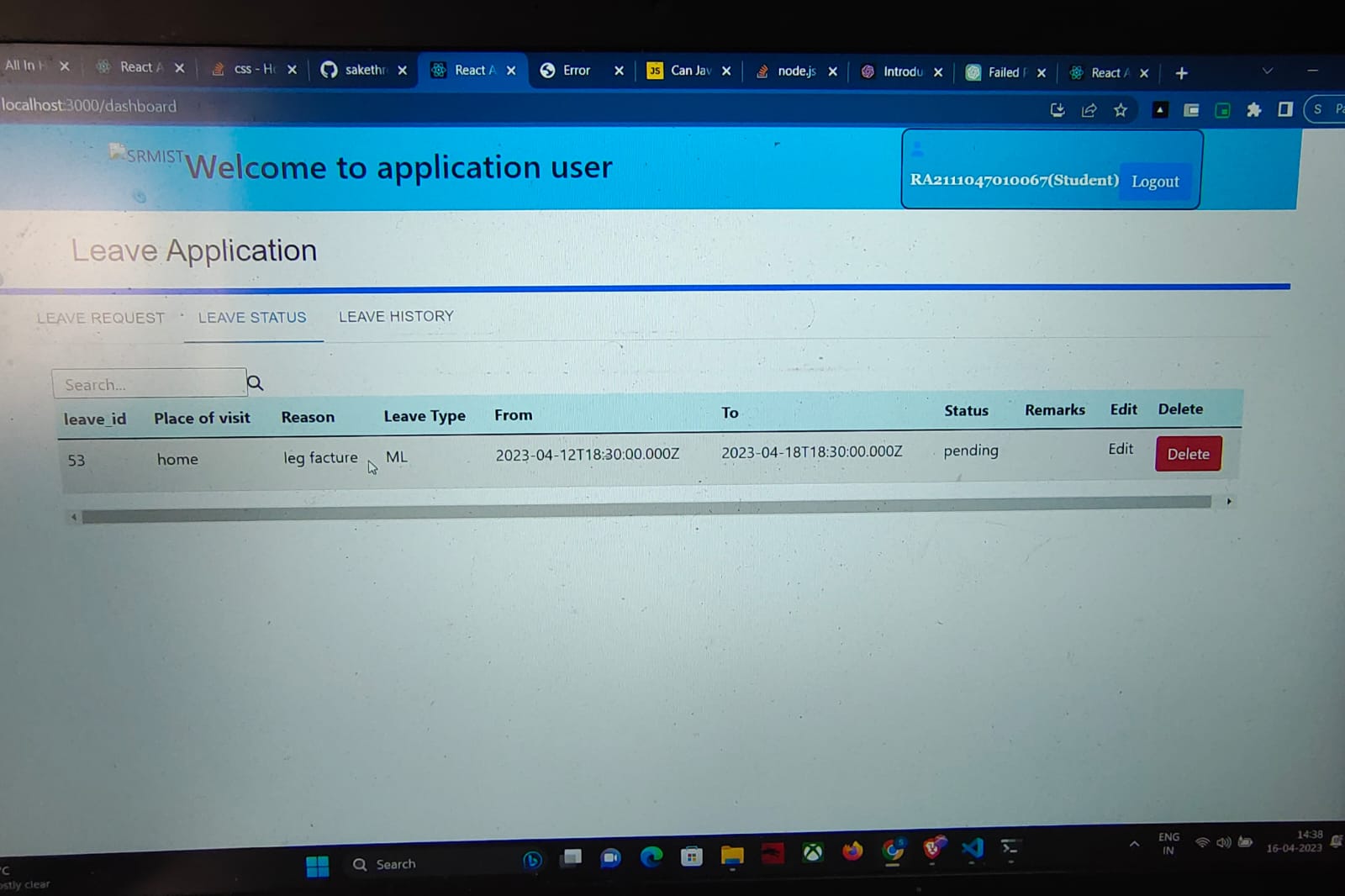
Inspiration Our inspiration for the leave application project stemmed from the need to simplify and streamline the process of requesting and managing leaves for university students and staff. We noticed that the existing methods were often time-consuming, manual, and prone to errors, leading to delays and inefficiencies in the leave management process. We wanted to create a solution that would leverage modern technology to make leave applications easier, faster, and more convenient for everyone involved.
What it does Our leave application project is a web-based application that allows university students and staff to request leaves online, and administrators to review and approve or reject those requests in a timely manner. The application includes features such as a user-friendly interface for submitting leave requests, automated notifications to relevant stakeholders, real-time status tracking, and robust data security measures to protect sensitive information.
How we built it We built our leave application project using a combination of front-end and back-end technologies. The front-end was developed using popular web technologies such as HTML5, CSS3, and JavaScript, along with modern frameworks like React and Redux for a responsive and intuitive user interface. The back-end was built using server-side technologies such as Node.js and Express, along with a MongoDB database for data storage. We also utilized authentication and authorization mechanisms for secure user authentication and role-based access control.
Challenges we ran into During the development of our leave application project, we encountered several challenges. One of the main challenges was designing a user-friendly interface that catered to the needs of both students and administrators, while also ensuring data integrity and security. We also faced challenges in integrating different technologies and frameworks to create a seamless and cohesive application. Additionally, we had to ensure that the application complied with the university's policies and regulations related to leave management.
Accomplishments that we're proud of We are proud of several accomplishments in our leave application project. Firstly, we successfully developed a functional and user-friendly application that simplifies the leave management process for university students and staff. The application includes features such as automated notifications and real-time status tracking, which we believe will greatly improve the overall efficiency of the leave management process. Secondly, we implemented robust security measures to protect sensitive data, including user authentication and authorization mechanisms. Lastly, we successfully integrated different technologies and frameworks to create a cohesive and seamless application that meets the requirements of our university's leave management policies.
What we learned Through the development of our leave application project, we learned valuable lessons about web development, user interface design, and data security. We gained hands-on experience with modern web technologies such as React, Redux, Node.js, Express, and MongoDB, and learned how to integrate these technologies to build a complex web application. We also gained insights into the challenges and complexities of developing an application that meets the specific requirements of a university's leave management policies and regulations.
What's next for LEAVE APPLICATION FOR MY UNIVERSITY In the future, we plan to further enhance our leave application project by incorporating additional features such as a dashboard for administrators to generate reports and analytics, and a mobile application for users to submit leave requests on the go. We also plan to conduct user feedback sessions to gather insights on the usability and effectiveness of the application, and make necessary improvements based on the feedback received. Additionally, we will continue to monitor and update the application to ensure compliance with any changes in the university's leave management policies and regulations.

Log in or sign up for Devpost to join the conversation.