-
-
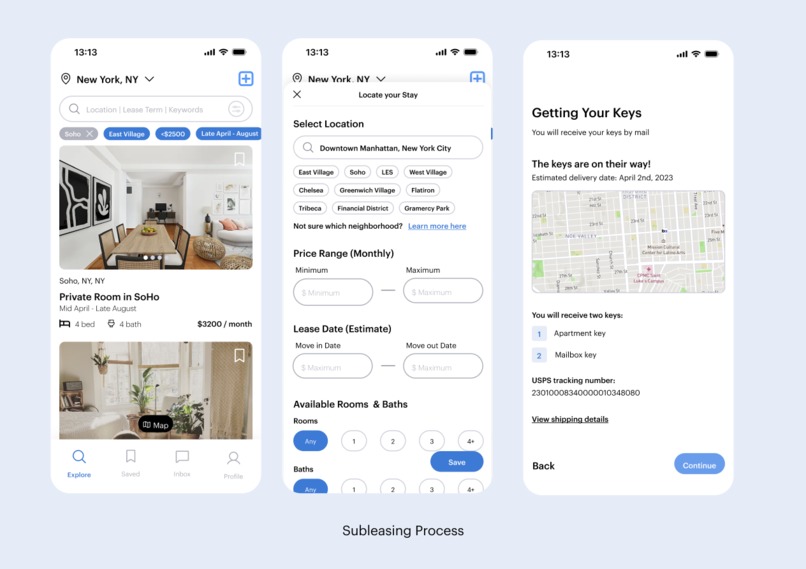
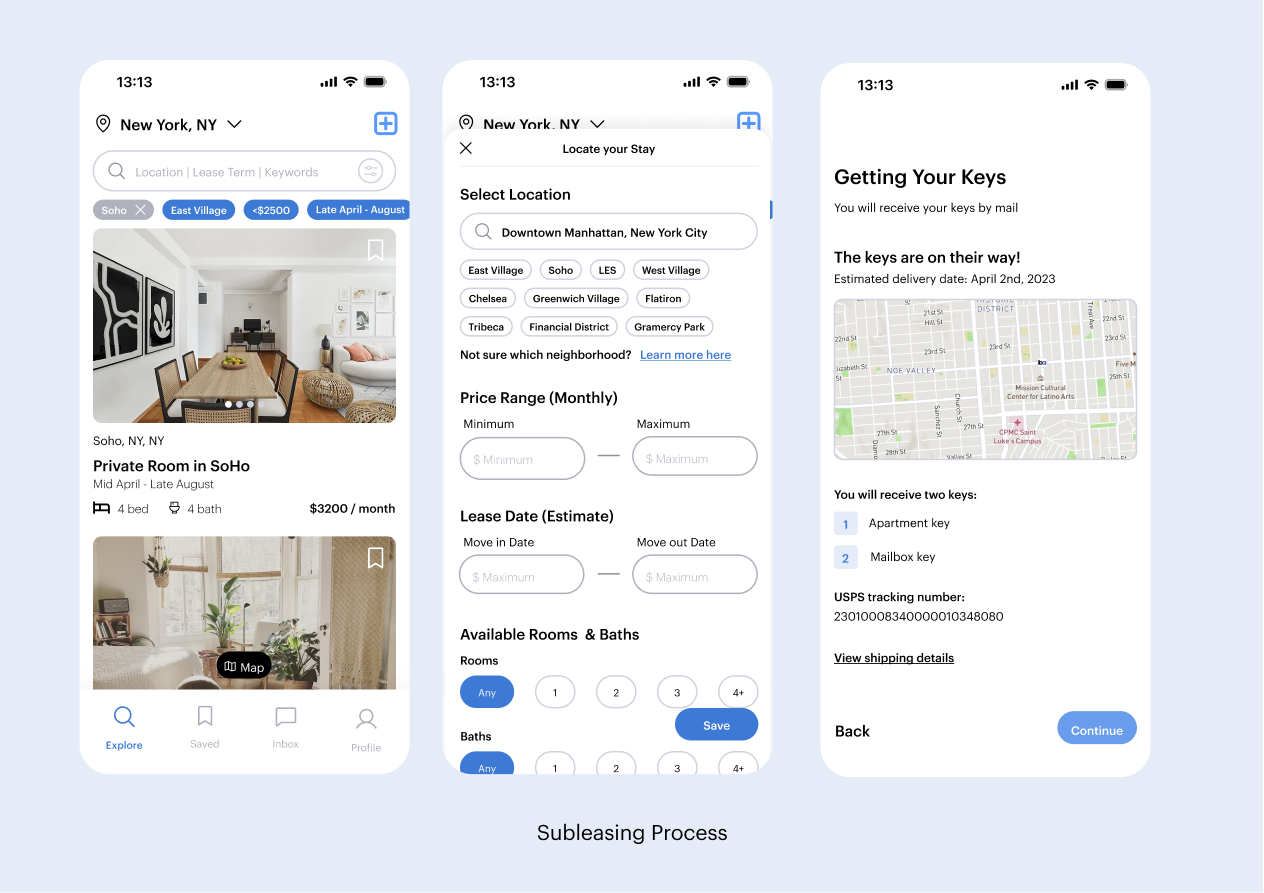
Mockups
-
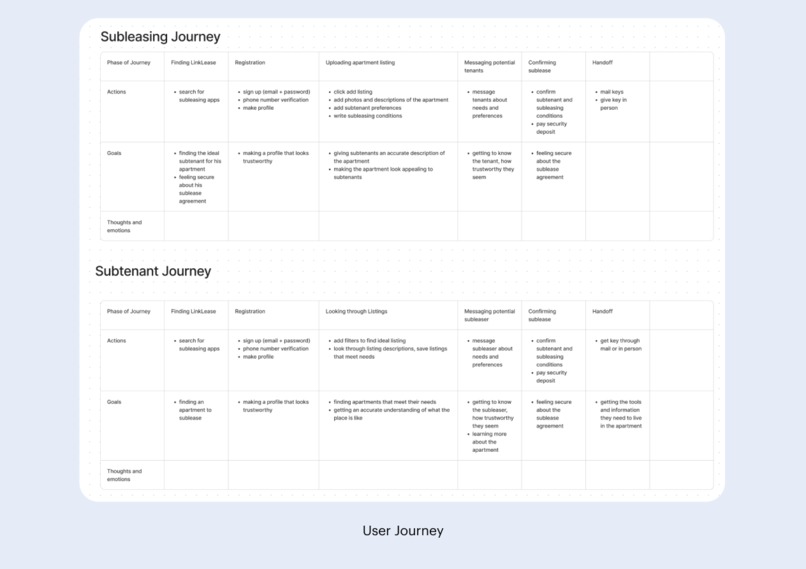
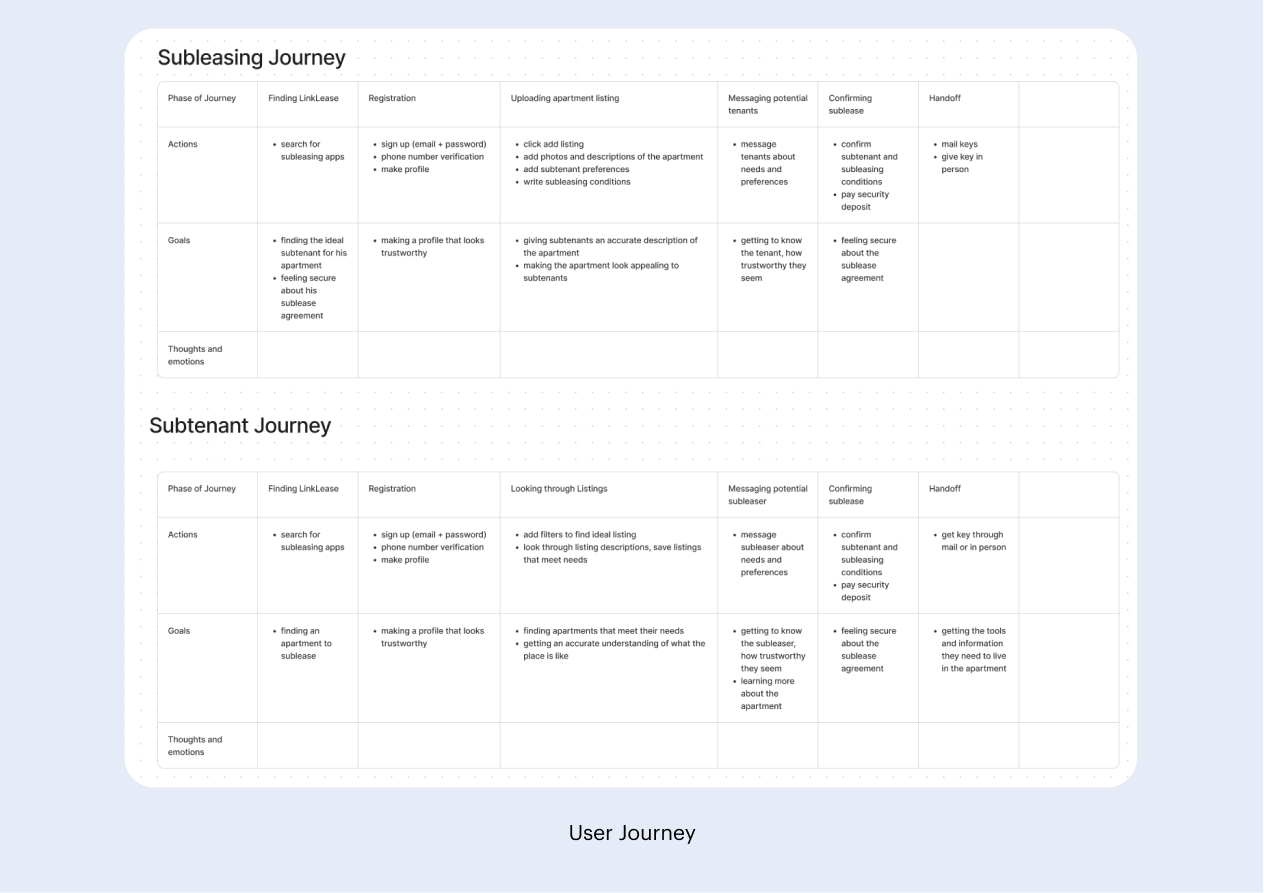
User Journey
-
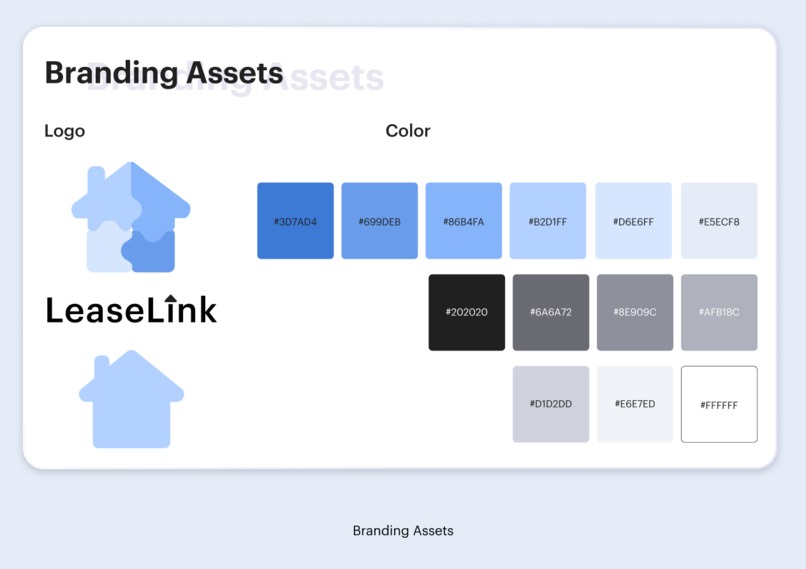
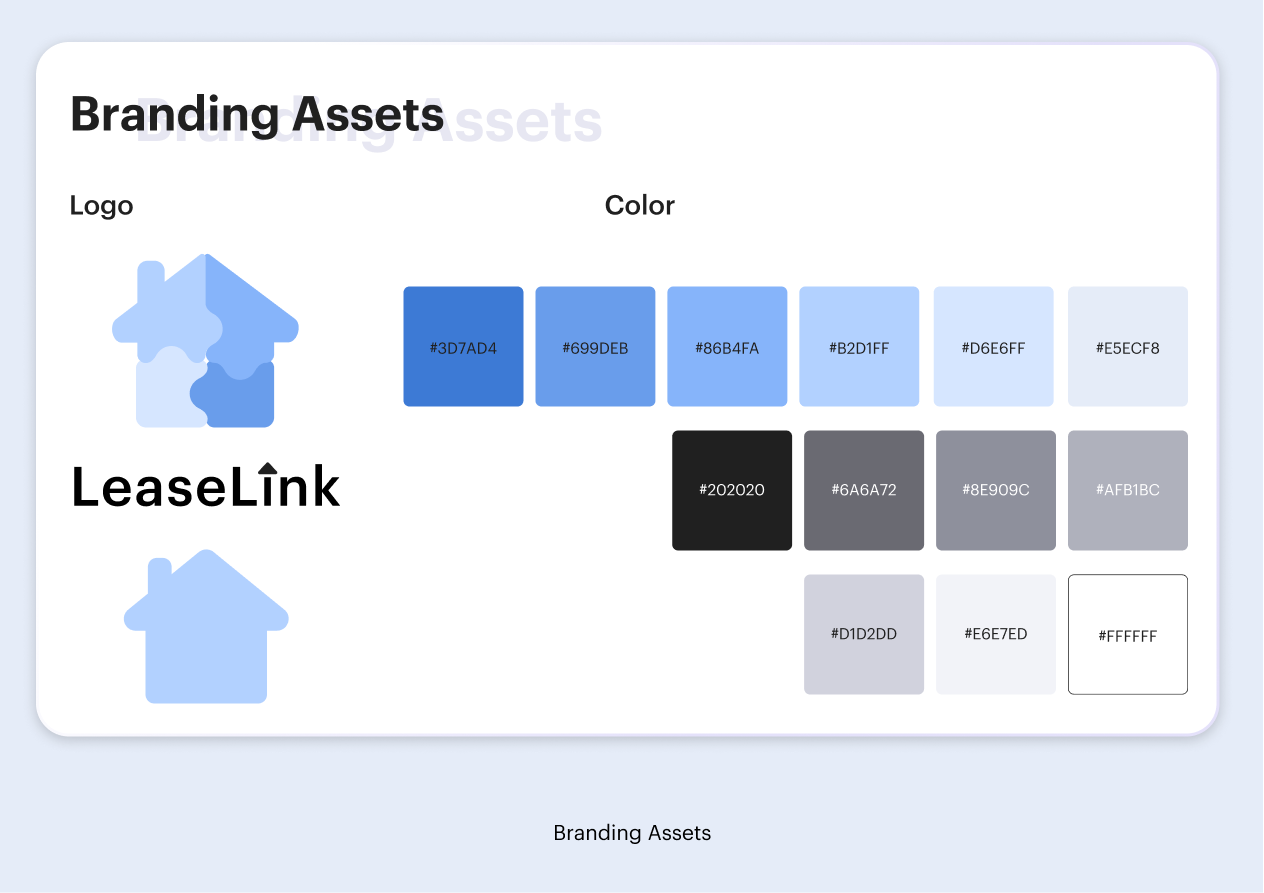
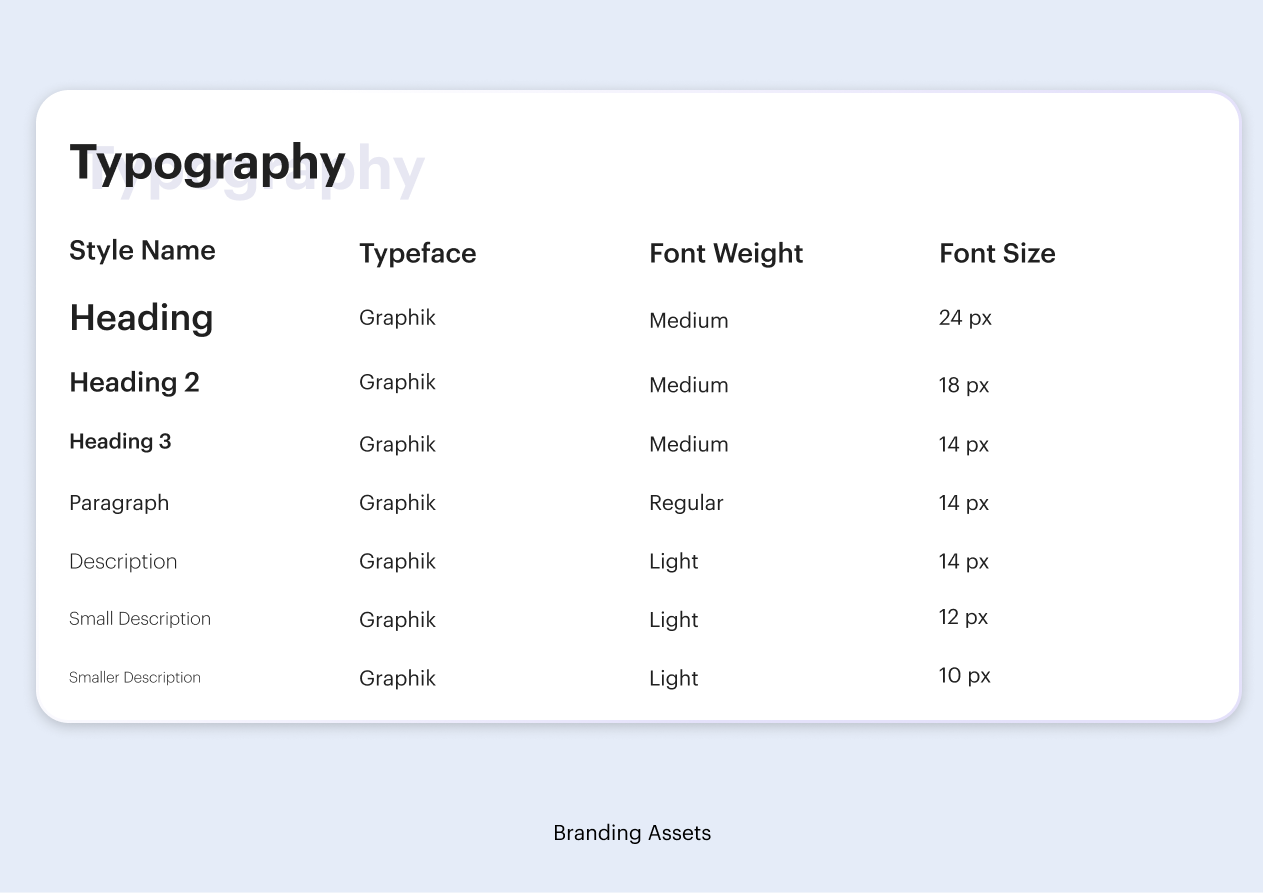
Style Guide
-
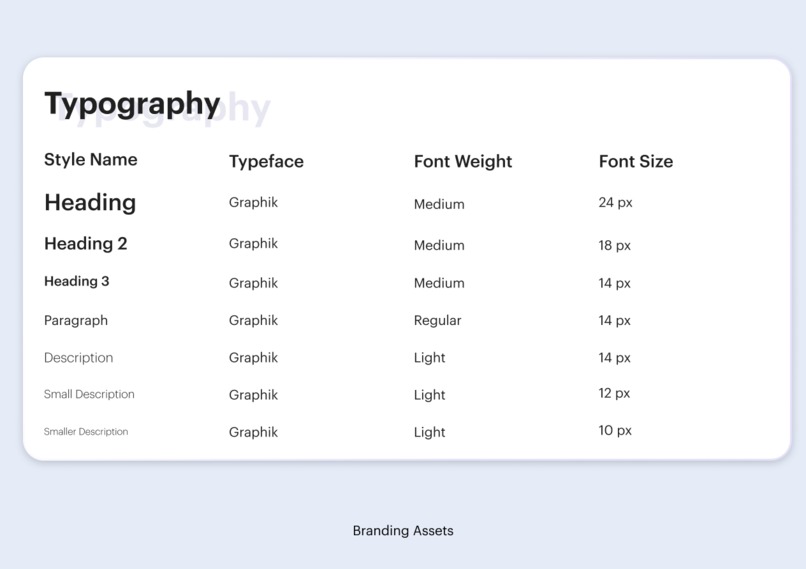
Style Guide
-
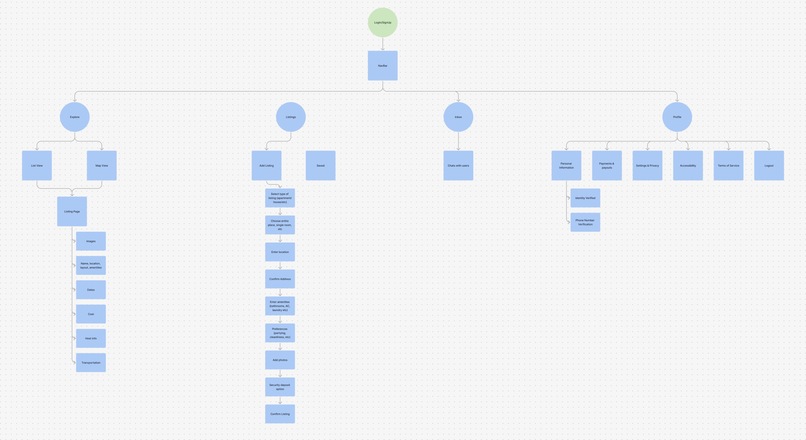
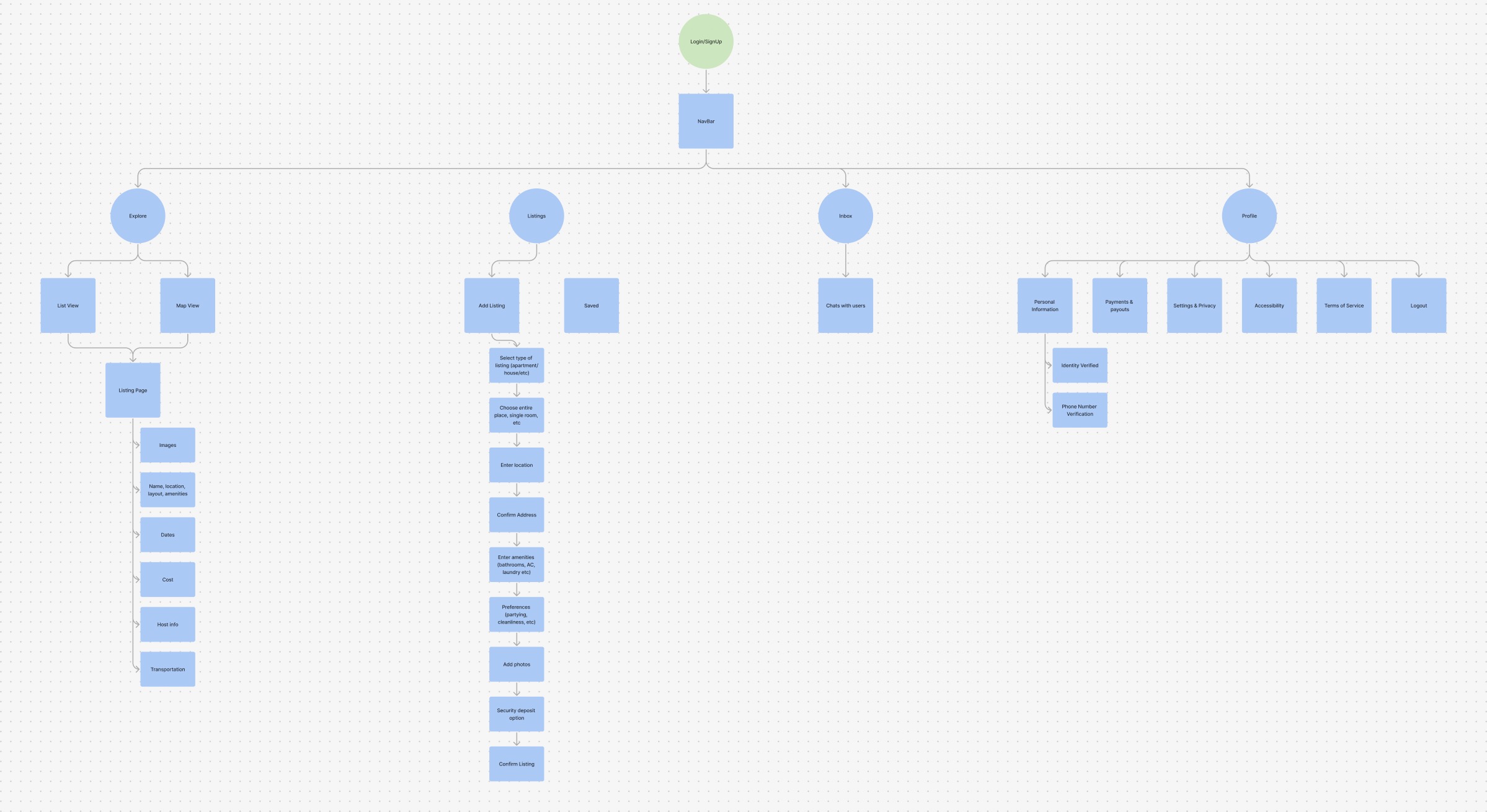
Information Architecture
What is the problem your solution addresses? (150 word limit)
Everyone deserves access to affordable housing options that meet their needs and preferences without limiting themselves to one community. Subleasing entails short-term leases rather than long-term, and most landlords will deny the former, especially in a housing market like NYC’s. Month-long stays such as those on Airbnb are priced astronomically, some going for 12,000 dollars for two guests. Currently, subleasing is commonly done over social media which can pose risks like people backing out or not paying their rent. This can lead to feelings of anxiety and financial difficulties. Additionally, there is a lack of centralized website to find subleasing options on social media, which can make it difficult to for renters to find a place that is right for them. There are only a few user-friendly platforms dedicated to helping renters find trustworthy subleasing options that suit their preferences and none that holds both parties accountable.
Why did you pick this solution, and how does it address the problem? (150 word limit)
During the in-depth interview with a previous subleaser, she stated “I just wish I knew how they lived prior to me letting them move in as my place was incredibly dirty after.” Others stated that they wish they had written a formal agreement even when subleasing to friends, so both parties could be held accountable. Those looking for an apartment felt uneasy posting in large Facebook groups and with minimal recommendations from mutuals, many end up settling for places outside their budget or too far from their workplace due to time constraints and lack of options. Now with an app (LeaseLink) that is able to hold both parties accountable, adding to the security of subleasing. By creating a mobile app, getting notified of recent listings is much more convenient with all the resources to explore more of your neighborhood simply at your hand.
Inspiration
Our project was inspired by the Facebook subletting groups and Instagram story sharing of those looking for an apartment and those looking for someone to sublease to. The search process is tedious based on availability alone, and many times both parties do not know if they are compatible. As three college girls living in NYC, which is known for its rent prices and crazy application process, we wanted to create an app to ease the process of subleasing and settling in unfamiliar cities. From friends and strangers alike, all have shared crazy roommate and subleasing stories, many involving rent money never paid.
What it does
With our purpose in mind, we decided to create LeaseLink illustrated through our logo of a house created of puzzle pieces linked together. Easily filter not only the number of beds and bathrooms in an unit, but also the atmosphere. Notably we have an extensive accessibility feature, to save time in finding a compatible apartment. Hoping to also find a roommate to rent with? Change to the community tab, where people are posting available rooms or looking for a new friend to take up their spare bedrooms.
User Research
User research was key in understanding the demographic. We sent out a survey, which received over 40 responses. Out of those, 70% of the respondents said the process of finding an apartment and finding a sub-tenant took 2-3 months. The reasons for finding or renting out were much more diverse than expected, there were no leading contenders—some wanted a longer vacation, while others were studying abroad for a semester. Cost and commute were the two major factors when it came to determining where to sublease from. We then wanted to look at the platforms people frequent such as Facebook Sublet Groups and Airbnb when looking at >2 month stays. Airbnb priced a month-long stay in either NYC or San Francisco at an average of 8,000 dollars for two guests. Apartments.com and Streeteasy.com rarely ever showed short-term lease apartments.
How we built it
After conducting user research, the three of us started to brainstorm on FigJam. Based on our surveys and interviews, we built user-journey maps (emotions, decision) to understand further the subleasing process: pinpointing the difficulties and frustrations, mapping out how the flow should work, and brainstorming features that are needed. From there, we created user personas, user flows, and user journey maps to help guide our process. Once we felt like we had a clear direction, we began to create wireframes and mockups. We divided into different sections and each designed features and flows taking place within the app.
Challenges we ran into
Less than two days is a lot to cram in For us the challenge was having too much information and features we wanted to add into the app, while maintaining a simplified process.
Accomplishments that we're proud of
In general, we were quite proud of how Because the three of us also come from a fine arts background before delving into product design, we found joy in creating the logo, and developing the brand identity and color scheme. We're also proud of all the features we were able to include and how comprehensive we were able to build this idea out in a short amount of time.
What we learned
Building clearly and concisely is extremely important. For the interface, it would have been beneficial to have a couple wireframes and content blocks so we understand how to organize all the information and features we wanted to include. Furthermore, this is our first time attending a designathon so the time crunch was a bit unfamiliar, but by the end of it we were able to get into the flow of it.
What's next for LeaseLink
We would love to develop LeaseLink into a real app and have it used by users. There are so many features and ways to make this process easier and spending more time to really flesh out all our ideas would be our immediate next steps.
Built With
- figma


Log in or sign up for Devpost to join the conversation.