-
-
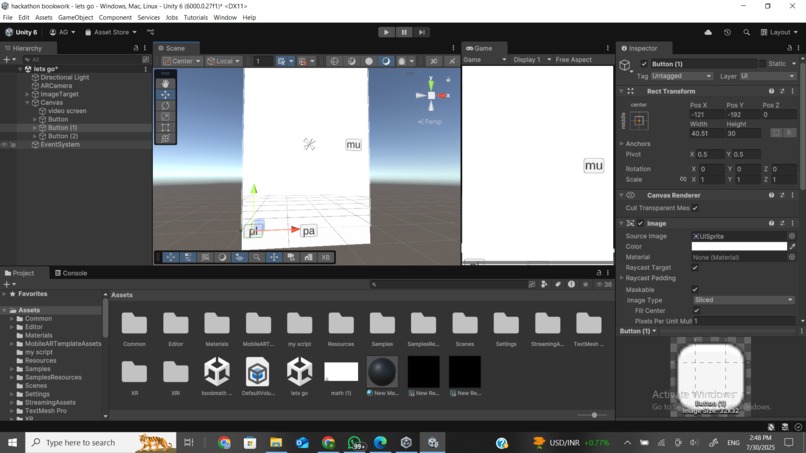
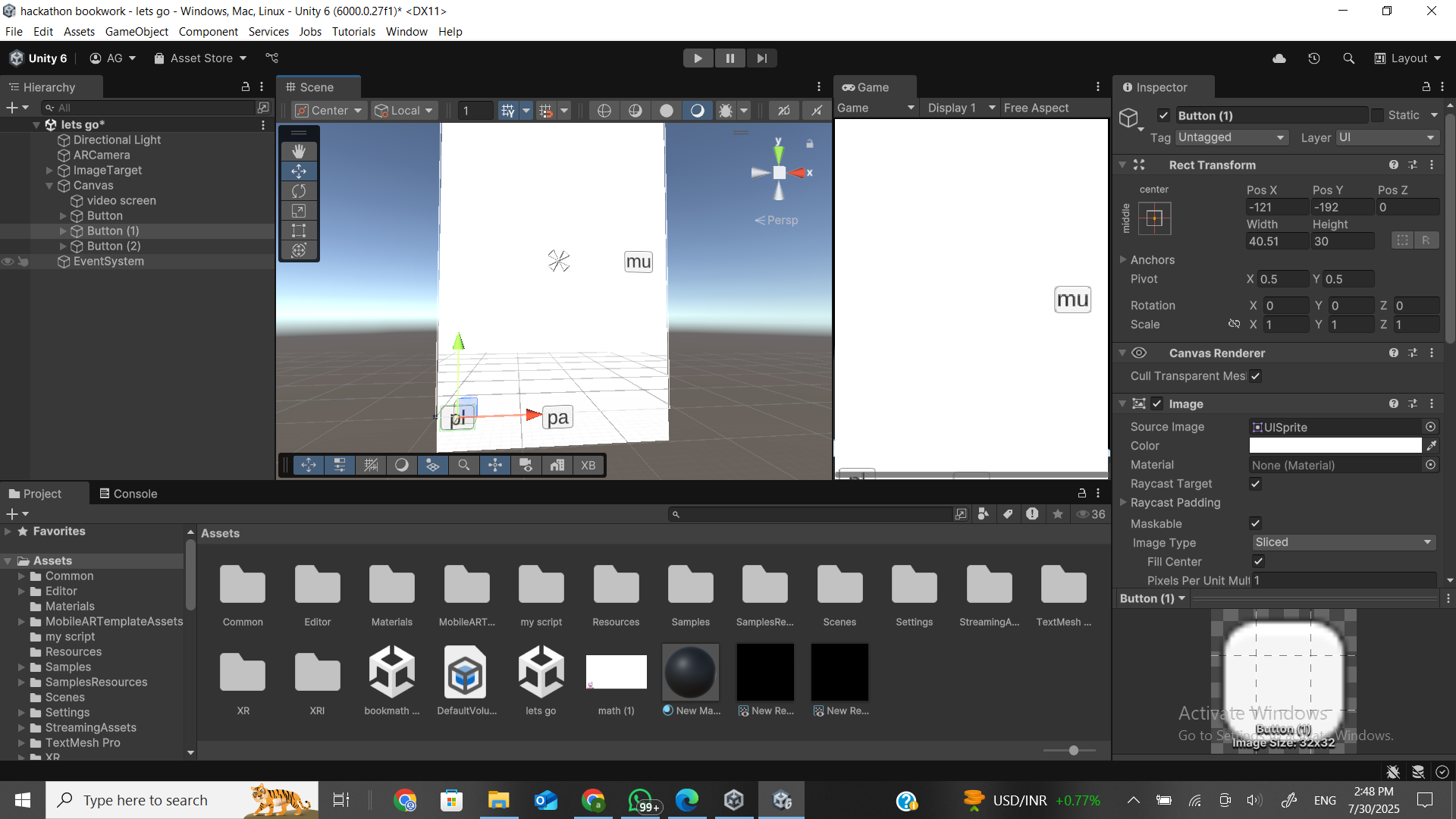
my screen shot working on thr ui
Inspiration
Many people, including myself, learn better through visuals and videos rather than reading plain text. I often prefer watching YouTube tutorials to opening books because videos help me understand concepts faster and keep me engaged. Some even find it hard to stay awake when reading textbooks. This inspired me to create LearnLens, an app that brings textbooks to life by showing educational videos right on the pages, making learning more interactive and fun.
What it does
LearnLens uses augmented reality to detect textbook pages and overlay videos related to the topic. When a student points their phone camera at a page, the app plays a video explaining the content, helping visual learners grasp ideas easily. The app works offline, stores videos locally, and offers simple controls like play, pause, and mute to improve user experience without relying on internet connectivity. It can also recognize book covers or pages from images online, so students don’t need to have the physical textbook to learn — a photo or screenshot is enough to trigger the content.
How we built it
I built LearnLens using Unity with the Vuforia AR SDK. Image targets were created for textbook pages, and videos were linked to these targets to play on detected pages. Videos were optimized and converted to compatible formats to ensure smooth playback on low-end devices. The UI was designed to show controls only when necessary to avoid clutter. Careful configuration of Vuforia and ARCore ensured compatibility and performance during offline use.
Challenges we ran into
One challenge was ensuring videos played smoothly on devices with limited processing power and no internet. Converting video files into compatible formats and managing memory usage required experimentation. Another challenge was designing a UI that appears at the right time and does not block the AR content. Additionally, configuring the build settings for Vuforia and ARCore compatibility took multiple adjustments.
Accomplishments that we're proud of
I successfully created an offline AR app that enhances learning with video content on real textbooks, making education accessible in areas with limited internet. The app runs efficiently on low-power devices and supports an intuitive UI for basic video controls. I demonstrated how AR can bridge the gap between traditional textbooks and digital learning tools in resource-constrained environments.
What we learned
Throughout the project, I deepened my understanding of AR development with Unity and Vuforia, especially offline image tracking and video integration. I learned best practices for optimizing multimedia for low-end devices and designing user-friendly interfaces for diverse users. I also gained experience in configuring AR SDKs for cross-platform compatibility and resource constraints.
What's next for LearnLens
Next, I plan to expand LearnLens by covering the full range of books in students' school curriculums. This means mapping more textbook pages and creating a richer video library that explains each topic clearly and visually. The goal is to make sure students can use LearnLens with any of their subjects — from science to social studies — and get instant access to video explanations. I also aim to make the app more seamless, with faster recognition and smoother playback, so students can focus on learning without interruptions. As the content grows, LearnLens will become a reliable study companion for students across different levels.


Log in or sign up for Devpost to join the conversation.