Inspiration
I've been building a YouTube channel focused on Unreal Engine development, diving deep into everything from open world design to game mechanics. But outside of work, I spend a lot of time with my daughter playing games on our Quest 3. Watching how immersive and social VR can be—especially through her eyes—got me thinking: there’s a huge opportunity to create in this space before it explodes. The Meta Horizon Worlds Creator Competition felt like the perfect nudge to actually jump in and test the waters as a VR creator.
What it does
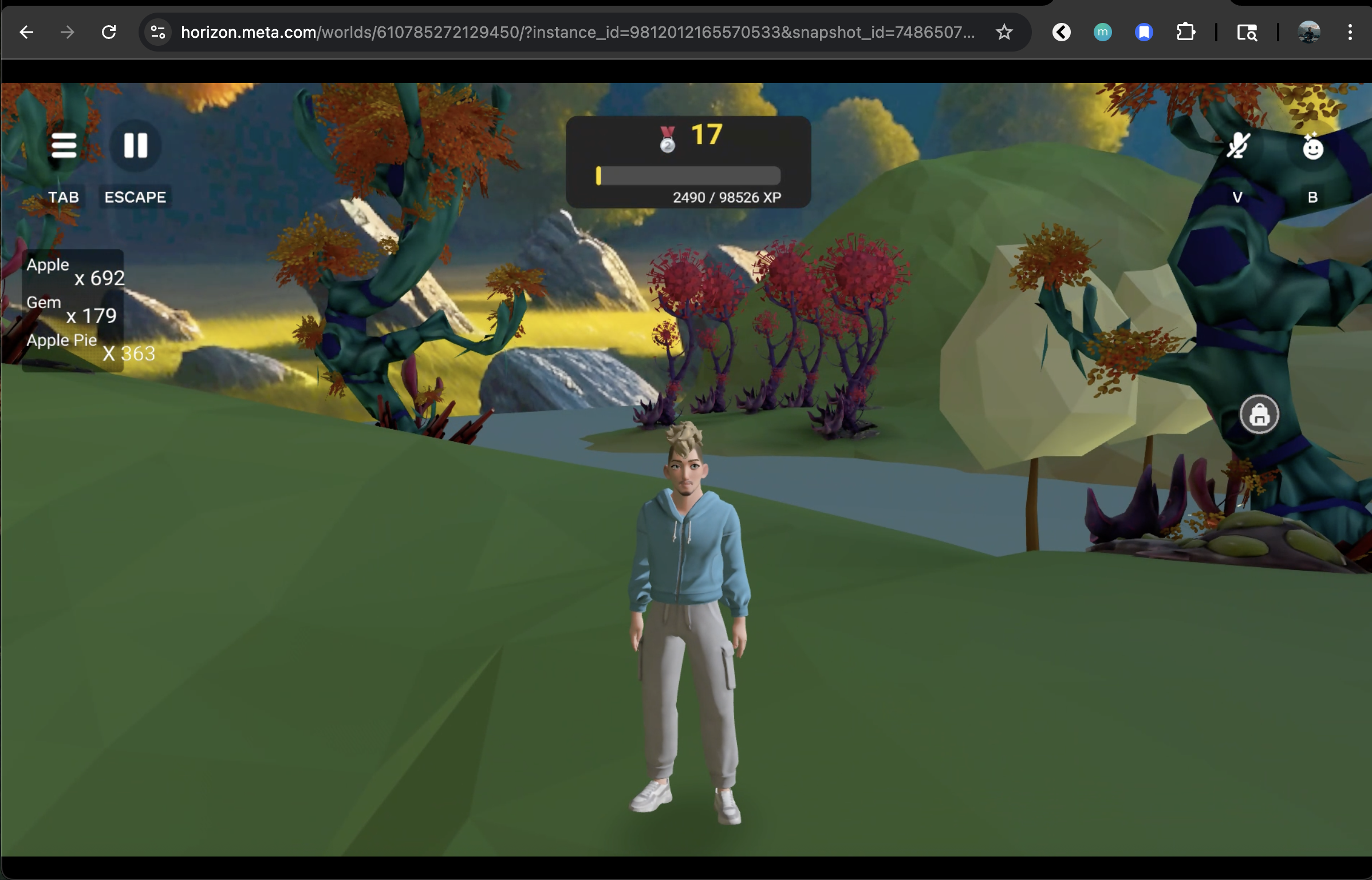
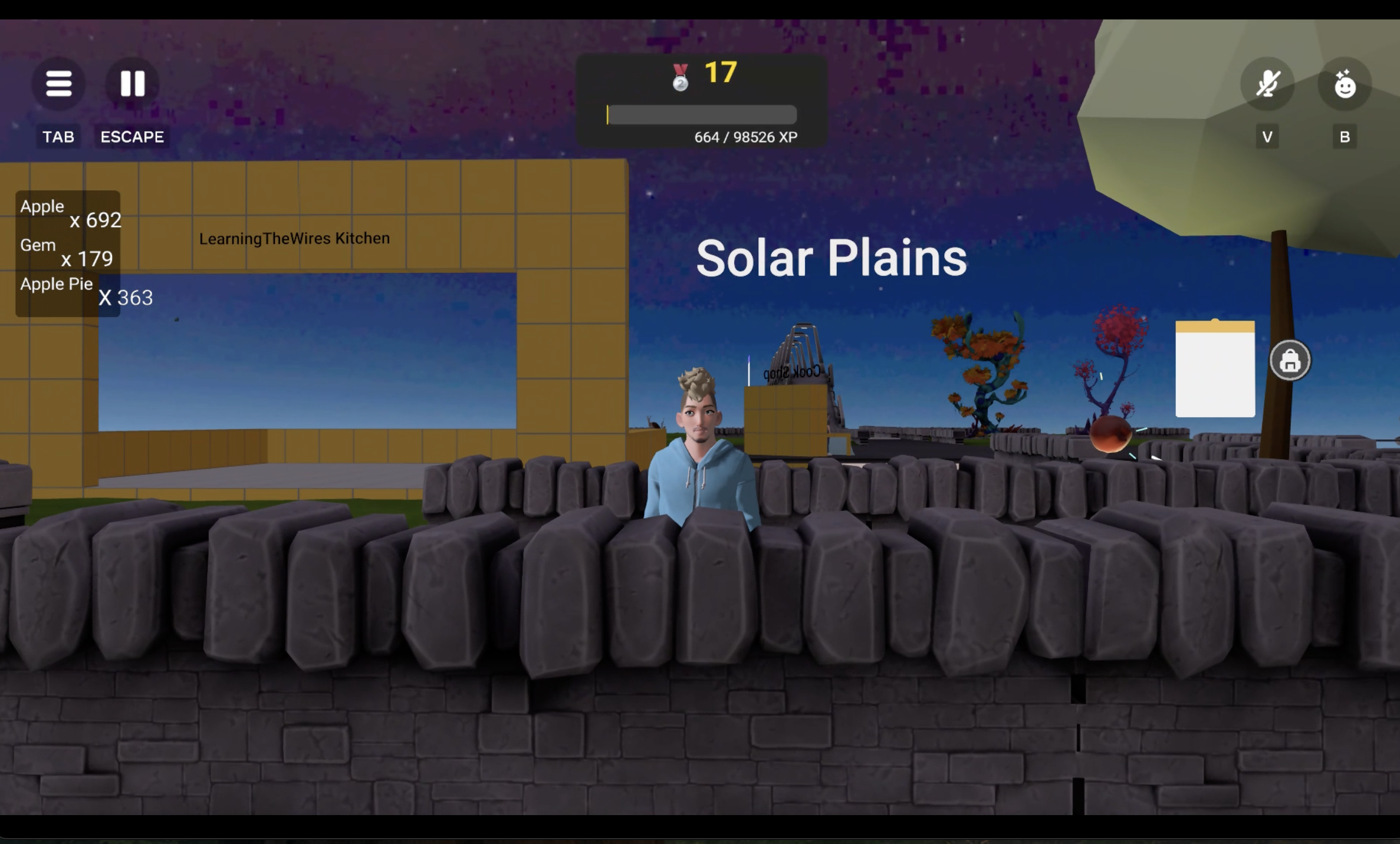
Learning The Wires Showroom is my first foray into VR world-building. The world acts as a playful interactive arcade and creative space—a place where people can try out fun shooting mini-games, experience custom visuals, and eventually enjoy all sorts of hands-on activities. My goal is to make it a spot that’s both approachable for newcomers and interesting for more experienced players, with plenty of room for future features and social interaction.
How we built it
I started with a basic shooting template and gradually reworked it in the Meta Horizon Worlds Editor, swapping in unique assets, building a central hub for mini-games, and scripting simple progression systems using Horizon's tools and Gen AI for models and logic. Early on, I added personal touches like custom trees and a cyberpunk fountain, then iterated with each feature—scoreboards, target logic, and visual upgrades. Everything was tested to make sure it felt smooth and performed well, even on mobile and lower-end VR hardware.
Challenges we ran into
The biggest challenge was just learning a new set of tools after being so comfortable in Unreal. The Horizon Worlds scripting system is its own beast, and VR optimization requires a different mindset—stylized, low-poly assets, and efficient interactions. Getting all the pieces to work together (especially interactive mini-games and custom scoring) was a great crash course in VR development, and required plenty of trial, error, and iteration.
Accomplishments that we're proud of
I'm most proud of how quickly I was able to go from a blank world to a playable, interactive arcade. It feels great to have a space that's original and already drawing ideas for future upgrades. Seeing my daughter have fun with the prototype was honestly the biggest win so far. Being able to take experience from Unreal and channel it into something totally new (and shareable) is really motivating.
What we learned
I learned a ton about VR-friendly design: how important it is to balance visuals and performance, keep interfaces simple, and build interactions that feel natural in 3D. I also realized just how powerful and accessible these no-code/low-code creation tools are—and how rapidly you can get something up and running. Most of all, I got a much better sense of what makes VR fun and social.
What's next for LearningTheWires
Next up, I plan to expand the world with mini golf, more advanced arcade challenges, and even user progression systems. I want to bring in higher-quality, stylized assets and polish the environment for both VR and mobile players. The long-term vision is to turn Learning The Wires into a hub for creative, social, and competitive mini-games—something that really feels alive and worth revisiting. And of course, I’ll be sharing everything I learn along the way on my YouTube channel, hoping to inspire more devs (and parents!) to try VR creation for themselves.
Built With
- genai
- meta-horizon-worlds-editor
- meta-scripting-blocks


Log in or sign up for Devpost to join the conversation.