-
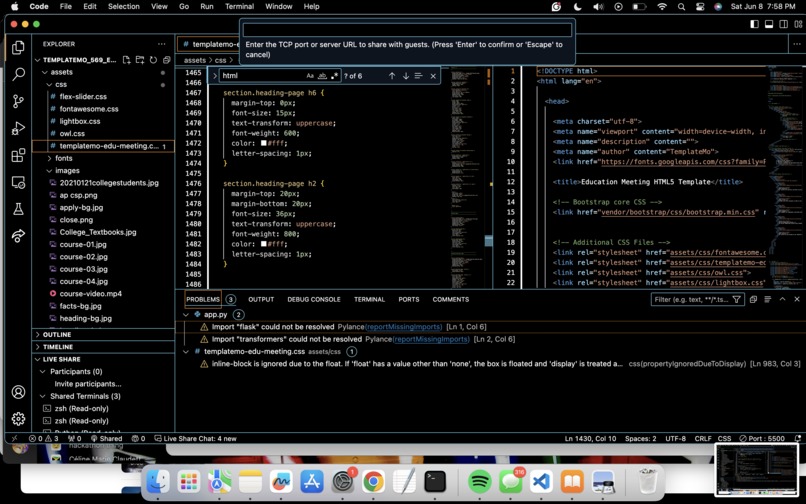
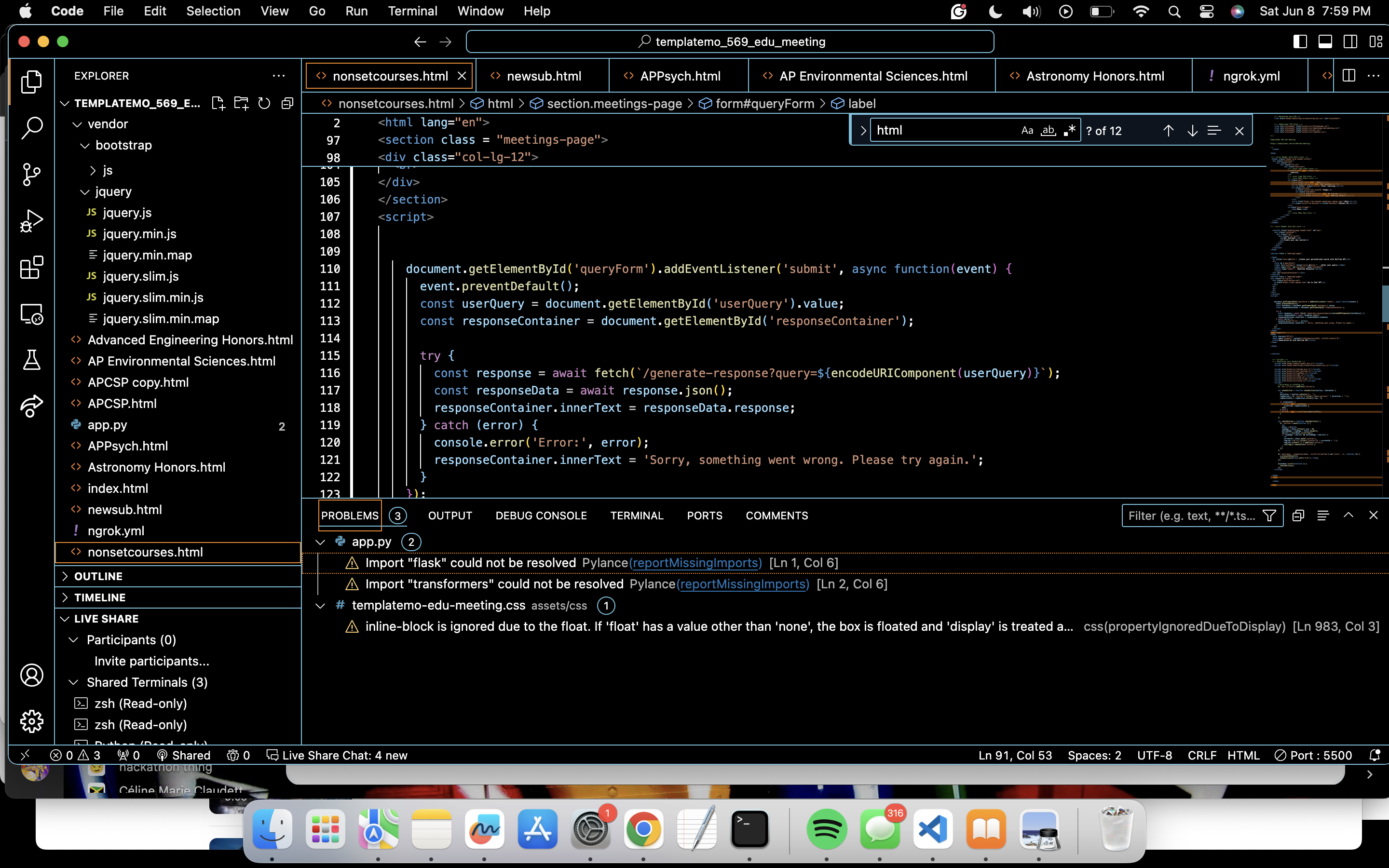
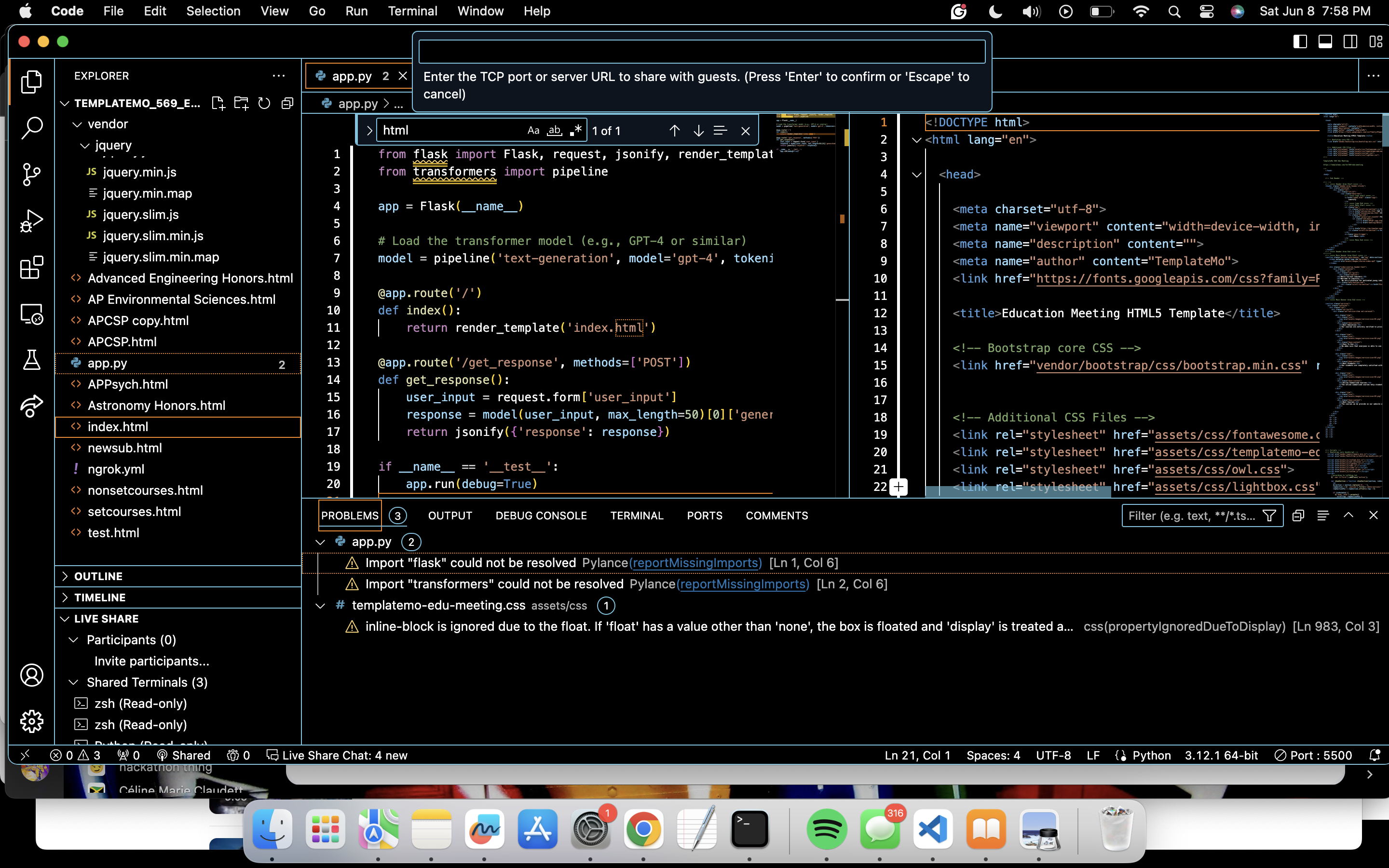
Learnify Program Code
-
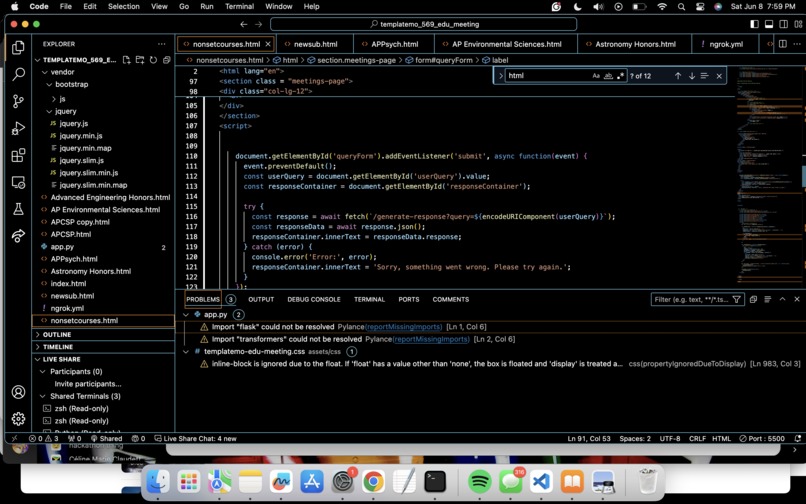
Learnify Program Code
-
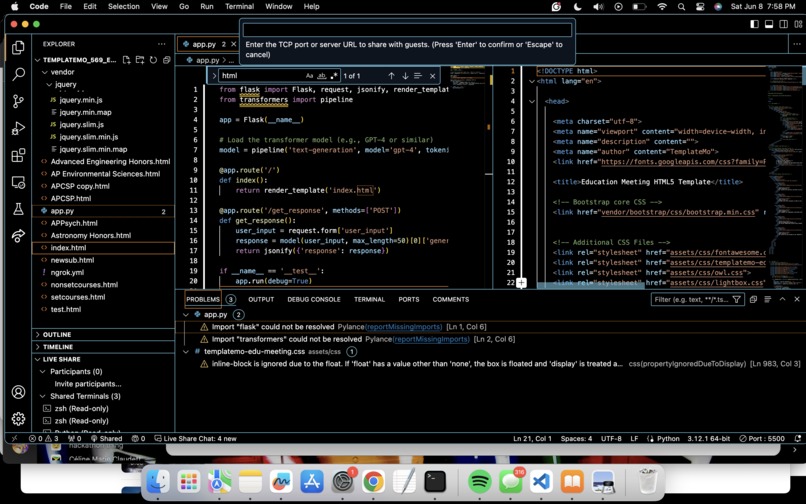
Learnify Program Code
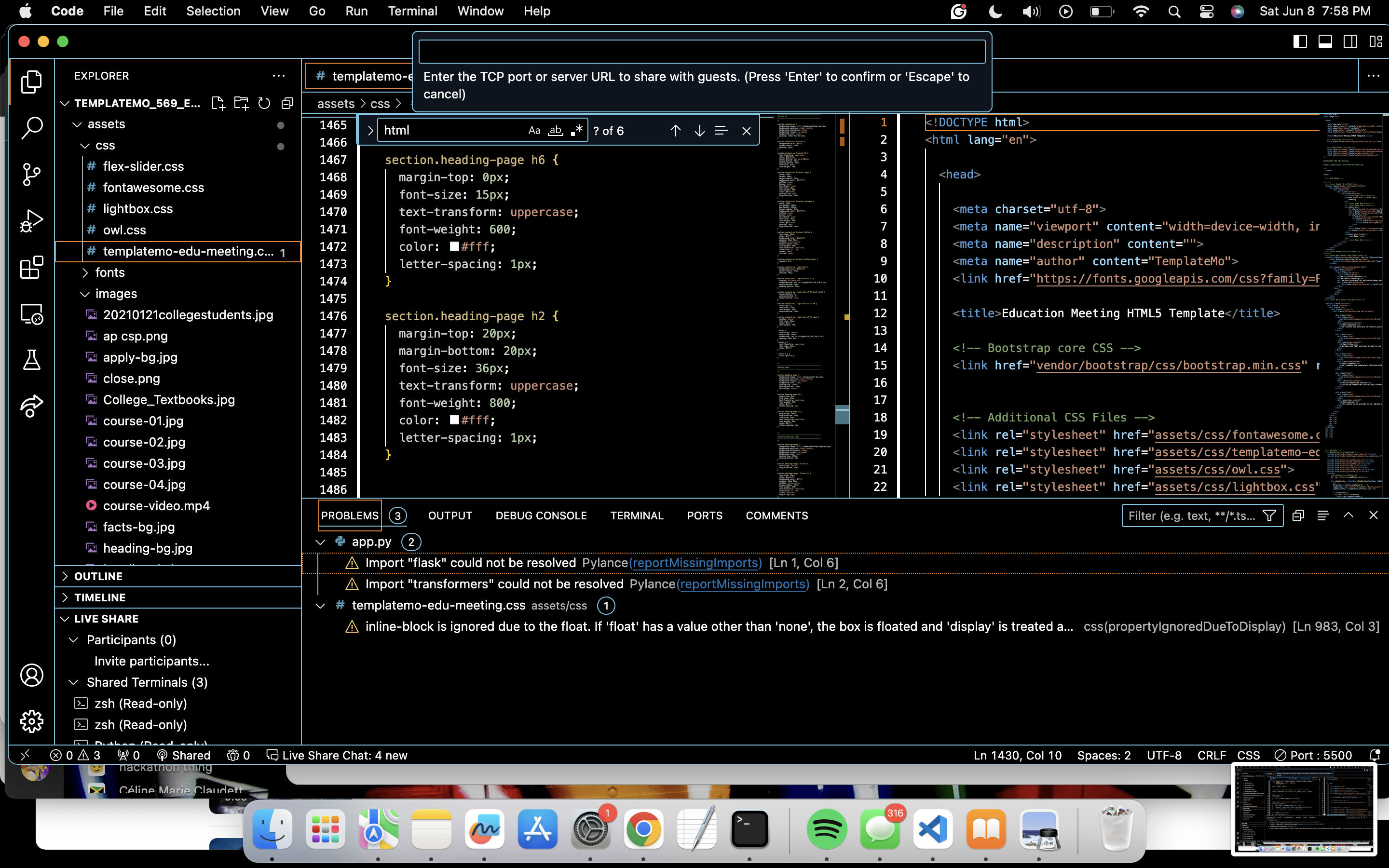
Project Story: Learnify
Inspiration
Our inspiration stemmed from a personal dilemma: we were passionate about learning but found ourselves lacking courses tailored to our specific school curriculum. We wanted to embark on self-study journeys, but the available resources didn't align with our needs. Frustrated by this gap, we envisioned a solution that would empower students like us to craft personalized learning experiences effortlessly.
What We Learned
Throughout the development of our project, we learned invaluable lessons about educational technology, API integration, and user experience design. Understanding the nuances of educational content creation, including structuring courses and selecting relevant topics, enriched our insight into effective learning methodologies. Additionally, integrating the Wolfram API expanded our technical expertise, enabling us to harness powerful computational tools to enhance the learning experience.
Building the Project
Conceptualization
The first phase of our project involved conceptualizing the platform's core features and user interface. We brainstormed extensively to define the user journey, identify pain points, and outline solutions. Central to our concept was the idea of offering both set and non-set courses, catering to users with predefined curriculum needs as well as those seeking customizable learning paths.
Implementation
- Frontend Development: We prioritized creating an intuitive and visually appealing interface to maximize user engagement. Leveraging modern web development frameworks, we designed responsive layouts that seamlessly adapt to various screen sizes.
- Backend Development: Building a robust backend infrastructure was crucial for handling user data, course content, and interaction logs. We employed scalable database solutions and implemented efficient data retrieval mechanisms to ensure smooth platform performance.
- Integration of Wolfram API: Integrating the Wolfram API empowered us to provide dynamic content and interactive learning experiences. By leveraging Wolfram's vast computational knowledge base, users could explore real-world applications and gain deeper insights into their study topics.
- ChatBot Implementation: Implementing a chatbot enriched the user experience by offering personalized assistance and real-time feedback. Using natural language processing algorithms, the chatbot could understand user queries, provide relevant resources, and offer tailored learning recommendations.
Testing and Iteration
Continuous testing and iteration were integral to refining our platform and addressing usability issues. We solicited feedback from beta testers, analyzed user interactions, and iteratively improved features based on user input. This iterative approach ensured that our platform evolved to meet the diverse needs of our user base effectively.
Challenges Faced
- Curriculum Mapping: Designing set courses required meticulous curriculum mapping to ensure alignment with educational standards and learning objectives. Navigating the intricacies of different educational systems and subject domains posed a significant challenge.
- API Integration Complexity: Integrating the Wolfram API presented technical challenges, including authentication, data parsing, and error handling. Overcoming these hurdles required a deep understanding of API documentation and rigorous testing to ensure seamless functionality.
- Natural Language Processing: Implementing a chatbot capable of understanding and responding to user queries posed challenges in natural language processing and conversational design. Balancing the chatbot's capabilities with user expectations required iterative refinement and extensive testing.
Despite these challenges, our unwavering commitment to creating a frictionless learning experience fueled our perseverance. With each obstacle we overcame, we grew more adept at leveraging technology to empower self-directed learners on their educational journeys.


Log in or sign up for Devpost to join the conversation.