-
-
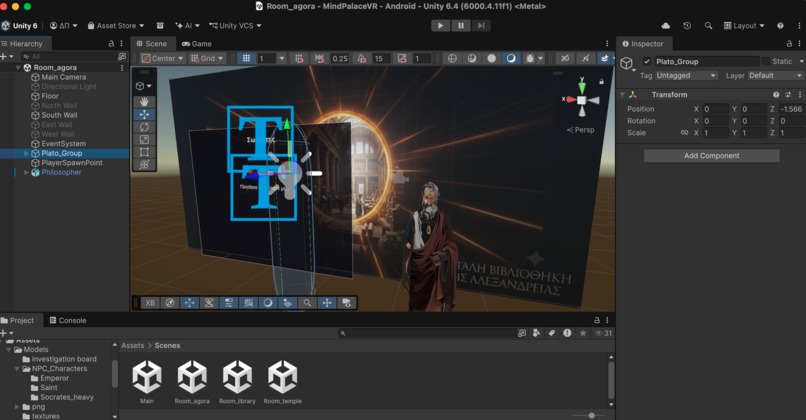
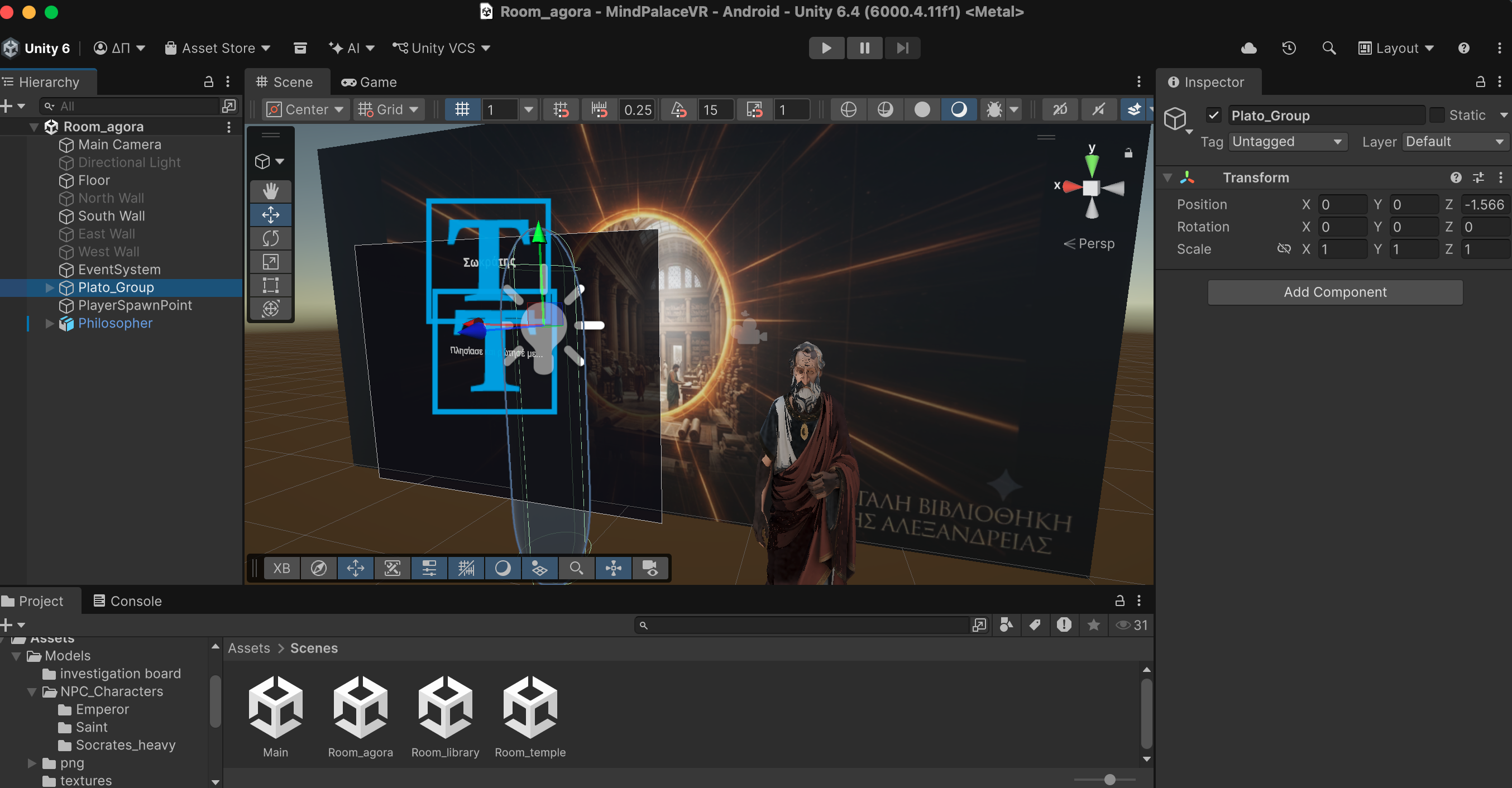
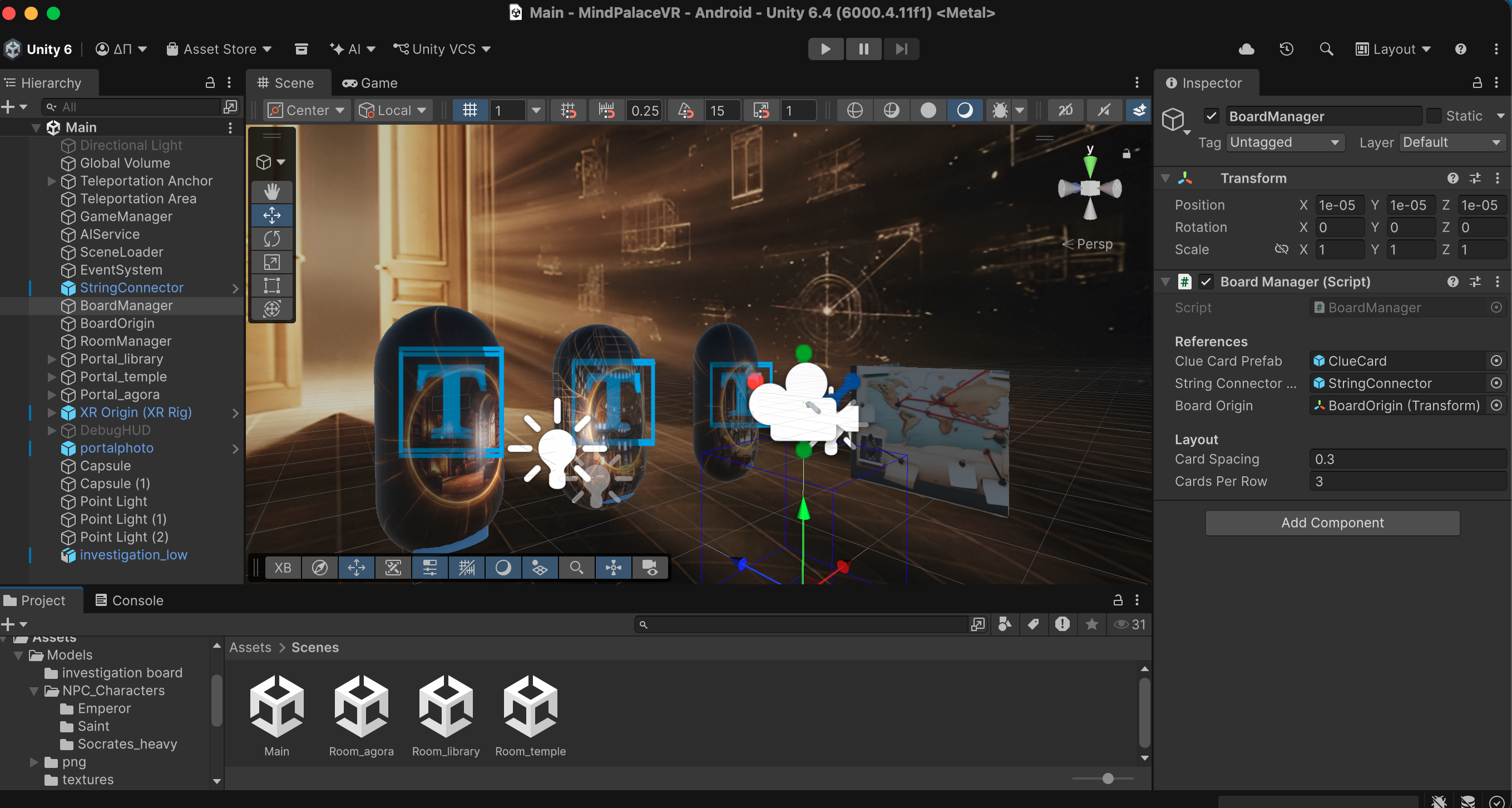
VR Unity, MindPalace
-
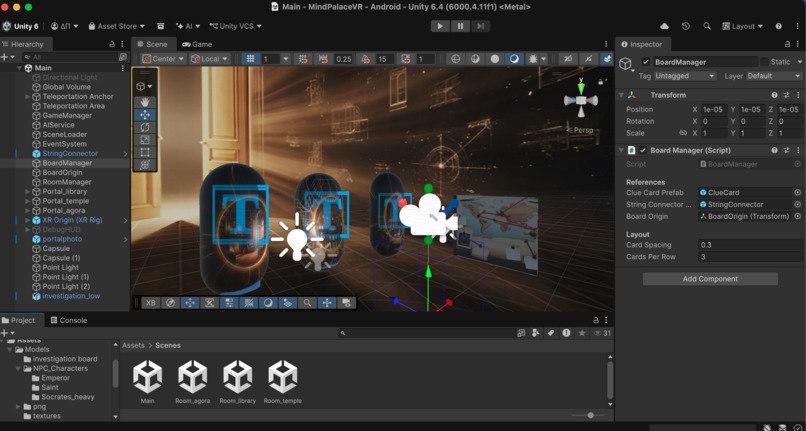
VR Unity, MindPalace
-
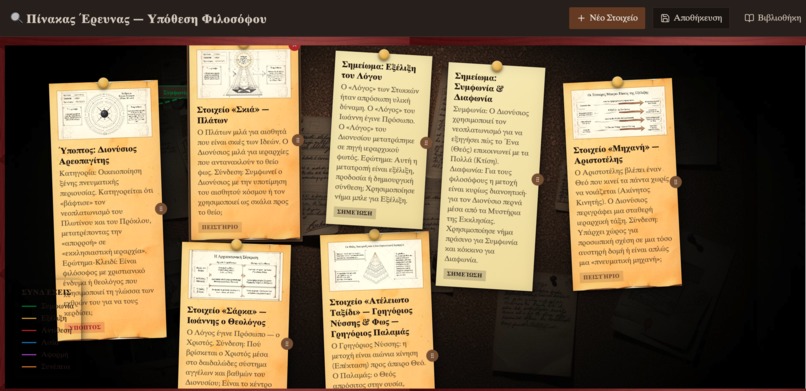
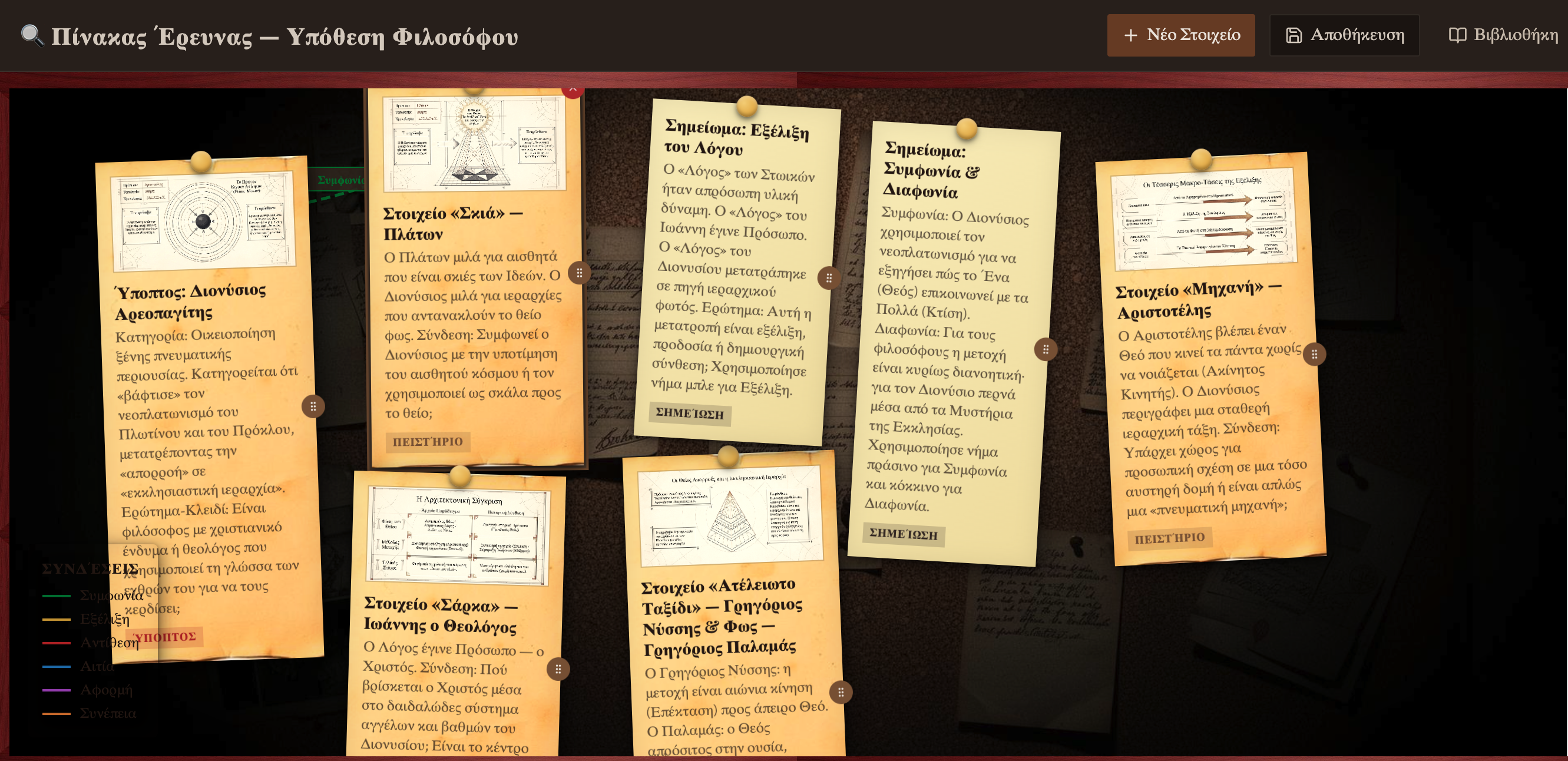
investigation board
-
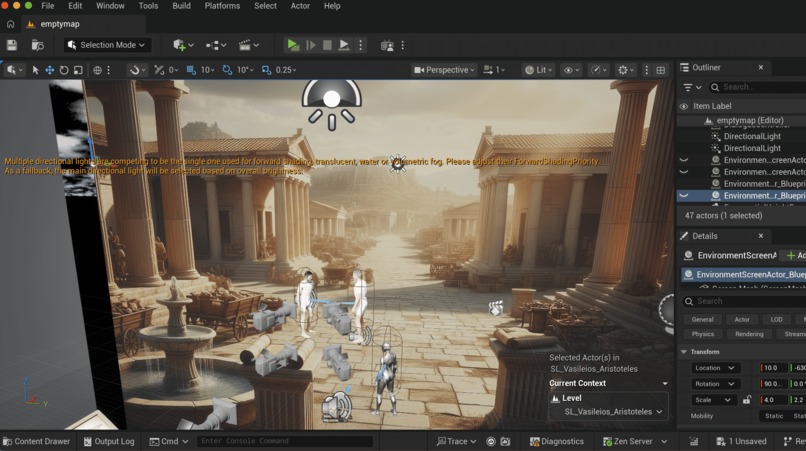
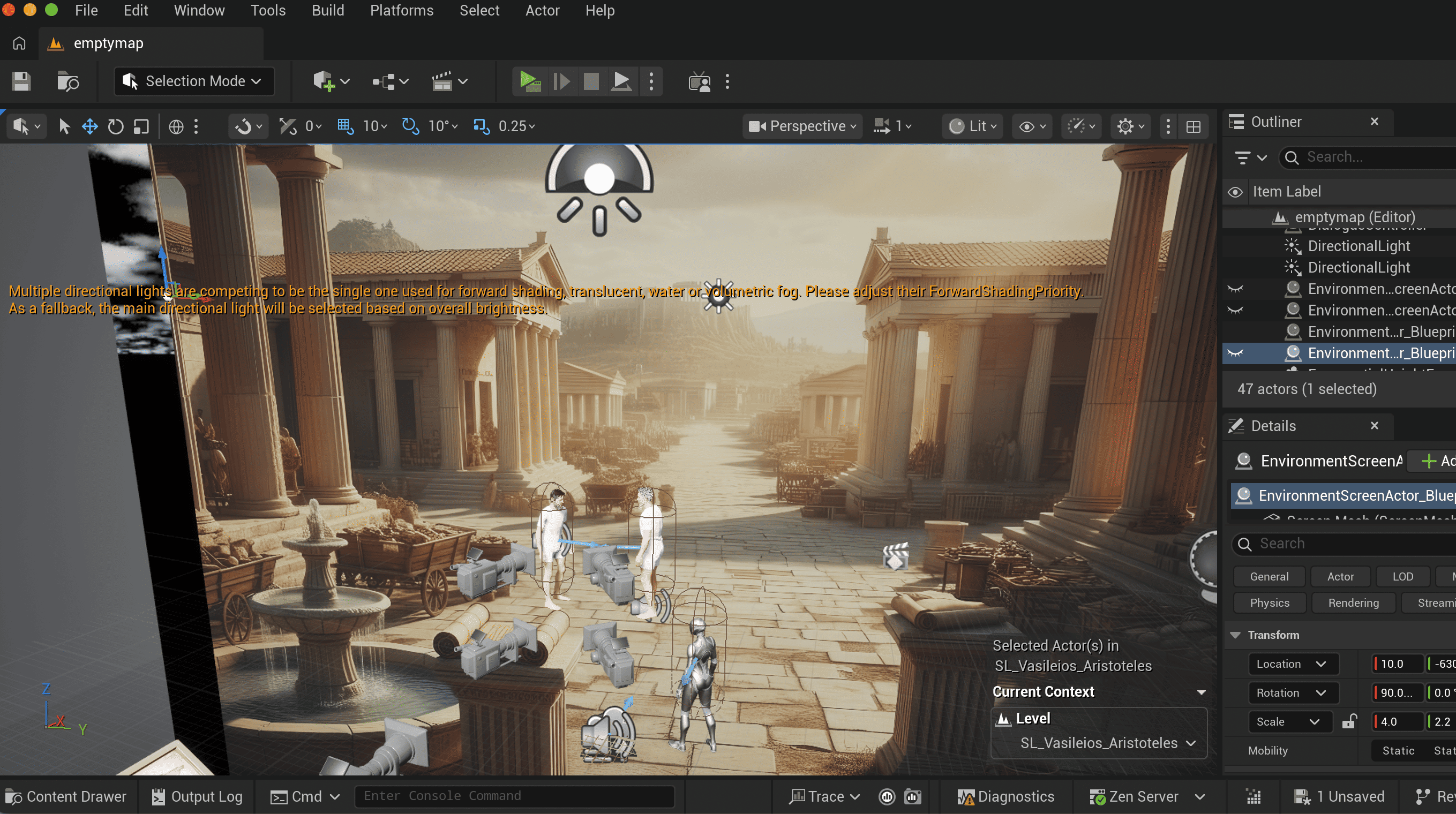
Unreal Engine
-
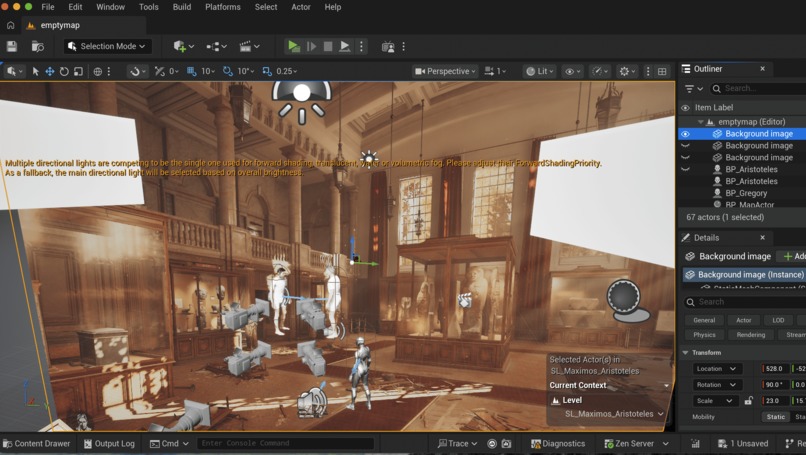
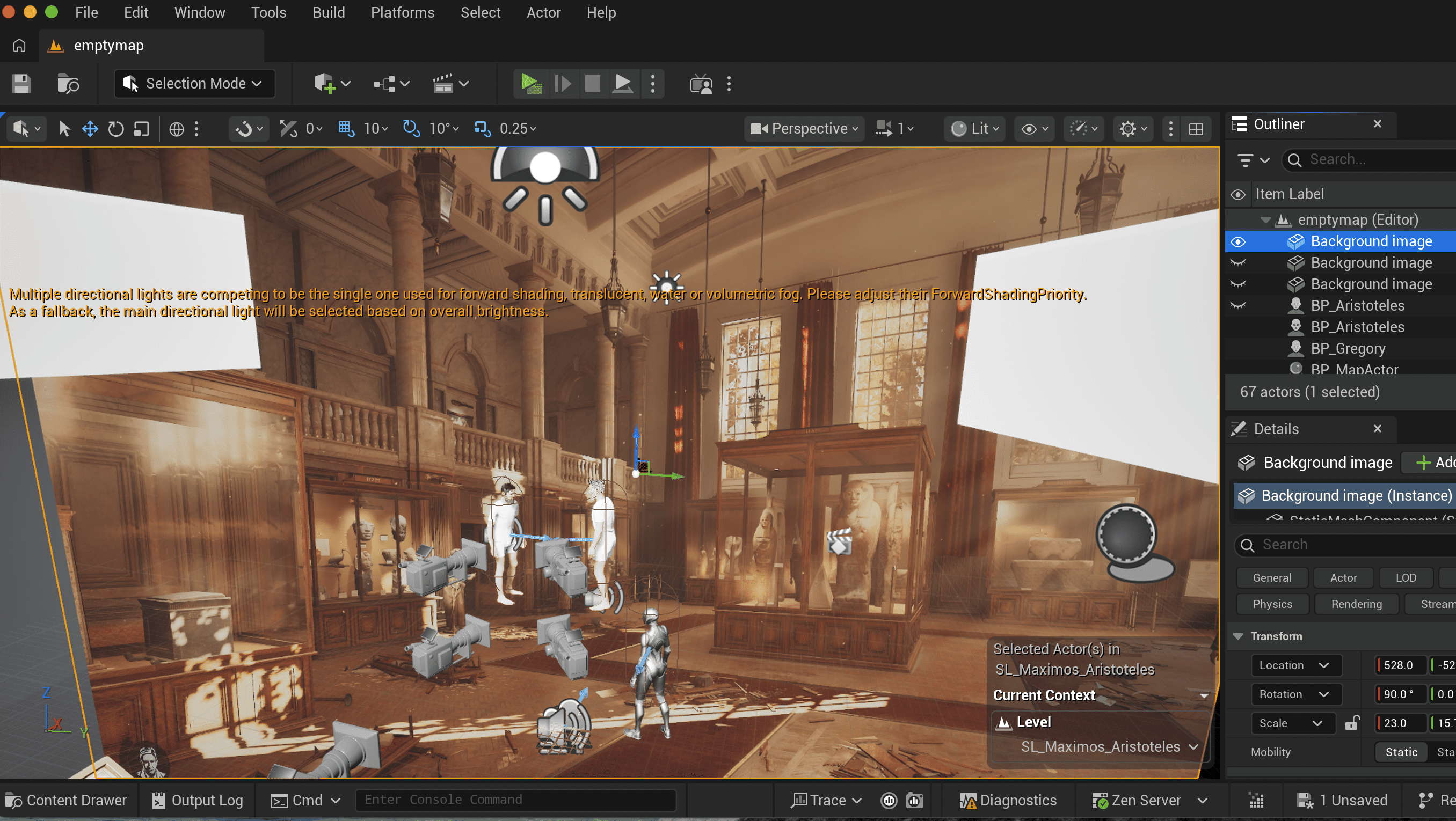
Unreal Engine
-
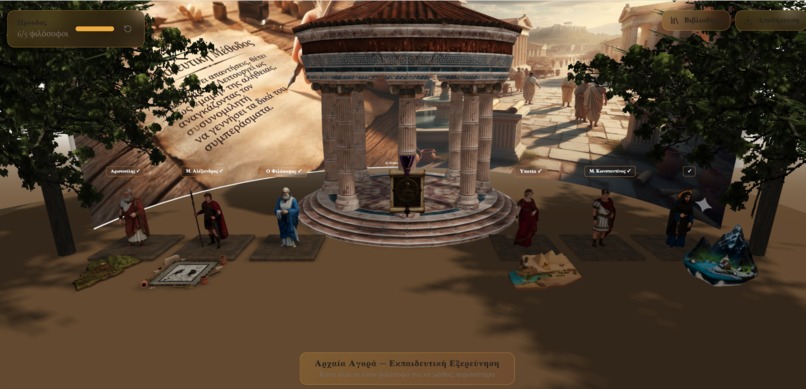
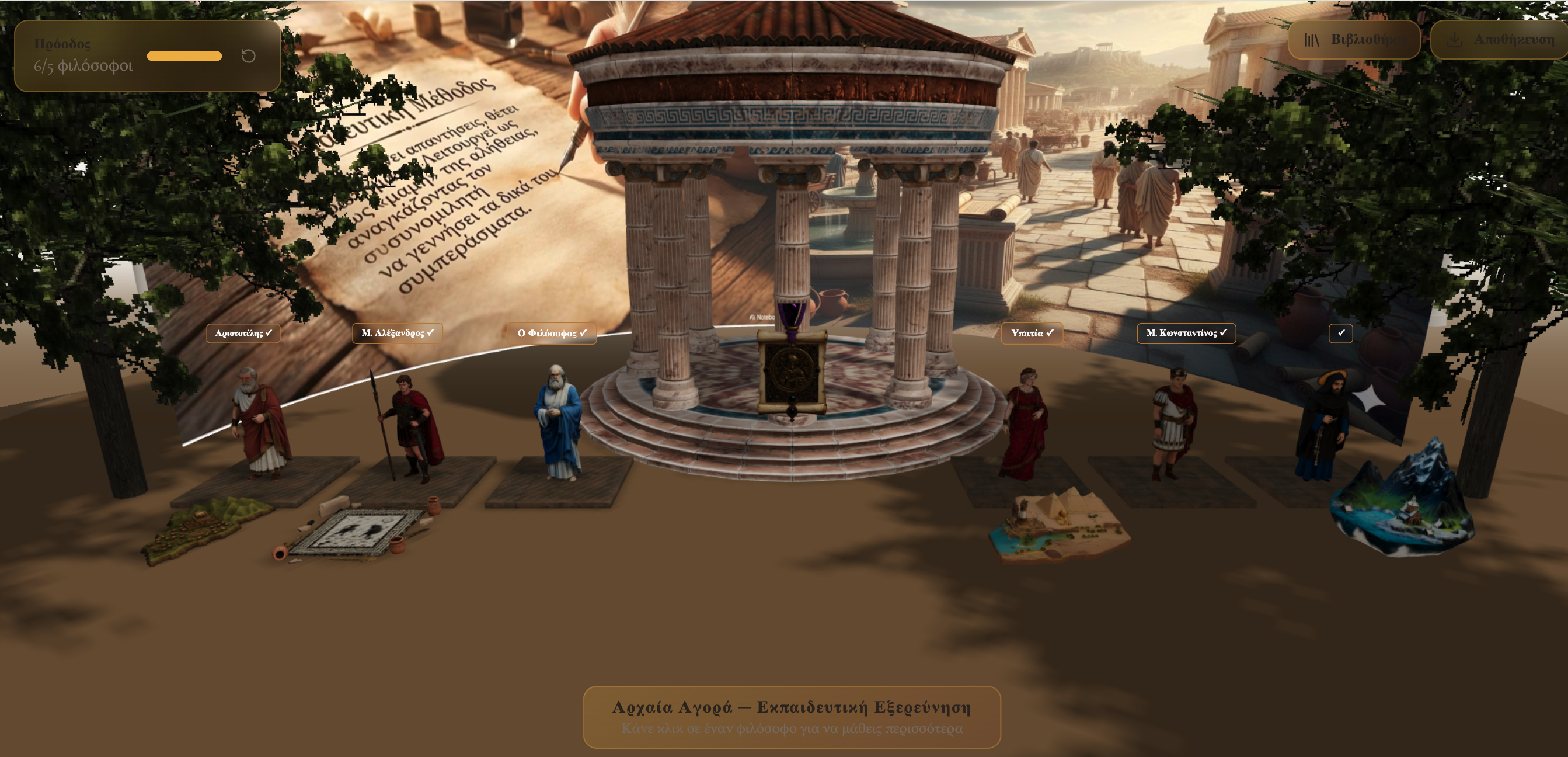
History Explorer 3D
AI-Powered Data-Driven Learning Platform
Project Overview
LearnFlow AI Overview
LearnFlow AI is a data-driven educational platform that transforms structured lesson content into reusable AI-powered learning experiences.
Instead of building individual applications for every lesson, LearnFlow AI introduces a single source of truth: a structured JSON lesson that serves as the foundation for multiple educational applications.
Teachers provide educational material, GPT-5.6 organizes and enriches it into structured lesson data, and Codex manages an agentic development workflow that validates schemas, updates lesson assets, maintains application code, synchronizes repositories, and automates deployment through GitHub Actions.
From one structured lesson, the platform can automatically power multiple educational experiences, including interactive timelines, investigation boards, notebooks, concept maps, personal learning pages, and future immersive environments.
The architecture separates educational knowledge from application logic. As lessons evolve, every connected application is updated through the same structured dataset rather than being rebuilt independently.
LearnFlow AI is designed for gradual classroom adoption. Teachers remain in control of pedagogy while AI accelerates content organization, software maintenance, and educational content distribution.
Future development will extend the same architecture to adaptive tutoring, learning analytics, and Unreal Engine experiences where AI-generated Python automation and Level Sequences can dynamically respond to student interactions while preserving the teacher-defined instructional design.
Problem
Teachers spend significant time preparing lessons, presentations, worksheets, discussion activities, and digital resources. Most of this work is duplicated because every format requires separate preparation.
Current AI tools often generate isolated responses rather than reusable educational assets. As an educator, I realized that most of our time is spent on preparation rather than actual teaching.
The exact same lesson needs to be converted multiple times into different formats (presentations, worksheets, digital activities, etc.).
I wanted a single source of truth that could power all of these seamlessly.
Solution
The platform introduces a reusable educational knowledge structure.
A single JSON lesson becomes the source for multiple outputs, including:
- Interactive web lessons
- AI tutoring conversations
- Investigation and debate activities
- Classroom discussion prompts
- Student self-assessment
- Multimedia learning experiences
- Future integration with 3D environments such as Unreal Engine
Because the lesson is data-driven, content can evolve without redesigning the application itself. Accepts structured educational content (JSON).
Utilizes [AI/LLMs] for content enrichment and activity generation.
Produces interactive lessons, AI tutoring modules, educational chats, and assessments.
How OpenAI is Used
OpenAI models are responsible for:
- transforming teacher material into structured educational data,
- generating questions with different cognitive levels,
- creating discussion scenarios,
- producing student feedback,
- adapting explanations to different learners,
- enriching lessons with contextual information while preserving the teacher's intended learning objectives.
The AI acts as an educational assistant rather than an autonomous instructor.
Innovation
The innovation lies in separating educational content from application logic.
Instead of building a new application for every lesson, the platform builds one reusable engine capable of delivering thousands of different lessons simply by changing the underlying data.
This significantly reduces development effort while allowing continuous improvement of educational content.
Educational Impact
The platform supports active learning by encouraging investigation, comparison, interpretation, and evidence-based discussion rather than passive content consumption.
Teachers remain in control of curriculum design while AI accelerates content creation and personalization.
Future Vision
The same educational dataset can power web applications today and immersive environments tomorrow.
Because lessons are stored as structured data, the platform can support web, mobile, XR, and 3D educational experiences without rewriting the educational content.
The long-term vision is an open, reusable educational ecosystem where teachers create knowledge once and deploy it across multiple learning environments. ration Expanding our library with more educational templates.
Enabling real-time collaboration between multiple educators.
Introducing agentic workflows for automated lesson updates.
XR/VR support via Unreal Engine integration.
Implementing multi-language support.

Log in or sign up for Devpost to join the conversation.