-
-
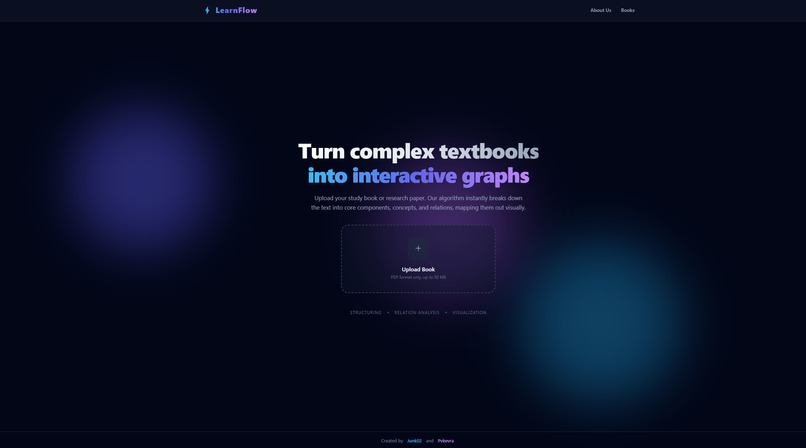
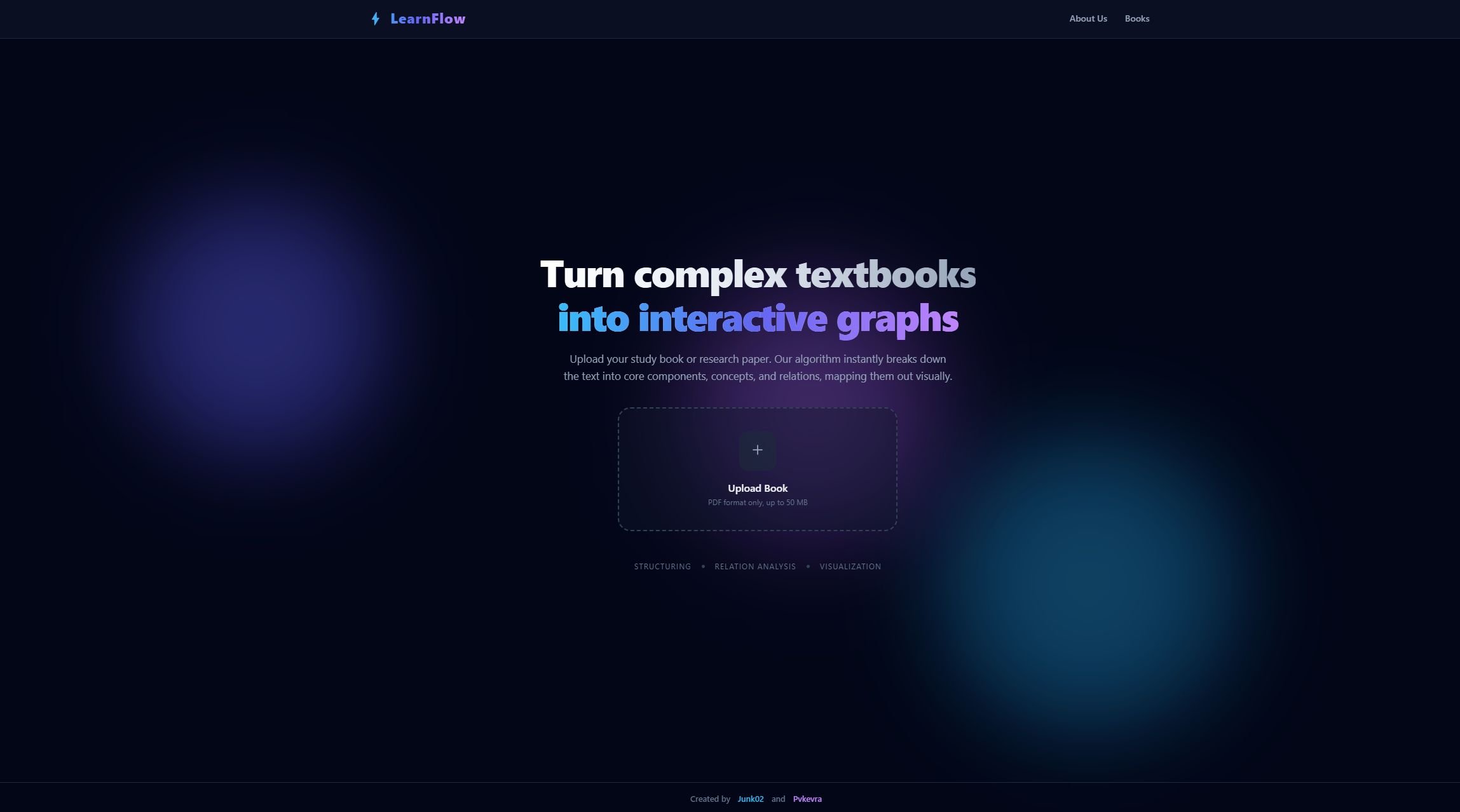
main page
-
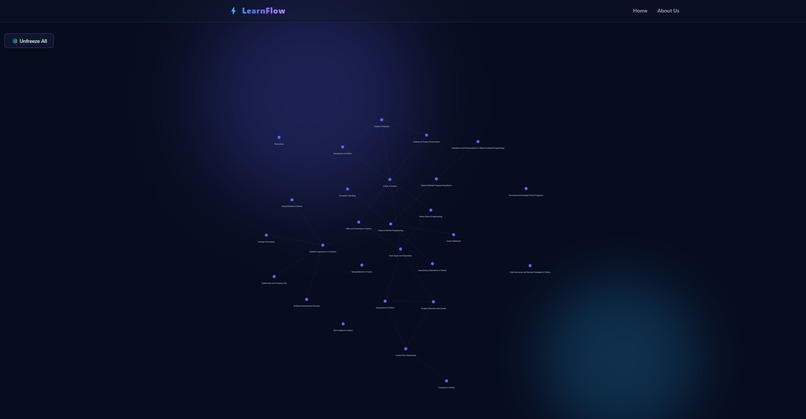
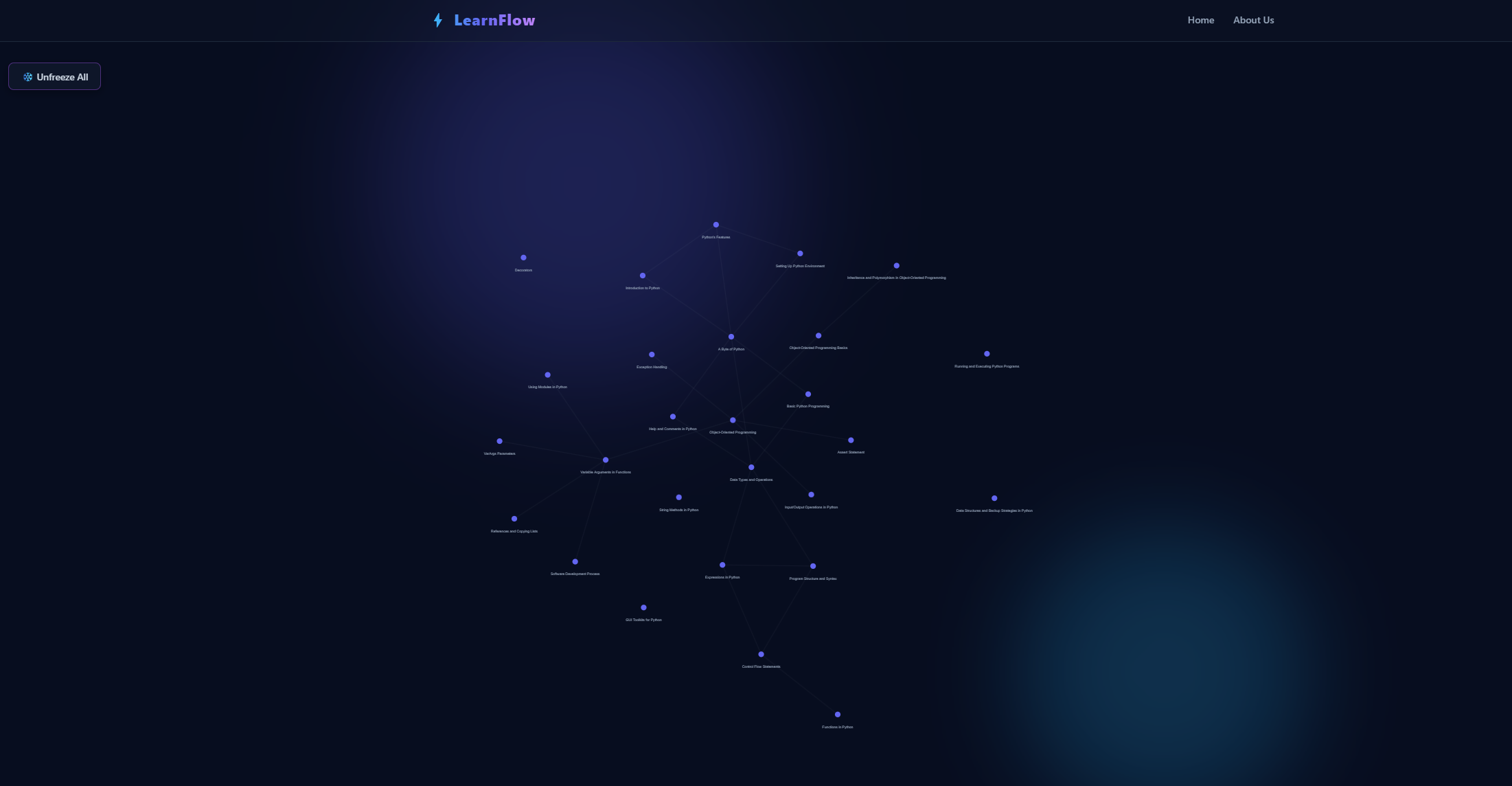
analyzed document
-
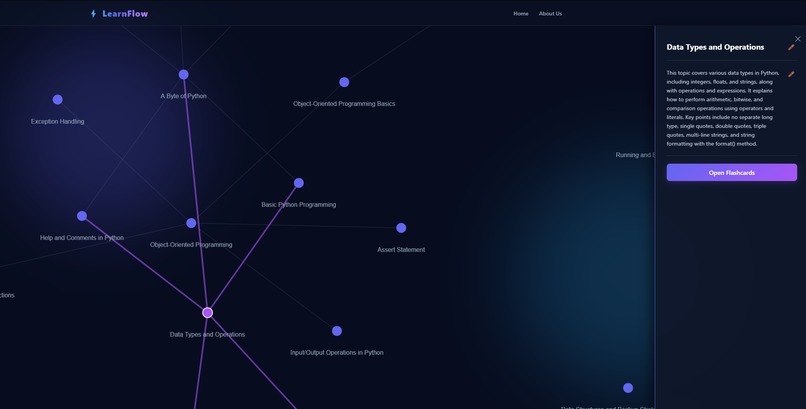
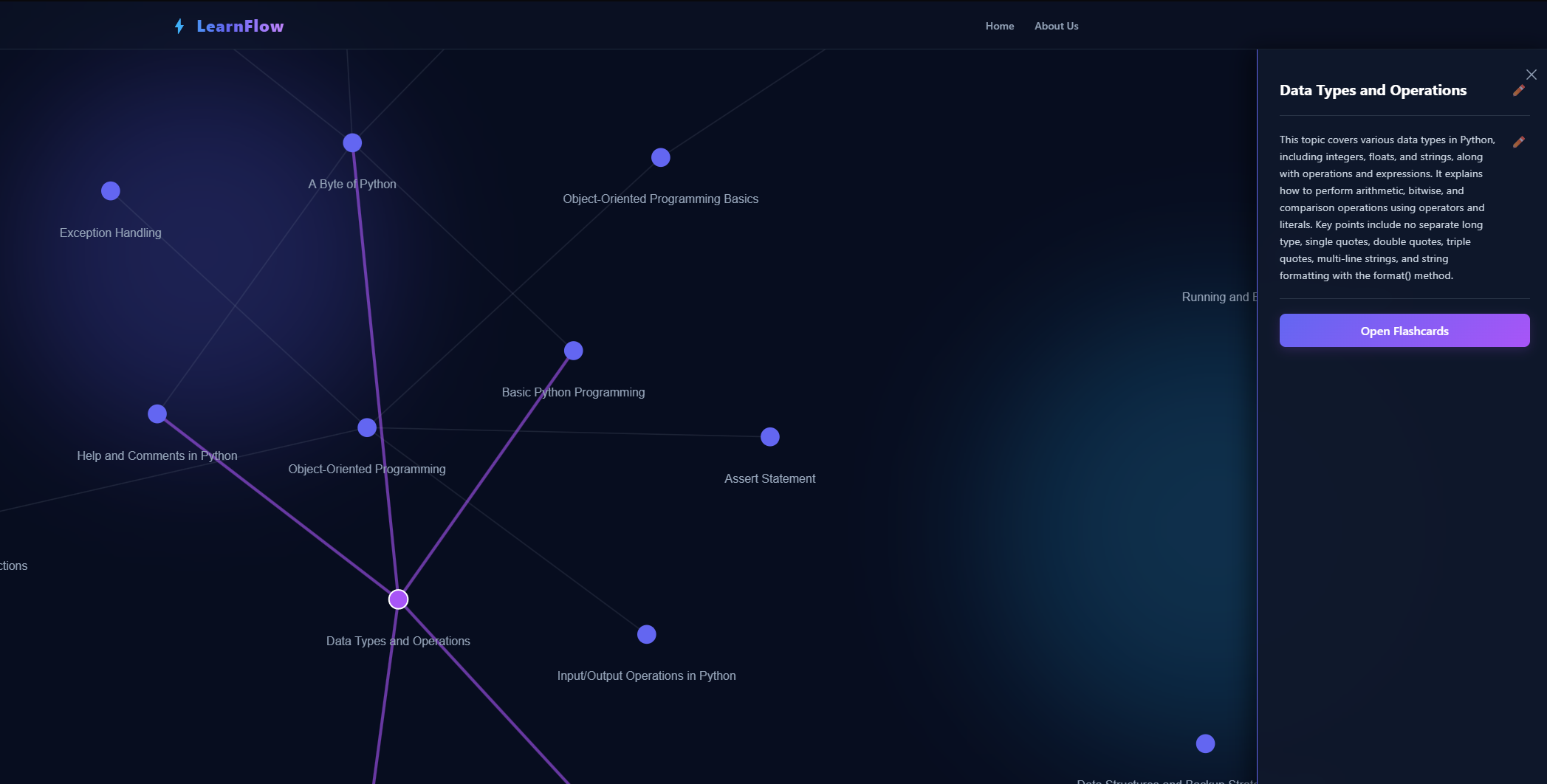
example of the node
-
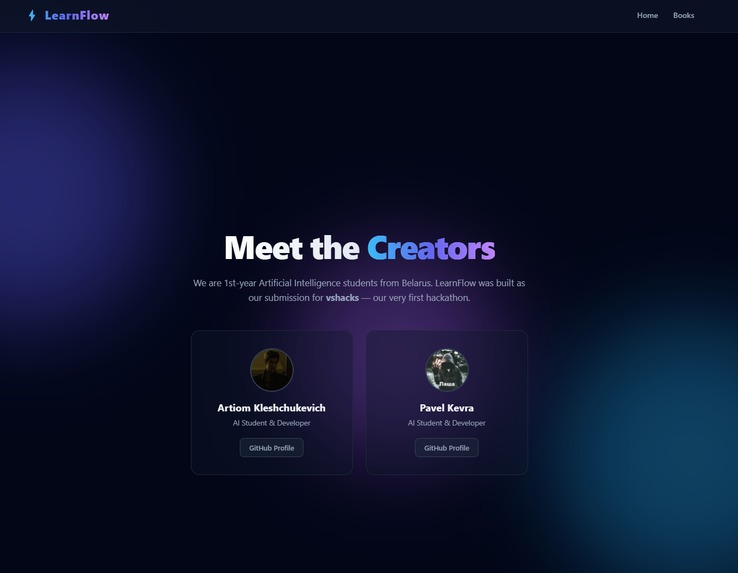
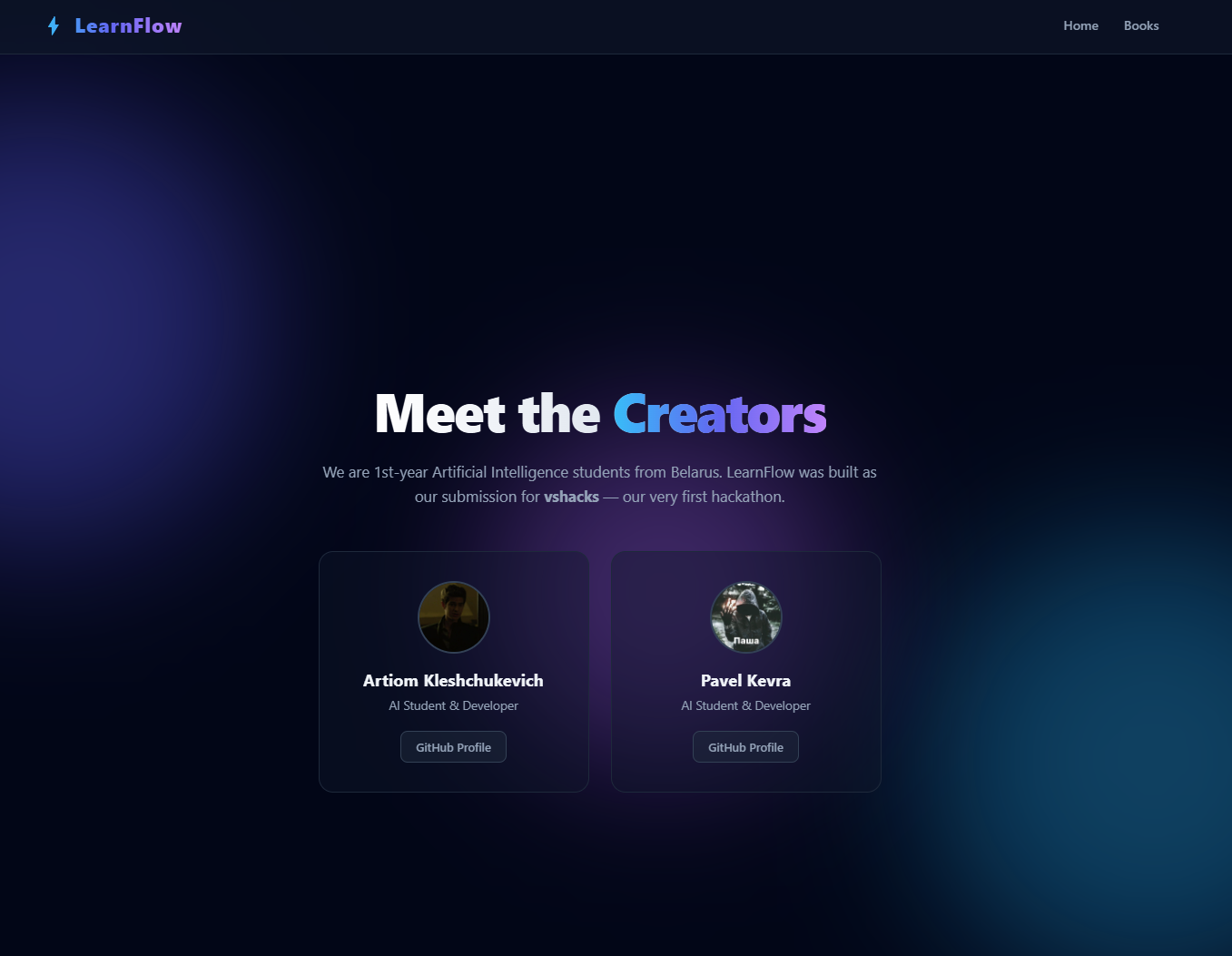
about us
Inspiration
We were really tired of wasting hours making flashcards in Quizlet and searching through textbooks, for the passages. Studying was a chore. It felt like we were doing a lot of work just to find the information we needed. We did not have much time to actually remember it. Quizlet was a problem. The textbooks were a problem. This frustration made us want to create something that would make studying easier. We wanted to make a tool that would take away the parts of studying like searching for information and let people focus on remembering and using the knowledge they get from Quizlet and their textbooks.
What it does
The system automatically analyzes any uploaded document, extracts its main topics, and builds a knowledge graph that maps relationships between concepts. It generates concise summaries for each node in the graph and produces ready‑to‑use flashcards for efficient spaced repetition. In short: upload a PDF and get structured topics, readable notes, and study cards in minutes.
How we built it
The frontend is a lightweight stack of plain HTML, CSS, and JavaScript for a fast, familiar user experience. The backend orchestrates multi‑stage API calls to large language models and processing services to fully analyze the book: chunking, topic extraction, graph construction, summary generation, and flashcard creation. The architecture prioritizes modularity so each stage can be improved independently.
Challenges we ran into
The processing speed was a problem because we did not have a lot of access, to LLM APIs. This made it take a time to analyze a full book, which was slower than we wanted it to be. We also had trouble getting the backend to work with the frontend after working on it for a time. This wasted a lot of time. We had to be very careful when we were trying to fix the problems. We had to make choices between how much things cost, how long they. How accurate they were and this was something we had to deal with all the time.
Accomplishments that we're proud of
We successfully analyzed a 170‑page Python book and automatically extracted its main themes and chapter summaries. What would normally take days of reading and manual note‑taking was reduced to minutes of automated processing. That proof‑of‑concept showed the pipeline works end‑to‑end and delivers real time savings for learners.
What we learned
Automating content analysis can dramatically speed up the learning pipeline, but it requires smart orchestration of resources and careful prioritization of development effort. We learned to focus on the stages that deliver the most value (topic extraction and flashcard quality) and to invest time where it yields the highest learning ROI.
What's next for LearnFlow
We plan to build a shared repository of structured documents where users can upload, browse, and reuse community analyses. Next steps include improving processing speed, adding user customization for flashcard formats and difficulty, and enabling collaborative features so students can share and refine study graphs together.
Built With
- css
- flask
- html
- javascript
- pdfplumber
- python
- vis-network

Log in or sign up for Devpost to join the conversation.